Whether Pattern Clarity Changes an American Shorthair’s Price
When you're looking for an American Shorthair, it's easy to get caught up in the details – especially when you see those breathtaking pictures of cats with perfectly symmetrical swirls or crisp, unbroken stripes. But then you start looking at prices, and it can feel like a complete mystery why one seemingly similar cat is significantly more expensive than another. Many aspiring owners wonder if the clarity and definition of a cat's coat pattern truly influence its price tag. This guide will help demystify how pattern clarity plays a role in the cost of an American Shorthair, letting you know what to expect and why.
The American Shorthair Standard and Pattern Importance
The American Shorthair breed has a long, storied history, rooted in working cats. While their practical skills were once paramount, when they transitioned into the world of pedigreed cats, their appearance became a key factor, guided by a breed standard. This standard is essentially a blueprint for the ideal American Shorthair, and pattern clarity is a significant part of it.
What "Pattern Clarity" Actually Means
For an American Shorthair, "pattern clarity" refers to how distinct, well-defined, and uniform the markings on its coat are. Imagine a classic tabby American Shorthair: the standard calls for broad, swirling stripes on its sides, often described as a "bullseye" pattern, with clear, dark lines. The tabby M on its forehead should be distinct, and the rings on its tail and legs should be solid and evenly spaced.
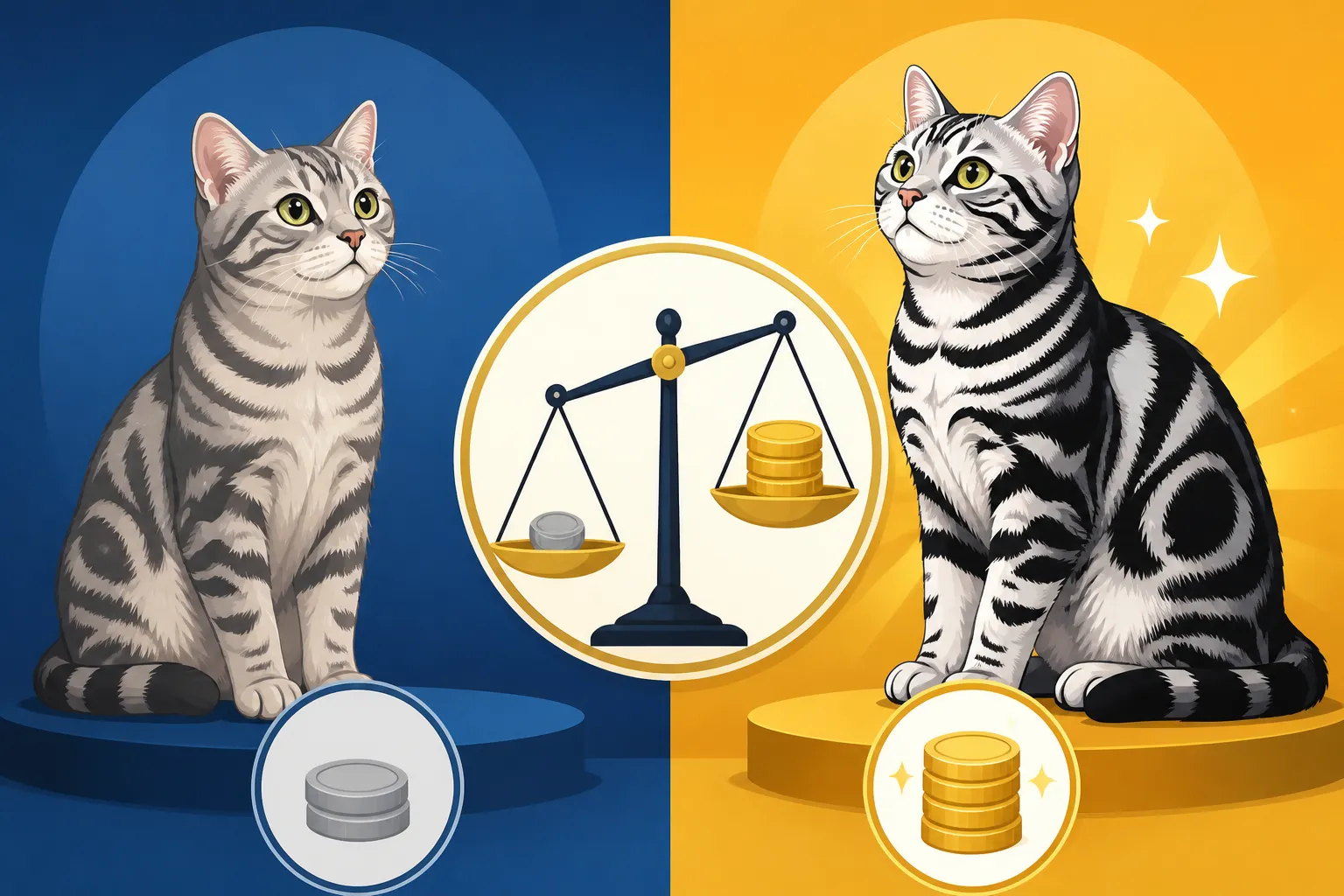
Now, picture a cat where these markings are a bit fuzzy, the lines bleed into the background color, or perhaps a swirl is broken in an irregular way. That's what breeders would refer to as a lack of pattern clarity. For a show-quality American Shorthair, these details are everything. A cat with exceptionally clear, bold, and symmetrical patterns perfectly adhering to the breed standard will always be valued higher than one whose patterns are less defined or have minor "faults." These aren't just aesthetic preferences; they represent the successful efforts of a breeder to produce cats that exemplify the breed's ideal appearance.
How Breeders Aim for Ideal Patterns
Achieving that perfect pattern clarity isn't accidental; it's the result of meticulous, responsible breeding practices. Breeders spend years studying pedigrees, understanding genetics, and carefully selecting parent cats known for producing offspring with excellent markings. It’s a bit like an artist striving for perfection in their craft, but with living, breathing canvases!
This dedication means investing in top-quality breeding stock, often traveling to secure cats with desirable traits, and engaging in health testing to ensure the parents are sound. When a breeder consistently produces cats with outstanding pattern clarity, their reputation grows, and so does the demand for their kittens. They are, in essence, selling the culmination of generations of careful planning and genetic selection. A responsible breeder will also provide What an American Shorthair Breeder Should Have Screened for, ensuring not just beauty but also health.
The Direct Impact of Pattern Clarity on Price
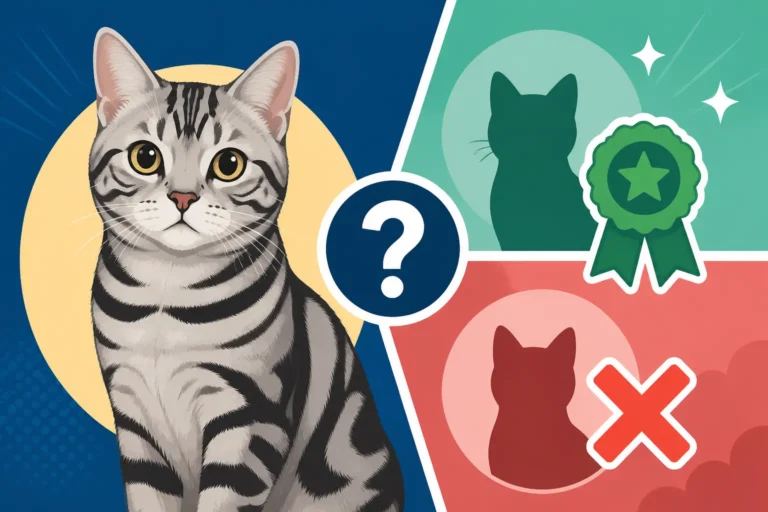
The difference in pattern clarity can lead to a significant variation in price, often determining whether a kitten is sold as "pet quality" or "show quality."
The "Show Quality" Premium for Clarity
Cats designated as "show quality" are those that meet the breed standard almost perfectly, including having impeccable pattern clarity. These are the cats a breeder believes have the potential to excel in the show ring, earning titles and furthering the breed's image. Because of their potential to contribute to the breed's future through showing or breeding, these kittens command the highest prices.
Think about it: a judge at a cat show meticulously evaluates every aspect of a cat's appearance, and pattern clarity is a major scoring component. A cat with a perfectly defined classic tabby pattern, for instance, showcases the breeder's success and commitment to the standard. This isn't just about superficial beauty; it's about the effort, knowledge, and investment poured into that specific breeding program. These cats will often have clauses in their contracts about showing or breeding rights, further reflecting their high value. It’s these precise markings that Which Markings Move an American Shorthair From Pet to Show.
"Pet Quality" and Imperfect Markings
On the other hand, many American Shorthairs are sold as "pet quality." This doesn't mean there's anything wrong with them, or that they aren't loving, healthy companions. It simply means they have a minor deviation from the strict breed standard that would prevent them from being competitive in the show ring. This could be a stripe that's not quite as bold, a swirl that's a little broken, or a slightly less symmetrical pattern.
These minor imperfections, which often go unnoticed by anyone outside of a seasoned breeder or judge, can significantly reduce the price of a kitten. A "pet quality" American Shorthair is still a purebred cat with the same wonderful temperament and health considerations as its show-quality siblings. The lower price reflects that it won't be entering the competitive show circuit or used in a breeding program. This is often where prospective owners find excellent value, getting all the charm and companionship of the breed without the premium for show-ring perfection. Many families find their perfect companion among cats whose markings simply "miss the mark" of perfection for competition, as detailed in What an American Shorthair Costs When the Markings Miss.
Color and Pattern Variations that Influence Price
While clarity is key across all patterns, some patterns and colors naturally fetch higher prices due to demand, historical significance, and the difficulty in consistently breeding them to perfection.
The Enduring Appeal of the Silver Tabby
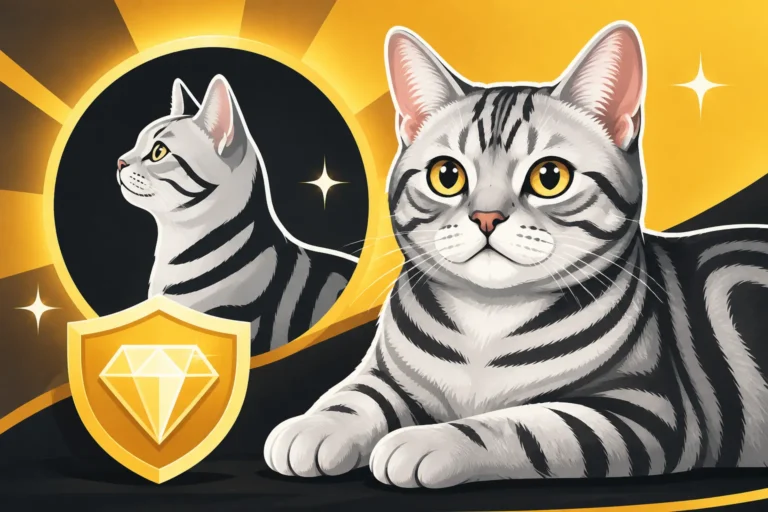
If there's one pattern that has become synonymous with the American Shorthair, it's the classic silver tabby. Its striking appearance, with a crisp black pattern on a brilliant silver background, is incredibly popular and visually stunning. This specific pattern's historical impact on the breed's recognition, coupled with its undeniable beauty, often makes a well-marked silver tabby the most expensive option.
Breeders put considerable effort into maintaining and perfecting the silver tabby lines. The contrast needs to be sharp, the silver ground color clear (without yellowing or tarnish), and the black markings distinct. Any muddiness or "smudging" of the pattern would be considered a fault in the show ring. The consistent demand for this particular look means that clear, high-quality silver tabbies will almost always be at the top end of the price spectrum. It's truly a testament to Why the Silver Tabby American Shorthair Commands a Premium.
Other Popular and Less Common Patterns
While the silver tabby holds a special place, American Shorthairs come in a vast array of colors and patterns, and clarity remains important for all of them. Brown tabbies, for instance, are also very popular, featuring rich black patterns on a coppery or warm brown background. Blue tabbies, red tabbies, and cream tabbies each have their unique appeal, and a beautifully defined pattern in any of these colors will be more valuable than a muddy or faded one.
Less common colors or patterns, while not always as historically significant as the silver tabby, can still command a premium if they are particularly striking and difficult to produce with clarity. For example, a well-marked calico or bicolor American Shorthair might be highly sought after for its unique aesthetics. However, generally speaking, when comparing Which American Shorthair Colors Cost the Most, the classic silver tabby often leads the pack in terms of demand and price for top clarity.
Here’s a simplified breakdown of how pattern clarity and purpose generally influence the price range:
| Category | Pattern Clarity Description | Typical Pricing Impact | Purpose/Buyer |
|---|---|---|---|
| Show/Breeder Quality | Near-perfect, crisp, symmetrical, bold patterns | Highest | Shows, breeding, discerning collectors |
| High Pet Quality | Very good, clear patterns; minor, non-disqualifying faults | Mid-High | Companions, sometimes local fun shows |
| Standard Pet Quality | Clear but with minor imperfections, slight fading/breaks | Mid-Range | Companions |
| Companion Quality | Noticeable pattern imperfections, muddiness, asymmetry | Lower | Loving companions, budget-conscious buyers |
Note: These are general guidelines. Actual prices depend on many factors including breeder reputation, location, lineage, and current demand.
Understanding the Breeder's Perspective and Value
It's crucial to remember that a kitten's price is a reflection of much more than just its pattern. While clarity is important, especially for certain aspirations, it’s only one part of the complex picture of responsible breeding.
The Breeder's Investment Beyond Markings
When a reputable breeder sets a price for their American Shorthair kittens, they are factoring in extensive costs that go far beyond superficial markings. This includes genetic health testing for conditions like hypertrophic cardiomyopathy (HCM), which, while less common in American Shorthairs, is still a concern. Why an American Shorthair Still Needs a Yearly Heart Scan explains the importance of this. They also ensure proper nutrition for the mother and kittens, early veterinary care (vaccinations, deworming, microchipping), and dedicated socialization to ensure the kittens are well-adjusted and friendly.
Think about the high-quality food, vet visits for the breeding cats, the time spent cleaning, feeding, and playing with the kittens, and the careful selection of mates to improve the breed. All of this investment, which ensures you receive a healthy, well-adjusted cat, contributes to the overall price. Pattern clarity is simply one aspect of the “package” you're buying. For example, some breeders use premium foods to ensure optimal growth and health, and these costs are naturally passed on. It’s also important to understand What an American Shorthair Pedigree Predicts About Health beyond just physical appearance.
What to Look for in a Reputable Breeder
When you're searching for an American Shorthair, don't let price be your only guide. A breeder who transparently explains their pricing, including the role of pattern clarity, is a good sign. They should be open about their health screening protocols, their facilities, and allow you to meet the parent cats. Visiting in person (or via video call) allows you to assess the kittens' living conditions and temperament.
Ask to see health certificates, registration papers (if applicable, as Whether an American Shorthair Kitten Comes With Papers is a key indicator of pedigree), and references. A reputable breeder cares deeply about where their kittens go and will likely have many questions for you too. They are selling a lifetime companion, not just a product. Prioritizing a breeder's ethics and commitment to health over solely chasing the lowest price, regardless of pattern, will almost always lead to a better outcome. To find a responsible breeder, you might want to consider How to Find an American Shorthair Breeder Worth Paying For.
In the end, while pattern clarity does indeed influence the price of an American Shorthair, especially for those destined for the show ring, it's not the sole determinant of a cat's value as a beloved family member. A less-than-perfect pattern doesn't diminish a cat's playful spirit, affectionate nature, or overall health. For most pet owners, focusing on health, temperament, and finding a responsible breeder should be the top priority, even if it means choosing a cat with a slightly less "perfect" but equally beautiful coat.
Disclaimer
This article is for general informational purposes only and does not constitute professional advice. Laws, prices and regulations vary by location and change over time. Consult a qualified professional for guidance on your specific situation.