Whether a Backyard Bred American Shorthair Is Really One
Many cat lovers are drawn to the sturdy build, friendly demeanor, and classic good looks of the American Shorthair, often spotting cats that bear a striking resemblance to the breed advertised online or waiting in local shelters. This naturally leads to a common question: if a cat looks just like an American Shorthair but isn't from a registered breeder, is it truly "one"? This guide will delve into the nuances of what defines a genuine American Shorthair, clarify the implications of backyard breeding, and help you understand what you're really bringing home, whether or not it has papers.
Defining a "True" American Shorthair: More Than Just a Look
When we talk about a "true" American Shorthair, we're not just referring to a cat with a short coat and a tabby pattern, though those are certainly common features. We're talking about a specific, recognized cat breed, meticulously developed and maintained by organizations like the Cat Fanciers' Association (CFA) or The International Cat Association (TICA). These associations uphold stringent breed standards that detail every aspect of the cat, from its sturdy, well-muscled body to its calm, agreeable temperament. Acquiring a registered American Shorthair means you're investing in a lineage known for consistency in these desirable traits.
The Blueprint of Breed Standards
Think of breed standards as the definitive blueprint for the American Shorthair. They outline the ideal physical characteristics, such as the breed's signature broad chest, medium-length tail, and a full, round face with distinct cheeks. These standards aren't just for show; they ensure consistency in type and, in many ways, promote the robust health the breed is known for, by generally avoiding extreme features. This adherence to a widely accepted and documented standard is what provides the foundation for distinguishing a pedigreed American Shorthair from a cat that simply shares its general appearance. It's this careful stewardship of the breed that gives owners a clear expectation of what their cat will be like as it grows.
Why "Looks Like One" Isn't the Full Story
It's an undeniable fact that countless domestic shorthair cats, often lovingly referred to as "moggies," can look remarkably similar to a purebred American Shorthair. They might sport the classic "M" on their forehead, possess a similar stocky build, and exhibit a wonderfully calm and independent disposition. However, without a verifiable pedigree, there's no way to definitively confirm their ancestry or breed purity. This isn't to diminish the value or charm of these non-pedigreed cats – they make fantastic companions! But it does mean that the guarantees of consistent traits, health predispositions, and genetic background that come with a registered purebred are simply not there. For a deeper dive into this distinction, check out How to Tell a Pedigree American Shorthair From a Domestic Shorthair. It’s about more than just looks; it's about a verifiable genetic heritage.
The Red Flags of Backyard Breeding
The term "backyard breeder" often carries a negative connotation, and for valid reasons rooted in the health and welfare of the animals. These are typically individuals who breed cats without a comprehensive understanding of feline genetics, the importance of health screening, or adherence to recognized breed standards. They might simply own a cat that appears to be an American Shorthair and decide to breed it, often without any formal knowledge of its genetic history or the potential health issues lurking in its background.
Neglecting Health and Genetic Wisdom
One of the most significant and heartbreaking concerns with cats from backyard breeders is the almost universal absence of proper health testing. Reputable American Shorthair breeders will meticulously screen their breeding animals for any hereditary conditions relevant to the breed. While the American Shorthair is famously healthy, conditions like hypertrophic cardiomyopathy (HCM) can occur, and responsible breeders work to minimize this risk through screening. Backyard breeders, driven by expediency or lack of knowledge, frequently bypass these critical steps. This omission can mean you acquire a kitten with unknown genetic predispositions or a compromised start due to inadequate early veterinary care. You might save a little money upfront, but the potential for significant vet bills down the line is much higher. Understanding what a responsible breeder provides is key, as discussed in Which Health Results an American Shorthair Breeder Must Show.
The Environment and Early Life of a Backyard-Bred Cat
The early environment and care a kitten receives are paramount to its long-term health and behavior. Unfortunately, backyard breeding operations often fall short in providing the clean, stimulating, and enriching environment that is standard among ethical breeders. Kittens might be housed in cramped or unsanitary conditions, receive insufficient socialization with humans and other animals, or even be weaned from their mother too early. These less-than-ideal beginnings can contribute to a range of problems, from chronic health issues to significant behavioral challenges like fearfulness, anxiety, or difficulties with litter box training. Furthermore, these breeders rarely offer health guarantees or a commitment to take back a cat if unforeseen problems arise, leaving new owners feeling abandoned and facing potentially immense emotional and financial strains. This starkly contrasts with the robust support, comprehensive health guarantees, and ethical responsibility you typically find with a dedicated, registered breeder who genuinely cares for their animals and the breed.
The Illusion of a "Bargain" Price
It’s not uncommon to see "American Shorthair" kittens advertised at prices that seem like an incredible bargain from backyard breeders. This can be incredibly tempting for prospective owners, especially if the kittens look healthy and charming in their online photos. However, it's crucial to understand that this seemingly lower upfront cost often disguises the much higher potential for future expenses. The savings usually come at the cost of neglected health screenings, subpar nutrition, and insufficient early veterinary care. These oversights can lead to significant out-of-pocket costs for treating genetic diseases, managing behavioral issues, or addressing other health problems that might have been avoided with responsible breeding. As we explore in Whether an American Shorthair Under Three Hundred Is Real, a significantly low price is often a major red flag that indicates corners have been cut, and the long-term cost could be far greater than any initial saving.
The Indispensable Role of Pedigree and Registration
When the question of whether a cat is "really" an American Shorthair arises, a registered pedigree stands as the definitive answer. This isn't merely about possessing a piece of paper; it represents a verifiable lineage, a testament to health assurances, and a profound commitment to preserving the breed's integrity and unique characteristics.
What a Pedigree Actually Proves
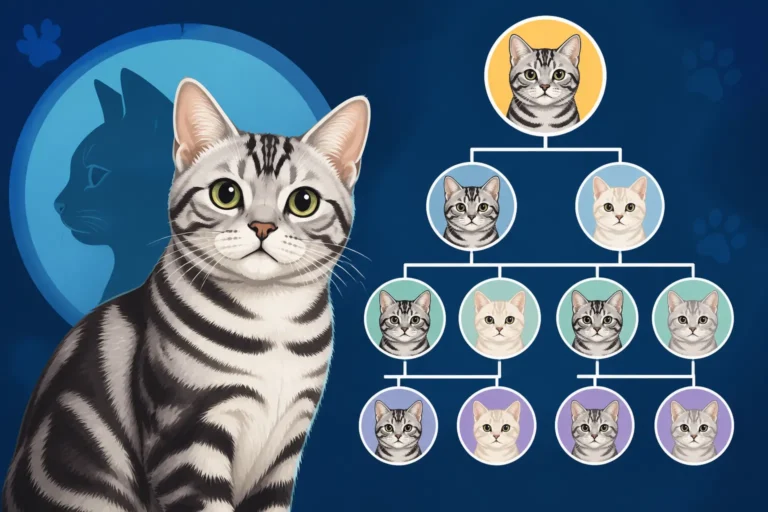
A pedigree serves as a meticulously documented family tree for your cat, detailing its ancestry over several generations. This official document, registered with a recognized cat association such as the CFA, confirms that every cat in your kitten’s lineage—parents, grandparents, and beyond—was also a registered American Shorthair, bred according to established standards. This verifiable history provides the assurance that your kitten's genetic makeup is consistently American Shorthair, meaning it is much more likely to exhibit the predictable traits and robust health for which the breed is known. It’s this traceable history that profoundly distinguishes a true purebred from a domestic shorthair, no matter how strong the resemblance. What an American Shorthair Pedigree Guarantees offers a detailed look at the peace of mind this documentation provides.
Why Registration Matters for Breed Integrity
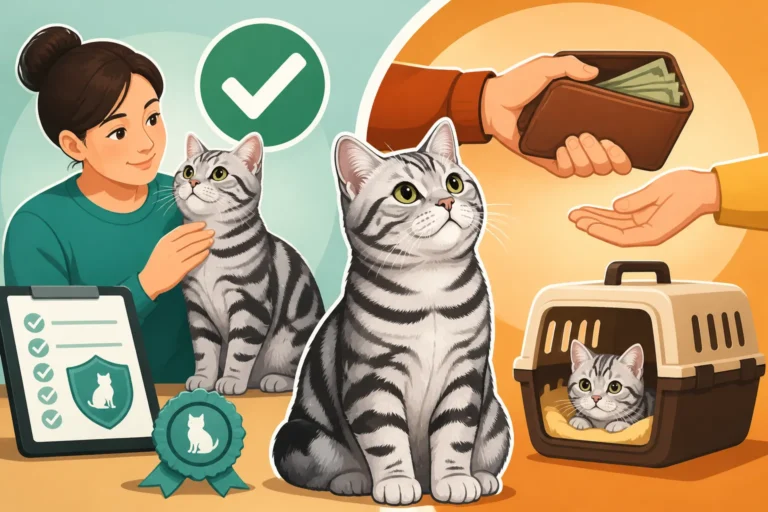
Registration with a major cat association is absolutely critical for the long-term health and integrity of any breed. It mandates that breeders adhere to specific guidelines, which include rigorous health screenings, ethical breeding practices, and strict compliance with the breed standard. This collective commitment helps to safeguard and perpetuate the distinct characteristics of the American Shorthair, from its sturdy, well-balanced physique to its famously calm and adaptable disposition. Without such regulatory oversight, breed lines can easily become diluted, and hereditary health problems can spread unchecked through populations. Therefore, when you are considering acquiring a kitten, it is always wise to request to see the registration papers and health certificates of the parents. This essential due diligence not only provides an invaluable assurance that you are receiving an authentic purebred but also signifies your support for responsible and ethical breeding practices within the feline community.
Comparing "Backyard" vs. "Registered"
Let's break down the expected differences between a cat from a backyard breeder that looks like an American Shorthair and one that is genuinely registered.
| Feature | Backyard Bred "American Shorthair" | Registered American Shorthair |
|---|---|---|
| Pedigree | Non-existent or unverifiable | Verifiable, registered with a recognized cat association |
| Health Testing | Often overlooked; unknown genetic health risks | Parents rigorously screened for hereditary conditions |
| Temperament | Variable; depends on parents, early socialization, and chance | Generally predictable; aligns with the breed standard (calm, adaptable) |
| Environment/Care | Highly inconsistent; may lack optimal conditions | Raised in a clean, stimulating home with proper socialization |
| Breeder Support | Minimal to none after purchase | Reputable breeders offer ongoing support, guidance, and health guarantees |
| Initial Cost | Often lower, but potential for substantial future vet expenses | Higher upfront, reducing risk of unforeseen long-term costs |
| "Is it real?" | Visually resembles, but genetically unconfirmed as purebred | Officially confirmed as purebred through documented lineage |
Beyond the Papers: Assessing a Cat with Unknown Origins
What if you've found a cat that strongly resembles an American Shorthair, perhaps through a local animal shelter, a rescue organization, or an informal adoption, and there’s simply no pedigree available? While such a cat may not technically be a registered American Shorthair, it can still prove to be an absolutely wonderful companion. In these situations, your focus should appropriately shift from the concept of "purebred status" to the individual cat's health, temperament, and suitability for your home.
What a DNA Test Can (and Cannot) Reveal
You might naturally consider a feline DNA test as a way to solve the mystery of your cat's heritage. These tests are indeed becoming more sophisticated and can offer fascinating insights into a cat's genetic background, perhaps indicating a high percentage of genetic markers associated with the American Shorthair breed or pointing to ancestry from certain geographical regions. This information can be incredibly interesting for personal curiosity! However, it's crucial to understand that a DNA test will not provide a registered pedigree number, nor will it offer the same assurances regarding health screenings performed on ancestral lines that a reputable breeder's documentation provides. Whether a DNA Test Confirms an American Shorthair can help clarify the benefits and limitations of these tests. While a great tool for understanding your cat's genetic makeup, it’s not a substitute for formal purebred registration.
Prioritizing Health and Temperament Above All Else
For any cat, regardless of its specific lineage or origin, the most critical factors for a harmonious home life are its overall health and its individual temperament. If you are considering adopting a cat that looks like an American Shorthair but doesn't come with official papers, it’s imperative to pay close attention to several key areas:
- Comprehensive Veterinary Check-up: Your very first step should be to schedule a thorough examination with your trusted veterinarian. During this visit, discuss vaccinations, a tailored parasite control plan, and any specific health concerns you might have observed. This initial health assessment is non-negotiable for any new pet joining your family.
- Behavioral Assessment and Observation: Take time to observe the cat's behavior in various situations. Does it appear comfortable, curious, and engaging? Or does it show signs of excessive shyness, fear, or aggression? The American Shorthair breed is celebrated for its calm, adaptable, and generally easygoing nature, so look for a cat that exhibits similar desirable traits. Gaining insight into the breed's typical temperament can be helpful, as detailed in What an American Shorthair Pedigree Predicts About Temperament, even if your cat isn't pedigreed.
- Energy Levels and Play Drive: While American Shorthairs are robust and enjoy playtime, they are not typically known for hyperactive tendencies. Observe their energy levels; an ideal companion will enjoy a good play session but also be content to lounge peacefully by your side. A cat with a moderate, balanced energy level is usually a good fit for most households.
Many cats that possess the visual characteristics of an American Shorthair, even without a formal pedigree, often inherit the breed’s natural hardiness and amiable disposition, making them truly wonderful and cherished family members. The key is to embrace and appreciate the cat for its individual merits and personality, rather than solely focusing on a breed label that may or may not be officially substantiated.
So, Is It "Really" an American Shorthair? The Verdict
After exploring the defining characteristics and the critical role of documentation, the answer to whether a backyard-bred cat is "really" an American Shorthair largely hinges on how you define "real." If your definition of "real" is based purely on a cat that visually embodies the breed standard and displays a temperament consistent with the American Shorthair, then indeed, many backyard-bred cats, and even countless cats found in shelters, can fit that description beautifully. These cats are often affectionate, sturdy, and charming, bringing immense joy to their families, often with those iconic tabby patterns we've all come to admire.
The Undeniable Pedigree Difference
However, if your definition of "real" encompasses a cat with a verified, documented lineage, officially registered with a recognized cat association, and backed by generations of health-screened, thoughtfully selected breeding, then no, a backyard-bred cat lacking these crucial credentials is not "really" an American Shorthair in the formal, recognized sense. The fundamental distinction lies in the verifiable history and the unwavering commitment of a responsible breeder to the breed's long-term health and preservation. For individuals who prioritize the predictable traits, specific appearances, and health assurances that come with a purebred animal, this distinction is absolutely paramount. The discussion in Why Pay for an American Shorthair That Looks Like a Shelter Cat perfectly encapsulates this very dilemma.
Making an Informed and Responsible Choice
Ultimately, whether you decide to welcome a pedigreed American Shorthair from a reputable breeder into your home or choose a cat that simply looks like one, the most important aspect is that your decision is informed, thoughtful, and responsible.
- For the Purebred Enthusiast: If you are specifically seeking the distinct appearance, predictable temperament, and robust health assurances that are hallmarks of a true American Shorthair, then investing in a registered cat from a reputable breeder is undoubtedly the path to take. These breeders will provide you with comprehensive documentation, detailed health records for the parents, and invaluable ongoing support and guidance throughout your cat's life. Even with a well-bred cat, unforeseen health issues can arise, so considering pet insurance from providers like Healthy Paws can offer essential peace of mind.
- For the Companion Seeker: If your primary desire is simply to enjoy the classic American Shorthair look and its generally amiable temperament, without a strict need for official papers, then a cat that resembles the breed can bring an incredible amount of joy and companionship to your life. Many domestic shorthairs possess the same wonderful qualities and make fantastic pets. In this scenario, your diligence should focus on ensuring their overall health and providing consistent, loving care. High-quality food, treats, and supplies benefit any cat, regardless of its pedigree status.
Whether pedigreed or not, every single cat deserves a loving, secure, and permanent home. The American Shorthair, in all its iterations, is deservedly celebrated for its remarkably low-maintenance coat, calm and adaptable disposition, and overall excellent health. Whether you are specifically looking for a cat that embodies The American Shorthair Still Hunts, Whether You Want It To or Not or simply a comforting, purring presence on your sofa, understanding the crucial differences between a "backyard bred" and a "registered" cat will help you make a truly informed decision and foster an even deeper appreciation for your unique feline friend.
Disclaimer
This article is for general informational purposes only and does not constitute professional advice. Laws, prices and regulations vary by location and change over time. Consult a qualified professional for guidance on your specific situation.