Where Registered American Shorthairs End Up in Rescue
It can be truly heartbreaking and, let's be honest, a bit confusing when you hear about a purebred, registered American Shorthair ending up in a rescue. Many people assume that if a cat has papers and a known lineage, it’s somehow "safe" from the realities of shelter life. But the truth is, even the most cherished pedigreed cats can find themselves needing a new home through no fault of their own. This guide aims to shed light on why these wonderful cats end up in rescue and where you can find them if you're looking to give one a second chance.
Why Registered American Shorthairs Enter the Rescue System
It might seem counterintuitive for a cat with a clear lineage and health history, often from a responsible breeder, to end up in a shelter. After all, isn't the point of a pedigree to ensure a stable start in life? Unfortunately, life has a funny way of throwing curveballs, and no cat, regardless of its papers, is immune to the vagaries of human existence. The reasons are often complex and heartbreaking, usually having more to do with the owner's circumstances than the cat itself.
Unforeseen Life Changes for Owners
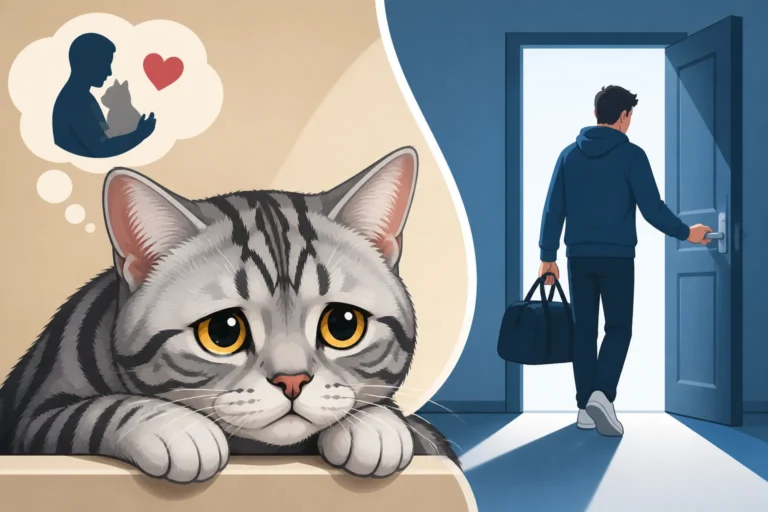
This is, by far, one of the most common reasons any cat, registered or not, finds itself needing a new home. People’s lives change drastically, and sometimes, those changes unfortunately mean they can no longer provide the care their beloved American Shorthair deserves.
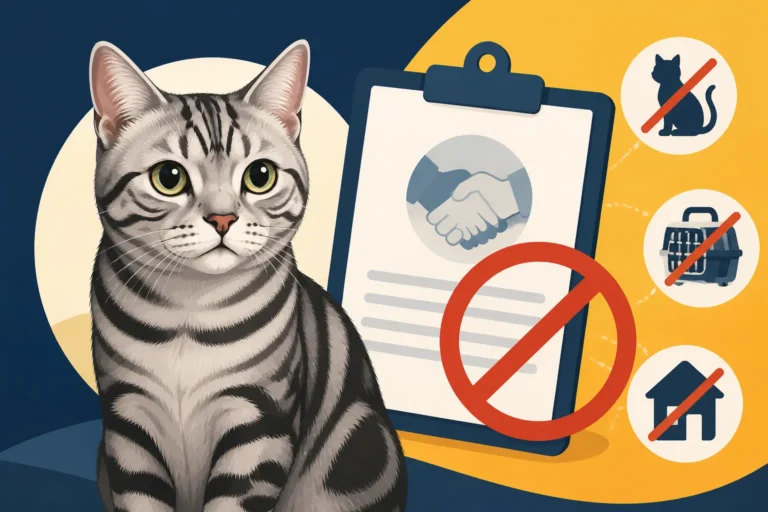
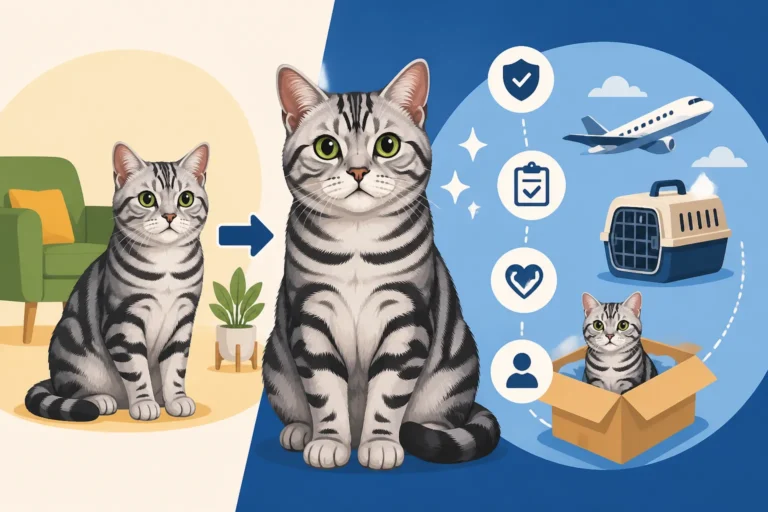
- Relocation and Housing Issues: Imagine getting a dream job offer in a new city, only to find that every apartment in your price range has a strict "no pets" policy, or limits size and breed, and your sturdy What an American Shorthair Weighs American Shorthair simply doesn't fit the bill. Or perhaps a cross-country move makes it impossible to transport a cat, especially if international travel is involved with complex quarantine rules. It's a gut-wrenching decision for any owner, but sometimes, facing homelessness or sacrificing a major life opportunity leaves them feeling like they have no other choice.
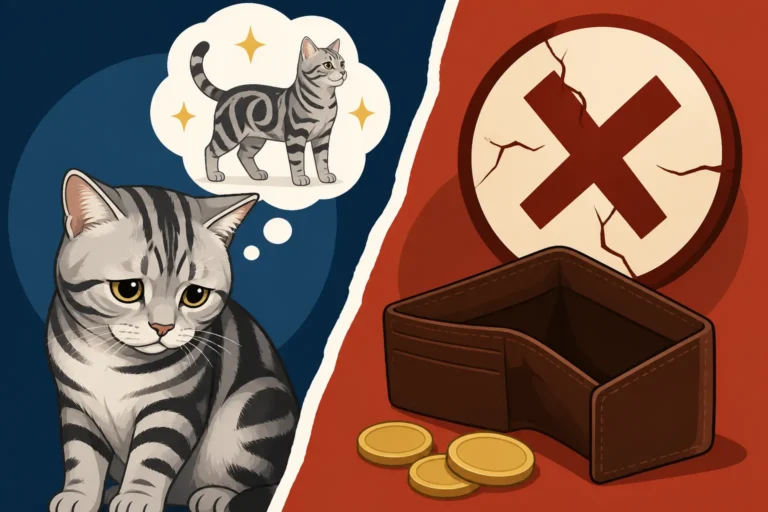
- Financial Hardship: The cost of living can skyrocket unexpectedly. A job loss, a medical emergency, or even just rising everyday expenses can make it impossible to afford quality cat food, regular vet check-ups, and emergency care. An owner might recognize they can no longer provide the standard of care a registered American Shorthair deserves and choose to surrender them to a rescue in hopes of a better future for their pet. They might truly believe it's the most loving, albeit painful, decision.
- Illness, Disability, or Death of an Owner: This is a truly tragic scenario. An elderly owner might fall ill and be unable to care for their cat, moving into a facility where pets aren't allowed. A younger owner could suffer a debilitating injury or illness that prevents them from providing daily care. And, of course, the passing of an owner often leaves pets without a designated caregiver, forcing family members, who might already have their own pets or housing limitations, to make difficult decisions. These cats often come from loving homes and are disoriented and grieving themselves.
- Divorce or Relationship Changes: When a household splits, sometimes neither party can take on the full responsibility of a pet, or housing arrangements after a divorce simply don't permit it. In amicable situations, they try to find the best solution, but sometimes that solution involves a rescue.
Breeding Program Retirements
Not every registered American Shorthair in rescue is there due to an unfortunate circumstance. Some come from a much more positive place: responsible breeding programs.
- Retirement of Breeding Cats: Ethical breeders don't keep their queens and studs breeding indefinitely. After a few litters, or when they reach a certain age, these cats are retired from breeding. A good breeder will want these animals to enjoy a full, pampered pet life. They often seek out loving "forever homes" for their retired champions. These cats are typically well-socialized, have excellent temperaments, and come with a detailed health history. They're often spayed or neutered and up-to-date on all their vaccinations. While some breeders might keep these cats as pets themselves, many want them to have a home where they can be the sole focus, rather than one of many in a cattery. This is a common way for fantastic adult American Shorthairs to become available, and they are usually prime examples of the breed. You might even find that Whether a Retired American Shorthair Breeding Queen Is Cheaper than a kitten, offering a fantastic value.
Misunderstandings or Unmet Expectations
Sometimes, the issue isn't a dramatic life change, but a mismatch between what an owner expected and the reality of owning an American Shorthair.
- Underestimating Breed Needs: While American Shorthairs are generally known for their easygoing and adaptable nature, they still have specific needs. They are sturdy, intelligent, and retain a strong hunting instinct, even indoors. What an Indoor American Shorthair Does With a Mouser's Instinct explains this well. An owner might not realize the need for interactive play, mental stimulation, or simply the space a full-grown, muscular American Shorthair requires. When these needs aren't met, behavioral problems can arise, which can lead to surrender if the owner doesn't seek help.
- Allergies in the Household: This is a tough one. A family might bring home a kitten, only to discover months later that a family member develops severe allergies. While no cat is truly hypoallergenic, some people hope the American Shorthair's short coat might be easier to manage. When it's not, and medication or lifestyle adjustments aren't enough, rehoming becomes a difficult necessity.
- Lack of Training or Socialization: Although American Shorthairs are generally placid, any cat benefits from early socialization and consistent boundaries. If a kitten wasn't properly socialized or an owner didn't understand how to handle typical cat behaviors (like scratching furniture or counter-surfing), they might become overwhelmed. It's often not the cat's fault, but a lack of understanding on the owner's part. Why an American Shorthair Fits Any Household delves into their adaptable nature, but even adaptability has limits if a cat isn't given proper guidance and enrichment.
Where to Find Registered American Shorthairs in Rescue
So, you're looking to open your home to a registered American Shorthair in need? That's a wonderful decision! While it might take a little more legwork than simply walking into your local shelter, these pedigreed cats do appear in rescue, and knowing where to look is key.
Breed-Specific Rescues
These are hands down your best bet when searching for a registered American Shorthair. These organizations are passionate about their specific breed and work tirelessly to rehome cats that perfectly match the breed standard and temperament.
- Dedicated American Shorthair Rescues: Many breed clubs, like the Cat Fanciers' Association (CFA) or The International Cat Association (TICA), have affiliated rescue networks or list reputable breed-specific rescues on their websites. These rescues often have direct connections with breeders who are retiring cats or need to rehome one due to unforeseen circumstances. They understand the nuances of the breed, its health needs, and its typical temperament. They can provide detailed background on the cat, often including its full pedigree papers, health screenings, and even show records. What an American Shorthair Pedigree Buys That a Free Tabby Does Not explains the value these papers hold. The volunteers are typically very knowledgeable and can help you find a cat that perfectly suits your lifestyle. A quick online search for "American Shorthair rescue" plus your region is a great starting point.
- Benefits of Breed-Specific Rescues: They often conduct thorough screening processes for adopters, including vet checks and home visits, ensuring their cats go to appropriate homes. The cats in their care are often in foster homes, meaning their personalities are well-known, and they've already acclimated to a home environment, making the transition easier for you and the cat.
All-Breed Shelters and Humane Societies
While they don't specialize, registered American Shorthairs do occasionally land in general shelters. It might require a keen eye and some diligent inquiry.
- Surrendered Pets: When an owner faces a crisis, their first thought is often their local humane society or animal shelter. They might disclose the cat's pedigree, or sometimes, it's simply listed as a "Domestic Shorthair" because the owner didn't provide papers or the shelter staff isn't trained to identify specific breeds without documentation.
- How to Identify Them: When visiting a shelter, look for cats that strongly resemble the American Shorthair breed standard: a sturdy, muscular build, a round head, expressive eyes, and a short, dense coat. Pay particular attention to the tabby patterns, especially the classic "bullseye" or "butterfly" marking on the shoulders often seen in the breed. If a cat catches your eye, don't hesitate to ask staff if they have any information on its background, if papers were surrendered, or if it's known to be a purebred. Sometimes, cats are listed with basic information, but a deeper dive into their intake records might reveal more.
Online Rescue Directories and Social Media
The internet has revolutionized pet adoption, making it easier to connect with rescues far and wide.
- Online Adoption Platforms: Websites like Petfinder or Adoptapet allow you to filter by breed and location. Set up alerts for "American Shorthair" in your desired radius. Many rescues, even small, local ones, list their available animals on these platforms.
- Social Media Groups: Search for Facebook groups dedicated to American Shorthair enthusiasts or rescue in your area. Many foster-based rescues and individuals use these platforms to network and find homes. However, exercise caution and always ensure you are dealing with a legitimate rescue organization, not an individual trying to rehome a cat without proper vetting or care. Always insist on visiting the cat in its foster home and verifying the rescue's legitimacy.
- Reaching Out to Breeders: Even if you're not buying a kitten, contact reputable American Shorthair breeders in your region. Many breeders maintain relationships with their cat's families and might know of an adult cat needing a new home due to unforeseen circumstances. They may also be involved in breed rescue efforts directly. Ask them what paperwork What an American Shorthair Breeder Should Have Screened for to ensure a healthy animal.
The Process of Adopting a Registered American Shorthair
Adopting a registered American Shorthair from a rescue is a commitment, and the process reflects the rescue's dedication to finding the best possible home. It's designed to be thorough, ensuring a lifelong match. While it might feel extensive, remember that every step is taken with the cat's welfare at heart.
Application and Screening
Expect to fill out a detailed application. Rescues want to know as much as possible about your lifestyle, living situation, and experience with pets.
- Comprehensive Questionnaires: These applications often cover everything from your living arrangements (house vs. apartment, owned vs. rented – and if rented, proof of pet-friendly policies), your work schedule, current pets, and past pet ownership history. They’ll ask about your experience with cats, your understanding of cat behavior, and how you plan to care for the cat (e.g., indoor-only, diet, veterinary care). Don't be surprised by questions about your existing pets' vaccination status and if they are spayed/neutered.
- Why the Scrutiny? It’s not about judging you; it’s about making sure the American Shorthair you're interested in will thrive in your home. These cats often come from a background where they were well-cared for, and rescues want to ensure that continues. They're looking for stability, commitment, and a genuine understanding of what pet ownership entails. Sometimes people underestimate How Undemanding an American Shorthair Really Is, thinking they can just leave it alone. Rescues want to ensure you're ready for the commitment.
Vet Checks and Home Visits
These steps are crucial for the rescue to ensure a safe and suitable environment for their cats.
- Veterinary Reference Checks: Rescues will almost always contact your current or previous veterinarian to verify that your past and present pets receive regular check-ups, vaccinations, and necessary medical care. This gives them insight into your responsible pet ownership.
- Home Visits: Many reputable rescues conduct home visits, either in person or sometimes virtually via video call. This isn't meant to be intrusive, but rather an opportunity for the rescue to see the environment where the cat will live. They'll look for things like safety (e.g., secure windows, potential hazards), cleanliness, and adequate space. It's also a chance for you to ask more questions and for the rescue to offer advice on preparing for your new arrival. They might even discuss ways to enrich your home environment to satisfy your American Shorthair’s natural instincts, like providing vertical spaces or scratching posts. How Much Vertical Space an American Shorthair Needs is a great reference for this.
Adoption Fees and What They Cover
Yes, there will be an adoption fee, and it's an essential part of the rescue process. These fees are not arbitrary; they cover the significant costs associated with caring for rescued animals.
- Covering Care Costs: Adoption fees help offset the expenses incurred by the rescue, which can be substantial. This includes veterinary examinations, vaccinations, deworming, flea treatment, microchipping, and spaying or neutering. Many rescued cats also require dental work, specialized medical treatments, or ongoing medication before they are adopted. What a Shelter Fee Covers on an American Shorthair Type Cat highlights these vital services.
- Valuing the Pet: An adoption fee also ensures that adopters are serious about their commitment. People are less likely to impulsively adopt and then abandon a pet they have invested in. While the fee won't cover the full lifetime cost of ownership, it helps signify your commitment. Remember, after adoption, continued care is crucial. Considering pet insurance like Healthy Paws can help manage unexpected veterinary costs throughout your American Shorthair's life, offering peace of mind.
Paperwork and Health Records
One of the significant advantages of adopting a registered American Shorthair from a reputable rescue is the access to their documented history.
- Registration Papers: If the cat is truly registered, the rescue should provide you with copies of their registration papers from organizations like the CFA or TICA, or at least be able to tell you where the cat's lineage can be verified. This confirms its purebred status.
- Comprehensive Health History: You should receive a detailed health record, including vaccination dates, deworming history, microchip information, and any past medical treatments or diagnoses. This is incredibly valuable for your veterinarian and helps you understand your new cat's health needs from day one. Whether an American Shorthair Kitten Arrives With Health Paperwork sets a standard for the kind of documentation you should expect for a pedigreed cat.
Supporting Rescued American Shorthairs
Bringing a rescued American Shorthair into your home is a fantastic way to support these wonderful cats, but there are many other ways to contribute, whether you're ready to adopt or not. Every little bit helps make a difference in the lives of cats awaiting their forever homes.
Fostering and Volunteering
If you have space in your home and heart, but aren't ready for a permanent adoption, fostering can be incredibly rewarding.
- Opening Your Home to a Foster Cat: Fostering involves temporarily taking a rescue cat into your home, providing food, shelter, and love until a permanent adopter is found. This is a lifeline for rescues, as it allows them to save more animals than their physical shelter capacity would permit. For the cat, a foster home offers a calm, nurturing environment away from the stress of a shelter, helping them decompress, socialize, and show their true personality. You might be fostering a retired queen who needs to learn what "just being a pet" means, or a cat surrendered due to an owner's illness.
- Volunteering Time: Even if you can't foster, rescues always need volunteers. This could involve cleaning cages, helping with administrative tasks, transporting cats to vet appointments, assisting with adoption events, or even just spending time socializing with the cats. Every hour you contribute frees up staff to focus on critical care.
Donations and Sponsorship
Financial support is the backbone of any rescue operation. Without it, they simply cannot provide the necessary care.
- Monetary Donations: Cash donations are always needed and allow rescues the flexibility to allocate funds where they are most needed – whether it's for emergency vet care, high-quality food, or facility maintenance. Many rescues rely entirely on donations to operate.
- In-Kind Donations: Think beyond money. Rescues are always in need of supplies: quality cat food, litter, blankets, towels, toys, carriers, and cleaning supplies. Even gently used items can often be put to good use. Check with your local rescue for their specific wish list.
- Sponsorship Programs: Some rescues offer sponsorship programs where you can commit to a recurring donation for a specific cat or for the general care of animals in need. This provides predictable income, allowing the rescue to plan their budget more effectively.
Spreading Awareness and Responsible Ownership
Sometimes the most impactful thing you can do costs nothing at all: educate yourself and others.
- Educating Others: Many people are genuinely unaware that pedigreed cats like American Shorthairs end up in rescue. By sharing information about adoption, dispelling myths, and highlighting the benefits of rescue animals, you can encourage more people to consider adoption over purchasing. Share rescue posts on social media, talk to friends and family, and be an advocate for responsible pet ownership.
- Promoting Spay/Neuter: Overpopulation is a huge problem in animal shelters. Advocating for and practicing spaying and neutering for all pets is crucial to reducing the number of animals that end up in rescues.
- Considering a Second Cat from Rescue: If you already have an American Shorthair and are thinking of adding another feline companion, consider adopting from a rescue. What Adding a Second Cat for an American Shorthair Costs a Year outlines the commitment, but the joy they bring is immeasurable. Rescues can often help you find a cat whose temperament will complement your existing pet.
Ensuring Continued Health and Care
Your role as an owner of a rescued American Shorthair is to continue the excellent care it has hopefully received.
- Regular Veterinary Care: Commit to routine vet check-ups, vaccinations, and preventative care. This is especially important for American Shorthairs, known for their robust health, but still susceptible to common feline ailments as they age. Caring for an American Shorthair Past Twelve is a crucial resource for senior pet care.
- Appropriate Nutrition: Feed a high-quality, balanced diet suitable for your cat's age, activity level, and any specific health needs. Proper portion control is essential, especially given that the American Shorthair has a propensity for weight gain once its “working” job is done.
- Enrichment and Love: Provide plenty of toys, scratching posts, climbing opportunities, and interactive play sessions to keep your American Shorthair mentally and physically stimulated. Most importantly, give them a stable, loving environment where they feel safe and cherished.
Adopting a registered American Shorthair from rescue isn't just about getting a pedigreed cat; it's about giving a deserving animal a second chance at a happy, healthy life. It's a testament to your compassion and commitment, and it helps ensure that these wonderful cats continue to enrich lives for years to come.
Disclaimer
This article is for general informational purposes only and does not constitute professional advice. Laws, prices and regulations vary by location and change over time. Consult a qualified professional for guidance on your specific situation.