Whether an American Shorthair Cross Is Sold as Pedigree
It’s a scenario I’ve heard countless times: someone falls in love with a cat they’re told is an "American Shorthair," or perhaps an "American Shorthair mix," only to find themselves confused when trying to understand its background or value. The truth is, the world of cat breeding can be murky, and it’s a valid frustration when you're trying to figure out if that charming feline you've adopted or are considering is truly what it's claimed to be, especially when terms like "pedigree" and "cross" are thrown around so loosely. This guide is here to clear up that confusion, explaining precisely what a pedigree American Shorthair is, what a cross means, and how to spot the difference so you can make informed decisions.
Understanding "Pedigree" Versus "Cross" in Cats
When we talk about cats, the terms "pedigree" and "cross" carry very specific meanings, and mixing them up can lead to misunderstandings or even outright misrepresentation. It's not about loving one type of cat more than another, but about understanding what you're actually getting in terms of genetics, heritage, and the official recognition that comes with it.
What Defines a Pedigree American Shorthair?
A pedigree American Shorthair isn't just a cat that looks the part; it's a cat with a documented family tree, recognized by official cat registries like the Cat Fanciers' Association (CFA) or The International Cat Association (TICA). This means both of its parents, and many generations before them, were also registered American Shorthairs. Think of it like a human family tree, but for cats, meticulously recorded to ensure the purity of the breed. Each cat in that lineage adheres to the breed standard, which dictates everything from their square muzzle and broad chest to their eye color and coat texture.
When a breeder sells a true pedigree American Shorthair, they provide registration papers, often with a multi-generational pedigree chart. These documents aren't just fancy pieces of paper; they are proof of the cat's ancestry and its compliance with breed standards. Without these papers, regardless of how much a cat might look like an American Shorthair, it cannot officially be called a "pedigree." This distinction is crucial, especially if you have an interest in showing your cat or becoming a breeder yourself. It's about preserving specific traits and ensuring responsible breeding practices. What an American Shorthair Pedigree Guarantees delves deeper into these assurances.
What Exactly Is an American Shorthair Cross?
An American Shorthair cross, sometimes referred to as a mix or a Domestic Shorthair (if its ancestry is unknown), is a cat that has one parent who is a registered American Shorthair and another parent from a different breed or an unregistered background. So, if you have a mom who is a beautiful, registered American Shorthair and a dad who is, say, a fluffy Persian or even just the friendly neighborhood tabby, their kittens would be considered American Shorthair crosses. They might inherit some of the wonderful traits of the American Shorthair, such as its robust build, pleasant temperament, or classic tabby markings, but they won't have a pure, documented lineage.
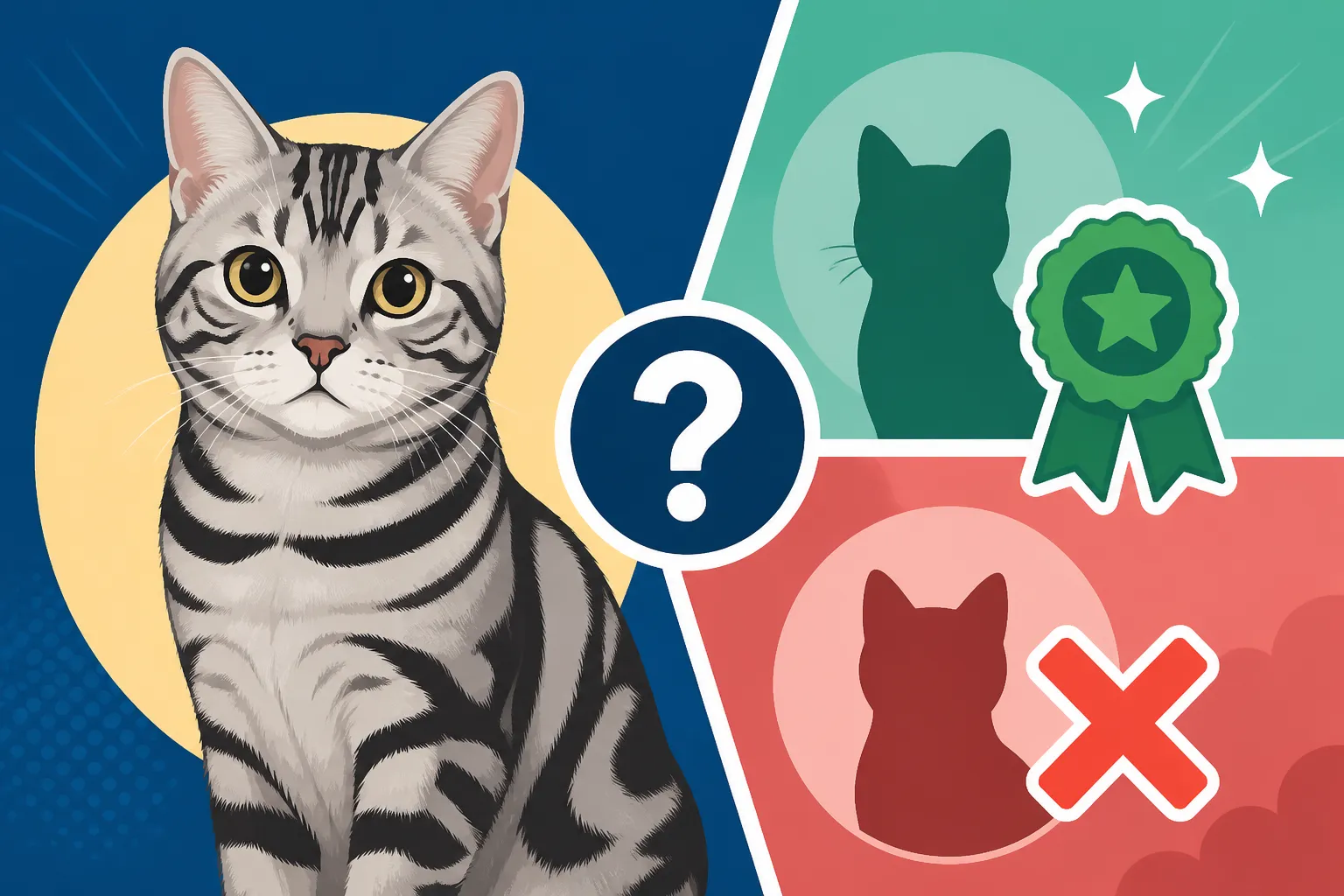
The key takeaway here is that an American Shorthair cross, by definition, cannot be sold as a "pedigree American Shorthair." It's simply not possible to register a crossbred cat as a purebred, no matter how much it resembles the breed. These cats can be absolutely stunning and have fantastic personalities, often combining the best traits of both parents. They make incredible companions, but they don't carry the official designation or the guaranteed lineage of a purebred. It's a bit like saying a half-Labrador, half-Poodle is a "pedigree Labrador"; it simply isn't how breed registries work. If you're wondering How to Tell an American Shorthair From a Random Bred Tabby, it often comes down to this very documentation.
The Intent Behind Selling a Cross as a Pedigree
It’s disheartening, but the reality is that sometimes sellers might be less than transparent about a cat's background. This can stem from genuine misunderstanding or, unfortunately, a deliberate attempt to mislead. As a buyer, understanding the motivations behind such claims can help you navigate the landscape more effectively and avoid disappointment.
Misunderstanding Versus Misrepresentation
There’s a world of difference between someone genuinely misunderstanding what constitutes a pedigree and someone deliberately misrepresenting a cat for personal gain. A well-meaning individual might have an American Shorthair mix that looks incredibly like a purebred and honestly believes it holds pedigree status because of that visual resemblance. Perhaps they inherited the cat, or they weren't fully informed by the original seller. They might proudly tell you their cat is an "American Shorthair," completely unaware of the strict criteria for pedigree registration. This is a common pitfall, especially since the American Shorthair so closely resembles many domestic short-haired cats, leading to the historical name debate discussed in Why the American Shorthair Was Called Domestic Shorthair Until 1966.
On the other hand, misrepresentation involves intentional deceit. This is when a seller knows full well that the cat is a cross or has no verifiable pedigree, yet they market it as a purebred American Shorthair to command a higher price or to make a sale quickly. They might use ambiguous language, avoid providing clear answers, or even outright invent a lineage. This practice is unethical and can leave buyers feeling cheated and frustrated. It’s why due diligence is so incredibly important when looking for a specific breed.
Why Someone Might Fall for It
It's easy to judge, but many factors can lead a hopeful cat owner to fall for a mislabeled "pedigree" cross. Firstly, the sheer physical resemblance between a well-bred American Shorthair and a well-cared-for American Shorthair cross can be striking. Without an expert eye or experience with breed standards, it’s tough to tell the difference just by looking. Many people simply want a cat that embodies the breed's known characteristics – its calm demeanor, robust health, and beautiful markings – and if a cross appears to offer that, they might not dig deeper into the formal paperwork.
Secondly, a lack of awareness about what "pedigree" truly entails is widespread. Many assume it simply means the cat is from a "good home" or has "nice parents," rather than a meticulously documented ancestry with recognized registries. The emotional connection we feel when looking at a cute kitten also plays a huge role; it’s hard to be strictly logical when you’ve already pictured that little furball snuggled up on your sofa. Plus, sometimes the price point can be misleading. A cross sold at a slightly lower price than a true pedigree might seem like a "deal" to an uninformed buyer, when in reality, they're still overpaying for what is, by definition, an unregistered cat.
Red Flags and Safeguards for Buyers
Navigating the process of acquiring a purebred cat requires a keen eye and a bit of detective work. It’s not about mistrusting everyone, but about protecting yourself and ensuring you're getting exactly what you pay for. Being prepared with the right questions and knowing what documentation to expect are your best defenses.
The Paperwork That Proves Pedigree Status
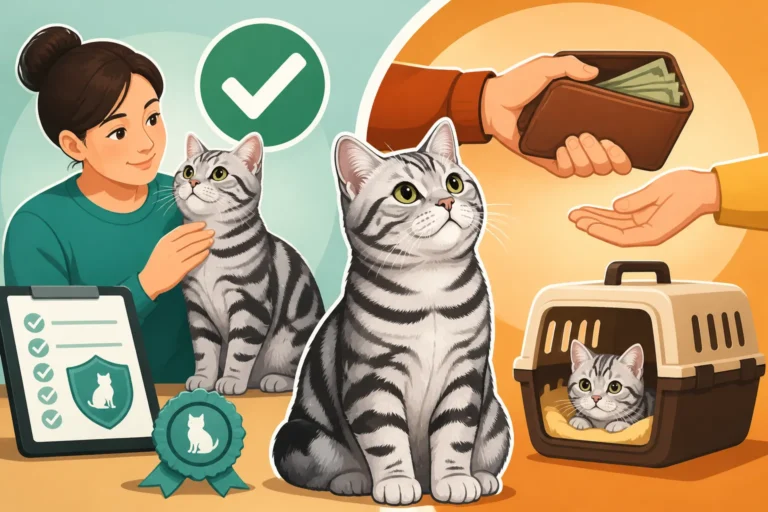
When you're serious about acquiring a pedigree American Shorthair, the paperwork is your best friend. A reputable breeder will always provide official registration papers from a recognized cat association, such as the CFA or TICA. These aren't just basic health records; they are certificates that trace your kitten's lineage back several generations, confirming that every ancestor was indeed a purebred American Shorthair. These papers will typically include the cat's registered name, birth date, parents' names, and the breeder's information.
Beyond the registration, a legitimate breeder will also offer a health guarantee and provide comprehensive health records for the kitten, including vaccination history, deworming dates, and proof of any health screenings performed on the parents. For the American Shorthair, specific health clearances are important, like cardiac screenings for hypertrophic cardiomyopathy (HCM). Which Health Results an American Shorthair Breeder Must Show will give you a detailed list of what to expect. If a seller hesitates, claims the papers are "in the mail" indefinitely, or tells you they decided not to register the litter to save money, consider these major red flags. Without these documents, even the most convincing-looking cat is, by definition, a domestic shorthair, not a pedigree American Shorthair.
Questions to Ask Any American Shorthair Breeder
Before you even meet the kittens, engaging with the breeder is vital. Don't be shy; reputable breeders welcome questions as it shows you're a responsible prospective owner. Here’s a table of essential questions to guide your conversation:
| Question Category | Specific Questions to Ask | Why It Matters |
|---|---|---|
| Breed & Registration | "Are the kittens registered with the CFA/TICA?" "Can I see the registration papers for both parents?" "Will I receive registration papers for my kitten?" "What is the policy on breeding rights?" | Verifies pedigree status, ensures you receive documentation, and clarifies if the cat is sold as a pet or for breeding. An American Shorthair is only a pedigree if it's registered. Whether an American Shorthair Kitten Comes With Papers is a key discussion. |
| Health & Welfare | "What health screenings have the parents undergone (e.g., HCM scans)?" "Can I see copies of these health certificates?" "What is your health guarantee for the kitten?" "What vaccinations and deworming has the kitten received?" | Ensures responsible breeding practices, minimizes genetic health risks, and provides transparency about the kitten's early care. What an American Shorthair Pedigree Predicts About Health details common health considerations. |
| Socialization & Care | "Where are the kittens raised?" "How have they been socialized?" "What food are they currently eating?" "At what age do the kittens go to their new homes?" | Indicates the breeder’s commitment to raising well-adjusted, healthy kittens. Proper socialization at an early age is critical for temperament. Consistent feeding is good for their tummies. |
| Experience & Support | "How long have you been breeding American Shorthairs?" "Are you a member of any breed clubs?" "What kind of ongoing support do you offer after I take my kitten home?" | Gauges the breeder's expertise and dedication to the breed. Membership in a breed club often signifies adherence to ethical breeding standards. Post-sale support can be invaluable for new owners. |
If a breeder seems evasive, rushes you, or cannot provide satisfactory answers, it's a significant warning sign. A truly dedicated breeder will be happy to discuss these points in detail and share their knowledge. Which Questions to Ask an American Shorthair Breeder offers even more in-depth queries.
The Importance of Verifying Lineage
Beyond asking questions and seeing papers, verifying the lineage is a crucial step that many prospective owners overlook. Don’t just take the papers at face value; cross-reference them. You can often contact the registering body, like the CFA or TICA, to confirm a breeder's registration and the validity of the parent cats' pedigrees. This extra step provides an unparalleled level of assurance that you're dealing with a legitimate breeder and a genuine pedigree American Shorthair.
Some breeders might offer "limited registration" papers, meaning the cat is registered but not for breeding purposes, which is common for pet-quality kittens. This is perfectly normal and a sign of a responsible breeder aiming to maintain breed standards and prevent indiscriminate breeding. What you absolutely need to confirm is that the fundamental registration exists. If a seller insists that a "DNA test confirms it's an American Shorthair" as the only proof, without registration papers, be wary. While DNA tests can confirm breed markers, they don't replace official registry pedigree status. Whether a DNA Test Confirms an American Shorthair expands on the limitations of genetic testing alone for pedigree status. A pedigree is more than just genetics; it's a documented history.
The Value of a Cross Versus a Pedigree
It's easy to get caught up in the technical definitions and the formal distinctions between a pedigree and a cross. But at the end of the day, any cat can bring immense joy and companionship into your life. The "value" of a cat extends far beyond its papers or price tag.
Love Doesn't Have a Pedigree
Let's be real: a cat's ability to be a loving, loyal companion has absolutely nothing to do with its pedigree status. An American Shorthair cross, or any domestic shorthair for that matter, can be just as affectionate, playful, and wonderful as a purebred. Many people find their perfect feline friend at a local shelter, and these cats often have unknown backgrounds. They might be a stunning tabby who looks remarkably like an American Shorthair, or they could be a unique blend of various breeds, embodying a mix of delightful traits.
These cats bring immeasurable happiness and become cherished family members. Their lack of official papers doesn't diminish their worth as individuals. In fact, many people prefer a cross or a domestic shorthair because they are often less expensive to acquire, and sometimes perceived to have fewer inherited health issues (though this isn't always true and depends on the specific genetics involved). If your primary goal is to find a loving pet and a fantastic companion, then whether a cat is a pedigree or a cross becomes secondary to its personality, health, and how well it fits into your home. The truth is, sometimes Why Pay for an American Shorthair That Looks Like a Shelter Cat can seem like a puzzle until you understand the nuanced differences in what you're actually acquiring.
Why Pedigree Matters for Certain Goals
While love knows no pedigree, there are very legitimate reasons why someone might specifically seek out a registered American Shorthair. For those interested in showing cats, participating in breed competitions, or becoming a reputable breeder themselves, pedigree status is non-negotiable. Only registered purebreds can compete in most cat shows, and only registered cats can be used in official breeding programs to produce future generations of purebreds. The rigorous standards and documentation ensure that the specific traits of the American Shorthair are preserved and passed down.
Furthermore, a pedigree offers a certain level of predictability. While every cat is an individual, purebreds are generally bred to conform to a specific standard not just in appearance, but also in temperament and potential health predispositions. What an American Shorthair Pedigree Predicts About Temperament explains how generations of careful breeding lead to predictable personality traits. This predictability can be very appealing to owners who have specific expectations for their cat's behavior or who want to prepare for known breed-specific health considerations. For example, while the American Shorthair is generally a healthy breed, understanding their lineage can offer insights into the risk of conditions like HCM. Knowing you have a pedigree gives you access to detailed health records of ancestors, helping you plan for potential long-term care needs. This can even influence insurance decisions, where companies like Healthy Paws might adjust policies based on breed-specific risks or health guarantees from reputable breeders. For daily needs, whether your cat is a pedigree or a cross, access to quality supplies and food remains crucial for their well-being.
The Financial Implications of Pedigree vs. Cross
The price tag often acts as a significant differentiator between a pedigree American Shorthair and a cross. Understanding why these costs differ can help you set realistic expectations and allocate your budget appropriately, avoiding situations where you might pay a premium for something that isn't a true pedigree.
Initial Costs: The Purchase Price
The most immediate financial difference you'll notice is the purchase price. A registered American Shorthair kitten from a reputable breeder typically commands a significantly higher price than a cross or a domestic shorthair. This higher cost reflects the breeder's investment in maintaining the breed standard, which includes extensive health testing for parent cats (like heart screenings mentioned in Why an American Shorthair Still Needs a Yearly Heart Scan), show entries, quality food and veterinary care for the breeding cats and kittens, and the administrative fees associated with registration. These breeders dedicate considerable time and resources to ensure their kittens are healthy, well-socialized, and truly represent the breed. What a Registered American Shorthair Kitten Costs With Papers provides more detail on this investment.
In contrast, an American Shorthair cross, while still potentially a wonderful cat, will generally be available for a much lower price, often similar to adoption fees at shelters or rescues. If someone is offering what they claim is an American Shorthair for an unusually low price without any papers, it's a strong indicator that it's likely a cross or a domestic shorthair. Be wary of anyone trying to sell a "pedigree" cat at a bargain-basement price; quality breeding comes with inherent costs.
Long-Term Care and Health Considerations
Beyond the initial purchase, the long-term financial implications can also vary. While American Shorthairs are generally known for their robust health, a reputable breeder's commitment to screening for genetic conditions can save you significant veterinary costs down the line. When you buy a pedigree, you're not just buying a name; you're buying into a history of responsible breeding aimed at minimizing inherited health issues. This is why some owners opt for pet insurance from providers like Healthy Paws, knowing that even with careful breeding, health issues can arise, and a good policy offers peace of mind.
For a cross or a domestic shorthair, the health history of the parents might be unknown, which can introduce a higher degree of uncertainty regarding future medical expenses. While many crossbred cats are perfectly healthy throughout their lives, without the documentation of a pedigree, you simply don't have the same insights into potential genetic predispositions. However, all cats, regardless of pedigree, will have ongoing costs for food, litter, toys, and routine vet visits. Providing high-quality nutrition and supplies helps any feline friend stay happy and healthy throughout their lifespan. Ultimately, the decision to choose a pedigree or a cross depends on your individual priorities, your budget, and what you seek in a feline companion. Just ensure you're fully informed about what you're getting.
Disclaimer
This article is for general informational purposes only and does not constitute professional advice. Laws, prices and regulations vary by location and change over time. Consult a qualified professional for guidance on your specific situation.