Whether a Domestic Shorthair Is Just a Cheap American Shorthair
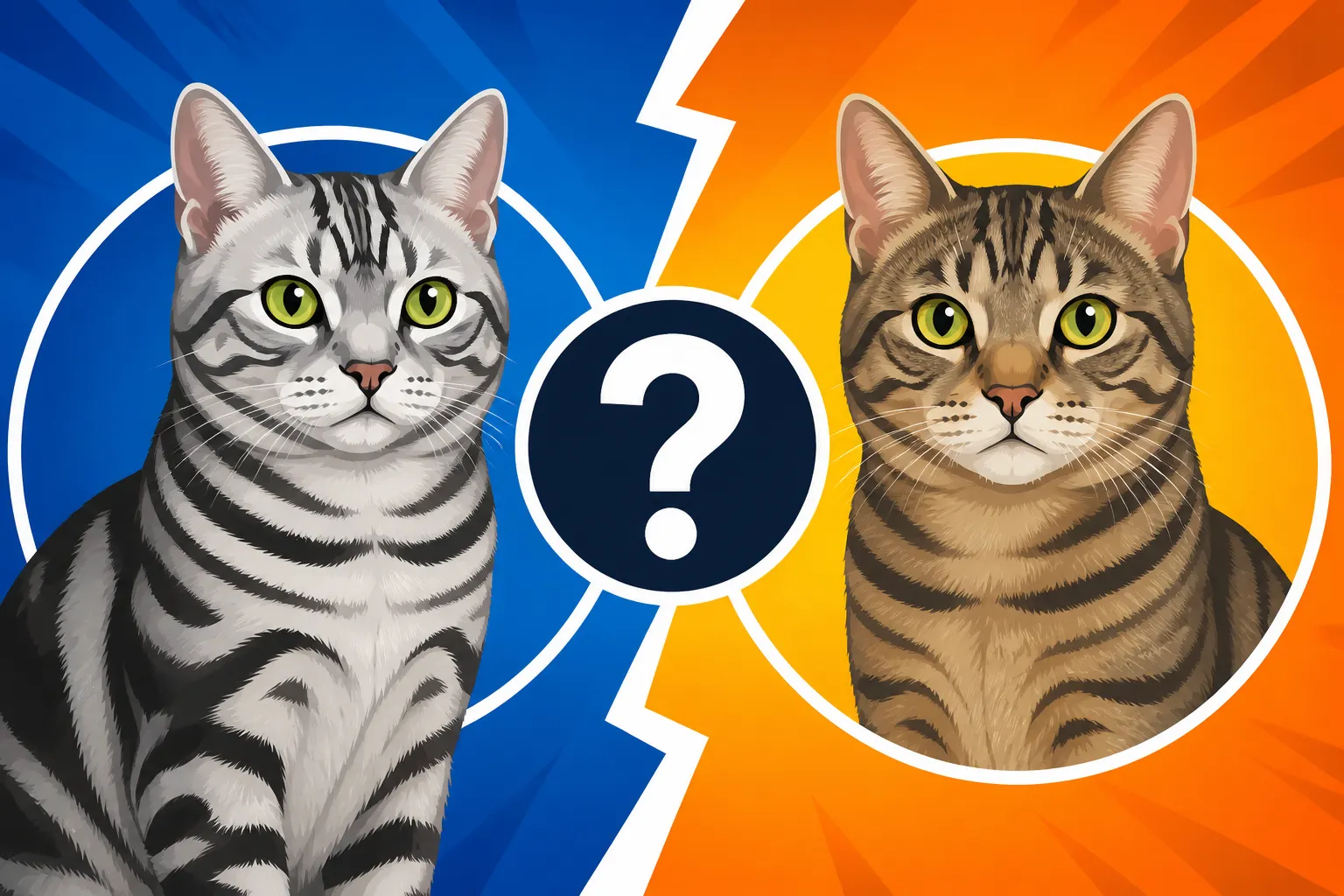
It’s a tale as old as time for cat lovers: you see a striking tabby cat, perhaps with a classic swirl pattern or bold stripes, and you instantly wonder, "Is that an American Shorthair, or just a really beautiful domestic shorthair?" The truth is, while many domestic shorthairs might look strikingly similar to their pedigreed cousins, there are fundamental differences in ancestry, predictability, and cost that go far beyond surface-level appearance. This guide will meticulously break down these distinctions, helping you understand what truly sets an American Shorthair apart from a domestic shorthair, and whether one is simply a "cheap" version of the other.
The Genetic and Historical Divide
The journey of understanding the difference between an American Shorthair and a domestic shorthair begins deep in their historical roots and genetic makeup. This isn't just about how they look; it's about how they came to be.
Ancestry and Purpose: From Working Cat to Pedigree
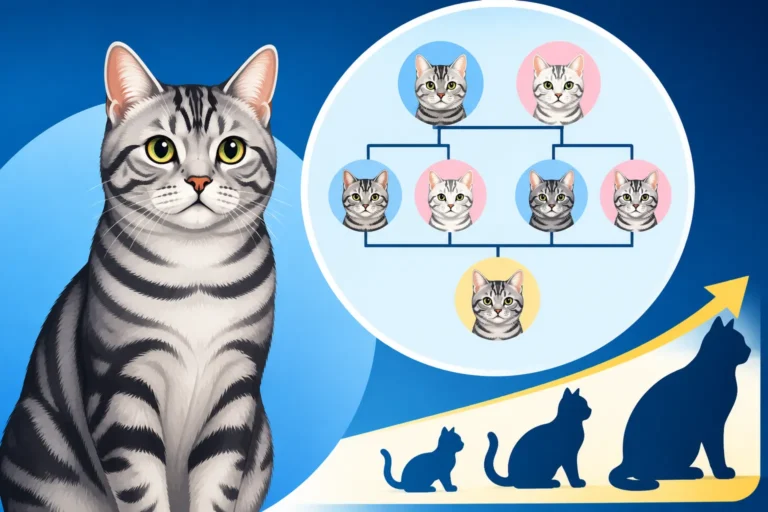
The American Shorthair has a rich, documented history that traces back centuries. Their ancestors weren't just any cats; they were the robust, resilient working cats that sailed with European settlers to North America, protecting precious cargo from rodents on ships and later, guarding harvests on farms. These were cats selected by the harsh realities of survival and utility, eventually becoming the foundation stock for a recognized breed. Generations of these cats were essentially "bred" for their mousing prowess and hardiness, inadvertently shaping their physical and temperamental traits. When formal cat fancy began to take hold in the late 19th and early 20th centuries, these well-established "American cats" were among the very first to be recognized and formalized into a breed standard.
In stark contrast, a domestic shorthair, often affectionately called a "moggy" or "alley cat," has no specific breed ancestry. They are the beautiful result of countless generations of cats breeding naturally, without human intervention or selection for specific traits beyond what makes them good survivors in their environment. Their genetic lineage is a delightful, unpredictable mix, a true melting pot of feline DNA. This means their traits, from coat color to personality, are a genetic lottery, drawing from a vast and undefined gene pool. They might carry genes from any number of cat populations, making each one a unique genetic individual, but without the uniformity of a pedigreed breed.
The Breed Standard Factor: Blueprint vs. Blank Slate
The concept of a "breed standard" is where the American Shorthair truly differentiates itself. A breed standard is a detailed written description, established by organizations like the Cat Fanciers' Association (CFA), outlining the ideal physical and temperamental characteristics of a particular breed. For the American Shorthair, this standard dictates everything from the shape of their head and eyes to the length of their tail, the texture of their coat, and even their preferred personality traits. Breeders of American Shorthairs strive to produce cats that conform as closely as possible to this standard, making the appearance and temperament of a pedigreed American Shorthair quite predictable. This is why when you look at a well-bred American Shorthair, you'll see a consistent, robust, and harmonious appearance across individuals.
For a domestic shorthair, there is no breed standard. They are defined simply by having short hair and not belonging to a recognized breed. Their appearance is dictated by their genetic inheritance and environment, not by a human-designed blueprint. This is why you see such an incredible variety among domestic shorthairs – some might be slender and graceful, others stocky and powerful, some with sleek coats, others with a slightly coarser texture. They are, in essence, nature's masterpiece, unconstrained by the specific ideals of a breeder. While an American Shorthair might resemble a very well-put-together domestic shorthair, especially those with classic tabby patterns, it's the adherence to this meticulously defined standard that sets the purebred apart. You can learn more about their formal recognition in articles like "The American Shorthair Was One of the CFA's Five Founding Breeds" and understand the historical context in "Why the American Shorthair Was Called Domestic Shorthair Until 1966".
Physical Differences Beyond Appearance
While a domestic shorthair might look like an American Shorthair, particularly if it sports a tabby pattern, the discerning eye can spot differences that go beyond superficial resemblance. These distinctions are rooted in the American Shorthair's carefully cultivated breed characteristics versus the wide variability of a domestic shorthair.
Conformation and Build: The Square, Solid Frame
The American Shorthair is celebrated for its sturdy, well-muscled, and powerfully built body, a legacy of its working ancestry. When you look at an American Shorthair, you should see a cat of medium to large size with a broad chest and a "square" muzzle, which refers to its strong, well-defined jawline. Their legs are of medium length, proportionate to their body, ending in firm, rounded paws. This robust build is not accidental; it was selected for effectiveness in hunting and resilience in varied environments. They are solid, heavy-boned cats that feel substantial when picked up.
A domestic shorthair, on the other hand, comes in every imaginable body type. You might find sleek, svelte domestic shorthairs that resemble oriental breeds, or long, lanky ones, or even some that are remarkably cobby and stout. Their body shape is simply a roll of the genetic dice, not the result of generations of selective breeding towards a specific physical ideal. While a domestic shorthair can certainly be muscular and robust, it's not a consistent or predictable trait across the population. They represent the full spectrum of feline anatomy, which is part of their charm, but it means they lack the consistent physical conformity of a pedigreed American Shorthair. For a deeper dive into the ideal physique, check out "What an American Shorthair Looks Like by the Standard".
Coat and Color Specifics: Beyond the Tabby
Both American Shorthairs and domestic shorthairs can be tabbies – it's one of the most common and beloved cat patterns. However, even here, there are subtle differences. The American Shorthair's coat is described as short, dense, and even, with a hard texture that feels slightly stiff to the touch. This coat was built for weather protection and utility, not softness, and it thickens in winter for added insulation. They come in a vast array of recognized colors and patterns, with the classic silver tabby being perhaps the most iconic and highly prized. Breeders ensure these patterns are clear, distinct, and conform to the breed standard.
Domestic shorthairs can also have any coat color or pattern imaginable – solid black, white, calico, tortie, colorpoint, and, of course, every variation of tabby. Their coat texture can also vary wildly, from soft and plush to coarse and wiry. There are no rules or standards for their appearance, which allows for breathtaking diversity. The key difference lies in the predictability and consistency. With an American Shorthair, you expect a certain coat quality and pattern clarity because it's been specifically bred for. With a domestic shorthair, what you get is a delightful surprise, a genetic lottery winner that might be a beautiful tabby, but without the specific, documented lineage and selective breeding to a written standard. Understanding "How to Tell an American Shorthair From a Random Bred Tabby" can help clarify these visual nuances further.
Health and Lifespan Expectations
When considering whether a domestic shorthair is "just a cheap American Shorthair," the conversation must inevitably turn to health. Pedigree breeds sometimes carry the reputation for being prone to specific health issues, but the American Shorthair often stands out as a remarkably robust breed.
Bred-in Health Advantages and Risks
One of the significant advantages of opting for a pedigreed American Shorthair from a reputable breeder is the expectation of health screening. Responsible breeders will typically test their breeding stock for known genetic conditions, aiming to produce healthy offspring. For the American Shorthair, while generally a very healthy breed with a long lifespan, there's one notable inherited condition: hypertrophic cardiomyopathy (HCM). This heart condition, which causes the thickening of the heart muscle, can affect many cat breeds. Reputable American Shorthair breeders routinely screen their breeding cats for HCM using echocardiograms, helping to reduce its incidence in their lines. This proactive approach to health can give prospective owners greater peace of mind about their kitten's genetic predispositions.
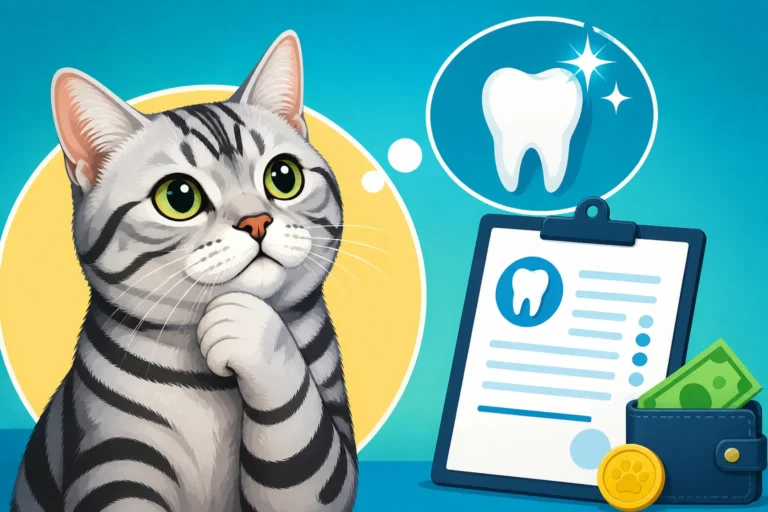
However, even with extensive screening, no animal is entirely immune to health issues. A pedigree doesn't guarantee a lifetime free of illness, but it does offer a degree of known history and breeder accountability. Owners of American Shorthairs understand the importance of preventative care and are often advised on monitoring for conditions that, while rare, are specific to the breed. "What an American Shorthair Breeder Should Have Screened" provides valuable insights into what to expect from a responsible breeder. For instance, knowing that "HCM Is the One Inherited Disease the American Shorthair Kept" allows owners to be vigilant and work with their vet for early detection if necessary. Many owners also consider pet insurance from providers like Healthy Paws to cover unexpected veterinary costs, regardless of their cat's breed.
The Unknowns of the Domestic Shorthair: Genetic Lottery
Domestic shorthairs, by their very nature, are a genetic melting pot. This can be a huge advantage when it comes to health, as their wide gene pool often means they have a lower incidence of breed-specific genetic diseases. They haven't been subjected to the same intense selective breeding that can sometimes inadvertently concentrate undesirable genes within a pedigree line. This genetic diversity can contribute to what's often called "hybrid vigor," making them incredibly resilient and generally healthy animals.
However, the flip side is that you have no documented health history. A domestic shorthair's ancestry is unknown, so there's no way to screen for predispositions to certain conditions before adoption. You're essentially adopting a cat with a blank slate regarding genetic health, which can lead to wonderful surprises or, occasionally, unexpected challenges down the road. While they may not have breed-specific issues, they are still susceptible to common feline ailments like kidney disease, diabetes, hyperthyroidism, and dental problems, just like any other cat. The lack of a predictable genetic background means that while they might be incredibly healthy, there's no inherent "advantage" in knowing what to watch out for specifically from their lineage.
Temperament and Behavior Traits
Beyond looks and health, a cat's personality is often the most important factor in whether they fit into your home. Here, too, you'll find distinct patterns between pedigreed American Shorthairs and their domestic counterparts.
The Predictability of the American Shorthair: Calm and Adaptable
One of the most cherished traits of the American Shorthair, and a key reason people seek them out, is their predictable and generally agreeable temperament. They are known for being calm, good-natured, and adaptable cats that tend to get along well with children, other pets, and even houseguests. Their history as independent working cats means they are not overly demanding; they enjoy companionship but aren't typically "velcro" cats that constantly need to be on your lap. They're often described as intelligent, curious, and playful, maintaining their playful spirit well into old age, yet without being overly boisterous.
This predictability in temperament is a direct result of generations of selective breeding to a standard that values these qualities. Breeders are not just aiming for a certain look, but also a specific disposition. This makes the American Shorthair an excellent choice for first-time cat owners or families seeking a stable, easy-going companion. They're often content to observe the household hustle and bustle from a comfortable perch, participating when they feel like it, and retreating gracefully when they need a quiet moment. If you're looking for a companion who "Asks You for Almost Nothing" in terms of constant attention but still offers loving presence, an American Shorthair might be ideal. Their adaptable nature makes them a great fit for various living situations, as explored in "Why an American Shorthair Fits Any Household".
The Personality Potpourri of Domestic Shorthairs: A Delightful Surprise
With domestic shorthairs, personality is truly a potpourri – a diverse and often delightful mix of traits. Because they aren't bred to a specific temperament standard, each domestic shorthair is a unique individual, their personality shaped by their genetic background, early life experiences, and socialization. You might find a domestic shorthair that is incredibly affectionate and clingy, one that is fiercely independent and aloof, or another that is a playful mischief-maker. There's no way to predict their temperament based solely on their appearance or the general "domestic shorthair" label.
This unpredictability can be part of their charm. Adopting a domestic shorthair from a shelter or rescue often means getting to know their personality first, allowing you to choose a cat whose quirks and affections genuinely resonate with you. While you might not get the guaranteed calm demeanor of a pedigreed American Shorthair, you might discover a loyal, loving, and endlessly entertaining companion whose unique personality perfectly complements your home. It's a journey of discovery, celebrating the individuality of each cat.
Cost Implications: Purchase vs. Lifetime Care
One of the most immediate and significant differences between an American Shorthair and a domestic shorthair often comes down to cost. However, it’s crucial to look beyond the initial price tag to understand the true financial commitment of cat ownership.
Initial Price Tag: Pedigree vs. Adoption Fee
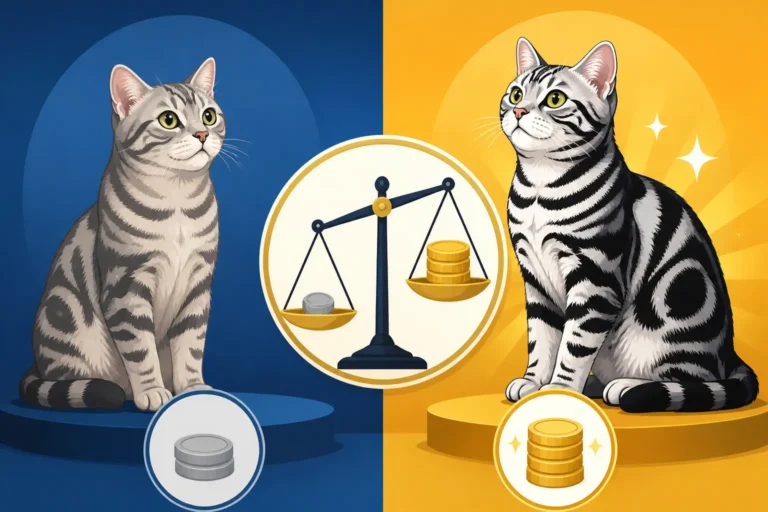
The initial cost of acquiring an American Shorthair from a reputable breeder is considerably higher than adopting a domestic shorthair. When you purchase a pedigreed American Shorthair kitten, you are paying not just for the cat itself, but for the breeder's expertise, the careful selection of breeding stock, health screenings, vaccinations, initial vet checks, and often a spay/neuter clause in the contract. These prices can vary widely based on pedigree, show quality, and region, but they typically reflect the significant investment a responsible breeder makes in their cats. For many, this upfront cost is justified by the predictability of health, temperament, and appearance that comes with a well-bred pedigree cat. This is why "What a Pedigree American Shorthair Costs Against a Free Tabby" can be a stark comparison.
In contrast, adopting a domestic shorthair from a shelter or rescue organization typically involves a much lower adoption fee. These fees usually cover essential services such as spaying/neutering, initial vaccinations, deworming, microchipping, and a preliminary health check. Shelters are driven by a mission to find loving homes for cats, not to make a profit, so their fees are designed to cover a portion of their care costs. It's a wonderful, cost-effective way to bring a companion into your home, and the minimal fee makes pet ownership accessible to a broader range of people. The initial financial hurdle is significantly lower, making it an attractive option for many prospective cat owners.
Ongoing Expenses: Where the Costs Converge
While the initial purchase price might differ wildly, the ongoing expenses of owning an American Shorthair or a domestic shorthair tend to converge over their lifespan. Both types of cats require quality food, fresh water, litter, routine veterinary care (annual check-ups, vaccinations, parasite control), and enrichment items like toys and scratching posts. Whether your cat is a pedigreed American Shorthair or a lovable domestic shorthair, they both need these essentials for a happy and healthy life. For example, brands like Chewy offer a wide range of food and supplies that both types of cats will need. High-quality nutrition is crucial for any cat's long-term health, regardless of breed.
The long-term costs associated with potential health issues can also be similar, though the types of issues might vary. While American Shorthairs might have known predispositions to certain conditions (like HCM), domestic shorthairs can develop any number of illnesses, from dental problems to kidney disease or cancer, all of which incur veterinary expenses. This is where pet insurance, like policies from Healthy Paws, can be incredibly valuable for both breed types, helping to mitigate the financial impact of unexpected health crises. Ultimately, the commitment to "Twenty Years of an American Shorthair, Priced Out" or a domestic shorthair is a significant financial one, extending far beyond the initial adoption or purchase fee. The table below offers a simple comparison of initial and ongoing costs.
| Feature | American Shorthair (Pedigreed) | Domestic Shorthair (Non-pedigreed) |
|---|---|---|
| Initial Cost | Significantly Higher (Purchase Price) | Low (Adoption Fee) |
| Predictability | High (Appearance, Temperament, Health) | Low (Varied Appearance, Temperament, Health) |
| Health Screening | Breeder-provided (e.g., HCM) | Not typically available |
| Documented Ancestry | Yes (Pedigree Papers) | No |
| Ongoing Vet Care | Routine check-ups, potential breed-specific monitoring | Routine check-ups, general health management |
| Food & Supplies | Similar | Similar |
| Behavior Traits | Generally calm, adaptable, independent | Highly variable, unique to individual |
Is a Domestic Shorthair "Just" a Cheap American Shorthair?
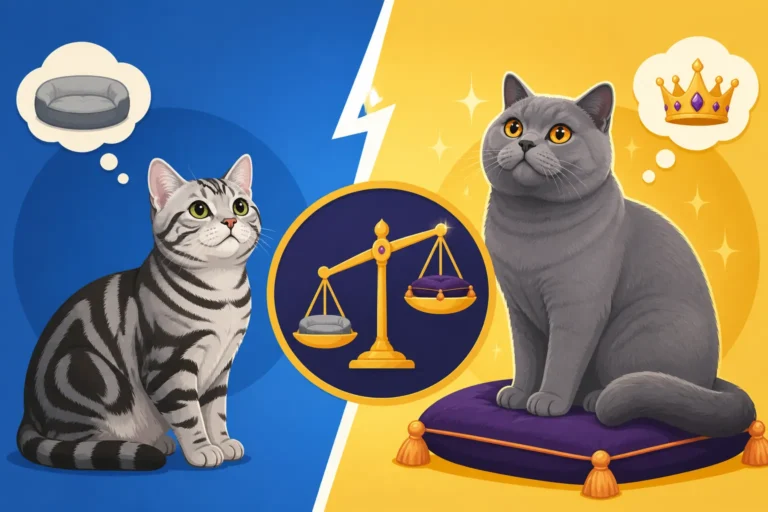
The question "whether a domestic shorthair is just a cheap American Shorthair" hits at the heart of how we value our feline companions. The answer, unequivocally, is no. They are distinct entities, each with their own unique merits and contributions to the world of cats.
Value Beyond Pedigree: Love, Companionship, and Individuality
To consider a domestic shorthair as merely a "cheap" version of an American Shorthair misses the entire point of what makes a cat a cherished member of the family. The value of a companion animal cannot be quantified solely by its purchase price or its adherence to a breed standard. Domestic shorthairs offer boundless love, unique personalities, and the undeniable joy of rescuing an animal in need. Each domestic shorthair is an individual masterpiece, a one-of-a-kind combination of genetics and life experiences that results in a truly unique companion. Their lack of pedigree does not diminish their capacity for affection, their intelligence, or their ability to bring joy and comfort to a household.
For many cat lovers, the unpredictable nature of a domestic shorthair's appearance and personality is precisely what makes them so appealing. It's an adventure to discover their quirks, their favorite hiding spots, their particular brand of purr. They embody the natural elegance and resilience of felines, thriving without human-directed evolution. The bond formed with a domestic shorthair is just as strong, just as meaningful, and just as fulfilling as the bond with any pedigreed cat. The notion that a cat needs to be expensive or "official" to be valuable is a human construct that doesn't apply to the depth of connection we share with our pets. Ultimately, "Whether an American Shorthair Is Worth Paying For" is a personal decision based on individual preferences and priorities.
The Importance of Responsible Ownership: Care Knows No Breed
Whether you choose to welcome an American Shorthair or a domestic shorthair into your home, the responsibilities of ownership remain the same. Both require a commitment to providing a loving, safe environment, appropriate nutrition, regular veterinary care, mental stimulation, and plenty of affection. A pedigreed cat's health and happiness will suffer without proper care, just as a domestic shorthair will thrive with it. The best owners understand that their role is to meet the needs of their feline companion, regardless of its breed status or origin.
Choosing between an American Shorthair and a domestic shorthair should come down to personal preference, lifestyle, and what you are looking for in a feline companion. If predictability in appearance, temperament, and a known health lineage are paramount, and you're prepared for the higher initial cost, a pedigreed American Shorthair might be the right choice. If you appreciate the delightful unpredictability of genetics, are open to a unique personality, and are motivated by the desire to provide a loving home to a cat in need, a domestic shorthair from a shelter is an incredibly rewarding option. Both are wonderful cats in their own right, deserving of love, respect, and the very best care you can provide for their entire long, happy lives.
Disclaimer
This article is for general informational purposes only and does not constitute professional advice. Laws, prices and regulations vary by location and change over time. Consult a qualified professional for guidance on your specific situation.