Whether a DNA Test Confirms an American Shorthair
It's completely understandable to look at your beloved tabby, with its sturdy build and classic markings, and wonder if you're living with a genuine American Shorthair. With the widespread availability of pet DNA tests, many of us naturally assume a quick swab could finally provide that definitive "yes" or "no" answer. However, when it comes to identifying an American Shorthair, the reality of DNA testing is far more nuanced than what's often advertised, leading to a lot of confusion and sometimes a bit of head-scratching. This guide will delve into why DNA tests aren't the magic bullet for confirming American Shorthair status, what truly distinguishes this wonderful breed, and how genetic testing can still be incredibly valuable for your feline companion in other ways.
The Lure and Limitations of DNA Tests for Breed Identification
We live in an age where technology promises to unveil all sorts of secrets, and pet DNA tests have become incredibly popular. It’s natural to be drawn to the idea of a simple, scientific answer to the question of your cat's heritage. Yet, the American Shorthair presents a unique challenge to this seemingly straightforward solution.
What Breed-Specific DNA Tests Promise
For years, dog owners have had access to increasingly sophisticated DNA tests that can pinpoint a dog's breed makeup with impressive accuracy. These tests analyze genetic markers and compare them to vast databases of known purebred dogs, often providing percentages of various breeds and even identifying specific ancestral lines. This success has rightly set an expectation among pet parents that cat DNA tests should offer a similar, clear-cut outcome. The allure is strong: imagine getting a detailed genetic profile of your cat, unraveling their ancestral origins, and confirming their breed with scientific certainty. It feels like the ultimate way to truly know your furry family member, especially if you're curious whether they are indeed a purebred American Shorthair.
However, the leap from canine to feline genetics, particularly for a breed like the American Shorthair, isn't as direct as one might hope. While these tests can indeed identify certain genetic predispositions or broader population groups, the concept of "breed" in cats, especially older, naturally developed breeds, differs significantly from that in dogs. The databases for cat breeds are not always as extensive or as finely tuned for every single breed, and the way cat breeds originated often means their genetic signatures aren't as distinct.
Why the American Shorthair's History Makes DNA Tricky
The fundamental issue with using DNA tests to confirm an American Shorthair lies deep in the breed's history. Unlike many "designer" breeds that were meticulously developed over a relatively short period from a limited number of foundation cats, the American Shorthair evolved organically. Their ancestors were the robust, resilient working cats that voyaged to North America with early European settlers, serving an invaluable purpose as pest control on ships and in homes. The Mayflower Cats Behind the American Shorthair For centuries, these cats were selected for their utility—their ability to hunt, survive harsh conditions, and generally be self-sufficient—rather than for a specific appearance or a closed genetic lineage.
This meant their gene pool was incredibly broad and open. They bred freely within the general population of domestic cats, with natural selection favoring health and hardiness. Over time, a recognizable "type" emerged: a sturdy, powerfully built cat with a short, dense coat, but this type arose from a diverse genetic background. When breeders eventually decided to formalize this common cat type into a recognized breed, they were essentially taking a widespread, naturally occurring population and setting a standard for it. This broad genetic base, unlike the much narrower genetic funnel of many other purebred cats, makes it incredibly challenging for a DNA test to find a truly unique "American Shorthair gene" that unequivocally separates them from a well-typed domestic shorthair tabby.
Understanding the American Shorthair's Unique Genetic Heritage
To truly grasp why DNA tests can struggle with American Shorthair identification, we need to appreciate the profound difference in how this breed came to be compared to many others. It's a tale of natural adaptation versus human-directed creation.
The "Landrace" Background vs. Designer Breeds
The American Shorthair is what geneticists often refer to as a "landrace" breed. This means it developed naturally within a specific geographic region—in this case, North America—adapting to its environment and the demands placed upon it by humans. Their traits, such as their muscular build, strong jaws, and dense coat, were honed by the practical needs of barn life and pest control. How Farm Work Shaped the American Shorthair They were the original working cats, hardy and practical, evolving into a recognizable form over generations without intentional selective breeding programs in the early stages. Many, many domestic shorthairs walking around today carry a significant amount of this same broad genetic blueprint because they descend from this same widespread ancestral population.
Contrast this with what we often call "designer" breeds, like the Siamese, Ragdoll, or even the Sphynx. These breeds were typically created through deliberate human intervention, often by selecting for specific, sometimes unusual, aesthetic traits from a very small number of founder cats. Their pedigrees are carefully documented, and their gene pools are intentionally narrow. This focused breeding effort results in a much more distinct and easily identifiable genetic signature. Trying to find a singular genetic marker for a breed like the American Shorthair, which evolved organically and has such a diverse, open heritage, is far more complex than identifying a breed that was essentially 'built' by humans from a concentrated genetic stock.
The Open Gene Pool and Early Registration Challenges
When formal recognition of the American Shorthair began (initially under the name "Domestic Shorthair"), the breed standard was created to describe the ideal characteristics of these robust, everyday cats. Why the American Shorthair Was Called Domestic Shorthair Until 1966 Critically, for a long period, well-typed domestic shorthairs—meaning cats that visually matched the breed standard but lacked documented ancestry—could actually be "registered" into the breed. This practice, while perhaps surprising to modern purebred enthusiasts, was crucial for ensuring a wide and healthy gene pool, preventing the genetic bottlenecks seen in some other breeds. Whether Registering Random Bred Cats Kept the American Shorthair Sound It was a sensible approach to ensure genetic diversity and maintain the breed's inherent health and vigor.
However, this historically open gene pool means that the genetic distinction between a pedigreed American Shorthair and a well-typed domestic shorthair can be incredibly blurry at a DNA level. A domestic shorthair could very well be carrying the exact same genetic markers as a registered American Shorthair because their ancestors were part of the same overall population. Therefore, a DNA test might tell you your cat has a genetic profile consistent with "North American domestic cats" or "Western European cat populations," which is fascinating historical information, but it doesn't confirm that your cat is a pedigreed American Shorthair in the eyes of a registry or a breeder. The genetic lines of American Shorthairs were deliberately kept broad to promote health, which, ironically, makes DNA identification for breed status less precise.
What a Pedigree Actually Proves (and Why it Matters More Than DNA Here)
Given the complexities of genetic identification for the American Shorthair, what then does confirm purebred status? The answer, unequivocally, lies in documentation and adherence to a visual standard, rather than a DNA swab.
The Importance of Registration Papers
For any truly purebred cat, including the American Shorthair, the ultimate proof of identity isn't found in a laboratory test tube, but in official registration papers from a recognized cat registry. Organizations like the Cat Fanciers' Association (CFA) or The International Cat Association (TICA) maintain meticulous records of a cat's lineage, tracing back generations of documented purebred ancestors. Which Generations an American Shorthair Pedigree Must Show These papers are more than just fancy certificates; they are a verifiable family tree, a legal document that certifies that every cat in your companion's ancestry has been a registered American Shorthair, bred according to the established breed standard.
A reputable breeder will provide these papers, often with the kitten already registered or with clear instructions and forms for you to complete the registration yourself. Without these official documents, even if a cat looks precisely like an American Shorthair, they are technically considered a domestic shorthair. It's a crucial distinction, as these papers not only confirm purebred status but also often come from breeders who adhere to ethical practices, including health screenings and careful selective breeding. Whether an American Shorthair Kitten Comes With Papers This documented history is the benchmark for breed identity in the purebred cat world, providing a level of certainty that current DNA tests for breed alone often cannot match for the American Shorthair.
Visual Confirmation and Breed Standard
Beyond paperwork, the breed standard itself is a powerful tool for identification, particularly for those with a keen eye for feline conformation. The American Shorthair has a very specific and detailed breed standard that describes their ideal physical characteristics. This isn't just about general appearance; it's about a precise combination of traits that give the breed its distinctive look and feel. They should possess a robust, muscular body, a broad chest, a large, well-balanced head with full, round cheeks, and a medium-short, dense, hard coat. Their eyes are large and wide-set, and their ears are medium-sized with slightly rounded tips. What an American Shorthair Looks Like by the Standard
Experienced breeders, judges, and long-time enthusiasts can often identify an American Shorthair purely by its 'type'—the way all these features come together. They can differentiate a pedigreed American Shorthair from a domestic shorthair simply by observing whether the cat truly embodies the comprehensive set of traits outlined in the standard. While a domestic shorthair might have one or two characteristics that align, a true American Shorthair will exhibit a harmonious balance of all the required features. Therefore, if you don't have papers, a thorough visual comparison against the breed standard, perhaps with the help of an expert, will give you a much better indication of whether your cat looks like an American Shorthair than any current DNA breed identification test.
When DNA Testing Can Be Useful for Your American Shorthair Type Cat
While DNA tests may not provide the definitive breed confirmation you might be seeking for an American Shorthair, that doesn't mean they're entirely useless. In fact, they can be incredibly valuable tools for other aspects of your cat's health and understanding their broader genetic background.
Screening for Genetic Health Conditions
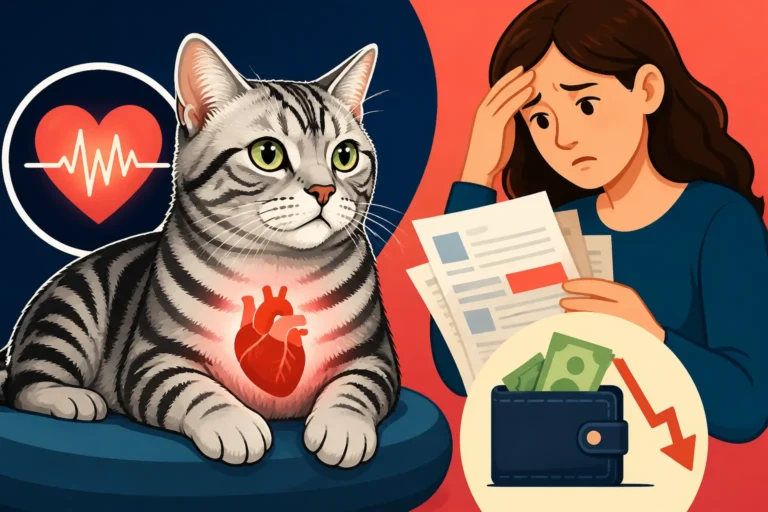
This is where DNA testing truly shines and offers undeniable benefits for any cat owner, regardless of their cat's breed status. Even though the American Shorthair is celebrated for its robust health and generally wide gene pool, no breed is entirely immune to inherited conditions. Which Diseases the American Shorthair Actually Carries One such condition of particular concern across many cat breeds, including American Shorthairs, is Hypertrophic Cardiomyopathy (HCM), a thickening of the heart muscle. HCM Is the One Inherited Disease the American Shorthair Kept While HCM is often diagnosed through cardiac ultrasounds, some DNA tests can screen for known genetic markers associated with certain forms of HCM or other hereditary diseases.
Knowing if your cat carries a genetic predisposition for such a condition can be empowering. It allows you and your veterinarian to be proactive, monitoring for early signs, implementing preventive care strategies, or making informed decisions if you are considering breeding. For pet parents, it can provide peace of mind or, if a risk is identified, enable early intervention which can significantly improve an animal's quality of life. Services like Healthy Paws offer insurance plans that can help with the often significant costs associated with diagnosing and managing inherited conditions, providing a financial safety net for these situations. This kind of genetic insight is an invaluable asset for responsible pet ownership and health management.
Understanding Your Cat's Ancestry Beyond Breed Labels
Even if a DNA test can't stamp "100% American Shorthair" on your cat's forehead, it can still offer fascinating insights into their broader genetic heritage. Many tests provide information about ancestral population groups or geographical origins, which can be incredibly interesting. For example, a test might confirm a strong genetic link to Western European domestic cat populations, which perfectly aligns with the historical narrative of the American Shorthair's ancestors arriving from Europe. While it won't give you a purebred certification, it can help you understand the long journey your cat's ancestors took to become the beloved companion they are today.
Furthermore, these tests can sometimes reveal unexpected distant relatives or even identify traits that aren't immediately obvious. It can paint a much broader genetic picture than simply a breed label, helping you feel a deeper connection to your cat's lineage and the rich history of felines. Perhaps you'll discover a common genetic thread with barn cats from a specific region, reinforcing their working heritage. This information can also inform your choices for their care; for example, understanding their naturally robust, active background might lead you to seek out high-quality, protein-rich food to support their inherent strength and vitality, mirroring the diet of their hunting ancestors. So, while it may not answer the specific breed question for an American Shorthair, a DNA test can certainly enrich your understanding of your cat's unique genetic story.
| Feature | DNA Test for Breed Confirmation | Pedigree (Registration Papers) |
|---|---|---|
| Primary Purpose | Identify genetic markers, often for health or general ancestry | Document purebred lineage, confirming adherence to breed standard |
| Definitive for ASH? | Generally not definitive for purebred American Shorthair status | Yes, considered the only definitive proof of purebred status |
| What it Provides | Genetic predispositions, ancestral population clusters | Documented family tree, proof of registered purebred ancestors |
| Best Use for ASH | Health screening, broad ancestral insights | Verifying purebred status, ensuring ethical breeding |
| Reliability | Limited for ASH breed confirmation due to broad gene pool | High, relies on official registry records |
Disclaimer
This article is for general informational purposes only and does not constitute professional advice. Laws, prices and regulations vary by location and change over time. Consult a qualified professional for guidance on your specific situation.