Whether an American Shorthair’s Purchase Price Even Matters
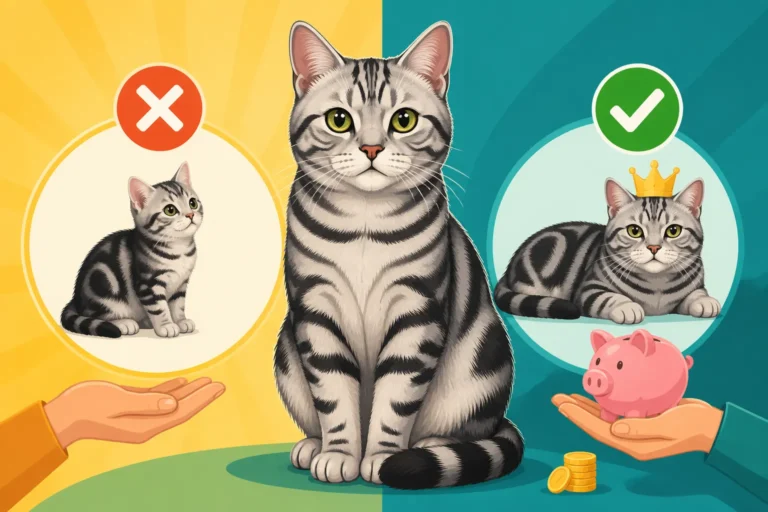
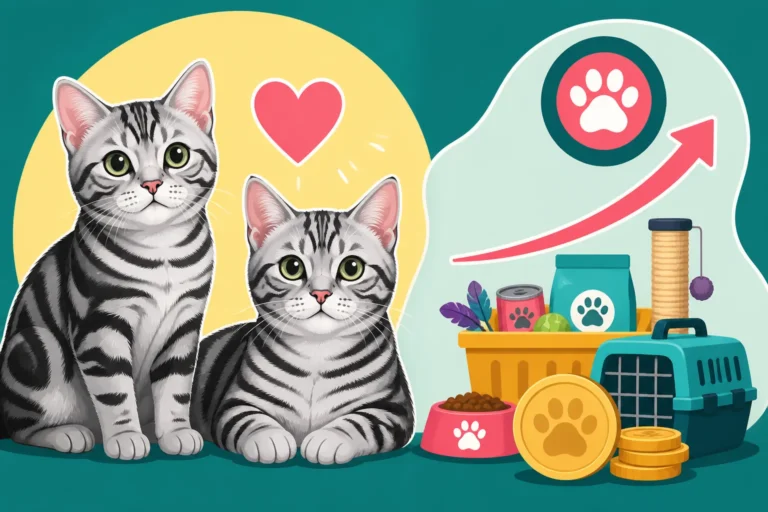
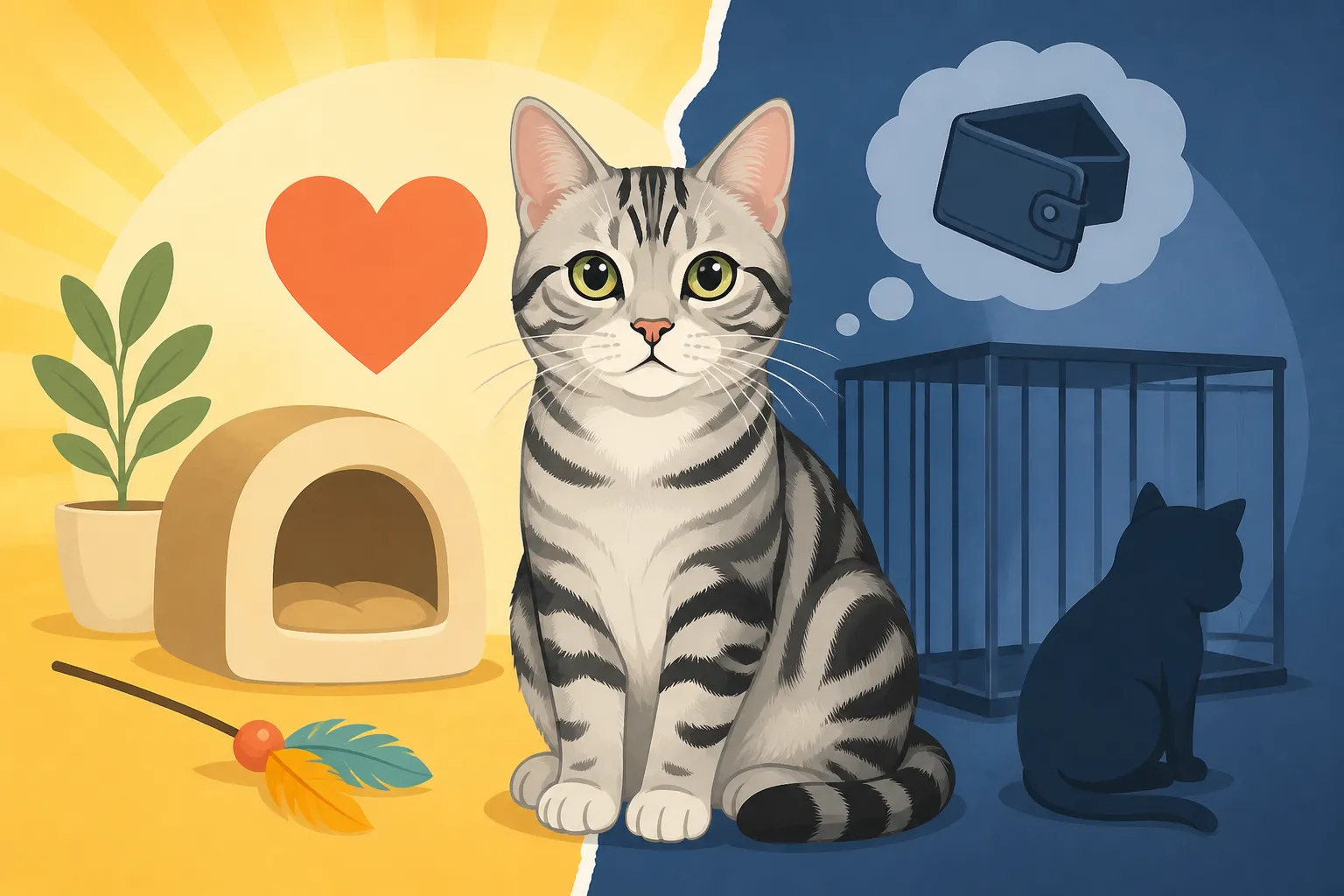
It’s easy to get caught up in the initial price tag of bringing a new feline friend home, especially when comparing a pedigreed American Shorthair to a sweet rescue cat that looks remarkably similar. You might find yourself wondering if that upfront investment really makes a difference in the grand scheme of things. The truth is, while the purchase price certainly feels significant at the moment, it often pales in comparison to the cumulative expenses you’ll face over the many wonderful years you’ll share with your American Shorthair.
The Illusion of "Free" or "Cheap" – Initial Costs vs. Long-Term Reality
When you first welcome a cat into your home, whether it’s a pedigreed American Shorthair kitten from a reputable breeder or a charming adult from a local shelter, there’s an immediate flurry of expenses that can often be overlooked if you're only focusing on the "sticker price." That initial fee, or even getting a cat for "free," doesn't mean your wallet is safe from the outset.
Why the Low Initial Cost Can Be Deceptive
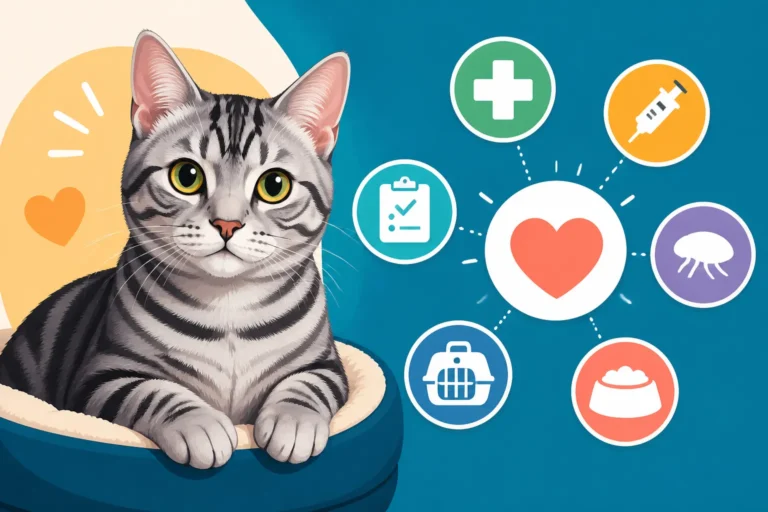
Even if you find an American Shorthair type cat through a rescue organization for a modest adoption fee, or perhaps a friend needs to rehome a cat and offers it to you at no charge, it's crucial to understand that "free" rarely means free. Immediately, you'll need to cover the essentials. A responsible rescue will likely have already spayed or neutered the cat, vaccinated them, and microchipped them, building those costs into their adoption fee. However, if you're acquiring a cat that hasn't had these initial treatments, you're looking at a substantial bill right off the bat. Vaccinations alone typically involve a series of visits, and the cost of a spay or neuter can vary significantly based on your location and the vet clinic. Microchipping is a relatively small fee but essential for identification. Thinking about a purebred? You might be curious about What a Registered American Shorthair Kitten Costs With Papers and it's a different financial landscape, but even then, these initial medical necessities are paramount.
Beyond the baseline medical care, there are other hidden "startup" costs. You'll need to secure a comfortable, safe carrier for transportation, even if it's just for the trip home from the shelter. Many new owners invest in a first vet check-up within the first few days of adoption, regardless of prior vetting, to establish a relationship with a local clinic and get a baseline health assessment. This initial exam, plus any recommended deworming or flea treatment, adds to that often-unseen early expenditure. It’s not just about the transaction that puts the cat in your hands; it’s everything that happens in the first few weeks to ensure their health and safety.
The Unseen Expenses of Bringing Any Cat Home
Moving beyond the veterinary side, simply creating a functional and comfortable environment for your new American Shorthair involves a surprising number of purchases. First, there's the litter box situation. A single cat needs at least one, ideally two, and they need to be appropriately sized for a sturdy, medium-to-large breed like the American Shorthair. Then comes the litter itself – a recurring expense that you'll quickly become very familiar with. Food and water bowls, preferably non-plastic ones that are easy to clean, are also immediate necessities. Don't forget the initial bag or cans of food, which can be an investment if you're choosing a high-quality diet.
Furthermore, an American Shorthair, with its natural hunting instincts, needs appropriate outlets for play and scratching. This means a variety of toys, from wand toys that mimic prey to puzzle feeders that engage their minds. And, crucially, scratching posts or pads. If you don't provide attractive, appropriate scratching surfaces, your sofa or beloved armchair might become the next best thing! These aren't just "nice-to-haves"; they are fundamental to your cat's well-being and preventing destructive behaviors. Consider What a Box Wide Enough for an American Shorthair Costs and What a Cat Tree an American Shorthair Will Actually Use Costs – these items might seem trivial, but they quickly add up, easily surpassing a modest adoption fee.
The Enduring Costs – Daily Life with an American Shorthair
Once your American Shorthair is settled in, the initial flurry of expenses gives way to a steady stream of ongoing costs. This is where the true long-term financial commitment of pet ownership really sinks in. Unlike that one-time purchase price, these are expenses you'll be managing for 15 to 20 years, given the breed's impressive longevity.
Food, Glorious Food – And Why Quality Matters
The single largest recurring expense for most cat owners is food. An American Shorthair is a muscular, well-built cat that needs quality nutrition to maintain its health and active lifestyle. While they are not typically picky eaters, skimping on diet can have long-term health repercussions that lead to far greater vet bills down the line. You'll need to decide between dry kibble, wet food, or a combination, and each comes with its own price point. Wet food, while often more expensive per serving, provides crucial hydration and can be beneficial for urinary tract health, which is a common concern for many cats, particularly males.
Many owners find that balancing quality and budget means doing some research. You might find great deals on quality kibble and wet food at online retailers like Chewy, helping you manage those recurring expenses by buying in bulk or subscribing for regular deliveries. However, remember that an American Shorthair that no longer has to hunt for its meals can be prone to weight gain, so portion control is key. This careful management means choosing food not just for price, but for appropriate caloric density and nutritional content, especially protein to support their strong physique. You might be interested in What Feeding a Muscular Cat Costs Against a Smaller Breed to understand the nuances of their dietary needs and how they stack up.
Routine Healthcare – The Foundation of a Long Life
Even with a reputation for being a robust and healthy breed, American Shorthairs still require consistent routine veterinary care throughout their lives. This isn't just about reacting when something goes wrong; it's about proactive prevention. Annual wellness exams allow your vet to catch potential issues early, administer necessary booster vaccinations, and perform routine screenings. These yearly visits are essential for monitoring weight, dental health, and overall condition, especially as your cat ages.
Beyond the annual check-up, you'll have ongoing costs for parasite prevention. Flea and tick treatments, as well as regular deworming, are vital, particularly if your American Shorthair has any outdoor access, even supervised. Dental care is another critical, often underestimated, expense. Many cats will need professional dental cleanings under anesthesia at some point in their lives, especially in their senior years. These cleanings, which often include extractions, can be quite costly but are paramount for preventing pain, infection, and systemic health issues. Understanding How Regularly a Healthy American Shorthair Still Needs Checking can give you a clearer picture of this vital aspect of ownership. And don't forget the initial set of What an American Shorthair Kitten's First Shots Cost to get them off to a healthy start.
Enrichment and Environment – Keeping a Hunter Happy Indoors
An American Shorthair carries the instincts of generations of working cats. They are natural hunters, even if they live a pampered indoor life. To keep them happy, stimulated, and prevent boredom-related behavioral issues, you'll need to invest in ongoing enrichment. This means not just buying toys, but replacing them when they wear out or providing variety to keep your cat engaged. Interactive toys, such as wand toys, puzzle feeders, and catnip-filled mice, help satisfy their prey drive.
Furthermore, providing vertical space with cat trees or shelves gives them observation points and outlets for climbing, which is crucial for a physically capable breed. These items can be significant upfront costs, but also require occasional replacement or refreshment. Think about how much joy a sturdy cat tree brings, or how a rotation of new toys prevents boredom. Even for a generally healthy breed, some owners opt for fresh, human-grade food services or specialized treats, though they add to the monthly budget. Ensuring your cat has a stimulating environment reduces stress, which in turn contributes to their overall health and well-being, potentially saving you from stress-related vet visits. You might also find valuable insights in What Prey Toys Cost an American Shorthair Owner a Year.
The Big Ticket Items – Unexpected and Senior Care
While the American Shorthair is known for its robust health, no cat is immune to illness or injury. These unpredictable events, along with the inevitable march of time leading to senior care, represent some of the most substantial financial challenges of pet ownership. This is where the purchase price truly becomes a distant memory.
Accidents and Illnesses – The True Test of Your Budget
Life happens, and sometimes it happens fast. Even the most careful owners can find their American Shorthair facing an unexpected emergency. A sudden illness, an accidental injury (even for indoor cats, falls or ingestion of foreign objects can occur), or the development of a chronic condition can lead to significant veterinary bills. Diagnostic tests like X-rays, ultrasounds, blood work, or specialized consultations can quickly add up. A simple trip to the emergency vet can cost hundreds, if not thousands, of dollars for initial assessment and stabilization. Surgical procedures, treatment for urinary blockages (more common in male cats), or ongoing medication for conditions like allergies or hyperthyroidism can be incredibly expensive.
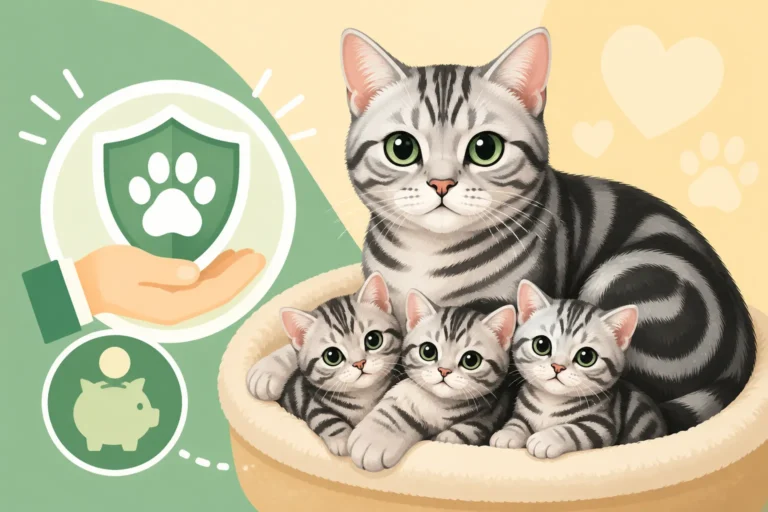
This is where planning for the unexpected truly pays off. Many pet parents opt for pet insurance, from providers like Healthy Paws, which can cover a significant portion of these unforeseen veterinary costs, providing immense peace of mind. Without insurance, building an emergency savings fund specifically for your cat's health is a wise decision. You don't want to be in a position where financial constraints dictate the level of care your beloved American Shorthair receives. For a stark look at potential costs, consider What an American Shorthair's Emergency Visit Costs and how quickly those bills accumulate.
Senior Care – The Unavoidable Expense of a Long-Lived Companion
American Shorthairs are known for their impressive lifespans, often living well into their teens and sometimes even hitting the big two-oh. While this is wonderful, it also means you need to be prepared for the increased care requirements and associated costs that come with an aging cat. As cats age, they become more susceptible to a range of age-related health issues. Kidney disease, hyperthyroidism, dental problems, arthritis, and even cognitive dysfunction are common in senior felines.
Managing these conditions often requires more frequent vet visits, specialized diagnostic tests (like senior blood panels and regular blood pressure checks), prescription medications, and potentially therapeutic diets. A cat with early kidney disease, for instance, might need special food and regular check-ups to monitor progression. An older cat with arthritis might benefit from joint supplements and pain management. These treatments are ongoing and can represent a significant monthly expense. The joy of having your American Shorthair with you for many years means embracing the commitment to their comfort and health in their golden years. Caring for an American Shorthair Past Twelve delves deeper into these considerations, while What an Aging American Shorthair's Medication Bill Reaches offers a glimpse into the financial reality.
Cost Breakdown: Initial vs. Lifetime Expenses
To really put things into perspective, let's look at a simplified comparison of initial costs versus the typical ongoing and unexpected expenses you might face over an American Shorthair's long life. Keep in mind these are illustrative categories, and actual costs vary widely based on location, individual vet fees, product choices, and your cat's specific health needs.
| Category | Initial/Upfront Cost (One-time) | Recurring/Lifetime Cost (Ongoing) |
|---|---|---|
| Acquisition | Purchase price (breeder or adoption fee) | N/A |
| Initial Vet Care | First exam, vaccinations, spay/neuter, microchip, deworming, flea tx | Annual exams, booster vaccinations, parasite control |
| Supplies (Startup) | Carrier, litter boxes, food/water bowls, initial litter, scratching posts, cat trees, initial toys | Ongoing litter, replacement toys, beds, occasional new scratching posts |
| Food & Nutrition | Initial bag/cans of chosen food | Monthly food (wet/dry/specialized), treats |
| Health Emergencies | N/A | Emergency vet visits, diagnostics, surgery, specialized treatments |
| Senior Care | N/A | Increased vet visits, specialized tests, chronic medications, Rx diets |
| Grooming/Hygiene | Nail clippers, brush | Occasional professional dental cleanings, dental care products |
| Pet Insurance | N/A | Monthly or annual premiums (e.g., Healthy Paws) |
| Miscellaneous | N/A | Pet sitting/boarding, enrichment items, behavioral aids |
As you can clearly see, the purchase price, while a chunk of change at the start, is a relatively small line item when stacked against two decades of dedicated care.
Ultimately, the question of whether an American Shorthair's purchase price truly matters boils down to perspective. While the initial investment can feel significant, it is a fleeting figure compared to the enduring, cumulative costs of providing a loving, healthy home for the lifespan of your feline companion. Responsible pet ownership is a long-term financial commitment that extends far beyond that first transaction, encompassing daily care, preventative medicine, enrichment, and the inevitable expenses that come with a long and cherished life. It's about budgeting for food from Chewy, considering insurance from Healthy Paws for those unexpected moments, and ensuring you can provide the best possible life for your American Shorthair, regardless of how much you paid to bring them home.
Disclaimer
This article is for general informational purposes only and does not constitute professional advice. Laws, prices and regulations vary by location and change over time. Consult a qualified professional for guidance on your specific situation.