Whether an American Shorthair Needs Wet Food
It's a question that echoes through many American Shorthair households: does my sturdy, unflappable feline friend really need wet food? You're not alone in wondering. For years, dry kibble has been the convenient, budget-friendly staple, and many of us were led to believe it was perfectly adequate, perhaps even beneficial for their teeth. But the truth is, the diet of an American Shorthair, a cat whose ancestors were mighty mousers, deserves a closer look, especially when it comes to hydration and overall wellness. This guide aims to cut through the confusion and help you decide if integrating wet food is the right step for your beloved companion.
Understanding the American Shorthair's Ancestral Diet and Hydration Needs
When we talk about what an American Shorthair truly needs to eat, we have to look back at where they came from. These aren't creatures bred in laboratories with specially designed digestive systems; they're descendants of working cats, ship's cats, and barn cats who earned their keep. Their physiology is still deeply rooted in that heritage, and it dictates a lot about their nutritional requirements.
The Hunter's Legacy: Why Ancestors Ate Wet Prey
Imagine your American Shorthair's ancestors on a ship crossing the Atlantic or patrolling a barn in colonial America. Their diet wasn't a bowl of crunchy nuggets. It was primarily fresh prey – mice, rats, small birds. What do all these prey animals have in common? They're packed with moisture, typically around 70-75% water. This is a critical point because cats, unlike dogs or humans, don't have a strong physiological drive to drink water independently. They're designed to get most of their hydration from their food.
This means that even though your American Shorthair might dutifully visit the water bowl a few times a day, it's often not enough to compensate for a diet that is only 5-10% moisture, like most dry kibble. Their bodies are simply not wired to feel intense thirst in the same way. When they were catching their own meals, they rarely needed to seek out standing water because their food provided what was necessary. Our domesticated companions still carry this legacy, making dietary moisture paramount for their well-being.
The Hidden Danger of Chronic Dehydration in Cats
Because cats are so adept at getting their water from food, their thirst drive is incredibly low. This can lead to a silent, insidious problem for cats on a dry-food-only diet: chronic, low-level dehydration. It’s not the kind of dehydration that causes immediate collapse, but a subtle, persistent lack of sufficient moisture that can stress their internal organs over years. Think of it like a car running slightly low on oil – it might perform fine for a while, but eventually, parts will wear down prematurely.
The kidneys are particularly vulnerable. Over time, processing a consistently low-moisture diet can put a strain on these vital organs, potentially contributing to kidney disease later in life. Additionally, a lack of adequate hydration can increase the concentration of urine, making American Shorthairs more susceptible to urinary tract issues like bladder stones or painful cystitis. These issues can be incredibly uncomfortable for your cat and costly to treat, highlighting why preventative measures like sufficient moisture intake are so crucial. Cats, being stoic creatures, often hide symptoms of discomfort until a problem is quite advanced, making early intervention and a moisture-rich diet all the more important.
The Nutritional Benefits of Wet Food for American Shorthairs
Shifting or supplementing your American Shorthair's diet to include wet food isn't just about hydration; it offers a cascade of nutritional advantages that align perfectly with their natural physiology and breed characteristics. Given the robust, muscular build of the American Shorthair, and their tendency to gain weight indoors, these benefits are particularly relevant.
Superior Hydration: The Most Obvious Advantage
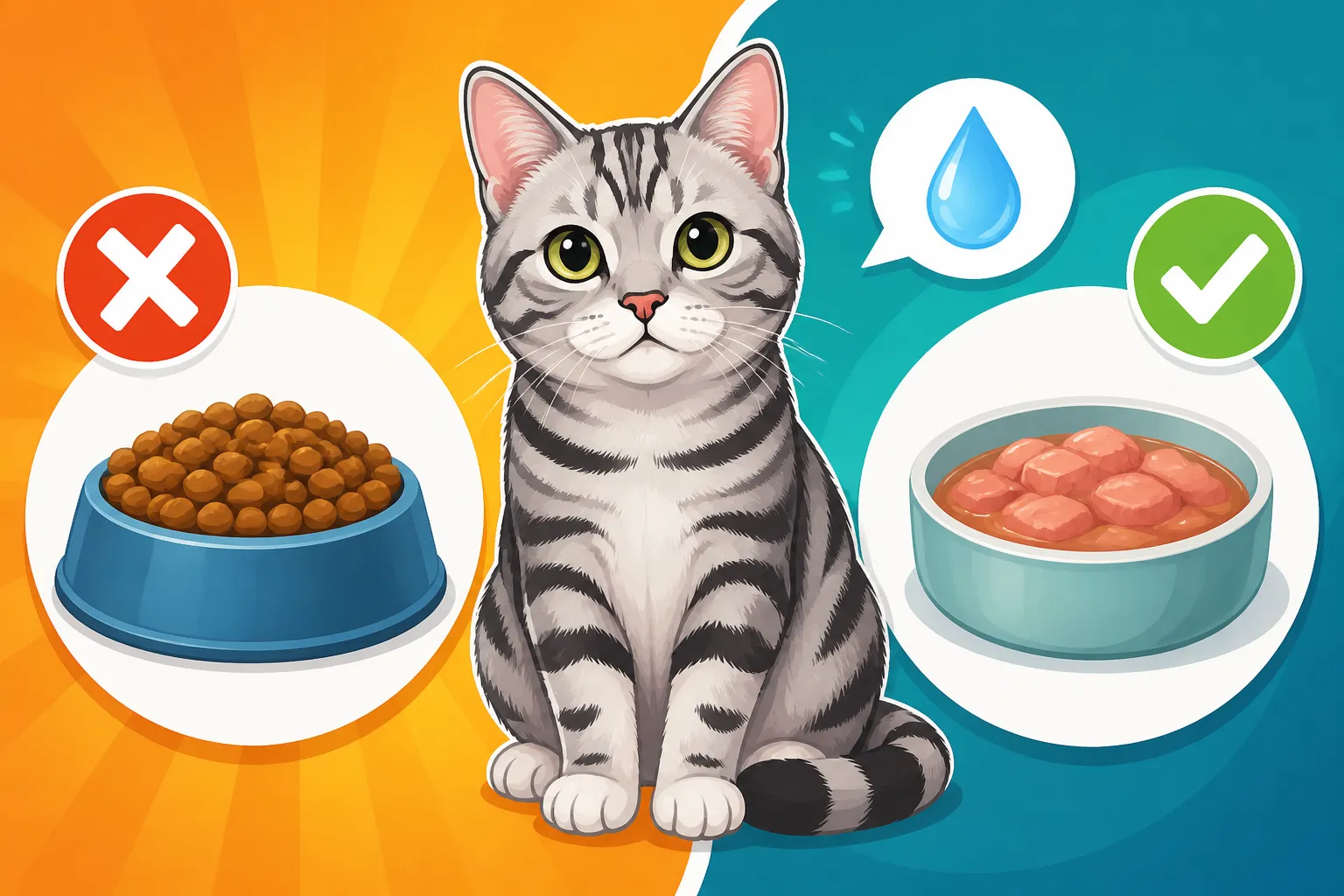
Let's reiterate: the number one, most undeniable benefit of wet food for your American Shorthair is its moisture content. While dry kibble hovers around 5-10% water, wet cat food typically boasts a whopping 70-85% moisture. This difference is monumental for an animal with a naturally low thirst drive. When your cat eats wet food, they are essentially hydrating themselves with every bite, mimicking the way their ancestors obtained water from prey.
This consistent, effortless hydration is a powerful ally for their urinary tract and kidney health. It helps flush out the urinary system, reduces the concentration of minerals that can lead to stone formation, and generally supports the kidneys in their filtration duties. If you've ever worried about How Much Water an American Shorthair Should Drink, wet food goes a long way in ensuring they meet their daily fluid requirements without you constantly monitoring their water bowl. It’s a simple, effective way to proactively support some of their most vital organ systems.
Protein Powerhouse: Supporting the American Shorthair's Muscular Build
American Shorthairs are known for their strong, muscular bodies. This isn't just for looks; it’s a reflection of their heritage as efficient hunters and active, capable cats. To maintain this impressive musculature, they require a diet rich in animal-based protein. Wet cat food typically delivers this in spades, often having a higher percentage of protein on a dry matter basis than many kibbles. This is because wet food generally contains fewer carbohydrates and fillers, focusing instead on meat, fish, or poultry.
High-quality protein is essential for muscle repair, growth, and overall energy. It helps keep your American Shorthair feeling satisfied after meals, preventing those insistent demands for more food that can lead to overeating. A diet that fulfills their protein needs supports their strength and vitality, allowing them to engage in active play and maintain a healthy physique throughout their lives. It's about feeding the carnivore they truly are.
Weight Management and Satiety
One of the biggest struggles for indoor cats, including our beloved American Shorthairs, is managing their weight. Obesity Is What Ending the American Shorthair's Job Cost It, and many find themselves battling the bulge. This is where wet food can be a game-changer. Because it's so rich in water, wet food is significantly less calorie-dense per serving compared to dry kibble. This means your American Shorthair can eat a larger volume of food, feel fuller and more satisfied, without consuming an excessive amount of calories. It's a fantastic tool for weight loss or for preventing weight gain in the first place.
The higher protein content in wet food also plays a role in satiety. Protein takes longer to digest than carbohydrates, helping your cat feel full for a longer period after a meal. This can curb tendencies like constant begging or raiding the food bowl, which are common culprits in feline obesity. If your American Shorthair is struggling with weight, or if you simply want to keep them at a healthy ideal, incorporating wet food is a highly effective strategy. It helps manage that robust appetite that once powered their hunting prowess, making it much easier to prevent issues like Why Indoor Life Made the American Shorthair Fat and support a lean, healthy body. How Wet Food Helps an American Shorthair's Waistline is truly one of its standout benefits.
Addressing Common Concerns About Wet Food
It's natural to have questions and even some ingrained beliefs about feeding cats, especially when considering a shift to wet food. Many of us grew up with the idea that dry kibble was the pinnacle of feline nutrition, or that wet food was a "treat" rather than a staple. Let's tackle some of these common concerns head-on.
Dental Health: Is Wet Food Really Worse?
One of the most persistent myths surrounding dry food is that its crunchy texture actively cleans a cat's teeth, preventing dental disease. While it sounds logical, the reality is often quite different. Most kibble pieces are simply too small and too easily fractured to provide any significant abrasive action against the teeth. Cats tend to swallow kibble whole or give it a minimal crunch, meaning it rarely scrapes away plaque and tartar like a toothbrush would. Think about it: does eating potato chips clean your teeth? Not really.
In fact, some dry foods, particularly those high in carbohydrates, can even contribute to plaque buildup by leaving starchy residues on the teeth. The most effective way to maintain your American Shorthair's dental health is through regular professional cleanings by a veterinarian, daily brushing (if your cat tolerates it!), and specialized dental diets or treats designed to mechanically scrape teeth or chemically reduce plaque. Waiting for kibble to do the job often leads to problems later, and you might find yourself needing to budget for How Many Dentals an American Shorthair Needs in Twenty Years anyway, regardless of food type. So, don't let the dental myth deter you from the significant benefits of wet food.
Cost and Convenience: Making Wet Food Work for Your Budget and Schedule
Let's be real: buying countless small cans of wet food can feel more expensive and less convenient than a giant bag of kibble. This is a legitimate concern for many cat owners. However, there are ways to make wet food more manageable for both your wallet and your schedule. First, consider buying in bulk from online retailers like Chewy. They often have competitive prices and subscription services that can save you money and ensure you never run out. Some brands also offer larger tubs or pouches of wet food, which can be more cost-effective per ounce.
For owners looking for fresh, human-grade options, tailored meal plans, while a higher initial investment, can provide peace of mind regarding ingredient quality. When it comes to cost, it's also worth considering the potential long-term savings in vet bills for conditions like urinary tract issues or obesity-related illnesses that a wet food diet can help prevent. A higher upfront food cost might translate to lower healthcare expenses down the road. If a full wet diet isn't feasible, a “mixed” diet – wet food for some meals and dry for others – can be a great compromise, balancing benefits with your budget. Remember, even a partial increase in moisture intake is beneficial. It's not always about all or nothing; small changes can make a big difference when considering What Feeding a Muscular Cat Costs Against a Smaller Breed.
Transitioning Your American Shorthair to Wet Food
Cats are creatures of habit, and their digestive systems can be sensitive to sudden dietary changes. If you're introducing wet food, especially if your American Shorthair has been on dry food for a long time, it's crucial to do it gradually. Don't just swap out the bowl! Start by offering a tiny spoonful of wet food next to their regular dry food. Let them explore it at their own pace.
Over the course of 7-10 days, slowly increase the amount of wet food while decreasing the amount of dry food. Monitor their litter box for any signs of digestive upset like diarrhea or constipation. If you notice any issues, slow down the transition even more. Experiment with different textures (pâté, shredded, chunky) and protein sources to find what your American Shorthair prefers. Some cats are particular! You might find they love chicken pâté but turn their nose up at fish flakes. Persistence and patience are key. Remember, the goal is to make the transition stress-free and enjoyable for your cat, ensuring they embrace their new, healthier diet.
Crafting the Ideal Diet for Your American Shorthair
So, how do you put all this information into practice? Building a diet that truly supports the health and longevity of your American Shorthair involves understanding the balance, selecting quality ingredients, and continuously monitoring their response. It’s a personalized journey, but there are some excellent guiding principles.
The Balanced Approach: Combining Wet and Dry
For many American Shorthair owners, a combination of wet and dry food offers the best of both worlds. This approach allows you to harness the superior hydration and protein of wet food while potentially benefiting from the convenience and cost-effectiveness of dry kibble. A common strategy is to feed wet food for one or two meals a day and offer a smaller portion of high-quality dry food for another meal or as a measured snack.
For instance, you might offer wet food in the morning and evening, then a portion of dry kibble at midday. This ensures consistent moisture intake throughout the day while still catering to any preference your cat might have for dry food. This mixed feeding can also be helpful if your cat is used to having food available for grazing, though measured meals are generally better for weight control. Why Three Small Meals Suit an American Shorthair is often recommended for better digestion and metabolism. It’s about finding a rhythm that works for your cat's health and your lifestyle, ensuring they get the critical hydration they need without relying solely on Whether Kibble Alone Suits an American Shorthair.
What to Look For in Quality Wet Food
Not all wet foods are created equal, and knowing how to read a label is crucial. When choosing a wet food for your American Shorthair, prioritize products that list a named meat source (e.g., "chicken," "turkey," "salmon") as the first ingredient. Look for whole protein sources rather than vague terms like "meat by-products" or "animal digest" (though specific, high-quality organ meats can be beneficial).
Ingredients to look for include:
- Named animal protein: Chicken, turkey, beef, salmon, etc.
- Healthy fats: Fish oil (for omega-3s), chicken fat.
- Minimal carbohydrates: Cats have a limited ability to digest carbohydrates; look for foods with low amounts of grains, corn, soy, or potatoes.
- Vitamins and minerals: Ensure the food is nutritionally complete and balanced for all life stages, or for your cat's specific life stage (kitten, adult, senior).
Conversely, try to avoid wet foods with excessive fillers like corn, wheat, or soy. Also, steer clear of artificial colors, flavors, or preservatives, as these offer no nutritional value and can sometimes trigger sensitivities. Reading the "guaranteed analysis" can give you insight into protein, fat, and fiber percentages, and checking the "as fed" moisture content is, of course, essential.
Monitoring Your American Shorthair's Health on a New Diet
Once you've adjusted your American Shorthair's diet, continuous monitoring is key to ensuring it's truly beneficial. A healthy cat will exhibit several tell-tale signs:
- Shiny Coat: A soft, lustrous coat is often a good indicator of proper nutrition and hydration.
- Clear Eyes: Bright, clear eyes with no excessive discharge.
- Good Energy Levels: Your American Shorthair should be playful and engaged, without being overly sluggish or hyperactive.
- Healthy Weight: They should maintain an ideal body condition; you should be able to feel their ribs easily without seeing them, and they should have a discernible waist. What an American Shorthair Should Weigh at Its Frame is a good benchmark.
- Consistent Litter Box Habits: Regular bowel movements that are well-formed, and steady urination without straining or inappropriate elimination.
If you notice any significant changes – such as decreased energy, vomiting, diarrhea, changes in appetite, or difficulty urinating – it’s time to consult your veterinarian. They can assess your cat's health and help you make further dietary adjustments if needed. Having a reliable pet insurance plan, such as one from Healthy Paws, can offer peace of mind during these times, covering unexpected vet visits and ensuring your American Shorthair gets the best care possible without financial stress. Your cat’s health is an ongoing conversation between you, their food, and your vet.
| Feature | Dry Food (Kibble) | Wet Food |
|---|---|---|
| Moisture Content | Low (5-10%) | High (70-85%) |
| Hydration | Relies heavily on separate water intake | Provides significant daily hydration through food |
| Protein Level | Variable, often lower with more plant-based proteins | Typically higher, with more animal-based proteins |
| Carbohydrate | Often higher due to binding agents | Generally lower |
| Calorie Density | High per volume | Lower per volume (due to water) |
| Satiety | Can be less filling, leading to overeating | More filling, aids in weight management and reduces begging |
| Dental Impact | Minimal, often misunderstood as "cleaning" teeth | No direct cleaning, but not detrimental to dental health |
| Cost | Generally lower per serving | Can be higher per serving |
| Convenience | Can be left out, good for free-feeding (though not ideal) | Spoils quickly if left out, typically fed in meals |
| Shelf Life (Open) | Long | Short (refrigerate after opening) |
Disclaimer
This article is for general informational purposes only and does not constitute professional advice. Laws, prices and regulations vary by location and change over time. Consult a qualified professional for guidance on your specific situation.