Twenty Years of an American Shorthair Against a Shelter Cat
Choosing a new cat to bring into your family is such an exciting time, but it’s also one filled with a lot of questions, especially around cost. Many people are drawn to the sturdy, classic good looks of an American Shorthair, but then wonder about the financial commitment compared to simply adopting a lovely cat from a local shelter. You're not alone in weighing these considerations; it's a completely natural and responsible thought process, and this guide will walk you through the long-term financial differences and similarities over a potential twenty-year lifespan.
The Upfront Investment: Initial Costs and What They Entail
Let's be real, the first cost you encounter is often the one that makes you pause and think. The initial outlay for a new pet can vary wildly, and it's here that the pedigree American Shorthair and the shelter cat often diverge the most dramatically. Understanding what you're paying for at this stage is crucial, as it sets the tone for the journey ahead.
The Price Tag of a Pedigree American Shorthair Kitten
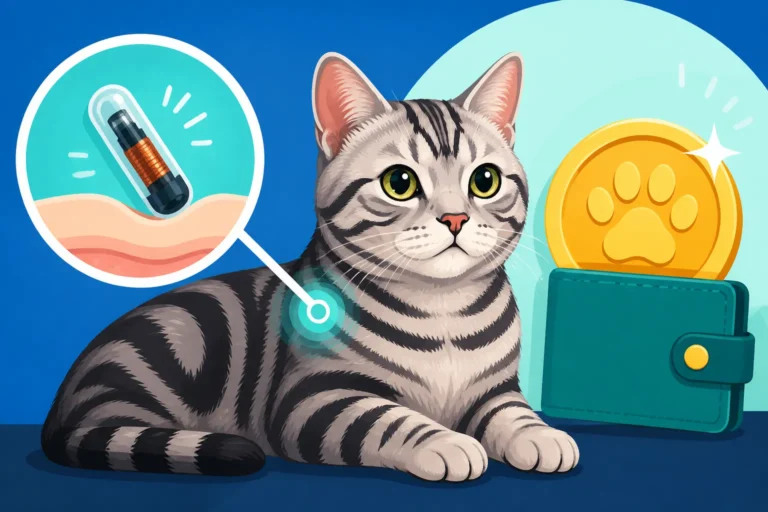
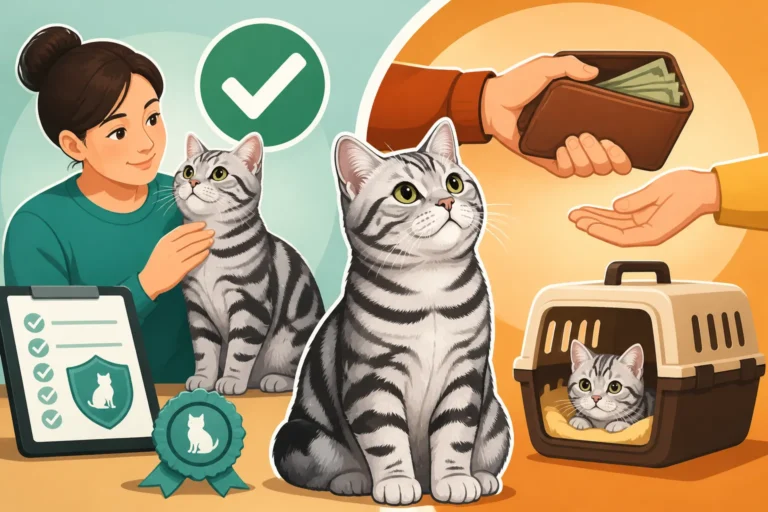
When you decide on an American Shorthair from a reputable breeder, you're looking at a significant initial investment. This isn't just for the kitten itself; it encompasses a whole host of things that contribute to the breed's integrity and the individual cat's early health. Good breeders invest heavily in their lines, from genetic testing of parents to providing excellent veterinary care for the queen and her litter. They ensure the kittens are well-socialized, often microchipped, dewormed, and have their initial vaccinations before they ever come home with you. This comprehensive start is a large part of the purchase price.
You might find that What a Registered American Shorthair Kitten Costs With Papers can vary quite a bit, depending on factors like the breeder's reputation, the kitten's lineage, and whether it's destined for a pet home or potentially for show. A kitten intended for showing might command a higher price due to its adherence to breed standards. This initial cost often includes registration papers with organizations like the CFA, proving your cat's pedigree. While it feels like a lot upfront, many owners see it as an investment in predictable traits, health, and temperament, offering a certain peace of mind about what kind of cat you're bringing home. This also explains Why American Shorthair Prices Range So Widely, as breeders factor in all their efforts and expenses.
The Modest Fee of a Shelter Cat Adoption
On the other end of the spectrum is the shelter cat, often available for a much more modest adoption fee. This fee is rarely about the "value" of the cat itself, but rather helps the shelter cover some of the extensive costs involved in rescuing, housing, feeding, and providing veterinary care for all their animals. When you adopt from a shelter, you're not just bringing a cat home; you're often supporting a vital community service that gives countless animals a second chance.
What's wonderful about shelter adoption fees is how much they typically include. For that single payment, your new companion often comes spayed or neutered, up-to-date on vaccinations, microchipped, and might have even received initial veterinary checks and parasite treatments. This means that many of the essential first-year veterinary costs that a new American Shorthair owner might face are already taken care of. What Adopting an American Shorthair Costs at a Shelter is generally a fraction of a pedigree kitten's price, making it a very accessible option for many families eager to welcome a feline friend into their lives. The trade-off, if you can even call it that, is often a less predictable background or breed-specific traits, but the reward of offering a loving home to a deserving cat is immeasurable.
Ongoing Care: Healthcare and Wellness Over Two Decades
The initial price is just the beginning, isn't it? What truly adds up over a cat's potential twenty-year lifespan are the ongoing costs, with veterinary care often being one of the largest variables. How you approach healthcare, and what you might anticipate, can look quite different for a pedigree American Shorthair versus a shelter cat, though both will, of course, need diligent care.
Anticipated Vet Bills for a Pedigree American Shorthair
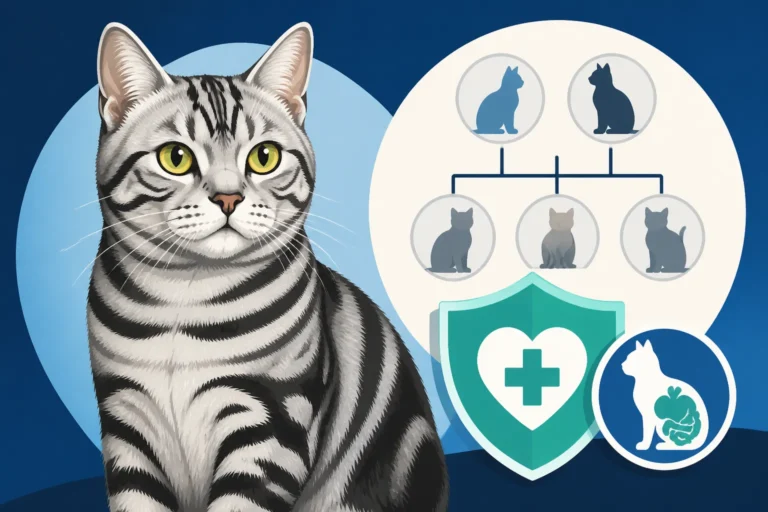
With a well-bred American Shorthair, you often have the advantage of knowing its genetic background and health clearances from the parents. This can give you a clearer picture of potential breed-specific issues to watch for, such as hypertrophic cardiomyopathy (HCM), which, while rare, is one of the more significant inherited diseases in the breed. This knowledge allows for proactive screening and monitoring. For instance, Why an American Shorthair Still Needs a Yearly Heart Scan even if the breed is generally healthy, is a testament to this proactive approach. These scans, performed by a veterinary cardiologist, can be an added expense, but they are a crucial tool in early detection and management, ensuring your cat can live a full and healthy life.
While the American Shorthair is generally a robust breed, HCM Is the One Inherited Disease the American Shorthair Kept to some degree, meaning regular screening can be part of the responsible ownership picture. Beyond breed-specific checks, you'll have the standard preventive care: annual check-ups, boosters, and dental cleanings as needed. Because breeders often prioritize health, you might find that your American Shorthair has fewer "mystery" illnesses early on, allowing you to budget more predictably for routine care and age-related changes rather than urgent, undiagnosed problems. Of course, no cat is immune to illness or injury, but the known genetic history can certainly guide your preventive strategy.
Navigating the Unknown: Shelter Cat Health Considerations
A shelter cat, on the other hand, comes with a story that might be incomplete or entirely unknown. You might not have access to their full medical history, or information about their parents or genetic predispositions. This isn't necessarily a bad thing, but it means you might need to be more vigilant in the initial stages, establishing a baseline with your veterinarian. They might have common issues like dental disease or minor infections that were treated at the shelter but require follow-up.
While many shelter cats are perfectly healthy, a lack of known history means you might encounter surprises down the road. This could be anything from allergies and dietary sensitivities to more serious underlying conditions that weren't apparent during their shelter stay. It’s wise to budget for this uncertainty, perhaps even considering pet insurance early on. Providers like Healthy Paws can offer plans that help cover unexpected illnesses and accidents, which can be particularly reassuring when you don't have a full health history. Ultimately, whether pedigree or shelter, comprehensive vet care is a non-negotiable part of responsible pet ownership, and preparing for the unknown is always a good strategy. It's important to be prepared for the kind of serious issues What an Untested American Shorthair Usually Dies Of – problems that might also affect a random-bred cat without careful breeding.
The Daily Bowl: Nutrition and Feeding Expenses
One of the most consistent expenses over two decades will be food. What you feed your cat, how much, and even how they eat it, can impact their health and your wallet significantly. Both American Shorthairs and shelter cats need high-quality nutrition, but their pasts and innate traits can influence their dietary needs.
Fueling a Muscular American Shorthair
The American Shorthair is known for its sturdy, muscular build, a legacy of its working-cat origins. To maintain that lean muscle and healthy weight, especially for indoor cats who aren't actively "mousing" for their meals, a high-quality, protein-rich diet is essential. These cats have a strong appetite, a holdover from their days needing to hunt for sustenance, which means portion control becomes paramount. It's surprisingly easy for an American Shorthair to become overweight, which can lead to a host of health problems.
Understanding What Feeding an American Shorthair by Portion Costs a Month requires careful consideration of the food's quality and calorie density. Feeding a lesser quality food might seem cheaper upfront, but often means feeding more of it to meet nutritional needs, and could lead to higher vet bills down the line due to health issues. Brands offering precise nutritional balance can be a good investment. It’s a common frustration to see Obesity Is What Ending the American Shorthair's Job Cost It, and preventing this requires vigilance. This also includes mindful treat giving; those little extras add up in calories quickly.
Feeding a Cat Whose Needs Are Less Defined
With a shelter cat, you might start with less information about their dietary history or any sensitivities. Some cats arrive with stomach upsets due to stress or previous poor nutrition, requiring a gentle transition to a new diet. Your vet might recommend specific types of food if your adopted cat has known allergies or health issues that require a special diet. It might take a little trial and error to find the perfect food that agrees with their system and keeps them healthy and happy.
The beauty of today's pet market is the sheer variety available, which can be a huge benefit for shelter cats with unique needs. Online retailers like Chewy offer a vast selection of cat foods, from prescription diets to limited-ingredient options, making it easier to find what works best and have it delivered right to your door. For some cats, especially those needing specific dietary support or a highly palatable option, fresh food delivery services might be worth exploring. While potentially a higher cost per serving, for cats with sensitive stomachs or picky palates, it can be a game-changer. Regardless of the cat's background, investing in good food is one of the best ways to support their long-term health and vitality.
Enriching Lives: Environment, Grooming, and Comforts
Beyond food and vet care, creating a stimulating and comfortable home environment for your feline friend is a significant part of ownership. While many basic needs are universal, some aspects might be influenced by your cat's specific breed traits or past experiences.
Essential Supplies for an American Shorthair's Instincts
The American Shorthair retains many of its ancestral instincts, particularly the drive to hunt and patrol. Even an indoor cat benefits immensely from an environment that allows them to express these natural behaviors safely. Sturdy scratching posts are non-negotiable; What a Scratching Post for an American Shorthair Costs is a small price to pay to save your furniture. These cats love to climb and survey their territory from above, so robust cat trees and shelves are excellent investments. They also need toys that mimic prey, allowing them to stalk, chase, and "catch."
Their strong, square build also dictates certain practicalities. A litter box that is too small can be uncomfortable and lead to avoidance issues, so considering Which Litter Box Suits a Square Built American Shorthair is important. Their dense, protective coat, while generally low-maintenance, does shed, especially seasonally. While they are expert self-groomers, a good quality comb for occasional help during shedding seasons is beneficial. The One Grooming Tool an American Shorthair Owner Buys is often a simple, sturdy metal comb to help manage their resilient fur, far less demanding than many long-haired breeds.
Meeting the Needs of Any Beloved Companion
Whether you have a pedigree American Shorthair or a wonderful shelter cat, providing basic comforts and enrichment is key. This includes comfortable beds, clean litter boxes, fresh water, and a safe, stimulating environment. Shelter cats, especially those with unknown pasts, might initially be more sensitive to their surroundings, appreciating quiet spaces, hiding spots, and a consistent routine. Toys might be less about mimicking prey initially and more about gentle interaction and building trust.
Over time, you'll learn your individual cat's preferences. Some shelter cats might be fascinated by bird feeders outside a window, providing endless entertainment, while others might prefer a quiet cuddle on the sofa. Grooming needs for a short-haired shelter cat will generally be similar to an American Shorthair, requiring minimal effort from you, but regular checks for fleas, ticks, and healthy skin are important. The beauty of cat ownership, regardless of origin, is tailoring their environment to their unique personality and needs, creating a haven where they can thrive.
The Long Haul: Senior Care and End-of-Life Planning
As our beloved felines enter their golden years, the focus shifts from growth and activity to comfort and health maintenance. This phase of life can bring its own set of significant costs, and planning for it is a crucial part of responsible ownership over two decades.
Preparing for the Golden Years of an American Shorthair
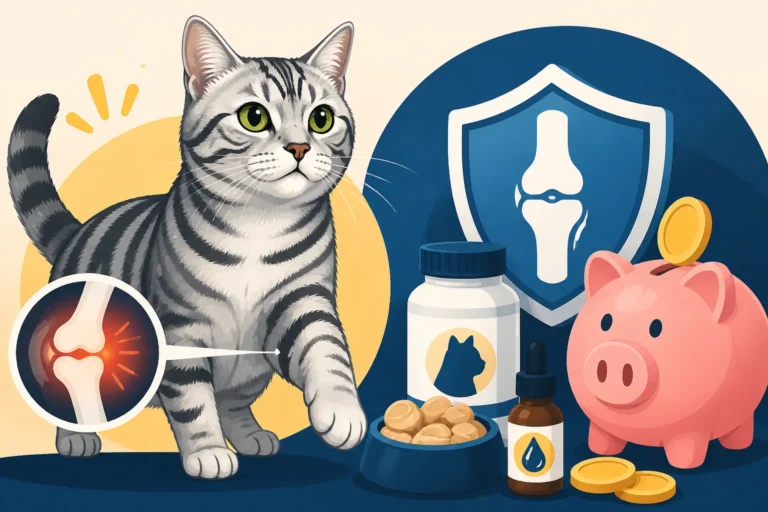
American Shorthairs are known for their impressive longevity, often living well into their late teens and even beyond. While this is wonderful, it also means preparing for the typical ailments that come with advanced age. Just like humans, senior cats can develop arthritis, dental issues, kidney disease, hyperthyroidism, and even cognitive dysfunction. These conditions often require more frequent veterinary visits, diagnostic tests, ongoing medications, and specialized senior diets. Caring for an American Shorthair Past Twelve is a dedication to their continued well-being, which means these expenses can add up significantly.
It's not uncommon for What an Aging American Shorthair's Medication Bill Reaches to become a substantial monthly cost, especially if they are managing multiple chronic conditions. You might find yourself investing in things like joint supplements, prescription foods, or even ramps to help them access their favorite high spots. While the American Shorthair is generally robust, age is simply a factor that catches up with all of us, including our pets. The good news is that with dedicated care, many senior American Shorthairs can maintain a good quality of life for many years, but it certainly requires a financial commitment.
Supporting an Older Shelter Cat Through Its Final Chapter
An older shelter cat, whether they came to you as a senior or aged within your home, will face many of the same challenges. Their history might be unknown, which could mean discovering age-related conditions that have gone undiagnosed. However, the love and care you provide will be just as impactful, and often even more so, for a cat that might have faced hardship in its earlier life. Regular vet check-ups become paramount to catch issues early and manage them effectively, aiming to maximize their comfort and extend their healthy years.
Whether it’s a pedigree or a shelter cat, the costs associated with end-of-life care are a difficult but necessary consideration. This could include palliative care to manage pain and discomfort, or the eventual difficult decision of humane euthanasia. What an American Shorthair's Last Year Costs can be substantial if managing multiple complex conditions, and this is a reality for any long-lived cat, regardless of their origin. Providing comfort, dignity, and unwavering love during their final chapter is the ultimate gift we can give our feline companions, and while money can’t buy health, it can certainly facilitate the best possible care during their twilight years.
The Intangible Value: Beyond the Dollars and Cents
While we've spent a lot of time dissecting the financial aspects, it's vital to acknowledge that the true value of a feline companion extends far beyond any price tag. The emotional return on investment, the companionship, and the joy they bring into our lives are priceless. Yet, there are some subtle differences in what you might expect from a pedigree American Shorthair versus a shelter cat that go beyond pure finances.
The Predictability and Peace of Mind of a Pedigree
One of the significant "returns" on the higher initial investment in a pedigree American Shorthair is predictability. Reputable breeders work diligently to maintain the breed standard, which includes not just physical traits but also temperament and health. This means you generally have a very good idea of what your kitten will grow up to be like. What an American Shorthair Pedigree Predicts About Temperament is often a calm, adaptable, and affectionate cat, comfortable in various households without being overly demanding. They are known for being good with children and other pets, and less prone to extreme behaviors.
Similarly, What an American Shorthair Pedigree Predicts About Health can offer peace of mind. While no animal is guaranteed perfect health, a well-bred cat from health-tested lines comes with fewer unknowns regarding genetic predispositions. This predictability allows you to prepare better for potential issues and often means a more consistent experience throughout their life. For some owners, this reduced uncertainty and the assurance of specific breed traits are incredibly valuable, making the higher initial cost justifiable for the peace of mind it brings.
The Unique Journey of a Shelter Companion
Adopting a shelter cat, on the other hand, often means embracing a bit more of an unknown adventure. While shelters do their best to assess temperament and health, their histories can be murky. You might bring home a cat whose personality blossoms slowly, revealing quirks and affections you never anticipated. This journey of discovery, of watching a shy cat learn to trust and thrive in a loving home, is profoundly rewarding. The bond forged with a cat you've rescued can feel incredibly deep, a silent thank you for a second chance.
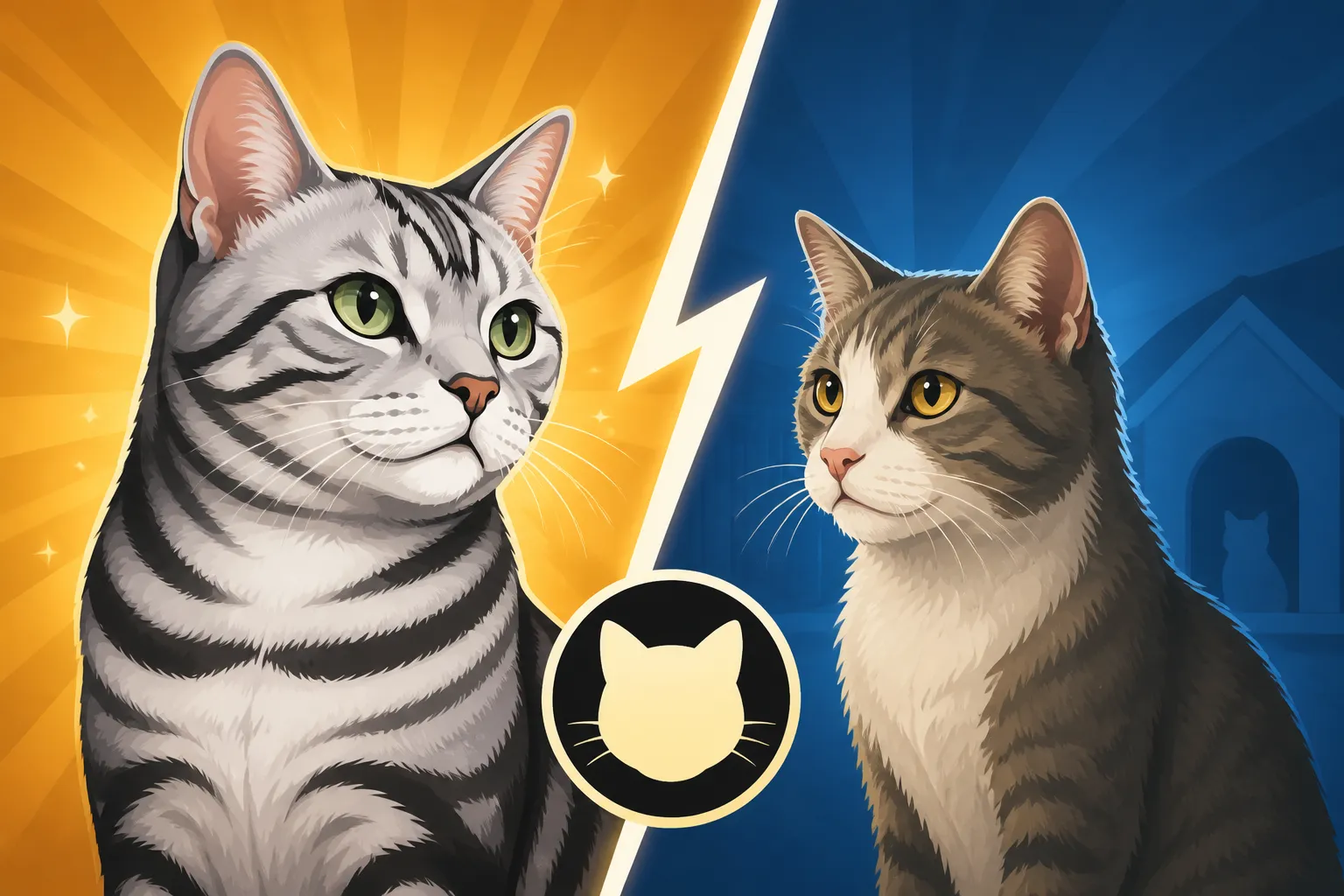
Many people find immense satisfaction in knowing they’ve made a direct impact on an animal’s life, giving a loving home to a cat that truly needed one. Why Buyers Choose an American Shorthair Over a Rescue Tabby often comes down to these intangible factors, where the American Shorthair offers a known quantity, and the shelter cat offers a unique, often transformative, experience. Ultimately, both paths lead to the joy of cat ownership. The love and companionship a cat offers, whether they arrived with papers or a heartbreaking past, enriches our lives in ways that money simply cannot measure.
Cost Comparison Over Two Decades: Pedigree vs. Shelter Cat
To help put these financial considerations into perspective, here's a general comparison of how costs might shape up over a twenty-year lifespan. Remember, these are broad strokes, as individual circumstances and vet emergencies can drastically alter any budget.
| Cost Category | Pedigree American Shorthair (Purchased as Kitten) | Shelter Cat (Adopted as Kitten/Young Adult) |
|---|---|---|
| Initial Acquisition | High (Breeder fee, includes early vet care/papers) | Low (Adoption fee, often includes spay/neuter, vaccinations, microchip) |
| Routine Vet Care | Moderate (Predictable screenings, annual check-ups) | Moderate (Annual check-ups, potentially more initial diagnostics if history unknown) |
| Specialized Vet Care | Moderate (Proactive screening for known breed issues like HCM, but generally healthy) | Variable (Higher potential for unexpected conditions with unknown history, but many are very healthy) |
| Food & Nutrition | Moderate-High (Quality diet to maintain muscle, manage weight; potential for specialty diets in senior years) | Moderate (Quality diet, may require specific foods for sensitivities; potential for specialty diets in senior years) |
| Grooming & Supplies | Low (Minimal grooming tools, but investment in sturdy enrichment items like cat trees/scratchers) | Low (Minimal grooming, similar investment in enrichment, though less breed-specific needs) |
| Pet Insurance | Recommended (For peace of mind against accidents/illness, even with known health history) | Highly Recommended (Especially if health history is unknown, for broader coverage) |
| Senior Care | High (Increased vet visits, medications for age-related conditions, specialized diets, accessibility aids) | High (Similar increased needs for any long-lived cat, potentially more complex if underlying issues are discovered late) |
Disclaimer
This article is for general informational purposes only and does not constitute professional advice. Laws, prices and regulations vary by location and change over time. Consult a qualified professional for guidance on your specific situation.