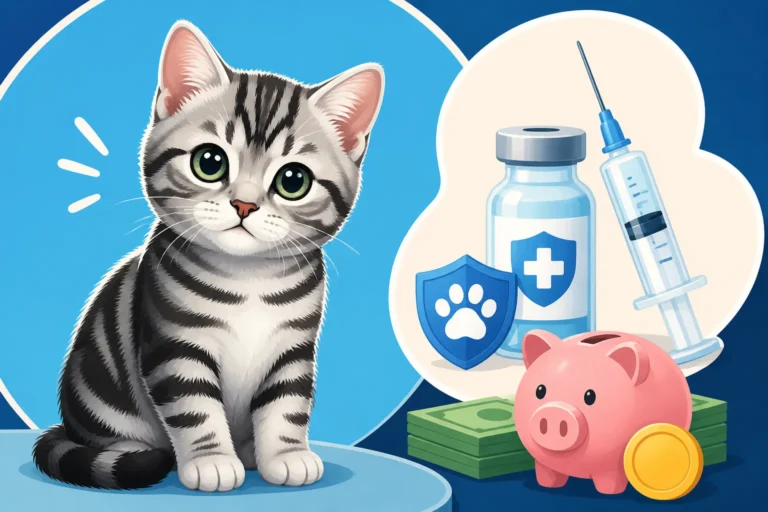
Whether an American Shorthair Is Worth Paying For
When you’re dreaming of bringing a new feline friend into your home, it’s only natural to weigh all your options. For many, the American Shorthair pops up as an ideal companion, known for its sturdy build and amiable personality. But then comes the big question that often sparks debate: is an American Shorthair really worth paying for, especially when so many lovely cats in shelters look remarkably similar? It's a valid concern, and it gets right to the heart of what we value in our pets. This guide aims to explore the multifaceted value of a pedigreed American Shorthair, helping you understand what that purchase price entails and how it might align with your expectations and lifestyle.
Understanding the Pedigree Premium
The idea of "paying for a cat" can feel a bit strange when there are so many animals needing homes. However, a pedigreed American Shorthair comes with a distinct set of assurances and a history that differentiates it from a random-bred cat, even one that shares many visual similarities.
More Than Just a Pretty Face: What You're Paying For
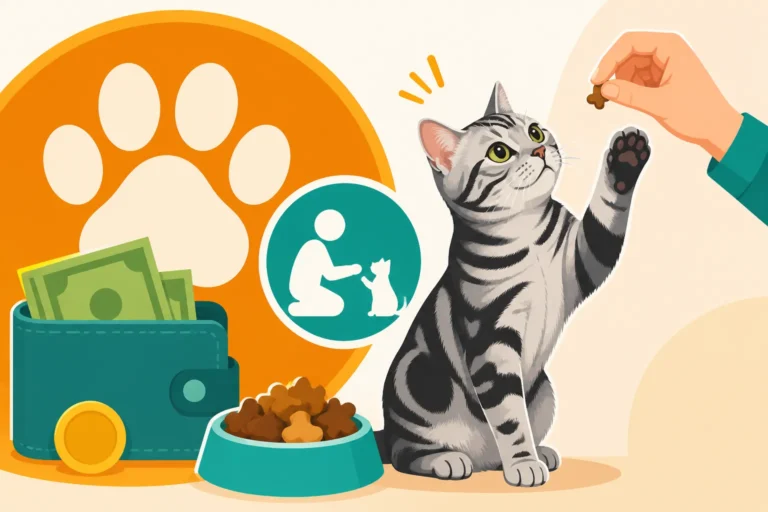
When you invest in a pedigreed American Shorthair, you're not simply buying a cat based on its looks. You are, in essence, purchasing a guarantee of specific traits and a commitment to health. Responsible breeders dedicate significant time, effort, and resources to their breeding programs. This includes carefully selecting breeding pairs based on temperament, adherence to the breed standard, and, most critically, health screenings. They are actively working to preserve the breed's best qualities and minimize the incidence of genetic health issues. This meticulous approach means that when you bring home a pedigreed kitten, you have a much clearer picture of its potential personality, size, and inherited health risks than you would with a cat whose lineage is unknown.
The purchase price reflects the breeder’s investment in veterinary care for the parent cats and kittens, quality nutrition, proper socialization, and often, early training. It also covers the cost of registering the litter with a reputable organization like the Cat Fanciers' Association (CFA), which validates the cat's lineage. This level of transparency and documentation is a key differentiator. It's about securing a predictable experience, knowing that your kitten comes from a background of deliberate choices aimed at producing a healthy, well-adjusted pet. This is truly what you're paying for when you acquire a pedigreed cat; it's a commitment to a known quantity and a shared heritage, and it offers assurances that a free tabby simply cannot. To understand more about these benefits, you might consider What an American Shorthair Pedigree Buys That a Free Tabby Does Not.
The Cost Breakdown: Initial Investment vs. Long-Term Value
Let's not sugarcoat it: the initial cost of a pedigreed American Shorthair kitten can be a significant upfront expense. It's certainly more than adopting a cat from a local shelter. However, it’s crucial to look beyond this immediate outlay and consider the long-term value. While a rescue cat may be "free" or come with a modest adoption fee, that doesn't necessarily mean it will be less expensive over its lifetime.
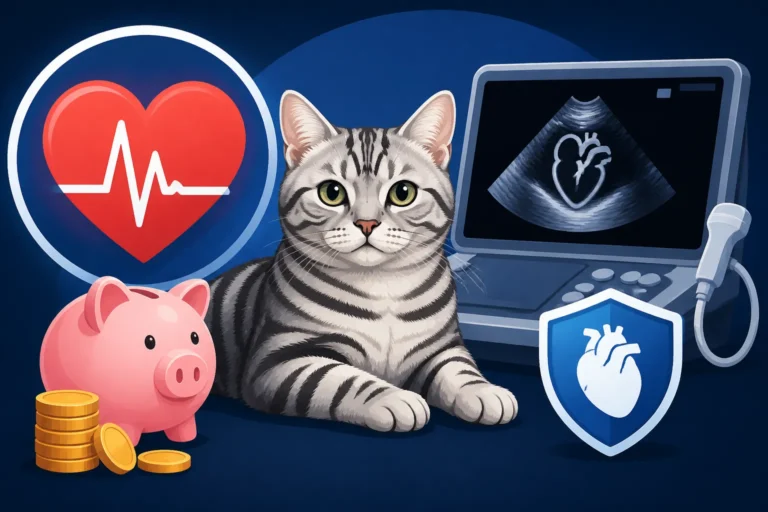
A reputable American Shorthair breeder will often provide initial vaccinations, deworming, and sometimes even a spay/neuter surgery before the kitten goes home. They will also typically offer a health guarantee, giving you peace of mind in those crucial first months. The investment in robust health screening on the parent cats, such as echocardiograms for Hypertrophic Cardiomyopathy (HCM) or hip X-rays for dysplasia, aims to reduce the likelihood of costly health problems down the line. While no breeder can guarantee a lifetime free of illness, they significantly stack the odds in your favor. This can translate into fewer unexpected vet bills for genetic conditions, potentially making the long-term cost of ownership more predictable and, in some cases, even lower than a cat with an unknown background. Understanding What a Registered American Shorthair Kitten Costs With Papers can help set realistic expectations for this initial investment.
Predictability in Health and Temperament
One of the strongest arguments for paying for a pedigreed American Shorthair lies in the predictability it offers, both in terms of health and temperament. This breed has a well-documented history and a standard that breeders strive to maintain, leading to a consistent set of traits.
The Health Advantage: Bred for Soundness
The American Shorthair is celebrated for its natural robustness and generally good health. Unlike some breeds developed for extreme aesthetics, the American Shorthair’s breeding has historically focused on functionality and vigor. However, even with such a sound foundation, responsible breeders take proactive steps to ensure their lines remain healthy. This means diligently screening for any inherited conditions that could potentially appear, even if rare. For instance, while HCM is less prevalent in American Shorthairs compared to some other breeds, ethical breeders will still perform regular cardiac screenings on their breeding animals to ensure they are clear. This proactive approach helps to safeguard the breed's future and gives new owners confidence.
Imagine bringing home a kitten and knowing that its parents have been tested for common feline genetic health issues. This significantly reduces the guesswork and potential heartbreak that can come with unexpected diagnoses. While no cat is immune to illness, the diligence of a reputable American Shorthair breeder provides a stronger foundation for a healthy life. This is one of the reasons why Which Diseases the American Shorthair Actually Carries tend to be fewer and less severe than in some other pedigreed cats. This commitment to health also often means that the overall veterinary costs for an American Shorthair can be lower over its lifespan compared to breeds with more inherent health issues, a point explored in Why an American Shorthair Costs a Vet Less Than a Persian. Of course, even with the healthiest of breeds, unforeseen accidents or illnesses can occur. Many owners choose to get pet insurance, and a provider like Healthy Paws can offer peace of mind, knowing that your well-bred cat’s medical needs could be covered should something unexpected arise.
The Temperament You Expect: A Predictable Companion
Beyond health, the predictability of temperament is a huge draw for many who choose a pedigreed American Shorthair. These cats are known for their easygoing, adaptable, and affectionate nature. They are often described as intelligent, playful, and tolerant, making them wonderful companions for a variety of households, including those with children and other pets. This isn't accidental; it's the result of generations of selective breeding. Breeders specifically choose cats with desirable personality traits to ensure these characteristics are passed down.
When you bring an American Shorthair into your home, you can generally anticipate a cat that is not overly demanding, enjoys interaction but isn't clingy, and adapts well to changes in routine. They typically possess a calm demeanor, yet retain a playful spirit, often enjoying games that mimic hunting. This consistency in behavior means fewer surprises and a smoother integration into your family life. For those seeking a specific type of companion – one that is gentle, stoic, and independent yet loving – the American Shorthair's proven temperament is a significant value proposition. If you want to know more about this, delve into What an American Shorthair Pedigree Predicts About Temperament. This breed's predictable nature makes them particularly well-suited for individuals or families new to cat ownership, as highlighted in Why an American Shorthair Suits a First Time Owner.
The Practical Side of Ownership: Expenses Beyond Purchase Price
While the initial cost is often the focus of the "worth" discussion, it’s vital to remember that owning any pet comes with ongoing expenses. Understanding these can help you better assess the overall value of your investment, regardless of whether you choose a pedigreed cat or a rescue.
Ongoing Care Costs: Food, Vet, and Supplies
Every cat, pedigree or not, requires quality food, routine veterinary care, a comfortable living environment, and enrichment. These are non-negotiable aspects of responsible pet ownership. For a robust and muscular breed like the American Shorthair, a high-quality, protein-rich diet is essential to maintain their physique and overall health. While premium cat food might seem more expensive upfront, it can contribute to fewer health issues long-term, potentially saving on vet bills down the road. You can find many excellent options from retailers like Chewy, making it easy to keep your American Shorthair well-fed.
Beyond food, there are annual vet check-ups, vaccinations, parasite prevention, and unexpected medical needs. Litter, toys, scratching posts, and beds also add up. These are the costs that form the bulk of a cat's expense over its lifetime, far outweighing the initial purchase price in many cases. The good news is that because American Shorthairs are generally healthy, their routine care costs are often quite manageable. However, it's still an ongoing commitment that needs to be factored into your budget. If you're curious about managing these expenses, What Feeding an American Shorthair by Portion Costs a Month offers useful insights.
Insurance and Emergency Funds: Planning for the Unexpected
Even with the best breeding and care, life happens. Accidents, sudden illnesses, or age-related conditions can still arise, leading to significant veterinary expenses. This is where pet insurance or a dedicated emergency fund becomes invaluable. For an American Shorthair, which typically has a long lifespan, having a financial safety net for healthcare is a smart decision.
Many owners find that pet insurance provides immense peace of mind. Companies like Healthy Paws offer various plans that can cover a significant portion of unexpected veterinary bills, from emergencies to major illnesses. While an American Shorthair is known for its health, making it Whether an American Shorthair Is Cheap to Insure, having that safety net can make a world of difference when a diagnosis comes out of the blue. Alternatively, consistently putting money aside into a dedicated "pet emergency fund" can serve a similar purpose. The key is to be prepared for the financial reality of owning a living creature, ensuring that if a serious health issue does arise, you can focus on getting your cat the best possible care without added financial stress.
Aesthetics and Breed Standards
For some cat owners, the visual appeal and adherence to a recognized breed standard are a significant part of the "worth" equation. The American Shorthair, with its classic good looks, certainly fits this bill.
The Classic American Look: Why It Matters to Some
The American Shorthair boasts a distinctive, classic appearance that many find incredibly appealing. They are known for their broad heads, full cheeks, expressive round eyes, and sturdy, muscular bodies. Their short, dense coat comes in an astonishing array of colors and patterns, with the silver tabby being perhaps the most iconic and recognizable. This consistent, handsome look is a hallmark of the breed, carefully maintained by breeders. For those who appreciate the beauty of a cat that embodies specific, well-defined characteristics, paying for a pedigreed American Shorthair guarantees that you are getting a cat that looks precisely as it should according to the breed standard.
There’s a certain joy in owning a cat that exemplifies its breed, with all the physical traits that define it. This isn't just about superficial beauty; it's about the integrity of the breed itself. The way their strong jaws are formed, the shape of their ears, the set of their eyes – these are all part of what makes an American Shorthair an American Shorthair. The famous silver tabby pattern, with its striking contrasts and intricate swirls, is often the image that comes to mind when people think of the breed. This widespread recognition makes The Silver Tabby Is the American Shorthair People Pay For a particularly popular choice among enthusiasts.
Show Potential and Preservation: Contributing to the Breed
For a select group of owners, the value of a pedigreed American Shorthair extends beyond companionship to include the possibility of showing their cat or contributing to the breed's future. If you are interested in cat shows, a pedigreed American Shorthair from championship lines offers the potential to participate and even win. This pursuit requires a cat that closely matches the breed standard, something a reputable breeder can provide. The thrill of seeing your cat excel in the show ring, and the camaraderie within the cat fancy community, can be a deeply rewarding experience.
Beyond showing, choosing a pedigreed American Shorthair means you are supporting the preservation of the breed itself. Ethical breeders are not just creating pets; they are acting as stewards of the breed, ensuring that its unique characteristics, health, and temperament continue for future generations. For those passionate about a specific breed, this contribution to its heritage and ongoing development can be a significant part of its worth. The prestige and genetic quality associated with certain lineages can influence the cost, as discussed in What a Championship Line American Shorthair Costs. This aspect of ownership is about more than just having a pet; it's about being part of a larger community dedicated to the breed.
The Alternatives: Rescues and Domestic Shorthairs
It’s impossible to discuss the worth of a pedigreed American Shorthair without acknowledging the incredibly valuable alternative of adopting a cat in need. There are countless wonderful felines waiting for homes, and many share physical similarities with the American Shorthair.
The Joys and Realities of Adopting a Rescue
Adopting a cat from a shelter or rescue organization is a truly commendable act, and the joy of giving a deserving animal a second chance is immeasurable. Many of these cats are domestic shorthairs, often with tabby patterns that might make them look strikingly like an American Shorthair. They can be incredibly loving, resilient, and grateful companions. The adoption fees are typically much lower than the price of a pedigreed kitten, and often include initial vaccinations, spay/neuter, and microchipping, making it a very economical choice upfront. To learn more about this route, see Adopting an American Shorthair From a Shelter.
However, the reality of rescue often means a cat comes with an unknown history. You might not know its exact age, its genetic background, or its full health history. While shelters do their best to assess health and temperament, there can be more unknowns regarding future health issues or behavioral quirks. This isn't to say rescue cats are inherently problematic – far from it! They can be some of the most wonderful pets you'll ever have. But it does mean you're often embracing a bit more uncertainty compared to the predictability offered by a pedigreed animal. For all your new rescue cat's needs, from food to toys, online retailers like Chewy offer a vast selection to get you started.
The Domestic Shorthair vs. Pedigree Distinction
This is perhaps the most common point of confusion when people consider an American Shorthair. What’s the real difference between a pedigreed American Shorthair and a "domestic shorthair" that looks just like it? The answer lies in lineage and documentation. A domestic shorthair is simply a cat of no particular breed, possessing a short coat. They are often mixed-breed cats, sometimes referred to as "moggies" or "alley cats," and they come in an incredible variety of colors, patterns, and temperaments. Many domestic shorthairs, particularly tabbies, can indeed resemble American Shorthairs very closely.
The key distinction for an American Shorthair, however, is its verified pedigree, meaning its ancestry can be traced back generations to registered cats of the same breed. This documented lineage is what guarantees its adherence to the breed standard, its predictable temperament, and its known genetic health background. A domestic shorthair, no matter how much it looks like an American Shorthair, does not have this documented ancestry. It's like the difference between a purebred Labrador Retriever and a mixed-breed dog that happens to look like a Labrador. Both can be wonderful, loving pets, but only one carries the specific genetic blueprint and predictable traits of its recognized breed. Understanding How to Tell an American Shorthair From a Domestic Shorthair goes a long way in clarifying this difference.
Making the Decision: What's Worth It To You?
Ultimately, the question of whether an American Shorthair is "worth paying for" isn't a universally answerable one. It comes down to your personal priorities, budget, and what you seek in a feline companion.
Weighing Your Priorities: Predictability vs. Philanthropy
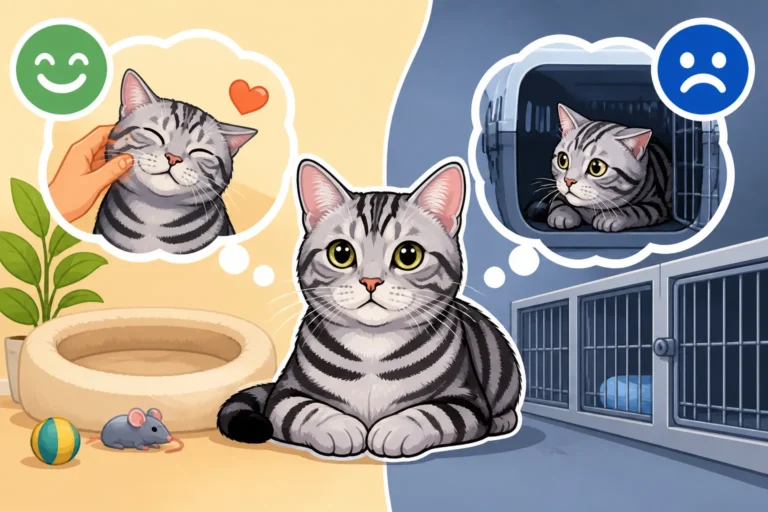
When making this important decision, it’s helpful to sit down and consider what matters most to you. Do you prioritize the predictability of specific traits, a documented health history, and a known temperament, even if it comes with a higher initial cost? For some, the peace of mind that comes with a carefully bred American Shorthair is invaluable, especially if they have specific lifestyle needs or simply prefer the known qualities of the breed. This choice leans towards investing in a very specific, reliable companion.
On the other hand, perhaps your priority is giving a loving home to an animal in need, regardless of its background or exact breed. The philanthropic aspect of rescue, coupled with the often lower upfront costs, can be a powerful draw. You might be perfectly happy to embrace the unique personality and history that a rescue cat brings, even with a few more unknowns. Neither choice is inherently superior; they simply reflect different values and priorities in the journey of pet ownership.
Long-Term Happiness: The True Measure of Value
In the end, the true worth of any cat, whether pedigreed American Shorthair or beloved rescue, is measured in the joy, companionship, and love they bring into your life. The financial investment, while important to consider, often pales in comparison to the emotional return. A well-matched pet, one whose personality and needs align with your family's lifestyle, is priceless.
Whether you choose a pedigreed American Shorthair for its documented traits and predictable nature, or you open your home to a rescue domestic shorthair that captures your heart, the goal is the same: a happy, healthy relationship with your feline friend. The "worth" isn't just in the dollar amount, but in the years of purrs, head-nuzzles, and quiet companionship that will enrich your home.
Comparison Table: American Shorthair vs. Domestic Shorthair (Similar Appearance)
| Feature | Pedigreed American Shorthair | Domestic Shorthair (Looks similar) |
|---|---|---|
| Initial Cost | Higher (reflects breeder's investment) | Lower (adoption fee or free) |
| Lineage & History | Documented pedigree, known ancestry | Undocumented, mixed or unknown ancestry |
| Health Predictability | Screened for genetic issues, generally robust | Health history often unknown, potential for hidden issues |
| Temperament Predictability | Consistent, generally calm, adaptable, affectionate | Varies widely, can be a pleasant surprise or require extra work |
| Appearance | Conforms to breed standard (e.g., silver tabby, specific build) | Variable, may closely resemble ASH but without strict conformity |
| Support for Breed | Supports preservation of the breed standard and health | Supports animal welfare and giving a home to a cat in need |
| Availability | From reputable breeders, may involve waiting lists | Readily available in shelters and rescues |
Disclaimer
This article is for general informational purposes only and does not constitute professional advice. Laws, prices and regulations vary by location and change over time. Consult a qualified professional for guidance on your specific situation.