Which Health Results an American Shorthair Breeder Must Show
Bringing a new American Shorthair kitten into your home is an incredibly exciting time, but the sheer volume of information—or sometimes, the lack thereof—about health clearances can feel overwhelming and even a little intimidating. You want to ensure your new family member is healthy and set up for a long, happy life, and understanding exactly what health results a reputable American Shorthair breeder should provide is crucial. This guide will walk you through the essential screenings and documentation you need to look for, helping you navigate the process with confidence.
Understanding the American Shorthair's Robust Health Foundation
The American Shorthair is often celebrated for its natural good health and longevity, a testament to its roots as a working cat rather than one initially bred for extreme aesthetics. These cats were valued for their utility, hardiness, and ability to thrive, traits that have thankfully largely been preserved in the breed standard today. This background is a significant reason why The American Shorthair Is the Control Group of Cat Breeding in many discussions about feline health. They generally boast a wide gene pool and fewer inherited genetic predispositions compared to some other pedigreed breeds.
However, "generally healthy" doesn't mean "never needs screening." Even the most naturally robust breeds can carry certain genetic conditions, and responsible breeding is all about identifying and managing these risks to maintain the breed's excellent health reputation. It’s not about finding a perfect cat, but about ensuring the breeder has done their due diligence to mitigate known issues, protecting both their lines and future owners like you.
Why Health Screenings are Crucial, Even for Hardy Breeds
You might think that because American Shorthairs are known for their sturdy constitution and long lifespans—often living for The Fifteen to Twenty Years the American Shorthair Was Given—that extensive health checks aren't as vital as they might be for a breed with known, widespread genetic issues. This couldn't be further from the truth. While they are indeed a resilient breed, responsible breeders understand that relying solely on perceived hardiness is a gamble that can lead to heartbreak down the line. It's about proactive prevention, not reactive treatment.
Breeders, through careful selection and regular screening, play a pivotal role in preserving the breed's health. Without these efforts, even minor predispositions could, over generations, become significant problems. This commitment to screening ensures that the health legacy of the American Shorthair continues for future generations, allowing them to remain one of the most naturally healthy and long-lived pedigreed cats.
The Breeder's Role in Providing Transparency
A reputable breeder isn't just selling you a kitten; they're offering a lifetime companion and stand by the health of their animals. This means they should be completely transparent about the health history of the kitten's parents and the wider lineage. They should readily provide copies of all relevant health certifications and be able to explain what these results mean in plain language. If a breeder is hesitant or dismissive when you ask about health tests, consider it a red flag.
This transparency isn't just about showing paperwork; it's about demonstrating a deep understanding of the breed's health challenges and their proactive steps to address them. A good breeder will see your questions as a sign of a responsible prospective owner, eager to learn and committed to their cat's well-being, rather than an interrogation.
The Non-Negotiable: Screening for Hypertrophic Cardiomyopathy (HCM)
When it comes to the American Shorthair, there is one inherited disease that warrants significant attention: Hypertrophic Cardiomyopathy, or HCM. While rare in comparison to its prevalence in some other breeds, HCM Is the One Inherited Disease the American Shorthair Kept from its more generalized ancestry. HCM is a progressive disease where the muscular walls of a cat's heart thicken, reducing its efficiency and potentially leading to heart failure or clot formation.
Because American Shorthairs generally have robust health, the presence of HCM can be particularly devastating, often striking without obvious symptoms until the disease is quite advanced. This makes proactive screening absolutely critical for any responsible breeder. You should expect clear documentation regarding HCM status for both parents of your potential kitten.
The Limitations of Gene Tests and the Power of Echocardiograms
It's common for prospective owners to ask about DNA tests for HCM, and while some breeds have identified genetic markers for the disease, it's important to understand that Why a Gene Test Cannot Clear an American Shorthair's Heart is a crucial distinction. For American Shorthairs, there isn't a single, universally applicable gene test that can definitively clear a cat of HCM risk. The disease is polygenic, meaning multiple genes likely contribute to its development, and the specific genetic mutations haven't been fully identified for the American Shorthair.
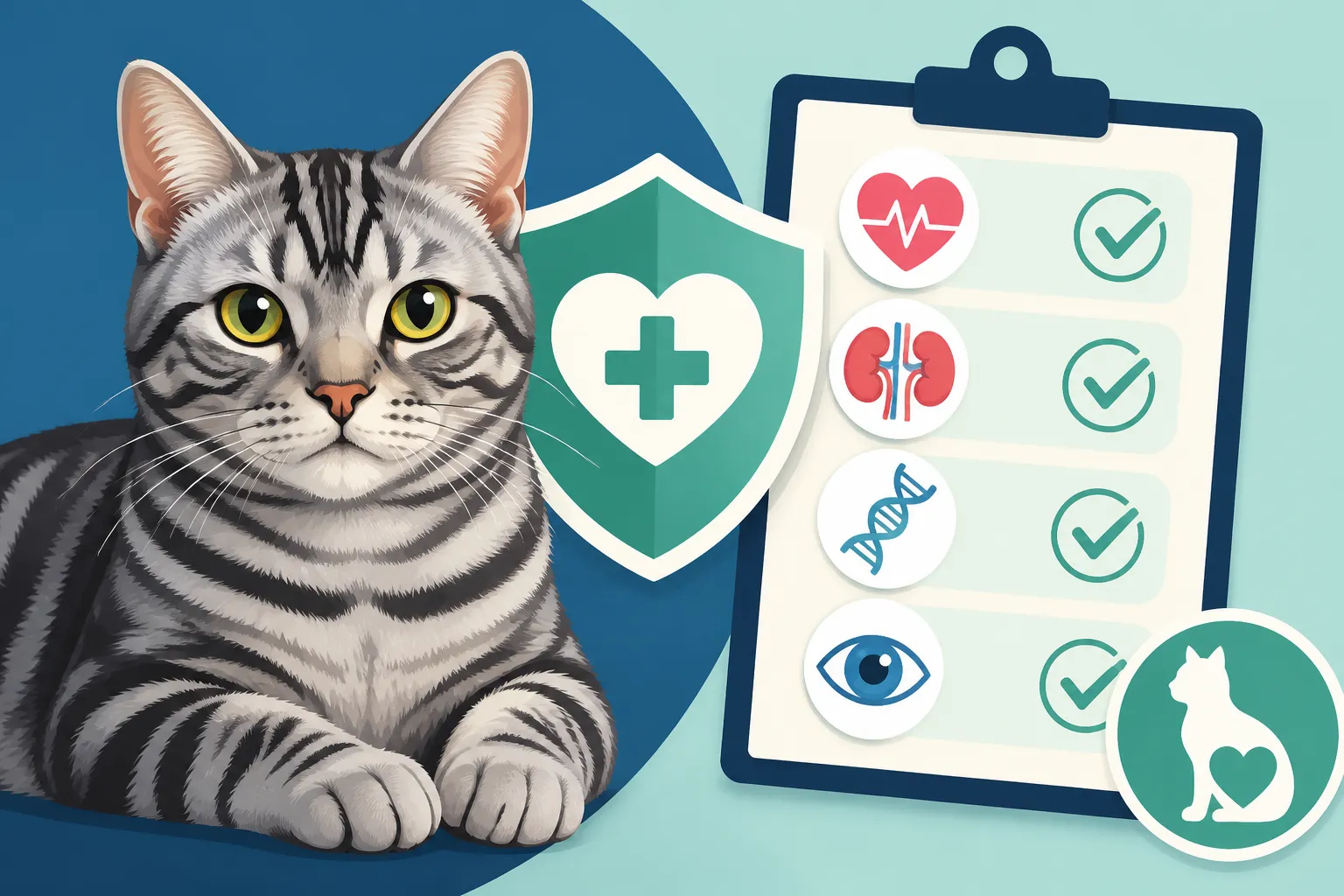
Therefore, the gold standard for HCM screening in American Shorthairs, and indeed most cat breeds, remains regular echocardiograms (heart scans) performed by a board-certified veterinary cardiologist. These scans provide a real-time, detailed view of the heart's structure and function, allowing for early detection of any thickening or abnormalities. A breeder should be able to provide documentation of these scans for their breeding cats, ideally showing a history of clear results.
What to Look for in HCM Screening Documentation
When a breeder presents you with HCM screening results, you'll want to see specific details. First and foremost, the echocardiogram should be performed by a board-certified veterinary cardiologist. This ensures the highest level of expertise in interpreting the intricate images of the heart. The results should clearly state that the cat is "normal" or "clear" for HCM.
Secondly, pay attention to the frequency of these scans. Because HCM can develop later in life, a single clear scan as a kitten isn't sufficient for a breeding cat. Reputable breeders will have their breeding cats scanned annually or biennially. Understanding How Many Years a Clear Scan Covers a Breeding American Shorthair is important; while a clear scan is excellent, it's not a lifetime guarantee. Consistent, ongoing screening is a hallmark of a truly responsible program. You should also ensure the paperwork matches the cat you're looking at, often confirmed by microchip number.
Beyond HCM: Other Important Health Considerations
While HCM takes center stage in American Shorthair health screening, it's not the only aspect a good breeder considers. The overall health of the breeding stock and their kittens should be paramount. American Shorthairs are generally sound, but like any living creature, they can be susceptible to common feline ailments or conditions related to their robust build. A holistic approach to health ensures all potential avenues for issues are explored and mitigated.
A reputable breeder will not only focus on specific genetic tests but will also maintain excellent general veterinary care for their entire cattery. This includes regular check-ups, vaccinations, parasite control, and a clean, stress-free environment, all of which contribute significantly to the health of the kittens you might bring home.
General Veterinary Health Checks and Kitten Care
Before a kitten goes to its new home, it should have received a thorough examination by a veterinarian. This initial check-up is fundamental. The vet will assess the kitten's overall condition, including heart and lung sounds, eyes, ears, teeth, coat, and general alertness. This is where any immediate, non-genetic health concerns might be identified, such as a heart murmur that needs further investigation (even if the parents are HCM clear, murmurs can have other causes) or a minor issue like ear mites.
The breeder should be able to provide records of these initial vet visits, including vaccination records and deworming schedules. These documents are proof that your kitten has received foundational care. Remember, even with the best genetics, a kitten's early environment and preventative care are vital for a healthy start. Ask about the breeder's vet and whether you can speak with them about the cattery's health protocols.
Discussing Other Potential, Though Rare, Issues
While American Shorthairs are thankfully not prone to a long list of breed-specific genetic diseases, a knowledgeable breeder will still be prepared to discuss other general health concerns. For instance, hip dysplasia, while more common in larger dog breeds, can occasionally occur in cats, particularly those with a stocky build like the American Shorthair. A breeder might not routinely screen for this unless there's a history in their lines, but they should be aware of the possibility and able to answer questions.
Similarly, they should discuss their approach to common feline infectious diseases like Feline Leukemia Virus (FeLV) and Feline Immunodeficiency Virus (FIV), especially if their cats have any outdoor access or interact with other cats. Most reputable breeders will keep their catteries closed and test their breeding adults to ensure these are not present, providing a safe environment for kittens.
What a Reputable Breeder Must Provide
When you're ready to bring an American Shorthair into your life, the breeder should be your primary source of health information and documentation. This isn't just about trust; it's about verified proof of responsible breeding practices. Any reputable breeder, passionate about the American Shorthair and its future, will be eager to share these details with you.
Think of it like buying a car; you wouldn't just take the salesperson's word for its condition without seeing service records, right? Your kitten's health is far more important. The documentation provides a history, a baseline, and peace of mind. Without it, you're buying blind, and that's a risk no responsible pet owner should take.
Essential Health Documents and Guarantees
At a minimum, expect to receive:
- Copies of HCM echocardiogram results: As discussed, these should be from a board-certified cardiologist, dated, and clearly state "normal" or "clear" for the breeding parents, ideally with a history of regular screening. These are vital, as What an American Shorthair Breeder Should Have Screened focuses heavily on cardiac health.
- Vaccination records: Your kitten should have received its initial core vaccinations appropriate for its age. These records will list the dates, types of vaccines, and the veterinarian's information.
- Deworming schedule: Details of when the kitten was dewormed and with what product.
- Veterinary health certificate/check-up report: A document from the vet stating the kitten was examined and found to be healthy prior to sale.
- FIV/FeLV test results for parents: Especially if the cattery has any risk factors, although most reputable indoor catteries are negative.
- A written health guarantee/contract: This is crucial. A good contract will outline what happens if a genetic health issue arises within a specified timeframe, often including provisions for replacement or partial refund. It shows the breeder stands behind their kittens.
Interpreting Pedigree and Health Information
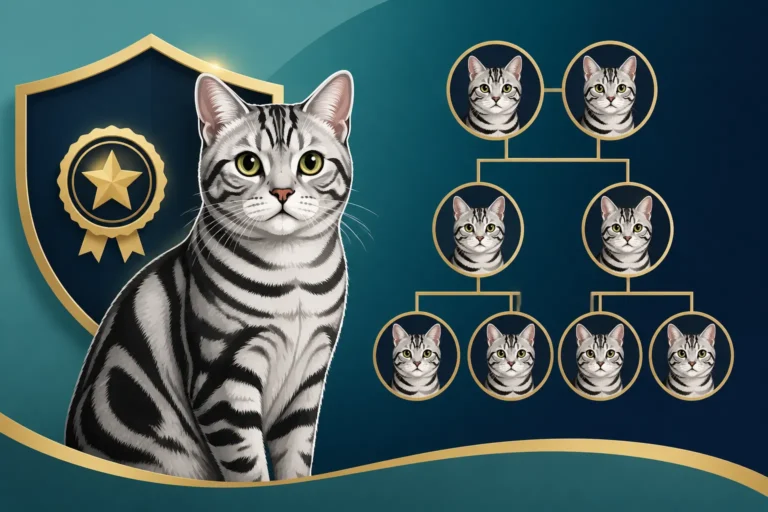
A pedigree chart isn't just a fancy family tree; it's a valuable health document. While it primarily tracks lineage, it also offers insights into potential genetic predispositions. A breeder should be able to walk you through the pedigree, pointing out any Grand Champions or other notable titles, but also discussing the health history of the cats in the lineage. A strong pedigree from a well-established line can often correlate with a healthier background simply because those lines have been carefully monitored over many generations.
Don't be afraid to ask questions about the longevity of cats in the pedigree. For example, if many cats in the lineage lived to be 15-20 years old, it's a good indicator of robust health. If you hear about health issues that cropped up later in life for specific ancestors, a good breeder will be transparent about how they've addressed or worked around those lines to minimize risk in future litters.
Protecting Your Investment: Follow-Up Care and Insurance
Bringing home your new American Shorthair is just the beginning of your health journey together. While a responsible breeder provides a solid foundation, ongoing care and proactive planning are essential for your cat's lifelong well-being. This is where you step in as a dedicated owner, continuing the commitment to health that the breeder began.
Understanding that even the healthiest American Shorthair will have veterinary needs over its long life—from routine check-ups to potential emergencies—is key. Thinking ahead about how you'll manage these aspects not only protects your beloved pet but also safeguards your finances. It's a comprehensive approach to ownership.
Your First Vet Visit and Ongoing Wellness
One of the first things you'll do after bringing your American Shorthair kitten home is schedule a vet visit, typically within 48-72 hours. This isn't just a formality; it's often a requirement of the breeder's health guarantee. During this visit, your vet will perform another comprehensive check-up, verify vaccination records, and establish a baseline for your kitten's health. This is your opportunity to ask any questions that might have arisen since you picked up your kitten.
Beyond the initial kitten care, annual wellness visits are vital for your adult American Shorthair. These regular check-ups allow your vet to monitor your cat's weight, dental health, and overall condition, catching potential issues early. Regular preventative care, like vaccinations and parasite control, remains crucial throughout their life. Many American Shorthairs live long, healthy lives, but Caring for an American Shorthair Past Twelve will involve more frequent vet checks and monitoring for age-related conditions.
The Role of Pet Insurance
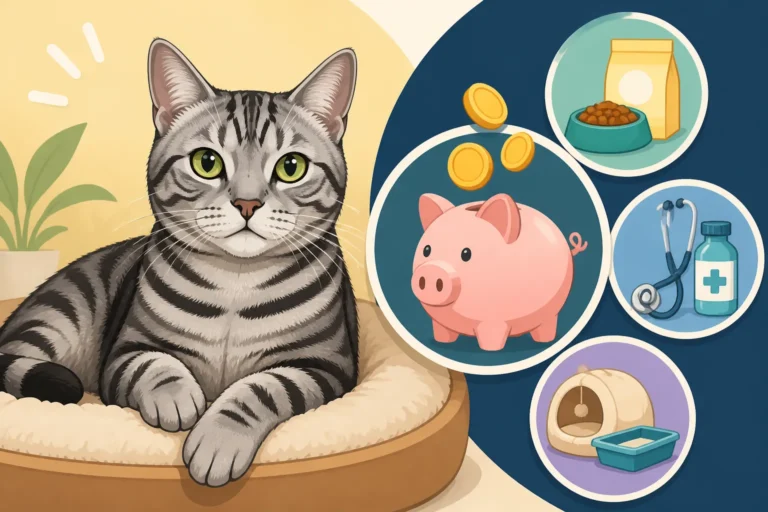
Even with a healthy pedigree and a responsible breeder, unexpected accidents or illnesses can occur. This is where pet insurance becomes a real lifesaver, especially considering that Why an American Shorthair Costs a Vet Less Than a Persian doesn't mean vet care is free. While American Shorthairs are considered a generally low-risk breed, making them relatively Whether an American Shorthair Is Cheap to Insure, unforeseen medical expenses can still be substantial. Pet insurance helps cover a percentage of these costs, giving you peace of mind that you can afford the best care for your cat without financial strain.
Companies like Healthy Paws offer comprehensive plans that can cover everything from accidents and illnesses to emergency care. It's wise to research different providers and plans before you need them. Think about what coverage levels make sense for your budget and your cat's potential needs. While some might think a healthy breed doesn't need insurance, that one unexpected emergency can quickly erase any perceived savings.
Nutrition and Environment: Everyday Health Pillars
Beyond medical care, your daily choices in nutrition and environment play a massive role in your American Shorthair's health. Providing a high-quality diet appropriate for their age and activity level is paramount. A wide range of premium cat foods, from dry kibble to wet food and even fresh food options, can support their muscular build and overall vitality. Ensuring your cat has access to fresh water, a clean litter box, and a stimulating environment with plenty of opportunities for exercise and mental enrichment (especially since the American Shorthair still hunts, whether you want it to or not) will contribute significantly to their long-term health. These daily habits are the unsung heroes of preventative care.
Summary of Essential Health Documentation
To help you keep track, here's a table summarizing the key health results and documents you should expect from a reputable American Shorthair breeder:
| Health Concern | Required Test/Document | What to Look For | Importance |
|---|---|---|---|
| Hypertrophic Cardiomyopathy (HCM) | Echocardiogram (Heart Scan) | "Normal" or "Clear" results from a board-certified veterinary cardiologist for both parents, dated, with a history of regular screening. | Critical |
| General Health | Veterinary Health Certificate | Kitten examined and cleared by a licensed vet before sale. | High |
| Infectious Diseases | FIV/FeLV Test Results (Parents) | "Negative" results for breeding adults. | High |
| Preventative Care | Vaccination Records | Up-to-date core vaccinations for the kitten. | High |
| Parasite Control | Deworming Schedule | Clear records of deworming treatments for the kitten. | High |
| Breed Assurance | Written Health Guarantee | Clear terms outlining breeder responsibility for genetic health issues within a specified period. | High |
| Pedigree History | Pedigree Chart | Documented lineage, ideally with notes on longevity and health of ancestors. | Moderate |
This table serves as a quick checklist when you're speaking with breeders. Don't be shy about asking for each of these items. Your diligence now can save you significant heartache and expense in the future.
Final Thoughts on Choosing a Healthy American Shorthair
Navigating the world of pedigreed cat breeding can feel like a lot, especially when it comes to understanding health clearances. But for the American Shorthair, a breed known for its robust nature and long life, focusing on a few key areas like HCM screening and overall general health will set you on the right path. Remember, the goal isn't to find a "perfect" cat, but to find a healthy kitten from a breeder who has diligently worked to minimize known risks and is transparent about their health practices.
When you bring home an American Shorthair, you're not just getting a pet; you're adopting a piece of feline history, a resilient and charming companion. By asking the right questions, examining the right documents, and committing to ongoing care, you're ensuring that your American Shorthair has every opportunity to live the long, healthy, and happy life they are so well-known for.
Disclaimer
This article is for general informational purposes only and does not constitute professional advice. Laws, prices and regulations vary by location and change over time. Consult a qualified professional for guidance on your specific situation.