How Many Months an American Shorthair’s Weight Plan Runs
It's incredibly frustrating and genuinely worrying when your cherished American Shorthair starts to pack on a few extra pounds. You see that once sleek, athletic frame getting a bit rounder, maybe they're not jumping as high, and the sheer thought of them facing health issues because of it can keep you up at night. This guide is here to walk you through the realistic timeline and expectations for an American Shorthair's weight loss journey, helping you understand just how many months it typically takes to get your furry friend back to a healthy weight.
Understanding the American Shorthair's Unique Metabolism and Weight Challenges
When you're looking at your American Shorthair, it’s easy to admire their sturdy, robust build. They're not meant to be dainty, slender cats; their heritage points to a working, active life. However, this very build, coupled with their inherent instincts, can sometimes be a double-edged sword when it comes to managing their weight in a modern household.
The Historical Hunter's Instinct and Modern Indoor Life
For centuries, the ancestors of our beloved American Shorthairs were the ultimate working cats. They were the unsung heroes of farms and ships, earning their keep by expertly hunting mice, rats, and other vermin. This demanding lifestyle meant they were constantly on the move, burning a significant number of calories each day to survive and thrive. Their bodies evolved to be efficient predators, capable of bursts of energy and sustained activity. This is also why an American Shorthair still hunts, whether you want it to or not, often stalking toys or even your ankles around the house.
However, fast forward to today, and most American Shorthairs live a far more sedentary life indoors. They still retain that powerful hunting drive and the instinct to eat when food is available, a relic from times of scarcity. But the opportunities for the intense physical activity that once balanced their hearty appetites are largely gone. This fundamental mismatch between their historical programming and their current cushy environment is a primary reason why weight gain can creep up so easily. It's truly a challenge for us, as responsible owners, to mimic that necessary activity in a safe, indoor setting. Understanding this history is key to appreciating Why Ending the Mousing Job Made the American Shorthair Heavy.
Why the American Shorthair's Sturdy Build Can Deceive
The American Shorthair is known for its strong, muscular, and well-proportioned body, often described as a "square" or "cobby" build. They have broad chests, powerful legs, and a dense, hard coat. While these features are hallmarks of the breed standard and contribute to their undeniable charm, they can also make it incredibly difficult for an owner to spot subtle weight gain. A little extra padding on a smaller, finer-boned cat is immediately obvious. On an American Shorthair, that robust frame can effectively hide an unhealthy layer of fat.
You might look at your cat and think, "Oh, they're just big-boned!" or "They're supposed to be sturdy!" and you wouldn't be entirely wrong about their build. But this perception can delay recognition of actual obesity. What might seem like a healthy robustness can, over time, become concerning overweight or even obesity, putting strain on their joints and internal organs. Learning How to Find the Ribs on a Square Built American Shorthair is a crucial skill for every owner, as feeling their ribs and spine is a more reliable indicator of body condition than just visual assessment or guesswork. This subtle accumulation of fat can lead to issues that shorten their overall lifespan and significantly impact their quality of life as they age.
Setting Realistic Expectations for an American Shorthair's Weight Loss Journey
Embarking on a weight loss plan for your American Shorthair isn't a race; it's a marathon. Just like with humans, rapid weight loss can be dangerous and is rarely sustainable. Patience, consistency, and close collaboration with your veterinarian are the cornerstones of a successful and healthy journey for your cat.
The Importance of Gradual, Sustainable Weight Reduction
The goal isn't just to shed pounds quickly, but to help your cat achieve a healthy weight safely and then maintain it. Losing weight too fast can lead to serious health complications, the most well-known being feline hepatic lipidosis, or fatty liver disease, a life-threatening condition. This is why veterinarians strongly advise against crash diets or drastically cutting your cat's food intake overnight. It’s important to remember Why Fast Weight Loss Gives an American Shorthair Fatty Liver.
A healthy weight loss rate for cats is generally considered to be 0.5% to 2% of their body weight per week. For a 12-pound American Shorthair, this translates to losing roughly 1 to 4 ounces per week. This might seem slow, especially when you're eager to see results, but this gradual approach minimizes stress on their body and allows for the development of new, healthier habits that can last a lifetime. Sustainable weight loss is about making incremental changes to diet and activity that your cat can adapt to without feeling deprived or overly stressed.
The Role of Veterinary Guidance and Regular Check-ups
You simply cannot undertake a weight loss plan for your American Shorthair without your veterinarian's professional guidance. Your vet is your most important partner in this journey. They will first rule out any underlying medical conditions that could be contributing to weight gain, such as hypothyroidism (though rare in cats) or other metabolic issues. They will also help you determine What an American Shorthair Should Weigh at Its Frame, setting a realistic and healthy target weight.
Once a clean bill of health is established, your vet will calculate the appropriate daily caloric intake for your cat, taking into account their ideal weight, current activity level, and any specific dietary needs. This isn't a one-size-fits-all calculation, and it's something many owners struggle to get right on their own. They'll also recommend suitable diet foods, which might include prescription weight-loss diets that are formulated to be lower in calories but still provide essential nutrients. Regular check-ups, usually every 2-4 weeks initially, are vital to monitor progress, adjust the diet as needed, and address any concerns. This consistent professional oversight ensures the plan remains safe and effective for your individual cat. Many pet insurance providers, like Healthy Paws, offer coverage for diagnostic tests and ongoing care that might be part of a comprehensive weight management program, which can ease the financial burden of these essential vet visits.
The Typical Timeline and Phases of an American Shorthair Weight Management Plan
The duration of an American Shorthair's weight management plan can vary quite a bit, depending on how much weight they need to lose and how consistently the plan is followed. However, there are distinct phases you can expect, each with its own timeline.
Initial Assessment and Calorie Adjustment Phase (Weeks 1-4)
This first month is all about laying the groundwork for success. It starts with that crucial vet visit, where your cat gets a thorough examination, blood tests (if necessary), and a body condition score. Your vet will then work with you to create a personalized weight loss plan, including specific dietary recommendations and an exercise regimen. This initial consultation is where you'll figure out How a Vet Builds an American Shorthair's Weight Loss Plan.
During these first few weeks, you'll be implementing the new diet, carefully measuring every meal. This might be a challenging period for both you and your cat. Your American Shorthair, used to potentially free-feeding or larger portions, might voice their displeasure, begging for more food. It's essential to stick to the exact measurements, resist those pleading eyes, and get everyone in the household on board with the new feeding routine. You'll likely notice a slight initial drop in weight, which can be encouraging, but don't expect dramatic changes just yet. It's about establishing the routine and allowing your cat's metabolism to begin adjusting.
Active Weight Loss Phase (Months 1-6)
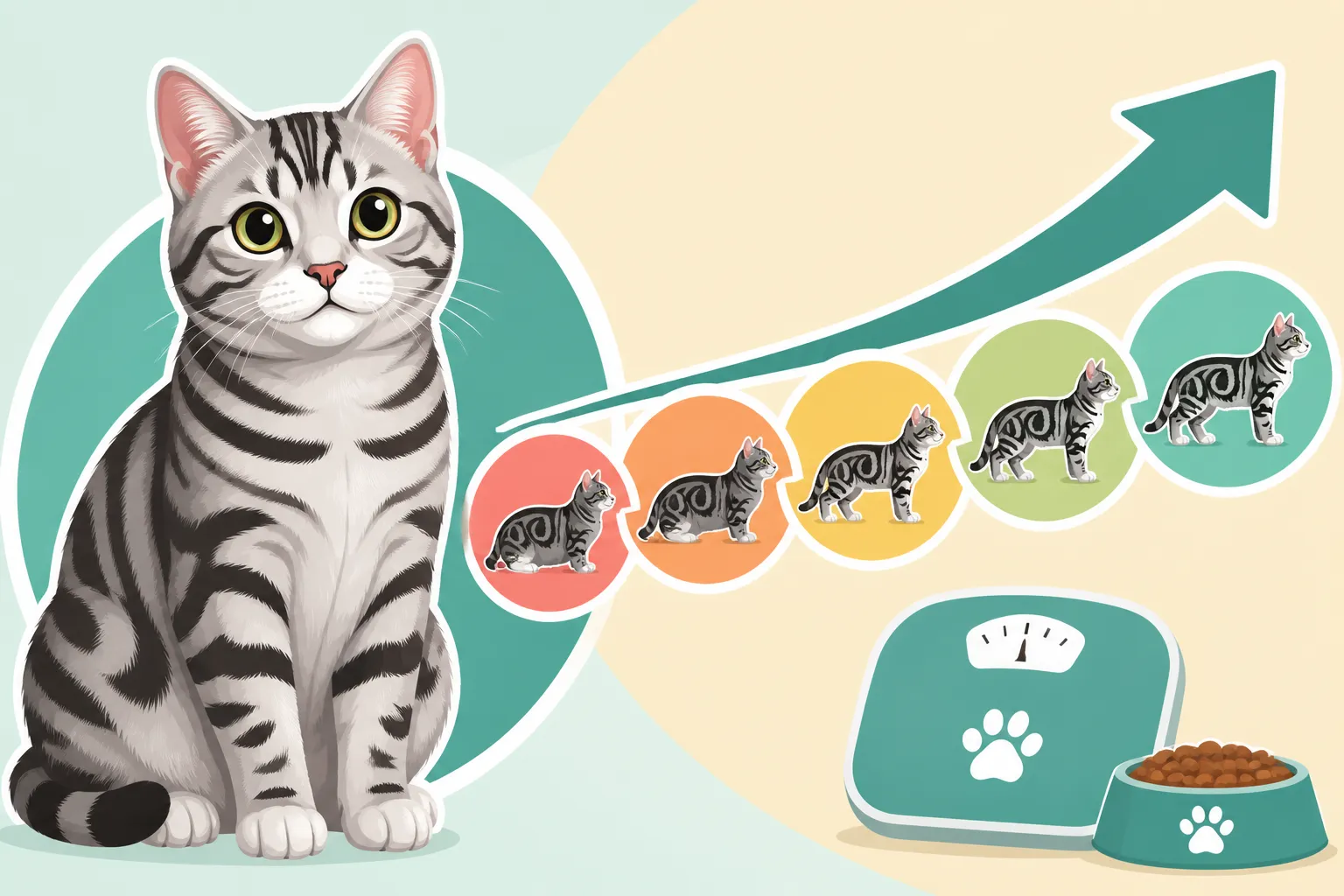
This is the core period where the significant weight loss happens. For an American Shorthair that needs to lose a moderate amount of weight (say, 10-20% of their body weight), this phase can typically run for 3 to 6 months. If your cat is significantly overweight or obese, needing to lose 25% or more of their body weight, this phase could extend to 9 months or even a year.
During these months, regular weigh-ins at home (if you have a pet scale) and consistent vet visits (often monthly) are non-negotiable. Your vet will track their progress, celebrate small victories, and make adjustments to the caloric intake as your cat's weight decreases and their metabolic needs change. It’s not uncommon to hit plateaus where weight loss seems to stall for a week or two; this is normal, and your vet can help you navigate these by making minor adjustments.
| Weight Loss Goal | Estimated Active Weight Loss Phase | Weekly Weight Loss Target (approx.) |
|---|---|---|
| Moderate (10-15%) | 3-6 months | 0.5 – 1% of current body weight |
| Significant (15-25%) | 6-9 months | 0.75 – 1.5% of current body weight |
| Severe (25%+ ) | 9-12+ months | 1 – 2% of current body weight |
Remember, consistency is key. Every time you deviate from the plan with extra treats or larger portions, you're essentially resetting the clock and prolonging the overall journey. This period also involves actively increasing their physical activity. Since How Few Calories an Indoor American Shorthair Burns, you'll need to get creative with playtime. Think interactive wand toys, laser pointers (but always end with a physical catch to prevent frustration), and even puzzle feeders that make them "hunt" for their food. This not only helps burn calories but also provides mental stimulation for their inherent hunting instincts.
Maintenance and Long-Term Monitoring (Beyond 6 Months)
Once your American Shorthair reaches their ideal target weight, the journey isn't over. This marks the beginning of the crucial maintenance phase, which is, in reality, a lifelong commitment. The amount of food your cat needs will be adjusted to maintain their healthy weight, which will be slightly more than their weight loss calories but still carefully portioned.
You'll continue to monitor their weight regularly, perhaps monthly or every other month, to ensure they don't start creeping back up. Relapses can happen, especially if routines change or vigilance wanes. This long-term monitoring is vital because obesity can lead to a cascade of other health problems, from diabetes to arthritis, and maintaining a healthy weight is one of the best things you can do to ensure your American Shorthair lives out The Fifteen to Twenty Years the American Shorthair Was Given. Many pet owners find that having pet insurance, such as Healthy Paws, for unexpected medical issues, particularly those that can be exacerbated by weight like joint problems or heart conditions, offers peace of mind during this long-term phase. These proactive steps ensure that How Many Years Extra Weight Takes Off the American Shorthair's Lifespan becomes a non-issue for your cherished companion.
Common Pitfalls and How to Overcome Them on Your Cat's Weight Loss Path
Weight loss for cats, particularly our stoic American Shorthairs, is not always a linear path. There will be bumps, plateaus, and moments of frustration, but knowing what to expect and how to tackle these challenges can make all the difference.
Dealing with Plateaus and Frustration
One of the most disheartening experiences during a cat's weight loss journey is hitting a plateau. You've been diligently measuring food, engaging in playtime, and seeing steady progress, only for the scale to refuse to budge for a couple of weeks. This can be incredibly frustrating and make you feel like all your hard work is for nothing. However, plateaus are a normal part of the process. As your cat loses weight, their metabolic rate may slow down slightly, and their caloric needs decrease. The smaller they get, the less energy they need to sustain themselves, so the previous calorie intake that led to weight loss might now only be enough for maintenance.
When you encounter a plateau, the first step is not to panic or drastically cut food. Instead, review your current routine with a fine-tooth comb. Are you absolutely certain there are no hidden calories from forgotten treats, food stolen from another pet, or generous family members? Often, tiny "cheats" add up. If everything is consistent, it's time to consult your vet again. They might recommend a slight further reduction in calories, perhaps by 5-10%, or suggest increasing activity levels. Sometimes, switching to Which Prescription Diet an American Shorthair Ends Up On designed specifically for weight loss can provide the necessary metabolic boost or feeling of fullness to break through a plateau. Remember, their solid build can make it seem like they're fine, but What Extra Weight Does to an American Shorthair's Working Frame is a real concern, leading to issues like joint problems that are harder to spot on a robust cat.
Keeping Them Engaged and Active Without Overfeeding
The challenge of weight loss isn't just about restricting food; it's also about increasing energy expenditure and providing mental enrichment, especially for a breed like the American Shorthair with strong natural instincts. A bored cat can become a hungry cat, or a destructive one, leading to begging, nuisance behaviors, or even overeating if given the chance. This is particularly true since Why a Neutered American Shorthair Puts On Weight Faster due to metabolic changes post-surgery.
To keep your American Shorthair engaged, think like a cat hunter. Instead of putting food in a bowl, use puzzle feeders or hide small portions of their measured kibble around the house, encouraging them to "hunt" for their meals. This slows down their eating and adds physical and mental stimulation. Schedule dedicated playtime sessions twice a day, focusing on interactive toys like wand toys that mimic prey. Allow them to "catch" the toy at the end of the session to satisfy their hunting drive. Consider cat trees and shelves to encourage climbing, allowing them to utilize vertical space which is natural for cats. Even simple games like tossing a treat (part of their measured portion, of course!) down the hallway can get them moving.
This commitment to activity and mental stimulation is crucial for their well-being throughout the weight loss journey and beyond. It helps burn calories, keeps them from being bored and demanding food, and maintains their muscle mass. As your American Shorthair ages, their activity might naturally decrease, and you'll want to watch for signs of joint pain or stiffness, which can sometimes be mistaken for simple aging. Observing How to Tell an American Shorthair's Stiffness From Middle Age becomes vital to ensure their comfort and continued mobility.
Disclaimer
The information provided in this article is for general informational purposes only and is not intended as a substitute for professional veterinary advice, diagnosis, or treatment. Always seek the advice of your veterinarian or other qualified animal health provider with any questions you may have regarding a medical condition or treatment plan for your American Shorthair. Never disregard professional veterinary advice or delay in seeking it because of something you have read in this article.