Whether Foraging Feeding Suits an American Shorthair
It’s a common frustration for American Shorthair owners: you love your calm, sturdy companion, but sometimes you wonder if they’re truly engaged and stimulated by their day-to-day life. Our cats are descendants of hard-working mousers, and simply presenting them with a bowl of food twice a day, while convenient for us, often leaves a huge gap in their natural instinct to hunt. This guide will explore whether foraging feeding suits an American Shorthair, delving into its benefits, how to get started, and what to consider for your unique feline friend.
The American Shorthair's Innate Hunter Instinct: Why Foraging is Natural
Let’s be honest, our American Shorthairs are magnificent creatures, but they aren't fragile, pampered royalty. They come from a long line of incredibly capable working cats, and that heritage is still very much alive within them, even if their current "job" mostly involves supervising your sofa. When you understand this deep-seated history, the idea of simply putting food in a bowl starts to feel a bit… unsatisfying for them.
A History of Working for Meals
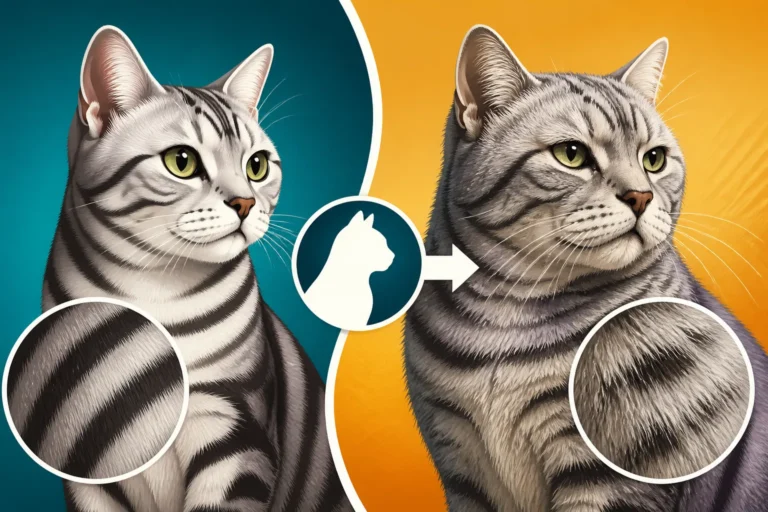
Imagine your cat's ancestors. They weren't just decorative household fixtures. The cats that eventually evolved into what we know as the American Shorthair were essential crew members on ships, guarding valuable cargo from rodents during long voyages across oceans. Once they arrived on new shores, they became invaluable assets on farms and in burgeoning towns, keeping vermin populations in check. Every meal was earned through strategic hunting, stalking, and pouncing. There was no guaranteed kibble drop; survival depended on their sharp instincts and physical prowess. The Mayflower Cats Behind the American Shorthair
This isn't just a quaint historical tidbit; it's deeply ingrained in their genetic makeup. Even generations removed from a barn or a ship, your American Shorthair possesses the same basic drives. They are built for muscle, quick bursts of speed, and keen observation. Their minds are wired for problem-solving, for identifying prey, and for the satisfaction of the chase. When we simply pour food into a bowl, we bypass this entire sequence, leaving a part of their natural self unfulfilled. It's like buying a sports car and only ever driving it to the grocery store – it gets the job done, but it's not truly using its full potential.
The Boredom of a Bowl
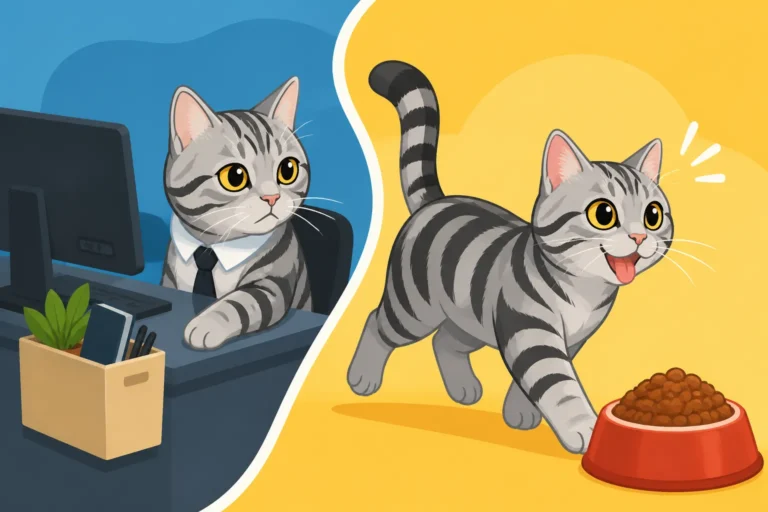
So, what happens when a cat with such a strong working heritage is presented with all its meals in a stationary bowl? Often, it leads to boredom and a lack of mental engagement. Think about it from their perspective: the most exciting event of their day—mealtime—becomes a non-event. There's no challenge, no strategizing, no effort. They might scarf down their food in seconds, then wander off, perhaps looking for other, less desirable ways to occupy themselves.
This "boredom of the bowl" can manifest in various ways that might puzzle us as owners. Some cats become lethargic, sleeping more than usual because there's simply nothing stimulating to do. Others might develop destructive behaviors, scratching furniture or knocking items off shelves, not out of malice, but out of an instinctive need to create "action" in their environment. What an American Shorthair Does Instead of Demanding Overeating can also be a direct result, as the act of eating becomes the only stimulation available, leading them to consume more than they actually need. It's a frustrating cycle for both cat and owner, where the cat is seeking enrichment and we're often missing the cues.
Mimicking the Hunt
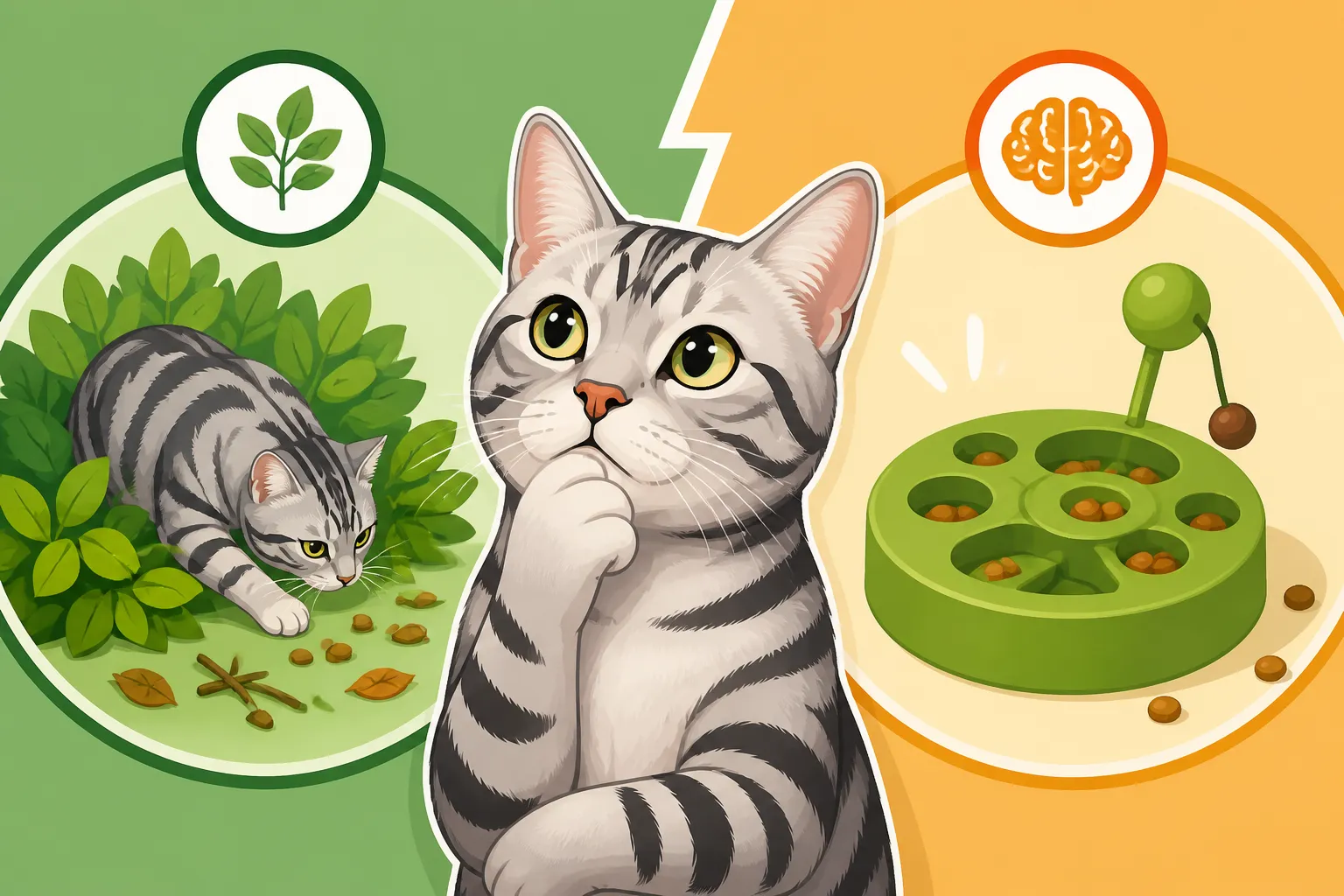
Foraging feeding is all about turning mealtime back into a stimulating, natural activity. Instead of a straightforward bowl, you present their food in ways that require them to sniff, strategize, and work a little to get it. This could involve hiding kibble in different locations, using puzzle feeders that make them bat and nudge for a reward, or even scattering their dry food so they have to "hunt" for individual pieces.
This isn't about making food inaccessible or frustrating; it's about recreating the satisfying mental and physical sequence of a hunt. They use their senses – their incredible sense of smell and their keen eyesight – to locate the food. They engage their paws and minds to manipulate objects, solving the "puzzle" of how to extract their meal. And when they finally succeed, there's a tangible reward that reinforces the effort. It taps into that primal hunter within your American Shorthair, offering a much-needed outlet for their intelligence and instincts. By doing so, you're not just feeding their belly, you're nourishing their brain and their spirit. How to Hide an American Shorthair's Food Around the House
Benefits of Foraging Feeding for Your American Shorthair
Transitioning your American Shorthair to foraging feeding isn't just a novel idea; it offers a host of tangible benefits that can dramatically improve their quality of life, both mentally and physically. These aren't just minor perks; they address some of the most common challenges faced by indoor cats.
Mental Stimulation and Enrichment
One of the most powerful advantages of foraging is the incredible mental workout it provides. For indoor cats, especially one as intelligent and observant as the American Shorthair, boredom can be a real problem. Without the natural challenges of hunting, exploring vast territories, or navigating complex social structures, their keen minds can become stagnant. Foraging changes that entirely. It presents them with a problem to solve: "How do I get this food out?"
This problem-solving process engages their cognitive abilities, requiring them to think, plan, and experiment. They learn cause and effect, develop fine motor skills with their paws, and experience the satisfaction of overcoming a challenge. This kind of mental enrichment can significantly reduce stress and anxiety, as a stimulated cat is often a happier, more confident cat. Think of it as intellectual play; it tires them out in a good way, promoting restful sleep and a more balanced demeanor. Whether a Puzzle Feeder Satisfies an American Shorthair It transforms their environment from a static space into a dynamic, engaging territory that they can actively explore and conquer.
Weight Management and Slower Eating
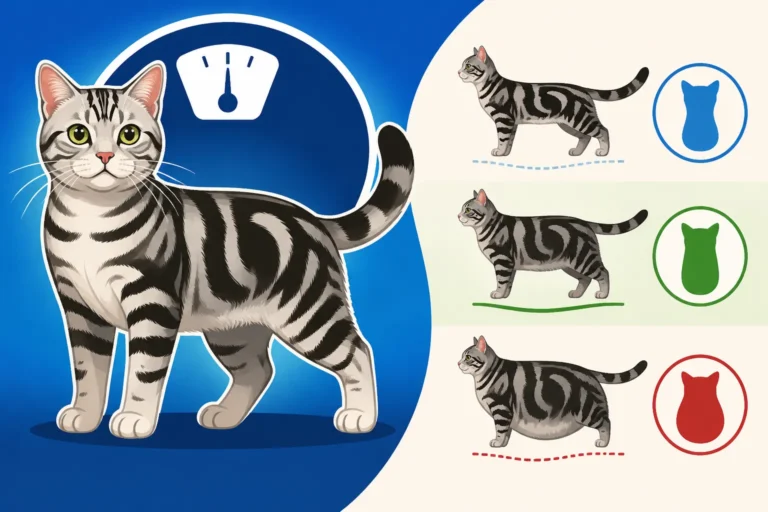
Obesity is a silent epidemic among indoor cats, and our sturdy American Shorthairs, with their historically robust appetites, are certainly not immune. When food is always available in a bowl, or eaten rapidly in huge gulps, it's easy for them to overconsume calories. The instinct that once meant "eat when you find it, because who knows when the next meal comes" now works against them in a world of endless kibble.
Foraging directly addresses this issue by slowing down their eating pace. Instead of devouring a whole bowl in minutes, they're spending significant time extracting individual pieces or small portions. This extended feeding time allows their body's natural satiety signals to kick in, helping them feel full on less food. It also mimics the natural caloric expenditure of a hunt; while they're not running miles, the effort of manipulating a puzzle feeder or searching for hidden nuggets burns a few extra calories. Over time, this can lead to healthier weight management, reducing the risk of conditions like diabetes and joint problems that often accompany excess weight. What an American Shorthair Should Weigh at Its Frame
Behavioral Improvement
Many frustrating cat behaviors can be traced back to a lack of appropriate outlets for their natural instincts. An American Shorthair that is constantly kneading, over-grooming, or even exhibiting mild aggression might simply be expressing pent-up energy and boredom. When a cat doesn't have productive ways to "hunt" and engage its mind, it will often find less desirable alternatives.
By incorporating foraging, you provide a positive and constructive channel for these instincts. The focus required for foraging can redirect attention from destructive habits. A cat that spends a good portion of its day working for its meals is less likely to feel the need to stalk your ankles aggressively, or to tear at your curtains. It fulfills their innate need to "do something" that resonates with their ancestral purpose. It teaches them patience and perseverance, and the reward of food reinforces positive problem-solving, rather than reinforcing negative attention-seeking behaviors. This leads to a calmer, more satisfied cat and, consequently, a more harmonious household.
Getting Started with Foraging for Your American Shorthair
The idea of making your cat "work" for food might sound daunting at first, especially if your American Shorthair has been free-fed or used to a regular bowl its whole life. But don't worry, it's a gradual process, and the rewards for both of you are well worth the initial effort. The key is to start simple and make it a positive experience.
Choosing the Right Foraging Tools
The market for foraging tools has exploded as more owners recognize the benefits. You’ll find a huge range of options, from basic to highly complex, at major pet retailers. For an American Shorthair, whose natural curiosity and intelligence are quite high, most options will be appealing.
- Beginner-Friendly: Start with something easy. A simple slow-feeder bowl with ridges or a snuffle mat where you can hide kibble are excellent entry points. These don't require much dexterity, just a bit of sniffing and nudging. You could also simply scatter a portion of their dry food across a clean, hard floor, making them "hunt" for each piece. This is a zero-cost way to introduce the concept.
- Intermediate Puzzle Feeders: Once your cat masters the basics, you can move on to feeders that require more manipulation. These might involve cups to bat, sliders to move, or small compartments to open. Look for feeders that are stable and won't tip over easily, especially for a sturdy American Shorthair who might be a bit enthusiastic.
- Advanced Challenges: For the truly adept American Shorthair, some puzzle feeders offer multiple layers of complexity, requiring several steps to release the food. These are great for keeping their minds sharp over the long term. Remember, the goal isn't to frustrate them, but to challenge them appropriately. What a Puzzle Feeder for an American Shorthair Costs Always ensure the openings are large enough for their kibble and that they can reach the food once it's released.
Transitioning Your Cat to Foraging
Patience is your best friend during this transition. Your American Shorthair might be a bit wary of new things, even food-related ones, so a gentle introduction is crucial.
- Start with High-Value Treats: Begin by putting a few irresistible treats, not their regular meal, into the easiest foraging toy. Let them discover it on their own and succeed quickly. This builds a positive association.
- Mix in Regular Food: Once they're comfortable getting treats from the toy, start mixing in a small amount of their regular kibble with the treats. Gradually increase the proportion of kibble.
- Gradual Difficulty Increase: Don't throw them straight into a complex puzzle. Move from scattering food to simple slow feeders, then to more involved puzzle toys. Always ensure they're successful most of the time. If they get frustrated, go back to an easier level.
- No Pressure: Never force your cat to use a foraging toy. Place it in a quiet, accessible spot and let their curiosity guide them. Your American Shorthair is quite independent and will approach on their own terms.
- Still Offer a Bowl (Initially): In the beginning, continue to offer a small portion of their meal in their regular bowl while also presenting food in the foraging toy. As they get more proficient and excited about foraging, you can gradually reduce the amount in the bowl until all their dry food is earned through foraging.
Making it a Daily Habit
Once your American Shorthair is successfully foraging, integrate it fully into their daily routine.
- Regular Mealtimes: Continue to feed them at their usual meal times, but instead of pouring into a bowl, distribute their dry food into their foraging devices. This maintains consistency and helps them anticipate the "hunt."
- Distribute Resources: If you have multiple foraging toys, spread them around different locations in your home. This encourages movement and exploration, reinforcing their territorial instincts. You might place one on a low shelf, one on the floor, and another on a cat tree.
- Use All Their Food: Don't reserve foraging just for treats. Use their complete daily portion of dry food in the feeders. This ensures they're getting consistent mental and physical stimulation with every meal.
- Rotate Toys: Keep things interesting by rotating different puzzle feeders. If you only have one, try changing its location daily. Novelty keeps the challenge fresh and prevents boredom.
- Consider Wet Food: While foraging is typically for dry food, you can still add enrichment for wet food. Some slow-feeder bowls are designed for wet food, making them lap it up more slowly. This can also help with hydration, which is a common concern for many cats. Whether an American Shorthair Needs Wet Food
Potential Challenges and Considerations
While foraging feeding offers many advantages, it's not a one-size-fits-all solution, and there are a few considerations to keep in mind to ensure it's a positive experience for everyone involved.
Multi-Cat Households
If you have more than one American Shorthair, or a mix of breeds, implementing foraging can become a bit more complex due to potential competition and differing skill levels. Cats are often solitary hunters, and while they can coexist, mealtime can sometimes bring out territorial tendencies.
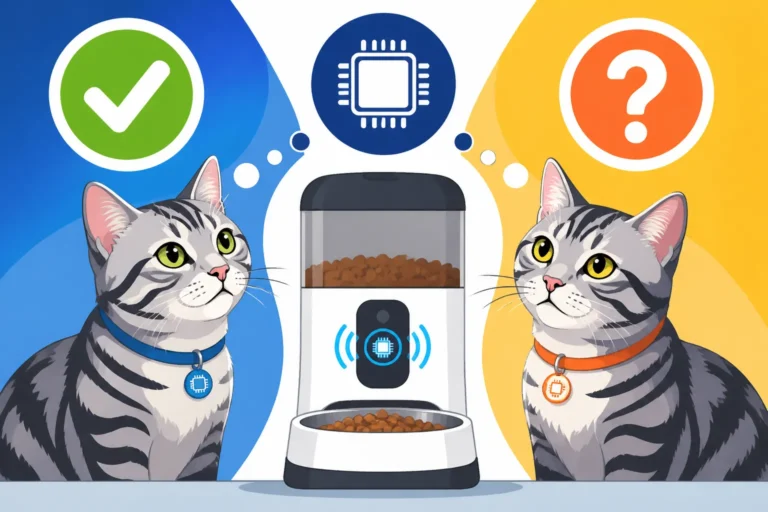
The primary concern is ensuring all cats get enough food and that dominant cats don't hoard all the resources. The best strategy is to set up multiple foraging stations in different, often separated, areas of your home. You might have one puzzle feeder in the living room, another in a quiet bedroom, and a third in the kitchen. This decentralizes the food source and allows each cat to "hunt" in peace. If one cat is particularly quick or aggressive, you might need to use microchip-activated feeders that only open for a specific cat's microchip, preventing others from accessing their portion. Whether a Microchip Feeder Works in a Two American Shorthair House Also, observe your cats carefully during the transition period. If you notice one cat is consistently missing meals or showing signs of stress around feeding time, you might need to revert to individual feeding times or separate them during foraging sessions.
Finicky Eaters or Seniors
Not every American Shorthair will take to foraging with immediate enthusiasm. Some older cats, or those who are particularly set in their ways, might find the change stressful or the puzzles too challenging. Similarly, a finicky eater might just give up if the food isn't presented in the usual way.
For older American Shorthairs, especially those with arthritis or dental issues, fine motor skills might be diminished. Start with the absolute easiest options: scattered kibble or a very wide, shallow slow-feeder bowl. Make sure the puzzle feeders don't require complex paw manipulation or excessive bending. You might also need to use higher-value, more aromatic dry food to entice them initially. Why an Old American Shorthair Needs Food It Can Manage For cats with missing teeth or sensitive gums, consider soft treats or wet food in a slow-feeder bowl that doesn't require "chewing" from a tight compartment. Patience is key; it might take longer for them to adapt, but even a small amount of foraging can be beneficial. Caring for an Old American Shorthair
Maintaining Cleanliness
Foraging feeding, by its nature, involves food being distributed and potentially moved around. This means a little more clean-up than a single, static food bowl. Puzzle feeders and mats can get messy, collecting dust, fur, or even saliva.
It's essential to regularly clean all foraging tools to prevent bacterial growth and keep your cat healthy. Most plastic puzzle feeders can be hand-washed with warm, soapy water or are dishwasher safe. Snuffle mats can usually be tossed into the washing machine. Place foraging stations on easy-to-clean surfaces like tile or a washable mat, rather than directly on carpet, especially when starting out. If you're scattering food, ensure the floor is clean before you begin. A little extra attention to hygiene will ensure that the benefits of foraging aren't undermined by unsanitary conditions.
Foraging Feeder Comparison
To help you choose the right tools for your American Shorthair, here's a quick comparison of popular foraging feeder types:
| Feeder Type | Description | Best For | Pros | Cons |
|---|---|---|---|---|
| Scattered Kibble | Dry food spread on a clean, hard floor or mat. | Beginners, any cat, low cost | Free, easy to implement, encourages movement | Can be messy, less challenging for advanced cats |
| Snuffle Mat | Fabric mat with fringes where treats/kibble are hidden. | Beginners, cats who like to "dig" and sniff | Engaging sense of smell, soft on paws, easy to clean | Can be messy, not very challenging, only for dry food |
| Slow Feeder Bowl | Bowl with ridges, mazes, or pillars that divide food. | Fast eaters, wet or dry food, preventing scarfing | Simple, effective for slowing down eating, prevents gulping | Less mental stimulation than puzzles, can still eat quickly |
| Interactive Puzzle Feeders | Devices with compartments, sliders, or levers to manipulate. | Intermediate to advanced cats, mental enrichment | Highly stimulating, great for problem-solvers, variety of designs | Can be frustrating if too hard, require cleaning of many parts |
| Treat Dispensing Balls/Rollers | Ball or cylinder with holes that releases food when rolled. | Active cats, playful cats, encourages exercise | Combines play and feeding, great for burning energy | Can be loud, not all cats enjoy rolling, only for dry food |
Foraging feeding is a fantastic way to honor your American Shorthair's heritage and provide them with the mental and physical enrichment they inherently crave. It taps into their natural instincts, helps manage their weight, and can even improve behavioral issues. By starting simply, choosing appropriate tools, and being patient, you can transform mealtime from a mundane chore into an engaging and satisfying hunt for your beloved feline companion.
Disclaimer
This article is for general informational purposes only and does not constitute professional advice. Laws, prices and regulations vary by location and change over time. Consult a qualified professional for guidance on your specific situation.