Why an Echo Beats a Gene Test in an American Shorthair
It's incredibly stressful when you're trying your best to ensure your beloved American Shorthair stays healthy, especially when it comes to something as serious as heart disease. You read about different tests, hear conflicting advice, and suddenly you're drowning in information, wondering what's truly effective to protect your furry family member. This guide aims to clear up the confusion surrounding heart screening, specifically addressing why an echocardiogram (echo) often provides far more conclusive and actionable information for an American Shorthair than a simple gene test alone.
Understanding Heart Disease in American Shorthairs
When we talk about heart health in American Shorthairs, there's one condition that consistently comes up: Hypertrophic Cardiomyopathy, or HCM. It’s a bit of a tricky beast because it can be insidious, often progressing silently without obvious symptoms until it reaches an advanced stage. As a diligent pet parent, understanding this condition and its nuances is the first step in providing the best possible care.
The Reality of HCM in American Shorthairs
Hypertrophic Cardiomyopathy is a primary disease of the heart muscle, where the walls of the heart's main pumping chamber (the left ventricle) become abnormally thickened. Imagine trying to squeeze water out of a very stiff, thick balloon; it’s much harder than squeezing a normal, flexible one. This thickening makes it much harder for the heart to pump blood effectively, reducing its ability to fill with blood between beats. Over time, this leads to a cascade of problems, including fluid buildup in the lungs (pulmonary edema), blood clots (thromboembolism), and ultimately, heart failure.
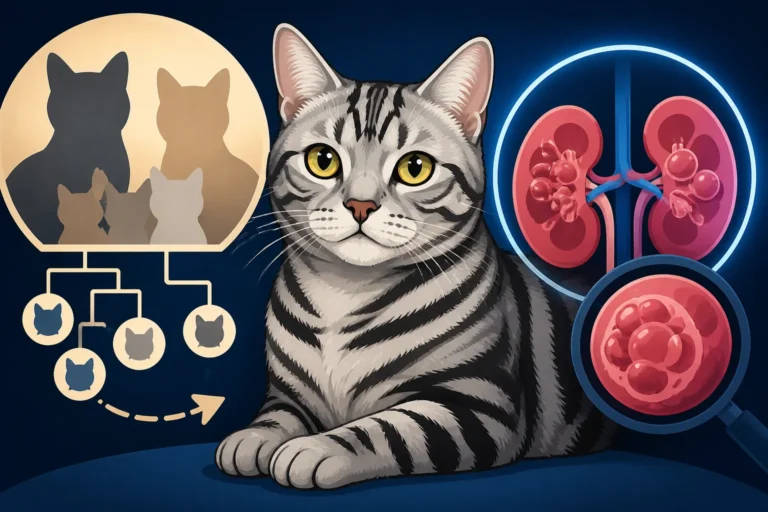
While the American Shorthair is generally celebrated for its robust health and long lifespan, HCM is one of the more significant inherited diseases that has persisted within the breed. Unlike some breeds where extensive breeding programs have inadvertently selected for certain health issues, the American Shorthair has largely retained its natural vigor. However, HCM Is the One Inherited Disease the American Shorthair Kept, meaning it’s something responsible owners and breeders must remain vigilant about. It's not as prevalent as in some other breeds like Maine Coons or Ragdolls, but it absolutely exists, and its potential impact on a cat's quality of life is profound. The insidious nature of HCM means that cats can appear perfectly healthy for years, eating well and playing, while their heart muscle is slowly thickening internally. This silent progression is precisely why proactive screening is so vital.
Why Early Detection Matters So Much
The heartbreaking truth about HCM is that by the time you notice symptoms like labored breathing, lethargy, or a decreased appetite, the disease is often quite advanced. These are signs of congestive heart failure, which means the cat's heart is no longer able to effectively move blood through the body. At this stage, treatment options become more about managing symptoms and providing comfort rather than halting the progression of the disease. It’s a reactive approach to a problem that ideally needs a proactive solution.
Early detection, however, opens up a world of possibilities. If HCM is caught in its earlier stages, veterinarians can often prescribe medications to slow its progression, improve heart function, and reduce the risk of secondary complications like blood clots. Imagine being able to add years to your cat's happy, active life simply by identifying a problem before it takes hold. This early intervention can make an enormous difference in both the quantity and quality of life for your American Shorthair. It allows you to work with your vet to create a tailored management plan, which might include specific diets, medications, and lifestyle adjustments, all aimed at supporting their heart health. Knowing what you're up against sooner rather than later truly empowers you as an owner. This is also where investing in pet insurance, like a policy from Healthy Paws, can really make a difference, as it can help cover the costs of these crucial diagnostic tests and ongoing treatments.
The Role of Genetic Testing in Breed Health
When we talk about inherited diseases, genetic tests often come to mind as the silver bullet. For many conditions, DNA screening is incredibly effective, offering a clear "yes" or "no" answer about whether a cat carries a specific mutation. However, when it comes to HCM in American Shorthairs, the picture is a little more complex.
What a Gene Test Actually Looks For
A genetic test, often performed using a simple cheek swab, identifies specific gene mutations that have been linked to HCM in certain cat breeds. For example, a well-known mutation in the MYBPC3 gene is commonly screened for in Maine Coons and Ragdolls. If a cat tests positive for one of these specific mutations, it means they have a genetic predisposition to developing HCM. Breeders often use these tests to make informed decisions about mating pairs, aiming to reduce the incidence of the disease in future generations. For a curious owner, it can provide a glimpse into their cat's genetic makeup, potentially offering peace of mind or an early warning flag, depending on the results.
However, it's crucial to understand that these tests are highly specific to known mutations. Whether the American Shorthair Has a Required DNA Panel is a question many ask, and the answer highlights this complexity. While some breeds have widely accepted and effective DNA panels for HCM, the American Shorthair does not have a single, universal genetic marker that accounts for all, or even most, cases of HCM within the breed. This is a significant distinction that often gets overlooked, leading to a false sense of security for owners who rely solely on a negative gene test result. The genetic landscape of HCM is intricate, and different breeds, or even different lines within the same breed, can have entirely different genetic underpinnings for the same disease.
The Limitations of DNA Screening for HCM
Here’s where the rubber meets the road: a clear gene test result for HCM in an American Shorthair often means very little. The reason is simple: the specific genetic mutations linked to HCM in other breeds are not the primary cause of HCM in American Shorthairs. This means that an American Shorthair can test completely negative for all known HCM gene mutations and still develop the disease. A negative gene test is not a guarantee of a healthy heart, and relying on it solely can give owners a dangerous sense of false security. It's like checking for a leaky faucet by only looking at the kitchen sink, when the real problem might be a burst pipe in the basement.
Furthermore, even in breeds where a specific gene mutation is identified, being positive for the mutation doesn't mean a cat will definitely develop HCM, nor does a negative result mean they are entirely safe. Genetic predispositions interact with other factors, both environmental and genetic, in ways we don't fully understand yet. So, while a gene test can be a valuable tool in some breeds, for the American Shorthair, it's largely an ineffective measure for screening the individual cat's heart health. This is why you'll rarely find an American Shorthair breeder advertising "genetically clear" for HCM in the same way a Maine Coon breeder might; it's simply not a meaningful marker for this particular breed. This understanding is key to grasping Why a Gene Test Cannot Clear an American Shorthair's Heart.
Why Echocardiograms Offer Superior Insight
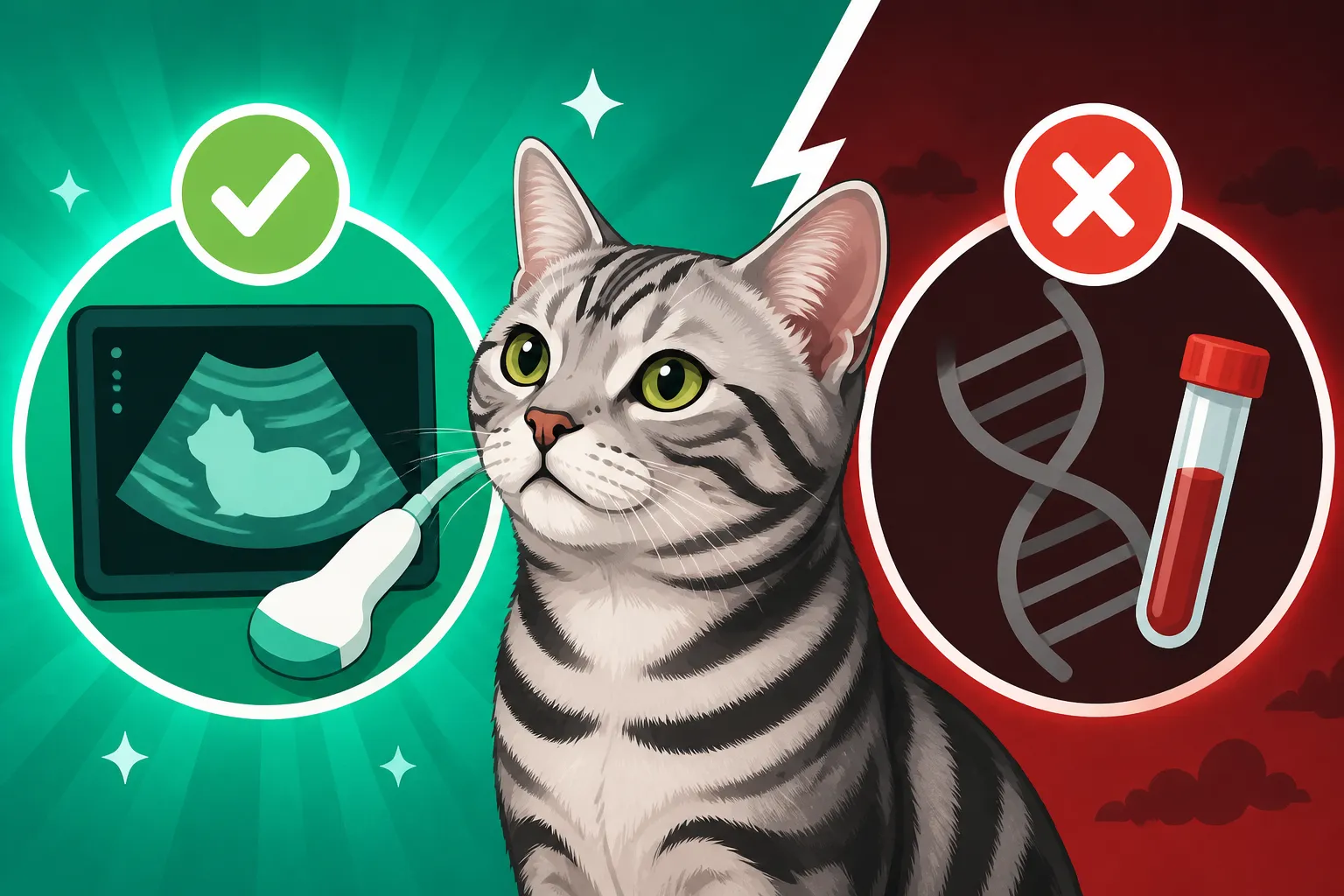
Given the limitations of genetic testing for HCM in American Shorthairs, it becomes clear that a different, more direct approach is needed to truly assess heart health. This is where the echocardiogram, or "echo," comes into its own. It's the gold standard for diagnosing HCM, providing a real-time, visual examination of the heart's structure and function.
How an Echo Visualizes the Heart's Structure
An echocardiogram is essentially an ultrasound of the heart. It uses sound waves to create live images of the heart, allowing a trained veterinary cardiologist to see exactly what's going on inside. Imagine being able to look directly into your cat's heart, watching it beat, observing the thickness of its walls, and how well its valves are functioning. This isn't just about detecting a problem; it's about understanding the nature and extent of the problem.
During an echo, your cat will lie comfortably on a table, usually on its side, while a technician or cardiologist gently shaves a small area of fur on their chest (don't worry, it grows back quickly!). A special gel is applied to ensure good contact between the ultrasound probe and the skin. The probe then emits sound waves that bounce off the heart structures, creating detailed images on a monitor. It's completely non-invasive, painless, and typically doesn't require sedation for a cooperative cat, which is a huge relief for many owners. The peaceful nature of the American Shorthair often makes them excellent candidates for this procedure without the need for additional stress or medication. This direct visualization is invaluable for understanding the structural changes associated with HCM, such as the thickening of the left ventricular wall, which is the hallmark of the disease. For a deeper dive, you might want to read How a Cardiologist Reads an American Shorthair's Scan.
The Comprehensive Information an Echo Provides
The beauty of an echocardiogram lies in its comprehensive nature. It doesn't just tell you if the heart muscle is thickened; it provides a wealth of detail that allows veterinarians to accurately diagnose the stage of HCM, assess its severity, and tailor a specific treatment plan. Here’s what an echo can reveal:
- Heart Wall Thickness: This is the primary indicator of HCM. The cardiologist can measure the exact thickness of the ventricular walls and septum (the wall separating the ventricles).
- Chamber Size: The size of the heart chambers can indicate how well the heart is filling and whether there's any dilation or enlargement due to pressure changes.
- Valve Function: The echo allows the vet to observe the heart valves in action, checking for proper closure and opening, which is crucial for efficient blood flow.
- Blood Flow Dynamics: Using Doppler ultrasound, the cardiologist can visualize and measure blood flow through the heart and major vessels, detecting any turbulence or leaks that might indicate issues.
- Systolic and Diastolic Function: This refers to how well the heart muscle contracts (systolic) and relaxes (diastolic). In HCM, the heart muscle often struggles to relax and fill properly.
- Presence of Blood Clots: The echo can sometimes identify areas of sluggish blood flow or even existing clots within the heart chambers, which are serious complications of advanced HCM.
This level of detail is simply impossible to get from a gene test. An echo provides a functional snapshot of your cat's heart right now, identifying any changes that have occurred regardless of their genetic origin. It's the only way to truly assess the health of an American Shorthair's heart. Understanding this, it becomes clear Why an American Shorthair Still Needs a Yearly Heart Scan, especially if breeding or concerns arise. This kind of thorough diagnostic work, while an investment, is often covered by comprehensive pet insurance plans like those offered by Healthy Paws, making it more accessible for proactive owners.
The Ideal Screening Protocol for American Shorthairs
Now that we understand the strengths and weaknesses of different testing methods, let’s talk about a practical approach to keeping your American Shorthair’s heart healthy. It’s not about choosing one test over another, but rather implementing a sensible, proactive screening protocol.
When and How Often to Get an Echo
For American Shorthairs, a regular echocardiogram is the most effective tool for screening HCM. The general recommendation from veterinary cardiologists is to start screening American Shorthairs between one and two years of age. This allows for a baseline assessment before the disease, if present, typically starts to manifest significantly. After the initial scan, the frequency of subsequent echoes will depend on the findings:
- If the initial echo is completely clear: For breeding cats, annual or biennial screening is often recommended to monitor for any changes, as HCM can develop later in life. For pet cats, your vet may recommend re-screening every 2-3 years, or sooner if any symptoms arise. Remember, The Age an American Shorthair's Heart Starts to Thicken can vary, so ongoing vigilance is important.
- If subtle changes are noted: Even if not outright diagnostic of HCM, a cardiologist might recommend more frequent follow-up scans, perhaps every 6-12 months, to closely monitor progression.
- If HCM is diagnosed: More frequent echoes will be part of the ongoing management plan to assess the effectiveness of medication and track the disease's course.
It’s always best to have these echoes performed by a board-certified veterinary cardiologist if possible. They have specialized training and equipment to interpret these images accurately, ensuring the most precise diagnosis and recommendations. For breeders, consistent screening and documentation are paramount, and knowing What an American Shorthair Breeder's Echo Paperwork Should Say is vital for maintaining transparency and breed health.
Combining Best Practices for Lifelong Heart Health
While the echo is the cornerstone of HCM screening for American Shorthairs, it’s part of a larger picture of comprehensive care. It’s not just about what happens at the vet’s office; it's about daily care and attentive observation at home.
Firstly, regular veterinary check-ups are non-negotiable. Your primary care veterinarian can often pick up on subtle signs that might warrant further investigation, such as a heart murmur or an abnormal heart rhythm detected during a routine physical exam. While a murmur doesn't automatically mean HCM, it's a flag that needs to be investigated, usually with an echo. These regular visits also allow your vet to keep track of your cat’s overall health, weight, and activity levels, all of which can impact heart health.
Secondly, pay close attention to your cat's behavior and habits at home. Are they suddenly less active? Are they breathing faster or with more effort, especially after exertion? Have they lost their appetite or seem unusually withdrawn? While American Shorthairs are generally quite stoic and don't complain easily, any change in their routine or demeanor should prompt a call to your vet. You might even want to consider What an Untested American Shorthair Usually Dies Of if proper screening protocols are not followed, highlighting the importance of this vigilance.
Finally, managing a healthy lifestyle through appropriate nutrition and encouraging activity is important. While these don't prevent HCM, they contribute to overall cardiovascular wellness. Providing a balanced diet and opportunities for play can help maintain a healthy weight, which reduces strain on the heart. Combining these daily observations with periodic, expert-performed echocardiograms provides the most robust defense against the silent progression of HCM in your beloved American Shorthair.
Managing an American Shorthair with a Heart Condition
Receiving an HCM diagnosis for your American Shorthair can be incredibly upsetting and feel overwhelming. It’s natural to feel a mix of fear, sadness, and even guilt. However, it's important to remember that an HCM diagnosis is not an immediate death sentence. With proper management and a dedicated care plan, many cats with HCM can live comfortably for extended periods. The goal shifts from prevention to proactive management, focusing on enhancing quality of life and slowing disease progression.
Life After an HCM Diagnosis
Once HCM is diagnosed, your veterinary cardiologist will work with you to develop a tailored treatment plan. This plan will vary depending on the stage of the disease, the severity of the thickening, and whether any secondary complications (like fluid in the lungs or blood clots) are present. The cornerstone of treatment usually involves medication. These might include:
- Beta-blockers or Calcium Channel Blockers: These medications help the heart muscle relax, allowing it to fill more effectively, and can reduce heart rate and blood pressure.
- Diuretics: If fluid buildup (congestive heart failure) is present, diuretics help remove excess fluid from the body, making breathing easier.
- Anticoagulants: To prevent the formation of dangerous blood clots, particularly in more advanced stages of HCM, medications like clopidogrel might be prescribed. These clots can lead to serious issues like saddle thrombus, where blood flow to the hind legs is blocked, causing sudden paralysis.
- ACE Inhibitors: These can help dilate blood vessels, reducing the workload on the heart.
The exact combination and dosage will be carefully determined and adjusted by your vet based on your cat's response and regular follow-up appointments. It’s a dynamic process, and you’ll be an active participant in monitoring your cat's well-being at home. You’ll be looking for changes in breathing, appetite, energy levels, and overall comfort. Knowing How a Vet Manages an American Shorthair With HCM can help you feel more prepared and empowered in this journey. This ongoing treatment can be costly, so having a pet insurance plan that covers chronic conditions, such as Healthy Paws, can provide significant financial relief.
The Importance of Regular Vet Visits
Following an HCM diagnosis, regular check-ups become even more critical. These aren't just routine visits; they are essential monitoring appointments where your vet will:
- Assess Clinical Signs: They'll listen to your cat's heart and lungs, check their breathing rate, and palpate their abdomen for any signs of fluid retention.
- Monitor Blood Pressure: Hypertension (high blood pressure) can be a concern in cats with heart disease and needs to be managed.
- Perform Blood Tests: Regular blood work can monitor kidney function, which can be affected by certain heart medications, and check electrolyte levels.
- Repeat Echocardiograms: Periodically, repeat echoes will be performed to assess the progression of the disease and the effectiveness of the treatment plan. This helps the cardiologist make any necessary adjustments to medication.
- Discuss Home Care: Your vet will guide you on what to watch for at home, how to administer medications, and any dietary or lifestyle adjustments that might be beneficial.
It’s a team effort between you, your primary veterinarian, and the veterinary cardiologist. Maintaining open communication and adhering to the prescribed treatment and monitoring schedule gives your American Shorthair the best possible chance at a good quality of life despite their diagnosis. While a diagnosis like this is tough, remember that many American Shorthair owners, with dedication and excellent veterinary care, can manage this condition effectively, helping their cherished cats thrive for many more years. You might also want to explore Whether an American Shorthair Policy Covers HCM when considering insurance options.
Disclaimer
Please note that the information provided in this article is intended for general informational purposes only and does not constitute veterinary medical advice. Always consult with a qualified veterinarian or veterinary cardiologist for any health concerns or before making any decisions about your pet's care, diet, or treatment. Every cat is an individual, and only a professional can provide personalized recommendations based on their specific health status.