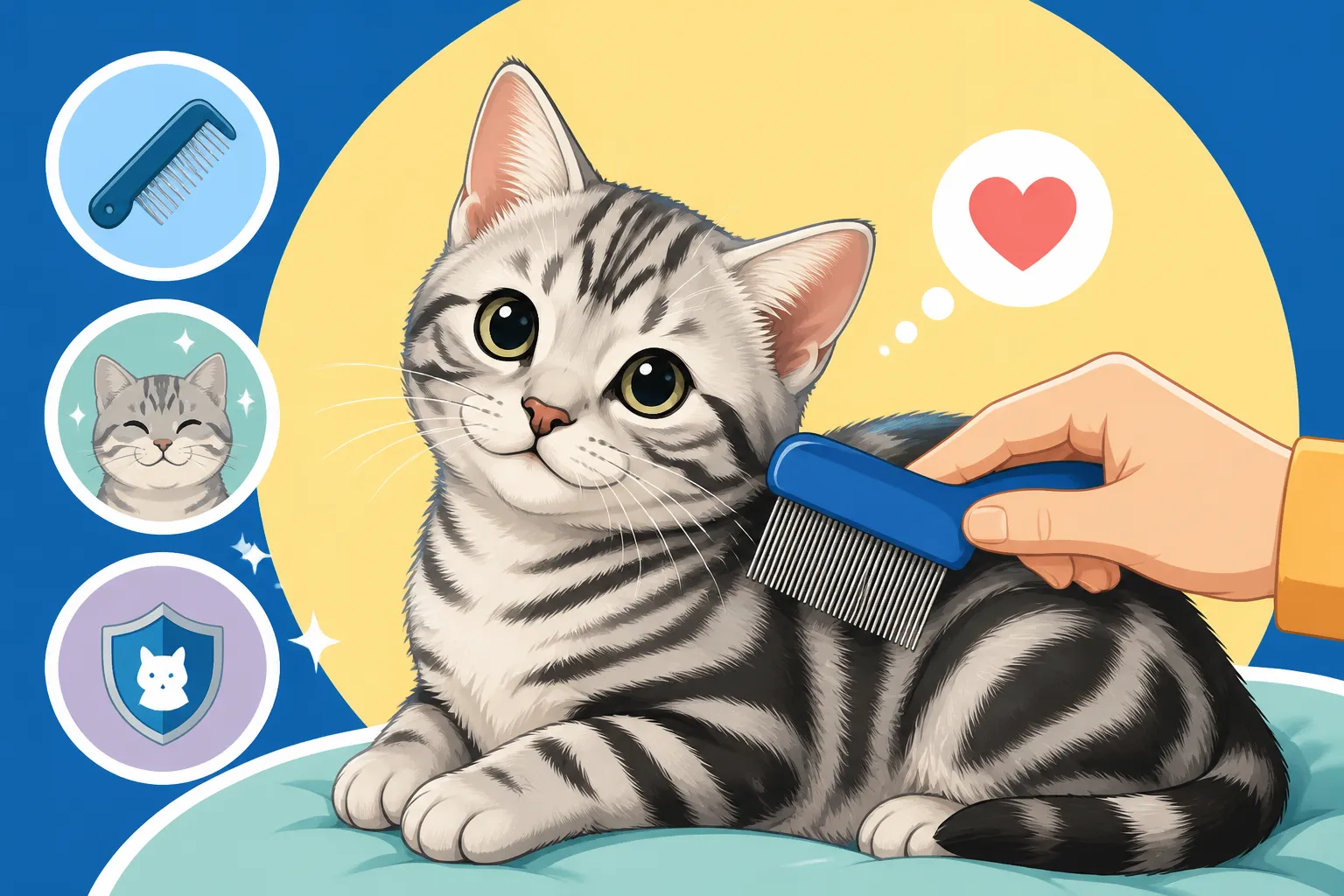
How to Introduce Combing to an American Shorthair Kitten
Bringing a bouncy, curious American Shorthair kitten home is such a joy, but it also comes with a lot of "firsts" you might not have considered. One of those is introducing them to grooming, specifically combing. While American Shorthairs are known for their relatively low-maintenance coats, making combing a positive, routine experience from an early age is absolutely crucial. Otherwise, you could end up wrestling a squirming, unhappy feline for even the quickest brush, turning a simple bonding activity into a stressful chore for both of you. This guide will walk you through making combing a calm, even enjoyable, part of your American Shorthair kitten's life.
Why Starting Early Matters for Your American Shorthair Kitten's Coat
It's easy to look at an American Shorthair kitten's sleek, short coat and think, "I barely need to comb this!" And in many ways, you'd be right – their functional, weather-resistant fur is designed to largely take care of itself. The American Shorthair's Coat Was Built for Weather, Not a Judge. Unlike long-haired breeds that require daily brushing to prevent mats, your American Shorthair won't typically face those intense grooming demands. However, that doesn't mean you should skip introducing the comb altogether. Building a positive association with grooming now, while they're small and impressionable, sets them up for a lifetime of easier care and deeper trust with you.
Think about it this way: your kitten will grow into a full-sized American Shorthair, a sturdy, muscular cat that might reach a good weight and build. As they get older, even with their easy coat, regular combing becomes more important for several reasons. It helps remove loose hair, which is especially vital during their seasonal sheds. An American Shorthair Sheds Twice a Year and Asks Nothing Else. This reduces hairballs, which can be an uncomfortable and sometimes serious issue. More critically, an older cat, particularly if they gain a little extra weight – a common challenge for indoor American Shorthairs – may struggle to reach all parts of their body to groom themselves effectively. A cat that can't groom properly can end up with dull, greasy fur, or even skin issues. Getting them used to being handled and combed now means you can step in easily later in life without causing distress.
Moreover, grooming sessions aren't just about the fur itself. They're an excellent opportunity for you to conduct mini "health checks." As you comb, you can feel for any lumps, bumps, scratches, or parasites that might be hiding under that dense coat. You can check their skin condition, look at their paws, and generally get a hands-on sense of their overall well-being. This early conditioning to being touched all over will make vet visits, administering medication, or any necessary interventions much less stressful for your cat (and for you!). It’s about more than just a tidy coat; it’s about nurturing a cat who tolerates and even enjoys your gentle attention, regardless of their intrinsic grooming needs.
Assembling Your Kitten Grooming Kit
Before you even think about introducing a comb to your kitten, you need to gather the right tools. There's no need for an extensive, fancy grooming kit, especially for an American Shorthair. Simplicity and comfort are key here. You want tools that are gentle on their delicate kitten skin and small enough for you to handle easily with a tiny, wriggly creature.
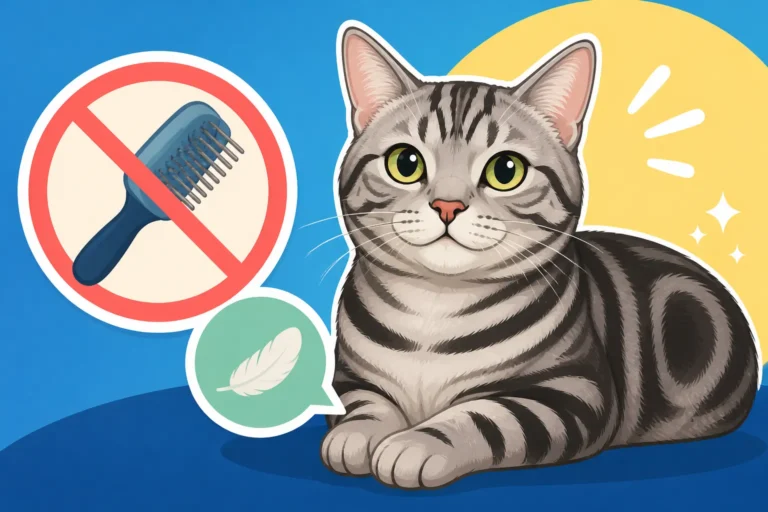
First and foremost, you'll need a suitable comb or brush. For an American Shorthair, a fine-toothed comb or a soft slicker brush is generally the best starting point. Avoid anything with stiff bristles or sharp edges that could scratch or pull. The goal is to make it a pleasant massage, not a battle. Many reputable pet supply stores, like Chewy or Amazon, offer a variety of kitten-specific grooming tools. You might even consider a simple rubber curry brush or a grooming glove, which can feel less intimidating to a kitten than a traditional brush and can mimic the soothing strokes of being petted. Which Comb Suits an American Shorthair's Hard Coat.
Beyond the comb, don't underestimate the power of positive reinforcement. High-value treats are your secret weapon. These aren't their everyday kibble; these are special, delicious morsels they only get during (or immediately after) a grooming session. Think small, soft, meaty treats. Choose whatever your kitten absolutely goes wild for. A soft towel or blanket can also be helpful. It provides a familiar, comforting scent and can be used to gently swaddle a very wiggly kitten, making them feel secure without restraining them too aggressively. Lastly, ensure you have a quiet, calm space where you can dedicate undivided attention to your kitten without distractions.
Here's a quick comparison of common kitten grooming tools:
| Tool Type | Best For | Pros | Cons |
|---|---|---|---|
| Fine-toothed Comb | Removing loose hair, checking for fleas | Gentle, good for checking skin, precise | Can pull if hair is tangled, might not get deep into thicker coats |
| Soft Slicker Brush | General shedding, stimulating skin | Removes loose fur effectively, gentle bristles available for kittens | Can feel scratchy if not soft enough for a kitten's skin |
| Rubber Curry Brush | Massaging skin, removing loose hair | Very gentle, feels like a massage, great for bonding | Less effective on very dense coats, doesn't detangle |
| Grooming Glove | Bonding, light shedding, sensitive kittens | Feels like petting, easy to use, great for nervous cats | Less effective for deep grooming or heavy shedding |
Making Combing a Positive Experience: A Step-by-Step Approach
Introducing combing to your American Shorthair kitten isn't a race; it's a marathon of tiny, positive steps. The key is patience, consistency, and always ending on a good note. If you rush it, you risk creating a negative association that can be very difficult to undo.
Step 1: Acclimatization – The Scent of Success
Start by simply letting your kitten get used to the presence of the comb. Place the comb on the floor near their favorite sleeping spot or where they eat. Let them sniff it, bat at it, and investigate it without any pressure. You can even rub the comb on their bedding or your hands so it picks up familiar scents. While they're exploring it, offer a tiny, high-value treat. This teaches them: "Comb = good things!" Do this for a few days, or until they show no fear of the comb. Never force them to interact; let curiosity lead the way.
Step 2: Gentle Touch – The "Pet and Comb" Technique
Once they're comfortable with the comb's presence, move to the next stage. Hold the comb in one hand and pet your kitten with the other. While petting them, gently touch their body with the back of the comb, not the bristles. Just a light touch, followed immediately by a treat and praise. Repeat this a few times, keeping sessions super short – literally 10-15 seconds. You're building an association between the comb's touch and positive rewards. Gradually, you can introduce one or two very gentle strokes with the actual teeth or bristles of the comb, always starting on an area they tolerate well, like their back or shoulders, and avoiding sensitive spots like their belly or tail initially. End each session before they get fidgety, with a final treat and plenty of praise.
Step 3: Short & Sweet Sessions – Building Tolerance
As your kitten becomes more accustomed, slowly increase the duration and coverage of your combing sessions. Remember, "slowly" is the operative word here. A session might last 30 seconds, then a minute, then two. Always watch their body language. Are their ears flattened? Tail swishing rapidly? Are they trying to pull away or swat at the comb? If so, stop immediately. Retreat to a level they were comfortable with, or end the session entirely with a treat and try again later. The goal is calm acceptance, not just tolerance. During these sessions, continue to offer treats frequently, not just at the end. Every few strokes, a treat! This helps maintain the positive association throughout the entire process. Consider using a puzzle feeder with a small amount of wet food or a lick mat covered in a delicious spread to distract them while you comb. This turns grooming into a multi-sensory, enjoyable experience.
Step 4: Consistency is Key – Making it a Routine
Once your American Shorthair kitten accepts brief combing sessions, aim for consistency. Try to comb them at the same time each day, perhaps after a nap or before a meal when they're generally calmer. Short, frequent sessions are far more effective than long, infrequent ones. Even just a minute or two a day can make a huge difference in reinforcing the habit. As they grow and their adult coat comes in, you can adjust the frequency. When an American Shorthair Kitten's Adult Coat Arrives. Remember, if you hit a snag or they suddenly become resistant, don't get frustrated. Simply dial back to an earlier, more comfortable step and rebuild the positive associations. This proactive approach ensures that when your American Shorthair is older and might actually need more grooming assistance, it won't be a source of stress.
Troubleshooting Common Kitten Combing Challenges
Even with the best intentions and the gentlest approach, kittens can throw you some curveballs during grooming. They're still learning, exploring, and testing boundaries, and sometimes a comb just doesn't seem like the most exciting thing in the world.
The Wriggly Worm: Dealing with Fidgeting and Escapes
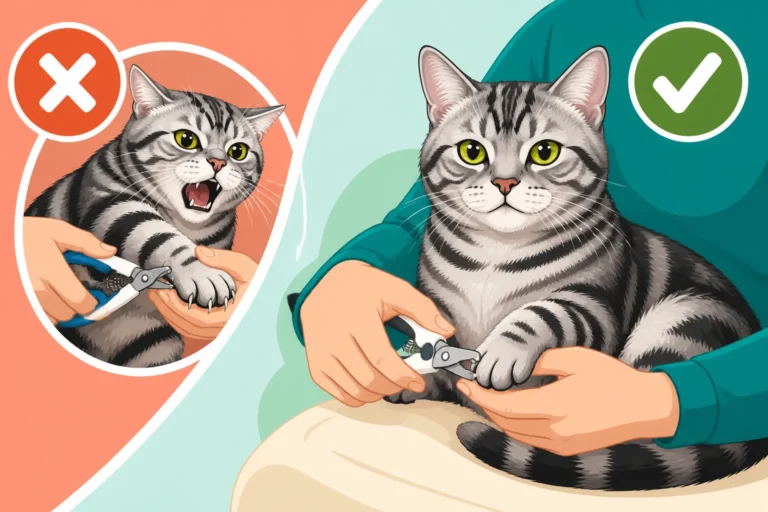
It's completely normal for a kitten to be a wriggly little ball of fur. Their attention spans are short, and sitting still isn't high on their priority list. If your American Shorthair kitten is constantly trying to escape your lap or the grooming area, don't try to hold them down with force. This will only create negative associations and make future sessions harder. Instead, try to pick a time when they are naturally calmer, perhaps right after a vigorous play session when they're a bit tired, or just before a meal when they're motivated by treats.
Another effective strategy is to try grooming them on a non-slip surface they feel secure on, like a bathmat on the floor, rather than a high table where they might feel vulnerable. A soft towel can also be draped over your lap or the surface to provide a comforting texture and absorb some of their wriggles. Keep the sessions incredibly brief – seriously, start with just a few seconds if that's all they can manage. Gradually increase the time as their tolerance grows. If they successfully sit still for a few strokes, immediately reward them with a treat and let them go. You want them to think, "Oh, that wasn't so bad, and I got a delicious snack!" How Much an American Shorthair Enjoys Being Combed.
The Playful Predator: Nipping and Biting the Comb
Some kittens, especially highly prey-driven American Shorthairs, might see the comb as a new toy to attack. They might nip at the bristles, bat at your hand, or even give a playful bite. While it’s cute in a kitten, this behavior needs to be redirected early. If they start nipping, immediately stop the combing session. Don't scold them, just withdraw the comb and your hand. Wait a few seconds, then offer a different, appropriate toy for them to play with. This teaches them that biting the comb makes the fun stop, but playing with a toy is encouraged.
You can also use a distraction technique: have another toy ready that they are allowed to bat at or chew while you gently comb them. A small kicker toy or a crinkly ball can keep their attention focused on something acceptable. Ensure your hands are clean and don't smell like food, as this can sometimes encourage nipping. If the nipping persists, you might need to wear thin gloves for a few sessions until they understand that the comb is not for playing with their teeth. Remember, consistency is key; always redirect unwanted behavior and reward calm acceptance.
The Scaredy Cat: Fear and Hiding
While American Shorthairs are generally known for their calm and tolerant dispositions, some kittens can still be fearful of new experiences, including grooming tools. If your kitten reacts with fear – hiding, growling, hissing, or outright panic – you need to take a significant step back. The goal is to build trust, not break it.
Revisit the very first step: simply placing the comb near them and rewarding curiosity. You might need to leave the comb out for days or even weeks before they're comfortable just being around it. During this phase, you can also rub the comb on your cheek or hair to transfer your scent, making it less alien. When you do try to touch them with it, start by stroking them with your hand and then very gently touching them with the back of the comb (not the bristles) for just a split second, immediately followed by their favorite treat. Keep your voice soft and reassuring.
If your kitten is particularly nervous, consider talking to your vet. They might have calming sprays or supplements that could help reduce anxiety during these initial introductions. Never chase a scared kitten to groom them. This will only reinforce their fear. Always allow them to come to you, approach them in their safe space, and let them set the pace. Slowly, with enough patience and positive reinforcement, even the most timid kitten can learn to accept, and even enjoy, a gentle comb.
Disclaimer
This article is for general informational purposes only and does not constitute professional advice. Laws, prices and regulations vary by location and change over time. Consult a qualified professional for guidance on your specific situation.