How a Territorial American Shorthair Handles Being Moved
Moving house with any cat can be a monumental task, but when you have an American Shorthair, a breed known for its quiet confidence and deep connection to its territory, the thought of upheaval can feel particularly daunting. These sturdy, self-reliant felines aren't always keen on change, and disrupting their established patrol routes and scent maps can lead to significant stress. This guide will walk you through understanding your American Shorthair's territorial nature and provide actionable steps to help them navigate the challenges of moving to a new home as smoothly as possible.
Understanding the American Shorthair's Deep Connection to Territory
Our American Shorthairs, with their sensible good looks and calm demeanor, might seem unflappable. But underneath that poised exterior is a creature deeply rooted in its environment. Moving isn't just a change of scenery for them; it's a complete erasure of their safe, known world, and that can be incredibly destabilizing.
The Instinctual Drive of a Former Hunter
Remember, the American Shorthair's ancestors were working cats, earning their keep as mousers on ships and in barns across North America. This history has ingrained in them a strong sense of territory and a need to patrol and understand their environment. They aren't prone to histrionics, but their internal alarm bells will ring loud and clear when their world is turned upside down. They rely on predictable patterns and scent markers to feel secure, and a new place lacks all of these. It's not just a preference; it’s a survival instinct. Think of it from their perspective: suddenly, all the familiar smells, sounds, and visual cues that tell them where the food bowl is, where the best napping sunbeam falls, or where the "safe" escape routes are, are gone. This profound loss of control is at the root of their stress.
This deep-seated instinct means that when their territory shifts, they naturally become more vigilant, wary, and sometimes even withdrawn. They're trying to figure out the new landscape, identify potential threats, and re-establish their personal boundaries. This isn't rudeness; it's their hardwired response to an existential change. Understanding this fundamental aspect of their personality is the first step in helping them cope with a move. You're not dealing with a finicky pet; you're helping a small, highly tuned predator re-establish its domain. You can read more about their innate drive in The American Shorthair Still Hunts, Whether You Want It To or Not.
How a Cat Perceives "Home"
For an American Shorthair, "home" is far more than just four walls and a roof. It’s a complex tapestry woven from familiar scents, established routines, and safe spaces. Every rub of their cheek on a furniture leg, every scratch on a favorite post, every snooze in a particular sunny spot contributes to their personal scent map. This map tells them: "This is mine, this is safe, I know what's here." When they're abruptly removed from this intricate, self-created map, they can feel incredibly vulnerable.
They thrive on predictability. Your American Shorthair has likely mapped out preferred resting spots, hunting routes (even if it's just for dust bunnies), and specific times for meals and playtime. When these routines are shattered by packing boxes, strange people, and the general chaos of moving, their sense of security takes a nosedive. A calm, easygoing American Shorthair might become jumpy, hide more, or even exhibit behaviors like inappropriate urination or changes in appetite. These aren't acts of spite; they're clear indicators of distress. The stability they expect from their environment is suddenly absent, leaving them feeling exposed and confused.
Strategic Preparation: Making the Move Less Stressful
The key to a successful move with a territorial American Shorthair lies in meticulous, early preparation. You want to gradually introduce changes and maintain as much normalcy as possible to minimize their anxiety. Think of it as a carefully orchestrated transition, not an abrupt eviction.
Gradual Introduction to Moving Gear
One of the biggest triggers for feline stress during a move is the sudden appearance of strange objects: moving boxes, packing tape, and especially the dreaded cat carrier. Your American Shorthair, with its keen senses and love of routine, will immediately notice these anomalies. To reduce anxiety, start early. Bring out empty moving boxes weeks, even months, before the actual move. Let them explore them, nap in them, and even play with them. Make these new objects part of the familiar landscape rather than startling intrusions.
The cat carrier is perhaps the most important item to desensitize them to. Many cats only associate their carrier with stressful vet visits. Place the carrier in a common area, leave the door open, and make it inviting. Put a soft blanket inside, perhaps one with your scent, and occasionally toss treats or favorite toys inside. Feed them near it, or even inside it. The goal is for them to see it as a safe, normal space, not a cage of doom. You can find sturdy, comfortable carriers for your What a Carrier a Square Built American Shorthair Fits In Costs on platforms like Amazon, offering a variety of sizes and designs to ensure your feline friend has ample space and ventilation for the journey ahead. The more positively they associate with it now, the less traumatic the actual trip will be.
Maintaining Routine Amidst Chaos
As packing intensifies, your house will inevitably become a whirlwind of activity. For your American Shorthair, this disruption can be incredibly unsettling. Their core needs—feeding, playtime, and quiet rest—must remain as consistent as possible. Try to stick to their regular meal times. If you usually feed them at 7 AM and 5 PM, do your best to maintain that schedule, even if everything else feels upside down. Use a timed feeder if you're worried about missing a meal or if your own schedule becomes too erratic.
Similarly, dedicate specific times each day for interactive play and quiet cuddles. Even if it's just 15 minutes of chasing a feather wand, these moments of normal interaction are vital for reinforcing your bond and assuring them that despite the changes, you are still there for them. Identify a "safe room" in your current home – perhaps a bedroom that won't be packed until the very last minute. Keep this room as untouched as possible for your cat, with their litter box, food, water, and bed. When workers are in the house or there's a lot of noise, retreat with your cat to this room for quiet time. This preserves a small, predictable haven in an otherwise chaotic environment. How an American Shorthair Adapts to a New Work Routine can offer insights into how they handle daily changes, which can be extrapolated to moving.
Scent Management Before the Move
Scent is a cat's primary language, and maintaining familiar smells is crucial for reducing stress during a move. Before you start packing everything away, take some old t-shirts, blankets, or towels that carry the scent of your home and yourself. Put these in plastic bags and save them. These will be invaluable for making the new home feel familiar.
Consider using synthetic feline pheromones, which mimic the natural calming scents cats release. Diffusers can be plugged in around the house a few weeks before the move, and sprays can be used on carriers and bedding. Brands available on Amazon are often widely recommended by veterinarians and can significantly help soothe anxious cats. While they don't work for every cat, they can be a game-changer for many, providing a background hum of reassurance amidst the upheaval. Spread the pheromone-laden items around their "safe room" and near their carrier to create an aura of calm even before the official move day arrives.
Navigating the Actual Moving Day with Your American Shorthair
Moving day itself is the most critical period, as it brings the most abrupt change. Your American Shorthair will need careful management to ensure their safety and reduce psychological trauma.
Creating a Safe Haven on Moving Day
On the morning of the move, before any movers arrive or boxes start leaving the house, secure your American Shorthair in their designated "safe room." This room should already contain their litter box, food, water, and a comfortable bed. Place a sign on the door warning movers and family members that a cat is inside and the door must remain closed. This prevents accidental escapes through open doors and shields your cat from the noise and commotion, which can be terrifying for a territorial creature.
Ensure the blinds or curtains are drawn to minimize visual stimulation from outside. Play some calming music or white noise to mask the sounds of moving. You might even want to spend some quiet time with them in the room before the chaos begins, offering reassurance and a familiar presence. The goal is to make this space as quiet, predictable, and stress-free as possible, allowing them to feel protected during the busiest part of the day.
The Journey to the New Home
Once the house is almost empty and it's time to transport your American Shorthair, carefully place them in their pre-acclimated carrier. Cover the carrier with a light blanket or towel to reduce visual stressors and create a den-like feel. Place the carrier securely in your car, ideally in the back seat, where it won't slide around. Secure it with a seatbelt if possible.
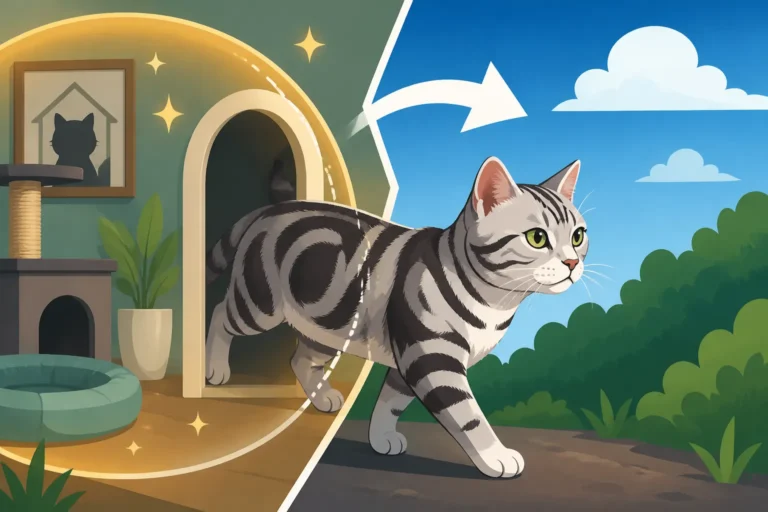
During the drive, speak to your cat in a calm, reassuring voice. Avoid loud music or sudden movements. If it's a long journey, plan for a stop where you can offer a small amount of water (if they'll take it) or a treat, but don't force interaction. Most cats prefer to be left alone in their carrier during travel. Minimize any unnecessary stops or delays. Remember, the aim is to make the transition as swift and smooth as possible. For insights into ensuring their well-being during such changes, How an American Shorthair Handles Leaving Its Territory may provide additional perspective.
First Steps in the New Environment
Upon arrival at your new home, before any furniture comes in, immediately set up a new "safe room" for your American Shorthair. This room should be quiet, with minimal foot traffic, and ideally have a door that can be securely closed. Place their litter box, food and water bowls, bed, and favorite toys in this room. Unpack those scent-laden items you saved from your old home and place them around the room – a blanket on their bed, a cloth rubbed on your old sofa on the floor.
Gently place your American Shorthair's carrier in this room, open the door, and let them exit at their own pace. Do not force them out. They will likely be cautious, sniffing every inch of this new space. Leave them undisturbed in this room for a few hours, or even a full day, depending on their personality. Offer food and fresh water. This quiet confinement gives them a chance to acclimate to a small, manageable new territory before being overwhelmed by the entire house.
Establishing a New Normal in Your American Shorthair's New Home
The period immediately following the move is crucial for helping your American Shorthair settle in. This isn't a race; it's a patient process of re-establishing security and routine.
Expanding Territory Gradually
After a day or so in their safe room, your American Shorthair will likely show signs of wanting to explore. Let them out, but supervise their initial forays. Start by opening the door to the safe room and allowing them access to one or two adjoining rooms. Keep other doors closed initially. They'll venture out, sniff, mark with their cheek glands, and slowly integrate the new scents and sights. They will be rebuilding their mental map of their new domain, one paw print at a time. How a Territorial American Shorthair Rebuilds a Patrol Route is all about this exact process.
Over the next few days or week, gradually introduce them to more rooms. Avoid overwhelming them with too much space too soon. Continue to place their familiar items (beds, scratching posts from Amazon) strategically in the newly accessible areas. It’s also a good idea to put multiple water bowls around the house – How Much Water an American Shorthair Should Drink is important, especially during stressful times. Always ensure they can easily retreat to their original safe room if they feel overwhelmed. Maintain consistency with their food and litter box locations in the safe room, only gradually moving them to more permanent spots once they are comfortable.
Re-establishing Routines and Familiar Scents
Routine is the bedrock of an American Shorthair's security. Re-establish their feeding schedule immediately. Try to stick to the same playtimes you had before. These familiar rhythms provide comfort and predictability in an otherwise unfamiliar environment. The scent-marked items you brought from your old home are invaluable here. Rub them on furniture at cat-height to spread familiar scents. Continue using pheromone diffusers in key areas of the new home for several weeks.
Consider purchasing new litter boxes (you can find great options that suit a Which Litter Box Suits a Square Built American Shorthair on Amazon) and multiple scratching posts to give them plenty of opportunities to re-mark their territory in a positive way. Cats derive immense comfort from their own scent, and providing ample surfaces for them to deposit it helps them feel ownership and security in their new surroundings. The more "theirs" the new home feels, the quicker they will settle.
Addressing Post-Move Stress Behaviors
Even with the best preparation, your American Shorthair might exhibit stress behaviors as they adjust. These can include:
- Hiding: This is common. Give them time and quiet space. Don't drag them out; let them emerge when they feel safe.
- Changes in Appetite or Thirst: If this persists for more than a day or two, or if they stop eating or drinking entirely, consult your vet immediately. Stress can lead to serious health issues.
- Inappropriate Urination/Defecation: This is a strong indicator of stress. Ensure their litter box is clean, easily accessible, and in a quiet location. If multiple cats are present, ensure there are enough litter boxes (rule of thumb: number of cats + 1). This is their way of saying, "I'm stressed, and my territory isn't safe."
- Increased Vocalization or Aggression: Some cats may become more vocal or even lash out due to fear. Give them space and avoid forcing interactions.
- Excessive Grooming or Lack of Grooming: Either extreme can signal stress.
To help them feel more secure and engaged, introduce new enrichment items. Puzzle feeders (easily found on Amazon) can tap into their natural hunting instincts and make mealtime stimulating, much like Whether a Puzzle Feeder Replaces an American Shorthair's Hunt. New toys, vertical climbing spaces, and window perches can give them new "patrol routes" and observation points. Be patient and understanding. It can take weeks or even months for a territorial American Shorthair to fully adjust to a new home. Continue to provide consistent routines, quiet reassurance, and opportunities for them to explore and mark their new domain at their own pace.
| Adjustment Phase | Key Actions | Benefits for American Shorthair |
|---|---|---|
| Pre-Move (Weeks) | Introduce carrier/boxes; maintain routine; use pheromones/scent-transfer | Reduces novelty stress; builds positive associations; provides familiarity |
| Move Day | Secure in safe room; minimal interaction; gentle transport | Prevents escape; shields from chaos; minimizes travel trauma |
| Post-Move (Days) | Designate new safe room; uncrate gently; provide familiar items | Offers immediate security; allows self-paced exploration; re-establishes scent |
| Adjustment (Weeks) | Gradual territory expansion; consistent routine; enrichment | Builds confidence; re-establishes predictability; prevents boredom/stress |
Disclaimer
This article is for general informational purposes only and does not constitute professional advice. Laws, prices and regulations vary by location and change over time. Consult a qualified professional for guidance on your specific situation.