How an American Shorthair’s Coat Thickens Toward Winter
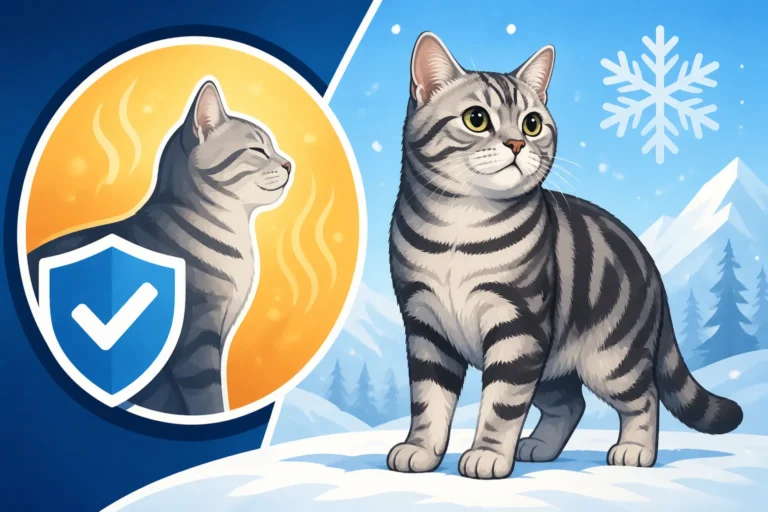
Have you ever noticed your American Shorthair, usually so sleek and low-maintenance, suddenly start to feel a little more… plush, a bit denser, as the crisp autumn air rolls in? It's not your imagination! Many American Shorthair owners wonder if their cat's coat really changes with the seasons, especially heading into winter, and the answer is a resounding yes. This guide will dive deep into how your American Shorthair's coat adapts to the colder months, what to expect, and how you can best support them through these natural changes.
The American Shorthair's Natural Winter Coat Adaptation
Our beloved American Shorthairs carry a rich history of being working cats, often spending their lives in barns, on farms, or even aboard ships. This isn't just a cute backstory; it's a fundamental part of their genetic makeup that dictates many of their physical traits, including their magnificent coat. Unlike some highly specialized breeds, the American Shorthair's coat is wonderfully functional, designed by centuries of real-world needs rather than just show ring aesthetics.
Ancestral Roots: Why Seasonal Coats Developed
Imagine an American Shorthair's ancestors, perhaps patrolling a New England farmhouse in the 1700s. Winter was harsh, and survival depended on a coat that could offer real protection against the biting cold, snow, and dampness. They weren't lounging by a roaring fireplace all day; they were out hunting, moving between shelter and the elements. This demanding lifestyle meant that cats with naturally denser, more insulating coats had a better chance of thriving and passing on those genes. It wasn't about looking pretty; it was about staying warm and healthy enough to continue their vital work.
The breed's hard, dense coat, as described in What Makes an American Shorthair's Coat Hard Rather Than Soft, is a direct inheritance from this utilitarian past. It's not a fluffy, delicate fur; it's a robust protective layer. While our modern American Shorthairs might be pampered indoor companions, their bodies still carry the blueprint for seasonal adaptation, ready to respond to environmental cues just like their ancestors did. This deep-seated instinct for seasonal coat changes is a testament to their enduring hardiness and natural design.
The Role of Photoperiod: Light and Hormones
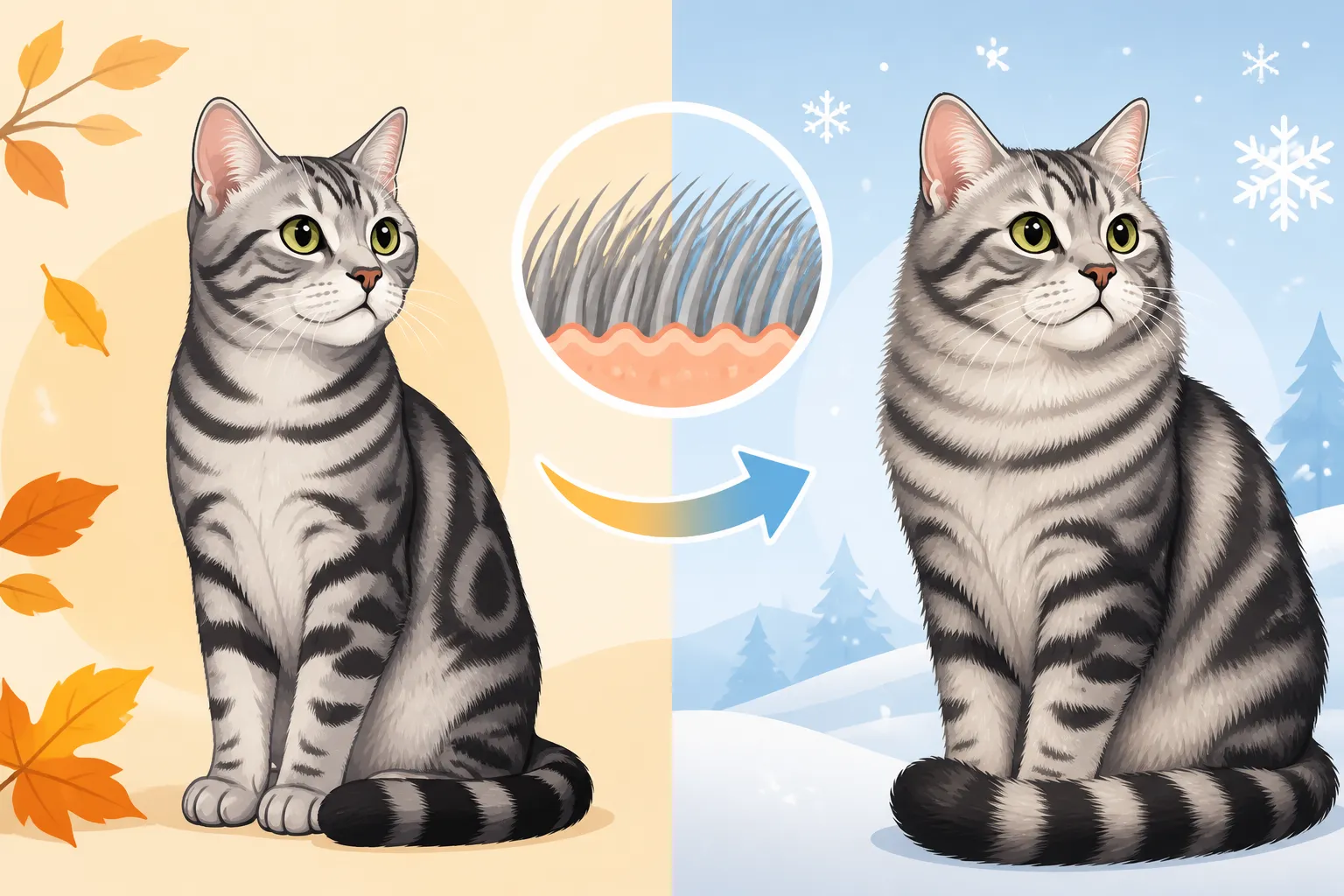
So, what triggers this transformation from a lighter summer coat to a denser winter one? It's primarily driven by the changing photoperiod, or the length of daylight hours. As the days grow shorter in autumn, a cat's brain registers this decrease in light. This signal triggers a hormonal response, influencing the hair follicles to produce a thicker, more abundant coat, particularly the insulating undercoat. It’s a completely natural, biological clockwork mechanism, largely independent of the actual temperature inside your home. Even if your house stays a balmy 72 degrees all year, your American Shorthair will likely still experience some degree of seasonal coat change just by observing the shortening daylight through windows.
This explains why you might start noticing changes even before the mercury truly drops. The shift in light tells their body that winter is coming, prompting the necessary preparations. It's a marvel of natural adaptation, allowing their bodies to preemptively prepare for the colder weather ahead, ensuring they are well-equipped when the chill finally sets in.
Visual Cues: What to Look for in a Thickening Coat
When your American Shorthair starts thickening its coat for winter, you might notice a few things. Firstly, the overall density of the fur will increase. If you part their fur, you'll see a more substantial undercoat emerging, giving them a generally fuller, "puffier" appearance. Their coat might feel less sleek and more plush to the touch. The guard hairs, which are the longer, coarser outer hairs, also play a role, becoming denser and perhaps standing slightly more erect to create an additional layer of insulation.
You might also observe a subtle increase in shedding during the late summer and early autumn as they shed off their lighter summer coat to make way for the new, thicker growth. This pre-winter shedding is essential for ensuring the new, insulating coat can grow in effectively without being hindered by old, dead hairs. It’s a cyclical process, with one stage naturally flowing into the next to keep them perfectly adapted to the changing seasons.
Understanding the Undercoat: The Winter Warmth Secret
The real magic behind your American Shorthair's winter warmth isn't just about more hair; it's about a specialized type of hair called the undercoat. This hidden layer is the unsung hero of their cold-weather defense, meticulously designed to trap warmth and keep them cozy even when the temperatures plummet.
The Dual-Layered System: Guard Hairs and Undercoat
An American Shorthair's coat is a sophisticated dual-layered system, much like a high-performance winter jacket. The outer layer consists of guard hairs – these are the longer, stiffer hairs you primarily see and feel. Their purpose is to protect the cat from moisture, wind, and physical abrasion. They give the coat its shine and define its pattern, whether it's a classic tabby or a solid color. These guard hairs are hard and resilient, as discussed in Why an American Shorthair's Guard Hairs Are Stiff, acting as the first line of defense.
Beneath this protective outer shell lies the dense, soft, and much finer undercoat. This layer of downy fur is what truly provides the insulation. It creates tiny air pockets close to the cat's body, trapping their natural body heat and preventing it from escaping. As winter approaches, the undercoat grows significantly, increasing the volume of these insulating air pockets, effectively turning your cat into a furry, self-heating marvel. Whether an American Shorthair Carries an Undercoat is a pertinent question, and indeed, they do, and it's vital for their cold weather comfort.
Insulation and Protection: More Than Just Fluff
The undercoat isn't just for insulation; it also offers a layer of protection. When the weather gets damp or snowy, the denser undercoat helps to prevent moisture from reaching the skin as quickly. The guard hairs channel away most of the precipitation, but any moisture that penetrates further is met by the thick undercoat, which can help slow its progress to the skin. This dual functionality means your American Shorthair is not only staying warm but also staying drier, which is crucial in preventing chills and discomfort.
This incredible natural design means that even if your American Shorthair is an indoor-only cat, they are still equipped with a coat that can handle significant environmental challenges. It's a testament to the breed's natural resilience and minimal intervention during its development, ensuring they retained these essential survival traits.
Feel the Difference: Identifying a Thicker Undercoat
You can definitely feel the difference when your American Shorthair’s winter coat is coming in. Gently run your fingers against the direction of their fur, particularly along their back and flanks. In summer, you might feel the skin relatively quickly beneath the sleek guard hairs. As winter approaches, you'll notice a much thicker, softer, almost woolly layer that your fingers sink into before reaching the skin. This plush feeling is the developing undercoat doing its job.
This seasonal change is most pronounced in areas where insulation is critical, like the torso. Their tail might also appear a bit bushier, and even the fur on their legs can seem a little denser. Observing these tactile and visual cues can help you understand when your cat is gearing up for colder weather, allowing you to appreciate this natural marvel of adaptation.
The Shedding Cycles: Preparing for and Releasing the Winter Coat
While we often associate shedding with spring, our American Shorthairs actually have two main shedding cycles throughout the year, each with a distinct purpose related to their seasonal coat changes. Understanding these cycles can help you manage the loose fur and keep your cat comfortable.
Autumn Shed: Making Way for the New
Before the full winter coat really takes hold, many American Shorthair owners will notice an increase in shedding during the late summer and early autumn. This "autumn shed" is actually your cat getting rid of the thinner, less dense summer coat. It's a necessary preparatory step, clearing out the old, lighter fur to make ample room for the growth of the new, thick, insulating winter coat. Think of it as a natural wardrobe change: you wouldn't try to layer heavy sweaters over light summer dresses; you'd clear out the summer clothes first.
During this period, you might find more fur around the house, on your furniture, and perhaps even in their water bowl. Regular grooming, even though American Shorthairs are typically low-maintenance, can be particularly helpful during this transition. It helps remove the dead hairs, stimulating circulation and encouraging the growth of the healthy new coat.
Spring Blowout: When the Winter Coat Comes Off
The most noticeable shedding period for many American Shorthair owners is the "spring blowout." As the days lengthen and temperatures gradually rise after winter, your cat’s body signals that the heavy winter coat is no longer needed. This triggers a significant shedding event where the dense undercoat and some guard hairs are released in earnest. This is the time when you might find yourself marveling at the sheer volume of fur your relatively short-haired cat can produce! Which Two Months an American Shorthair Sheds Hardest are typically spring, as they lighten up for the warmer months.
This heavy shedding is crucial for their comfort. Keeping the thick winter coat in warmer weather would cause overheating and discomfort. So, while it might seem like a chore to you, it’s a vital part of your cat’s natural thermoregulation. This is also when you'll truly appreciate their historical background; imagine an outdoor cat trying to manage that much fur in burgeoning summer heat without a good "blowout"!
Managing the Shed: Tools and Techniques
Even though American Shorthairs are known for being quite self-sufficient in their grooming, a little human intervention during seasonal shedding can go a long way in keeping your home tidier and your cat more comfortable. A quality comb is your best friend during these times. A simple metal comb with both wide and narrow teeth is often sufficient. Brands like Chewy and Amazon offer a wide array of grooming tools suitable for American Shorthairs. Using a tool like a de-shedding brush or grooming glove can also be highly effective at removing loose undercoat without irritating their skin.
Regular, gentle combing a few times a week during peak shedding season can significantly reduce the amount of fur left on your furniture and floors. It also helps prevent hairballs, which can be a nuisance and even a health concern for your cat. Don't be surprised if your cat, usually so independent, comes to enjoy these bonding grooming sessions. How Little Combing an American Shorthair Actually Needs usually, but during these seasonal shifts, a bit more effort truly makes a difference.
Supporting Your American Shorthair Through Seasonal Changes
Understanding the natural rhythms of your American Shorthair's coat is one thing, but actively supporting them through these changes ensures they remain healthy and comfortable year-round. From what they eat to how you groom them, a few conscious efforts can make a big difference.
Nutrition for a Healthy Coat
A healthy coat, regardless of the season, starts from the inside out. Providing your American Shorthair with a high-quality, nutritionally balanced diet is paramount. Look for cat foods with good sources of animal protein and healthy fats, particularly omega-3 and omega-6 fatty acids. These nutrients are essential for skin health and coat luster. During periods of heavy coat growth or shedding, the body expends more energy on hair production, so ensuring they receive adequate nutrition is even more important.
Some owners even consider supplements, though it's always best to discuss this with your vet first. Specific fatty acid supplements can often improve coat quality, making it stronger and less prone to breakage, which can be helpful during intense shedding. Think of it this way: just as your diet affects your skin and hair, your cat's diet directly impacts their fur. Consider options like high-quality wet food or fresh food, which can contribute to overall skin and coat health.
Grooming Essentials During Thicker Coat Seasons
While American Shorthairs are generally low-maintenance groomers, the thickening of their winter coat, especially the undercoat, does call for some attention. Their hard, protective outer coat means they generally don't mat easily, but a dense undercoat can still trap loose hairs, especially in older cats who might not be as flexible. Regular combing a couple of times a week with a suitable brush – perhaps a slicker brush or a good metal comb, similar to those found on Amazon – can prevent issues. Which Comb Suits an American Shorthair's Hard Coat is a common question, and a robust metal comb often works best for penetrating their dense fur.
During these denser coat periods, paying attention to areas prone to tangles, like behind the ears, under the armpits, and around the tail, is a good practice. While their short fur typically means Why an American Shorthair Almost Never Mats, proactively removing loose undercoat minimizes the chance of any discomfort and reduces the amount of fur they ingest while self-grooming, thus cutting down on hairballs.
Environmental Comfort: Keeping Them Cozy
Even with their amazing natural winter coat, providing a comfortable environment for your American Shorthair is still important. They might appreciate warmer sleeping spots, especially as they get older. A cozy bed, a warm blanket, or even a spot in a sunny window can be much appreciated. While How Well an American Shorthair Handles Cold is generally quite good due to their robust coats, they still enjoy comfort.
Monitoring their behavior is key. If they seem to be seeking out warm spots more often than usual, it could be a sign that even their excellent coat isn't quite enough for their comfort level. Providing options, like a heated pet bed during the coldest months, can be a thoughtful gesture that enhances their quality of life, especially for Caring for an Old American Shorthair. Remember, while their coat adapts, they still appreciate a little extra luxury.
Why This Seasonal Change Matters for Their Health and Comfort
Understanding and responding to your American Shorthair's seasonal coat changes is more than just managing shedding; it's about ensuring their overall health, comfort, and well-being. Neglecting these natural cycles can lead to various issues that are easily preventable with a bit of proactive care.
Preventing Matting and Skin Issues
Even though American Shorthairs are typically not prone to severe matting like long-haired breeds, a dense winter undercoat, if not properly shed, can still become compacted. This is particularly true for older cats or those who might be overweight and struggle to groom themselves effectively. A matted patch can pull on the skin, causing pain and discomfort. It can also create a damp, warm environment ripe for skin irritation, infections, or parasites.
Regular grooming during the spring shedding cycle helps prevent these issues by removing the dead undercoat before it has a chance to clump. This not only keeps their coat healthy but also allows their skin to breathe, which is crucial as the weather warms up and the heavy coat is no longer needed. Maintaining a clear, healthy coat is a cornerstone of preventative health care for your American Shorthair.
Monitoring for Unseasonal Changes
While seasonal coat changes are normal, it's also important to be vigilant for anything that seems out of the ordinary. If your American Shorthair is shedding excessively or developing bald patches outside of the typical seasonal cycles, or if their coat seems dull, greasy, or otherwise unhealthy, it could be a sign of an underlying health issue. Hormonal imbalances, nutritional deficiencies, allergies, or even stress can all manifest in coat and skin problems.
Unseasonal coat changes warrant a trip to the vet. They can help identify the root cause and recommend appropriate treatment or dietary adjustments. A healthy coat is often a good indicator of overall health, so paying attention to these cues is vital. For example, When an Old American Shorthair Needs Combing Help might be due to arthritis, making self-grooming difficult, which can then impact coat health.
Overall Well-being and Quality of Life
Ultimately, understanding and supporting your American Shorthair through their seasonal coat changes contributes significantly to their overall well-being and quality of life. A comfortable cat is a happy cat. When their coat is healthy, free of excess dead hair, and properly insulating or cooling them, they are less stressed, more active, and generally more content. Regular grooming sessions also offer valuable bonding time and an opportunity for you to do a routine check for any lumps, bumps, or injuries that might otherwise go unnoticed.
By appreciating the natural adaptations of their coat and providing thoughtful care, you're not just maintaining their beautiful appearance; you're nurturing a fundamental aspect of their breed heritage and ensuring they live their best, most comfortable life with you.
Here's a quick overview of how your American Shorthair's coat typically changes with the seasons:
| Feature | Summer Coat | Winter Coat | Key Change Trigger |
|---|---|---|---|
| Density | Lighter, thinner | Denser, thicker | Decreasing daylight |
| Undercoat | Sparse, minimal insulation | Thick, plush, highly insulating | Decreasing daylight |
| Feel | Sleek, smooth, relatively firm | Soft, more plush, 'woolly' when parted | Seasonal transition |
| Appearance | Streamlined, less bulky | Fuller, slightly 'puffier' | Seasonal transition |
| Shedding | Minimal year-round, moderate autumn shed | Minimal year-round, heavy spring 'blowout' | Changing photoperiod |
| Grooming Need | Low, occasional brush | Moderate, regular brushing in shedding phases | Seasonal shedding needs |
Disclaimer
This article is for general informational purposes only and does not constitute professional advice. Laws, prices and regulations vary by location and change over time. Consult a qualified professional for guidance on your specific situation.