Why an American Shorthair’s Coat Beats a Show Coat
Many cat owners, especially those new to pedigree breeds, often fall for the dazzling, sometimes extravagant, coats seen on show cats. They might spend hours brushing, conditioning, and fretting over every strand, believing that a highly manicured coat is the pinnacle of feline beauty and health. But for those of us who cherish the robust, no-nonsense charm of the American Shorthair, we know that true beauty—and far superior function—lies in a coat built not for the show ring, but for life itself. This guide will delve into why the American Shorthair's practical, weather-resistant coat truly triumphs over those bred purely for aesthetics.
The American Shorthair Coat: A Testament to Function Over Fancy
When you look at an American Shorthair, you're seeing centuries of natural selection and a coat designed for a specific, demanding job: hunting rodents in all sorts of environments. This isn't a coat bred to drape elegantly or boast an impossibly plush texture; it's a working coat, pure and simple. And in its very practicality, it achieves a kind of perfection that show coats often struggle to replicate.
Purpose-Built for Survival, Not Standards
Imagine the ancestors of the American Shorthair, hardy "ships' cats" arriving on the shores of North America, quickly adapting to life in barns and on farms. Their coat wasn't a fashion statement; it was essential gear. It needed to be tough enough to withstand brambles, dense enough to repel rain and snow, and short enough not to impede movement during a chase. The texture, often described as "hard" or "crisp," isn't a flaw – it's a feature. This texture prevents matting, allows dirt and debris to fall away easily, and offers a crucial layer of insulation. Unlike many modern show breeds where genetic traits for extreme coat length or density can sometimes lead to practical problems, the American Shorthair's coat is a testament to sustainable, natural design. It serves a purpose beyond mere appearance, ensuring the cat's comfort and survival, whether in a drafty barn or a cozy living room. Why the American Shorthair Was Called Domestic Shorthair Until 1966 speaks to this working heritage.
A Natural Difference from Breeds Bred Purely for Look
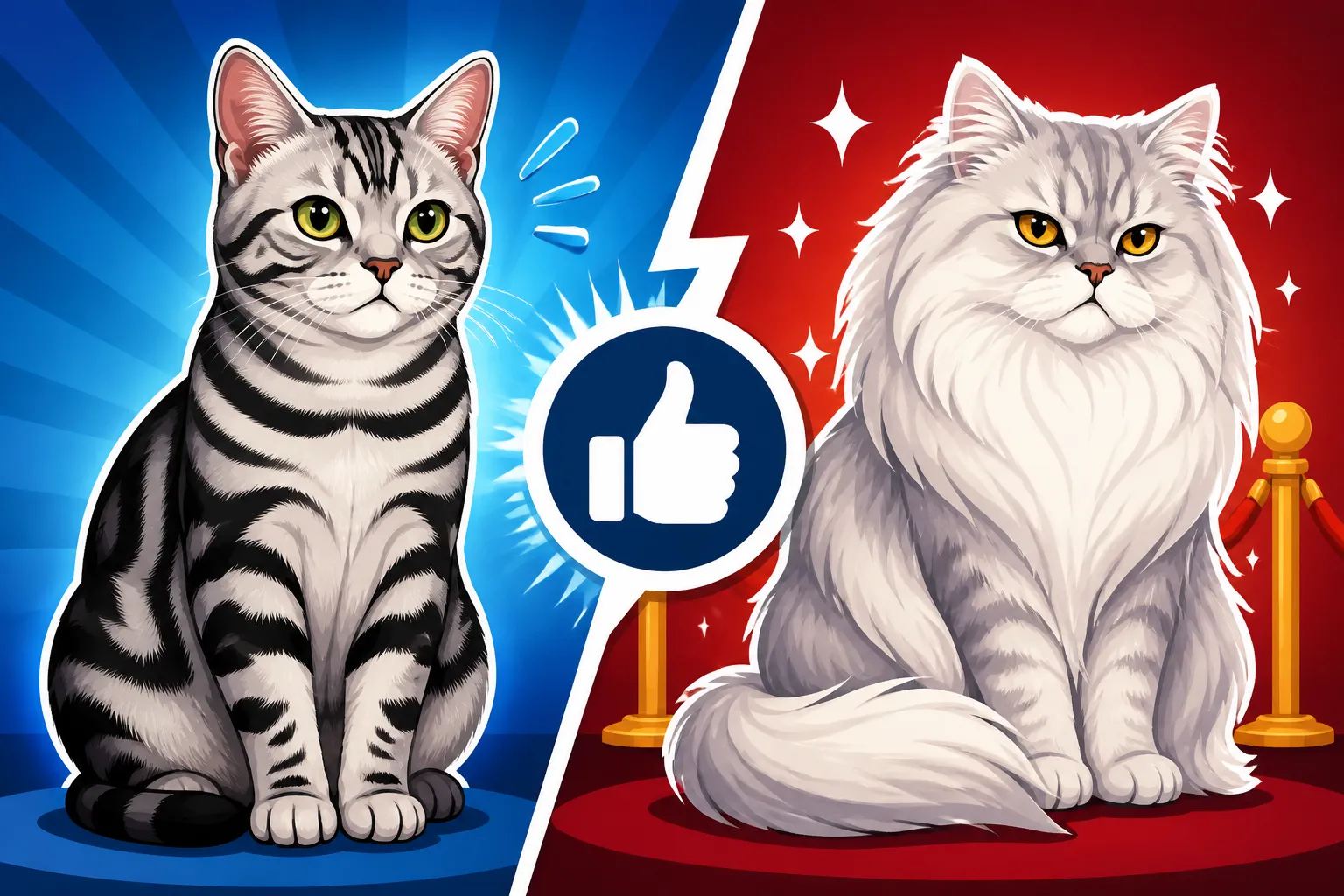
Consider the stark contrast with breeds whose coats have been heavily influenced by show standards aiming for extreme characteristics. Take the Persian, for example, with its incredibly long, fine, and dense coat. While undeniably beautiful in the show ring, this coat requires daily, intensive grooming to prevent painful mats and tangles. It can become a trap for dirt and parasites, and in hot weather, it can contribute to overheating. The American Shorthair's coat, by comparison, needs minimal intervention. It doesn't snag on everything, it doesn't collect burrs like a magnet, and it air-dries quickly if the cat gets wet. This difference isn't about one being inherently "better" in terms of beauty, but rather about practicality and the cat's overall quality of life. The American Shorthair's coat reduces the burden on both cat and owner, freeing up time for play and snuggles rather than endless grooming sessions.
Built for Resilience: How the American Shorthair's Coat Provides Natural Protection
A cat's coat is its first line of defense against the outside world. For the American Shorthair, this defense mechanism is finely tuned, offering superior resilience against environmental factors and everyday scrapes that might wreak havoc on more delicate, aesthetic-focused coats.
Resistance to Elements and Injury
The American Shorthair's coat is remarkably robust, a dense barrier against the elements. Its slightly coarse texture and double-layered construction (though not always an obvious undercoat like some breeds) mean that rain tends to bead up and run off, rather than soaking the cat to the skin. This feature was vital for their ancestors who lived outdoors, providing warmth and preventing hypothermia in damp or cold conditions. Whether Rain Runs Off an American Shorthair directly addresses this fantastic quality. Even today, for an indoor-only American Shorthair, this resilience means less time spent drying off after a playful splash in the sink or an unexpected encounter with a spilled drink. Furthermore, the density and firmness of the coat offer a degree of protection against minor scratches and abrasions. While no coat can prevent all injuries, a thick, well-conditioned American Shorthair coat can help buffer against superficial damage from rough play or exploring tight spaces, something a fragile, silky show coat might not provide.
Protection Against Parasites and Tangles
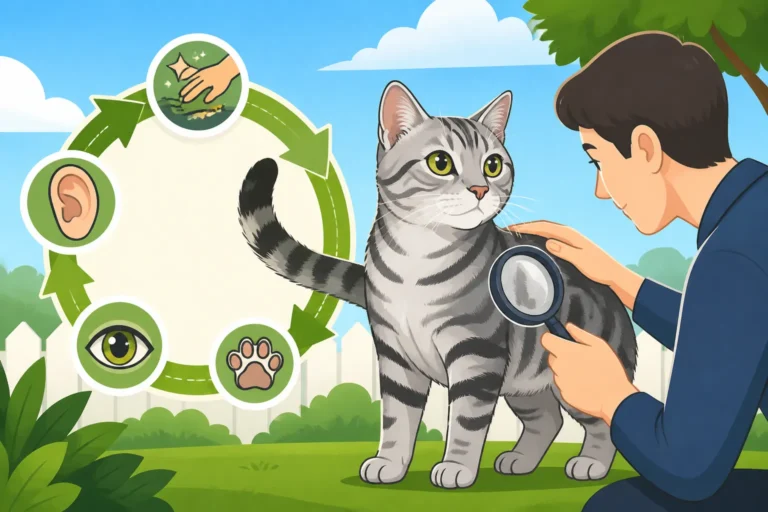
One of the often-overlooked benefits of a practical, shorter coat like the American Shorthair's is its natural resistance to common issues like parasites and tangles. Fleas and ticks, while still a risk for any cat, find it harder to hide and proliferate in a shorter, denser coat than they do in a long, flowing one. This isn't to say an American Shorthair won't get fleas, but detection and treatment can often be easier. Regular visual checks and a quick comb-through are usually sufficient to monitor for unwanted guests.
Moreover, the very structure of the American Shorthair's coat makes matting a rare occurrence. Unlike breeds with extremely fine, long hair that can knot into painful clumps within days if not meticulously brushed, the American Shorthair's coat tends to shed cleanly and resist tangles. This means less stress for both you and your cat, as painful de-matting sessions are virtually unheard of. This inherent neatness is a huge win for the cat's comfort and contributes significantly to their overall well-being, reducing the need for intensive grooming tools or professional intervention.
The Art of Self-Sufficiency: Minimal Grooming Needs of the American Shorthair
One of the most appealing aspects of the American Shorthair's coat, especially for busy owners, is how little human intervention it actually requires. These cats are masters of self-care, a trait born from their independent, working past.
The Cat's Innate Grooming Abilities
The American Shorthair's coat is perfectly designed for self-maintenance. Their natural grooming habits are usually all that's needed to keep their fur in tip-top condition. Their tongues, covered in tiny, backward-facing spines (papillae), act like natural combs, efficiently removing loose hair, dirt, and debris. This isn't just about cleanliness; it's about maintaining skin health and stimulating circulation. A healthy American Shorthair will spend a good portion of its day grooming, and its coat type allows this natural behavior to be highly effective. You'll notice their fur always looks neat, even if you haven't touched a brush in weeks. This self-sufficiency is a hallmark of the breed's robust and functional design, reinforcing the idea that beauty doesn't have to be high maintenance. How Much Time an American Shorthair Spends Grooming Itself further highlights this self-care.
Minimal Human Intervention Required
While a weekly brush with a simple comb or a rubber grooming tool is always appreciated by most American Shorthairs, it's rarely a necessity to prevent problems. This is a stark contrast to some show breeds that absolutely require daily brushing to avoid painful matting, which can lead to skin infections and discomfort. For an American Shorthair, brushing is more about bonding, distributing natural oils, and maybe reducing the amount of shed hair around the house during peak shedding seasons.
You won't find yourself needing an arsenal of specialized brushes, dematting sprays, or frequent trips to a professional groomer for your American Shorthair. Their practical coat allows for a much more relaxed grooming routine, one that fits easily into any lifestyle. If you do want to help them out, The One Grooming Tool an American Shorthair Owner Buys is often just a simple metal comb or a good deshedding brush like those from Furminator (widely available on Amazon or Chewy). This simplicity saves time, money, and stress for everyone involved, proving that sometimes, less truly is more.
Adapting to the Seasons: The Dynamic Nature of the American Shorthair's Fur
The American Shorthair's coat isn't static; it's a dynamic, adaptable marvel that changes with the seasons, much like the wild cats from which its ancestors descended. This natural adaptation ensures comfort year-round, without the need for artificial environments or specialized care.
How the Coat Thickens Toward Winter
As the days shorten and the temperatures drop, you might notice a subtle but significant change in your American Shorthair's fur. Their coat, inherently dense, will become even thicker and more luxurious. This isn't just a coincidence; it's a natural, physiological response to prepare them for colder weather. The guard hairs might feel a bit firmer, and the undercoat, if present, will become more pronounced, creating a superb insulating layer that traps body heat close to the skin. How an American Shorthair's Coat Thickens Toward Winter elaborates on this fascinating seasonal change. This seasonal thickening is a direct inheritance from their working ancestors who braved chilly barns and outdoor patrols. It's an internal thermostat, finely tuned by nature, allowing them to remain comfortable and warm without needing sweaters or heated beds (though they certainly wouldn't turn down a cozy nap spot!).
How the Coat Thins Toward Summer
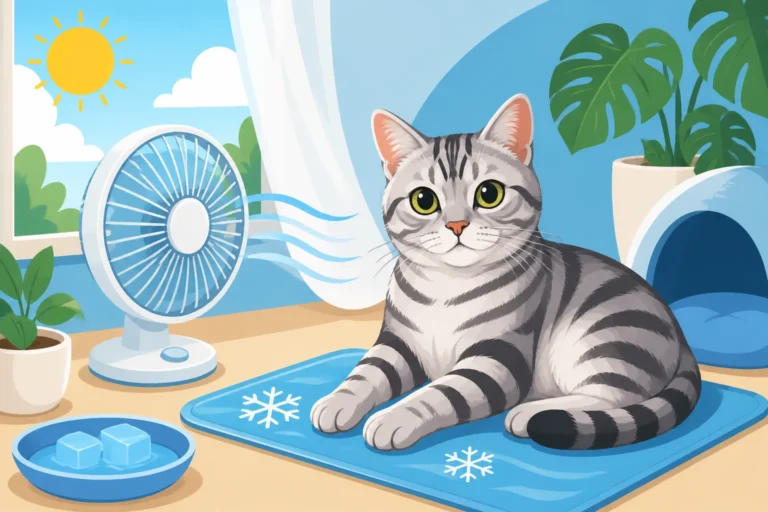
Just as deftly as it prepares for winter, the American Shorthair's coat adjusts for the warmer months. As spring gives way to summer, you'll observe a period of more pronounced shedding. This isn't a flaw in their grooming, but rather a vital process where they shed their dense winter fur to make way for a lighter, thinner summer coat. How an American Shorthair's Coat Thins Toward Summer explains the mechanics of this seasonal transition. This lighter coat allows for better air circulation against the skin, helping them dissipate heat and stay cool when temperatures rise. While this seasonal shedding means you might find a bit more fur around the house for a few weeks, it's a small price to pay for a cat that's naturally comfortable in various climates. A simple grooming glove or rubber brush can help manage the shedding, making the transition smoother for both your cat and your furniture.
Shedding Patterns and Why They're Natural
All cats shed, it's a natural part of their hair growth cycle. What sets the American Shorthair apart is that their shedding tends to be manageable and predictable, typically peaking twice a year during spring and fall as they adjust their coats. Outside these periods, daily shedding is usually quite minimal compared to breeds with continuously growing, dense undercoats. This means less fur flying around, and less likelihood of hairballs, thanks to their efficient self-grooming. The type of hair they shed is also less prone to clinging to fabrics or creating static, making cleanup easier. This natural, efficient shedding pattern further underscores the practicality and health benefits of a coat designed by nature for optimal function.
Health Through Simplicity: Why a Natural Coat Means Fewer Problems
Beyond aesthetics and grooming ease, the American Shorthair's functional coat contributes significantly to their overall health, often sidestepping common issues that plague breeds with more extreme coat types.
Less Prone to Skin Issues
Cats with excessively long, dense, or unusual coat textures can be more susceptible to various skin problems. Mats can pull on the skin, causing irritation, sores, and infections. Overly oily or dry coats can lead to conditions like seborrhea. The American Shorthair's well-balanced, dense yet manageable coat minimizes these risks. Its texture allows the skin to breathe, preventing moisture and heat from getting trapped, which can otherwise create a breeding ground for bacteria or fungi. This natural ventilation and robust quality mean fewer vet visits for skin complaints, contributing to the breed's reputation for being a generally healthy and low-maintenance companion. This is just one aspect of Why an American Shorthair Is a Low Anesthetic Risk – their health extends to all areas.
Reduced Risk of Matting-Related Problems
For some breeds, matting isn't just an aesthetic inconvenience; it's a serious welfare issue. Severe mats can restrict movement, cause pain, hide parasites, and even cut off circulation. They often require sedation and professional grooming to remove, which can be stressful and costly. With an American Shorthair, such extreme matting is incredibly rare, almost unheard of for a healthy cat that grooms itself. Their coat simply isn't structured to form those tight, painful knots. This means your cat is far less likely to experience the discomfort, skin irritation, or potential infections associated with severe matting, ensuring a higher quality of life and a much happier feline friend. A good quality brush from Chewy or Amazon can still be a nice treat for them, but it's rarely a dire necessity.
The Breed's Coat Contributes to Overall Robustness
Ultimately, the American Shorthair's coat is an integral part of its enduring health and robustness. It's a natural, well-engineered solution that requires minimal fuss, stands up to environmental challenges, and supports the cat's innate self-care routines. This isn't a coat that needs constant intervention to prevent problems; it's a coat that actively prevents problems. Its easy-care nature, combined with the breed's generally strong constitution, makes the American Shorthair a fantastic choice for those who value health, independence, and genuine feline charm over designer looks. You’re choosing a cat where nature’s design has been perfected, rather than altered to meet fleeting fads. The American Shorthair Is the Control Group of Cat Breeding because its functional traits are so well-preserved.
Comparing Coats: Function vs. Fad
To truly appreciate the American Shorthair's coat, it helps to put it into perspective against breeds where aesthetics have taken precedence over practicality. This table highlights some key differences.
| Feature | American Shorthair Coat (Functional) | "Show Coat" (Aesthetic-Driven, e.g., Persian) |
|---|---|---|
| Texture | Dense, firm, somewhat hard/crisp | Long, fine, silky, plush, or extremely dense |
| Primary Purpose | Protection, insulation, self-cleaning | Visual appeal, conformity to breed standard |
| Grooming Needs | Minimal; weekly brush for shedding, self-grooming | Daily, extensive brushing; professional grooming often required |
| Matting Risk | Very low | High, if not diligently groomed |
| Weather Adapt. | Naturally thickens/thins seasonally | Can struggle with heat; often requires indoor, controlled environment |
| Skin Health | Good airflow, less prone to irritation and infection | Prone to matting-related skin issues, trapped moisture |
| Shedding | Manageable, seasonal peaks | Can be heavy and constant, or fine hair easily clings |
| Overall Impact | Low maintenance, high comfort, robust | High maintenance, can be uncomfortable, may require specific care products (supplements for skin and coat may help, but the core issue is the coat type itself) |
The Lasting Appeal of a Purposeful Coat
In a world where many breeds have been meticulously sculpted to achieve specific visual ideals, the American Shorthair stands as a refreshing counterpoint. Its coat is a quiet rebellion against unnecessary complexity, a testament to the idea that what works best is often the most beautiful. It doesn’t need elaborate styling or an expensive array of products to look good; its inherent quality and the cat’s own diligent self-care do all the heavy lifting.
This functional beauty means less time spent on grooming and more time simply enjoying your cat. It means a feline companion that is comfortable in its own skin, less prone to common skin and coat ailments, and genuinely equipped to navigate the world with ease. So, while other cats might dazzle in the show ring, the American Shorthair truly shines in the practical, everyday beauty of its coat—a coat that consistently beats any "show coat" for real-world resilience, health, and sheer simplicity. What an American Shorthair Looks Like by the Standard shows that even in the show world, practicality is recognized.
Disclaimer
This article is for general informational purposes only and does not constitute professional advice. Laws, prices and regulations vary by location and change over time. Consult a qualified professional for guidance on your specific situation.