Whether Rain Runs Off an American Shorthair
We've all seen a cat caught in a sudden shower, looking utterly miserable and perhaps a little bit indignant. It makes you wonder how well their fur really protects them from the elements, especially for breeds like the American Shorthair, which once roamed barns and ships. This guide will dive deep into the unique characteristics of the American Shorthair's coat, explaining just how much protection it offers against rain and what you, as an owner, can do to support its natural defenses.
The American Shorthair's Coat: A Legacy of Practicality
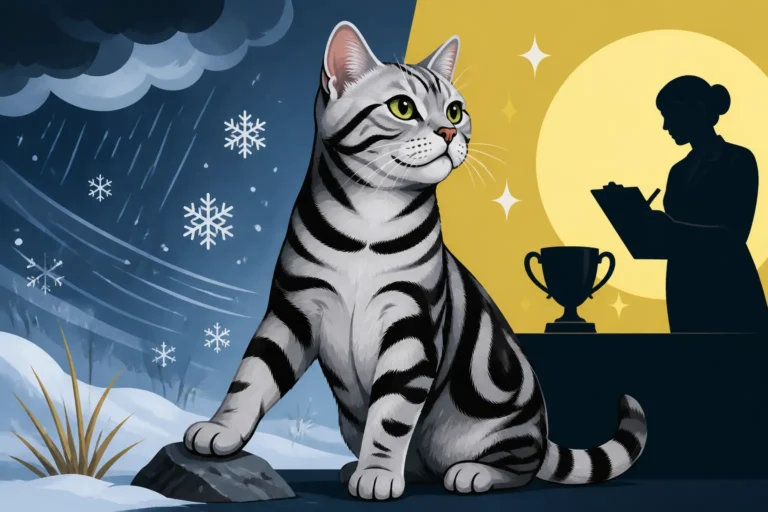
The American Shorthair's lineage is rooted in survival and utility, far from the pampered show rings of today. Their ancestors were working cats, brought to North America to protect precious cargo and homesteads from rodents. This wasn't a breed developed for aesthetic fluff or delicate features; it was all about function, and their coat is a testament to that hardy history. You see it in their sturdy build, their keen hunting instincts, and especially in their dense, weather-resistant fur.
Built for the Elements, Not the Show Ring
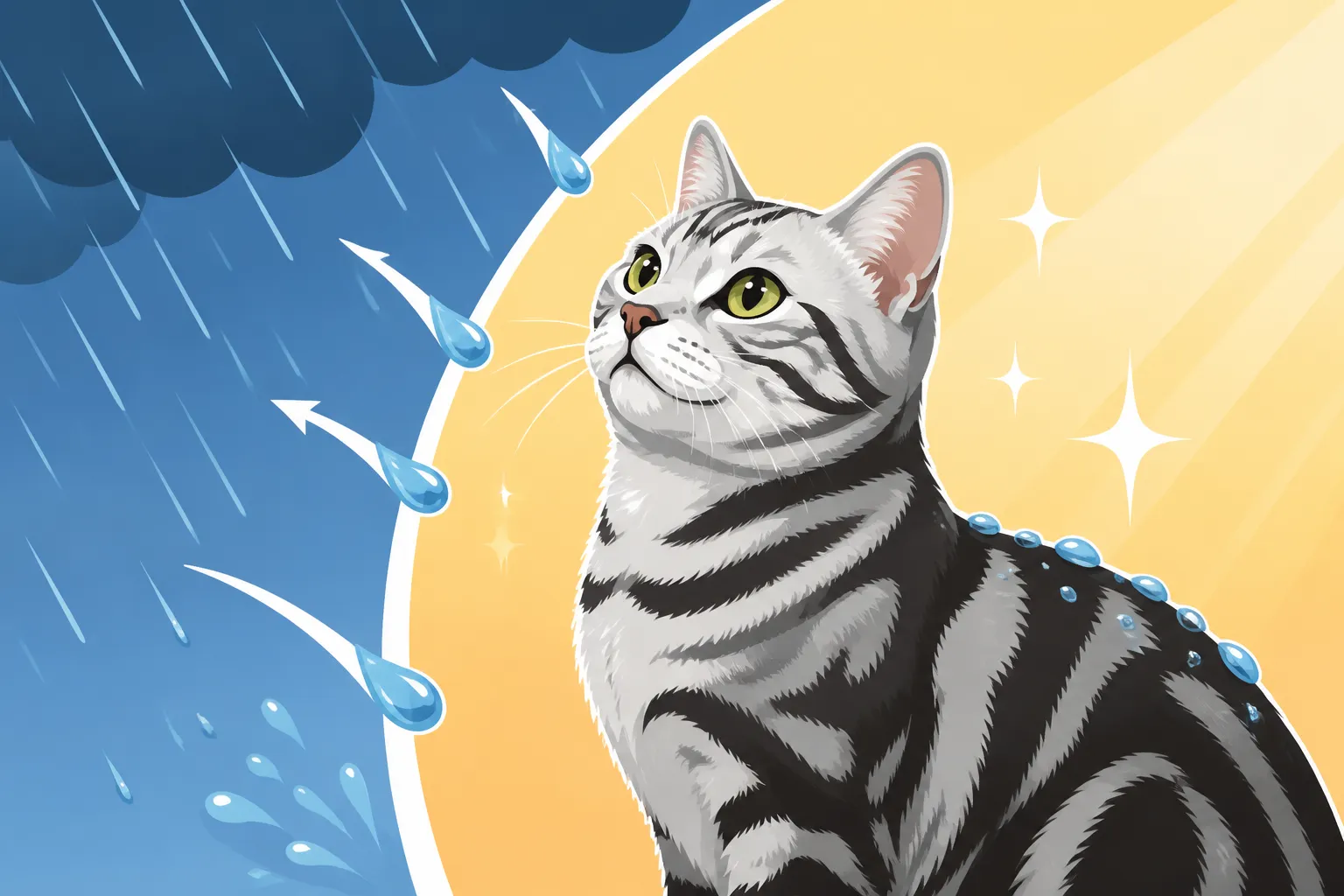
When you feel an American Shorthair's coat, you'll notice it’s not soft and plush like some other breeds. Instead, it has a distinct "hard" texture. This isn't a fault; it's a feature. This hardness comes from the strong, coarse guard hairs that form the outermost layer of their fur. These guard hairs lie close to the body, creating a smooth surface that, much like shingles on a roof, allows water to bead up and run off.
Beneath this outer layer, they possess a surprisingly dense undercoat. This isn't always obvious until you really get your fingers into their fur, but it's there, providing an essential layer of insulation. When their ancestors were out in all kinds of weather, this undercoat was crucial for keeping them warm and dry, even if some moisture penetrated the outer layer. It was truly a double-duty coat, designed to protect against both cold and dampness, without requiring any fancy grooming from their human companions. This practical design is a big part of What an American Shorthair With No Designer Defect Gets Instead.
The Guard Hairs' Role in Water Resistance
The guard hairs are the unsung heroes of the American Shorthair's water-repelling abilities. Each individual hair is relatively stiff and smooth, and they are packed tightly together. Imagine pushing your hand against the grain of their fur; you'll feel that resistance. When rain hits this surface, it struggles to penetrate. Instead, the water droplets tend to remain on the tips of these hairs, forming beads that can then roll off with gravity or a quick shake from your cat.
This isn't a perfect, impenetrable barrier, of course. No cat's fur is truly waterproof in the way a rubber raincoat is. But for light rain or short bursts of precipitation, these guard hairs do an excellent job of preventing the water from reaching the skin. It’s a natural defense mechanism that allowed their forebears to continue their mousing duties even in less-than-ideal weather conditions. This is a far cry from breeds with softer, more open coats that soak through almost instantly.
Understanding Water Repellency in Feline Coats
It's fascinating how a cat's coat manages to be so effective against water, isn't it? It’s not just about the structure of the hair itself, but also a clever interplay with natural body secretions and the principles of physics. Understanding this helps us appreciate the engineering marvel that is a healthy American Shorthair coat.
Surface Tension and the Natural Oils
At the microscopic level, the magic really happens. Your American Shorthair's skin produces natural oils, or sebum, which are distributed through the fur during grooming. These oils coat the individual hair shafts, making them naturally hydrophobic – that's a fancy way of saying "water-fearing." Water droplets, which are held together by surface tension, prefer to stick to themselves rather than spreading out and soaking into the oil-coated hairs.
Think of it like waxing your car. The wax creates a smooth, non-porous surface that water can't easily adhere to, causing it to bead up and roll right off. Your American Shorthair’s coat has a similar natural "waxing" process, albeit a far more subtle one. This oily layer, combined with the dense packing and smooth texture of the guard hairs, creates a formidable first line of defense against moisture. Without these natural oils, even the toughest coat would quickly become waterlogged. This is why regular, meticulous self-grooming is so vital for cats, and why a well-groomed American Shorthair is usually a dry one.
How a Healthy Coat Maintains its Defenses
The effectiveness of this natural water barrier hinges entirely on the health of your cat's coat. A dull, dry, or greasy coat often indicates underlying issues that can compromise its water-shedding capabilities. A cat that isn't receiving adequate nutrition, for instance, might not produce enough healthy oils, or their fur might become brittle and less effective at interlocking.
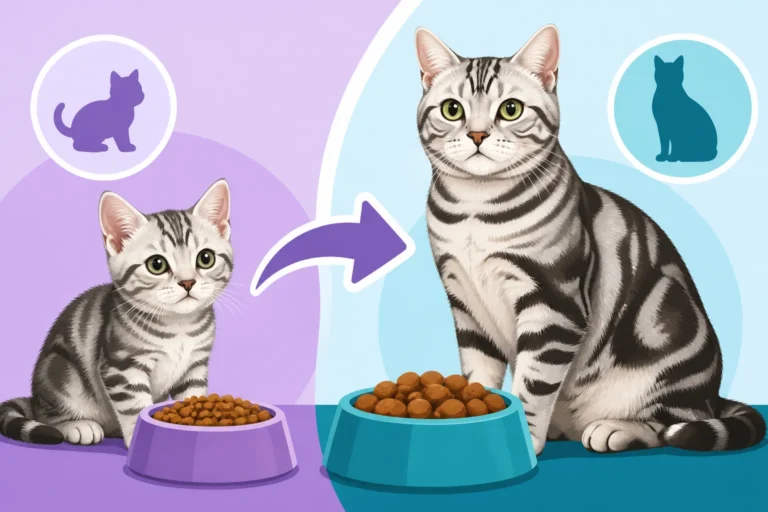
Diet plays a huge role here. High-quality cat food, rich in essential fatty acids like Omega-3 and Omega-6, is crucial for skin and coat health. Many fresh, kibble, and wet food options boast formulas specifically designed to support a lustrous, healthy coat. When you ensure your American Shorthair is getting all the right nutrients, you're not just feeding their body; you're also feeding their coat's natural defenses. Regular brushing, even if it's minimal for this short-haired breed, also helps distribute those natural oils evenly, further enhancing the coat's ability to repel water. You can find some excellent grooming gloves or soft brushes on Amazon that make this a pleasant experience for your feline friend. The American Shorthair's Coat Was Built for Weather, Not a Judge emphasizes this natural, functional aspect of their fur.
When the Coat Fails to Repel: Factors and Consequences
While the American Shorthair's coat is a marvel of natural design, it's not invincible. There are definitely situations and circumstances where even the most robust coat might let water through. It's important for us as owners to recognize these limits and understand what might cause a once-resilient coat to become less effective.
Extreme Weather and Prolonged Exposure
Even the best raincoat has its limits, and so does an American Shorthair's fur. If your cat is caught in a torrential downpour, or if they're exposed to continuous rain for an extended period, the coat will eventually become saturated. The sheer volume and force of the water can overwhelm the guard hairs' ability to shed, forcing moisture past the oily barrier and into the undercoat, eventually reaching the skin.
Think about a strong stream of water hitting a shingled roof – eventually, some water might find its way through a tiny gap or overwhelm the drainage. The same applies here. A quick dash through a light drizzle? Your American Shorthair will likely emerge mostly dry. But an hour spent under a steady deluge? They're going to be soaked right down to the skin, and likely quite chilly and uncomfortable. This is where common sense comes in; while their coat is designed for practicality, it's not meant for prolonged exposure to severe weather. How Well an American Shorthair Handles Cold dives into their general resilience to low temperatures.
Underlying Health Issues Affecting Coat Quality
A healthy coat is a reflection of a healthy cat. If your American Shorthair is dealing with an underlying health issue, one of the first places you might notice changes is in their fur. Conditions like hyperthyroidism, kidney disease, allergies, or even chronic stress can lead to a dull, dry, greasy, or flaky coat. When the fur isn't healthy, it loses its structural integrity and its ability to produce and distribute natural oils effectively.
An older cat, for example, might not be as flexible as they once were, making it harder to reach certain areas for thorough grooming. This can lead to matting (though rare in American Shorthairs due to their short fur) or uneven oil distribution, compromising their water repellency. Similarly, skin parasites or infections can irritate the skin and disrupt the normal coat cycle, leading to thinning patches or a compromised barrier. If you notice a significant change in your cat's coat quality, especially if accompanied by other symptoms, a vet check-up is always a good idea. Caring for an American Shorthair Past Twelve touches on how aging affects their overall health.
Grooming Habits and Their Impact
We've already touched on it, but it bears repeating: self-grooming is paramount for a cat's coat health. American Shorthairs are generally fastidious groomers, spending a good portion of their day keeping themselves spotless. This constant licking and preening helps spread those crucial natural oils from the skin across every strand of fur, ensuring maximum water repellency and insulation.
If your American Shorthair isn't grooming properly, whether due to pain, obesity, dental issues, or illness, their coat will suffer. An overweight cat might struggle to reach their back or hindquarters, leaving those areas neglected. Why an Overweight American Shorthair Cannot Reach Its Back directly addresses this. Similarly, a cat with a painful dental issue might avoid grooming altogether because of the discomfort. In such cases, the coat becomes less effective at shedding water, and you might notice it appears greasy, matted, or simply unkempt. Regular, gentle brushing from you can help, but it's not a complete substitute for a cat's own thorough grooming routine.
Practical Considerations for American Shorthair Owners
Knowing that your American Shorthair's coat is a functional marvel is one thing, but how does this translate into your daily life as an owner? It's about being proactive, observant, and understanding their individual needs, especially if they have some outdoor access.
Assessing Your Cat's Outdoor Habits
First things first, how much time does your American Shorthair actually spend outside? For indoor-only cats, the concern about rain running off their coat is largely theoretical, limited to a dash to a vet appointment or an accidental escape. Their coat, while naturally resilient, isn't being tested daily by the elements.
However, if your American Shorthair enjoys supervised outdoor time or has a catio, or if you have a former stray who still loves to explore the yard, then their coat's water resistance becomes a much more practical matter. Observe their behavior. Do they seek shelter immediately at the first sign of rain? Or do they seem unfazed by a light drizzle, perhaps continuing their diligent patrol of the garden? Most American Shorthairs, despite their rugged origins, prefer to be dry and will usually head for cover when the weather turns. Which Injuries an Outdoor American Shorthair Comes Home With is a good read on the general risks of outdoor life.
What to Do if Your American Shorthair Gets Soaked
So, despite their best efforts and the coat's natural defenses, your American Shorthair comes home looking like a drowned rat. What's the best course of action?
- Immediate Shelter and Warmth: Get them inside, somewhere warm and draft-free. A towel-lined carrier or a cozy bed can offer comfort.
- Gentle Towel Drying: Resist the urge to use a human hairdryer, which can be too hot and frightening. Instead, use soft, absorbent towels to gently blot and rub their fur. Start from the head and work your way down, paying extra attention to their dense body fur and belly. You'll be amazed how much water a few good towels can absorb.
- Combing for Undercoat Drying: Once the topcoat is damp, a gentle comb-through can help fluff up the undercoat, allowing air to circulate and speed up drying. A simple metal comb or a rubber grooming mitt, widely available from retailers like Chewy or Amazon, can work wonders here. Be very gentle, as wet fur can be more prone to tangling, though this is less of an issue with the short, hard coat of an American Shorthair.
- Monitor for Chills: Keep an eye on them for signs of shivering or lethargy, especially if it was a cold rain. Offer a warm, dry spot to rest.
- Offer Food and Water: Being cold and wet can be stressful, so a small, appealing meal and fresh water can help them recover and feel secure.
Supporting a Water-Resistant Coat
Maintaining that naturally water-resistant coat isn't complicated for an American Shorthair, but it does require attention to overall health and some basic care.
- Nutrition is King: As mentioned, a high-quality diet rich in Omega fatty acids is fundamental. Look for foods that prioritize animal protein and include ingredients known to support skin and coat health. Exploring a range of options can provide excellent choices, from specialized prescription diets (if recommended by your vet) to high-quality commercial foods. Which Food Suits an American Shorthair Built for Muscle explains more about their dietary needs.
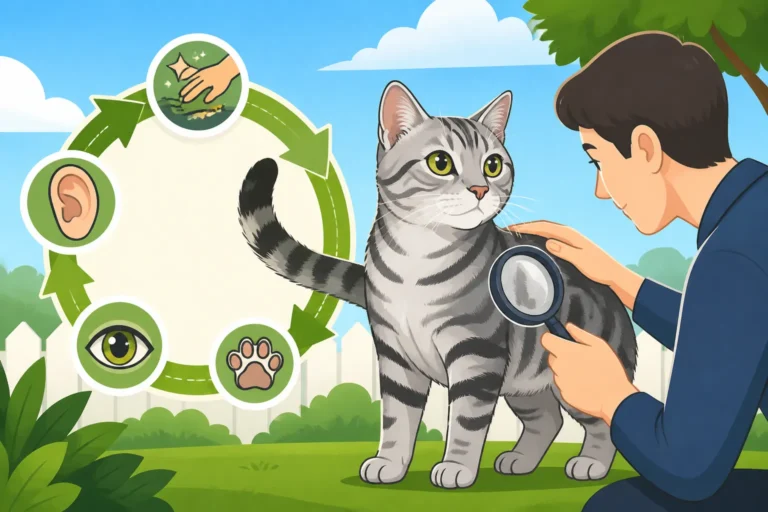
- Regular, Gentle Brushing: While they don't need extensive grooming like long-haired breeds, a weekly brush with a rubber curry brush or a fine-toothed comb helps remove loose hair, prevents any potential matting (which is rare but can happen with neglected coats), and, crucially, distributes those natural skin oils. This keeps the coat sleek, shiny, and ready to repel water.
- Clean Environment: A clean living space reduces the chance of skin irritations or parasites that could compromise coat health. Regularly cleaning their bedding and litter box contributes to their overall well-being, which in turn reflects in their coat.
- Routine Vet Checks: Annual wellness exams are vital. Your vet can spot early signs of health issues that might impact coat quality, from dental problems making grooming difficult to metabolic disorders affecting oil production. These preventative visits are key to ensuring their coat remains a strong, natural shield. How Regularly a Healthy American Shorthair Still Needs Checking highlights the importance of these routine visits.
By focusing on these practical steps, you’re not just ensuring your American Shorthair looks good; you’re supporting the very traits that have made this breed a survivor for centuries.
Coat Comparison Table
To give you a clearer picture of how the American Shorthair's coat stacks up against other types, here's a quick comparison:
| Feature | American Shorthair | Long-haired (e.g., Maine Coon) | Plush-Coated (e.g., British Shorthair) | Random Bred Tabby (Domestic Shorthair) |
|---|---|---|---|---|
| Coat Texture | Hard, dense, resilient, close-lying | Silky, flowing, often double-coated with a soft undercoat | Thick, dense, soft, "crisp" feel, often off-standing | Varies widely, usually softer than ASH, can be sparse |
| Guard Hairs | Stiff, smooth, effective at shedding water | Longer, less stiff, tend to absorb more water | Shorter, very dense, but can mat if soaked | Variable, often less dense or organized |
| Undercoat | Dense, insulating, helps keep skin dry | Abundant, provides significant insulation but holds water | Very dense, contributes to plush feel, can get wet | Variable, may be thin or absent |
| Water Repellency | Good for light rain/short exposure; water beads & rolls off | Moderate to poor; long fur soaks quickly, dries slowly | Moderate; dense fur can hold water despite plushness | Variable; often soaks quickly, less natural oil |
| Drying Time | Relatively fast due to short, dense fur | Very slow due to long, abundant hair | Moderate to slow, depending on density | Variable, often fast if sparse coat |
| Grooming Needs | Minimal; weekly brush to distribute oils | High; daily brushing to prevent mats | Moderate; regular brushing to prevent tangles | Low to moderate; depends on coat length/density |
Conclusion
The American Shorthair's coat is a remarkable example of natural selection and functionality. Born from generations of working cats who needed to thrive in diverse environments, their short, dense, and "hard" coat is indeed designed to shed rain effectively. It's not a perfect, waterproof barrier, and sustained exposure to heavy rain will certainly get them wet, but for quick dashes through a drizzle or light showers, their fur performs admirably.
As owners, our role isn't to make their coat do something it's not designed for, but to support its natural capabilities. By providing excellent nutrition, ensuring they maintain healthy grooming habits, and offering warmth and a towel after an unexpected soaking, we honor the legacy of this sturdy, self-sufficient breed. Understanding that your American Shorthair's practical coat is one of their many strong points only deepens the appreciation for these wonderful, low-maintenance companions.
Disclaimer
This article is for general informational purposes only and does not constitute professional advice. Laws, prices and regulations vary by location and change over time. Consult a qualified professional for guidance on your specific situation.