How Much an American Shorthair Sleeps
It’s a common sight for American Shorthair owners: you look over at your beloved feline companion, and there they are again, utterly conked out, perhaps in a sunbeam, or sprawled across your favorite armchair. You might wonder, "Is this normal? Am I doing something wrong if my cat sleeps this much?" It can be genuinely perplexing to witness such deep, frequent slumber, especially when our own lives feel so relentlessly busy. This guide is here to shed light on the sleep patterns of the wonderful American Shorthair, helping you understand their natural rhythms, what influences their rest, and when a change in their sleep might signal something more.
Understanding the American Shorthair's Sleep Cycle
The American Shorthair, with its sturdy build and calm demeanor, has a deep-rooted history that profoundly influences its sleep patterns even today. These aren't creatures built for constant high-octane activity; their energy is often conserved for strategic bursts, leading to a significant amount of rest throughout a 24-hour cycle.
The Hunter's Rest: Why They Sleep So Much
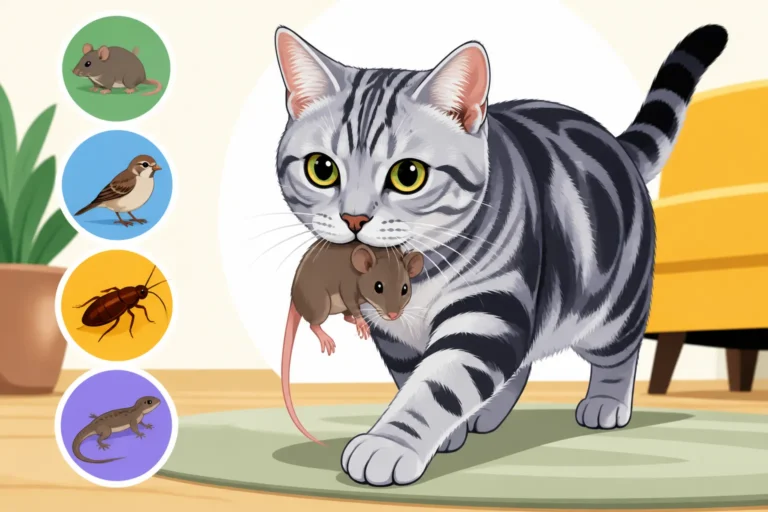
Think back to the origins of the American Shorthair. These cats weren't bred for delicate beauty or constant companionship in a plush city apartment; their ancestors were working cats, invaluable companions on ships and farms across North America. Their job was to hunt rodents, a task that requires intense bursts of focus, speed, and agility, followed by long periods of patient waiting and, yes, deep rest. This crepuscular nature – being most active at dawn and dusk – is hardwired into their DNA.
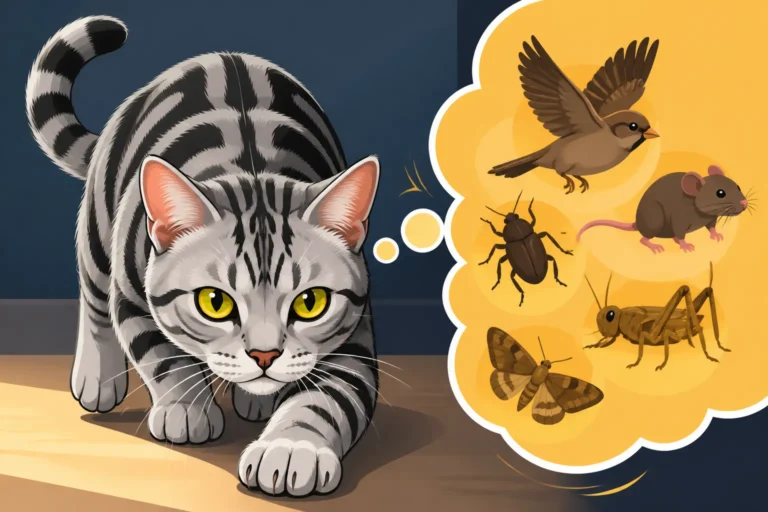
Even though your American Shorthair might be the most pampered indoor cat, never having to chase a mouse in its life, that ancient hunting instinct remains. The American Shorthair Still Hunts, Whether You Want It To or Not, and that means they instinctively conserve energy. A cat that spent hours stalking prey wouldn't waste precious calories by being constantly awake and active. Instead, they would sleep deeply, allowing their bodies to recover and their minds to process the day's "work." For your modern American Shorthair, that "work" might be a vigorous play session with a feather wand, a brief sprint down the hallway, or a focused period of window-watching. After such endeavors, a good long nap is exactly what their bodies are telling them they need. They aren't lazy; they are simply following a highly efficient, evolutionarily optimized energy management system.
Kitten vs. Adult vs. Senior: Sleep Needs Change
Just like humans, an American Shorthair's sleep requirements aren't static; they evolve significantly throughout their lifespan.
Growing Kittens: Little Bundles of Sleep
American Shorthair kittens are like furry little energizer bunnies, but even they have their limits. They spend a huge amount of time sleeping, often up to 20 hours a day. This extensive rest is absolutely critical for their rapid growth and development. During sleep, their bodies release growth hormones, their brains process all the new information they’ve absorbed about their world, and their muscles and bones strengthen. You'll see them twitching and kicking in their sleep, a clear sign of active REM sleep where they're dreaming and developing. Don't be surprised if your tiny American Shorthair kitten suddenly goes from a whirlwind of play to completely comatose in a matter of seconds. It's perfectly normal and essential for their health.
Adult American Shorthairs: The Steady Sleeper
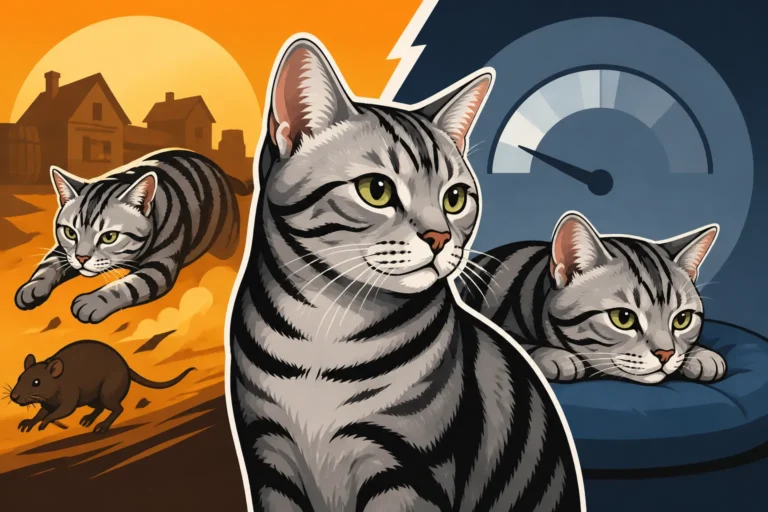
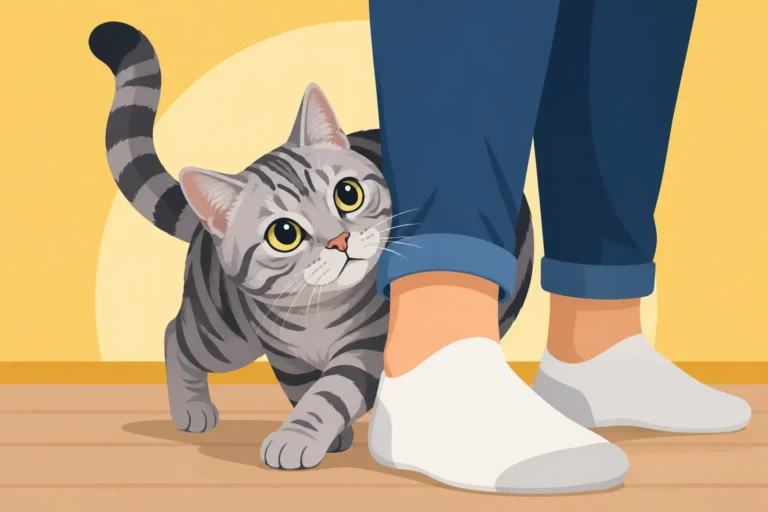
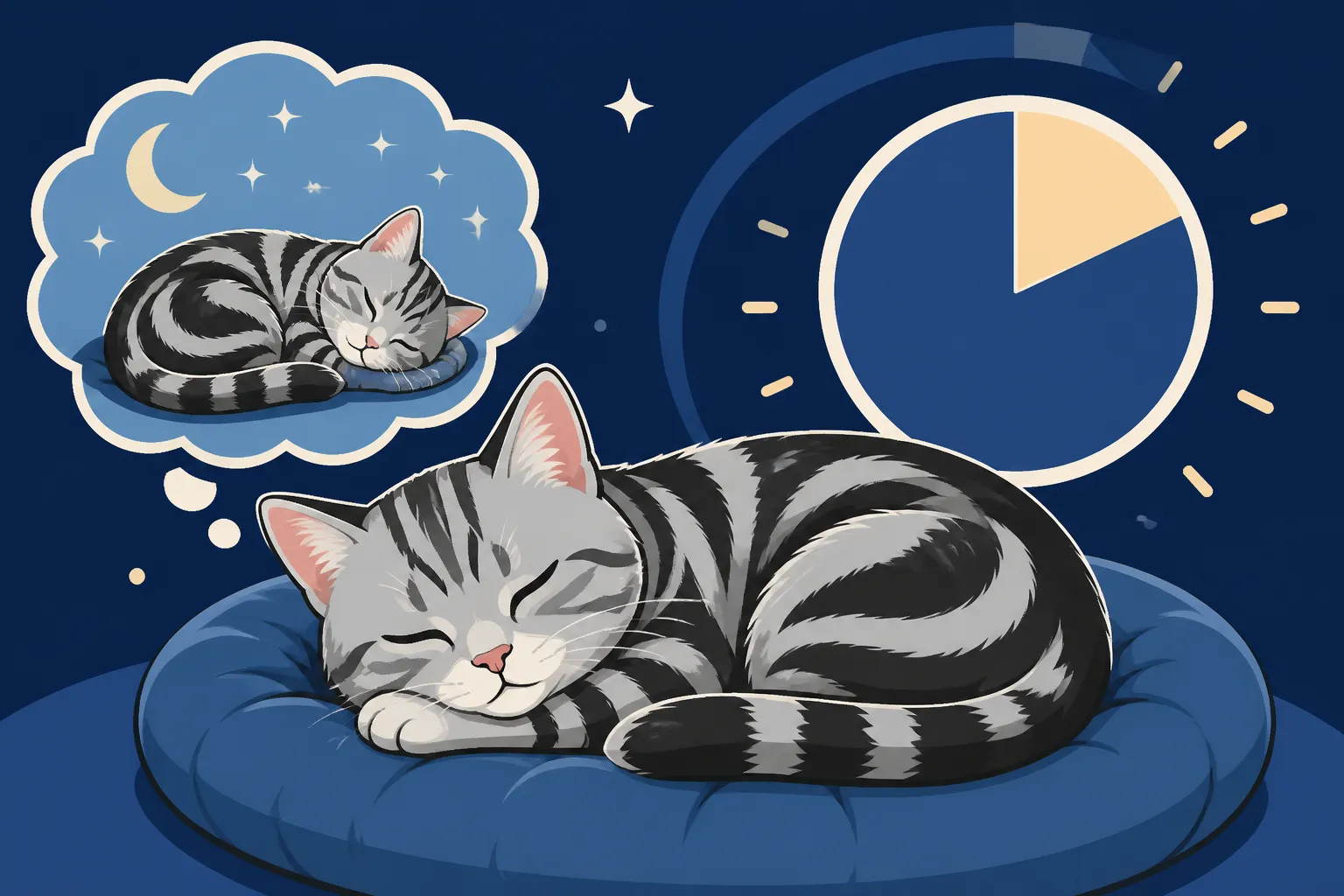
Once they reach adulthood, typically around one to two years old, their sleep patterns become more established and generally more predictable. An adult American Shorthair will usually sleep between 12 and 16 hours a day, though some can stretch that to 18 hours. This isn't all deep sleep; it includes a mix of power naps, dozing, and longer periods of profound slumber. They've found their rhythm, balancing their innate hunting drive with their domestic life. How an American Shorthair Splits Its Day Between Patrol and Sleep clearly illustrates this balance. They'll have periods of alertness, exploration, grooming, and play, punctuated by frequent naps. These naps can happen anywhere: draped over a couch, curled up in a cat bed, or even perched on a favorite cat tree you picked up from Amazon.
Senior American Shorthairs: More Zs for Older Felines
As your American Shorthair enters its golden years, typically starting around 10-12 years old, you'll likely notice an increase in their sleep duration. Senior cats often sleep for 18-20 hours a day, sometimes even more. This isn't necessarily a cause for alarm, as it's a natural part of aging. Their energy levels naturally decrease, joints might start to ache (making them less inclined to be active, as detailed in Why an old American Shorthair slows before it limps), and their bodies simply require more rest to maintain themselves. While increased sleep is normal for older cats, it's also a time to be extra vigilant. A significant change in sleep patterns, especially if coupled with other symptoms like decreased appetite or withdrawal, could indicate an underlying health issue. Regular vet check-ups for Caring for an American Shorthair Past Twelve are more important than ever.
Factors Influencing an American Shorthair's Sleep
While their genetic blueprint lays the foundation, many environmental and lifestyle factors can fine-tune exactly how much and how well your American Shorthair sleeps.
Activity Levels and Enrichment
It might seem counterintuitive, but a well-exercised American Shorthair often sleeps better and more soundly than one that lacks sufficient stimulation. If your cat isn't getting enough physical activity or mental enrichment during their waking hours, they might either sleep out of boredom or, conversely, become restless and not sleep well.
The Importance of Play for Quality Sleep
Remember that strong hunting drive? What an Indoor American Shorthair Does With a Mouser's Instinct is to find something to "hunt." If they don't have appropriate outlets, that pent-up energy can manifest in less-than-ideal ways, including poor sleep. Incorporating daily interactive play sessions that mimic the hunt-catch-kill sequence is vital. Think feather wands, laser pointers (with a physical 'catch' at the end to avoid frustration!), or small, throwable toys. These short, intense bursts of activity, ideally at crepuscular times, will tire them out physically and mentally, leading to more satisfying rest. For ideas, check out How much simulated hunting an American Shorthair needs. Engaging their minds with puzzle feeders or rotate toys can also help expend mental energy, allowing for deeper, more contented sleep. There are many great interactive toys available on Amazon that can keep them engaged.
Impact of Environment on Activity
The layout of your home also plays a role. Does your American Shorthair have vertical spaces to explore, like cat trees or shelves? Can they watch the world outside from a secure perch? These elements contribute to their perceived "territory patrol" and mental stimulation. A cat with an engaging environment is more likely to be active and therefore sleep soundly when it's time to rest.
Environmental Comfort and Safety
Where and how your American Shorthair sleeps profoundly impacts the quality of their rest. These are independent creatures, but they value comfort and security just as much as any other living being.
The Perfect Sleeping Spot
American Shorthairs appreciate choices when it comes to sleeping spots. They often gravitate towards warm, sunny places, but also seek out quiet, secluded nooks where they feel safe and undisturbed. Providing various options, from soft beds to cozy hideaways, caters to their preferences. Consider elevated perches, like the top of a cat tree, which offer a sense of security and a vantage point for observation even while dozing. A soft, supportive bed, perhaps a self-warming one if you live in a cooler climate, can make all the difference for an older cat with stiff joints. Investing in a good quality, orthopedic cat bed from Amazon could make a noticeable difference in their comfort.
Creating a Peaceful Retreat
Noise levels, temperature, and light can all affect sleep. While American Shorthairs are generally tolerant of household activity, having a quiet space where they can retreat for uninterrupted sleep is important. This is particularly true if you have a busy household with children or other pets. Ensuring the temperature is comfortable – not too hot or too cold – and that there are options for both bright, sunny naps and darker, deeper sleep areas will support their natural rhythms.
Diet and Overall Health
A healthy body supports healthy sleep, and vice versa. What your American Shorthair eats and its overall physical condition are directly linked to its energy levels and sleep quality.
The Role of Nutrition
A balanced, high-quality diet provides the necessary nutrients and energy for your cat's daily activities. Cats, as obligate carnivores, thrive on a diet rich in animal protein. Proper nutrition helps maintain muscle mass, supports organ function, and contributes to overall vitality. A cat that isn't receiving adequate nutrition might feel lethargic and sleep excessively, or conversely, be restless due to discomfort or nutrient deficiencies. Conversely, an overweight cat might be less active and appear to sleep more, but this could be a symptom of a sedentary lifestyle rather than truly restorative sleep. Why an old American Shorthair's weight should be tracked is important, as weight changes can impact activity and sleep significantly.
Health Conditions and Sleep Changes
Any change in an American Shorthair's sleep patterns can sometimes be an early indicator of a health issue. For example, increased sleep could be a sign of pain, arthritis, diabetes, hyperthyroidism (though initially hyperactive, fatigue sets in), kidney disease, or even certain cancers. Decreased sleep or restless sleep might point to discomfort, anxiety, or hyperthyroidism in its early stages. It's crucial to observe other symptoms alongside sleep changes. If your American Shorthair is suddenly sleeping significantly more or less, or seems uncomfortable during sleep, it's always best to consult your veterinarian.
Recognizing Healthy vs. Concerning Sleep Patterns
It's natural to worry when your beloved pet's habits seem to shift. Knowing what's normal for an American Shorthair's sleep can help you identify when it might be time for concern.
What Normal American Shorthair Sleep Looks Like
A healthy American Shorthair's sleep is characterized by variety and a blend of deep rest and light dozing.
The Rhythms of Rest
You'll observe them in various stages of sleep. There's the light doze, where they might be reclined, eyes half-closed, ears occasionally twitching at sounds – they’re aware of their surroundings, ready to spring into action if needed. Then there's deep sleep, where they're completely relaxed, often curled into a tight ball or stretched out completely. Their breathing will be slow and steady, and you might even see their paws or whiskers twitching, suggesting they’re in REM sleep, dreaming away.
They'll often have a primary deep sleep period during the night, mirroring our own longer rest, but they also have several longer naps throughout the day. This fragmented sleep pattern is normal for cats. They'll wake up, perhaps have a burst of energy, grab a snack, groom themselves, and then settle down for another snooze. This is simply How an American Shorthair Splits Its Day Between Patrol and Sleep, and it's a very natural pattern for them.
Typical Sleep Positions
Their sleep positions can also tell you a lot about their comfort and sense of security. A cat that feels safe will often sleep sprawled out on its back, exposing its vulnerable belly. This is a sign of immense trust and relaxation. If they’re curled up tightly, it might be because they’re feeling a bit chilly, or perhaps just seeking a bit more security in a new environment. Observing these subtle cues can help you understand how comfortable and content your American Shorthair feels in their resting spots.
When to Be Concerned About Sleep Changes
While a healthy American Shorthair sleeps a lot, a significant or sudden change in their pattern warrants attention.
Signs of Too Much or Too Little Sleep
If your cat suddenly starts sleeping much more than usual, becoming lethargic even when awake, or seems difficult to rouse, it could be a red flag. This might be accompanied by changes in appetite, thirst, or litter box habits. Conversely, if your American Shorthair is suddenly restless, pacing, vocalizing more, or unable to settle down for their usual naps, this could also signal discomfort or an underlying issue.
Observe their behavior closely. Is the increased sleep purely due to age, or does your senior cat also seem disoriented or uncomfortable? Is the restlessness in your adult cat purely environmental (e.g., new pet, construction outside), or is there something internal bothering them? Why a withdrawn American Shorthair should see a vet is crucial advice; any noticeable change in their routine or demeanor, including sleep, should prompt a professional consultation. It’s always better to rule out health problems early.
Creating an Optimal Sleep Environment
You can proactively support your American Shorthair's healthy sleep habits by curating their environment.
Providing Diverse Resting Spots
Offer a variety of sleeping options throughout your home. This might include a plush bed in a quiet corner, a soft blanket on the sofa, a window perch for sunbathing and bird-watching, or a cozy cave bed from Amazon. Cats love choices, and having several spots allows them to pick the perfect temperature, light, and level of seclusion for each nap. How Often an American Shorthair Sleeps on Your Bed might vary, but giving them comfortable alternatives ensures they always have a good option.
Establishing a Routine
While American Shorthairs are self-sufficient, a consistent daily routine can still contribute to their sense of security and regulated sleep. Feeding times, play sessions, and even your own daily schedule can indirectly influence their internal clock. Trying to maintain some predictability in their day can help them settle into their natural sleep-wake cycles more easily.
American Shorthair Sleep in Multi-Cat Households and Solo Homes
The American Shorthair is known for its adaptable and relatively independent nature. This translates well into how they handle sleep, whether they're the sole feline ruler of a household or part of a bustling multi-pet family.
Sharing Space and Napping Spots
In a multi-cat household, American Shorthairs are generally quite adept at finding their own peaceful corners, even if they sometimes choose to snooze alongside their companions. Their independent streak, a remnant of their solitary hunting past, means they don't need constant company, even during rest.
Individual Preferences and Resource Spacing
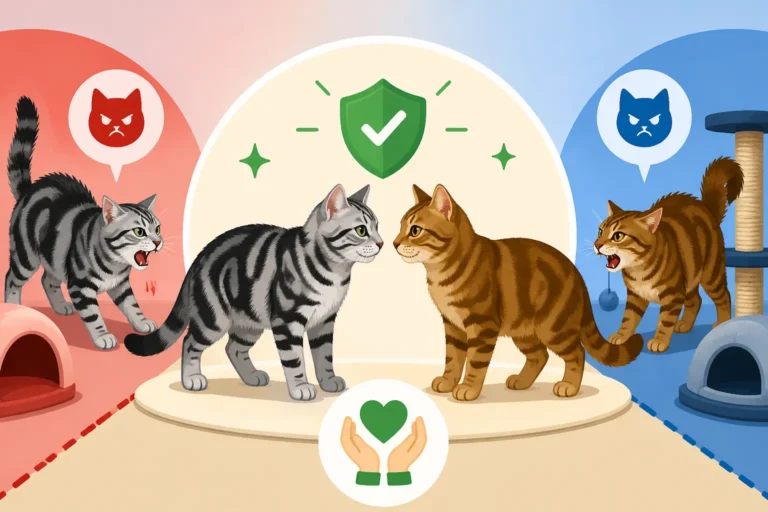
If you have multiple American Shorthairs, or an American Shorthair alongside other breeds, you'll notice they each have their favorite spots. While they might occasionally pile up for a group nap on a large bed or sunny rug, they also value their personal space. Providing multiple resources – beds, cat trees, window perches – for each cat is vital to prevent competition and ensure everyone feels secure enough to relax into deep sleep. Think of it like a feline version of personal bubbles; they need to know they have their own, undisturbed territory. Whether two American Shorthairs split the territory or fight for it often comes down to careful management of resources and space, including dedicated sleep zones.
Adaptability with Other Pets
American Shorthairs are generally good at coexisting with other animals, including dogs. You might find them napping in the same room as a sleeping dog, maintaining a respectful distance, or perhaps even curled up together if a strong bond has formed. Their calm temperament allows them to assess situations and choose comfortable, safe resting places without undue stress.
The Self-Sufficient Sleeper
One of the American Shorthair's most endearing qualities is its self-reliance. This independence extends to their sleep habits, making them excellent companions for busy individuals or families who aren't always home.
Coping with Alone Time
An American Shorthair is perfectly content to manage its own day, including its sleep schedule, even when you're away at work. How an American Shorthair Copes Left Overnight or during long stretches of the day involves them simply settling into their natural rhythms. They will eat, play, groom, and, most prominently, sleep. You might come home to find them just waking from a long nap, ready to greet you with a contented stretch. They don't typically pine or experience significant separation anxiety that might disrupt their sleep, as some more clingy breeds might. Their inherent self-sufficiency allows them to enjoy their rest without needing constant human presence.
The Quiet Observer During Rest
Even when "asleep," an American Shorthair often maintains a subtle awareness of its surroundings, particularly during lighter dozes. They are quiet observers, and this trait continues even in their relaxed states. This means they are generally undisturbed by the normal comings and goings of a household, making them adaptable sleepers in a variety of home environments. They truly embody the phrase "sleeping like a cat" – a deep, restorative sleep that's nonetheless ready to shift to alertness at a moment's notice if a perceived "prey" (like a stray dust bunny or a jingling key) appears.
American Shorthair Sleep Patterns at a Glance
To give you a clearer picture, here’s a general overview of how much sleep you can expect from your American Shorthair at different life stages:
| Life Stage | Typical Sleep Duration (Approx.) | Key Characteristics |
|---|---|---|
| Kitten (0-6 months) | 18-20+ hours per day | Frequent, deep sleep essential for rapid growth and brain development. Often twitching during REM sleep. Bursts of intense play between naps. |
| Adolescent (6-18 months) | 14-16 hours per day | More regulated patterns, but still highly energetic between sleep cycles. Developing preferences for specific sleep spots. Increased exploration during waking hours. |
| Adult (1.5-10 years) | 12-16 hours per day | Consistent and predictable rhythms. Mix of deep sleep and light napping. Energy conserved for active periods. Adapts well to household routines. |
| Senior (10+ years) | 18-20+ hours per day | Increased sleep duration due to natural decrease in energy and potential age-related discomfort. Deeper, longer naps are common. Still appreciates comfort and quiet. |
It's important to remember these are averages. Individual American Shorthairs, just like people, can have slightly different sleep needs. The key is to observe your specific cat and understand what their normal looks like.
Conclusion
Understanding how much an American Shorthair sleeps is really about appreciating their deep connection to their ancestral past as efficient, self-sufficient hunters. Their seemingly endless naps are not a sign of laziness, but rather a testament to their intelligent energy management and instinctual need for restorative rest. From the rapid growth and intense slumber of a kitten to the comfortable, extended snoozes of a senior, their sleep patterns evolve but remain a core part of their healthy existence. By providing a stimulating environment for their waking hours and a safe, comfortable haven for their rest, you're doing everything you can to support your American Shorthair's well-being. Keep an eye on any drastic changes in their sleep habits, as these can sometimes be subtle indicators of underlying issues, but for the most part, enjoy watching your laid-back companion embrace their natural right to a good, long sleep!
Disclaimer
This article is for general informational purposes only and does not constitute professional advice. Laws, prices and regulations vary by location and change over time. Consult a qualified professional for guidance on your specific situation.