Why an American Shorthair Should Be Kept In at Night
It's a common dilemma for cat owners, isn't it? You adore your American Shorthair, and you know they have those deep-seated hunting instincts, making you wonder if they'd be happier roaming freely, especially when the moon is high. But letting your beloved furball venture out into the night brings with it a whole host of worries and very real dangers that many people overlook. This guide aims to thoroughly explore why keeping your American Shorthair indoors at night is not just a preference, but a vital part of ensuring their safety, health, and a long, happy life by your side.
The Hidden Dangers That Lurk for the Night-Prowling American Shorthair
Even the most street-smart American Shorthair, with all their ancestral mousing prowess, is simply not equipped for the complex and often treacherous world that emerges after sunset. The romantic notion of a cat silently patrolling its territory under the stars often clashes brutally with the harsh realities of modern life. It's a risk that, once understood, makes the decision to keep them safe indoors an obvious one.
The Elevated Risk of Road Traffic Accidents After Dark
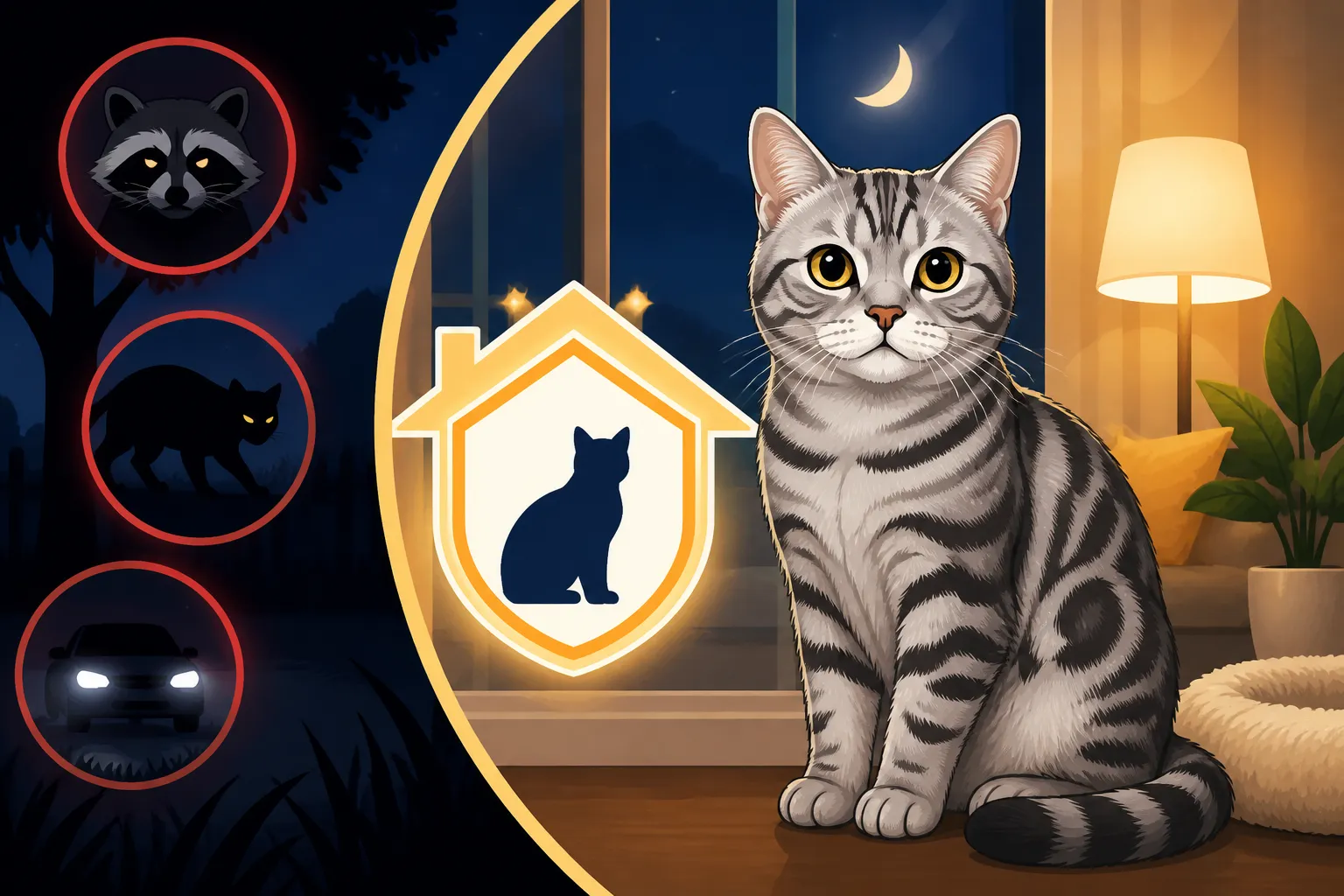
One of the most immediate and heartbreaking dangers for any outdoor cat, particularly at night, is road traffic. Visibility is dramatically reduced for drivers, and for cats, whose eyes are adapted for low light, the bright glare of headlights can be disorienting and paralyzing. An American Shorthair, with its sturdy build and powerful muscles, might be quick during the day, but at night, their natural vigilance can be overcome by sudden, unexpected vehicle movements. A car backing out of a driveway, a late-night delivery truck, or even just someone driving home from work can turn a routine patrol into a tragedy in a split second. The quiet streets often lull owners into a false sense of security, believing there's less traffic. In reality, the cars that are out might be traveling faster or drivers might be less alert to sudden movements in the dark. This is a primary reason why The Risks an Outdoor American Shorthair Takes That an Indoor One Does Not are so much greater when the sun goes down.
Think about it: during the day, there's often ambient noise and light that gives both drivers and animals more cues. At night, that cushioning is gone. The sudden appearance of a car can startle a cat, causing it to freeze or dart in an unpredictable direction. Emergency vet visits for cats hit by cars are unfortunately common, and the injuries sustained can be severe, leading to extensive medical bills, long recovery periods, or worse. It’s a gamble simply not worth taking with your cherished companion.
Nocturnal Predators and Fights with Other Animals
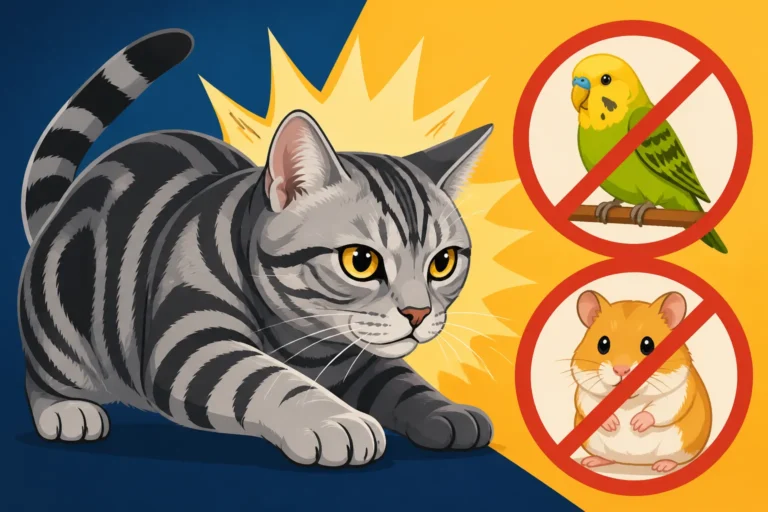
While your American Shorthair might be a formidable hunter of small prey, they can quickly become prey themselves when darkness falls. Depending on your location, a host of nocturnal predators become active, posing a significant threat. Coyotes, foxes, raccoons, and even large owls can view a lone cat as an easy meal. These animals are often far more powerful and aggressive than your domestic feline, and an encounter can be devastating. Your American Shorthair might have instincts to stalk and pounce, but they are genetically ill-prepared for a fight to the death with a hungry, wild predator.
Beyond wild animals, night brings out other cats, and territorial disputes can escalate quickly and viciously. Cats are highly territorial creatures, and their boundaries are often tested under the cover of darkness when human intervention is less likely. These fights aren't just about a few scratches; they can lead to deep wounds, abscesses requiring veterinary attention, and the transmission of serious diseases like Feline Immunodeficiency Virus (FIV) and Feline Leukemia Virus (FeLV). Even if your American Shorthair is up-to-date on vaccinations, the stress and trauma of such encounters are incredibly damaging. Which Injuries an Outdoor American Shorthair Comes Home With are often the result of these nighttime skirmishes, leaving owners with the heavy burden of veterinary care and the emotional toll of seeing their pet suffer.
Exposure to Toxins, Poisons, and Human-Made Hazards
The night doesn't just conceal natural predators and traffic; it also hides a myriad of human-made dangers that can be just as deadly. Antifreeze, often sweet-tasting, can be lethally attractive to cats if spilled in driveways or garages. Rodenticides and insecticides, widely used by homeowners and businesses, are potent poisons that cats can ingest directly or by catching and eating a poisoned rodent. These substances can cause severe internal damage, organ failure, and often require urgent, expensive veterinary care, if recovery is even possible.
Furthermore, curious cats can wander into sheds, garages, or construction sites, becoming trapped or injured. They might encounter people who are less than kind to roaming animals, or accidentally get locked into a neighbor's building. The darkness makes it harder for them to navigate unfamiliar spaces or to escape quickly if they find themselves in a bind. Even seemingly innocuous discarded items, like broken glass, discarded food containing harmful ingredients, or sharp pieces of metal, become unseen hazards that can lead to painful injuries and infections. These are risks that simply don't exist when your Whether an Indoor American Shorthair Lives Longer is protected within the four walls of your home.
Why an American Shorthair's Instincts Don't Always Align with Modern Nighttime Realities
It's true that the American Shorthair has a rich history rooted in self-sufficiency and hunting. Their ancestors were prized mousers on ships and farms, working animals that earned their keep. This hardy heritage instilled in them a strong prey drive and a territorial nature. However, the world has changed dramatically since those days, and what served them well in a barn or on a sailing vessel can now put them in grave danger, especially under the cloak of night.
Their Hunting Drive vs. the Dangers of a Developed Area
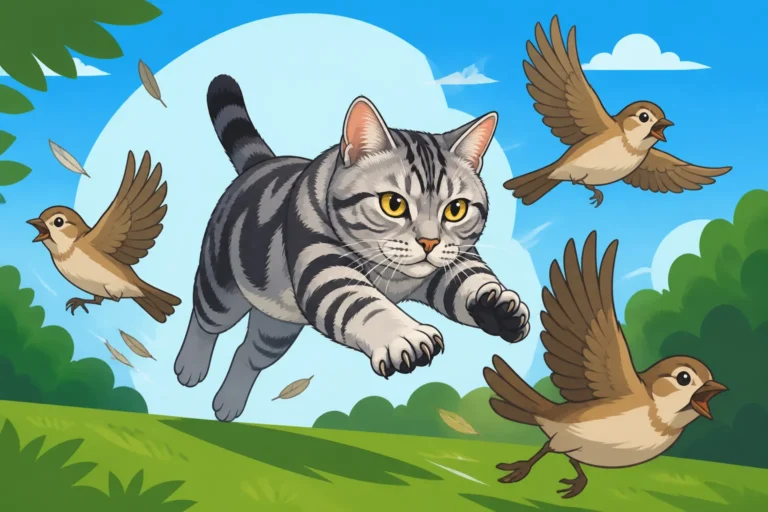
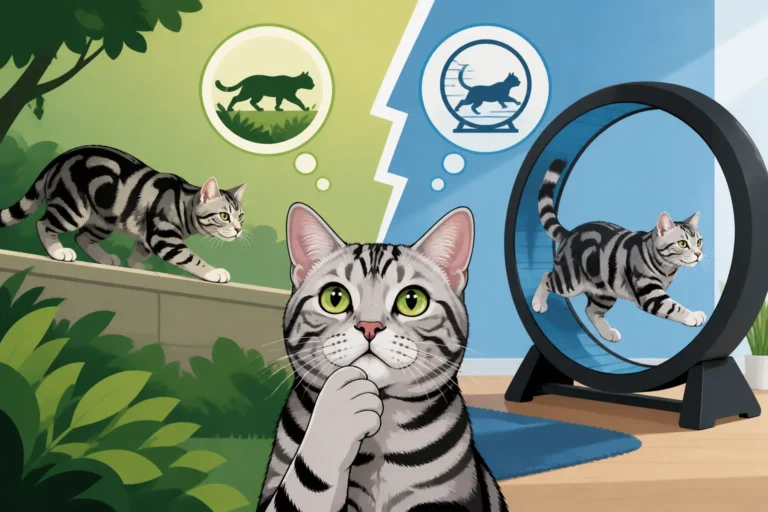
An American Shorthair's hunting instinct is powerful and undeniable. They possess an innate drive to stalk, chase, and capture, a behavior that is deeply satisfying to them. At night, this drive often kicks into high gear, as many of their natural prey, like rodents, are also nocturnal. It might seem natural to allow them to indulge this instinct outdoors. However, in developed residential or urban areas, the "prey" they encounter are often not just mice and voles. They might attempt to hunt small birds or rabbits, potentially bringing them into contact with fences, garden chemicals, or even more aggressive wildlife. More critically, their focus on the hunt makes them less aware of immediate dangers around them, such as approaching cars or larger animals.
We, as responsible pet owners, need to differentiate between their innate desire to hunt and the safe, responsible ways for them to express it. A backyard full of potential prey that is also adjacent to a busy road is not a safe hunting ground. This is where indoor enrichment comes in, providing safe outlets for their instincts without exposing them to danger. For tips on channeling this drive safely, consider exploring How Much Simulated Hunting an American Shorthair Needs. Giving them a simulated hunt indoors keeps them happy and healthy, far from the perils of the night.
The Territorial Disputes that Escalate in the Quiet Hours
American Shorthairs, much like their wild relatives, are inherently territorial. They establish their own patch of land and patrol it, marking it with scent glands and asserting dominance over other felines. While this can happen during the day, nighttime often sees an increase in these territorial clashes. Cats that might avoid each other during busy daylight hours are more likely to cross paths and engage in disputes when the streets are quiet and human activity is minimal. This means fights can go unnoticed for longer, increasing the likelihood of serious injury or infection.
Imagine your American Shorthair, accustomed to its daytime patrol, suddenly encountering a larger, more aggressive stray cat in the dead of night. With fewer people around to break up the fight or scare off the aggressor, your cat is left to fend for itself. These encounters can be incredibly stressful, not just physically but mentally, potentially leading to anxiety and behavioral issues even after the physical wounds heal. The concept of an outdoor cat freely roaming and defending its territory can be appealing, but the reality of vicious catfights and potential injuries far outweighs any perceived benefit of unchecked territoriality. It's a key factor in understanding why Whether an Outdoor American Shorthair Needs FeLV Cover is such an important consideration for cats that spend time outside, especially at night.
The Undeniable Benefits of a Strictly Indoor Night Regime
Making the choice to keep your American Shorthair indoors at night is one of the most proactive steps you can take to safeguard their well-being. It's not about denying them their natural instincts entirely, but rather about providing a controlled, safe environment where those instincts can be channeled responsibly. The peace of mind you gain, knowing your cat is safe and sound, is immeasurable.
Ensuring Your American Shorthair's Health and Longevity
By keeping your American Shorthair indoors during the nocturnal hours, you significantly reduce their exposure to countless health risks. This means fewer chances of contracting diseases from other cats, fewer parasite infestations (like fleas, ticks, and worms from hunting prey), and a drastically reduced risk of injury from fights, traffic, or falls. An indoor-only night regimen means no accidental ingestion of poisons, no getting caught in traps, and no exposure to harsh weather elements that can lead to hypothermia or heatstroke, depending on the season. This proactive approach to safety often translates directly into a longer, healthier life for your companion.
Consider the ongoing veterinary costs associated with an outdoor cat: more frequent deworming, flea and tick treatments, vaccinations for outdoor-specific diseases, and emergency visits for injuries. All of these add up, not just financially, but in terms of stress for both you and your pet. By making the nighttime indoor rule non-negotiable, you're investing in your American Shorthair's long-term health and reducing the need for reactive medical interventions. It helps ensure they can reach those golden years, happily Caring for an American Shorthair Past Twelve without the cumulative toll of nightly adventures.
Protecting Local Wildlife While Your Cat Stays Safe
This might not be the first thing you think of, but keeping your American Shorthair indoors at night also plays a crucial role in protecting local wildlife populations. Cats are incredibly efficient predators, and while a mouse or two might not seem like a big deal, the cumulative effect of many outdoor cats hunting can significantly impact bird, rodent, and other small animal populations, especially during vulnerable nesting or breeding seasons. Nocturnal animals, in particular, are at risk as they become active when your American Shorthair's hunting instincts are often at their peak.
By keeping your cat inside when wildlife is most active, you're contributing to a healthier ecosystem in your community. It’s a win-win: your American Shorthair is safe from harm, and the local birds, bunnies, and other small creatures are safe from predation. For more insights into their hunting prowess, you might want to read How Much Wildlife an American Shorthair Takes. Providing stimulating indoor play, with toys that mimic prey, allows them to satisfy their natural urges without harming local fauna.
Maintaining Household Harmony and Your Own Peace of Mind
Let's be honest, worrying about your cat every night can take a toll on your own peace of mind. Listening for sounds, wondering if they're safe, or waking up to find them missing from their usual spot can be incredibly stressful. When your American Shorthair is safely indoors, those worries vanish. You can sleep soundly, knowing they are protected from all the aforementioned dangers. This also contributes to a more predictable and harmonious household routine. No more waiting up to let them in, no more frantic searches in the morning.
Furthermore, an indoor night cat is less likely to track in dirt, mud, or parasites from outside, keeping your home cleaner and healthier. You're also less likely to be woken by yowling catfights outside your window or the "gift" of a captured animal left on your doorstep. For a detailed comparison of risks versus benefits, take a look at this table:
| Aspect | Outdoor Night Cat (American Shorthair) | Indoor Night Cat (American Shorthair) |
|---|---|---|
| Traffic Accidents | High risk due to low visibility, fast cars, disoriented cat | Virtually zero risk |
| Predators/Fights | High risk from coyotes, foxes, other aggressive cats; injuries, disease | Zero risk from external predators; reduced cat-on-cat aggression |
| Toxins/Poisons | High risk of ingesting antifreeze, rodenticides, spilled chemicals | Virtually zero risk from environmental toxins |
| Parasites | High risk of fleas, ticks, worms, ear mites | Greatly reduced risk, easier to manage preventative care |
| Disease Transmission | High risk (FIV, FeLV, rabies) from other animals | Greatly reduced risk |
| Injuries | High risk (abscesses, broken bones, trauma, falls) | Low risk (household accidents like falls from high places can occur) |
| Wildlife Impact | Contributes to predation on local wildlife, especially nocturnal | No impact on local wildlife populations |
| Owner Peace of Mind | High anxiety, constant worry, disrupted sleep | High peace of mind, reduced worry, predictable routines |
| Household Cleanliness | May track in dirt, mud, parasites | Cleaner home, less foreign debris |
Making the Transition: Tips for Keeping Your American Shorthair Content Indoors at Night
If your American Shorthair is accustomed to some nighttime adventures, the thought of transitioning them to an indoor-only night can seem daunting. Cats are creatures of habit, and change can be met with resistance. However, with patience, consistency, and the right approach to enrichment, it's absolutely achievable, and your cat will ultimately be safer and happier for it.
Establishing a Consistent Evening Routine
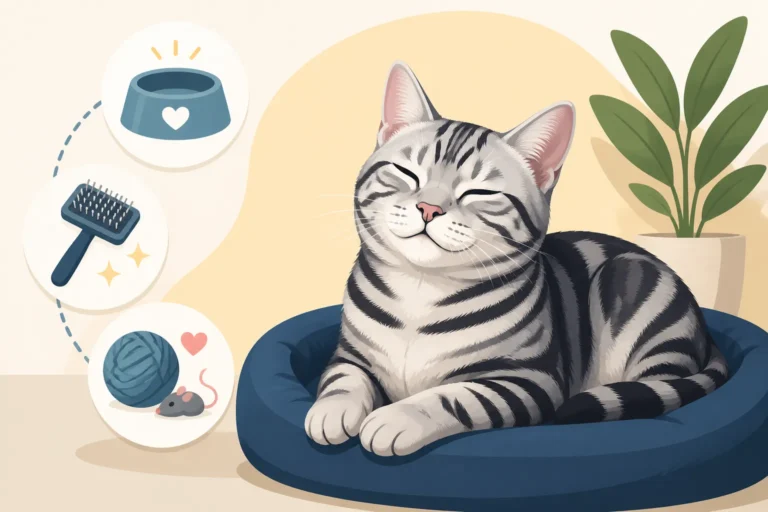
The key to a smooth transition is routine, routine, routine! Cats thrive on predictability. Start by gradually bringing your American Shorthair in earlier each evening, well before dusk. Make this a positive experience. When they come inside for the night, reward them with a special meal, a favorite treat, or an engaging play session. The goal is for them to associate coming indoors at night with good things. Ensure their litter box is clean and accessible, and their water bowls are full. For an American Shorthair, knowing their basic needs are met within their safe territory is paramount.
You might find that your cat vocalizes or paces initially, especially if they’re used to outdoor freedom. Don't give in to their pleas immediately; consistency is key. Ignoring their meows and providing positive reinforcement when they settle will teach them the new routine. Over time, they will learn that nighttime means indoors, and they'll likely start coming in on their own as the sun begins to set. It also helps to be mindful of how they adapt to being alone at night, and to ensure they have enough engagement before you head to bed, as discussed in How an American Shorthair Copes Left Overnight.
Providing Engaging Enrichment to Satisfy Their Instincts
An American Shorthair is a clever, active cat, and simply keeping them inside without adequate stimulation can lead to boredom, frustration, and destructive behaviors. This is where enrichment becomes your best friend. Since their hunting drive is strong, focus on toys and activities that allow them to "hunt" indoors. Wand toys with feathers or small plush animals are fantastic for simulating the chase, pounce, and "kill" sequence that they naturally seek. Make sure to engage them in a good 15-20 minute play session (or even two!) before their evening meal. You can find some fantastic, durable wand toys on Amazon that will stand up to even the most vigorous American Shorthair play.
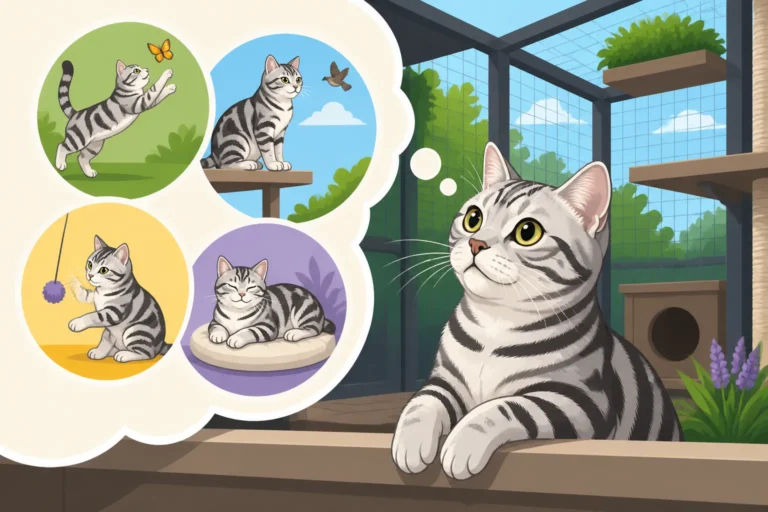
Puzzle feeders are another excellent tool for keeping their minds and bodies active. Instead of simply putting their evening meal in a bowl, divide it into a few puzzle feeders that require them to work for their food. This replicates the effort they'd put into a hunt and keeps them mentally stimulated. Consider sturdy, easy-to-clean puzzle feeders from Amazon that can withstand their enthusiastic efforts. Vertical space is also vital for an American Shorthair; cat trees, shelves, or wall-mounted perches allow them to climb, observe their "territory" from a height, and feel secure. This satisfies their natural inclination to survey their surroundings, a behavior that is deeply ingrained. For more ideas, check out Which Toys Finish an American Shorthair's Hunt. Giving them outlets for their natural behaviors is crucial to a happy indoor life, ensuring they don't feel deprived or bored.
Disclaimer
This article is for general informational purposes only and does not constitute professional advice. Laws, prices and regulations vary by location and change over time. Consult a qualified professional for guidance on your specific situation.