Why a Self Sufficient American Shorthair Copes With a Long Day
It’s a common worry for many cat parents: leaving your beloved feline companion home alone for a long stretch of the day while you head off to work or manage other commitments. We often feel that twinge of guilt, picturing them bored, lonely, or perhaps even getting into mischief. But when you share your home with an American Shorthair, you might find that their innate self-sufficiency makes them remarkably well-suited to managing longer periods of solitude, often far better than many other breeds. This guide will explore the unique traits that allow the American Shorthair to cope admirably with a long day, and how you can further support their independent spirit.
The American Shorthair's Heritage of Independence
To truly understand why an American Shorthair is so adept at handling alone time, we need to look back at their remarkable history. These aren't cats bred in palaces for constant companionship or to sit on velvet cushions all day. Their ancestors were the ultimate working cats, honed by centuries of practical necessity.
From Ships to Farms: A History of Self-Reliance
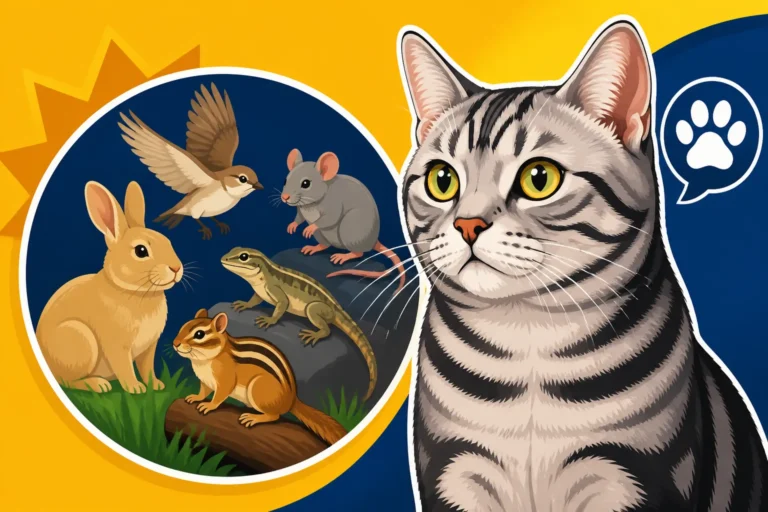
Imagine a time when ships sailed across oceans, laden with cargo and, inevitably, with rodents. Cats were essential crew members, not pampered pets. The ancestors of the American Shorthair were those hardy, resourceful cats, earning their keep by keeping the rat population in check. They weren't given lavish attention; their value was in their ability to hunt, survive, and thrive in an environment where human interaction was secondary to their job. This was a critical selection pressure: only the most independent, capable cats would pass on their genes.
Once on land, these same cats continued their working life on farms and in homes across North America. They were barn cats, mousers, and guardians of grain stores. Again, their role was one of utility and self-sufficiency. They hunted for their meals, navigated varied territories, and largely managed their own affairs. While they certainly formed bonds with their human companions, these relationships were often built on a mutual respect for their capabilities rather than a need for constant petting or entertainment. This long history of being working animals, rather than purely ornamental companions, has deeply ingrained a sense of independence into the breed's very essence. They learned to rely on themselves, to find their own amusements, and to feel secure in their own company.
Unstressed by Solitude: The Quiet Contributor
Because they weren't selectively bred for extreme attachment or a constant need for human validation, American Shorthairs tend to be remarkably unfazed by solitude. Unlike some breeds that might develop separation anxiety, destructive behaviors, or excessive vocalization when left alone, the American Shorthair typically takes it in stride. They simply shift into their own rhythm, which we'll explore shortly. They don't spend their day pining at the window; they're more likely to be found on a quiet patrol, observing their territory, or simply enjoying a good, long nap in a sunny spot. This is a cat that understands the concept of "me time" intrinsically. Their quiet nature, a direct legacy of their working past where stealth and observation were key, means they don't feel the need to loudly broadcast their presence or demand constant attention. They are contributors, not demanding divas.
Understanding Their Daily Rhythm and Needs
Even though American Shorthairs are self-sufficient, it doesn't mean they don't have needs when left alone. Understanding their natural daily rhythm and how they fulfill their instincts is key to ensuring they cope well with a long day.
The Inner Hunter: Keeping Instincts Satisfied
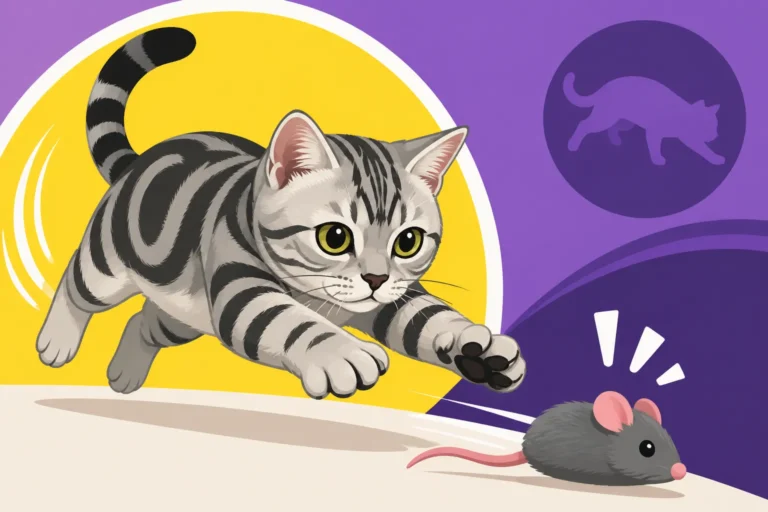
Despite living cushy indoor lives, the American Shorthair still possesses a strong hunting drive. Their ancestors literally kept rodent populations in check, and that instinct hasn't evaporated. The American Shorthair Still Hunts, Whether You Want It To or Not. When you're out, they're not just waiting for you; they're often engaging in a quiet "hunt" of their own. This might involve stalking dust bunnies, batting at stray crumbs, or simply observing birds from a window perch. These activities, seemingly minor to us, are deeply satisfying to their primal instincts.
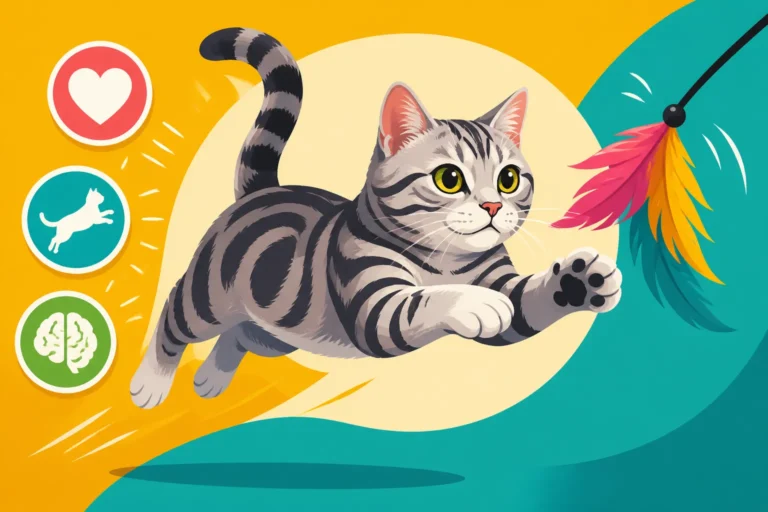
To truly support their solo time, it's important to provide appropriate outlets for this ingrained behavior. Interactive toys that mimic prey, especially those that can be "caught" and "killed," are invaluable. Think about toys you can hide for them to discover, or small, catnip-filled mice that can be batted around. What an Indoor American Shorthair Does With a Mouser's Instinct. Even a simple paper bag or a cardboard box can become an exciting "hunting ground." These solo hunting missions help keep their minds engaged and prevent boredom from setting in, allowing them to feel productive and satisfied even without direct human interaction.
The Patrol and Rest Cycle
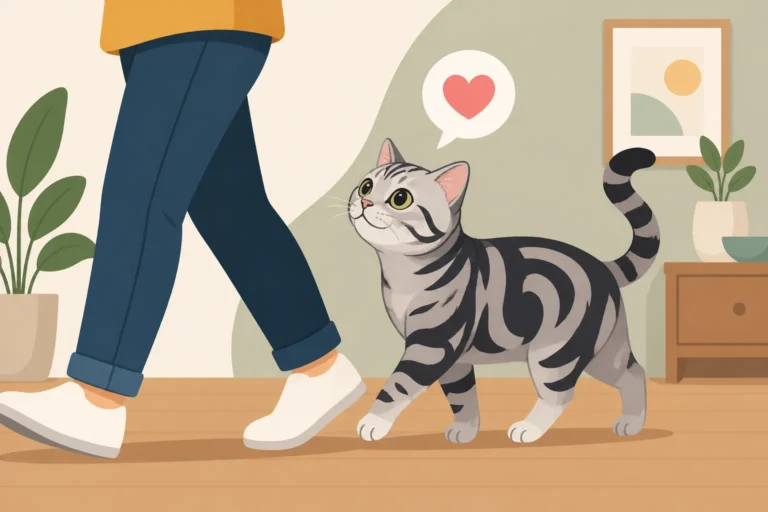
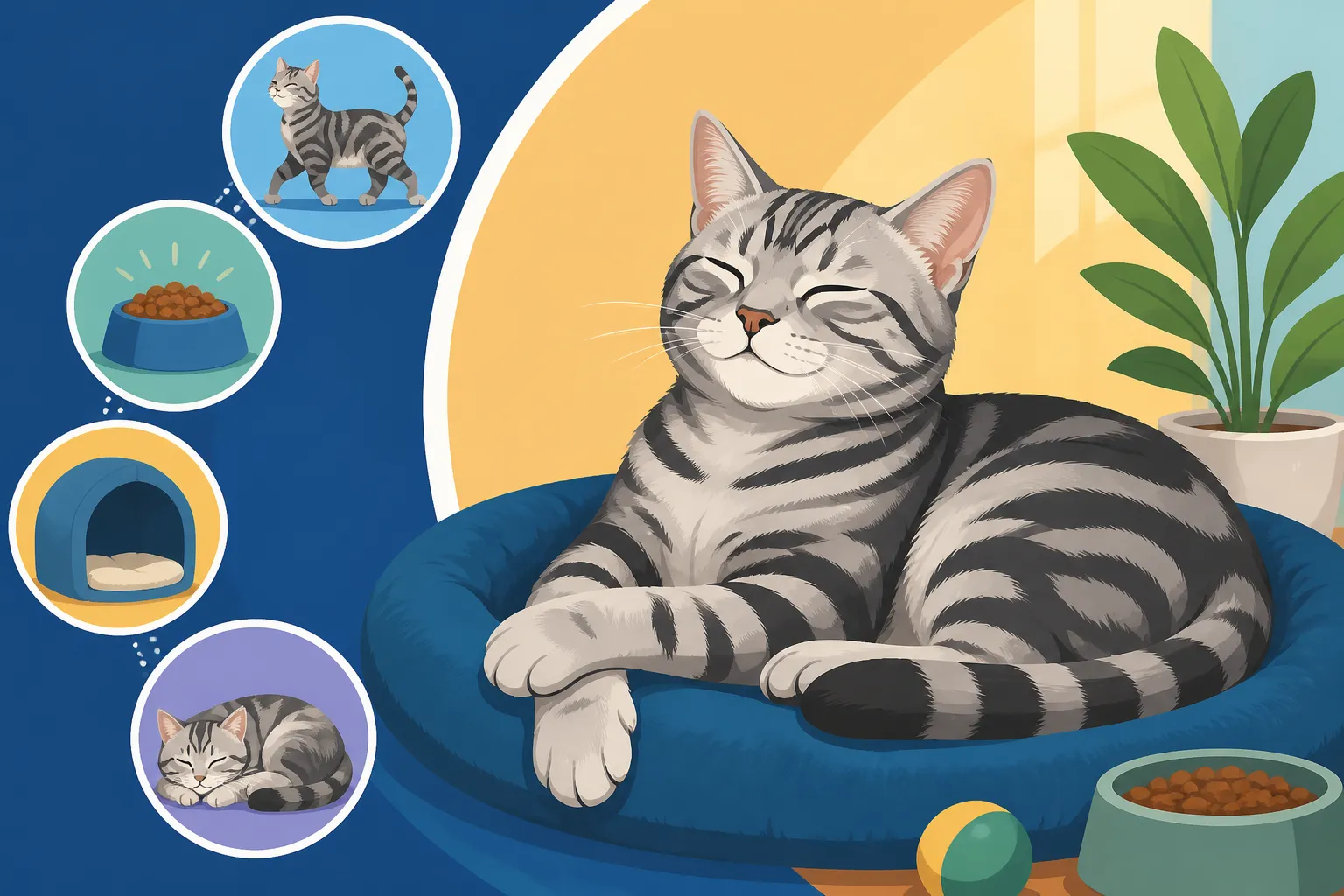
American Shorthairs are creatures of routine, and their day, even when alone, often follows a predictable cycle of patrol and rest. Their innate self-reliance means they've always managed their own schedule. How an American Shorthair Splits Its Day Between Patrol and Sleep. In a household, their "patrol" might involve a slow walk through the rooms, checking out every corner, perhaps jumping up to a high shelf to survey their domain. This is their way of monitoring their territory, ensuring all is well and secure. It's a fundamental part of their sense of well-being.
Following their patrol, they'll inevitably find a prime napping spot. Cats, by nature, sleep a lot, and the American Shorthair is no exception. They'll cycle through periods of deep sleep and lighter dozing, always ready to spring into action if something catches their attention. This isn't laziness; it's energy conservation for those moments when their hunting instincts kick in. Providing them with comfortable, varied sleeping spots – a cozy bed in a quiet corner, a sunbeam on the floor, a soft blanket on a windowsill – allows them to choose what suits them best throughout the day. Their ability to self-regulate their activity and rest means they don't typically feel the void of human presence as acutely as a cat that relies on you for every moment of engagement.
Mental and Physical Stimulation for the Solo Shorthair
While American Shorthairs are great at occupying themselves, that doesn't mean we can simply leave them to their own devices without any preparation. Thoughtful enrichment can turn a simply tolerable long day into a truly enjoyable one for them.
Interactive Toys and Puzzle Feeders
One of the best ways to keep an independent American Shorthair engaged during a long day is through stimulating toys. Remember, they have that strong prey drive, so toys that mimic hunting are ideal. Consider a range of textures and movements. Crinkly balls, plush mice, and feathered wands (even if you're not there to operate the wand all day, some cats enjoy batting at them in stationary positions) can offer intermittent bursts of entertainment. Products available on platforms like Amazon make it easy to find a wide variety of these.
But beyond simple toys, puzzle feeders are an absolute game-changer for American Shorthairs. These aren't just bowls; they're devices that require your cat to "work" for their food, replicating the mental and physical challenge of a hunt. Whether a Puzzle Feeder Satisfies an American Shorthair. Filling a puzzle feeder with a portion of their daily kibble before you leave can keep them engaged for significant periods, tapping into their innate problem-solving skills and providing a rewarding outcome. It transforms eating from a passive act into an active, enriching experience. There are many different types, from simple treat balls to more complex mazes, offering varying levels of challenge. Introducing a new one every now and then keeps things fresh and interesting.
Vertical Space and Window Perches
American Shorthairs, with their athletic build and historical role as territory guardians, appreciate vertical space. Being able to climb and survey their surroundings from a height gives them a sense of security and control. A sturdy cat tree, shelves mounted on walls, or even simply clearing off a tall bookcase can provide excellent opportunities for climbing, perching, and observing. How Much Vertical Space an American Shorthair Needs.
Window perches, in particular, are like personal cat-TV channels for American Shorthairs. They offer a front-row seat to the outside world – birds, squirrels, passing cars, even just swaying leaves. This visual stimulation can provide hours of passive entertainment and engagement, allowing them to feel connected to the wider world without needing to venture out. Ensure the perch is secure and comfortable, perhaps with a soft blanket. These simple additions cater directly to their natural curiosity and desire to observe their territory, making solo time far more engaging.
Creating a Comforting and Secure Home Environment
Beyond toys and vertical space, the overall environment you create significantly impacts how well your American Shorthair handles a long day. A secure, predictable, and comfortable home allows their self-sufficient nature to truly shine.
Establishing a Predictable Routine
Cats, especially independent ones like the American Shorthair, thrive on routine. A predictable schedule provides a sense of security and reduces anxiety. This doesn't mean you can't ever deviate, but generally, consistent feeding times, play sessions before you leave, and even a ritual for your departure can make a big difference. For instance, feeding them a portion of their meal in a puzzle feeder right before you head out might become a positive association with your departure.
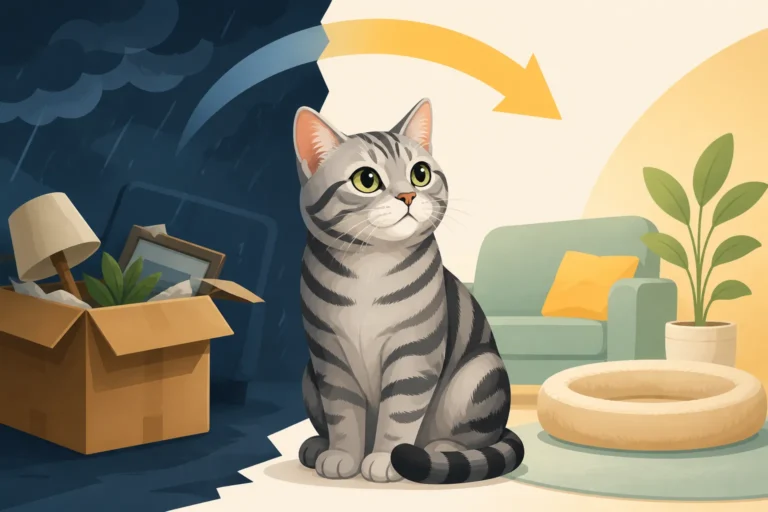
When their world feels predictable, they know what to expect. They learn that even though you're leaving, you will return, and their needs will be met. This trust in routine is crucial for a self-reliant cat, as it underpins their confidence in navigating their day independently. Why a Self Reliant American Shorthair Rarely Panics Alone. They understand that "alone time" is just part of the day's natural flow, not a cause for concern.
Safe Havens and Comfort Zones
Even the most self-sufficient American Shorthair needs a place to retreat to, a personal sanctuary where they feel completely safe and undisturbed. This could be a cozy cat bed tucked under a table, a blanket-covered carrier, or even a cardboard box in a quiet room. The key is that it's their space, where they can relax without feeling exposed.
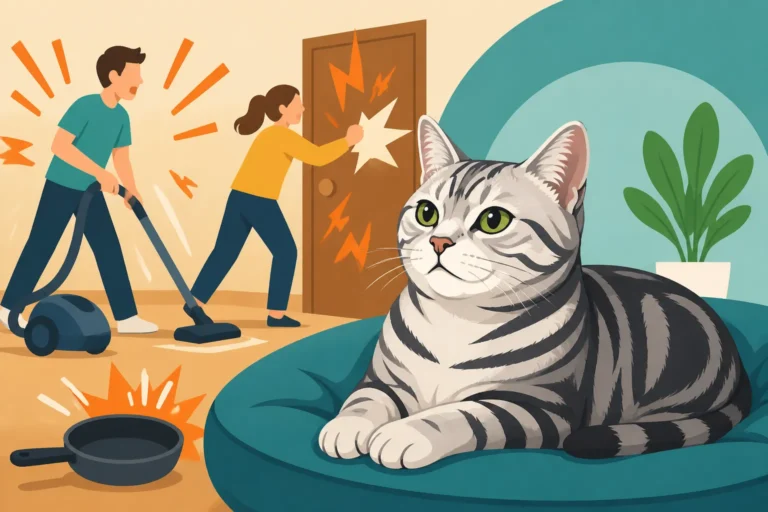
These safe havens are particularly important for sensitive moments, like after a loud noise outside or if an unexpected visitor comes to the door. Knowing they have a secure place to withdraw to helps them manage stress and maintain their calm demeanor. For a cat that prefers to sit beside you rather than on you, these private spaces respect their need for personal boundaries while still providing comfort. Why a Working Bred American Shorthair Sits Beside You Rather Than On You.
When Alone Time Becomes Too Much: Recognizing the Signs
While American Shorthairs are generally excellent at coping with solitude, it's vital to remember they are still living creatures with emotional needs. Even the most self-sufficient cat can become stressed if their environment isn't enriching enough, or if alone time stretches beyond what they're truly comfortable with. Knowing what to look for can help you intervene before small issues become big ones.
Subtle Cues of Under-Stimulation or Stress
Unlike some more vocal breeds, an American Shorthair often expresses discomfort or under-stimulation in subtle ways. You might not hear loud meows or see overt destructive behavior immediately. Instead, look for changes in their normal routine or disposition. Are they sleeping more than usual, or perhaps in less typical spots? Are they eating less, or showing a sudden lack of interest in their favorite toys? What an American Shorthair Does Instead of Demanding. These can all be quiet indicators that something is off.
Other signs might include excessive grooming (to the point of creating bald patches), a sudden change in litter box habits (urinating or defecating outside the box), or increased hiding. Sometimes, they might become more withdrawn or, conversely, more attention-seeking when you are home, as if trying to "catch up" on missed interaction. A general increase in nervous energy, like pacing or restlessness, could also signal stress. It's about noticing deviations from their typical calm, observational behavior.
Adjusting Your Approach for Their Well-being
If you start to notice these subtle signs, it’s a good moment to re-evaluate their solo environment and routines. Think about the quantity and quality of enrichment you're providing. Could you introduce new puzzle feeders or rotate existing toys to keep things fresh? Which Toys Finish an American Shorthair's Hunt. Perhaps a new cat tree or a fresh window perch could offer novel observation points. Platforms like Amazon offer a vast selection of interactive toys and cat furniture that can help diversify their environment.
Consider increasing your interaction time with them when you are home. A dedicated 15-20 minute play session with a wand toy that allows them to "hunt" and "catch" before you leave, and another when you return, can make a world of difference. Even simple quiet companionship – reading in the same room, or gentle petting – can reassure them. Remember, self-sufficiency isn't the same as disinterest in you; it's about being capable of managing their own feelings and needs when you're not immediately available. Adjusting your routine and providing more engaging activities or comforting presence can help restore their sense of well-being. How Long an American Shorthair Copes Alone in the Day.
Comparison of Cat Independence Traits
| Trait / Behavior | Typical American Shorthair | Some Highly Dependent Breeds |
|---|---|---|
| Response to Solitude | Calm, self-entertained, rests | Anxious, vocal, destructive |
| Vocalization | Quiet, uses body language | Frequent, demanding meows |
| Hunting Drive (Solo) | Strong, satisfied by toys | May become bored, lethargic |
| Need for Affection | Appreciates presence, gentle interaction | Demands constant petting, lap time |
| Territoriality | Surveys, patrols discreetly | May mark, show anxiety if territory disturbed |
| Coping with Change | Adapts reasonably well | Can become stressed, hide |
This table illustrates that while all cats need care and attention, the American Shorthair's inherent traits lean heavily towards managing a long day with grace and composure, provided their basic needs for enrichment and security are met.
Practical Strategies for a Happy Solo American Shorthair
Now that we understand why American Shorthairs cope so well, let's put it into practice with actionable strategies to ensure their long days are truly happy and enriching.
Maximizing Enrichment Before You Leave and After You Return
The hours immediately before you leave and after you return are prime opportunities to connect and provide concentrated enrichment. Before you head out, engage your American Shorthair in an active play session with a wand toy. Make sure they get to "catch" the toy multiple times to satisfy that hunting sequence. This helps burn off energy, stimulates their mind, and leaves them feeling contented, ready for a good nap while you're gone.
When you get back home, resist the urge to immediately jump into chores. Instead, dedicate another 15-20 minutes to interactive play or a quiet cuddle session. This consistent "hello" and "goodbye" routine reinforces your bond and signals that even though you were away, you're back and ready to connect. This dedicated attention bookends their solo time with positive experiences, further solidifying their comfort with your absence.
Optimizing Their Environment for Solo Play
Think of your home as your American Shorthair's personal adventure park when you're not there. Rotate their toys regularly to keep them novel and exciting. What might seem old to you is new again after a week in storage. Hide treats around the house, especially in their favorite patrol spots, creating a fun treasure hunt. You can get creative with simple items too; a crinkly paper tunnel, a cardboard box fort, or even just leaving a safe, new scent (like a clean sock with your scent) can provide engaging novelty.
Consider placing a bird feeder outside a favored window to give them natural entertainment. Even leaving on a cat-specific TV channel or calm music can provide background stimulation. While these are supplementary to direct interaction, they contribute to a vibrant, engaging environment that respects their independent nature while still catering to their sensory needs.
Leveraging Technology and Smart Devices
In our modern world, technology offers some fantastic ways to stay connected and provide enrichment even when you're not physically present. A pet camera with two-way audio allows you to check in on your American Shorthair, see what they're up to, and even offer a comforting word. Some advanced cameras even have built-in treat dispensers, letting you remotely reward good behavior or just provide a mid-day snack.
Automated toys that move intermittently can provide unexpected bursts of play, breaking up the monotony of the day. There are also smart feeders that dispense food at set times, ensuring your American Shorthair adheres to their routine even if your schedule shifts. These tools, readily available on platforms like Amazon, aren't substitutes for human interaction, but they can significantly enhance the quality of your American Shorthair's solo time, giving you peace of mind and keeping them engaged.
Ultimately, the American Shorthair's self-sufficient nature is a true gift for busy households. By understanding their heritage, respecting their instincts, and providing a thoughtful, enriching environment, you can ensure they don't just "cope" with a long day, but genuinely thrive in their independent and contented solitude.
Disclaimer
This article is for general informational purposes only and does not constitute professional advice. Laws, prices and regulations vary by location and change over time. Consult a qualified professional for guidance on your specific situation.