Whether an American Shorthair Breeder Passes the Test Cost On
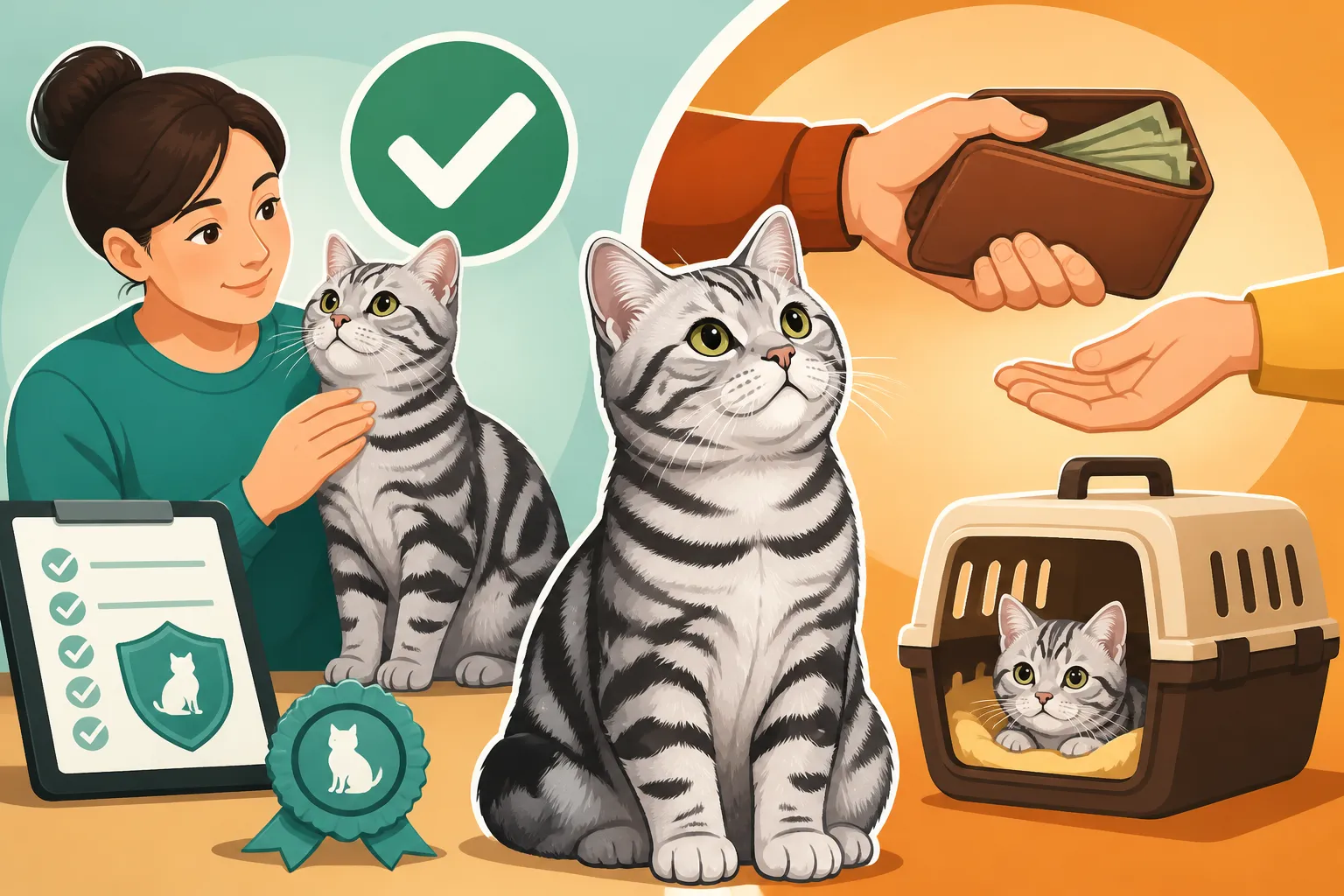
One of the first questions many prospective American Shorthair owners grapple with, beyond simply falling in love with those charming, sturdy faces, is the initial cost of a pedigree kitten. It’s natural to wonder where your money is going, especially when you encounter prices that seem significantly higher than a general shelter adoption. This guide will walk you through the realities of responsible American Shorthair breeding, shedding light on how the essential health testing costs for the parent cats are typically integrated into the price you pay for a healthy, well-socialized kitten.
The Investment in a Healthy American Shorthair Kitten
Bringing home a new family member is exciting, but it also comes with a significant responsibility to ensure their well-being from day one. When you choose a pedigree American Shorthair from a reputable breeder, you're not just paying for a cute face; you're investing in a lifetime of carefully considered genetics, early care, and health screenings designed to give your kitten the best possible start. This initial investment often feels like a steep climb, but understanding what goes into it can bring immense peace of mind.
Understanding Breeder Responsibilities
A truly responsible American Shorthair breeder operates with a deep commitment to the welfare of their cats and the integrity of the breed. This isn't a casual hobby; it's a dedicated pursuit that involves considerable time, effort, and financial outlay. Beyond simply pairing two cats and letting nature take its course, a good breeder meticulously plans matings, focusing on genetic diversity, temperament, and, crucially, health. They understand that every kitten they bring into the world is a direct reflection of their breeding program and carries the legacy of the American Shorthair forward.
Their responsibilities extend far beyond the moment of birth. From ensuring proper nutrition for the pregnant queen, providing a clean and stimulating environment for the kittens, to early socialization and handling, every step is designed to produce well-adjusted, robust kittens. They spend countless hours cleaning, feeding, playing, and observing. They’re also the first line of defense against illness, recognizing subtle signs of trouble and seeking veterinary attention promptly. These aren't tasks a backyard breeder or a high-volume facility often prioritizes, which is a major difference you'll see reflected in the quality and cost of their kittens.
Why Health Testing Matters
For a breed as naturally robust and healthy as the American Shorthair, health testing might seem less critical than for some breeds with notorious genetic predispositions. However, no breed is entirely immune, and responsible breeders understand that even in the American Shorthair, certain conditions warrant careful screening. The primary inherited concern that has remained a focus for the breed is HCM Is the One Inherited Disease the American Shorthair Kept. Hypertrophic Cardiomyopathy (HCM) is a heartbreaking condition where the heart muscle thickens, impairing its function. While it's generally rare in the American Shorthair compared to some other breeds, diligent breeders still screen their breeding stock.
These health tests aren't inexpensive. For example, screening for HCM involves regular echocardiograms performed by a board-certified veterinary cardiologist. This isn't a one-time test; many breeders adhere to a schedule of yearly scans for their breeding cats to monitor for any changes, as heart conditions can develop later in life. Why an American Shorthair Still Needs a Yearly Heart Scan explains the rationale behind this ongoing vigilance. Similarly, while hip dysplasia is more commonly associated with dogs, certain cat breeds with a more muscular, stocky build can be prone to it, and some American Shorthair breeders may opt for hip X-rays for their breeding stock, an additional cost detailed in articles like What an American Shorthair's Hip X Rays Cost. These screenings are crucial because they allow breeders to make informed decisions, ideally preventing affected cats from entering the breeding pool and reducing the risk of passing on these conditions to future generations. Without these tests, you're essentially buying a kitten whose genetic health is unknown, a gamble that could lead to significant veterinary bills and emotional distress down the line.
| Health Test | Purpose | Frequency (for breeding cats) | Potential Cost Implications (for buyer) |
|---|---|---|---|
| Echocardiogram (HCM) | Screens for Hypertrophic Cardiomyopathy (heart muscle thickening) | Annually by a board-certified cardiologist | Reduced risk of costly heart disease treatment |
| Hip X-rays (Dysplasia) | Assesses hip joint health, less common but beneficial for stockier cats | Typically once after maturity, if performed | Reduced risk of orthopedic issues, pain medication, surgery |
| General Vet Checks | Ensures overall health, vaccinations, parasite control | Annually, pre-mating, post-whelping | Healthy start, less immediate vet needs |
| Genetic Panel (if available) | Screens for specific DNA markers for inherited diseases | Once per breeding cat | Further peace of mind, though less common for AS |
How Health Test Costs Are Integrated into Kitten Prices
It's a common misconception that breeders itemize every single expense, presenting a list where you see "HCM scan: $X, Hip X-ray: $Y." In reality, the costs associated with health testing, along with all other expenses of running a responsible breeding program, are typically factored into the overall price of the kitten. Think of it as the cost of doing business responsibly, a necessary investment that ensures the quality and well-being of the kittens they offer.
The "Hidden" Costs of Breeding
When you look at the price of an American Shorthair kitten, it's easy to focus solely on that final number. However, behind that figure lies a multitude of "hidden" costs that are absolutely essential for a breeder committed to ethical practices. Health testing is a significant component, but it's far from the only one. Imagine the cost of veterinary care for the breeding cats themselves—annual check-ups, vaccinations, parasite control, emergency visits. Then there's the stud fee if the breeder doesn't own the male cat, which can be substantial for a proven, health-tested sire.
Beyond the immediate medical expenses, consider the quality of food. Breeding queens and growing kittens require premium nutrition, which isn't cheap. Premium foods add up quickly when you're feeding multiple cats and a litter of hungry kittens. There's also the cost of registration with cat associations like the CFA, microchipping, initial vaccinations, and often a spay/neuter deposit or contract requirement. The time commitment is perhaps the most undervalued “cost”—the hours spent researching pedigrees, traveling to cat shows, socializing kittens, and providing ongoing support to new owners. These aren't profit-driven expenses; they are the baseline requirements for producing a healthy, well-adjusted American Shorthair kitten.
Factors Influencing Kitten Price Beyond Tests
While health testing is a cornerstone of a responsible breeding program, several other factors contribute to the final price tag of an American Shorthair kitten. The pedigree itself plays a large role. A kitten from a line of Grand Champions or Regional Winners, cats that have consistently met or exceeded the breed standard in competition, will naturally command a higher price. These achievements reflect the breeder's dedication to quality and the adherence of their cats to the breed's ideal type and temperament. What a Registered American Shorthair Kitten Costs With Papers often touches on this.
Geographic location can also influence pricing, with kittens in areas with a higher cost of living or fewer reputable breeders typically being more expensive. The breeder's reputation and experience are also significant. A breeder with decades of experience, a proven track record of healthy, well-adjusted cats, and excellent references will be able to ask more than a newer or less established breeder. Furthermore, the individual kitten's markings and potential for show quality can impact its price. A "pet quality" kitten, while still perfectly healthy and wonderful, might be priced lower than a "show quality" kitten that closely adheres to the breed standard, especially regarding color and pattern like the classic silver tabby. These are all part of the complex equation that determines how much you'll pay for your American Shorthair, and they all contribute to the overall value you receive.
What Transparency to Expect from an American Shorthair Breeder
When you're making such a significant commitment, both financially and emotionally, it’s only fair to expect transparency from your breeder. A good breeder isn't just selling a kitten; they're inviting you into their world and entrusting you with a precious life they've nurtured. This means they should be open and willing to discuss their practices, their cats' lineage, and, of course, their health testing protocols. You shouldn't feel like you're pulling teeth to get information.
Asking the Right Questions
Don't be shy about asking direct, pointed questions about health testing. A reputable breeder will welcome them as a sign of your genuine interest and responsibility. You should inquire about specific tests performed, such as when the parent cats had their last HCM screening and if those results were clear. It's also wise to ask about any other health concerns specific to their lines or general to the breed, even if uncommon. For example, while How Rare HCM Is in an American Shorthair reassures us, asking about it directly shows you've done your homework.
Beyond health, ask about their kitten care practices: what kind of socialization do the kittens receive? What food are they on? What is their policy on spaying/neutering? A breeder should be able to articulate their program clearly and confidently. Which Questions to Ask an American Shorthair Breeder offers a comprehensive list that can help you prepare for these conversations. Be wary of breeders who are vague, defensive, or seem unwilling to share details about their health protocols. Their hesitation is a red flag.
Reviewing Health Paperwork
More than just verbal assurances, a responsible American Shorthair breeder should be able to provide tangible evidence of their health screening efforts. This means actual paperwork. For HCM screenings, expect to see reports from a board-certified veterinary cardiologist, clearly stating the date of the echocardiogram and the findings (e.g., "clear," "no evidence of HCM"). Similarly, if hip X-rays are done, you should see official reports from a veterinary radiologist or a certifying body.
Breeders should be transparent about showing you Which Health Results an American Shorthair Breeder Must Show. This might include certificates of health from a veterinarian, vaccination records, and proof of microchipping. Some breeders might also provide copies of the pedigrees for both parents, showing multiple generations. This documentation isn't just for your peace of mind; it's a testament to the breeder's integrity and commitment to producing healthy kittens. Whether an American Shorthair Kitten Arrives With Health Paperwork confirms that ethical breeders should absolutely provide these vital documents. Always ask to see the physical documents or digital copies, rather than just taking their word for it.
Long-Term Health and Cost Savings
It might seem counterintuitive, but paying more upfront for a well-bred, health-tested American Shorthair kitten can actually save you money in the long run. Consider the alternative: a "bargain" kitten from an unknown background, perhaps advertised online or from a less-than-reputable source. While the initial purchase price might be lower, the risks are significantly higher. That kitten could be carrying undetected genetic conditions like HCM or hip dysplasia, or could have chronic issues stemming from poor nutrition, lack of early veterinary care, or exposure to disease.
When you buy from a breeder who has invested in thorough health testing, you drastically reduce the likelihood of facing these expensive and emotionally taxing problems later. Treating a cat with advanced HCM can involve multiple medications, regular vet visits, and emergency care, potentially costing thousands of dollars over their lifetime. Even managing chronic conditions like severe dental disease or mobility issues can rack up substantial bills. What an American Shorthair Pedigree Predicts About Health delves into how a strong pedigree, supported by testing, offers a valuable health prediction. Investing wisely at the beginning by choosing a health-focused breeder helps ensure that your American Shorthair lives a long, healthy, and happy life, minimizing unexpected and costly veterinary interventions. Companies like Healthy Paws offer pet insurance, which can certainly help with unforeseen medical costs, but starting with a genetically sound kitten is the best first step.
Balancing Cost and Ethical Breeding Practices
The world of pedigree cat breeding can sometimes feel like a minefield of varying prices and promises. For the American Shorthair, a breed celebrated for its natural good health and even temperament, it’s especially important to understand that the cost reflects the ethical practices and extensive care invested in each kitten. This isn't about luxury; it's about responsibility.
The Value of a Reputable Breeder
A reputable American Shorthair breeder is more than just a seller; they are a mentor, a resource, and a lifelong supporter for you and your cat. The value you receive from them extends far beyond the initial transaction. They provide comprehensive health guarantees, often for a year or more against life-threatening genetic defects. This means that if an issue arises that was supposed to have been screened for, they stand behind their breeding program. This level of accountability is virtually unheard of with less scrupulous sources.
Furthermore, a good breeder offers ongoing support and advice. They're available to answer questions about everything from feeding and grooming to behavior and health concerns, often for the entire life of your cat. They genuinely care about where their kittens go and how they thrive. This kind of relationship and peace of mind is invaluable. Finding How to Find an American Shorthair Breeder Worth Paying For means seeking out these dedicated individuals who prioritize health, temperament, and the future of the breed above all else. They are meticulous, often have waiting lists, and are transparent about their pricing because they know the quality of their cats speaks for itself.
Avoiding "Bargain" Kittens
It's tempting, especially when faced with the higher prices of a reputable breeder, to look for a "bargain" American Shorthair kitten. You might see ads online for kittens at significantly lower prices, perhaps without papers or any mention of health testing. Resist this temptation. These seemingly cheaper options often come from backyard breeders or kitten mills, where the focus is on volume and profit, not health or welfare.
Kittens from these sources are a huge gamble. They are often not health tested, meaning they could carry genetic diseases that manifest later, leading to heartbreaking and expensive medical emergencies. What an Untested American Shorthair Usually Dies Of highlights the risks when health is not prioritized. They might also lack proper socialization, leading to behavioral issues that can be difficult and costly to correct. These kittens may be poorly nourished, susceptible to parasites, or come with undisclosed illnesses. Whether an American Shorthair Under Three Hundred Is Real often raises questions about the legitimacy and health of such inexpensive offerings. The initial savings quickly vanish when you're faced with thousands of dollars in vet bills, emotional stress, and the potential heartbreak of a chronically ill cat. In the end, a "bargain" kitten often turns out to be the most expensive purchase you'll ever make.
Disclaimer
This article is for general informational purposes only and does not constitute professional advice. Laws, prices and regulations vary by location and change over time. Consult a qualified professional for guidance on your specific situation.