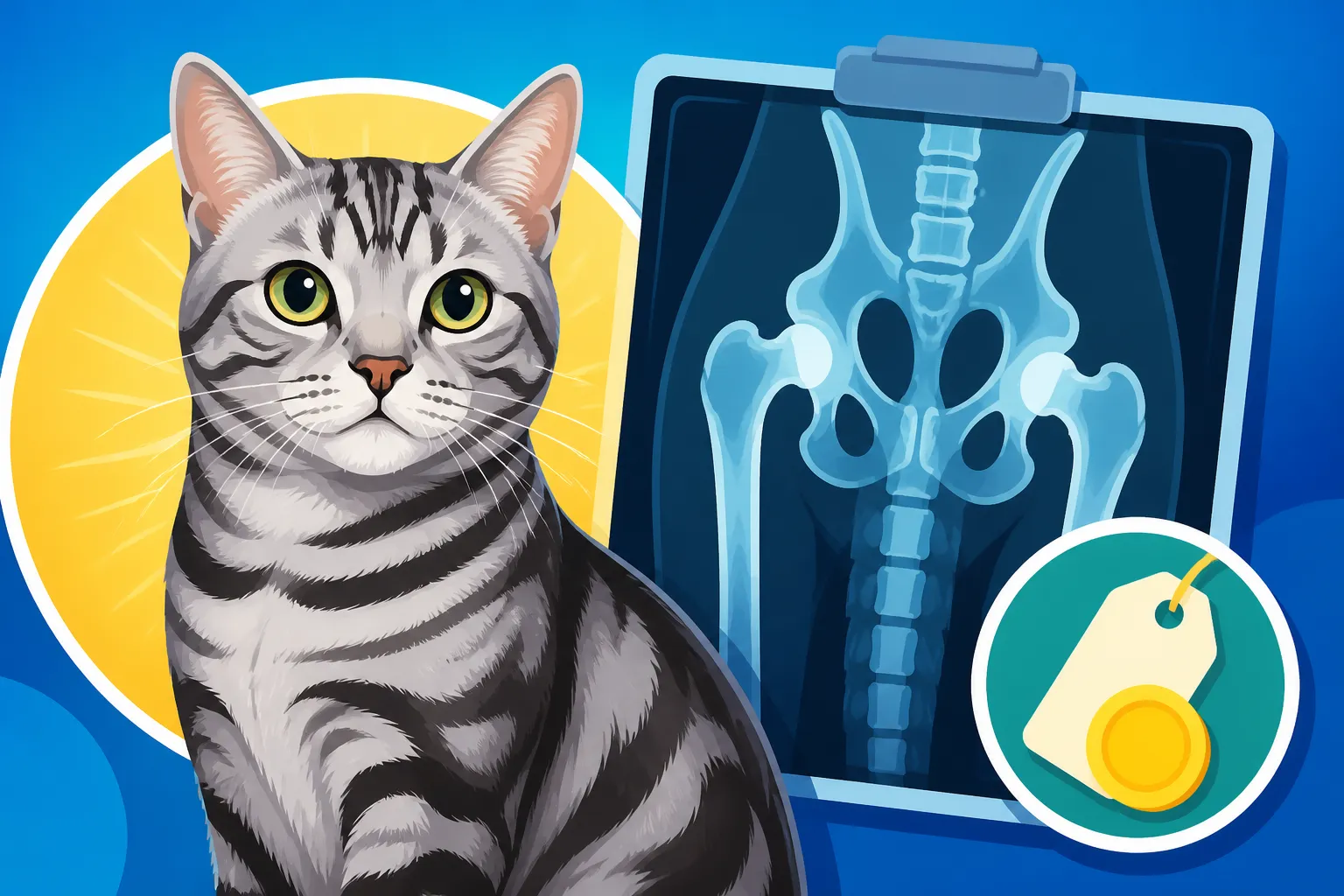
What an American Shorthair’s Hip X Rays Cost
When your beloved American Shorthair starts to show signs of discomfort, like a reluctance to jump or a slight stiffness after rest, one of the first things your vet might recommend is hip X-rays. It's a moment that can fill any pet parent with a mix of worry and dread, not just for your cat's health, but also for the unknown costs involved. This comprehensive guide aims to shed light on what an American Shorthair's hip X-rays typically entail and what you can expect to pay, helping you navigate this important step in your cat's care with confidence.
Why Hip X-Rays Are Necessary for Your American Shorthair
It's heartbreaking to see your usually agile and robust American Shorthair moving with anything less than their characteristic confidence. When these signs point to potential hip issues, X-rays aren't just a diagnostic tool; they're a crucial step in understanding the problem and formulating an effective treatment plan. Without them, you're essentially guessing, and that's not a path any responsible pet owner wants to take when their cat is in pain.
Breed Predisposition to Hip Issues
While American Shorthairs are generally known for their robust health and sturdy build, they aren't entirely immune to orthopedic issues, and hip problems can sometimes occur. Their muscular, square-built frame, while contributing to their strength and agility, can also put specific stresses on their joints. You might find yourself wondering Why a Broad Chested American Shorthair Puts Weight Through Its Hips. Their dense bone structure and substantial body mass mean that any architectural flaws in the hip joint, even minor ones, can lead to significant wear and tear over time. These aren't fragile cats, but even the strongest foundations can develop cracks under constant pressure if not perfectly aligned. It's not as common as in some larger dog breeds, but it's important not to overlook.
Recognizing the Signs of Hip Discomfort
Catching hip discomfort early can make a big difference in managing your cat's condition. American Shorthairs are famously stoic, a trait inherited from their working ancestors. They often hide pain until it becomes severe, making it tricky for us humans to spot subtle changes. You might notice your cat hesitating before leaping onto their favorite perch, or perhaps you'll observe that Why an American Shorthair Stops Jumping to the Counter altogether. Other signs might include a reluctance to use the litter box if it requires high steps, a change in gait, stiffness after napping, or even a decrease in overall activity and play. Sometimes, they might seem less interested in being petted around their hindquarters, or you might hear a subtle clicking sound when they move. These aren't necessarily definitive proof of hip dysplasia, but they are certainly red flags that warrant a vet visit.
Breeding Program Requirements and Prevention
For those involved in responsible breeding, hip X-rays are often a standard part of health screening. Breeders want to ensure they're passing on the healthiest genes possible, and this means actively screening for potential hereditary conditions. You'll often hear discussions about What an American Shorthair Breeder Should Have Screened before cats are used in a breeding program. Hip X-rays provide an objective assessment of the hip joint's conformity and are used to grade the quality of the hips. Identifying and removing affected cats from the breeding pool helps to reduce the incidence of hip dysplasia in future generations, safeguarding the breed's overall health and the well-being of countless kittens.
Factors Influencing the Cost of Hip X-Rays
Understanding the cost of hip X-rays for your American Shorthair isn't as simple as seeing a single price tag. Several variables come into play, creating a range of potential expenses. It's a bit like buying a car; there's the base model, and then there are all the options and dealer differences that add up.
Geographic Location and Clinic Type
Just like human healthcare, veterinary costs can fluctuate dramatically based on where you live. A vet clinic in a bustling metropolitan area, with higher overheads and property costs, will almost certainly charge more than a clinic in a rural or suburban setting. For instance, an X-ray in a large city like New York or Los Angeles could easily be significantly higher than in a smaller town in the Midwest.
Beyond location, the type of clinic also plays a role. A small, independent general practice veterinarian might offer more competitive pricing than a large veterinary hospital or a specialized orthopedic referral center. However, specialized centers often have more advanced imaging equipment and staff with deeper expertise, which can be invaluable for complex cases. It's a trade-off between cost and access to cutting-edge technology and specialist knowledge.
Sedation vs. Anesthesia
Getting a cat to lie perfectly still for an X-ray, especially when they might be in pain, is a Herculean task. Therefore, some form of sedation or anesthesia is almost always required for clear, diagnostic images. The choice between light sedation and full anesthesia significantly impacts the cost and complexity of the procedure.
Light sedation might involve a simple injection that makes your cat drowsy and more relaxed, allowing them to be gently positioned. This is typically less expensive and carries fewer risks. However, if your American Shorthair is particularly anxious, in severe pain, or requires very specific positioning for optimal images (like the standard OFA or PennHIP views which involve manipulating the hips), full anesthesia might be necessary. Anesthesia requires more monitoring – vital signs, oxygen levels, temperature – and a dedicated veterinary technician to ensure your cat's safety throughout the process. Fortunately, American Shorthairs are generally considered Why an American Shorthair Is a Low Anesthetic Risk, but it still requires careful planning and skilled staff, all of which contribute to the overall expense.
Number of Views and Radiologist Interpretation
The standard for hip X-rays often involves taking multiple "views" or angles of the hips to get a comprehensive picture. A single lateral view might give some information, but to truly assess joint integrity, especially for conditions like hip dysplasia, your vet will likely want several specific projections. This could include a ventrodorsal extended view (where the cat is on its back with legs extended), and possibly "frog-leg" views. Each additional X-ray image taken adds to the cost, as it involves more time, more consumables, and potentially more sedation time.
Furthermore, while your primary veterinarian is skilled at reading X-rays, for a definitive diagnosis or for grading purposes (especially if you're a breeder), they might recommend having the images reviewed by a board-certified veterinary radiologist. These specialists have extensive training in interpreting diagnostic images and can spot subtle details that might be missed in a general practice setting. This expert review comes with an additional fee, but it can be incredibly valuable for accuracy and peace of mind.
The X-Ray Procedure Itself: What to Expect
When your vet suggests hip X-rays, it's natural to feel a bit overwhelmed. What exactly happens during this process? Knowing what to expect can ease some of that anxiety and help you understand why certain steps and costs are involved. It's not just about pointing a camera and clicking a button; there's a careful medical procedure behind it.
Preparation for the X-Ray
Before the X-ray appointment, your vet will likely give you specific instructions. Typically, your American Shorthair will need to fast for a certain period before the procedure, usually 8-12 hours, especially if sedation or anesthesia is anticipated. This is to minimize the risk of vomiting and aspiration during or after the sedated state. You might also be asked to provide a urine or blood sample beforehand, particularly if your cat is older or has any known health conditions, to ensure they are a good candidate for sedation.
On the day of the appointment, your cat will undergo a thorough physical examination by the vet. This ensures there haven't been any changes in their health that might affect the safety of the sedation. They'll also discuss the procedure with you, answer any questions, and have you sign consent forms. This is a good time to clarify any concerns you have about the process or the estimated costs. Getting How an American Shorthair's Hips Are Positioned for X Ray precisely requires careful handling, and a calm, prepared pet (and owner!) makes the process smoother.
The Sedation/Anesthesia Process
Once your American Shorthair is admitted, the veterinary team will begin the sedation or anesthesia protocol. If light sedation is chosen, a sedative injection will be administered, usually allowing your cat to become relaxed and drowsy within a short period. They will remain conscious but much more amenable to handling and positioning.
If full anesthesia is required, a catheter will likely be placed in one of their veins to administer medications and fluids. They will receive a pre-anesthetic sedative, followed by an induction agent to help them fall asleep. Once asleep, a breathing tube (endotracheal tube) is often inserted into their windpipe to deliver anesthetic gases and oxygen, ensuring their airway is protected. Throughout the anesthesia, your cat will be closely monitored by a veterinary technician, checking heart rate, respiratory rate, blood pressure, and oxygen saturation. This meticulous monitoring, while adding to the cost, is paramount for your cat's safety and well-being.
The Imaging Process
With your American Shorthair properly sedated or anesthetized, the real work of imaging begins. The veterinary technician and vet will carefully position your cat on the X-ray table. This often involves specific devices or supports to ensure the hips are perfectly aligned and extended, minimizing any distortion in the images. As mentioned earlier, different "views" are taken, meaning your cat will be repositioned multiple times to capture various angles of the hip joints.
Each time an image is taken, the X-ray machine emits a small amount of radiation. The veterinary staff will step behind protective barriers or wear lead aprons to minimize their exposure. The images are then processed digitally, allowing the vet to view them almost immediately on a computer screen. This digital format also makes it easy to send the images to a board-certified radiologist for a second opinion, if needed, without the delay of traditional film development.
Decoding the Vet Bill: Itemized Costs
Receiving a vet bill can sometimes feel like trying to decipher an ancient scroll, especially when you're already concerned about your pet. Breaking down the typical components of an American Shorthair's hip X-ray bill can help you understand what you're paying for and prevent sticker shock. Each item on the bill serves a critical purpose in ensuring your cat's health and safety.
Veterinarian Consultation and Exam Fees
Before any X-rays are even considered, your American Shorthair will undergo a thorough physical examination by the veterinarian. This consultation fee covers the vet's time and expertise in assessing your cat's condition, discussing their symptoms, conducting a physical exam (checking for pain, range of motion, listening to their heart and lungs), and determining if X-rays are indeed the most appropriate diagnostic step. It's a fundamental part of veterinary care, establishing the baseline and necessity for further procedures. Think of it as the initial assessment that guides all subsequent decisions.
Sedation/Anesthesia Costs
As we discussed, sedation or anesthesia is almost always a requirement for clear hip X-rays. This section of the bill will typically itemize several components:
- Pre-anesthetic Bloodwork: This is often recommended or required, especially for older cats or those with underlying conditions. It checks organ function and red/white blood cell counts to ensure your cat can safely metabolize anesthetics.
- Sedative/Anesthetic Drugs: The cost of the medications themselves, which vary depending on the specific drugs used and your cat's weight.
- Monitoring Fees: This covers the continuous monitoring of your cat's vital signs (heart rate, respiration, blood pressure, oxygen saturation, temperature) by a trained veterinary technician throughout the procedure. This is a critical safety measure.
- IV Fluids: Often administered during anesthesia to help maintain blood pressure and hydration.
- Recovery Care: The time and attention dedicated to safely waking your cat from sedation or anesthesia, ensuring they are stable before you take them home.
This portion of the bill is often the largest, reflecting the specialized medical care and attention required to keep your cat safe and comfortable during the imaging process.
Radiology Fees (X-ray Acquisition, Interpretation)
This is the core cost directly related to the X-rays themselves. It typically includes:
- X-ray Acquisition: The fee for using the X-ray machine, the digital processing of the images, and the time taken by the veterinary staff to properly position your cat and capture the various views. This isn't just a click; it's a careful process to get high-quality diagnostic images.
- In-house Interpretation: Your primary veterinarian will review the images. This often involves looking for obvious abnormalities and guiding the next steps.
- Specialist Radiologist Review: If your vet recommends sending the images to a board-certified veterinary radiologist for an expert, in-depth interpretation, this will be an additional fee. This is common for critical diagnoses or when official hip scoring is needed, as it offers a higher level of diagnostic accuracy.
Additional Costs
Sometimes, other necessary expenses might appear on the bill:
- Pain Relief/Anti-inflammatory Medication: If hip issues are diagnosed or suspected, your cat might be sent home with medication to manage pain and reduce inflammation.
- Follow-up Visits: While not part of the initial X-ray bill, subsequent consultations to discuss results, formulate treatment plans, or monitor progress will incur their own fees.
- Cones or Collars: If your cat needs to be prevented from licking a catheter site or any other area post-procedure, an Elizabethan collar might be provided.
Here's a generalized breakdown of potential costs for a hip X-ray for an American Shorthair:
| Service Component | Estimated Cost Range (USD) | Notes |
|---|---|---|
| Veterinary Consultation/Exam | $50 – $150 | Initial assessment to determine necessity of X-rays. |
| Pre-Anesthetic Bloodwork | $80 – $200 | Essential for safety, especially in older cats or those with health concerns. |
| Sedation/Anesthesia (Drugs & Monitoring) | $150 – $400 | Varies significantly based on cat's size, temperament, and clinic protocol. |
| X-ray Acquisition (2-4 views) | $100 – $300 | Cost per image taken, covers equipment use and technician time. |
| In-house Vet Interpretation | $40 – $100 | Your attending vet's time to review and discuss initial findings. |
| Specialist Radiologist Review | $100 – $250 | Optional, but highly recommended for complex cases or breeding certification. |
| IV Fluids & Supplies | $30 – $80 | To maintain hydration and blood pressure during sedation/anesthesia. |
| Pain Management/Medication (take-home) | $20 – $70 | If prescribed post-procedure to alleviate discomfort. |
| Total Estimated Range | $570 – $1550+ | This is a broad estimate. Actual costs will vary based on location, clinic, and individual needs. |
Managing Costs: Insurance, Payment Plans, and Alternatives
The cost of veterinary care, especially for diagnostic procedures like hip X-rays, can be a significant concern for pet parents. It’s important to remember that you have options when it comes to managing these expenses, so don’t let the initial shock prevent you from getting your American Shorthair the care they need.
Pet Insurance Coverage
One of the most effective ways to mitigate unexpected veterinary costs is to have pet insurance. Policies like those offered by Healthy Paws or other reputable providers can cover a substantial portion of diagnostic tests, treatments, and even surgery for conditions like hip dysplasia, provided the condition isn't pre-existing. It’s a bit like having health insurance for yourself – you hope you never need it, but you're profoundly grateful when you do.
When considering pet insurance, it's crucial to read the fine print. Some policies might have waiting periods for orthopedic conditions, or they may have specific clauses regarding hereditary issues. However, for a breed like the American Shorthair, which is generally considered healthy, the premiums for Whether an American Shorthair Is Cheap to Insure can be quite reasonable, offering peace of mind for unexpected illnesses or injuries, including the cost of X-rays and subsequent treatments. Always check if the policy covers diagnostic imaging and specialist consultations.
Wellness Plans and Payment Options
Many veterinary clinics now offer wellness plans that can help spread out the cost of routine care, vaccinations, and sometimes even include discounts on diagnostic services. While these plans typically don't cover major unexpected issues like hip X-rays fully, they can reduce the overall burden of preventative care, freeing up funds for emergencies.
For those without insurance or facing costs beyond their immediate budget, most veterinary practices understand and are willing to discuss payment options. This might include:
- Payment Plans: Some clinics offer in-house payment plans, allowing you to pay the bill in installments.
- Third-Party Credit: Options like CareCredit are specifically designed for healthcare expenses, offering deferred interest periods if paid in full within a certain timeframe.
- Emergency Funds: Creating a dedicated savings account for pet emergencies, even if it's just a small amount each month, can be a lifesaver.
It's always best to discuss financial concerns with your vet clinic upfront. They often have resources or suggestions to help you manage the costs without compromising your cat's health.
Comparing Clinic Prices and Resources
Don't be afraid to call around to different veterinary clinics in your area and inquire about their pricing for hip X-rays, including sedation and radiologist review. Prices can vary, and a slightly longer drive might result in significant savings. However, remember that the cheapest option isn't always the best. Factors like the quality of equipment, the experience of the veterinary team, and the level of post-procedure care are also important considerations.
You might also find that while you can't perform X-rays elsewhere, you can source certain medications or supplements through online pet pharmacies or retailers like Chewy after a diagnosis, potentially saving on the ongoing cost of treatment. For example, if your cat is diagnosed with arthritis secondary to hip dysplasia, joint supplements could be purchased more affordably online. Just be sure to discuss any changes to medication sourcing with your vet to ensure safety and efficacy.
Beyond the X-Ray: What Happens Next?
Getting hip X-rays for your American Shorthair is a critical step, but it's rarely the end of the journey. Once the images are taken and interpreted, the real work of understanding the diagnosis and planning for your cat's future well-being begins. This involves interpreting the results, exploring treatment avenues, and committing to long-term management.
Understanding the Results
After the X-rays are analyzed by your veterinarian and potentially a specialist radiologist, you'll have a follow-up consultation to discuss the findings. The results will tell you if your American Shorthair has hip dysplasia, arthritis, or another orthopedic issue. For hip dysplasia, the hips are often "graded" based on the severity of the malformation. You'll want to know Which Hip Grade an American Shorthair Should Have if you're assessing breeding potential, but for a pet, the focus will be on the presence and extent of pain and functional impairment.
The vet will explain what the images show: whether the hip joint sockets are too shallow, if the femoral heads (the ball of the thigh bone) are misshapen, or if there are signs of degenerative joint disease (arthritis) as a consequence. They'll also correlate these findings with your cat's clinical signs and physical examination to give you a complete picture of their condition. It's a lot of information to take in, so don't hesitate to ask questions.
Treatment Options for Hip Dysplasia
If your American Shorthair is diagnosed with hip dysplasia or related arthritis, your vet will outline various treatment options. These generally fall into two categories: conservative (medical) management and surgical intervention.
-
Conservative Management: This is often the first line of defense, especially for mild to moderate cases. It focuses on pain relief and improving joint function. This might include:
- Pain Relief and Anti-inflammatory Medications: Your vet may prescribe NSAIDs (non-steroidal anti-inflammatory drugs) or other pain relievers to manage discomfort and reduce inflammation.
- Joint Supplements: Glucosamine, chondroitin, and omega-3 fatty acids can help support joint cartilage and reduce inflammation.
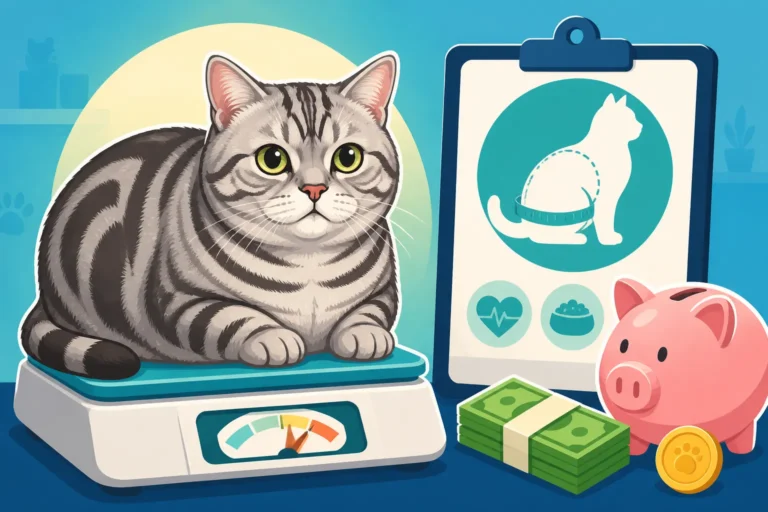
- Weight Management: Keeping your American Shorthair at a lean, healthy weight is crucial to reduce stress on their hips. Losing even a small amount of weight can make a big difference, especially considering What Extra Weight Does to an American Shorthair's Working Frame.
- Physical Therapy: Gentle exercises, massage, and even hydrotherapy can help strengthen muscles around the joint and improve range of motion. You might be surprised at Whether Pain Relief Extends an American Shorthair's Active Years significantly by reducing discomfort.
-
Surgical Intervention: For severe cases that don't respond to conservative management, surgery might be considered. While less common in cats than in dogs, options can include Femoral Head Ostectomy (FHO), where the ball of the hip joint is removed, allowing a "false joint" to form, or total hip replacement, which is a more complex and specialized procedure. Whether Hip Surgery Is Ever Needed in The American Shorthair is a serious discussion to have with your vet and potentially a veterinary orthopedic specialist.
Long-Term Management and Prevention
Living with a cat diagnosed with hip issues is a marathon, not a sprint. Long-term management is key to maintaining their quality of life. This includes a combination of medication, diet, and lifestyle adjustments.
- Ongoing Medication: Your cat might need lifelong pain management, with dosages adjusted as needed.
- Dietary Adjustments: A high-quality diet that supports muscle health and weight control is vital. Discuss with your vet if a specific therapeutic diet might benefit your cat.
- Environmental Modifications: Make your home more accessible. Provide ramps or steps to higher places if your American Shorthair is struggling to jump. Ensure their litter box has low sides for easy entry. Consider orthopedic beds for comfort.
- Regular Exercise (Gentle): Maintaining muscle mass is important. Your vet can guide you on appropriate, low-impact activities that won't exacerbate their condition. Understanding When a Stiff American Shorthair Needs Joint Support and acting proactively can significantly delay the progression of discomfort.
- Monitoring and Follow-ups: Regular vet check-ups are essential to monitor the progression of the condition and adjust the treatment plan as needed. This also includes keeping a close eye on your cat's weight, as How Weight Wears Out an American Shorthair's Joints is a well-established fact, and even a little extra can cause a lot of pain.
By understanding the costs, the procedure, and the path forward, you can be a proactive and informed advocate for your American Shorthair's health, ensuring they live as comfortably and happily as possible, even with hip challenges.
Disclaimer
This article is for general informational purposes only and does not constitute professional advice. Laws, prices and regulations vary by location and change over time. Consult a qualified professional for guidance on your specific situation.