What an American Shorthair HCM Screening Costs
It’s a natural assumption that a robust, historically healthy breed like the American Shorthair might not need extensive, specialized health screenings. After all, these are the descendants of working cats, bred for resilience, not fragility. But even the sturdiest of breeds can face inherited health challenges, and for the American Shorthair, one such concern is Hypertrophic Cardiomyopathy (HCM). The thought of your beloved companion facing a silent heart condition, and the potential costs of diagnosing it, can be incredibly daunting. This guide is here to shed light on what HCM screening for your American Shorthair involves, what drives the costs, and how you can prepare financially to ensure your furry family member receives the comprehensive care they deserve.
Why HCM Screening Isn't Just for "Fancy" Breeds: Understanding the American Shorthair's Heart Health
It’s easy to believe that the American Shorthair, with its sturdy build and no-nonsense heritage, somehow bypasses the genetic pitfalls of more "designer" breeds. Many owners come to me with this exact sentiment, feeling a pang of surprise when a vet mentions potential health screenings. They're often thinking, "My American Shorthair is a picture of health, why would they need a heart scan?" This mindset is understandable, given the breed's reputation for longevity and minimal inherited issues. However, even with their robust nature, American Shorthairs aren't entirely immune, and HCM remains a quiet concern. The American Shorthair Is the Control Group of Cat Breeding provides a great overview of their general health.
What Exactly is HCM and Why It's a Worry
Hypertrophic Cardiomyopathy, or HCM, is the most common heart disease in cats. It's a condition where the muscular walls of a cat's heart, particularly the left ventricle, thicken abnormally. This thickening makes the heart muscle stiff and less efficient at pumping blood. Imagine trying to squeeze water out of a rigid sponge versus a soft one – the rigid one just doesn't work as well. The heart has to work much harder to move blood around the body, and over time, this extra strain can lead to serious complications like congestive heart failure, blood clots, or even sudden death. HCM Is the One Inherited Disease the American Shorthair Kept delves deeper into the breed's specific susceptibility.
What makes HCM particularly insidious is its silent nature. Cats are masters at hiding illness, and an American Shorthair, true to its stoic roots, might show no outward symptoms until the disease is quite advanced. They might simply seem a little less energetic, or perhaps sleep more, changes that are easily dismissed as "just getting older" or "being lazy." This means that by the time you notice something is truly wrong – perhaps labored breathing, lethargy, or even a sudden collapse – the disease might have progressed significantly, making treatment more challenging and outcomes less favorable. Early screening is crucial because it allows for intervention before severe symptoms appear, potentially extending your cat's quality of life.
The Quiet Nature of American Shorthairs and Hidden Diseases
The American Shorthair's calm, independent demeanor, a trait that makes them such wonderful companions, can inadvertently work against early detection of illnesses like HCM. They aren't typically vocal complainers or attention-seekers when they feel unwell. A cat bred to be self-sufficient and capable of handling itself might simply retreat more, nap longer, or eat a little less without drawing much fuss. These subtle shifts can be incredibly difficult for even the most observant owner to distinguish from normal behavior.
This is why proactive screening becomes so vital, especially for breeds where a known, albeit low, incidence of HCM exists. Waiting for clinical signs in an American Shorthair means you're waiting for the disease to declare itself, which, in the case of HCM, often means it has already done considerable damage. A yearly check-up with your vet is paramount for monitoring overall health, but specific cardiac screenings can offer a clearer picture of heart health, particularly as your American Shorthair ages or if there's any family history of cardiac issues. Why an American Shorthair Still Needs a Yearly Heart Scan explains the importance of regular veterinary care for this breed.
Deciphering the Diagnostic Maze: What Each HCM Test Tells You (And Why It Costs What It Does)
When your vet suggests HCM screening, it's not a one-size-fits-all process. There's a range of tests available, each offering different insights into your cat's heart health, and each, of course, coming with its own price tag. Understanding what each test entails and its diagnostic value can help you make informed decisions, especially when you're trying to budget for your American Shorthair's care.
The Initial Vet Visit: Physical Exams and What They Might Spot
Any journey into diagnosing HCM usually begins with a thorough physical examination by your veterinarian. This is the frontline defense, where your vet uses their trained senses to pick up on any red flags. They'll listen to your American Shorthair's heart with a stethoscope, checking for murmurs or abnormal rhythms. A heart murmur is essentially an extra sound caused by turbulent blood flow through the heart, and while not all murmurs indicate HCM, they are a significant indicator that warrants further investigation. Your vet will also check pulse quality, feel for any abdominal fluid accumulation, and observe your cat's overall demeanor and breathing rate.
The cost of this initial exam is generally part of your regular veterinary visit fee, but if a murmur is detected or other concerns arise, it's just the first step. The frustrating part is that many cats with early-stage HCM won't have a detectable murmur, and their general exam might be completely normal. This is why relying solely on a physical exam can be misleading and why your vet might recommend more advanced diagnostics even if everything seems fine on the surface, especially for a breeding cat or if there's any suspicion.
Diving Deeper: ECGs, X-rays, and the Crucial Echocardiogram
Once a physical exam raises suspicion, or if you're undertaking proactive screening, your vet will likely recommend more specific cardiac tests.
-
Electrocardiogram (ECG): An ECG measures the electrical activity of the heart. It can detect abnormal heart rhythms (arrhythmias) and sometimes indicate an enlarged heart muscle. It's a quick, non-invasive test, usually involving placing small clips on your cat's skin. However, an ECG doesn't directly visualize the heart muscle, so while it's useful for detecting rhythm issues, it's not the definitive diagnostic tool for HCM itself. It can show effects of HCM, but not the thickening itself.
-
Chest X-rays (Radiographs): X-rays allow your vet to see the overall size and shape of your cat's heart and lungs. They can reveal if the heart is significantly enlarged or if there's fluid accumulation in the lungs, which would be a sign of congestive heart failure. Like an ECG, X-rays don't directly diagnose HCM's specific muscle thickening, but they are crucial for assessing the secondary effects of the disease on the heart and lungs, especially if your cat is showing respiratory symptoms. The cost can vary, and your vet might want a few different views.
-
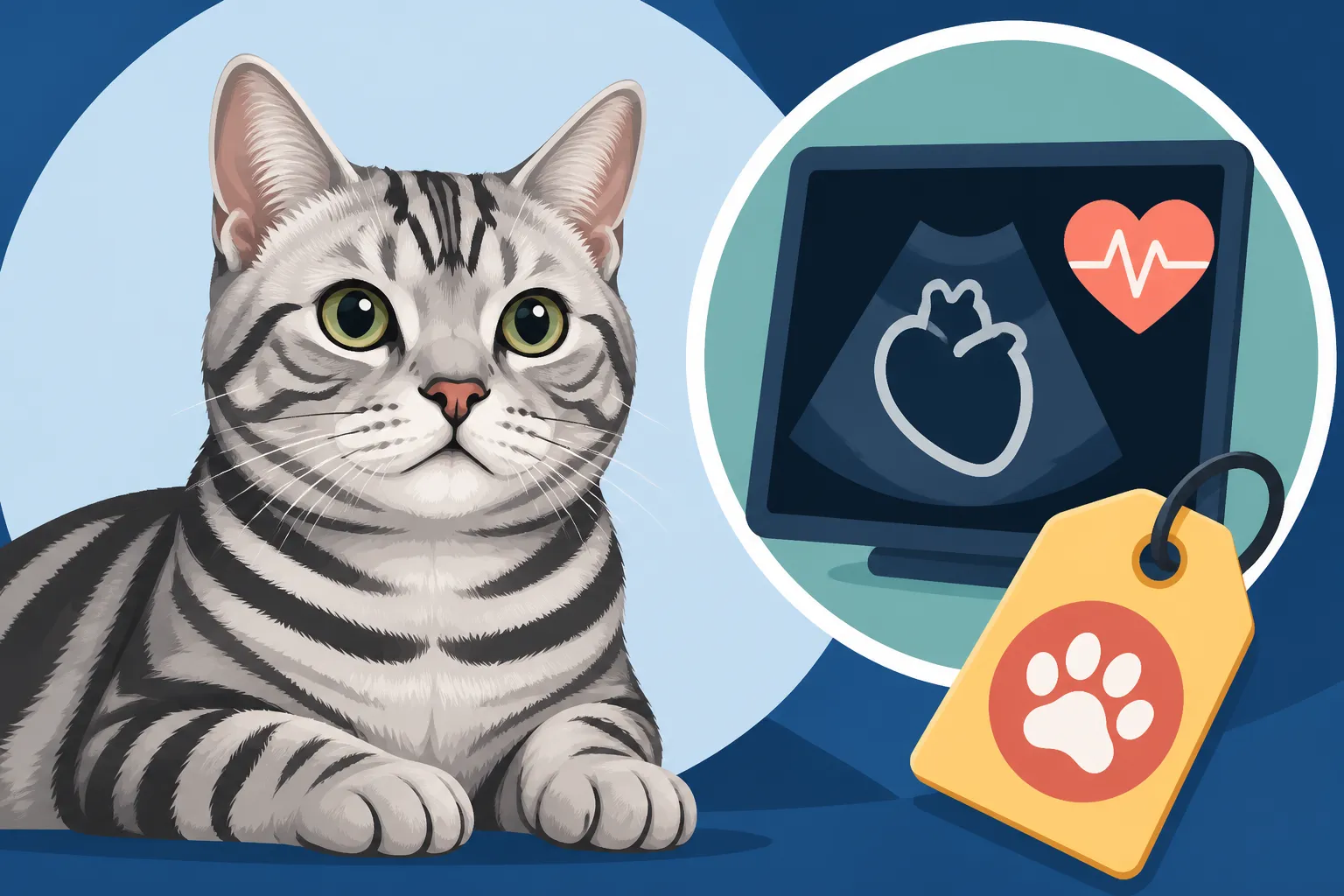
Echocardiogram (Echo): This is the undisputed "gold standard" for diagnosing HCM in cats. An echocardiogram is essentially an ultrasound of the heart. It uses sound waves to create real-time images of the heart's structure and function. During an echo, a veterinary cardiologist or a specially trained veterinarian can directly visualize the thickness of the heart muscle walls, measure the chambers, assess blood flow, and observe how well the valves are working. It's non-invasive and generally painless, though many cats benefit from light sedation to ensure they lie still for accurate imaging. How a Cardiologist Reads an American Shorthair's Scan details the intricacies of this vital test.
An echo provides the most definitive diagnosis for HCM, allowing the vet to measure the precise extent of the thickening and determine the severity of the disease. This is why it's the primary tool recommended for breeders and for any American Shorthair suspected of having a heart condition. The cost of an echocardiogram reflects the specialized equipment, the expertise of the veterinary professional performing and interpreting it, and the time involved.
Breaking Down the Echo: The Real Cost of an American Shorthair's Crucial Heart Scan
The echocardiogram, being the definitive diagnostic tool for HCM, is often the main cost concern for American Shorthair owners. It’s an investment in your cat’s future, but it’s understandable to want to know what to expect. The actual price can fluctuate quite a bit depending on several key factors, which can be frustrating when you're just trying to get a straight answer.
Factors That Drive the Price Up (Location, Specialist, Sedation)
Several elements contribute to the final bill for an American Shorthair’s echocardiogram:
- Geographic Location: Just like real estate and human medical care, veterinary costs are often higher in urban areas or regions with a higher cost of living. A specialized clinic in a major city will almost certainly charge more than a general practice in a rural town. This is a tough pill to swallow, but it’s a reality of vet care.
- Type of Clinic/Specialist: If the echocardiogram is performed by a board-certified veterinary cardiologist, you can expect a higher fee. Their advanced training, expertise, and specialized equipment command a premium, but they also offer the most accurate diagnosis and treatment plan. Some general practitioners have received additional training to perform echoes, which might be slightly less expensive but may not offer the same depth of interpretation as a cardiologist.
- Sedation Requirements: While an echocardiogram is non-invasive, many cats, especially those who are anxious or squirmy, require light sedation to ensure they remain still for the procedure. This allows for clear, accurate images. The cost of sedation, including pre-sedation bloodwork to ensure it's safe for your cat, will add to the overall expense. Some very calm American Shorthairs might not need sedation, which can reduce the cost, but it's often a necessary component for the best results.
- Additional Tests: Sometimes, an echo might be combined with other tests like an ECG or blood pressure monitoring if the cardiologist deems it necessary for a complete picture of your cat's cardiac health. Each additional test will, of course, add to the total cost.
What's Included in the Echocardiogram Cost
When you get a quote for an echocardiogram, it typically covers a few core components:
- The Procedure Itself: This is the time and expertise of the person performing the ultrasound, manipulating the probe to get all the necessary views of the heart from different angles.
- Interpretation and Report: Equally important is the time spent by the specialist interpreting the images and generating a detailed report, often with measurements, observations, and a definitive diagnosis or recommendations. This report is then shared with your primary veterinarian.
- Facility Fees: This covers the use of the specialized equipment, the exam room, and the support staff (veterinary technicians) who assist during the procedure.
It's always a good idea to ask for an itemized estimate upfront so you know exactly what you're paying for. Don't be shy about asking questions!
Here's a generalized look at what might influence the cost of an HCM screening package:
| Component | What it Entails | Typical Cost Impact (Relative) |
|---|---|---|
| Initial Vet Exam | Stethoscope check, general health assessment | Low (often part of routine) |
| Blood Pressure | Non-invasive measurement | Low |
| ECG (Electrocardiogram) | Measures electrical activity of the heart | Moderate |
| Chest X-ray | Visualizes heart size and lung condition | Moderate |
| Echocardiogram (Echo) | Ultrasound of the heart, definitive diagnosis for HCM | High |
| Sedation | Calming medication for accurate imaging | Moderate (if needed) |
| Specialist Fees | Cardiologist's expertise and interpretation | High (if specialist involved) |
| Follow-up Consult | Discussion of results and treatment plan | Moderate |
Please remember, these are just relative indicators. The actual prices will vary significantly based on your location and chosen veterinary clinic. Always contact your local veterinary practices and specialists for precise current figures. Why a Vet Manages an American Shorthair With HCM might offer further insights into follow-up care.
Beyond the Bill: Strategies for Making American Shorthair Heart Screening Affordable
Facing a potentially significant bill for something as crucial as HCM screening can be stressful, but there are proactive steps you can take to make it more manageable. It's not just about finding the cheapest option; it's about smart planning to ensure your American Shorthair gets the care they need without breaking the bank.
The Role of Pet Insurance
Pet insurance has become an invaluable tool for many owners, helping to cushion the financial blow of unexpected veterinary costs, and specialized screenings like echocardiograms are a prime example. While policies vary wildly, most comprehensive plans will cover a significant portion of diagnostic tests once your deductible is met. It’s important to enroll your American Shorthair before any signs of a condition like HCM appear, as pre-existing conditions are typically excluded.
Companies like Healthy Paws are well-known for their comprehensive coverage that can include diagnostic imaging, specialist visits, and even emergency care. Researching different providers and their coverage levels, deductibles, and reimbursement percentages is crucial. Sometimes, if a heart murmur is detected during a routine exam and then you get insurance, the subsequent echo and any future HCM treatment might be considered a pre-existing condition. So, if you're concerned about your American Shorthair's potential for HCM, getting a policy in place while they're young and healthy is the wisest move. Whether Insurers Price the American Shorthair Low could give you a general idea of how insurance companies view this breed.
Wellness Plans and Budgeting for Preventative Care
Beyond full-blown insurance, many veterinary clinics offer wellness plans. These plans often involve a monthly fee that covers routine preventative care like annual exams, vaccinations, and sometimes even discounted diagnostic tests. While they might not cover the full cost of an echocardiogram, they can make the initial steps – like the physical exam where a murmur might be detected – more affordable. Inquire with your local vet about any such plans they might have.
For those who prefer to self-insure, setting up a dedicated "pet emergency fund" is a fantastic idea. Even putting aside a small amount each month into a separate savings account can accumulate over time, giving you peace of mind that funds are available if your American Shorthair needs an unexpected screening or treatment. Think of it as investing in your cat's future health. Regular, proactive care, including annual vet visits, can also help catch issues earlier when they might be less expensive to treat.
General Care Impact on Health
While not directly impacting the cost of an HCM screening, the overall care you provide your American Shorthair can influence their general health and potentially reduce the incidence of secondary health issues. A well-nourished American Shorthair is a healthier American Shorthair. Choosing high-quality cat food, such as options available through retailers like Chewy which offers a vast selection of premium and prescription diets, can contribute to their well-being.
Maintaining an appropriate weight for your American Shorthair is also critical. Obesity puts extra strain on their heart and other organs, potentially exacerbating any underlying cardiac conditions. Portion control and ensuring they get enough interactive play to satisfy their natural hunting instincts are key. Obesity Is What Ending the American Shorthair's Job Cost It dives into the weight challenges for this breed. While a good diet won't prevent HCM, it contributes to overall cardiac health and can improve their resilience should they ever need treatment. Think of it this way: a cat in good general health is better equipped to handle medical procedures and recovery.
Ultimately, understanding the potential costs of HCM screening for your American Shorthair isn't about fear; it's about preparedness. By knowing what to expect and exploring various financial strategies, you can ensure that if the need arises, you're ready to provide your beloved American Shorthair with the best possible care, keeping their strong, quiet heart beating happily for years to come.
Disclaimer
This article is for general informational purposes only and does not constitute professional advice. Laws, prices and regulations vary by location and change over time. Consult a qualified professional for guidance on your specific situation.