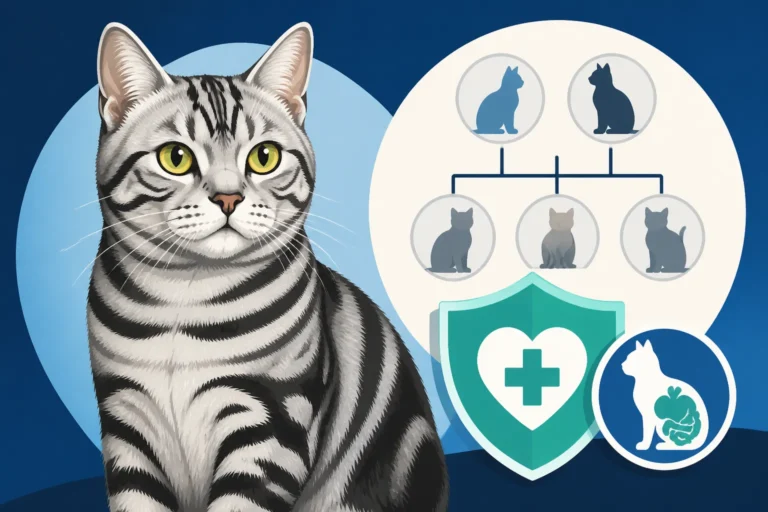
How an American Shorthair Premium Climbs After Twelve
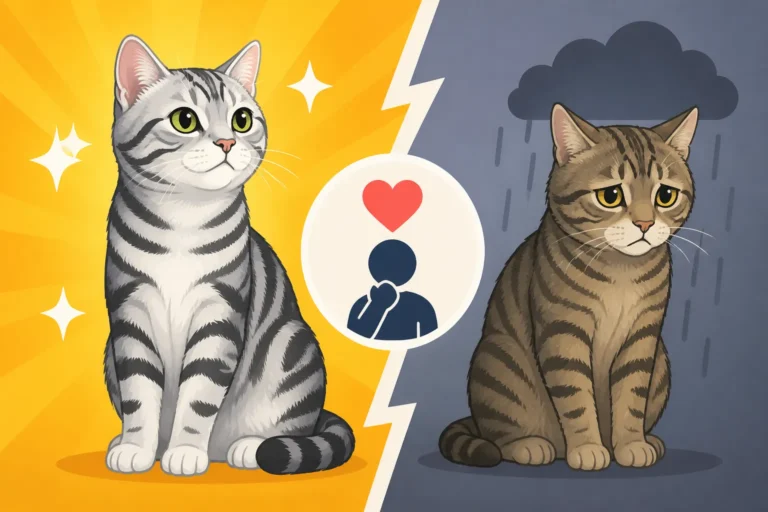
It’s a bittersweet truth that as our beloved American Shorthairs enter their golden years, typically past the age of twelve, the joy of their continued companionship often comes with increasing financial considerations. One of the most significant shifts we often face is the rising cost of pet insurance premiums, a stark reminder that age brings its own set of health challenges and, consequently, higher expenses. This guide will delve into why these premiums climb, what you can expect, and how to navigate the financial landscape of caring for your senior American Shorthair.
The Inevitable Rise of Pet Insurance for Senior Felines
Just like human health insurance, pet insurance operates on a risk assessment model. As your American Shorthair ages, their likelihood of developing health conditions naturally increases, which, in turn, elevates the risk for insurance providers. This isn't unique to American Shorthairs; it's a reality for all breeds as they transition from middle age into their senior years. The peace of mind that pet insurance offers in earlier years can start to feel expensive as those premiums creep up, making many owners question its continued value.
Why Age Changes the Risk Equation
From an insurer's perspective, a twelve-year-old American Shorthair simply presents a higher probability of needing veterinary care compared to a two-year-old. Think of it this way: a kitten might just need vaccinations and spay/neuter surgery, which are predictable, lower-cost events. A senior cat, however, is statistically more likely to develop chronic conditions, require more frequent diagnostic tests, and potentially need long-term medications or complex procedures. Insurers use actuarial data to forecast these probabilities. They know that even a breed as robust as the American Shorthair, celebrated for its general good health and longevity, will eventually face age-related issues. This shift in risk is directly reflected in the annual premium adjustments. Caring for an American Shorthair Past Twelve is a topic many of us find ourselves researching as our furry friends age.
Common Ailments in Aging American Shorthairs
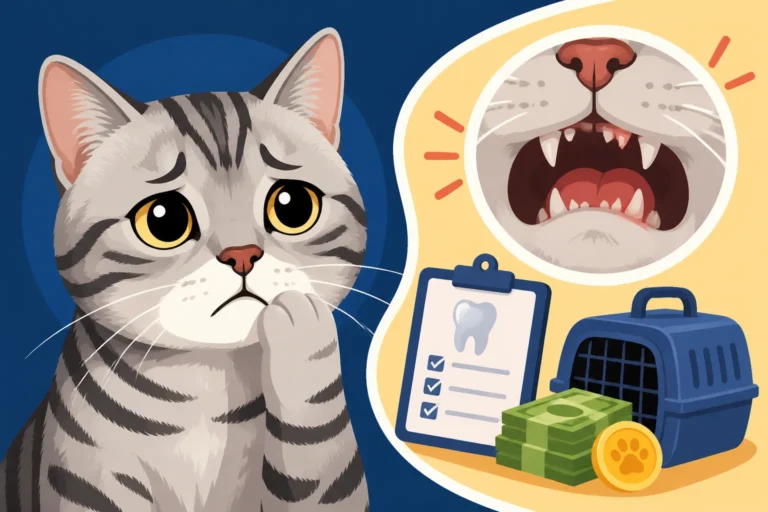
While American Shorthairs are known for their sturdy health, no cat is immune to the effects of aging. Past the age of twelve, you might start noticing subtle changes that can point to underlying health issues. Common conditions in senior American Shorthairs, much like other breeds, include chronic kidney disease, hyperthyroidism (an overactive thyroid), various forms of arthritis causing joint pain and stiffness, and worsening dental disease. They can also develop diabetes, heart conditions like HCM (though rare in the American Shorthair, it’s still a possibility), and even certain types of cancers. Each of these conditions, once diagnosed, often requires ongoing management, regular veterinary visits, and potentially expensive medications or specialized diets. For example, managing How Kidney Disease Creeps Up on an Old American Shorthair can become a significant part of your routine.
Understanding the Mechanics of Premium Increases
It's one thing to know that premiums rise, but understanding how it happens can help you anticipate and plan. Insurance companies don't just arbitrarily hike prices; there's usually a clear, albeit sometimes frustrating, methodology behind it.
Annual Reviews and Rate Adjustments
Most pet insurance policies are reviewed annually, typically upon renewal. This is when the insurer takes into account your cat's current age, any new diagnoses from the past year, the general inflation of veterinary costs in your area, and potentially adjustments to their overall risk pools. Even if your American Shorthair had a perfectly healthy year, the mere fact that they've aged another year can trigger an increase. Some providers, like Healthy Paws, might have different structures for how they implement these annual increases, but the underlying principle remains the same: older pets are costlier to insure due to their higher probability of claims. This is a critical point to discuss with your provider when your American Shorthair is approaching its senior years.
The Impact of New Diagnoses
Perhaps one of the most significant factors driving premium increases after twelve is a new diagnosis. If your American Shorthair develops a condition like diabetes or kidney disease at thirteen, that condition will be factored into all subsequent renewals. While your current policy might cover the initial treatment for that new illness, it then becomes a "known quantity" for the insurer. They anticipate ongoing treatment and medication costs, and this will be reflected in future premiums. In some cases, if you were to switch insurance providers after a major diagnosis, that condition would immediately be considered a pre-existing condition by the new insurer and likely excluded from coverage. This is why maintaining continuous coverage, even if the premiums increase, can be vital for managing chronic conditions that arise later in life.
Rising Veterinary Costs as a Factor
Beyond your individual cat's health, the broader economic landscape of veterinary care plays a role. The cost of veterinary services, medications, and advanced diagnostic tools has been steadily rising. From routine check-ups and vaccinations to emergency surgeries and specialized treatments, clinics face increasing operational costs, which are then passed on to pet owners. Insurance companies, in turn, have to adjust their premiums to keep pace with these escalating claim payouts. So, even if your American Shorthair is incredibly healthy for their age, you might still see premium increases simply due to the general upward trend in vet care expenses. It’s a sad reality that while Why an American Shorthair Costs a Vet Less Than a Persian in general due to their robust health, senior care can still be quite costly for any breed.
Strategies to Mitigate Soaring Costs for Your Senior American Shorthair
Seeing those premium hikes can be disheartening, but there are proactive steps you can take to manage costs and ensure your senior American Shorthair receives the best possible care without breaking the bank.
Proactive Health Management
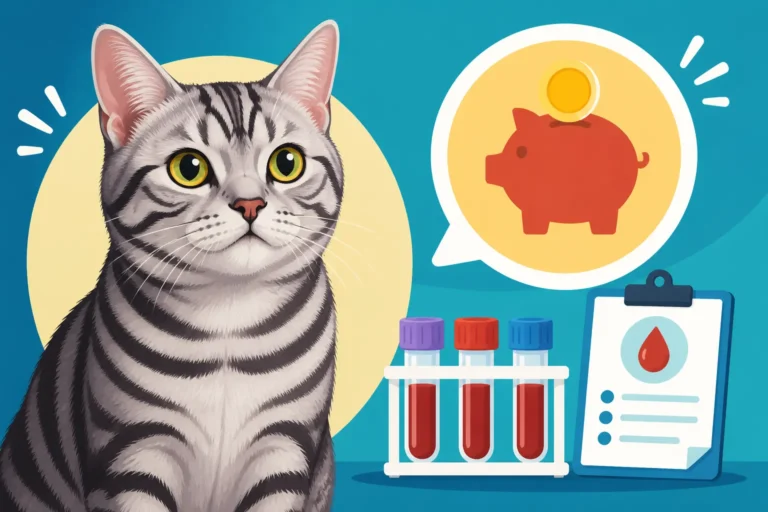
The absolute best defense against escalating healthcare costs is prevention and early detection. Regular veterinary check-ups are non-negotiable for senior cats. These visits allow your vet to catch potential issues early, often before they become major, costly problems. For instance, subtle changes in bloodwork or urine analysis can indicate the onset of kidney disease long before your cat shows outward symptoms. Maintaining a healthy weight is also paramount. An overweight American Shorthair is at higher risk for conditions like arthritis, diabetes, and heart strain, all of which will drive up vet bills and, consequently, insurance premiums.
Consider specialized senior diets. Brands like Chewy offer a wide range of prescription and senior-specific cat foods designed to support kidney health, joint function, and weight management. Working with your vet to tailor your cat's nutrition can make a huge difference. Regular exercise, even gentle play, helps maintain muscle mass and joint flexibility. A healthy lifestyle, guided by your vet, can help delay the onset or progression of age-related illnesses. Caring for an Old American Shorthair involves a holistic approach.
Re-evaluating Your Insurance Policy
As your American Shorthair ages and premiums climb, it’s a good idea to annually review your pet insurance policy. Don't just auto-renew without looking at the details.
What are your current deductible, reimbursement rate, and annual limits? Sometimes, increasing your deductible can significantly lower your premium. While this means you pay more out-of-pocket before your insurance kicks in, if your cat has few claims, it might save you money in the long run.
Another option is to consider a lower reimbursement rate. Instead of 90%, perhaps 70% reimbursement is acceptable if it drastically reduces the premium.
It's also worth researching whether Whether Insurers Rate the American Shorthair Cheaply still holds true as they age, or if other providers might offer a more competitive rate for senior cats, albeit with new pre-existing condition clauses.
Make sure you understand what is and isn't covered. Some policies might have limits on certain conditions or procedures common in older cats. Call your insurance provider, ask them to explain the upcoming renewal changes, and inquire about options to adjust your policy to better fit your budget and your cat's current needs.
Exploring Alternatives to Traditional Insurance
For some owners, the rising cost of traditional pet insurance for an aging American Shorthair may reach a point where it no longer feels financially viable. This doesn't mean abandoning financial preparedness.
One popular alternative is to “self-insure” by setting up a dedicated savings account for your cat's veterinary expenses. Every month, you put aside what you would have paid in premiums. This fund can grow over time and be readily available for emergencies or ongoing care. The downside, of course, is that a major, sudden illness could quickly deplete the fund, and it takes discipline to maintain.
You could also explore wellness plans offered by some veterinary clinics. These plans aren't insurance but rather subscription services that cover routine care like exams, vaccinations, and sometimes dental cleanings, often at a discounted rate. They won't cover major illnesses, but they can help manage predictable costs.
Finally, consider the benefit of high-quality, potentially personalized food options. Investing in premium nutrition can contribute to overall health and potentially reduce vet visits in the long run. Always discuss dietary changes with your vet to ensure they meet your American Shorthair's specific needs. Whether an American Shorthair Owner Should Keep a Vet Fund is a question many senior pet owners ponder.
The American Shorthair's Specific Golden Years Journey
While general aging principles apply to all cats, the American Shorthair's unique breed characteristics subtly influence their senior journey and the associated costs. Understanding these can help you be a more informed and proactive owner.
General Health Trends in Senior American Shorthairs
The American Shorthair is often celebrated for its robust health and impressive lifespan, frequently living into their mid-to-late teens, and sometimes even longer. This is a testament to their landrace origins and minimal exaggeration in breeding. However, this longevity means they spend more years as senior cats, increasing the cumulative chance of age-related issues. You might notice your once-agile American Shorthair Why an Old American Shorthair Slows Before It Limps, perhaps taking longer to jump onto the counter or hesitating before climbing their favorite cat tree. These subtle signs of arthritis can creep up slowly. Kidney function will naturally decline, and dental disease, often a silent menace, can become quite severe, leading to painful extractions if not managed from an earlier age.
How Their Stoic Nature Can Mask Issues
One of the most endearing, yet challenging, traits of the American Shorthair is their calm and stoic demeanor. These cats are not typically vocal complainers, and they often hide pain or discomfort remarkably well. This natural reserve, a remnant of their independent, working past, means that by the time you notice overt symptoms of illness, a condition might be quite advanced. For example, a cat with early kidney disease might just seem a little "off" or drink a bit more water. A cat in the throes of dental pain might simply eat slower or favor one side of their mouth. Why a Stoic American Shorthair Hides Pain the Longest can lead to more complex and expensive treatments down the line, as the issue may have progressed significantly before diagnosis. This makes regular vet check-ups, even when your cat seems fine, absolutely crucial for American Shorthair owners.
Financial Preparedness for a Long-Lived Breed
Given that many American Shorthairs enjoy long, fulfilling lives, often reaching The Fifteen to Twenty Years the American Shorthair Was Given, owners need to adopt a long-term financial perspective for their senior care. Unlike breeds with shorter lifespans or more prevalent genetic health issues, you're not just preparing for a few years of senior care, but potentially five to eight years or more. This means the cumulative effect of rising insurance premiums, ongoing medication costs, specialized diets, and more frequent vet visits can add up substantially.
Creating a dedicated senior pet fund or carefully managing your pet insurance policy over these many years becomes even more important. It’s not just about one emergency, but the sustained effort of supporting a beloved companion through a lengthy golden age. Planning ahead for potential needs like joint supplements, medications for conditions like hyperthyroidism or kidney disease, or even specialized care for issues like How to Tell If an Old American Shorthair Has Gone Deaf can ease the financial burden when these needs eventually arise.
Here’s a look at how different insurance policy structures can impact your out-of-pocket expenses, particularly as your American Shorthair ages and claims become more frequent:
| Policy Feature | Example 1: High Deductible / High Reimbursement | Example 2: Low Deductible / Mid Reimbursement | Example 3: Mid Deductible / Lower Reimbursement |
|---|---|---|---|
| Annual Deductible | High (e.g., $1000) | Low (e.g., $250) | Medium (e.g., $500) |
| Reimbursement Rate | 90% | 80% | 70% |
| Annual Premium (Est.) | Lower | Higher | Medium |
| Scenario: $2000 Vet Bill | |||
| Out-of-Pocket Deductible | $1000 | $250 | $500 |
| Remaining Bill | $1000 | $1750 | $1500 |
| Insurance Pays | $900 (90% of $1000) | $1400 (80% of $1750) | $1050 (70% of $1500) |
| Your Remaining Cost | $100 | $350 | $450 |
| Total Cost to You (Premium Not Included) | $1100 | $600 | $950 |
This table illustrates that while a high deductible might mean lower premiums, you pay a larger chunk of the initial bill yourself. A lower deductible, conversely, can lead to higher premiums but less out-of-pocket for each incident. The "best" choice really depends on your financial comfort level and your American Shorthair's health history and projected needs. Some American Shorthair owners might appreciate the comprehensive support for issues like How a Vet Manages an American Shorthair With HCM, while others may choose to pay more upfront with higher deductibles, hoping for fewer claims. Regularly evaluating these options with your chosen provider, such as Healthy Paws, is a smart financial move. And remember, proactive care, including making sure your American Shorthair isn't carrying extra weight that could put strain on their joints, as explored in How Weight Wears Out an American Shorthair's Joints, can reduce your overall veterinary expenses over their long life.
Disclaimer
This article is for general informational purposes only and does not constitute professional advice. Laws, prices and regulations vary by location and change over time. Consult a qualified professional for guidance on your specific situation.