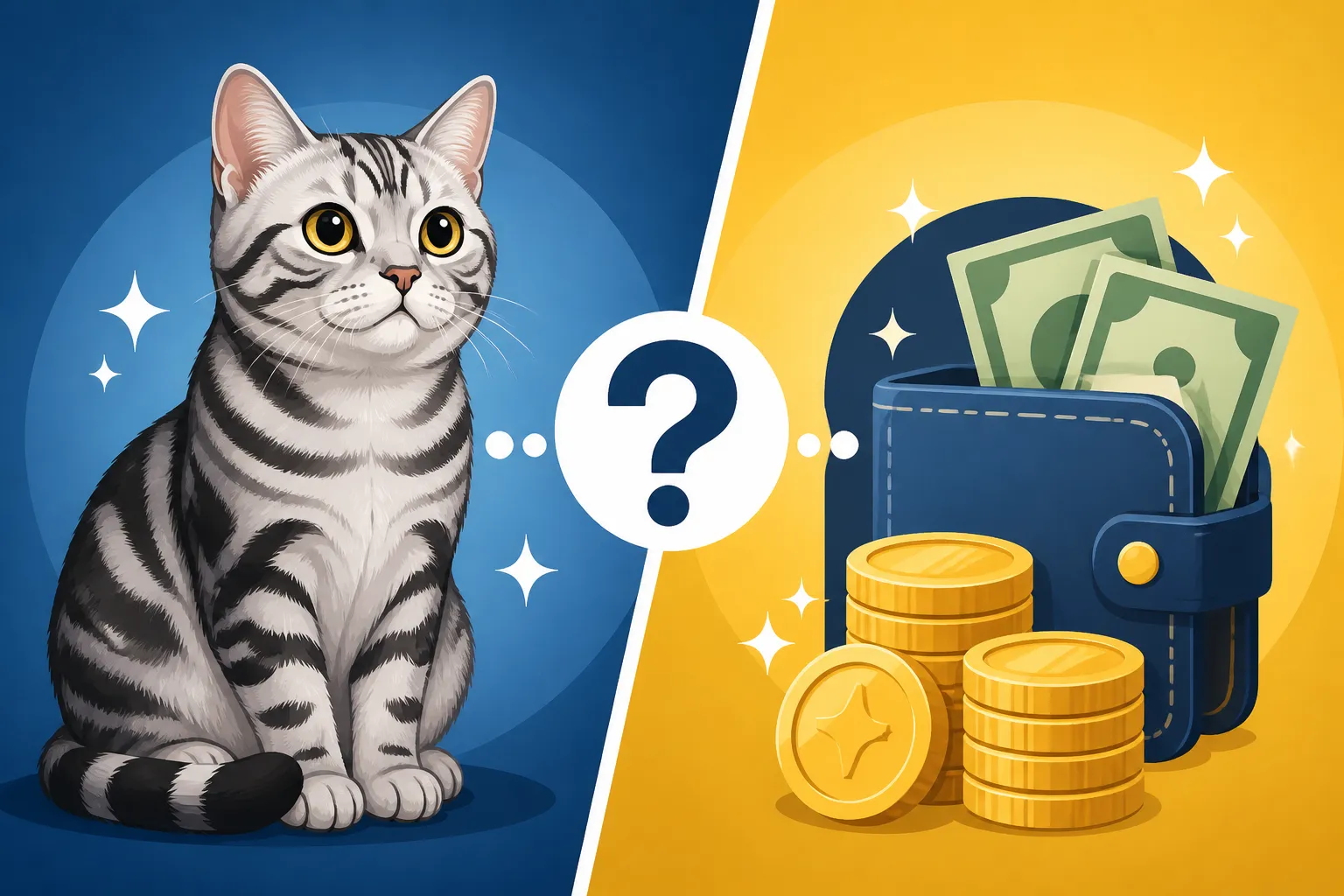
Whether a Smoke American Shorthair Costs More
It's completely understandable to wonder about the price tags attached to American Shorthair kittens, especially when you've fallen in love with a specific, gorgeous color like a "smoke." You see these stunning cats, often with their unique shimmering coats, and it's easy to assume they must come with a higher cost. This guide will help you unpack what truly influences the price of an American Shorthair, and whether that captivating smoke coat genuinely drives up the expense.
Understanding American Shorthair Pricing Basics
When you start looking for a purebred cat, the sticker shock can be real, and it often feels like there's a secret code to how prices are set. It’s not always about rarity in the wild, but about the effort and investment a dedicated breeder puts into their lines, combined with market perception.
Beyond Basic Brown Tabbies
Many people picture the classic brown tabby when they think of an American Shorthair, and while these cats are undeniably handsome and beloved, their colors are often considered the "standard" or most common in many lineages. This isn't to say they're less desirable, but typically, breeders might price them at a baseline compared to more intricate or specific color patterns. When you move beyond these common patterns, like a straightforward solid or a classic brown tabby, you start entering territory where perceived "specialty" might influence pricing. It’s less about one color being objectively better, and more about how much work went into producing that particular hue or pattern consistently according to breed standards, or simply what buyers are willing to pay for something a little different.
The "Rarity" Factor in Cat Breeding
In the world of cat breeding, "rarity" can be a bit of a subjective term. Sometimes, a color is genuinely difficult to produce because of complex genetics, requiring specific breeding pairs and a deep understanding of pedigrees. Other times, a color might simply be less common because it's not as actively pursued by a particular breeder, or it's fallen out of vogue for a time. For instance, a breeder might specialize in The Silver Tabby Is the American Shorthair People Pay For, and while other colors appear in their litters, their focus might still be on perfecting that specific look. A truly rare color might indeed cost more due to the inherent challenges in producing it. However, it's equally common for a color to be perceived as rare, thus increasing its demand and price, even if it's not genetically challenging. It's a delicate balance between actual genetic difficulty and market appeal.
Breeder Reputation and Show Potential
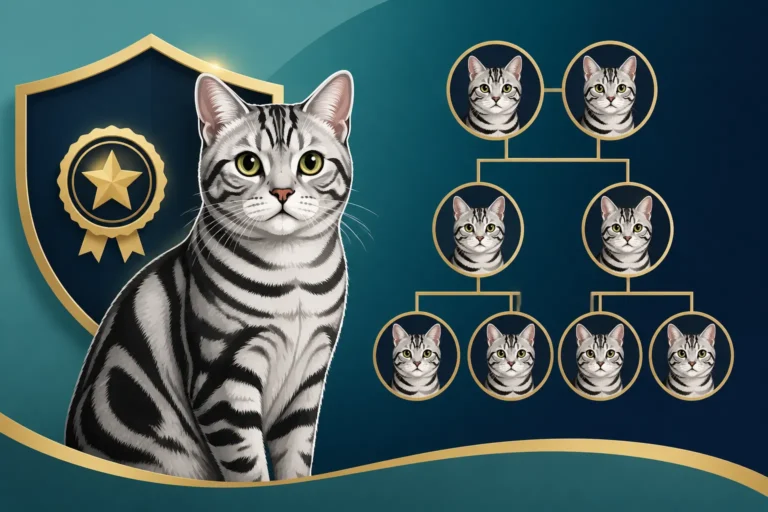
Perhaps even more than color, the reputation of the breeder and the kitten's potential for show or breeding significantly impacts its price. A breeder who consistently produces healthy, well-socialized kittens that adhere closely to the breed standard, and who performs all recommended health screenings like those for HCM Is the One Inherited Disease the American Shorthair Kept, will naturally charge more. This isn't just about pedigree papers; it's about the decades of work, the veterinary care, the quality nutrition, and the careful selection that goes into maintaining excellent lines. A kitten deemed "show quality" – meaning it possesses the ideal physical traits and temperament for competition – will almost always command a higher price than a "pet quality" kitten, even if both come from the same litter and share the same captivating smoke coat. This is because a show-quality cat represents the pinnacle of the breeder's efforts and often has the potential to contribute to future generations or win accolades that bolster the cattery's standing.
The Allure and Nuance of the Smoke American Shorthair
There’s something undeniably captivating about a smoke-colored cat. That subtle shimmer and the way their coat seems to shift in the light can make them truly stand out. But what exactly defines this color, and does its unique appearance inherently mean a higher price tag?
What Exactly is a Smoke American Shorthair?
A Smoke American Shorthair isn't just a solid black or solid blue cat. It's far more intricate than that! Imagine a cat that appears solid in color – say, black, blue, or even red – but when you part their fur, you discover a striking silver-white undercoat at the roots. This contrast creates a dramatic "smoke" effect. When the cat moves, plays, or even just shifts, that lighter undercoat flashes through, giving the entire coat a mesmerizing, ethereal shimmer. It's like having a secret, shimmering layer beneath the surface. This effect is particularly stunning in a black smoke, where the deep black tips part to reveal silvery roots, creating a cloud-like appearance. Breeders strive for excellent tipping and a clear, unbanded silver undercoat to truly achieve the ideal smoke pattern, making it a sophisticated and desirable trait.
Is Smoke More Difficult to Achieve for Breeders?
Producing a high-quality smoke American Shorthair isn't necessarily more difficult than other colors in terms of basic genetics, but achieving the ideal smoke can require specific breeding strategies. The smoke gene (inhibitor gene) needs to be present, and it's expressed differently depending on the solid color it overlays. A breeder aiming for smokes needs to understand the intricate genetic dance to ensure consistent results, particularly in achieving good contrast between the colored tips and the silver roots. They also want to ensure the smoke pattern is clean, without unwanted tabby ghosting. This genetic understanding and meticulous planning require a skilled breeder, and the effort put into developing and maintaining lines known for beautiful smokes can certainly be reflected in the kitten's price. It's not just about getting a smoke; it's about getting a good smoke.
Market Demand for Unique American Shorthair Colors
The market undeniably plays a significant role in pricing. While the American Shorthair is celebrated for its robust health and easygoing temperament, some owners are drawn to specific aesthetic qualities. Colors like silver tabby, with its distinctive markings, have long been incredibly popular and often command a premium. Similarly, a well-defined smoke coat can also generate higher demand due to its unique visual appeal. People are often willing to pay a little extra for a cat that truly stands out from the crowd, and a smoke American Shorthair certainly does that. If a breeder consistently produces smokes with excellent type and temperament, and there's a waiting list of eager buyers, the price will naturally reflect that strong demand. It’s the law of supply and demand in action, making a beautiful smoke coat a sought-after trait.
Comparing Smoke to Other American Shorthair Colors
When it comes to the American Shorthair, there's a kaleidoscope of colors and patterns to choose from, each with its own charm. Understanding where "smoke" fits into this spectrum can help clarify pricing.
Common Colors and Their Price Point
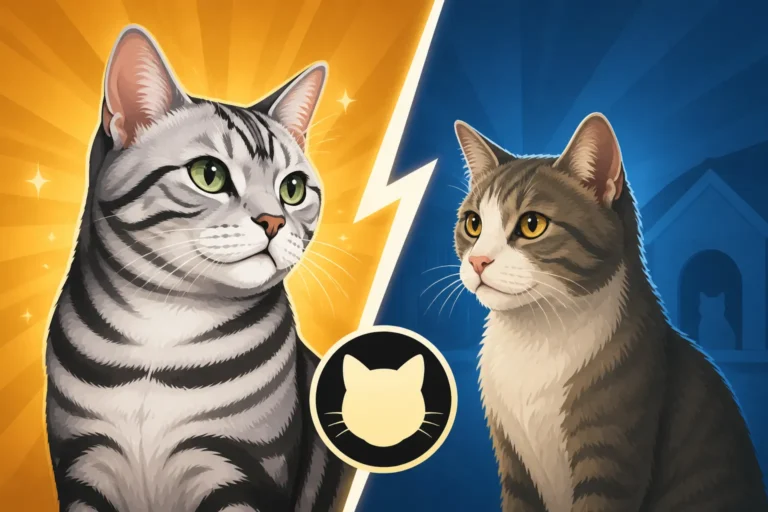
As mentioned, colors like the classic brown tabby or solid black and white bicolors are generally more common within the breed. These are often the colors that beginners gravitate towards, or simply those that occur frequently in many litters. While they are just as beautiful and possess the same wonderful What an American Shorthair Bred Only for Usefulness Turns Out Like temperament, they might not carry the same "specialty" premium that some other colors do. A reputable breeder's brown tabby pet kitten, health-checked and well-socialized, will still have a significant price tag compared to a shelter cat, but it might be on the lower end of the breeder's spectrum. It's all relative to the careful breeding practices and health guarantees provided.
The Premium on Specialty Colors
Colors like the famous silver tabby, blues, creams, or indeed, the smokes, often fall into the "specialty" category. These colors might involve more specific breeding choices, or simply be less frequently produced in a given cattery, leading to higher demand. The striking visual contrast of a smoke, or the crisp markings of a high-quality silver tabby, are traits that many buyers actively seek out. Therefore, breeders who consistently produce these visually distinct and desirable colors, especially those with excellent conformation to the breed standard, often price them higher. It’s not just about the color itself, but the quality of the color and how well it fits the overall ideal of the breed. This is where researching How to Find an American Shorthair Breeder Worth Paying For becomes critical, as the effort a breeder puts into their lines directly correlates with the quality of these specialty colors.
When a Smoke Might Not Cost More
It's important to remember that the smoke color alone doesn't guarantee a higher price. Several factors can mean a smoke American Shorthair is priced similarly, or even lower, than a show-quality brown tabby, for instance.
- Pet Quality vs. Show Quality: If a smoke kitten has a beautiful coat but perhaps a minor fault in conformation (like ear set or eye shape) that makes it unsuitable for showing, it will be sold as a pet, and its price will reflect that. A pet-quality smoke might cost the same as any other pet-quality kitten in the litter.
- Less Pronounced Smoke Effect: Sometimes, a kitten might genetically be a smoke, but the undercoat contrast isn't as dramatic, or the tipping isn't as clean. While still a lovely cat, it might not command the same premium as a smoke with a truly spectacular, shimmering coat that meets stringent show standards.
- Breeder's Focus: A breeder might not specialize in smokes, and a smoke kitten in their litter might be less 'curated' than, say, their champion silver tabbies. Their pricing structure might then be more uniform across colors for pet-quality kittens.
- Geographic Location: Prices can vary regionally. What commands a premium in one area might be more common or less sought after in another.
- Economic Factors: General economic conditions can also play a subtle role in pricing within the pet market.
Therefore, while a smoke American Shorthair can cost more due to its unique appeal and breeding considerations, it's never a given. Always consider the whole package: the kitten's health, temperament, conformation, and the breeder's reputation.
Beyond the Purchase Price: The True Cost of Owning Any American Shorthair
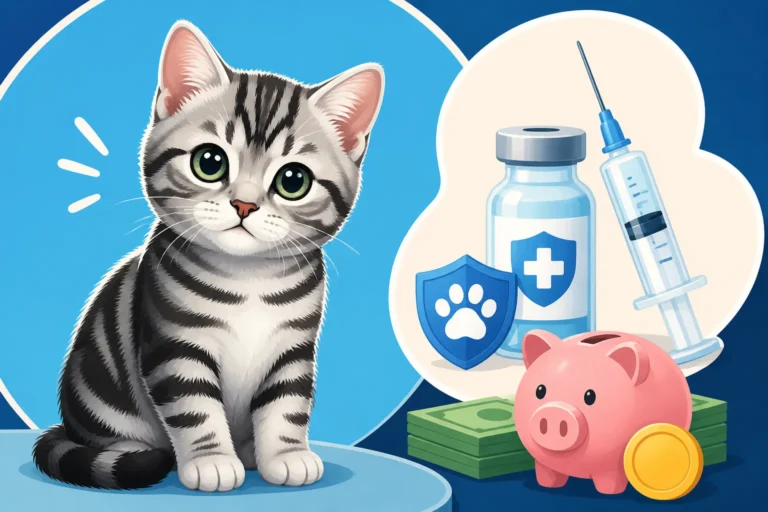
Focusing solely on the initial purchase price of an American Shorthair, regardless of its color, is a common pitfall. The reality is, a cat is a long-term commitment, and the upfront cost is just the beginning of a loving, but certainly not free, relationship. American Shorthairs are renowned for their robust health and longevity, often living The Fifteen to Twenty Years the American Shorthair Was Given, but that long life comes with ongoing care expenses.
Initial Setup Costs and Supplies
Bringing any new cat home means a flurry of initial expenses that quickly add up. You'll need a suitable carrier for transport, food and water bowls, a comfortable bed, and a robust scratching post or two to save your furniture. Don't forget the litter box (or several, for a well-rounded household) and quality cat litter. Then there are toys – plenty of them, as an American Shorthair still retains The American Shorthair Still Hunts, Whether You Want It To or Not and needs enrichment. These initial purchases can range significantly depending on whether you opt for basic essentials or more luxurious items. Many owners find great deals and a wide selection of these initial supplies from retailers like Chewy, making it easier to stock up on everything from food to enrichment toys.
Ongoing Care and Health Expenses
The most significant long-term cost of any American Shorthair will be its ongoing care, particularly veterinary attention. While American Shorthairs are generally healthy, they still require annual check-ups, vaccinations, and parasite prevention. They will also need dental care, potentially including How Many Dentals an American Shorthair Needs in Twenty Years over their lifetime. As they age, like any animal, they can develop conditions such as How Kidney Disease Creeps Up on an Old American Shorthair or Why Hyperthyroidism Catches a Long Lived American Shorthair, requiring medication, special diets, and more frequent vet visits. It’s crucial to factor in these potential costs. Many owners wisely invest in pet insurance from providers like Healthy Paws to help mitigate the financial impact of unexpected illnesses or accidents, ensuring their beloved feline friend can always get the care they need without breaking the bank. This foresight can be a lifesaver, both for your cat and your wallet.
Nutrition and Enrichment for a Well-Adjusted Cat
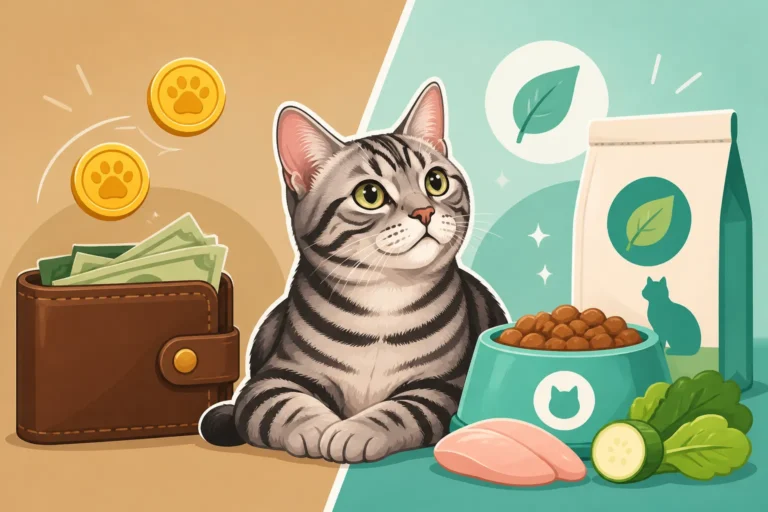
Feeding your American Shorthair a high-quality, balanced diet is paramount for its health and longevity. These are muscular, active cats that historically earned their keep as mousers, so they have a hearty appetite. However, with their indoor lifestyle, many American Shorthairs are prone to weight gain, making portion control and the right type of food crucial. You'll need to choose a diet that supports their sturdy build and energy levels without leading to Obesity Is What Ending the American Shorthair's Job Cost It. Some owners opt for premium kibble, while others prefer wet food for its hydration benefits. There are even options for fresh or raw diets, catering to owners who want to provide a more tailored, human-grade food experience. Beyond food, ensuring mental and physical enrichment is vital. This means not just toys, but also interactive play sessions, climbing opportunities, and perhaps even puzzle feeders that make them “work” for their meals, tapping into their natural Play That Finishes the Hunting Sequence for an American Shorthair instincts. These aren't just luxuries; they're essential for a happy, healthy, and well-adjusted American Shorthair.
Here’s a breakdown of factors influencing an American Shorthair's cost:
| Factor | Impact on Price | Details |
|---|---|---|
| Color/Pattern | Moderate to High | Specialty colors like Silver Tabby or Smoke often command a premium due to demand and breeding effort. Common colors like Brown Tabby may be on the lower end of a breeder's range. |
| Show/Breeding Quality | Significantly Higher | Kittens bred to meet or exceed breed standards, with potential for competition or reproduction, are priced highest. They represent peak breeder achievement. |
| Pet Quality | Standard to Moderate | Kittens with minor cosmetic flaws or traits not ideal for show/breeding, but otherwise healthy and suitable as companions. This is where most smokes will fall. |
| Breeder Reputation | High | Established breeders with a history of healthy, well-socialized cats, extensive health testing, and breed knowledge charge more. They invest heavily in their lines. |
| Health Guarantees | Included in price (essential) | Reputable breeders offer health guarantees and screen for inherited diseases like HCM, adding value and peace of mind to the cost. |
| Pedigree/Registration | Moderate (adds value) | Registration with organizations like the CFA ensures lineage and breed purity, reflecting the breeder's adherence to standards. |
| Temperament/Socialization | Included in price (essential) | Well-socialized kittens, raised in a home environment, are invaluable and reflect breeder effort. |
| Geographic Location | Variable | Prices can differ based on regional demand, cost of living, and number of local reputable breeders. |
Disclaimer
This article is for general informational purposes only and does not constitute professional advice. Laws, prices and regulations vary by location and change over time. Consult a qualified professional for guidance on your specific situation.