What Light Food Costs an American Shorthair Owner
It can be incredibly disheartening when your beloved American Shorthair, once a lean, agile hunter, starts to pack on the pounds. You notice them slowing down, perhaps struggling with jumps, and suddenly, your vet is recommending a "light food" diet. The immediate thought isn't just about the food itself, but the unexpected financial strain of a specialized diet, and you're left wondering what this change truly entails for your budget and your cat's well-being. This guide will meticulously break down the various costs associated with light food for an American Shorthair, from the price of the food itself to the related veterinary expenses and the long-term savings of maintaining a healthy weight.
Why Your American Shorthair Might Need a Light Food Diet
When your American Shorthair was originally bred, they were often working cats, active and constantly patrolling their territory for pests. They earned their meals, burning calories with every stalk and pounce. Fast forward to today, and most of our American Shorthairs are indoor companions, cherished members of the family who get their food delivered straight to a bowl. This shift in lifestyle, while offering safety and comfort, can unfortunately lead to a significant calorie imbalance.
The reality is that a domestic indoor life often means less activity than their ancestors experienced. Even the most dedicated play sessions might not match the energy expenditure of a cat that spent its day hunting. This reduced activity, combined with free-feeding habits or simply overestimating their calorie needs, frequently leads to weight gain. It’s a common scenario, and certainly not a reflection of your care, but rather a byproduct of their breed's historical purpose meeting modern living.
When an American Shorthair becomes overweight or obese, it's not just about aesthetics; it's a serious health concern. Extra weight puts strain on their joints, increases their risk of developing conditions like diabetes, and can even shorten their lifespan. Your vet recommending "light food" is usually a proactive step to prevent or manage these issues, aiming to get your cat back to a healthy, active state. It’s a critical intervention, even if the financial implications feel daunting at first.
Understanding "Light Food" for American Shorthairs
The term "light food" for cats isn't just marketing fluff; it refers to specifically formulated diets designed to help cats lose weight or maintain a healthy weight. These foods achieve their "light" status in a few key ways, primarily by reducing calorie density while still providing all the necessary nutrients. It's not about feeding less of a regular food, which can lead to nutrient deficiencies and hunger, but about feeding a food that is intrinsically lower in calories per serving.
Typically, light foods will have a reduced fat content, as fat is the most calorie-dense macronutrient. They often also contain higher levels of fiber, which helps cats feel full and supports healthy digestion, preventing them from feeling constantly hungry while on a restricted calorie intake. Some formulations might also include increased protein to help maintain lean muscle mass during weight loss, which is especially important for a naturally muscular breed like the American Shorthair.
There's a distinction to be made between commercial "weight control" foods available at pet stores and prescription veterinary diets. Commercial options can be a good starting point for cats needing to lose a few pounds, offering a moderate calorie reduction. However, for cats who are significantly overweight or have underlying health conditions, a prescription diet is often necessary. These foods are much more precisely formulated for significant weight loss under veterinary supervision and are only available through your vet.
Breaking Down the Cost of Light Food Options
The cost of light food for your American Shorthair can vary quite a bit depending on the type of food, the brand, and where you purchase it. It's not a one-size-fits-all expense, and understanding the nuances can help you budget effectively.
Commercial Weight Management Foods
These are the "light" options you'll typically find on the shelves at your local pet supply store or online retailers like Chewy. They are generally formulated for adult cats needing to shed a few pounds or maintain their current healthy weight. The price point for these foods usually falls somewhere in the mid-range for cat food.
You might find that a bag of dry commercial light food costs slightly more than a standard adult formula, primarily due to the specialized ingredients and formulation. Wet food versions, as with regular wet food, will naturally be more expensive per calorie than dry food, but can be excellent for satiety and hydration, which are both beneficial for weight loss. Keep an eye out for larger bags or cases of wet food, as buying in bulk can sometimes offer a better per-unit price. Many online retailers offer subscription services, and it’s worth checking if brands like Chewy have auto-ship discounts that can trim down your monthly expenses.
Prescription Veterinary Diets
When your American Shorthair needs to lose significant weight, or if they have other health issues like diabetes that are exacerbated by obesity, your vet will likely recommend a prescription diet. These foods are a different category entirely. They are formulated with specific calorie densities, nutrient profiles, and ingredients to achieve a targeted weight loss rate under a vet's guidance.
These prescription diets are almost always more expensive than commercial weight management foods. The higher cost reflects the extensive research and development that goes into their precise formulation, as well as the fact that they are often produced by specialized pet nutrition companies. You can typically only purchase these through your veterinarian's office or through approved online pharmacies that require vet authorization. While the sticker shock can be real, remember that these diets are a crucial medical tool for your cat's health. The cost is an investment in their longevity and quality of life. Consider discussing payment plans with your vet if the upfront cost is a barrier.
Fresh and Customized Meal Plans
In recent years, there's been a growing interest in fresh, human-grade cat food options. Some services offer customized meal plans that can be tailored to a cat's specific needs, including weight management. While not always explicitly labeled “light food” in the traditional sense, a well-formulated fresh diet can certainly aid in weight loss due to its high moisture content and carefully controlled portions.
These fresh food options tend to be the most expensive per serving compared to both commercial and even most prescription kibbles. The cost reflects the quality of ingredients, often human-grade meats and vegetables, and the convenience of pre-portioned, delivered meals. If you're considering a fresh food approach for weight management, it's essential to work closely with a veterinary nutritionist to ensure the diet is nutritionally complete and appropriately calorie-restricted for your American Shorthair's specific weight loss goals. The initial consultation and ongoing adjustments with a specialist will also add to the overall expense, but for some owners, the perceived benefits of a fresh diet are worth the premium price.
| Food Type | Typical Cost Range (per month, example) | Key Benefits | Considerations |
|---|---|---|---|
| Commercial Weight Management Dry | Moderate | Widely available, often good for mild weight issues | May not be potent enough for significant weight loss |
| Commercial Weight Management Wet | Moderate to High | Increased hydration, good for satiety | Higher cost per calorie, requires more storage space |
| Prescription Veterinary Dry | High | Precisely formulated for significant weight loss | Requires vet prescription, higher cost |
| Prescription Veterinary Wet | High to Very High | Combines precise formulation with high moisture | Highest cost, typically only available through vets |
| Fresh/Customized Meals | Very High | Human-grade ingredients, personalized nutrition | Most expensive, often requires nutritionist input |
Beyond the Bag: Associated Costs of Weight Management
Switching to light food isn't just about the purchase price of the kibble or wet pouches; there are several other costs that often come hand-in-hand with a weight management journey for your American Shorthair. It's crucial to factor these into your overall budget to avoid surprises.
Veterinary Consultations and Diagnostics
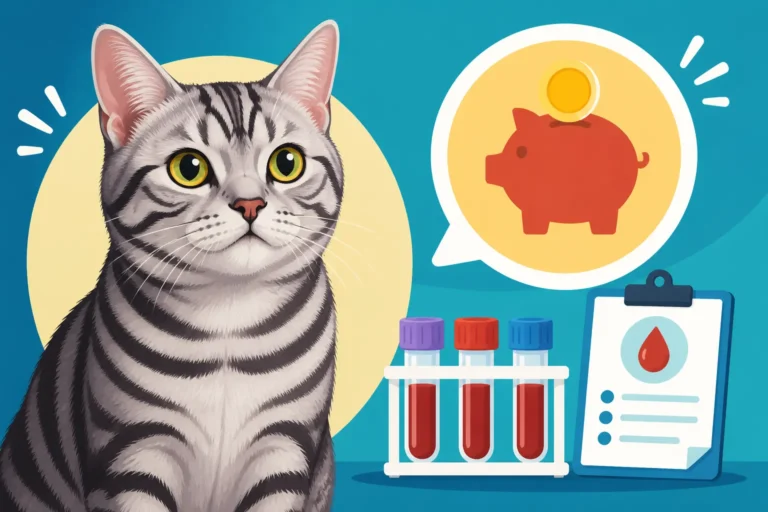
Before even starting a light food diet, your American Shorthair will need a thorough vet check-up. This isn't just a routine visit; it's about diagnosing the extent of their weight problem and ruling out any underlying medical conditions that might be contributing to weight gain or could be exacerbated by a new diet. This initial visit will involve a physical examination, weighing, and a body condition score assessment. Your vet might also recommend blood tests, a urinalysis, or other diagnostics to check for issues like thyroid problems, diabetes, or joint pain that could impact their ability to exercise or metabolize food properly.
Follow-up visits are also essential. Weight loss should be gradual and carefully monitored to ensure your cat is losing weight at a healthy pace and that the diet is working effectively. These regular weigh-ins and discussions with your vet, potentially every few weeks or months, incur additional consultation fees. While it adds to the expense, this consistent veterinary oversight is critical for your American Shorthair's safety and success. Some pet insurance providers, like Healthy Paws, might offer coverage for these diagnostic visits if they are related to a new condition, so it’s always worth checking your policy details.
Exercise Equipment and Enrichment
An American Shorthair is naturally a muscular and active cat, and while their indoor lifestyle has reduced their opportunities for hunting, their instincts remain. To help your cat burn calories and prevent boredom while on a diet, you might find yourself investing in new ways to encourage activity. This could include a sturdy cat tree for climbing and perching, puzzle feeders that make them "work" for their food, or a variety of interactive toys. What an American Shorthair Does With a Mouser's Instinct explains how important this engagement is. These items aren't just for fun; they are vital tools for environmental enrichment that support physical activity and mental stimulation, both of which are crucial for effective and healthy weight loss.
Even simple items like wand toys, laser pointers (used carefully to avoid frustration, ensuring they do get to "catch" something at the end of the session), or even new types of scratching posts can contribute to a more active lifestyle. Remember that encouraging play helps stimulate their natural hunting drive, which in turn burns calories. While the individual cost of these items might not seem like much, they can certainly add up, especially if you're trying to find what truly motivates your particular American Shorthair.
Supplements and Medications
Sometimes, managing an American Shorthair's weight isn't just about diet alone. If your cat has developed joint issues due to carrying extra weight, your vet might recommend supplements like glucosamine or chondroitin to support joint health. These supplements, while not always covered by standard pet food costs, can improve comfort and mobility, making it easier for your cat to exercise.
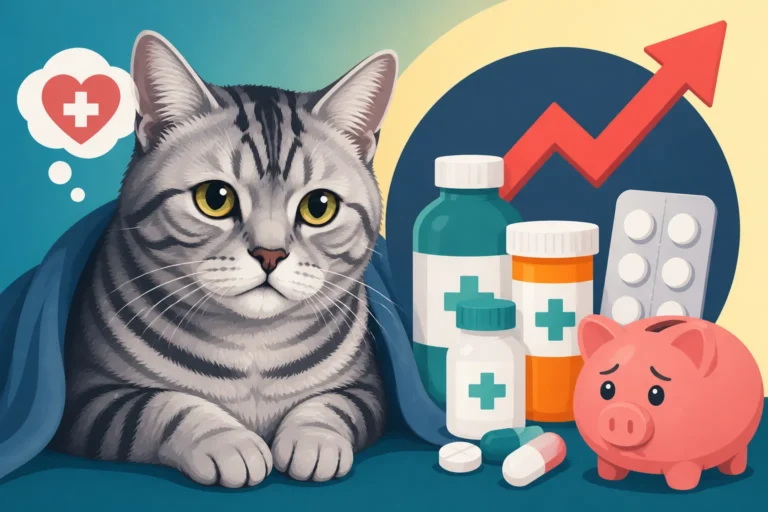
Furthermore, if your American Shorthair has developed secondary conditions like diabetes due to obesity, the costs of ongoing medications, insulin, and specialized diabetic testing supplies will become a significant, recurring expense. Even with successful weight loss, some of these conditions might require long-term management. These medical costs underscore the importance of early intervention when your vet suggests a light food diet. Addressing obesity early can potentially prevent or minimize the need for these more expensive, ongoing treatments down the line.
Strategies for Managing the Cost of Light Food
Finding ways to make a specialized diet for your American Shorthair more affordable is a common concern. Thankfully, there are several strategies you can employ to help manage these ongoing costs without compromising your cat's health.
Buying in Bulk and Auto-Ship Options
One of the most straightforward ways to save money on light food, especially commercial weight management formulas, is to buy in larger quantities. Larger bags of dry food or cases of wet food often have a lower per-pound or per-can cost than smaller packages. While the initial outlay is higher, it can lead to significant savings over time. Just be sure you have appropriate storage for bulk items to keep them fresh.
Many online pet supply retailers, such as Chewy, offer auto-ship programs. These services not only ensure you never run out of your cat's food but often come with a discount on each order. This can be a reliable way to reduce your monthly food bill without any extra effort on your part. Setting up a recurring order means you can "set it and forget it," knowing your cat's diet will arrive on schedule and at a slightly reduced price.
Comparing Brands and Ingredients
Just because a food is labeled "light" doesn't mean all brands are created equal in terms of cost or specific ingredients. Take the time to compare different brands of commercial weight management foods. Look at the calorie content per cup or can, the protein, fat, and fiber ratios, and the overall ingredient list. Sometimes, a slightly more expensive brand might offer better nutritional value, meaning your cat feels more satisfied on smaller portions, or it might have specific ingredients that support their health better.
For prescription diets, you might not have as many brand choices, but it's still worth discussing options with your vet. They may have different approved brands with similar formulations but varying price points. Always prioritize your vet's recommendation, but don't hesitate to ask if there are comparable alternatives that might be more budget-friendly. Remember, the goal is effective weight loss, and sometimes a slight shift in brand can make a difference in your wallet.
Utilizing Homemade or Fresh Food with Professional Guidance
While going fully homemade can be the most expensive option if not done carefully, discussing fresh or lightly cooked options with a veterinary nutritionist could sometimes be a way to control costs on a per-calorie basis, especially if you have access to wholesale ingredients. However, this is a delicate balance. Why a Bowl Left Down Ruins an American Shorthair talks about the dangers of free feeding, and this is even more critical with homemade diets. Without precise formulation by a professional, you risk creating nutritional deficiencies or, conversely, not effectively managing calorie intake for weight loss.
If you are curious about fresh food options, a service that offers customized, pre-portioned meals could be an option, though it's typically a premium expense. The benefit there is the professional formulation and convenience, but the cost generally remains higher than kibble. The key takeaway here is that any deviation from a commercially prepared, balanced diet for weight loss must be done under the strict guidance of a qualified veterinary nutritionist to ensure your American Shorthair is getting all the nutrients they need while still losing weight safely. Attempting to formulate a homemade diet for weight loss without professional help is risky and can lead to significant health problems and much higher vet bills down the road.
The Long-Term Financial Benefits of a Healthy Weight
While the initial costs of transitioning your American Shorthair to light food and managing their weight can feel like a burden, it's crucial to view this investment through a long-term lens. The financial benefits of maintaining a healthy weight for your cat can be substantial, ultimately saving you money and heartache over their lifespan.
Reduced Risk of Costly Chronic Diseases
Obesity is a precursor to a host of expensive chronic health conditions in cats. Diabetes, for example, often requires daily insulin injections, regular vet visits for glucose monitoring, and specialized diabetic food, all of which come with significant, ongoing costs. Arthritis and other joint issues, often exacerbated by extra weight, can lead to expenses for pain medication, anti-inflammatory drugs, and even potentially costly physical therapy sessions. How Many Years Extra Weight Takes Off the American Shorthair's Lifespan highlights the serious implications.
By investing in a light food diet and proactive weight management now, you are actively working to prevent or mitigate the development of these diseases. A healthier weight means a lower likelihood of diabetes, less strain on joints, and a reduced risk of other weight-related ailments, translating directly into fewer vet visits, fewer prescriptions, and a generally healthier cat that needs less intensive medical care. This prevention can lead to substantial financial savings over many years.
Potentially Lower Pet Insurance Premiums
While Healthy Paws, or any pet insurance company, won't cover pre-existing conditions (like obesity-related issues if they were diagnosed before you got insurance or before you started a diet), maintaining your American Shorthair at a healthy weight can help keep future premiums stable. Insurance companies often factor in a pet's general health and risk factors when determining premiums, especially as they age.
A cat with a history of good health and appropriate weight management is generally considered a lower risk for future claims. This might not result in an immediate discount, but it can certainly prevent significant increases in premiums that might occur if your cat develops a chronic, weight-related condition. Think of it as protecting your future insurance costs by investing in their health today.
A Longer, More Active Life
Ultimately, the most profound long-term benefit of a healthy weight for your American Shorthair isn't purely financial, but it certainly has financial implications. A lean, active cat is typically a happier cat. They are more mobile, more playful, and generally have a better quality of life. This improved well-being can mean more years of companionship and fewer instances of expensive emergency veterinary care that often arise from complications of chronic diseases.
While we can't put a price tag on the joy our pets bring us, minimizing health complications through diligent weight management means you can spend more time enjoying your American Shorthair's presence and less time and money managing illnesses. It’s an investment in their happiness, your peace of mind, and the longevity of your shared life together. And when you look at it that way, the cost of light food seems like a small price to pay for such a significant return. The Fifteen to Twenty Years the American Shorthair Was Given underscores the potential for a long life with proper care.
Conclusion: Investing in Your American Shorthair's Health
It's clear that the "cost" of light food for an American Shorthair goes far beyond the price printed on the bag. It encompasses initial veterinary assessments, potentially ongoing check-ups, investments in enrichment, and sometimes even additional medications or supplements. The sticker shock can be real, and it's completely understandable to feel concerned about these added expenses.
However, when you view these costs as an investment in your American Shorthair's long-term health and well-being, the perspective shifts. By proactively addressing weight gain with a suitable diet and lifestyle changes, you are actively reducing the risk of developing expensive, debilitating chronic conditions like diabetes or severe arthritis. You're giving your cat the best chance at a full, active life, which ultimately means fewer emergency vet visits, fewer costly medications, and a more joyful companion by your side for years to come.
So, while "What Light Food Costs an American Shorthair Owner" might seem like a simple question, the answer is multi-layered. It's not just a monthly bill, but a commitment to preventative care that pays dividends in health, happiness, and even significant financial savings in the long run.
Disclaimer
This article is for general informational purposes only and does not constitute professional advice. Laws, prices and regulations vary by location and change over time. Consult a qualified professional for guidance on your specific situation.