Whether a Shelter Cat Can Match an American Shorthair
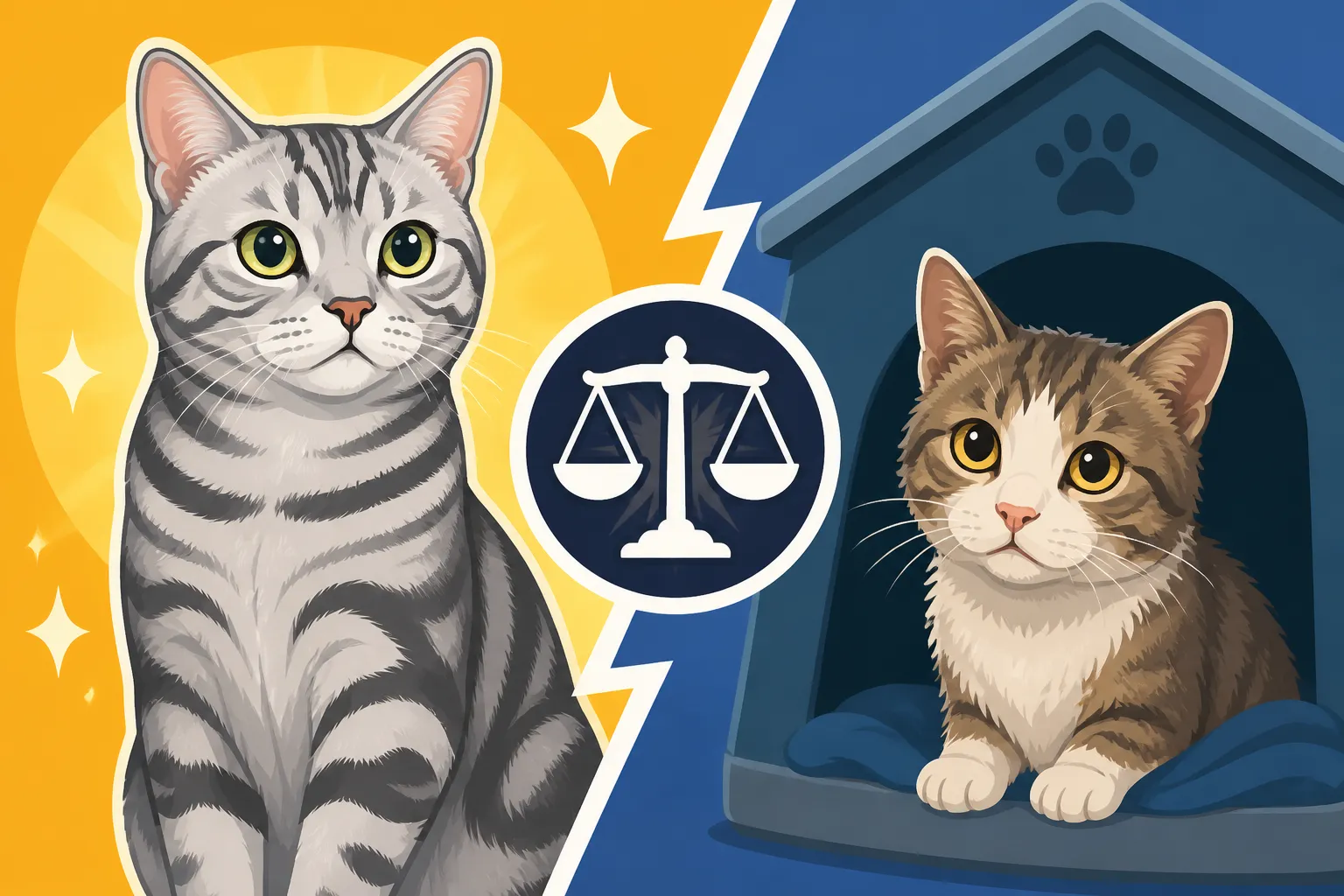
When you're dreaming of bringing a new feline friend into your home, it's easy to get swept up in the romantic notion of a specific breed like the American Shorthair. But a very common question that comes up is whether a cat from a shelter, perhaps one that even looks like an American Shorthair, can truly offer the same experience as a pedigreed one. This guide is here to dive deep into that very question, exploring the nuances of choosing between a purebred American Shorthair and a beloved shelter cat, helping you understand what each path might offer.
The Distinct Appeal of a Pedigreed American Shorthair
There’s a reason why people consider a pedigreed cat; it's often about predictability and the assurance of certain traits. The American Shorthair, with its rich history and carefully maintained lineage, offers a particular set of expectations that many prospective owners find incredibly appealing.
What "Pedigree" Really Means for Your American Shorthair
When we talk about a "pedigreed" American Shorthair, we're not just talking about a pretty face. We're talking about a cat with a documented family tree, often going back many generations, registered with organizations like the Cat Fanciers' Association (CFA). This isn't just fancy paperwork; it’s a blueprint for what you can generally expect from your future companion. A responsible breeder has invested time and effort into understanding and preserving the breed's characteristics, both physical and temperamental. This lineage provides a certain level of assurance that the cat will conform to the breed standard, from its sturdy build to its calm demeanor.
Think about it this way: when you get a pedigreed American Shorthair, you’re buying into a history of intentional breeding. Breeders select cats not just for their stunning looks, but also for health and temperament. They're trying to consistently produce kittens that embody the very best of the American Shorthair. This often means less guesswork about adult size, coat type, and even certain aspects of their personality. While every cat is an individual, the breed standard provides a strong foundation for these expectations. This stands in stark contrast to the often unknown genetic tapestry of a shelter cat, where their ancestry is a mystery. What an American Shorthair Pedigree Guarantees is a commitment to these established traits.
The American Shorthair's Prized and Predictable Traits
The American Shorthair has earned its reputation as a wonderful companion due to a combination of highly desirable traits. They are generally known for their placid, adaptable nature, making them excellent family pets that can thrive in various household environments, even those with children and other pets. Their robust health reputation, a legacy of their working cat ancestors, is another major draw. They aren't typically prone to the extreme conformation issues seen in some other breeds.
Their appearance is also a significant factor. The classic tabby patterns, especially the iconic silver tabby, are instantly recognizable and admired. For many, The Silver Tabby Is the American Shorthair People Pay For is the quintessential image of the breed. Breeders meticulously work to produce cats that meet these specific standards, ensuring that classic American Shorthair look. Beyond aesthetics, the breed’s temperament is a huge selling point. They're often described as easygoing, intelligent, and affectionate without being overly demanding. They enjoy interaction but are perfectly content to entertain themselves, a trait that makes them remarkably adaptable to busy households. This predictability in temperament, size, and appearance is often what draws people to invest in a pedigreed American Shorthair, hoping to replicate the positive experiences they've heard about or witnessed in others' American Shorthairs. This is also why What an American Shorthair Pedigree Buys That a Free Tabby Does Not often boils down to this reliability.
The Heart of the Shelter Cat: Unsung Heroes
While the allure of a pedigreed American Shorthair is undeniable, the loving embrace of a shelter cat offers its own profound rewards. Many people wonder if the unique connection and companionship they seek can be found just as readily in a cat from a rescue organization.
The Vast Diversity of Shelter Cats
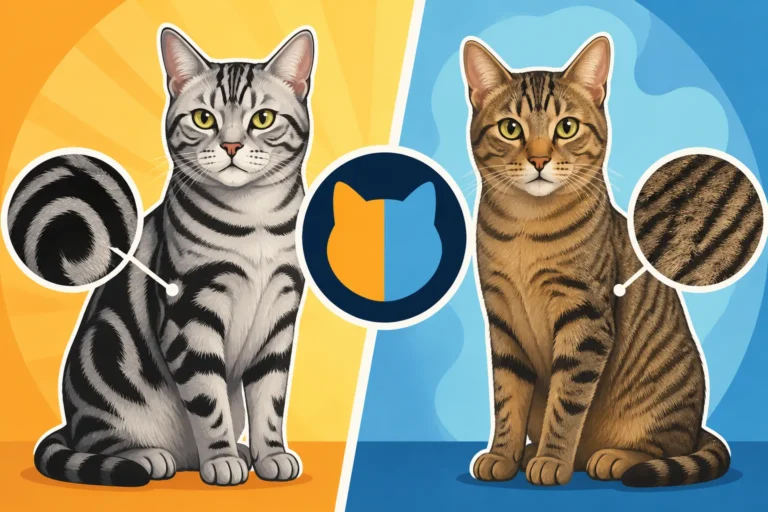
Walk into almost any animal shelter, and you'll encounter a vibrant array of cats, many of whom are domestic shorthairs. You might even spot a cat with a sturdy build, a round face, and a beautiful tabby pattern that bears a striking resemblance to a pedigreed American Shorthair. Indeed, many shelter cats are often mistakenly identified as American Shorthairs because their physical appearance aligns so closely with the breed's historical "working cat" look. However, without a verified pedigree, these cats are typically classified as domestic shorthairs. This doesn't make them any less wonderful, but it does mean their exact genetic heritage and the predictability that comes with it are largely unknown.
The beauty of shelter cats lies in their incredible diversity. They come in every color, pattern, size, and personality imaginable. You'll find shy cats, boisterous cats, cuddlers, and independent spirits. Some may have a touch of Persian in their past, others a hint of Maine Coon, and many are simply a delightful mix of everything. This genetic melting pot means that while you might not get the guaranteed traits of a purebred, you'll certainly get a unique individual with their own distinct charm. It's a journey of discovery, finding out who your cat truly is once they've settled into their forever home. Knowing How to Tell a Pedigree American Shorthair From a Domestic Shorthair can help, but ultimately, a shelter cat's charm is their individuality.
The Unpredictable Charm and Potential of a Rescue
Adopting a shelter cat is an act of incredible compassion, and it often comes with a profound sense of satisfaction. While the specific traits of a shelter cat aren't guaranteed in the way they are with a pedigreed American Shorthair, what you gain is often a resilient, grateful, and deeply loving companion. Many rescue cats, having perhaps faced hardship or uncertainty, blossom into incredibly affectionate pets once they feel safe and loved. Their personalities may not be fully evident in the stressful shelter environment, but once they've decompressed in a stable home, their true colors shine through.
Shelters often do a wonderful job of providing basic health checks, vaccinations, and spay/neuter surgeries before adoption. They may also have some history on the cat's temperament, especially if they've been in a foster home. While you won't have the extensive genetic health screening that a responsible American Shorthair breeder provides, you're still getting a cat that has received initial veterinary care. The "unpredictable" nature of a rescue cat's personality is often part of their charm; you embark on a journey of getting to know them, and the bond that forms can be incredibly strong. Just like any new pet, setting up your home with essentials from places like Chewy, whether it's quality food or engaging toys, helps ensure a smooth transition for your new family member.
Comparing Predictability, Health, and Temperament
When making the choice between an American Shorthair and a shelter cat, a key factor is understanding the differences in predictability, health assurances, and temperament consistency. Both paths lead to a loving companion, but the journey to finding them and what you can expect along the way can differ quite a bit.
The Predictability Factor: Pedigree vs. Unknown
One of the primary reasons people gravitate towards a pedigreed American Shorthair is the promise of predictability. Reputable breeders meticulously follow breed standards, meaning they aim to produce cats that look a certain way, grow to a certain size, and exhibit a generally consistent temperament. What an American Shorthair Pedigree Predicts About Temperament is often a calm, adaptable, and friendly cat, making them ideal for families. You have a clearer idea of what your kitten will grow into, both physically and behaviorally. This can be particularly reassuring for first-time cat owners or families with young children or other pets, as it minimizes surprises.
With a shelter cat, that predictability is largely absent. You might fall in love with a fluffy kitten, but have no real idea if it will grow into a giant, shaggy beast or a sleek, petite cat. Their genetic background is a mix, and while that contributes to their unique charm, it also means you're taking a leap of faith when it comes to long-term physical characteristics and some aspects of temperament. Adoption counselors at shelters do their best to match personalities, but a cat's true self often doesn't fully emerge until they've been in a stable home for weeks or months. It’s a wonderful adventure, but one where the outcome is less charted.
| Feature | Pedigreed American Shorthair | Shelter Cat (Domestic Shorthair) |
|---|---|---|
| Ancestry | Documented, multi-generational pedigree | Usually unknown, mix of various breeds |
| Appearance | Conforms to breed standard (size, coat, colors) | Highly variable, can resemble many breeds |
| Temperament | Generally predictable (calm, adaptable) | Variable, individual personalities shine through |
| Health Info | Breeder screens for known breed issues (e.g., HCM) | Initial vet check, past history often unknown |
| Cost | Higher initial purchase price | Lower initial adoption fee |
Health Considerations for Both Paths
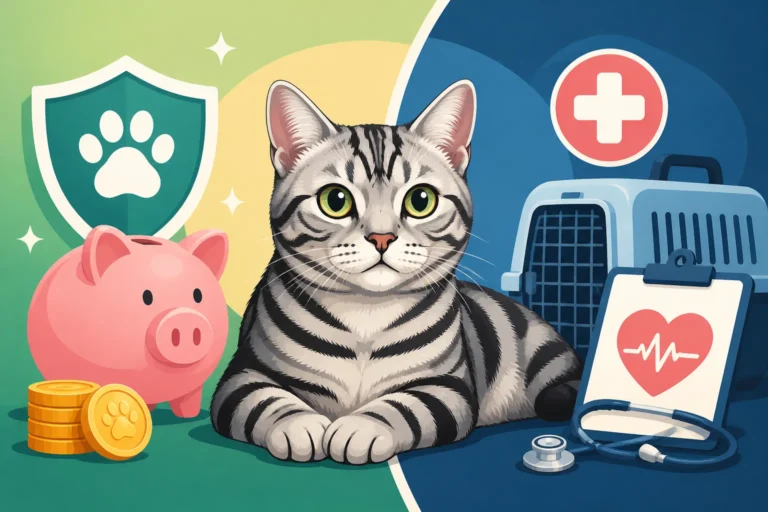
Health is a huge concern for any pet owner, and this is where the differences between a pedigreed American Shorthair and a shelter cat can be quite pronounced. Responsible American Shorthair breeders take the health of their lines very seriously. They often perform specific health screenings on their breeding cats for conditions known to affect the breed, even those considered relatively healthy. For instance, while American Shorthairs are generally robust, HCM Is the One Inherited Disease the American Shorthair Kept and a good breeder will regularly screen for it. They'll be transparent about the health history of the parents and provide health guarantees for the kittens. This upfront investment in genetic health can potentially save on future veterinary costs and heartache. What an American Shorthair Pedigree Predicts About Health generally points to a resilient constitution, but diligent screening remains important.
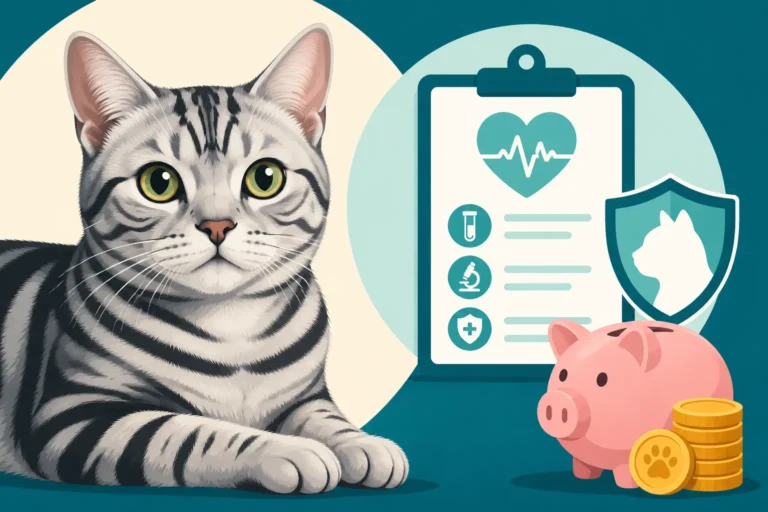
Shelter cats, on the other hand, arrive with a more ambiguous health history. While shelters provide initial veterinary care—vaccinations, deworming, spay/neuter, and a general health check—they usually don't have access to genetic testing or the multi-generational health records that a breeder can provide. This means that while your shelter cat might be perfectly healthy for its entire life, there's also a chance they could develop unforeseen conditions later on. This isn't a deterrent for many adopters, but it does highlight the importance of regular veterinary check-ups and considering pet insurance. Brands like Healthy Paws can be an absolute lifesaver, helping to cover unexpected veterinary bills, whether you choose a purebred or a beloved shelter friend. It's an investment in peace of mind for any cat owner.
Temperament and Lifestyle Fit
The temperament of your cat profoundly impacts how well they integrate into your home and lifestyle. The American Shorthair is celebrated for its calm, easygoing, and adaptable personality. They are known for fitting seamlessly into various households, from quiet single-person homes to bustling families with children and other pets. Why an American Shorthair Fits Any Household comes down to their balanced nature – they love companionship but are also perfectly content to entertain themselves. They're typically not overly vocal or demanding, and many owners appreciate that An American Shorthair Asks You for Almost Nothing beyond basic care and affection. This makes them a strong choice for first-time cat owners or those seeking a predictable, low-stress companion.
For shelter cats, temperament is much more of a discovery process. While some may be immediately outgoing and affectionate, others might be shy, reserved, or even a little fearful at first, especially if they’ve had a difficult past. Shelters and foster parents often provide insights into a cat's personality, describing them as playful, cuddly, independent, or "lap cats." However, a cat's true personality often unfolds slowly in the comfort and security of a new home. This can be a rewarding experience, watching a formerly timid cat transform into a confident, loving companion. It requires patience and understanding, but the bond formed can be incredibly deep. The key is to be open-minded and work with shelter staff to find a cat whose known traits (even if limited) seem to align with your lifestyle.
Cost, Commitment, and the Emotional Reward
Ultimately, the decision often comes down to weighing the financial aspects, the long-term commitment, and the unique emotional rewards each choice offers. Both paths lead to cat ownership, but the journey to get there and the considerations along the way can vary significantly.
Initial Costs: Purchase Price vs. Adoption Fee
Let's not beat around the bush: the upfront cost is a major differentiator. When you’re considering a pedigreed American Shorthair from a reputable breeder, you're looking at a purchase price that reflects the breeder's investment in health testing, quality care, proper nutrition for the mother and kittens, registration fees, and their expertise in maintaining the breed standard. What a Registered American Shorthair Kitten Costs With Papers is a figure that can range significantly depending on the breeder's reputation, location, and the kitten's specific lineage. This initial cost can be substantial, but it's often viewed as an investment in a predictable companion with known health and temperament traits.
On the other hand, adopting a cat from a shelter or rescue organization comes with a much lower adoption fee. This fee typically covers a portion of the costs the shelter incurs for spaying or neutering, initial vaccinations, deworming, microchipping, and a basic health check. What Adopting an American Shorthair Costs at a Shelter is a fraction of what you'd pay a breeder, and it comes with the added benefit of knowing you've given a homeless cat a second chance. While the sticker price is lower, it’s important to remember that this is just the beginning of your financial commitment.
Long-Term Expenses: Food, Vet Care, and More
Regardless of whether you bring home a pedigreed American Shorthair or a shelter cat, long-term expenses are a significant part of pet ownership. Every cat needs quality food, fresh water, litter, toys, and routine veterinary care. High-quality food and supplies contribute to your cat's overall health and well-being.
However, veterinary costs can fluctuate. While American Shorthairs generally have a reputation for good health, they are not immune to illness or injury. Why an American Shorthair Costs a Vet Less Than a Persian might suggest fewer breed-specific problems, but age-related conditions, accidents, or even common feline ailments can still lead to significant vet bills. For shelter cats, whose health history is often a mystery, there might be a higher likelihood of uncovering underlying conditions that require ongoing care. This is precisely why pet insurance, like plans offered by Healthy Paws, is a wise investment for any cat owner, regardless of their pet's origin. It can help cushion the blow of unexpected medical emergencies or chronic conditions. When you consider Twenty Years of an American Shorthair, Priced Out, you quickly realize that the initial acquisition cost is a small percentage of the total lifetime expense. Investing in preventative care, quality nutrition, and potentially pet insurance from the start can help manage these costs over your cat's lifespan.
The Deep Emotional Fulfillment of Both Choices
Ultimately, the emotional reward of bringing a cat into your life is immeasurable, regardless of whether they come from a breeder or a shelter. For those who choose a pedigreed American Shorthair, the satisfaction comes from supporting responsible breeding practices, experiencing the predictable traits of a well-established breed, and building a bond with a cat whose lineage speaks to generations of careful development. There's a joy in watching a kitten grow into the magnificent, characteristic adult you anticipated, knowing its temperament and physical traits are a result of dedicated efforts.
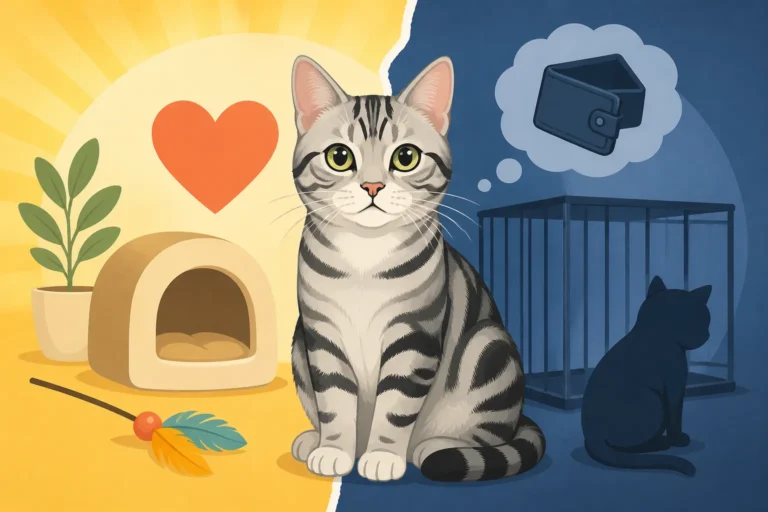
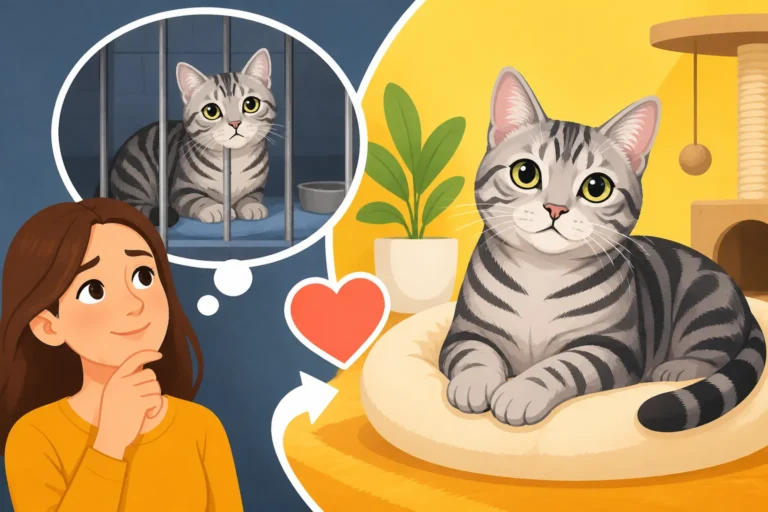
For adopters of shelter cats, the emotional fulfillment often runs deep, stemming from the act of rescue itself. Giving a home to a cat in need, watching them transform from a timid shelter resident to a confident, loving family member, is an incredibly powerful experience. The love and gratitude from a rescue cat are often described as profound and unique. Both paths offer the incredible joy of companionship, the purrs that soothe a long day, the playful antics that bring laughter, and the quiet presence that enriches your life. The choice truly depends on your personal priorities, whether that's predictability and breed preservation or the immense satisfaction of giving a deserving cat a second chance.
Disclaimer
This article is for general informational purposes only and does not constitute professional advice. Laws, prices and regulations vary by location and change over time. Consult a qualified professional for guidance on your specific situation.