What Adopting an American Shorthair Costs at a Shelter
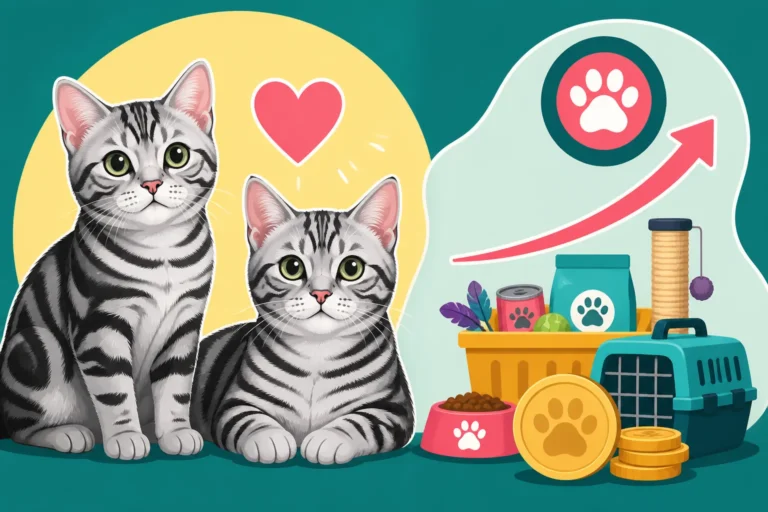
It’s a common misconception that getting a purebred American Shorthair means shelling out a fortune to a breeder. While that's certainly one path, many people are surprised to learn that these wonderful cats, or cats very much resembling them, often find their way into shelters. This guide will walk you through what to expect when adopting an American Shorthair or an American Shorthair mix from a rescue, covering the costs, the benefits, and what to budget for beyond the initial fee.
The Initial Shelter Adoption Fee
When you’re looking to bring a new furry family member home, the first thing most people think about is the sticker price. With American Shorthairs, especially those from reputable breeders, that price can be quite substantial. But a shelter offers a different scenario, one that’s often much more budget-friendly and comes with a host of pre-emptive care included.
What the Fee Typically Covers
The beauty of adopting from a shelter is that the adoption fee isn't just a cost; it's an investment in your cat's immediate health and your peace of mind. Most reputable shelters include a comprehensive package of services that would cost significantly more if you were to pay for them individually at a private veterinary clinic. This usually includes the spay or neuter surgery, which is a major expense on its own, easily running into the hundreds of dollars. They also take care of core vaccinations, protecting your new friend from common feline diseases, and often include a microchip. A microchip is absolutely essential, dramatically increasing the chances of being reunited if your cat ever gets lost. Think of it as their tiny, permanent ID tag. Many shelters will also perform an initial veterinary check-up, sometimes even covering a starter dose of flea and worm treatment. It's truly a fantastic head start on responsible pet ownership.
Why Shelter Fees Vary
You might notice that adoption fees aren't uniform across all shelters or even for all cats within the same organization. There are several reasons for this variation. Location plays a big role; shelters in areas with a higher cost of living generally have higher operating expenses, which can be reflected in their fees. The age of the cat can also influence the price. Adorable kittens often command a slightly higher fee because they are in high demand, and these funds help subsidize the care for older or harder-to-place cats. Senior cats, on the other hand, might have reduced or waived fees to encourage their adoption, as they often get overlooked. Similarly, cats with special needs or chronic conditions might have lower fees. Sometimes, shelters run special promotions, or if a particular breed or type of cat is in high demand, like a classic silver tabby American Shorthair, the fee might be slightly higher to reflect that. It’s all part of a larger strategy to ensure all their animals find loving homes while covering essential operational costs.
Comparing Shelter Fees to Breeder Costs
The difference between a shelter adoption fee and a breeder's price for an American Shorthair is often astronomical. A registered American Shorthair kitten from a reputable breeder can carry a significant price tag, reflecting the breeder's investment in health screenings, show quality, and ensuring the lineage meets breed standards. While a breeder's kitten might come with extensive health paperwork for generations, the initial cash outlay is considerably higher. The initial costs of an American Shorthair from a breeder often don't include the spay/neuter, microchipping, or even all initial vaccinations, leaving those significant expenses for the new owner.
In contrast, a shelter adoption fee, while not zero, is typically a fraction of a breeder's price, and as we discussed, already includes many of those vital first-year veterinary procedures. When you consider What an American Shorthair Pedigree Buys That a Free Tabby Does Not, it often boils down to predictable genetics and appearance. However, a shelter cat offers a huge financial advantage right from the start. This makes adopting from a shelter a truly economical way to bring a wonderful companion into your life, especially if you're open to an American Shorthair mix or a purebred whose papers aren't the primary concern.
Beyond the Adoption Fee: Initial Setup Costs
Once the adoption fee is paid and you've chosen your new American Shorthair, your financial journey has just begun. There are crucial initial setup costs to consider to ensure your new companion has everything they need to thrive in their new home. Neglecting these can lead to stress for both you and your cat, so it’s wise to budget for them upfront.
Essential Supplies for Your New American Shorthair
Bringing a cat home requires more than just a loving heart; it requires a shopping trip! You’ll need a good quality cat food that aligns with their dietary needs, whether it's dry kibble, wet food, or a combination. The shelter might provide a small starter bag, but you’ll want to have a supply ready. A robust litter box, ideally one that suits a larger, square-built cat like the American Shorthair, is paramount. Remember, Why a Standard Box Is Too Small for an American Shorthair if you don't pick one correctly. Along with the box, you’ll need appropriate litter – some cats are particular, so it's good to start with what they used at the shelter. Food and water bowls are obvious necessities; ceramic or stainless steel are often preferred for hygiene. Don't forget a sturdy carrier for safe transport, both from the shelter and for future vet visits. And, of course, toys! Simple mice, feather wands, and crinkle balls can provide much-needed stimulation and help them settle in. Many of these items, from food to litter, can be conveniently ordered online from retailers like Chewy, offering a vast selection and often home delivery.
First Vet Visit and Health Checks
Even with the initial vet check included in the adoption fee, a follow-up visit with your own chosen veterinarian is highly recommended shortly after adoption. This allows your vet to establish a baseline for your American Shorthair's health, discuss a long-term wellness plan, and address any lingering questions you might have. They’ll likely perform a thorough physical exam, check for any remaining parasites that might have been missed or require further treatment, and ensure all vaccinations are up to date. Sometimes, further diagnostics like a stool sample analysis or a routine blood panel might be suggested, especially if the cat’s history is unknown. This is also the perfect time to discuss preventative care like flea, tick, and heartworm medication. While American Shorthairs are generally healthy, it's always smart to be proactive, and understanding How Regularly a Healthy American Shorthair Still Needs Checking is key to their long-term wellbeing.
Preparing Your Home for a New Arrival
Before your American Shorthair even sets a paw in your home, it's vital to prepare their environment. This isn't just about physical items; it's about creating a safe, stimulating, and stress-free space. Invest in a good scratching post – or several! American Shorthairs have a strong instinct to maintain their claws, and providing appropriate outlets like sisal or cardboard posts can save your furniture. Consider a cat tree or shelves that allow them to climb and survey their territory from a height, which can be incredibly comforting for a cat. Securing breakable items, putting away toxic plants, and ensuring cords are safely tucked away are also crucial steps. American Shorthairs, with their keen hunting instincts, can sometimes be drawn to small, dangling objects, so proper cat-proofing is essential to prevent accidents. Creating a designated "safe room" for the first few days can significantly reduce stress, allowing your new American Shorthair to acclimate gradually to their new surroundings before exploring the whole house.
Ongoing Monthly Expenses
Adoption is just the beginning of a long and joyful relationship, but it also comes with ongoing financial responsibilities. Understanding and budgeting for these regular monthly costs will help ensure your American Shorthair lives a comfortable and happy life without unexpected financial strains.
Food and Nutrition Considerations
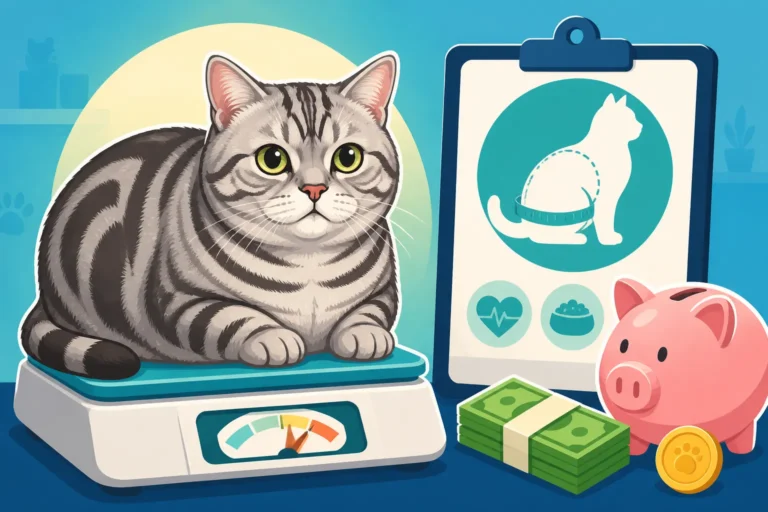
Feeding your American Shorthair is a primary ongoing expense, and the quality of food you choose can impact their long-term health. Given the American Shorthair's naturally muscular build and their tendency to gain weight if overfed (especially since they no longer have a “mousing job” to keep them trim), portion control is crucial. Many owners opt for a mix of high-quality dry kibble and wet food. Wet food adds moisture to their diet, which can be beneficial for urinary health, and often has a lower calorie density, helping with weight management. Look for foods with real meat as the first ingredient and avoid excessive fillers. Fresh, human-grade cat food can provide excellent nutrition, though it typically comes at a higher price point. Remember that Feeding an American Shorthair That No Longer Hunts Its Food requires conscious effort to prevent obesity, and choosing the right diet is a big part of that. The cost will vary depending on the brand, type of food (wet, dry, fresh), and any special dietary needs your individual cat might have.
Litter and Hygiene Supplies
Another consistent monthly cost will be cat litter. The type of litter you choose can affect both your budget and your cat’s comfort. Options range from traditional clay clumping litter to more eco-friendly silica gel, pine, or corn-based litters. Each has its pros and cons regarding odor control, dust, and cost. For a robust cat like an American Shorthair, who might prefer a larger litter box, you'll likely go through a fair amount of litter each month, especially if you adhere to the recommended practice of scooping daily and changing the litter completely every week or two. Regular cleaning of the litter box is also vital for hygiene and to prevent your cat from developing litter box aversion, which can lead to costly behavioral issues down the line.
Enrichment and Entertainment
Keeping your American Shorthair mentally and physically stimulated is not just about fun; it’s essential for their well-being. These are intelligent cats with a historical hunting drive, so providing outlets for that instinct is important. While some initial toys are purchased, they wear out, get lost, or your cat simply gets bored of them. Budget for new toys periodically, whether it's a new feather wand, puzzle feeders, or enrichment items. Puzzle feeders are excellent for making your cat "work" for their food, mimicking their natural hunting behavior and slowing down mealtime. Catnip sprays or toys can also be a periodic treat. Don't forget replacement scratching surfaces if your cat is particularly fond of wearing down their posts. Investing in enrichment prevents boredom, which can manifest as destructive behavior or stress. A mentally stimulated cat is a happy cat, and these small monthly investments contribute significantly to their quality of life.
Healthcare and Insurance
Even the healthiest American Shorthair will need ongoing veterinary care throughout its life. While the breed is known for its hardiness, proactive healthcare is vital to maintaining that robust health and catching any issues early.
Routine Veterinary Care
Annual veterinary check-ups are non-negotiable for all cats, including American Shorthairs. These visits typically include a comprehensive physical examination, vaccinations (boosters if needed), and discussions about preventative care like parasite control. As your American Shorthair ages, these visits might become more frequent, or include additional screenings. For instance, Why an American Shorthair Still Needs a Yearly Heart Scan is a question many owners ponder, and regular checks can help detect issues like HCM, even if it's rare. Your vet will also advise on dental hygiene, which is often a silent problem in cats, and discuss any changes in diet or behavior. These routine visits are crucial for early detection of potential health problems, making treatment more effective and less costly in the long run.
The Value of Pet Insurance
While American Shorthairs are generally a healthy breed, unexpected illnesses or accidents can still occur, leading to significant veterinary bills. This is where pet insurance can be a game-changer. Rather than facing a sudden, large expense for an emergency surgery or a chronic condition, pet insurance helps cover a portion of those costs, providing financial peace of mind. Policies vary widely, with different deductibles, reimbursement percentages, and annual limits. It's worth researching providers like Healthy Paws, which are known for their comprehensive accident and illness plans. Choosing to insure your American Shorthair is a personal decision, but for many, the investment in monthly premiums is well worth it for the security it offers, especially when facing something as daunting as What a Cardiac Emergency Costs an American Shorthair Owner.
Common Health Concerns to Budget For
While American Shorthairs are known for their health, no cat is entirely immune to health issues. As they age, they may become prone to conditions common in all felines, such as dental disease, kidney disease, or hyperthyroidism. Dental cleanings, especially with extractions, can be surprisingly expensive, and many cats need them multiple times over their lifespan. It's a quiet problem, as Why Gum Disease Is the American Shorthair's Quietest Problem often explains. Older cats may develop arthritis, requiring ongoing pain management or joint supplements. Male American Shorthairs, like many male cats, can be prone to urinary blockages, which are serious emergencies requiring immediate and often costly veterinary intervention. While it’s impossible to predict every health issue, setting aside a dedicated emergency fund or investing in pet insurance are excellent ways to prepare for these potential costs.
Long-Term Financial Planning
Bringing an American Shorthair into your home is a long-term commitment, potentially spanning fifteen to twenty years. Planning for their financial needs over this entire lifespan is a smart and responsible approach.
Senior Cat Care Costs
As your American Shorthair enters their golden years, typically around 10-12 years old, their care needs often change and become more intensive, leading to increased costs. They might need more frequent vet check-ups, often twice a year, to monitor for age-related conditions like kidney disease, hyperthyroidism, or arthritis. Caring for an American Shorthair Past Twelve often involves a bit more hands-on help and financial outlay. Specialized senior diets, which can be more expensive than regular adult food, might be necessary to support their changing metabolism and organ function. Many senior cats also require ongoing medications for chronic conditions, which become a recurring monthly expense. They might need softer bedding, ramps to access favorite spots, or even professional grooming assistance if they can no longer reach certain areas to groom themselves due to stiffness or weight.
The True Lifetime Cost of Ownership
When you add up the initial adoption fee, ongoing food, litter, enrichment, routine vet care, and potential senior care costs, the lifetime financial commitment for an American Shorthair can be substantial. While Twenty Years of an American Shorthair, Priced Out might seem daunting, it's spread out over many years of companionship and joy. It’s not just about the monetary value; it's about the time, love, and effort you invest. Even though an American Shorthair is often considered one of the more affordable pedigree cats to keep due to their generally robust health, the cumulative cost of a long life is still significant. This is why making an informed decision about pet ownership involves looking at the full financial picture, not just the initial adoption fee.
Budgeting Tips for American Shorthair Owners
Managing the costs of American Shorthair ownership doesn't have to be overwhelming. One of the best strategies is to create a dedicated pet savings fund. Even putting aside a small amount each month can build up a cushion for unexpected veterinary bills or future senior care. Researching pet insurance options early on can also prevent financial surprises later. When it comes to everyday expenses, consider buying food and litter in bulk from retailers like Chewy to take advantage of discounts, or sign up for subscription services that often offer savings. Homemade toys or DIY enrichment activities can save money while still providing mental stimulation. Don't shy away from generic brands for certain supplies, like litter, if your cat accepts them. Being mindful of portion control for food not only keeps your American Shorthair healthy but also prevents waste. Remember, smart budgeting allows you to provide the best care without breaking the bank.
Estimated American Shorthair Adoption and Initial Costs
Here’s a general overview of what you might expect to spend when adopting an American Shorthair from a shelter and getting them settled into their new home. Keep in mind these are estimates and can vary based on your location, specific choices, and your cat's individual needs.
| Category | Estimated Shelter Adoption Fee | Estimated Initial Setup Costs (One-time) | Estimated Monthly Ongoing Costs |
|---|---|---|---|
| Adoption Fee | Moderate to High | Included in fee | N/A |
| Vet Visit (Follow-up) | N/A | Moderate | N/A |
| Food & Water Bowls | N/A | Low | N/A |
| Litter Box | N/A | Low to Moderate | N/A |
| Cat Carrier | N/A | Moderate | N/A |
| Scratching Posts/Tree | N/A | Moderate to High | N/A |
| Initial Toys | N/A | Low | N/A |
| Food | N/A | Low (starter bag) | Moderate to High |
| Litter | N/A | Low (initial bag) | Moderate |
| Pet Insurance | N/A | N/A | Low to Moderate |
| Regular Vet Check-ups | N/A | N/A | Low (annual cost averaged) |
| Total | $50 – $250+ | $200 – $500+ | $40 – $100+ |
Please note: These are general estimates. "Low" might be $10-$30, "Moderate" $30-$100, "High" $100+ depending on the item or service.
Disclaimer
This article is for general informational purposes only and does not constitute professional advice. Laws, prices and regulations vary by location and change over time. Consult a qualified professional for guidance on your specific situation.