Whether an American Shorthair Kitten Comes With Papers
It’s a common moment of confusion for anyone looking to bring a pedigree American Shorthair kitten into their home: "Will it come with papers?" This isn't just about a piece of official-looking documentation; it’s about confirming authenticity, understanding lineage, and ensuring you’re getting exactly what you paid for, especially when a charming tabby might look remarkably similar to a domestic shorthair. This guide is here to help you navigate the world of American Shorthair kitten paperwork, explaining what to expect, why it matters, and what steps to take.
What "Papers" Actually Mean for an American Shorthair Kitten
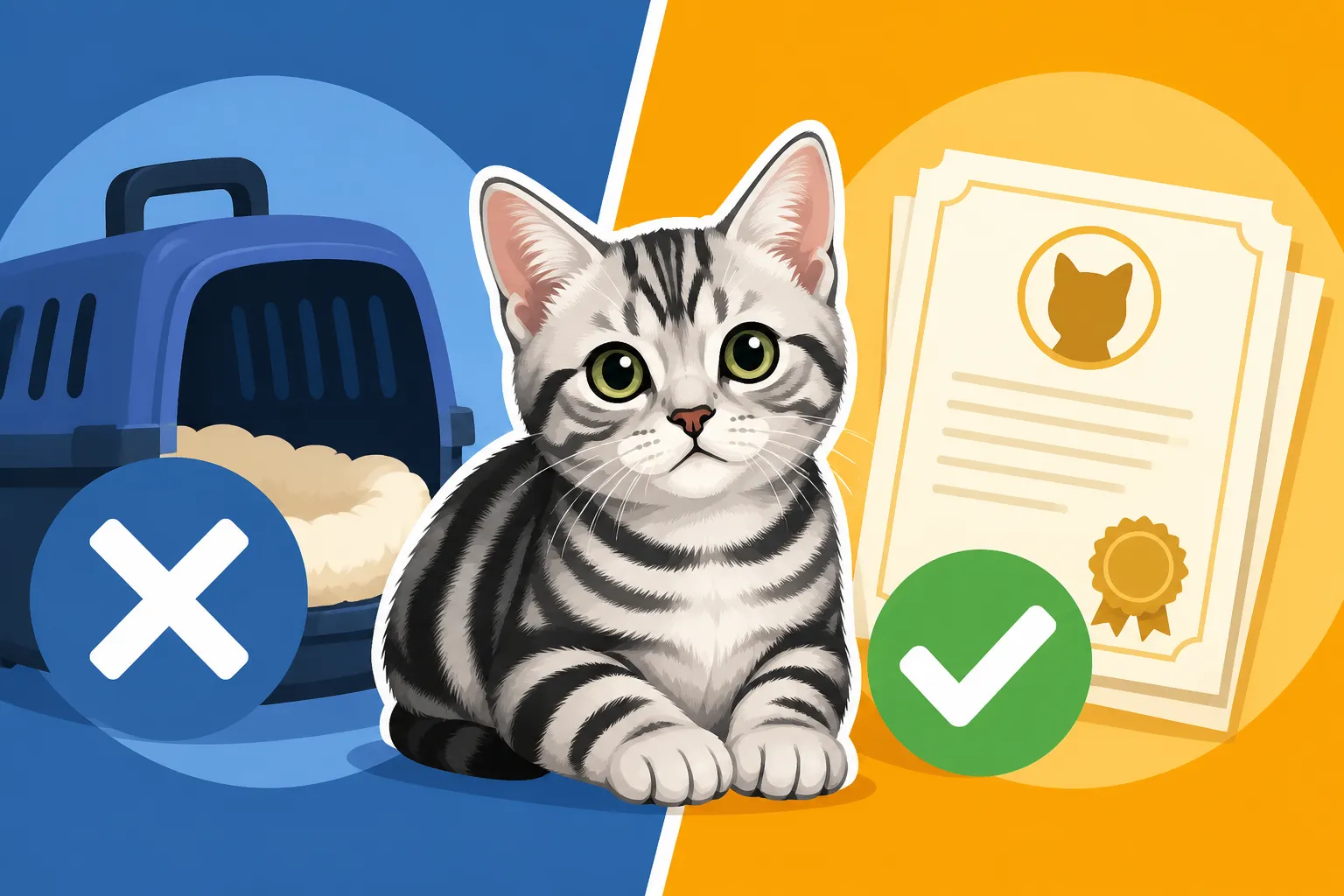
When people ask if an American Shorthair kitten comes with "papers," they’re usually referring to official registration documents from a recognized cat fancy association. Think of it like a birth certificate and family tree all rolled into one for your feline friend. This isn't just some random certificate; it's a formal acknowledgment of the cat's lineage, proving it’s a purebred American Shorthair and not just a very cute, well-marked domestic tabby. It confirms that the kitten's parents are also registered American Shorthairs, tracing their ancestry back through several generations.
These papers are distinctly different from your kitten’s individual veterinary health records, vaccination certificates, or microchip registration. While those documents are incredibly important for your cat's immediate health and safety, they don't speak to its breed purity. A domestic cat will have vet records, but it won't have registration papers from a breed association. The presence of these breed-specific papers is what elevates a well-bred cat from a lovely pet to a genuine pedigree specimen, providing a verifiable history that distinguishes it within the fancy.
It’s worth remembering that the term "pedigree" itself implies a documented ancestry. Without the papers, you might have a cat that looks exactly like an American Shorthair, and indeed might be one in every physical respect, but you lack the official proof that breeders and breed registries consider essential. This distinction is vital, especially when considering the significant price difference you might encounter. What a Registered American Shorthair Kitten Costs With Papers explores this financial aspect further.
Why American Shorthair Breeders Provide Papers
Reputable American Shorthair breeders understand that providing registration papers is a cornerstone of ethical breeding practices. It's not just a formality; it’s a crucial part of their commitment to the breed and to you, the buyer. These papers serve several key purposes, offering assurances and benefits that extend far beyond simply having a fancy document.
First and foremost, papers verify the kitten's pedigree. This means that the breeder has responsibly traced the kitten's lineage, ensuring that both parents are registered American Shorthairs and meet the breed standard. This documentation helps prevent accidental cross-breeding and ensures the integrity of the American Shorthair breed. It’s also an indicator that the breeder is working within the guidelines of recognized cat associations, like the CFA (Cat Fanciers' Association) or TICA (The International Cat Association). When you're looking for How to Find an American Shorthair Breeder Worth Paying For, the provision of papers is often a primary indicator of their professionalism.
Secondly, registration papers offer a degree of predictability regarding temperament and health. While every individual cat is unique, breed standards are developed around certain traits that have been carefully cultivated over generations. An American Shorthair with documented ancestry is more likely to exhibit the calm, adaptable, and affectionate demeanor the breed is known for. Furthermore, responsible breeders often screen their breeding cats for genetic health issues, and these efforts are implicitly linked to maintaining a registered pedigree. For example, knowing the lineage helps track conditions like HCM (Hypertrophic Cardiomyopathy), which, while less common in American Shorthairs than some other breeds, is still something to be aware of. Which Diseases the American Shorthair Actually Carries is a good read on this topic.
Finally, for those who might be interested in showing their American Shorthair or eventually breeding themselves (under a strict breeding contract, of course), the papers are absolutely essential. Without them, your cat cannot be officially entered into sanctioned cat shows or have its offspring registered as purebred American Shorthairs. Even if you simply want a beloved pet, the papers offer peace of mind, knowing that your kitten comes from a solid foundation.
| Aspect | What "Papers" Provide | What "Papers" Do NOT Provide (but are still important!) |
|---|---|---|
| Breed Verification | Official proof of purebred American Shorthair lineage | Proof of health or vaccinations |
| Ancestry | Documented family tree for several generations | Guaranteed temperament or training |
| Breeder Integrity | Indication of responsible, registered breeding practices | Automatic guarantee of perfect health |
| Future Options | Eligibility for cat shows, official breeding | Behavioral training or dietary guidance |
| Peace of Mind | Assurance of breed authenticity and heritage | Immediate vet care |
What to Expect When Receiving American Shorthair Papers
When you acquire an American Shorthair kitten from a reputable breeder, the process for receiving its registration papers usually follows a clear, albeit sometimes staggered, timeline. It's not always a case of receiving all the documents the moment you pick up your kitten, and understanding this can prevent unnecessary worry.
Typically, breeders will provide you with a registration application for a recognized cat association, rather than the completed registration certificate itself. This application will have the kitten's litter registration number, the parents' registered names and numbers, and often other pertinent details. You, as the new owner, are then responsible for submitting this application to the relevant cat registry (like CFA or TICA), along with a fee, to officially register the kitten in your name. This ensures that the cat is officially transferred to your ownership within the registry's records. Sometimes, breeders will offer to handle this for you, but generally, it's a step the new owner completes.
It's common for breeders to delay providing the registration application until after the kitten has been spayed or neutered, especially if you purchased the kitten as a "pet quality" cat rather than for breeding. This is a common practice to enforce their spay/neuter clause, ensuring that pets are not used for unintended breeding. Your purchase contract should clearly outline this policy. Always make sure to ask Which Questions to Ask an American Shorthair Breeder regarding their paperwork process and timing.
If there's a delay, or if the papers aren't immediately available, don't panic, but do communicate with your breeder. A good breeder will be transparent about their process and able to provide a clear timeline. They should also be able to show you the registration papers for the parents of your kitten, which is a good preliminary step to verify lineage if your kitten's individual papers are pending. You can typically see a sample of Which Generations an American Shorthair Pedigree Must Show on a parent's papers.
If you purchase a kitten that is already spayed or neutered, the application form or even the completed registration certificate might be given to you at the time of pickup. Again, your contract should specify what you're receiving and when. Some breeders might also provide a copy of the litter registration, proving the entire litter was registered, even if individual papers are still processing. Patience is key, but consistent communication with your breeder is vital to ensure you eventually receive all necessary documentation.
The Intrinsic Value of American Shorthair Papers
So, is all this talk about "papers" just about a piece of fancy paper? Not at all. For an American Shorthair, especially, the presence of registration papers holds significant intrinsic value, distinguishing it from the vast majority of domestic shorthair cats that share its popular tabby patterns and sturdy build. While a shelter cat can offer immense companionship and love, there's a different expectation when investing in a pedigree.
The primary value lies in the guarantee of breed type. When you buy an American Shorthair, you're investing in a cat that has been selectively bred over generations to meet specific physical and temperamental standards. The papers are the verifiable proof of this heritage. This means you can anticipate certain traits: a well-muscled, medium-sized cat with a broad chest, a kind and adaptable disposition, and a low-maintenance, weather-resistant coat. Without papers, you’re essentially guessing, relying on visual cues that can be misleading. How to Tell an American Shorthair From a Tabby Moggy can offer some visual tips, but papers provide certainty.
Beyond breed type, papers often indirectly reflect the responsible practices of the breeder. A breeder who registers their litters and provides papers is typically invested in the health and welfare of their cats. They are more likely to conduct health screenings, provide proper veterinary care, and ensure the kittens are well-socialized before going to their new homes. These factors contribute significantly to a kitten's long-term well-being and can potentially save you considerable vet costs down the line. It's not a direct health guarantee on the papers themselves, but a marker of a breeder's overall commitment. When considering What an American Shorthair Pedigree Predicts About Health, the pedigree is a foundational element.
Furthermore, owning a registered American Shorthair often brings access to a wider community of enthusiasts, breed clubs, and resources. You can participate in breed-specific events, learn more about the history and nuances of your cat's lineage, and connect with others who share your passion. This community aspect adds another layer of value, enriching your experience as an American Shorthair owner.
Finally, while we never want to think about it, should circumstances change and you ever need to rehome your American Shorthair, the papers can often facilitate this process within breed-specific rescue organizations or with other breed enthusiasts. It provides a recognized identity and history, which can be beneficial. Ultimately, for many, the value of papers is in the confidence and assurance they provide, confirming that you have a genuine American Shorthair with a documented legacy.
Securing Your American Shorthair's Future: Beyond the Papers
While obtaining your American Shorthair kitten’s registration papers is a significant step in owning a pedigree cat, remember that it's just one piece of the puzzle in ensuring a long, happy, and healthy life for your feline companion. A truly comprehensive approach to care extends far beyond initial paperwork, touching on daily needs, ongoing health, and financial preparedness.
One of the most crucial considerations for any pet owner, especially with a pedigree cat, is health insurance. Even with a healthy breed like the American Shorthair, unexpected accidents or illnesses can occur. A good pet insurance policy can provide immense peace of mind, helping you cover veterinary costs without having to make difficult financial decisions during an emergency. Providers like Healthy Paws offer robust plans that can help manage the financial impact of unforeseen health issues, ensuring your American Shorthair gets the best care possible throughout its life. It's certainly something to consider, as Whether Insurers Price the American Shorthair Low points out, they are often seen as a lower-risk breed.
Beyond insurance, daily care and nutrition play a pivotal role in maintaining your American Shorthair's robust health. These cats are known for their sturdy build and active minds, so a high-quality diet is paramount. Many owners find success with premium kibbles and wet foods available from retailers like Chewy, which offers a wide selection to meet specific dietary needs, including options for weight management or sensitive stomachs. Feeding an American Shorthair That No Longer Hunts Its Food covers more on appropriate diets.
Enrichment and exercise are also vital. Despite being indoor companions for many, American Shorthairs retain their natural hunting instincts. Providing engaging toys, scratching posts (essential for Which Post Lets an American Shorthair Condition Its Claws), and opportunities for interactive play will keep them mentally and physically stimulated. A contented cat is often a healthy cat, and investing in their environment is just as important as investing in their food.
Finally, regular veterinary check-ups are non-negotiable. Even the healthiest American Shorthair needs routine preventative care, vaccinations, and dental cleanings. These regular visits allow your vet to catch any potential issues early, contributing to a longer, healthier life. While papers confirm their breed, your ongoing care ensures they thrive.
Disclaimer
This article is for general informational purposes only and does not constitute professional advice. Laws, prices and regulations vary by location and change over time. Consult a qualified professional for guidance on your specific situation.