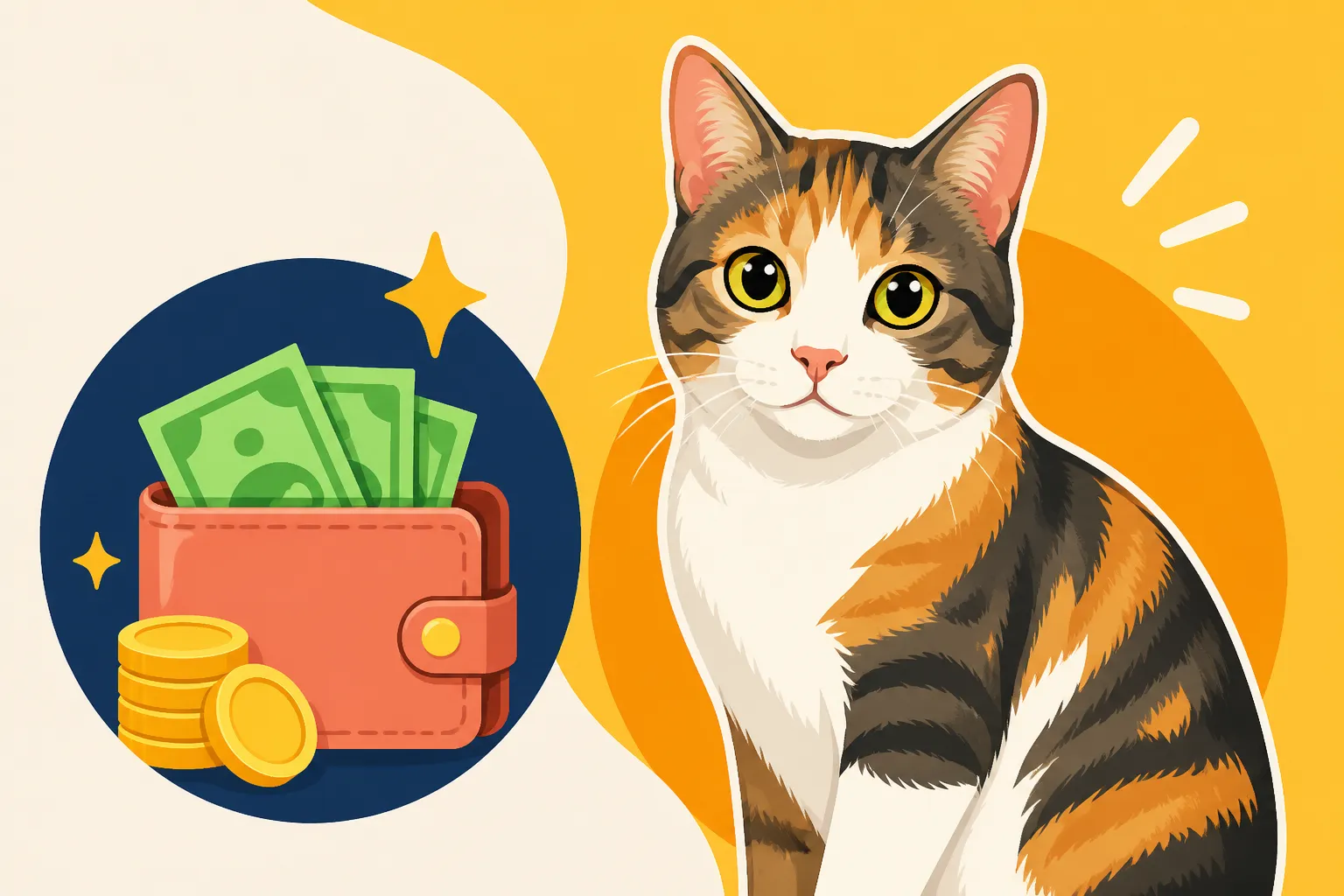
What a Calico American Shorthair Costs
It’s a common misconception that a beautiful, distinct coat pattern like calico automatically means a higher price tag for a pedigree cat. You might see a stunning Calico American Shorthair and assume its unique coloring will break the bank compared to, say, a classic silver tabby. However, when it comes to the American Shorthair breed, the cost isn't usually dictated by the calico pattern itself, but rather by the same factors that influence the price of any well-bred American Shorthair. This guide will walk you through what truly impacts the cost of a Calico American Shorthair, from initial purchase to lifetime expenses.
Understanding the American Shorthair's Price Baseline
When you're looking at bringing an American Shorthair into your home, whether it's a vibrant calico or any other color, there's a baseline price you should expect. This foundation is built on the rigorous standards and care that reputable breeders pour into their lines, ensuring you get a healthy, well-socialized kitten that truly represents the breed. The specific color, while visually striking, usually takes a backseat to these fundamental aspects of breeding.
Factors Influencing the Base Price of an American Shorthair Kitten
The price of any pedigree American Shorthair kitten, regardless of its color, is heavily influenced by several key factors. Think of these as the non-negotiables that good breeders invest in, which in turn are reflected in their kitten prices. It's not about rarity of color, but rather the quality and care behind the breeding program.
Firstly, a breeder's reputation and experience play a massive role. Established breeders who have dedicated years to improving the breed, who consistently produce healthy, temperamentally sound cats, and who are well-regarded within the cat fancy community, will understandably have higher prices. This isn't just arbitrary; it reflects their significant investment of time, knowledge, and resources. They often participate in cat shows, which require considerable expense and travel, all to prove the quality of their cats against the breed standard.
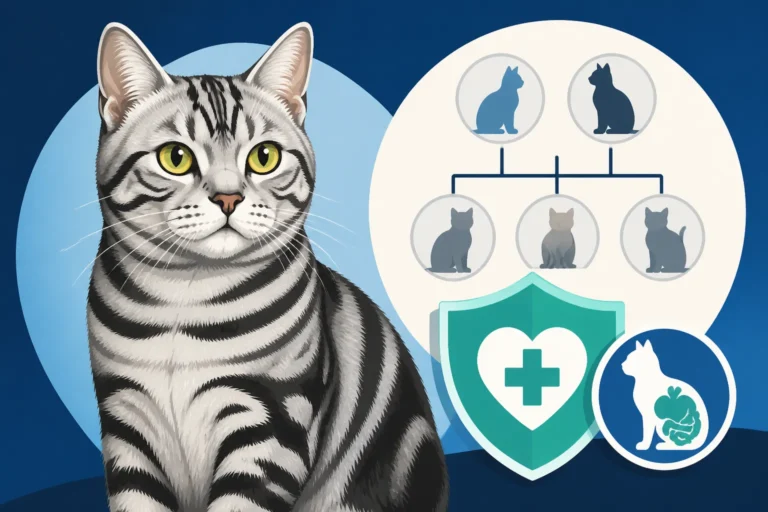
Secondly, health testing is paramount and adds to the cost. Reputable American Shorthair breeders screen their adult cats for potential inherited conditions, most notably Hypertrophic Cardiomyopathy (HCM) through regular echocardiograms. Why an American Shorthair Still Needs a Yearly Heart Scan These tests are not cheap, and they need to be performed by board-certified veterinary cardiologists. The peace of mind that comes from knowing a kitten's parents are clear of such conditions is invaluable. Other general health screenings and regular veterinary care for the breeding cats and their litters, including vaccinations and deworming, are all factored into the kitten's price. A kitten that comes with a clean bill of health and a solid health guarantee offers immense long-term savings and emotional security. You can read more about What an American Shorthair Breeder Should Have Screened.
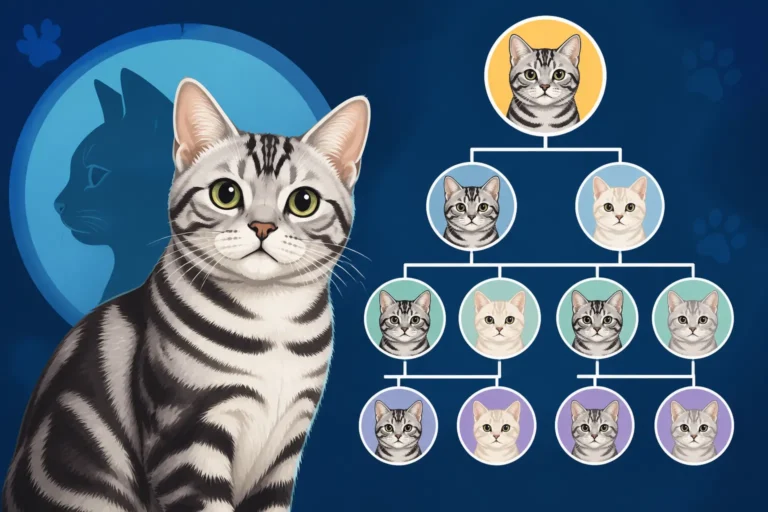
Thirdly, registration and pedigree papers confirm the cat's lineage and breed authenticity. For an American Shorthair, this usually means registration with organizations like the Cat Fanciers' Association (CFA). These papers aren't just fancy certificates; they trace the cat's ancestry, ensuring it meets breed standards and isn't a random-bred cat being passed off as a pedigree. The cost of maintaining these registrations and providing this documentation is part of the overall expense.
Lastly, geographical location can slightly influence prices due to varying costs of living, veterinary care, and demand in different regions. A breeder in a high-cost-of-living area might need to charge a bit more to cover their overheads. However, this is usually a minor factor compared to the others. What you're truly paying for is the confidence that comes with a responsible breeding program, not just a cat of a certain color.
Why the "Look" of a Calico Doesn't Automatically Hike the Price
It's natural to assume that because calico patterns are so visually striking and unique, a Calico American Shorthair would cost more than, say, a brown tabby or a blue solid. However, within the American Shorthair breed, the calico pattern itself typically doesn't command a premium purely based on its color. This is because calico is a recognized and accepted color pattern within the breed standard; it's not considered "rare" or "exotic" in the way some new, experimental colors might be in other breeds.
The genetics behind calico are fascinating, involving sex-linked genes, and almost all calico cats are female. This means that while every calico pattern is unique, the existence of calico isn't a genetic anomaly that breeders struggle to produce. It occurs naturally. What does matter to a breeder, especially one who shows their cats, is how well the calico markings conform to the ideal pattern described in the breed standard – things like clarity, balance, and distribution of colors. A cat with a perfectly proportioned and vibrantly colored calico pattern might be highly prized for its show potential, which could indirectly affect its price, but that's due to its overall show quality, not just the presence of the calico pattern itself.
For a pet-quality Calico American Shorthair, the cost will likely be similar to any other pet-quality American Shorthair. The focus for a pet buyer should be on health, temperament, and ethical breeding practices, rather than seeking out a calico specifically in the hopes of a "deal" or bracing for an exorbitant price. The true value lies in the care and dedication of the breeder, ensuring a healthy and happy companion, regardless of its coat of many colors.
The Calico Pattern in the American Shorthair Standard
When you delve into the world of pedigree cats, every breed has a "standard"—a detailed description of the ideal physical traits, temperament, and even allowed colors and patterns. For the American Shorthair, this standard is set by cat registries like the CFA (Cat Fanciers' Association) and guides breeders in their efforts to maintain and improve the breed. Knowing where the calico pattern fits into this standard helps understand its place in the breed's pricing structure.
What the Breed Standard Says About Calico Markings
The breed standard for the American Shorthair is quite comprehensive, listing a wide array of accepted colors and patterns. And yes, calico is definitely among them! A "calico" American Shorthair typically refers to a cat with patches of black, red (or orange), and white. Variants exist, such as "dilute calico," which features blue, cream, and white patches. These distinct, unbrindled patches of color are celebrated within the standard.
What the standard doesn't do, however, is assign a higher intrinsic value to one color or pattern over another for pet purposes. A calico American Shorthair is simply one of many beautiful possibilities. The emphasis in the standard isn't on the rarity of calico, but on the quality of its expression. Are the colors distinct? Are the patches well-defined and clearly separated? Is the white distributed in a pleasing way? These are the questions a show judge or a discerning breeder would ask. For a family simply looking for a beloved companion, the exact conformity to these aesthetic nuances is often less critical, and therefore, shouldn't dramatically alter the price. You're getting an American Shorthair, which by its nature is a sturdy, well-built cat, and the calico just adds a dash of vibrant artistry.
Why a "Perfect" Calico Pattern Might Still Influence a Show Cat's Value
While the calico pattern itself doesn't inherently make a pet kitten more expensive, the story changes slightly when you consider cats bred for the show ring. In the competitive world of cat shows, a "perfect" calico pattern on an American Shorthair can indeed contribute to a higher valuation, not because the pattern is rare, but because its flawless execution within the breed standard is highly desirable.
For a show-quality American Shorthair, judges are looking for a cat that embodies the ideal of the breed in every aspect – from its head shape and body structure to its coat quality and pattern clarity. If a Calico American Shorthair exhibits beautifully distinct, well-balanced patches of color, with crisp edges and no muddiness between the hues, it's considered an excellent example of the pattern. This level of perfection demonstrates the breeder's skill in selecting breeding stock that consistently produces high-quality offspring. Such a cat has a greater chance of winning titles and contributing strong genetics to future generations, making it a valuable asset to a breeding program. What Show Markings Add to an American Shorthair's Price
So, while a pet owner might simply admire the beauty of a calico coat, a breeder or exhibitor sees the culmination of careful genetic planning and adherence to the standard. This added "show potential" or "breeding potential" is what can elevate the price of an exceptional Calico American Shorthair beyond that of a pet-quality animal, much like a championship-line cat of any color would command a premium. This isn't about the color being inherently more expensive, but about the degree of perfection in its expression, alongside all other ideal American Shorthair traits.
Where to Find a Calico American Shorthair and What to Expect to Pay
Once you've set your heart on a Calico American Shorthair, your next step is to figure out where to find one and what kind of investment you'll need to make. The cost isn't just about the initial purchase; it's about making sure you're getting a healthy, well-adjusted cat from a responsible source. The price can vary significantly depending on whether you go through a reputable breeder or opt for adoption.
Reputable Breeders and Their Pricing Structure for Specific Colors
When purchasing from a reputable American Shorthair breeder, you can expect a transparent pricing structure that reflects their dedication to the breed. As we've discussed, the price largely covers health testing, quality care, registration fees, and the breeder's expertise. For a pet-quality Calico American Shorthair kitten from a good breeder, you might find the price to be in a similar range to other common American Shorthair colors.
Breeders typically classify kittens as "pet quality" or "show/breeding quality." Pet-quality kittens are healthy and true to breed type but might have minor deviations from the stringent show standard (perhaps a less-than-perfect coat pattern or eye color, or simply not the absolute best of the litter in competition terms). These kittens are usually sold with a spay/neuter contract, meaning you agree to have them sterilized before a certain age. A Calico American Shorthair falling into this category will generally have a consistent price point.
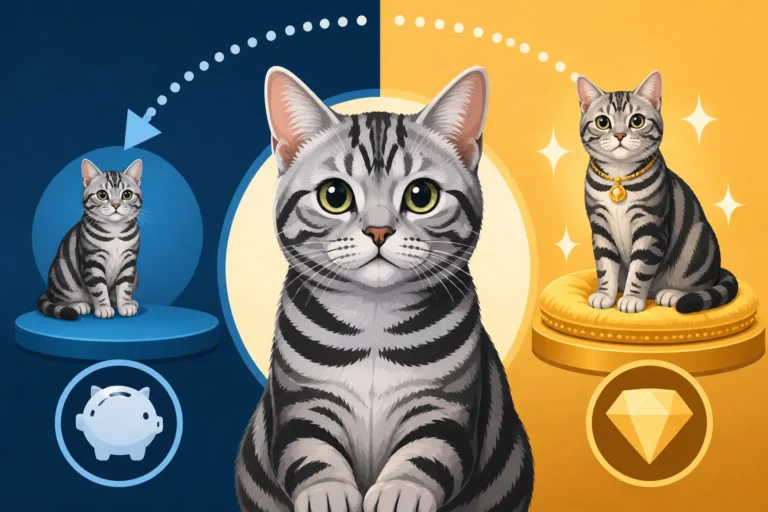
Show/breeding quality kittens, on the other hand, meet the breed standard exceptionally well and are considered potential champions or future breeding stock. These cats command a higher price. If a Calico American Shorthair kitten has a particularly striking, balanced, and perfectly marked coat that aligns flawlessly with the breed standard, it might be designated as show quality. In this scenario, the perfection of the calico pattern, combined with its overall breed type, is what influences the higher price, not just the fact that it's a calico. Always remember to ask for health clearances and pedigrees, and ensure the breeder is transparent about their practices. Look for breeders affiliated with cat registries, as this is a good sign of their commitment. How to Find an American Shorthair Breeder Worth Paying For
Adoption and Rescue Options for Calico American Shorthairs
If the price tag of a pedigree kitten from a breeder feels a bit steep, or if you simply prefer to give a loving home to a cat in need, adoption and rescue are wonderful alternatives. You might be surprised to learn that Calico American Shorthairs, or American Shorthair type cats, do find their way into shelters and breed-specific rescues.
While it's less common to find a fully registered, pedigreed American Shorthair with papers in a general animal shelter, it's not impossible. Sometimes, life circumstances change, and even beloved pedigree cats need new homes. More often, you'll find domestic shorthairs with strong American Shorthair characteristics – including beautiful calico patterns – who were either strays or surrendered pets. These cats might not have official papers, but they often embody the wonderful temperament and sturdy build that the American Shorthair is known for. What Adopting an American Shorthair Costs at a Shelter
The cost of adopting from a shelter or rescue is significantly lower than purchasing from a breeder. Adoption fees typically cover essential veterinary care like spaying or neutering, vaccinations, deworming, and microchipping. This can be a huge saving compared to the initial vet visits for a new kitten. While you might not get a guaranteed purebred with a documented lineage, you'll be providing a home to a cat that desperately needs one, and many calico cats from rescues are just as charming and healthy. They still offer that unique calico beauty without the pedigree price tag.
Beyond the Purchase Price: Lifetime Costs of a Calico American Shorthair
The initial cost of bringing home a Calico American Shorthair, whether from a breeder or a rescue, is just the beginning of your financial journey. A responsible cat owner understands that ongoing care forms the bulk of the lifetime expense. Thinking ahead about these costs is crucial for ensuring your new companion lives a long, healthy, and happy life. Twenty Years of an American Shorthair, Priced Out
Essential Ongoing Expenses
Just like any pet, a Calico American Shorthair will have recurring expenses throughout its life, which can span 15 to 20 years. These aren't hidden fees; they're the bread and butter of responsible pet ownership.
Food: High-quality nutrition is paramount for your American Shorthair's health. Given their muscular build and tendency towards obesity if overfed, portion control and a good diet are key. What Extra Weight Does to an American Shorthair's Working Frame The cost of food can vary widely depending on the brand and type (wet, dry, or a combination). Companies like Chewy offer a vast selection of premium cat foods, often with subscription services that can help manage costs and ensure you never run out. Some owners might opt for fresh food options, which can be more expensive, but many feel the health benefits are worth it.
Litter: A significant, continuous expense is cat litter. American Shorthairs are generally clean cats, and a suitable, consistently clean litter box is vital. The type of litter you choose – clumping, non-clumping, silica gel, natural wood, or recycled paper – will impact your monthly budget. A robust cat like the American Shorthair will need a generously sized litter box, and you'll want to ensure you keep it clean to avoid any behavioral issues.
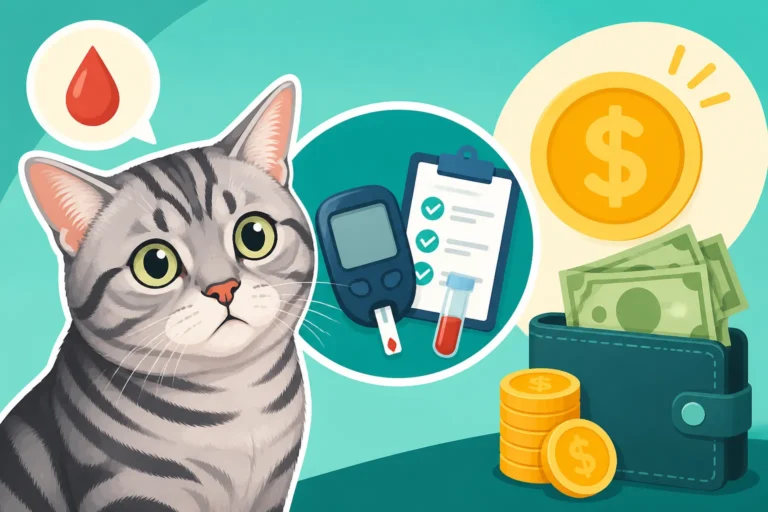
Veterinary Care: Regular veterinary check-ups are essential for preventative care. This includes annual exams, vaccinations (even for indoor cats), and routine parasite control (flea, tick, and worm prevention). As your American Shorthair ages, these costs can increase, potentially including blood work, dental cleanings, and managing age-related conditions. How Regularly a Healthy American Shorthair Still Needs Checking Even a breed known for its robustness can face unexpected health issues.
Pet Insurance: This is where brands like Healthy Paws can truly make a difference. Pet insurance helps mitigate the financial shock of unexpected accidents or illnesses. While American Shorthairs are generally healthy, a major illness or injury can result in vet bills running into the thousands. Investing in a good pet insurance policy can provide peace of mind and ensure you can always afford the best possible care for your calico companion without breaking your budget during a crisis. It's a lifesaver for many pet owners.
Considering "Hidden" Costs
Beyond the obvious, there are often "hidden" or less obvious costs that accumulate over a cat's lifetime. These are just as important to budget for if you want to provide a rich and stimulating environment for your Calico American Shorthair.
Toys and Enrichment: American Shorthairs still carry a strong hunting instinct, even if they're indoor-only cats. They thrive on interactive play that simulates the hunt, requiring a rotating supply of wand toys, puzzle feeders, and other enrichment items. Which Toys Finish an American Shorthair's Hunt These might seem like small purchases individually, but they add up over years. Providing appropriate scratching posts and vertical climbing spaces (cat trees, shelves) is also vital for their physical and mental well-being, and a good quality cat tree can be a significant initial investment.
Grooming Supplies: While the American Shorthair's short, dense coat is relatively low maintenance, a good quality comb or brush for seasonal shedding, nail clippers, and perhaps cat-specific toothpaste and a toothbrush will be necessary. The One Grooming Tool an American Shorthair Owner Buys These are usually one-time or infrequent purchases, but they are necessary for good hygiene and preventing issues like matted fur (rare for this breed) or dental disease.
Unexpected Expenses: Life happens, and sometimes emergency vet visits or specialized treatments are unavoidable. These can range from a sudden illness to an accidental injury. While pet insurance helps, there might be deductibles or co-pays, or treatments not fully covered. Having an emergency fund specifically for your pet is a wise financial strategy. Additionally, if you travel, boarding fees or pet-sitting services will be an ongoing cost.
By looking at the full picture of expenses, from the initial adoption or purchase price to the ongoing costs of food, vet care, and enrichment, you can truly understand the financial commitment involved in owning a beautiful Calico American Shorthair. It's an investment in a cherished family member, and the joy they bring is, of course, priceless.
| Cost Category | Description | Typical Frequency | Impact on Calico Price |
|---|---|---|---|
| Initial Purchase | Price from breeder (pet vs. show quality) or adoption fee from rescue. | One-time | Minimal (color itself) |
| Food & Treats | High-quality cat food (wet/dry), specialized diets, and occasional treats. | Monthly | None |
| Litter & Supplies | Cat litter, litter boxes, scoopers, deodorizers. | Monthly | None |
| Routine Vet Care | Annual check-ups, vaccinations, deworming, flea/tick prevention. | Annually | None |
| Emergency Vet Care | Unexpected illnesses, injuries, specialized treatments. | As needed | None |
| Pet Insurance | Monthly or annual premiums for health coverage. | Monthly / Annually | None |
| Grooming Supplies | Brushes, nail clippers, dental care items. | Infrequent (initial) | None |
| Toys & Enrichment | Interactive toys, scratching posts, cat trees, puzzle feeders. | Ongoing | None |
| Boarding/Pet Sitter | Costs for care when traveling. | As needed | None |
Disclaimer
This article is for general informational purposes only and does not constitute professional advice. Laws, prices and regulations vary by location and change over time. Consult a qualified professional for guidance on your specific situation.