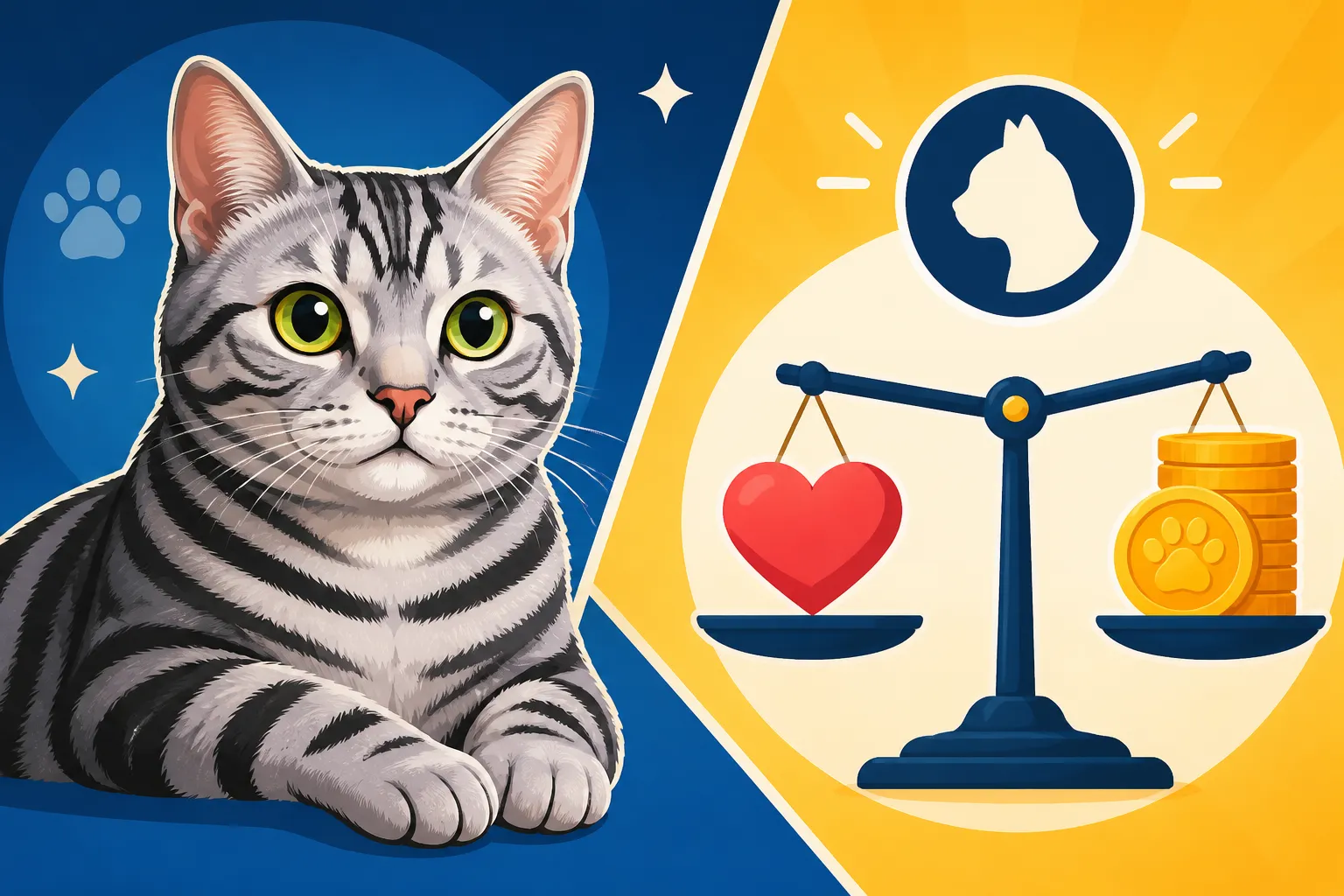
Whether an American Shorthair Is Worth the Money
It’s a question many aspiring cat parents grapple with: "Why should I pay for an American Shorthair when I could adopt a perfectly lovely tabby from a shelter?" It's a completely fair thought, especially when a pedigree kitten can come with a significant upfront cost. This guide isn't here to tell you how to spend your money, but rather to break down what an American Shorthair brings to the table, allowing you to weigh whether those unique qualities ultimately make the investment feel truly "worth it" for your family.
Understanding the Initial Investment Beyond the Price Tag
When you're looking at the price tag of a purebred American Shorthair, it's natural to feel a bit of sticker shock. After all, many beautiful cats are available for adoption at a fraction of the cost. However, the initial investment in a pedigreed American Shorthair often covers much more than just the cat itself; it's an investment in predictability, lineage, and the foundational health practices of responsible breeding.
The Price of Predictability: What a Pedigree Actually Buys
One of the biggest arguments for investing in a pedigreed cat like the American Shorthair is the level of predictability you gain. With a reputable breeder, you're not just getting a kitten; you're getting a commitment to a known lineage. This means the breeder can provide detailed information about the kitten's parents and even grandparents, including their health screenings, temperament, and how they embody the breed standard. You have a much better idea of the size your kitten will grow to be, what its general personality traits are likely to be, and critically, what genetic health issues have been screened for and cleared.
This level of insight can be a huge comfort for new owners. It helps you prepare for your new family member, from their expected grooming needs to their activity levels. While no living creature comes with a 100% guarantee, the structured breeding programs for American Shorthairs aim to minimize surprises. For many, this peace of mind, knowing they’ve chosen a cat with a well-documented background and a history of sound health, is invaluable. You might be interested in reading What a Registered American Shorthair Kitten Costs With Papers to understand more about what that initial fee encompasses.
The "Looks Like a Shelter Cat" Conundrum
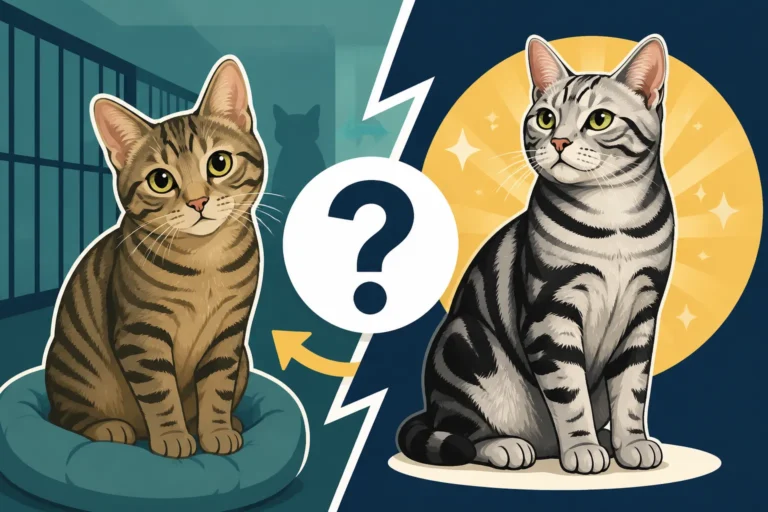
It’s true, an American Shorthair, particularly a classic tabby, can bear a striking resemblance to many domestic shorthair cats found in shelters. This often leads people to question the financial justification. However, the distinction goes far beyond mere appearance. While a shelter tabby might share a similar coat pattern, an American Shorthair is bred to a specific standard that dictates everything from their square muzzle and powerful jaws to their medium-length legs and broad chest. These physical characteristics contribute to their robust health and calm temperament, which are consistent across the breed.
When you purchase a pedigreed American Shorthair, you're investing in those consistent traits. You're supporting breeders who work diligently to maintain these characteristics, ensuring that the next generation adheres to the breed's established healthy and functional standards. It’s not just about getting a tabby; it’s about getting an American Shorthair tabby, with all the inherent qualities and expectations that come with that specific breed. For a deeper dive into distinguishing these cats, check out How to Tell an American Shorthair From a Random Bred Tabby.
Beyond the Breeder: Adoption as an Option
While many seek out breeders for the predictability of a kitten, it's also worth noting that American Shorthairs can sometimes find their way into rescue organizations or breed-specific rescues. These cats might be adults, or perhaps a breeder has a retired show cat or breeding queen looking for a quiet home. Adopting one of these cats can be a wonderful way to bring an American Shorthair into your life without the full initial cost of a kitten from a breeder.
Adoption fees for a pedigreed cat in a rescue setting are typically much lower than breeder prices, and often include initial veterinary care, spay/neuter, and vaccinations. While their history might not be as thoroughly documented as a kitten directly from a breeder, the rescue organization usually has a good understanding of their personality and any known health issues. This offers a different kind of value—giving a loving home to a deserving cat while still benefiting from many of the breed's desirable traits. It's an excellent pathway for those who wish to experience the breed but prefer to contribute to animal welfare. More information can be found in Adopting an American Shorthair From a Shelter.
The Long-Term Value in Health and Lifespan
The true worth of a cat isn't just in its initial cost, but in the years of companionship and the quality of life it enjoys. For many American Shorthair owners, the breed's inherent health and longevity are major factors that make the initial investment feel completely justified over the long haul.
A Legacy of Robust Health
The American Shorthair is often celebrated for its robust, natural health, a direct result of its ancestry as a working cat. These felines weren't initially bred for extreme looks or fashionable traits; they were valued for their ability to keep barns and ships free of rodents. This historical pressure selected for strong, healthy, adaptable cats with excellent immune systems and sturdy constitutions. Consequently, the breed generally enjoys fewer inherited health problems compared to many other pedigreed cats that have undergone more intensive selective breeding for exaggerated features.
This natural hardiness means that, with proper care, your American Shorthair is less likely to face the kind of chronic, expensive health issues that can plague some other breeds. While routine veterinary visits are always necessary for preventative care, the likelihood of needing specialist treatments or lifelong medications for complex genetic conditions is often lower. This translates into not only less emotional stress for you but also potentially lower veterinary bills over your cat's lifetime, which is a significant part of the overall "worth" equation. It's why many consider The American Shorthair Is the Control Group of Cat Breeding a testament to their inherent health.
Managing the Few Known Health Risks
While the American Shorthair is a generally healthy breed, no cat is entirely immune to potential health issues. The most commonly cited concerns for the breed are hypertrophic cardiomyopathy (HCM), a form of heart disease, and sometimes hip dysplasia, though both are far less prevalent than in some other popular breeds. Responsible breeders are diligent about screening their breeding cats for these conditions. This is where the value of a pedigreed cat really shines: you have a better chance of acquiring a kitten whose parents have been screened and cleared, significantly reducing the risk of these issues appearing later in your cat's life.
Investing in a cat from a breeder who performs these health checks can save you considerable heartache and expense down the line. Dealing with a severe, chronic illness can incur massive vet bills for diagnostics, medications, and specialized care. While a rescue cat is a wonderful choice, their unknown history means you might not have the same insight into potential genetic predispositions. Therefore, paying for a well-bred American Shorthair is, in many ways, a proactive investment in long-term health. Discover more about HCM Is the One Inherited Disease the American Shorthair Kept.
The Advantage of a Long, Active Life
Given their excellent health profile and sturdy build, American Shorthairs are known for their impressive lifespans, often reaching 15 to 20 years with good care. Think about that for a moment: two decades of companionship, purrs, and quiet presence. When you consider the cost of ownership spread over such a long period, the initial price tag starts to look much more reasonable. A cat that lives a full, active life well into its senior years provides immense emotional value that is truly beyond monetary measure.
The joy of watching your American Shorthair thrive, maintain its playful spirit, and remain a cherished member of your family for so many years is a profound benefit. You’re not just buying a pet; you’re welcoming a long-term companion into your home, one whose natural resilience gives them an excellent chance at a long and healthy journey with you. This extended period of companionship is a strong argument for their intrinsic worth. For details on their typical lifespan, consider The Fifteen to Twenty Years the American Shorthair Was Given.
Temperament and Compatibility: The Priceless Connection
Beyond health and lineage, the American Shorthair’s temperament is a huge part of its appeal and often cited as a key reason why owners feel they are "worth the money." Their disposition contributes significantly to a harmonious household, potentially saving on behavioral interventions and offering a truly enjoyable companionship.
The Undemanding Companion
If you're looking for a cat that is present without being demanding, affectionate without being clingy, and generally easygoing, the American Shorthair might be your ideal match. They are renowned for their calm, adaptable nature. They enjoy being part of the family but are perfectly content to entertain themselves or simply nap nearby. This self-sufficient attitude stems from their working cat heritage; they were never bred to rely heavily on human interaction for their well-being, though they certainly appreciate it.
This undemanding nature means less stress for busy owners. You won't typically find an American Shorthair frantically meowing for attention all day, destroying furniture out of boredom, or exhibiting separation anxiety. They are generally content to patrol their territory, watch the world go by from a sunny window, or engage in a brief play session when you initiate it. This low-maintenance personality contributes to a peaceful home environment, which is a significant, if intangible, return on investment. It's often said that An American Shorthair Asks You for Almost Nothing.
Integrating into Family Life
One of the American Shorthair’s most endearing qualities is its remarkable ability to integrate seamlessly into a variety of household dynamics. Whether you have rambunctious children, a playful dog, or a bustling, noisy home, this breed typically takes it all in stride. Their even-keeled temperament means they are rarely easily flustered, preferring to observe new situations before deciding how to react. They are known for their tolerance, often patiently enduring the energetic curiosity of youngsters or the boisterous greetings of a canine companion.
This adaptability can be a huge relief for families who might worry about a new cat adjusting. It means less potential for stress-related behavioral issues like scratching, inappropriate urination, or aggression, which can be costly and emotionally taxing to address. Instead, you're likely to find your American Shorthair observing from a comfortable perch, then perhaps joining in the periphery, quietly becoming a cherished, calm presence in your busy household. For insights into their family dynamics, read An American Shorthair With Children, Dogs and Noise.
Enrichment and Engagement Without High Demands
Despite their calm demeanor, American Shorthairs still possess a strong hunting instinct, a remnant of their ancestors' primary job. This doesn’t mean they’ll wreak havoc on your home; instead, it means they appreciate opportunities to engage in simulated hunting play. A simple wand toy, a crinkle ball, or even a crumpled piece of paper can provide immense satisfaction. The key is that these cats are not typically fussy about elaborate or expensive enrichment tools.
This natural drive for simple, engaging play can be a fantastic way to bond with your cat and keep them mentally and physically stimulated without needing to constantly invest in the latest high-tech cat gadgets. A few focused play sessions each day, allowing them to stalk, chase, and "catch" their prey, are often all they need to stay happy and healthy. This innate satisfaction with basic enrichment activities means you’re not constantly battling boredom-induced behaviors, again reducing stress and potential costs. To understand how to best engage them, look into What an Indoor American Shorthair Does With a Mouser's Instinct.
Ongoing Costs: Where the Real Value Emerges
While the initial purchase price can be a hurdle, the ongoing costs of owning an American Shorthair often reveal their true long-term value. Their generally good health and low-maintenance needs mean that daily living expenses can be quite manageable, reinforcing the idea that they are indeed "worth the money."
Feeding a Muscular, Healthy Cat
American Shorthairs are well-built, muscular cats, and providing them with a high-quality diet is crucial for maintaining their health and vitality. This doesn't necessarily mean the most expensive food on the market, but rather a nutritionally complete and balanced diet, often rich in protein, that supports their sturdy frame. Investing in good food is a preventative measure; it helps maintain a healthy weight, supports organ function, and can stave off various health issues down the road.
Many owners find value in buying reputable brands of cat food, whether it's dry kibble, wet food, or a combination. Retailers like Chewy offer a wide selection and often competitive pricing on quality cat foods, making it easier to provide excellent nutrition without breaking the bank. While a higher-quality food might cost a bit more upfront per bag, the long-term benefits in terms of your cat's health and fewer vet visits often make it a wise economic choice. It's about recognizing that Feeding an American Shorthair That No Longer Hunts Its Food requires a thoughtful approach.
Grooming and Maintenance: A Low-Fuss Affair
One of the most appealing aspects of American Shorthair ownership is their incredibly low-maintenance grooming needs. Their dense, hard coat was built for utility and protection against the elements, not for fancy show rings. This means they are excellent self-groomers and rarely develop mats or tangles. Unlike long-haired breeds that require daily brushing and professional grooming, an American Shorthair typically only needs a weekly brush to remove loose hair, especially during their twice-yearly shedding seasons.
This minimal grooming requirement saves owners significant time and money. You won't need to book regular appointments with a professional groomer, nor will you need an arsenal of specialized grooming tools. A good quality brush or comb is often all that's necessary. This ease of care further adds to their "worth" for busy individuals or families who want a pet that looks great without constant upkeep. Learn more about their coat and shedding habits in An American Shorthair Sheds Twice a Year and Asks Nothing Else.
Insurance and Unexpected Expenses
Even with a generally healthy breed like the American Shorthair, unexpected accidents or illnesses can occur. This is where pet insurance can be a valuable investment, providing peace of mind and cushioning the financial blow of a sudden emergency. Because American Shorthairs are known for their robust health, their insurance premiums might actually be more favorable compared to breeds with more predispositions to costly genetic conditions.
Companies like Healthy Paws offer various pet insurance plans that can cover everything from accidents to illnesses. While it's an ongoing monthly expense, having that safety net can make a huge difference if your cat ever needs significant veterinary care. Knowing you won't have to choose between your cat's health and your savings account can make the entire ownership experience less stressful and ultimately feel more "worth it." Considering pet insurance is a smart financial move for any pet owner, and even more so when weighing the overall value of your cat. For more on this, you might explore Whether Insurers Price the American Shorthair Low.
Here's a quick comparison of what makes an American Shorthair a potentially worthwhile investment against a typical domestic shorthair:
| Feature | Pedigreed American Shorthair | Typical Domestic Shorthair (Rescue) |
|---|---|---|
| Initial Cost | Higher (breeder fees) | Lower (adoption fees, sometimes free) |
| Health Predictability | High (breeder screenings, known lineage for common conditions) | Variable (unknown history, potential for hidden issues) |
| Temperament Predictability | High (bred for calm, adaptable, self-sufficient traits) | Variable (can be wonderful, but personality is a 'luck of the draw') |
| Grooming Needs | Low (minimal brushing, self-grooming, hardy coat) | Variable (depends on coat type, generally low for shorthair) |
| Lifespan | Long (15-20+ years, often robust health into old age) | Variable (can be long, but less health predictability) |
| Potential Vet Costs | Potentially lower long-term due to fewer genetic issues | Variable (could be very low or higher if unknown issues arise) |
| Breed Standard Adherence | Yes (physical traits, temperament, health history aligned with standard) | No (mixed ancestry, no specific breed standard) |
Ultimately, the question of whether an American Shorthair is "worth the money" is deeply personal. For many, the predictability of health and temperament, combined with their hardy nature and potential for a long, engaging companionship, provides an intangible value that far exceeds any initial financial outlay. They are a breed that consistently delivers on the promise of a robust, adaptable, and genuinely undemanding feline friend, making them a truly rewarding investment for the right household.
Disclaimer
This article is for general informational purposes only and does not constitute professional advice. Laws, prices and regulations vary by location and change over time. Consult a qualified professional for guidance on your specific situation.