How to Tell an American Shorthair From a Tabby Moggy
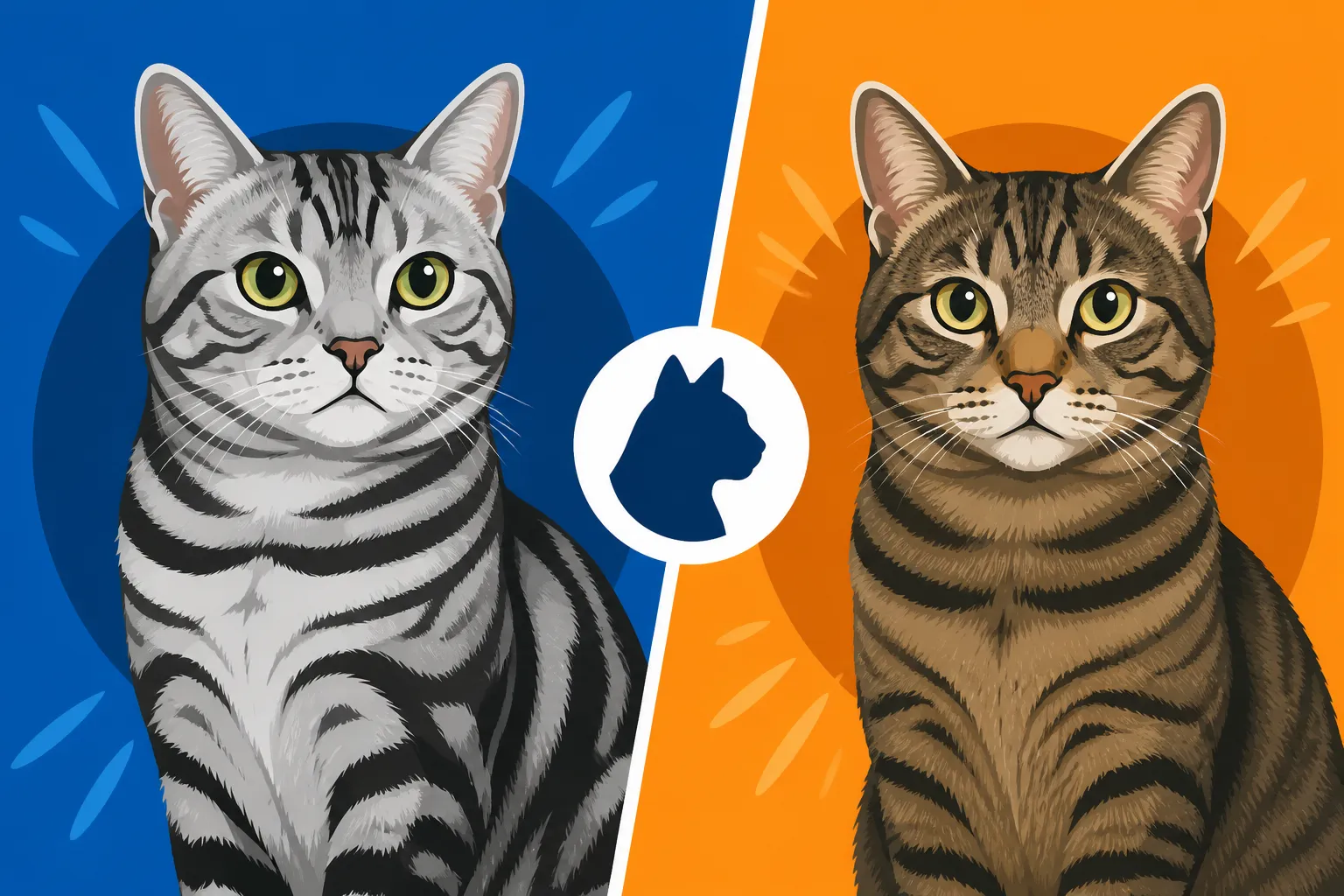
It’s a common scenario: you’re at the park, or maybe scrolling through adorable cat photos online, and you see a beautiful tabby cat that looks just like the American Shorthair you've been admiring. You might even hear someone refer to their striped cat as an "American Shorthair," and it leaves you wondering how to really tell the difference. This guide is here to unravel that mystery, helping you understand the unique traits that set a true American Shorthair apart from the beloved tabby moggy.
Unpacking the American Shorthair's Distinct Identity
When we talk about an American Shorthair, we're not just talking about any cat with a short coat from America. We're referring to a specific, recognized pedigree breed with a rich history and a carefully developed standard. It’s easy to get confused because many domestic shorthairs sport the classic tabby pattern, which the American Shorthair is famous for, but the similarities often end there. Understanding the breed's origins and its defined characteristics is the first step in recognizing the real deal.
More Than Just a Pretty Face: The American Shorthair's Purposeful History
The American Shorthair isn't some designer cat dreamt up in a fancy cattery last week. Its roots trace back centuries, with ancestors sailing across oceans on ships, earning their keep as mousers. These were hardy, working cats, valued for their strength, agility, and ability to keep vermin populations in check. They weren't bred for a specific look initially, but rather for their robust health and practical skills. Over time, as cat fancy grew, people began to appreciate and selectively breed these sturdy felines for consistent traits, leading to the establishment of the American Shorthair breed. This working-class heritage is deeply ingrained in their physical and temperamental makeup. You can still see echoes of The Mayflower Cats Behind the American Shorthair in their solid build and calm demeanor.
This historical context is vital because it explains why the American Shorthair developed certain characteristics. They needed to be tough, self-sufficient, and adaptable. They weren't pampered pets on velvet cushions but essential members of the crew and farm families. This background contributes to their generally good health and even-keeled personality, which are highly desirable traits for any pet owner. It’s also why they tend to be relatively low-maintenance, a stark contrast to some breeds that were developed purely for extreme aesthetics.
The Breed Standard: A Blueprint for the American Shorthair
Unlike a domestic shorthair, an American Shorthair is bred to conform to a detailed breed standard set by organizations like the Cat Fanciers' Association (CFA). This standard outlines everything from their head shape and eye placement to their coat texture and body musculature. It’s a blueprint that breeders strive to achieve, ensuring consistency within the breed. For instance, the standard calls for a medium-to-large cat with a powerful, muscular body, a broad chest, and a well-developed muzzle. Their ears are medium-sized, slightly rounded at the tips, and set well apart. Their eyes are large, wide-set, and can be various colors depending on the coat, though often they're bright and clear.
Think of it this way: if you were trying to identify a specific model of car, you wouldn't just look for "a red car." You'd look for specific design elements, manufacturing marks, and dimensions that adhere to the model's specifications. The same applies to the American Shorthair. While a domestic cat might accidentally have some of these traits, it's the combination and consistency of all these features, passed down through generations of selective breeding, that define a true American Shorthair. This is why a document called a pedigree, which traces a cat’s lineage, is so important for official recognition. For more details on these specific requirements, you can read What an American Shorthair Looks Like by the Standard.
Hallmarks of an American Shorthair's Build and Coat
Let's get down to the tangible markers. An American Shorthair typically possesses a robust, powerful build. They are substantial cats, often weighing more than you might expect for their size, with dense musculature. Their heads are large and somewhat square, not delicate or excessively pointed. Their cheeks are full, especially in males, giving them a sweet, open expression. The jaw is strong, reflecting their mousing heritage. The legs are medium in length, with round, firm paws. Their tail is medium-long, thick at the base, and tapers to a blunt tip. These aren't fragile felines; they’re built for purpose.
Their coat is another defining characteristic. It's short, dense, and evenly textured, feeling somewhat hard and resilient to the touch, not soft or plush like a British Shorthair. This "hard" coat was historically perfect for protection against the elements and minor abrasions during their working lives. It sheds twice a year, usually more heavily in spring and autumn, but generally requires minimal grooming. The tabby pattern, particularly the classic "bullseye" or swirled tabby, is highly prized, especially the silver tabby, which has become iconic for the breed. However, American Shorthairs come in a vast array of colors and patterns, not just tabby.
The Wonderful World of Domestic Shorthairs (A.K.A. "Tabby Moggies")
Now, let's talk about the other side of the coin: the domestic shorthair, often affectionately called a "moggy" or "alley cat." This is where the biggest confusion lies, because a domestic shorthair can look remarkably similar to a pedigree American Shorthair, especially if it happens to have a tabby coat pattern. However, the key difference is in their lineage and the intentionality of their breeding.
Defining the Domestic Shorthair: A Genetic Melting Pot
A "domestic shorthair" isn't a breed at all; it's a classification. It simply means a cat with short hair that doesn't belong to a recognized pedigree breed. These cats are the result of generations of natural selection and random breeding, often without human intervention to select for specific traits beyond survival. Their genetics are a delightful, unpredictable mix of countless ancestors, which is actually a strength in terms of genetic diversity. They are often incredibly healthy and resilient precisely because they haven't been subjected to the intense inbreeding sometimes seen in specific breed lines.
The term "moggy" is another casual way to refer to these wonderful, non-pedigreed cats. They are the most common type of cat in homes and shelters worldwide, and their individual personalities and appearances are as varied as people themselves. They might carry traits from many different cat populations, giving them a truly unique genetic fingerprint. This is why you'll find domestic shorthairs in every color, pattern, shape, and size imaginable, from tiny and sleek to large and robust.
Why Appearance Isn't a Guarantee for Domestic Shorthairs
You might encounter a domestic shorthair that has a broad head, a solid build, and even a lovely tabby pattern, all of which might make you think "American Shorthair." But here's the crucial point: these similarities are coincidental, not by design. Just because a cat looks like a particular breed doesn't mean it is that breed. Without a documented pedigree from a recognized cat registry, that cat is, by definition, a domestic shorthair. This is a big reason Why the American Shorthair Was Called Domestic Shorthair Until 1966 before its official renaming – to distinguish it from the general population of short-haired cats.
Think of it like this: many people have brown eyes and brown hair, but that doesn't make them all members of the same specific family line or an officially recognized "brown-eyed, brown-haired" breed. Their appearance is a common characteristic, but not an indicator of a precise genetic lineage defined by a human standard. This is why relying solely on looks can be misleading when trying to identify a pedigree cat. A responsible breeder will always provide paperwork to back up their claims, ensuring you know exactly what you’re getting.
The "Tabby" Pattern: A Universal Trait, Not a Breed Identifier
This is perhaps the biggest source of confusion. The "tabby" isn't a breed; it's a coat pattern. You can find the tabby pattern in almost every cat breed, from Maine Coons to Abyssinians, and certainly in the vast majority of domestic shorthairs. The characteristic stripes, swirls, spots, and the distinctive "M" on the forehead are genetic traits found across the feline species. So, while an American Shorthair can be a tabby (and often is, famously the silver tabby), a tabby cat is not automatically an American Shorthair.
There are four main types of tabby patterns:
- Classic (Blotched): Broad, swirling patterns on the sides, often resembling a bullseye.
- Mackerel: Narrow, parallel stripes running down the sides, like a tiger.
- Spotted: Spots all over the body, which can be large or small, sometimes broken mackerel stripes.
- Ticked (Agouti): Individual hairs have bands of color, giving a salt-and-pepper appearance with subtle barring on the legs and tail, like an Abyssinian.
Most domestic tabbies you encounter will fall into one of these categories. The American Shorthair breed standard permits all these tabby patterns, but the overall body structure, head shape, and other physical attributes must still meet the breed's specific requirements.
Key Differences: From Whisker to Tail
Now that we've laid the groundwork, let's zoom in on the specific details that really help distinguish these cats. It's often a combination of subtle cues rather than one single giveaway.
Physical Distinctions: Structure, Head, and Eye Shape
While a domestic shorthair can vary wildly, the American Shorthair has a very specific, consistent look due to generations of careful breeding.
- Body Build: An American Shorthair will almost always have a noticeably substantial, muscular, and well-balanced body. They aren't dainty. They have a broad chest and powerful hindquarters, giving them a sturdy, athletic appearance. A domestic shorthair might be built similarly, but it's not a consistent trait across all domestic cats. They could be slender, lanky, or even slightly cobby without adhering to any particular standard.
- Head Shape: This is a big one. The American Shorthair's head is large and somewhat rectangular or square, with a distinct, well-developed muzzle. Their cheeks are full, making their face appear rounded when viewed head-on, but still strong and proportionate to their muscular body. A domestic shorthair's head can be any shape: round, triangular, wedge-shaped – whatever genetics threw together.
- Eye Shape and Set: American Shorthairs have large, wide-set eyes that are typically rounded or slightly almond-shaped. The expression is often open and alert. While eye color varies, it should be clear and bright. Domestic shorthairs, again, can have any eye shape, size, or set. Some might have eyes that are close together, deeply set, or very round, without any particular uniformity.
- Coat Texture: As mentioned, the American Shorthair's coat is short, dense, and firm to the touch, offering natural protection. It's not soft and plush. You can feel the resilience in their fur. Many domestic shorthairs have soft, silky coats, while others might have coarser fur. The specific "hard" texture is a hallmark of the American Shorthair.
Here’s a quick comparison table to help visualize these differences:
| Feature | American Shorthair | Domestic Shorthair (Tabby Moggy) |
|---|---|---|
| Status | Pedigree Breed | General Classification (not a breed) |
| Origin | Descended from working cats, selectively bred | Random breeding, diverse ancestry |
| Body Build | Medium-to-large, muscular, broad chest, sturdy | Highly variable: slender, average, or robust |
| Head Shape | Large, somewhat square/rectangular, full cheeks | Highly variable: round, wedge, triangular |
| Muzzle | Distinct, well-developed, square-ish | Variable, often not as pronounced or defined |
| Eye Shape/Set | Large, wide-set, round/slightly almond, alert | Highly variable in shape, size, and spacing |
| Coat Texture | Short, dense, firm, resilient to the touch | Highly variable: soft, silky, coarse, or fine |
| Temperament | Generally calm, adaptable, independent, playful | Highly variable, depends on individual genetics & upbringing |
| Health | Generally robust, but can have breed-specific concerns (e.g., HCM) | Generally robust due to genetic diversity |
| Documentation | Always comes with pedigree papers from a registry | No pedigree papers, only adoption records if from shelter |
Temperament and Behavioral Nuances
Beyond physical appearance, there are often subtle differences in temperament that stem from the American Shorthair's breeding history. American Shorthairs are generally known for their good-natured, adaptable, and calm personalities. They are often independent but affectionate, enjoying human company without being overly demanding. They are playful, intelligent, and retain some of their hunting instincts, often enjoying interactive toys that mimic prey. You might find them observing goings-on from a comfortable perch rather than constantly being in your lap, though they do enjoy a good cuddle on their terms. This temperament makes them excellent family pets, coping well with children, other pets, and household noise, as explored in Why an American Shorthair Fits Any Household.
Domestic shorthairs, on the other hand, can have any temperament imaginable. While many are sweet, loving, and well-adjusted, their personalities are purely a product of their individual genetics, early socialization, and life experiences. You might find a domestic shorthair that is extremely shy, incredibly vocal, or highly energetic, without any predictable pattern. They haven't been selected for generations to consistently exhibit a certain set of personality traits. This isn't a negative, just a difference in predictability. A fantastic domestic shorthair can be just as wonderful a companion as a pedigree cat, but you simply don't have the same "guarantee" of typical breed traits.
Health and Lifespan: Breed-Specific vs. General Cat Wellness
When it comes to health, both types of cats can be incredibly robust, but there are nuances. American Shorthairs are generally very healthy, benefiting from a broad gene pool compared to some more intensely bred pedigrees. However, like any breed, they can have predispositions. One notable concern is Hypertrophic Cardiomyopathy (HCM), a heart condition, which while relatively rare, is something responsible breeders screen for. You can learn more about HCM Is the One Inherited Disease the American Shorthair Kept and its implications. Good breeders will also be transparent about health testing, which is another differentiator. What an American Shorthair Pedigree Guarantees often includes a commitment to health.
Domestic shorthairs typically boast exceptional genetic diversity, which often translates to excellent overall health and fewer predispositions to specific genetic diseases. They are generally hardy and long-lived. However, because their lineage is unknown, it's harder to predict if they might carry any recessive genes for health issues common in some breeds. Both types of cats benefit immensely from good nutrition, regular vet check-ups, and an enriched environment. Whether you have an American Shorthair or a beloved moggy, a good diet and regular vet visits are crucial. Also, consider pet insurance from providers like Healthy Paws to help manage unexpected veterinary costs for any cat.
Practical Steps to Identify Your Feline Friend
So, how do you navigate this in the real world? It's about being informed and asking the right questions.
What to Look for When Meeting a Cat
When you meet a cat you suspect might be an American Shorthair, don't just focus on the stripes. Look at the whole picture:
- Overall Build: Does the cat feel solid and muscular? Is its chest broad? Does it feel heavier than it looks?
- Head and Face: Is the head large and squarish? Does it have full cheeks and a distinct muzzle? Are the eyes large, roundish, and wide-set?
- Coat Texture: Feel the fur. Is it dense and somewhat stiff or hard to the touch, rather than soft and plush?
- Temperament: Is the cat generally calm, adaptable, and confident, rather than overly shy or nervous? Does it engage in playful but not overly demanding interactions? The American Shorthair is famously placid and easygoing, as you might read in The American Shorthair Still Hunts, Whether You Want It To or Not, showing their instincts in a balanced way.
Remember, even if a cat ticks all these boxes visually and temperamentally, it's still only an "American Shorthair type" without proper documentation. You can find many wonderful cats at your local shelter or rescue that embody many of these traits and would make fantastic companions, even without a pedigree.
The Importance of Documentation and Breeder Reputability
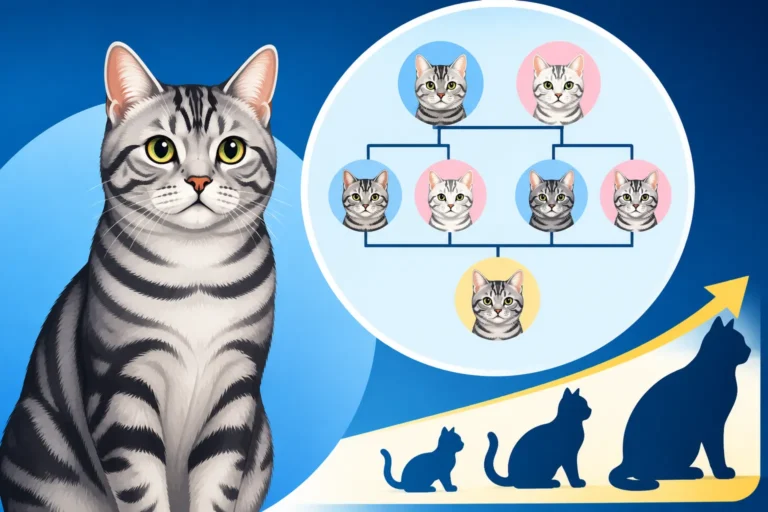
This is the ultimate test. The only definitive way to confirm that a cat is a purebred American Shorthair is through official registration papers from a recognized cat association, like the CFA (Cat Fanciers' Association) or TICA (The International Cat Association). These papers provide a pedigree, which is a family tree tracing the cat's lineage back several generations, proving its purebred status.
If you are looking for a true American Shorthair, you must go to a reputable breeder. A good breeder will:
- Be transparent and happy to show you their cats, facilities, and the parents of the kittens.
- Provide health clearances for their breeding cats, especially for conditions like HCM.
- Offer a written contract and health guarantee for the kitten.
- Provide the official registration papers.
- Be knowledgeable about the breed's history, temperament, and care requirements.
- Ask you questions to ensure you can provide a good home.
Never buy a "purebred" kitten without papers, or from a breeder who can't provide verifiable health information or allow you to see the kitten's living conditions. This is a common pitfall. For guidance on finding a reputable source, refer to How to Find an American Shorthair Breeder Worth Paying For.
When in Doubt: Consulting the Experts
If you're truly curious about a specific cat and its potential breed, a veterinarian can offer insights into general health and conformation, but they cannot officially "breed identify" a cat without paperwork. DNA testing for cats is becoming more common, and while it can sometimes indicate breed groups or ancestral ties, it often can't definitively say "this is 100% American Shorthair" for a cat without a known pedigree, especially because the American Shorthair has a very open gene pool. You can explore Whether a DNA Test Confirms an American Shorthair for more context.
Ultimately, whether you have a pedigree American Shorthair or a charming tabby moggy, both can make wonderful, loving companions. The distinction is about understanding pedigree standards versus the natural diversity of the feline population. For general supplies for any cat, from toys to litter, online retailers like Chewy are a fantastic resource. And remember, the joy a cat brings to your home isn't dependent on its breed status. The long lives that many cats enjoy mean that proper care, nutrition, and love are far more important than a piece of paper, a sentiment often shared when thinking about Caring for an American Shorthair Past Twelve.
Disclaimer
This article is for general informational purposes only and does not constitute professional advice. Laws, prices and regulations vary by location and change over time. Consult a qualified professional for guidance on your specific situation.