Twenty Years of an American Shorthair, Priced Out
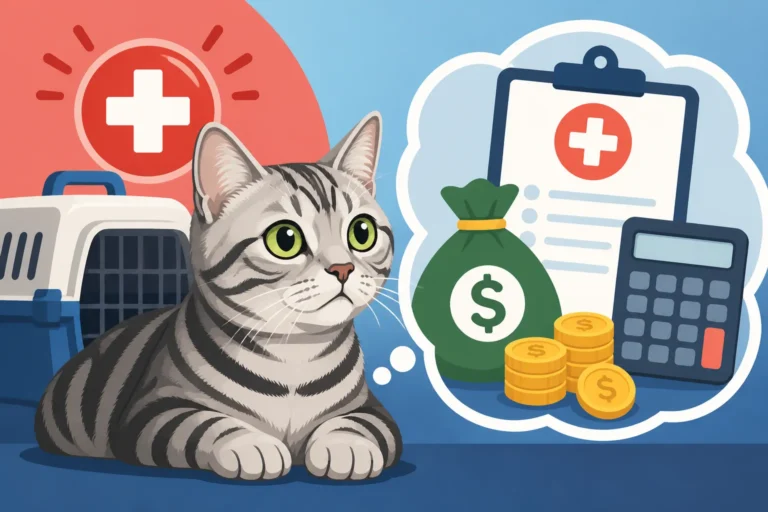
The dream of bringing an American Shorthair into your home often begins with envisioning years of quiet companionship and sturdy presence. But for many potential owners, the initial thought of "how much will this actually cost me?" can feel daunting, especially when trying to project expenses over what could easily be two decades. This guide aims to break down the financial reality of owning an American Shorthair for its entire, often long, lifespan, from the first day to their contented golden years, helping you budget wisely for every stage.
The Initial Investment: Bringing Your American Shorthair Home
Getting your new family member is exciting, but it's also where the first financial decisions come into play. There’s a distinct difference between the cost of a carefully bred American Shorthair and one found through rescue, and then there are the immediate setup expenses that every cat needs.
Purchase Price from a Reputable Breeder
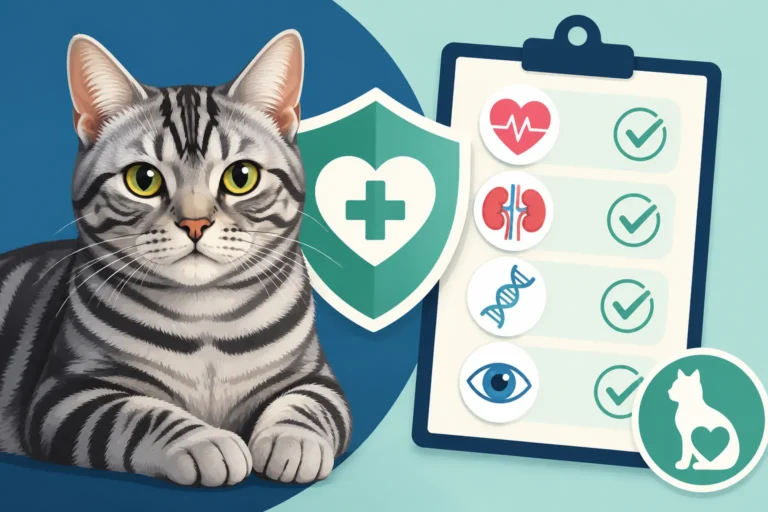
If your heart is set on a registered American Shorthair with documented lineage and health clearances, you’ll be looking at a purchase price that reflects the breeder's investment in health testing, quality care for the parents and kittens, and adherence to breed standards. These breeders typically conduct health screenings for genetic conditions like hypertrophic cardiomyopathy (HCM) and hip dysplasia, which are crucial for ensuring a long, healthy life for your kitten. They also provide initial vaccinations, deworming, and often a microchip. This upfront cost isn't just for the kitten; it's for the peace of mind that comes with knowing you're supporting ethical breeding practices that prioritize the well-being of the breed.
The price can fluctuate based on factors like the kitten's specific markings, its lineage, and whether it's destined for a show home or a pet home. For instance, some distinct patterns are more sought after. You might find that What a Registered American Shorthair Kitten Costs With Papers delves deeper into these specific financial considerations. While it might seem like a lot initially, this investment often translates to fewer unexpected health issues down the line, potentially saving you significant veterinary costs over your cat's lifetime.
Adoption Fees for a Rescue American Shorthair
For those looking to provide a loving home to a cat in need, adopting an American Shorthair from a shelter or rescue organization is a wonderful option. While less common to find a purebred American Shorthair in rescue than a domestic shorthair mix, it certainly happens, especially with retired breeding cats or those surrendered due to unforeseen circumstances. The adoption fee, which is typically much lower than a breeder's price, usually covers a range of essential services.
These services almost always include spaying or neutering, initial vaccinations, microchipping, and a preliminary health check. Many rescues will also test for common feline diseases like FeLV and FIV. The fee helps the organization recoup some of these costs and continues their mission to help other animals. You’re not just getting a cat; you’re supporting a vital community service. Moreover, adult cats from a rescue often come with established personalities, making it easier to find a cat that perfectly fits your lifestyle, and you might even discover that What Adopting an American Shorthair Costs at a Shelter provides more specific insights.
Initial Supplies and Setup Costs
Regardless of how your American Shorthair joins your family, there’s an immediate shopping list of essential items to make them feel at home and keep them safe and healthy. This includes basics like food and water bowls, a comfortable bed, a litter box (or two, or three!), litter, a scratching post, and a few starter toys. A sturdy carrier is also a non-negotiable for safe transport to the vet and any future travels.
Beyond the absolute essentials, consider safety measures like child locks on cabinets, especially for cleaning supplies, and potentially window screens or cat-safe fencing if you plan for outdoor access in a secure catio environment. Investing in good quality items from the start can save money in the long run. For example, a robust scratching post will last longer than a flimsy one and can save your furniture from damage. Many owners turn to online retailers like Chewy for a wide selection of these initial supplies, often benefiting from subscription services or bulk discounts.
Ongoing Health & Veterinary Care Costs
The health of your American Shorthair is paramount, and regular veterinary care is a cornerstone of responsible ownership. Over two decades, these costs, while often spread out, can add up considerably.
Routine Check-ups and Vaccinations
Even the healthiest American Shorthair, a breed often praised for its robust constitution, needs regular check-ups. Annual veterinary visits are essential for preventive care, allowing your vet to monitor their overall health, perform physical examinations, and ensure they are up-to-date on necessary vaccinations. These routine visits can catch potential issues early, often before they become serious and expensive problems.
Vaccinations protect against common feline diseases, and while the exact schedule may vary based on your cat’s lifestyle (indoor vs. outdoor), core vaccines are crucial. As your American Shorthair ages, the frequency of these check-ups might increase to twice a year, especially once they enter their senior years, typically around age 10-12. This proactive approach is vital for ensuring your cat enjoys a long and comfortable life, and you can learn more about this in How Regularly a Healthy American Shorthair Still Needs Checking.
Preventing Parasites and Dental Care
Preventative medicine extends beyond vaccinations to consistent protection against fleas, ticks, and internal parasites like worms. These treatments are typically administered monthly or quarterly and are crucial for your cat's health and your home's hygiene. Ignoring parasite prevention can lead to discomfort for your cat, skin issues, and potentially more serious health complications.
Dental health is another significant, and often overlooked, aspect of ongoing care. Periodontal disease is rampant in cats, and regular dental check-ups, cleanings, and sometimes extractions are necessary to prevent pain, infection, and other systemic health problems. Many cats require professional dental cleanings under anesthesia every few years, especially as they get older. Understanding What an American Shorthair Dental Costs With Extractions can help you anticipate these potential expenses. Early intervention and home dental care, like brushing, can help reduce the frequency and cost of professional cleanings.
Managing Specific Health Concerns
While the American Shorthair is generally a healthy breed, no cat is entirely immune to health issues. Hypertrophic Cardiomyopathy (HCM), while less common than in some other breeds, is still something to be aware of. Reputable breeders screen for this, but regular cardiac check-ups, including echocardiograms, might be recommended by your vet, especially if a murmur is detected. Why an American Shorthair Still Needs a Yearly Heart Scan provides essential context here.
As American Shorthairs age, other conditions like kidney disease, hyperthyroidism, and arthritis can emerge. Managing these conditions often involves ongoing medication, special diets, and more frequent vet visits. Obesity is also a common problem for indoor American Shorthairs who retain their natural mouser's appetite without the active lifestyle. The costs associated with managing a chronic condition, including prescription medications, therapeutic diets, and specialized consultations, can significantly increase veterinary expenses during their later years.
Food and Nutrition Expenses Over Two Decades
Feeding your American Shorthair properly is crucial for their health and longevity. Over two decades, what they eat, how much, and what special dietary needs arise, will be a significant part of your budget.
Daily Meal Costs for a Muscular Breed
American Shorthairs are sturdy, muscular cats that were historically bred for their working ability as mousers. This means they generally have a healthy appetite and require a diet rich in protein to maintain their physique. The type and quality of food you choose will greatly influence your monthly budget. Premium dry kibble, wet food, or a combination of both are popular choices. It's important to select a diet appropriate for their life stage – kitten, adult, or senior – and their activity level.
Free-feeding, where food is left out all day, can lead to overeating and weight gain in an indoor American Shorthair. Portion control is often recommended to manage their calorie intake. Many owners find that a controlled feeding schedule, with two to three meals a day, works best. You might be interested in reading What Feeding an American Shorthair by Portion Costs a Month to get a more detailed breakdown. Premium, customized diets can provide excellent nutrition but come at a higher price point.
Special Diets and Treats
Throughout your American Shorthair's life, there may be times when a special diet becomes necessary. This could be a prescription diet to manage kidney disease, urinary tract issues, or diabetes, or a weight-management formula if they become overweight. These therapeutic diets are formulated with specific nutritional profiles to support their health conditions and are usually more expensive than standard commercial foods.
Treats are also a part of many cats' diets, used for training, enrichment, or simply as a show of affection. While they are a small expense on their own, over twenty years, the cost of treats can certainly add up. It’s important to choose healthy, low-calorie options and factor them into your cat’s overall daily intake to prevent unwanted weight gain, especially since Obesity Is What Ending the American Shorthair's Job Cost It.
Hydration and Water Needs
Proper hydration is critical for a cat’s overall health, particularly for kidney and urinary tract function. While often overlooked as a "cost," ensuring access to fresh, clean water is essential. This might mean investing in filtered water, multiple water bowls placed throughout the house, or even a cat water fountain.
Some cats prefer running water, and a fountain can encourage them to drink more, which is especially beneficial for cats on a dry kibble diet. While the initial cost of a fountain and replacement filters is relatively small, these are recurring expenses over two decades. Incorporating wet food into their diet is another excellent way to increase their daily water intake, which can be a key factor in preventing future health issues that would incur vet bills.
Grooming and Enrichment: Beyond the Basics
Caring for an American Shorthair involves more than just food and vet visits. Their minimal grooming needs, coupled with their innate desire for mental and physical stimulation, contribute to their overall cost of ownership.
Minimal Grooming, Maximal Impact
One of the beauties of the American Shorthair is their low-maintenance coat. Their dense, short fur requires minimal grooming from you, as they are expert self-groomers. Unlike long-haired breeds that need daily brushing to prevent mats, an American Shorthair typically only needs occasional combing, especially during their twice-yearly shedding seasons in spring and fall. This keeps their coat healthy and reduces the amount of loose hair around your home.
The primary grooming tools you’ll need are a good quality comb or brush, possibly a de-shedding tool for those heavy shedding periods, and nail clippers. An American Shorthair will typically keep its claws in good condition through regular scratching on appropriate surfaces, but occasional trims might still be necessary to prevent them from getting too long or sharp. You might find that The One Grooming Tool an American Shorthair Owner Buys offers excellent suggestions for these items. The good news is that professional grooming visits are almost never necessary for this breed, saving you significant annual expenses.
Essential Enrichment Toys and Structures
Despite their calm demeanor, American Shorthairs are intelligent and naturally prey-driven cats who thrive on mental and physical enrichment. Providing a stimulating environment is crucial for their well-being and to prevent boredom-related behavioral issues. This means investing in a variety of toys, from wand toys that mimic prey to puzzle feeders that challenge their minds.
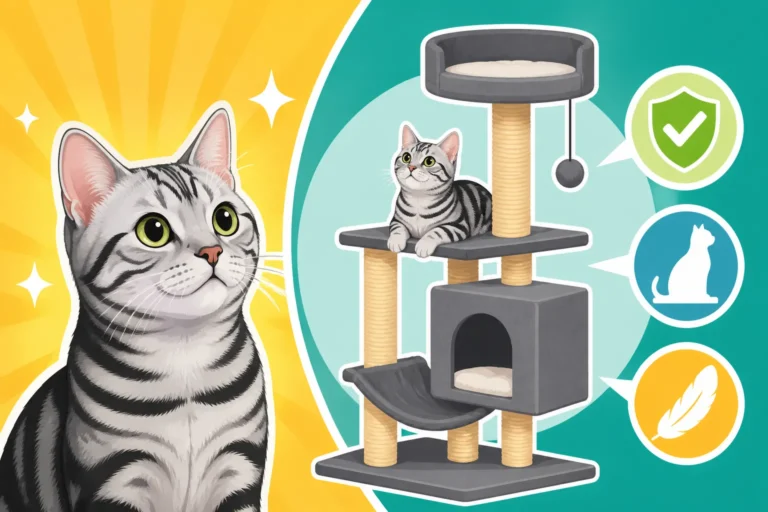
Vertical space is also vital for an American Shorthair. Cat trees, shelves, and window perches allow them to climb, observe their territory from a high vantage point, and feel secure. While a good quality cat tree can be a significant upfront cost, it's an investment that will provide years of enjoyment. Regularly rotating toys keeps them novel and engaging. Given that The American Shorthair Still Hunts, Whether You Want It To or Not, these enrichment items are not just luxuries, but necessities for a happy cat.
Litter and Litter Box Maintenance
The humble litter box is a daily necessity, and its maintenance contributes to the ongoing costs. American Shorthairs are typically robust cats, so they require larger litter boxes to comfortably maneuver and do their business. This means you might need to invest in oversized boxes rather than standard ones.
The type of litter you choose also impacts your budget. Options range from traditional clay litters to silica gel, pine, or corn-based varieties, each with different price points and absorption rates. Factor in the cost of a good quality scoop, liners, and replacement litter over two decades. Keeping the litter box clean is not only important for your cat’s health and hygiene but also prevents behavioral issues like inappropriate urination. Consider that How Much Litter a Cat the Size of an American Shorthair Uses will influence your monthly budget considerably.
Insurance and Emergency Funds: Planning for the Unexpected
Even with the best preventive care, unforeseen accidents or illnesses can occur. Having a plan for these unexpected expenses is a crucial part of long-term American Shorthair ownership.
Understanding Pet Insurance for the American Shorthair
Pet insurance can be a financial lifesaver when a major illness or injury strikes. While the American Shorthair is generally a healthy breed, unexpected conditions or accidents can still happen, leading to substantial veterinary bills. Insurance policies vary widely in terms of coverage (accident-only vs. accident and illness), deductibles, reimbursement percentages, and monthly premiums.
For a robust breed like the American Shorthair, premiums might be lower than for breeds known for specific genetic predispositions. However, it's vital to research different providers and policy options to find one that suits your budget and provides comprehensive coverage. Companies like Healthy Paws offer various plans, and understanding their terms is crucial. Even a low-risk breed can benefit from the peace of mind that comes with knowing you're covered for significant veterinary expenses. You can explore Whether Insurers Price the American Shorthair Low for more details on this.
Building an Emergency Vet Fund
For those who opt not to carry pet insurance, or even as a supplement to it, building a dedicated emergency vet fund is highly recommended. This involves setting aside money regularly into a separate savings account specifically for your cat's health needs. This fund acts as a safety net, ensuring you can cover unexpected medical costs without going into debt or having to make difficult decisions based on financial constraints.
The amount you aim to save can vary, but having a few thousand dollars available can cover many common emergencies or diagnostic procedures. Over twenty years, there will almost certainly be at least one instance where this fund proves invaluable. It's about proactive financial planning for your cat's well-being.
The Cost of Unexpected Illness or Injury
Despite all precautions, sometimes the unexpected happens. A sudden fall, an ingested foreign object, a urinary blockage (more common in male cats), or an acute illness can lead to emergency veterinary visits, diagnostic tests, surgery, or hospitalization. These situations can quickly rack up bills ranging from hundreds to thousands of dollars.
For example, a urinary blockage in a male American Shorthair is a life-threatening emergency that requires immediate veterinary attention and can be quite costly to resolve. Likewise, a serious injury requiring surgery could incur significant expenses. Pet insurance or a well-funded emergency savings account can make these stressful situations much more manageable, allowing you to focus on your cat's recovery rather than the financial strain.
The Golden Years: Senior American Shorthair Care Costs
As your American Shorthair gracefully enters their senior years, typically from age 12 onwards, their care needs and associated costs will likely increase. This stage of life requires extra attention and often more frequent veterinary intervention.
Increased Veterinary Needs for Older Cats
Just like humans, senior cats require more frequent medical attention. Your vet may recommend semi-annual check-ups instead of annual ones to monitor for age-related conditions. These visits often include comprehensive senior blood panels, urinalysis, and blood pressure checks to screen for common issues like kidney disease, hyperthyroidism, and hypertension. Early detection of these conditions is key to managing them effectively and improving your cat's quality of life.
The cost of these additional diagnostic tests and more frequent appointments can add up, especially in their final five years. It's a testament to the American Shorthair's longevity that you'll be navigating these senior care costs for quite a while. Learn more about the specific needs in Caring for an American Shorthair Past Twelve.
Managing Chronic Conditions
Many senior American Shorthairs develop chronic conditions that require ongoing management. This could include daily medications for arthritis, heart disease, or hyperthyroidism, or a specialized prescription diet for kidney disease or diabetes. The cost of these medications and prescription foods can become a significant monthly expense.
For instance, a cat with arthritis might benefit from joint supplements or pain management medication to keep them comfortable and mobile. A cat with hyperthyroidism will need lifelong medication or potentially more advanced treatments. These long-term treatments are designed to manage symptoms and slow disease progression, allowing your cat to live comfortably for as long as possible, but they do come with a recurring financial commitment.
End-of-Life Care and Dignity
Eventually, every cat owner faces the difficult reality of end-of-life care. This period can involve decisions about palliative care, managing pain, and ultimately, humane euthanasia when the time comes. These services, while emotionally challenging, also have a financial cost.
Palliative care may involve hospice-like services, medication to ensure comfort, and specialized food. Euthanasia services, whether performed at the veterinary clinic or in-home, come with fees, as do cremation or burial services. Planning for What an American Shorthair's Last Year Costs can help owners make these difficult decisions with dignity, knowing they can provide the best possible comfort for their beloved companion.
Hidden and Miscellaneous Costs to Consider
Beyond the obvious expenses, there are several hidden and miscellaneous costs that can add up over two decades of American Shorthair ownership. These might not be daily or weekly expenses, but they certainly factor into the overall financial picture.
Pet Sitting, Boarding, and Travel
If you travel frequently or need to be away from home for extended periods, you’ll need to arrange for your American Shorthair’s care. Options typically include pet sitters who visit your home, or boarding facilities. Both come with a cost that varies based on location, duration, and the level of service provided. A pet sitter might charge per visit, while a boarding facility charges per night.
While the American Shorthair is a relatively independent breed, they still need consistent care, food, water, and litter box cleaning. If you plan to travel with your cat, factor in the cost of appropriate travel carriers, airline pet fees (if flying), and potentially pet-friendly accommodation. You can get an idea of these costs by checking out What a Sitter Costs for an American Shorthair That Needs Little.
Identification and Licensing
Microchipping is a one-time cost that is essential for your cat’s safety, significantly increasing the chances of being reunited if they ever get lost. Many shelters and vets offer microchipping services, and it’s often included in adoption fees or breeder prices. However, the microchip must be registered and kept up-to-date with your current contact information, which sometimes incurs a small annual fee with the registry service.
Depending on where you live, there may also be local licensing requirements for pets. These annual fees contribute to local animal control services and help track pet populations. While these costs are relatively small on their own, they are recurring expenses over the lifespan of your American Shorthair.
Damage and Replacement Costs
Cats, even the most well-behaved American Shorthairs, can sometimes cause unexpected damage or require replacements. This could include scratched furniture if adequate scratching posts aren’t provided or if they develop a preference for your sofa. There’s also the occasional broken vase from a playful pounce or spilled drink from a counter surfing incident.
Beyond damage, items like cat beds, litter boxes, and certain toys will wear out over twenty years and need to be replaced. These small, infrequent purchases can add up, and it's wise to budget a small amount annually for these contingencies. The long-term costs of items from online retailers like Chewy might be something to consider when planning for replacements.
Here's a simplified overview of the potential costs over an American Shorthair's lifespan:
| Cost Category | Initial Cost (First Year Estimate) | Annual Cost (Average) | Lifetime Cost (20 Years Estimate) |
|---|---|---|---|
| Acquisition | $200 – $1200+ (Breeder/Adoption) | N/A | $200 – $1200+ |
| Initial Supplies | $150 – $400 | N/A | $150 – $400 |
| Vet Care (Routine) | $100 – $300 | $100 – $300 | $2,000 – $6,000 |
| Preventative (Parasites, Dental) | $50 – $150 | $150 – $300 | $3,000 – $6,000 |
| Food & Treats | $200 – $500 | $300 – $700 | $6,000 – $14,000 |
| Litter | $50 – $100 | $100 – $200 | $2,000 – $4,000 |
| Grooming Tools & Toys | $50 – $150 | $50 – $100 | $1,000 – $2,000 |
| Pet Insurance/Emergency Fund | N/A | $200 – $600 (or savings) | $4,000 – $12,000 |
| Senior/Unexpected Health | N/A | $200 – $1000+ (variable) | $4,000 – $20,000+ |
| Miscellaneous (Sitter, Damage) | N/A | $50 – $200 | $1,000 – $4,000 |
| Total Estimated Lifetime | $650 – $2700+ | $1150 – $3400+ (Annual) | $23,350 – $65,600+ |
Note: These are estimated ranges and can vary significantly based on location, choices of products/services, and individual cat health.
Disclaimer
This article is for general informational purposes only and does not constitute professional advice. Laws, prices and regulations vary by location and change over time. Consult a qualified professional for guidance on your specific situation.