How an Abscess Forms After an American Shorthair’s Cat Fight
It's a familiar, heartbreaking scenario for many cat parents: you let your American Shorthair out for a bit, they come home, and a few days later, you notice something isn't quite right. Maybe they're a little withdrawn, or you feel a strange lump. That "something" often turns out to be an abscess, a nasty byproduct of a hidden cat fight. This guide is all about demystifying how these painful pockets of infection form after a feline skirmish, helping you understand what to look for and why quick action is key.
The Initial Injury: More Than Just a Scratch
When two cats duke it out, it's rarely a clean fight. What might look like superficial scratches to us often masks a much more insidious injury underneath. These aren't like the scrapes kids get on the playground; they're precise, deep punctures designed by evolution for predatory efficiency.
The Stealthy Nature of a Cat's Bite
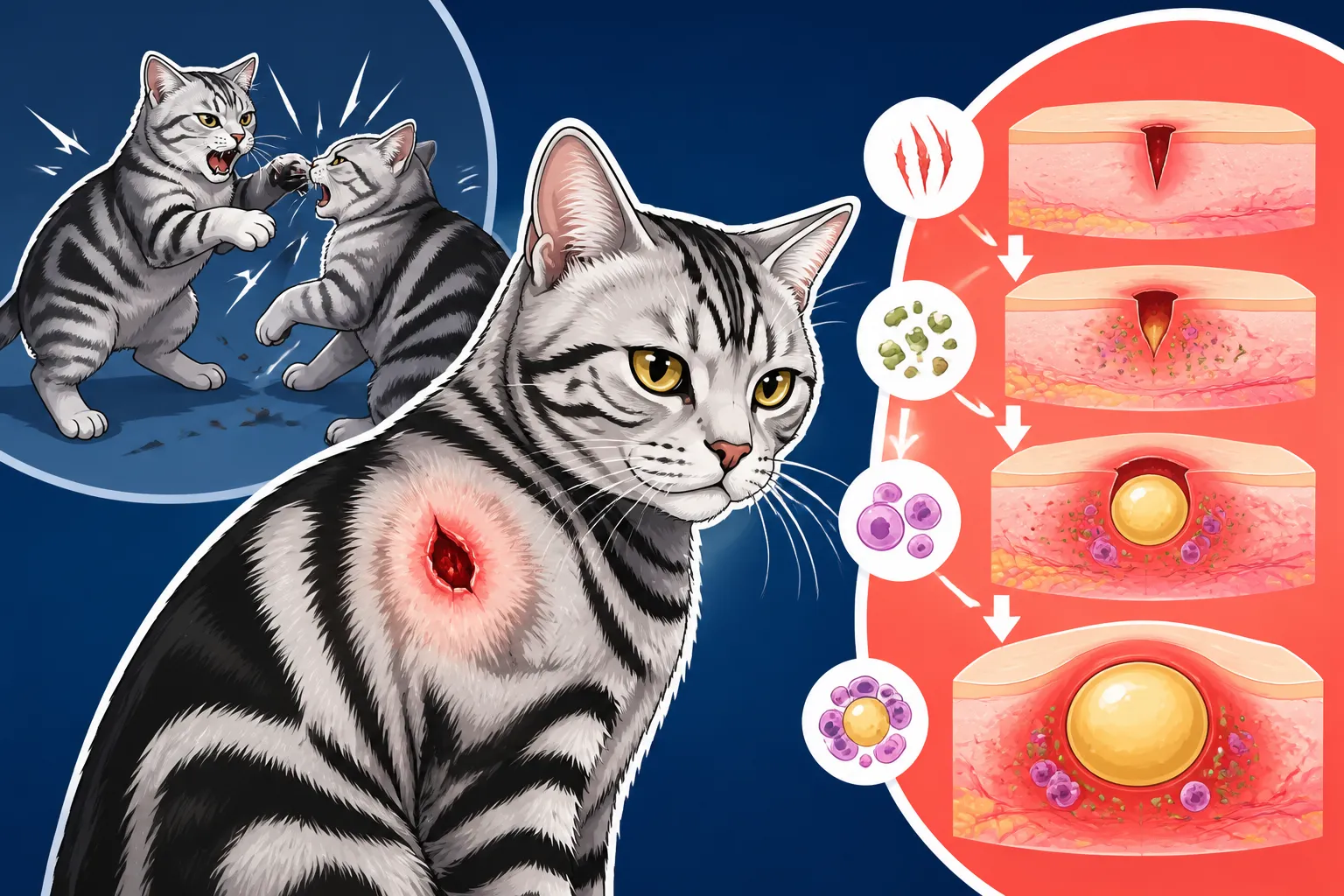
A cat's teeth are truly remarkable tools, but in a fight, they become miniature hypodermic needles. Unlike a dog's bite, which tends to tear and rip tissue, a cat's canine teeth are long, thin, and razor-sharp. When one cat bites another, these teeth penetrate deeply, injecting bacteria far beneath the surface of the skin. The outer skin, being elastic and relatively thin, then seals back up almost immediately, often leaving behind only a tiny, barely noticeable puncture mark. It's incredibly deceptive.
For an American Shorthair, this stealthy wound can be even harder to spot. They have a dense, robust coat that's built for weather, offering a protective layer that can easily obscure these small entry points. Add to that their naturally stoic disposition—a trait that helped their ancestors survive as working cats—and they often won't vocalize pain or show obvious signs of injury until the infection has had a chance to really set in. You might just brush off a slight yelp during petting as a sensitivity rather than a sign of a hidden wound. This can be incredibly frustrating for loving owners who want to catch problems early but are dealing with a cat that excels at hiding discomfort.
Bacterial Contamination from the Mouth
The real danger isn't just the puncture itself, but what comes along for the ride. A cat's mouth is a veritable petri dish of bacteria, teeming with various microorganisms that are perfectly adapted to thrive in warm, moist, and low-oxygen environments—exactly what a deep puncture wound under the skin provides. Common culprits include Pasteurella multocida, a bacterium known for causing rapid and severe infections, and sometimes Bartonella henselae, which is associated with cat scratch disease in humans.
Once these bacteria are injected deep into the tissue, they find an ideal breeding ground. The body's immune system immediately tries to fight off the invaders, but in such an oxygen-deprived space, the bacteria can multiply at an astonishing rate. Within hours, a tiny puncture can become a rapidly growing pocket of infection. This internal battle is what kicks off the formation of the abscess, a process that can escalate quickly and silently.
Common Fight Locations and Their Risks
During a cat fight, certain areas are more prone to receiving these stealthy bites, largely due to how cats interact and defend themselves. The most common sites include the head, especially around the ears and face, as cats often go for each other's vulnerable parts. The neck and the base of the tail are also frequent targets, particularly if one cat is trying to escape or turn away, exposing these areas. And, of course, the legs can take a hit as cats swat and kick at each other.
These areas present different levels of risk. Bites to the head can be particularly concerning due to proximity to the brain and eyes, though deep bites there are less common due to defensive maneuvers. Wounds on the legs can lead to significant limping and discomfort, especially if they affect joints or tendons. The skin around the tail base, while often thick, can still be easily punctured, and wounds here can be difficult for the cat to clean, increasing the risk of infection. Because American Shorthairs are typically well-muscled and often engage in territorial disputes, these types of injuries are a real concern. If your American Shorthair has outdoor access, it's absolutely vital to be vigilant and regularly check them over for Which Injuries an Outdoor American Shorthair Comes Home With.
The Body's Response: From Infection to Abscess
Once bacteria are introduced under the skin, your cat's body springs into action, attempting to contain and eliminate the threat. This defense mechanism, while protective, is precisely what leads to the formation of an abscess.
The Encapsulation Process
Imagine your cat's immune system as a tiny army. When foreign invaders (bacteria) breach the skin's defenses, the soldiers (white blood cells) rush to the site. Their goal is to destroy the bacteria, and in doing so, they also clean up dead tissue cells that have been damaged by the infection. This intense battle creates a thick, yellowish fluid – pus – which is essentially a concoction of dead white blood cells, bacteria, and tissue debris.
To prevent this infection from spreading throughout the body, the immune system performs a brilliant, yet problematic, maneuver: it walls off the infected area. Fibrous tissue begins to form a protective capsule around the pocket of pus, effectively creating a sealed-off sac under the skin. This encapsulation is the literal definition of an abscess. While it's an attempt to localize the infection, it also traps the bacteria, preventing antibiotics from easily reaching the core of the problem and often making the abscess grow in size until it needs to burst or be drained.
Swelling, Pain, and Fever
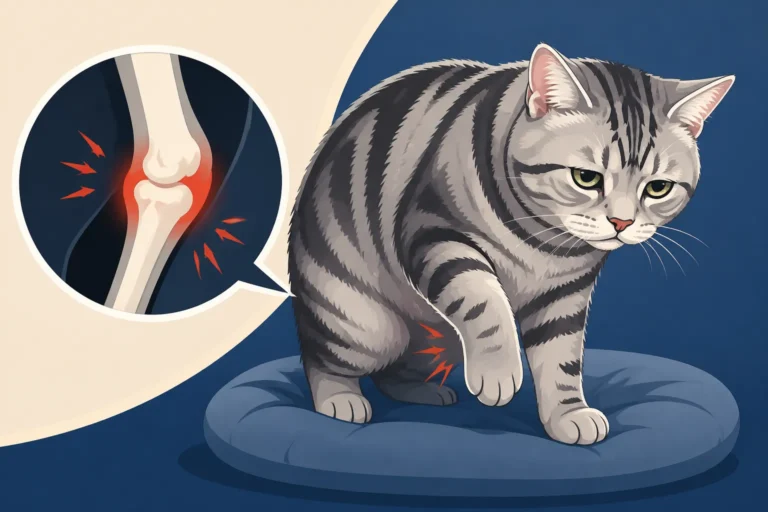
As the encapsulated pus accumulates, the abscess begins to swell. This swelling is often accompanied by significant pain and localized heat due to inflammation. You might notice a firm, painful lump beneath the skin, which can range from a small, pea-sized nodule to a golf-ball-sized mass, depending on how long it's been developing and its location. If the abscess is on a leg, your American Shorthair might start limping, and this Why a Limp in a Stoic American Shorthair Is Never Minor should always be taken seriously.
Beyond the visible signs, the body's ongoing fight against infection can lead to more systemic symptoms. Your cat might become lethargic, sleeping more than usual, losing their appetite, and generally seeming "off." A fever is also a common indicator that their body is battling a significant infection. This is where the American Shorthair's stoic nature can be a double-edged sword. They are known for enduring discomfort without much fuss, which means these subtle signs can be easily missed or attributed to something less serious. By the time you notice something is definitely wrong, the abscess might be quite large and painful, highlighting why early detection is so critical.
The Role of the Immune System
While encapsulation is the body's first line of defense, sometimes the immune system can't quite get the job done on its own. The sheer volume of bacteria, combined with the lack of oxygen inside the sealed pocket, can overwhelm even a healthy feline immune response. Factors like your cat's age, overall health, and any underlying conditions can also influence how effectively their immune system can fight off an infection. For example, an older cat or one with a compromised immune system might struggle more to contain the spread.
If the immune system is unable to resolve the infection, the abscess will continue to grow, increasing pressure on the surrounding tissues. Without intervention, this pressure eventually leads to rupture, where the abscess bursts, often releasing foul-smelling pus. While rupture can provide temporary relief from the pressure, it also spreads bacteria to the surface of the skin and can lead to a more widespread secondary infection if not properly cleaned and treated.
Recognizing and Addressing an American Shorthair Abscess
Catching an abscess early can make a huge difference in your American Shorthair's comfort and recovery time. However, their naturally resilient and often quiet demeanor means you need to be particularly observant.
Telltale Signs to Watch For
The signs of an abscess can be subtle at first but become more pronounced as the infection progresses. Initially, you might just feel a small, firm bump while petting your cat. Over a day or two, this bump will likely become warmer to the touch, more tender, and visibly swell into a distinct lump. If it's in a furrier area, the hair might become matted or sticky over the site, indicating drainage or internal leakage. If the abscess is on a paw or leg, you'll likely notice a limp or an unwillingness to bear weight on that limb.
Behavioral changes are also huge indicators. A usually friendly American Shorthair might become withdrawn, hiding more than usual, or growling/hissing when touched in a specific area. Their appetite might decrease, and you may notice a reduction in their typical grooming habits, particularly if the abscess is in a hard-to-reach spot on their back or near the base of their tail. They might also develop a fever, which can manifest as lethargy, shivering, or a warm nose. Given that Why a Stoic American Shorthair Hides Pain the Longest, you must pay close attention to any deviation from their normal routine. Making it a habit to check your outdoor American Shorthair regularly is critical for early detection, as outlined in How Often an Outdoor American Shorthair Needs Checking Over.
The Importance of Prompt Veterinary Care
If you suspect your American Shorthair has an abscess, please don't wait. Veterinary attention is crucial and should be sought immediately. A small, seemingly innocuous puncture can quickly become a large, painful, and potentially dangerous infection. The longer an abscess goes untreated, the higher the risk of complications, including the infection spreading throughout the bloodstream, known as sepsis, which can be life-threatening.
Your vet will typically drain the abscess, which involves making an incision to release the accumulated pus. This often provides immediate relief from pain and pressure. After drainage, the wound will be flushed to remove as much bacteria as possible, and your cat will almost certainly be prescribed antibiotics to combat the remaining infection and pain medication to keep them comfortable during recovery. Sometimes, a drain might be placed in the wound to allow for continued drainage over a few days. While the idea of a vet visit can be stressful, American Shorthairs are generally known for being good patients, and Why an American Shorthair Is a Low Anesthetic Risk if a procedure requires sedation. The cost of an emergency visit, combined with potential surgery and medication, can add up, making a good pet insurance plan like Healthy Paws incredibly valuable. Knowing that What an American Shorthair's Emergency Visit Costs can be substantial, pet insurance offers peace of mind.
Preventing Future Fights and Abscesses
While some fights are unavoidable, especially if your American Shorthair has outdoor access, there are steps you can take to minimize the risk of future altercations and their abscess-forming consequences. Neutering or spaying your cat is one of the most effective measures, as it significantly reduces hormone-driven aggression and territorial instincts. If your cat is frequently getting into fights outdoors, consider supervised outdoor time or creating a secure "catio" to give them safe outdoor enrichment without exposing them to other cats.
For multi-cat households, ensuring each cat has ample resources—separate food bowls, water stations, litter boxes, and vertical spaces—can reduce territorial disputes. Introducing new cats carefully and slowly is also essential to prevent aggressive encounters. Regular vet check-ups, as discussed in How Regularly a Healthy American Shorthair Still Needs Checking, can also help you discuss any behavioral changes or concerns that might indicate an underlying issue contributing to aggression. Additionally, if your American Shorthair spends time outside, considering Whether an Outdoor American Shorthair Needs FeLV Cover is important for their overall health and resilience against infections.
Potential Complications if Left Untreated
An abscess isn't just a localized problem; if neglected, it can lead to severe and even life-threatening systemic issues. The body can only fight for so long before the infection breaches its defenses.
Systemic Infection and Sepsis
The most frightening complication of an untreated abscess is systemic infection, leading to sepsis. This occurs when the bacteria from the abscess enter the bloodstream, traveling throughout the body. Once in the bloodstream, these bacteria can trigger a severe inflammatory response that affects multiple organ systems. Sepsis is a medical emergency characterized by high fever, extreme lethargy, rapid heart rate, low blood pressure, and potential organ failure.
For an American Shorthair, who might already be stoic about pain, the signs of sepsis can be hard to spot until they are critically ill. They might become unresponsive, collapse, or show signs of shock. At this stage, emergency veterinary intervention is absolutely critical, but even with aggressive treatment, sepsis carries a guarded prognosis. This severe outcome underscores why treating an abscess promptly is not just about comfort, but about saving your cat's life.
Cellulitis and Tissue Damage
Sometimes, an infection doesn't form a neatly encapsulated abscess. Instead, it spreads diffusely through the soft tissues, a condition known as cellulitis. This can be even more challenging to treat because there isn't a central pocket of pus to drain. The infection infiltrates the muscle, fat, and connective tissues, causing widespread inflammation and pain.
Cellulitis can lead to extensive tissue damage and necrosis (tissue death), which can be very difficult for the body to heal. Depending on the location, this can result in permanent scarring, loss of function in a limb, or even require surgical removal of damaged tissue. For a robust and active breed like the American Shorthair, extensive tissue damage can severely impact their quality of life, making their movement painful and restricted.
Chronic Abscesses and Recurrence
Even if an abscess eventually ruptures and drains on its own, it might not fully resolve without proper veterinary care. Sometimes, a small portion of the infected material remains, or the fibrous capsule doesn't completely disappear. This can lead to a chronic abscess that flares up repeatedly, causing ongoing pain and discomfort for your cat. These chronic infections might form fistulas—small, persistent draining tracts that continually ooze pus, making them a constant source of infection and needing repeated veterinary visits.
Recurrent abscesses are incredibly frustrating for both you and your American Shorthair. They often require more aggressive treatment, potentially including extensive surgical debridement (removal of dead tissue) or long courses of antibiotics. Preventing recurrence means ensuring the initial infection is thoroughly addressed, which almost always involves veterinary drainage and a complete course of medication. Ignoring an abscess in hopes it will simply "go away" often only prolongs the suffering and leads to more serious, complicated, and expensive problems down the line.
| Stage of Abscess Formation | What's Happening | What to Look For |
|---|---|---|
| Initial Puncture | Cat bite injects bacteria deep under the skin. | Tiny, almost invisible puncture wound; may be hidden by fur. Slight sensitivity when touched. |
| Early Infection | Bacteria multiply; immune cells gather. | Small, firm, slightly warm lump. Your cat might avoid touch. |
| Abscess Formation | Pus accumulates, fibrous capsule forms. | Swelling into a distinct, often very painful, warm lump. Lethargy, decreased appetite, slight limp if on limb, fever. |
| Maturation/Rupture | Abscess grows, pressure builds, may burst. | Large, soft, fluctuant mass. Possible foul-smelling drainage, matted fur. Cat may appear suddenly less painful after rupture, but infection is still present. |
| Post-Rupture (Untreated) | Wound open, but infection may persist/spread. | Ongoing drainage, swelling, general unwellness. Risk of cellulitis or systemic infection (sepsis). |
Disclaimer
The information provided in this article is for educational purposes only and is not a substitute for professional veterinary advice. If you suspect your American Shorthair has an abscess or any other health concern, please consult with a qualified veterinarian immediately.