Why a Well Muscled American Shorthair Gets Constipated
It can be incredibly frustrating to see your usually robust and active American Shorthair struggling with something as fundamental as digestion, especially when they seem so strong and healthy otherwise. Many owners assume that a well-muscled, sturdy cat like an American Shorthair would be immune to issues like constipation, but unfortunately, their unique build and lifestyle can sometimes contribute to this uncomfortable problem. This comprehensive guide will explore the often-overlooked reasons why a muscular American Shorthair might experience constipation and what you can do to help them.
The Muscular Build and Its Unexpected Role in Constipation
American Shorthairs are known for their strong, stocky, and well-muscled bodies. While this physique speaks to their heritage as capable working cats, it can sometimes present an unexpected challenge when it comes to digestive health, making them prone to issues like constipation. This isn't a design flaw, but rather a characteristic that requires mindful consideration from their human companions.
Muscle Mass and Gut Motility
Imagine a cat with a very athletic, dense musculature around their abdomen and hindquarters. This powerful build, while excellent for chasing prey or climbing, can sometimes subtly affect the internal mechanics of digestion. Unlike some svelter breeds, an American Shorthair's muscular structure might mean less inherent "give" in the abdominal area. The abdominal muscles, while strong, could potentially restrict the natural, gentle movements of the intestines that are crucial for pushing waste along. If these muscles are constantly engaged or if there's any underlying tension, it can create a less than optimal environment for smooth gut motility. It's not about the muscles themselves being "bad," but rather how their sheer presence can influence the delicate dance of the digestive tract.
Consider, too, that while a healthy muscle tone is vital, any loss of core strength in older or less active cats might also contribute. A decline in abdominal muscle strength can actually make it harder for the cat to strain effectively when defecating, turning a once effortless process into a painful struggle. It’s a bit of a paradox: too much muscle rigidity can be an issue, and too little muscle strength can also pose problems. This is one of the reasons why understanding Why a well muscled American Shorthair gets constipated is so important for owners.
Reduced Flexibility and Grooming Habits
American Shorthairs are typically not the most flexible of breeds. Their sturdy, compact bodies, while endearing, can make reaching certain areas for self-grooming a bit of a challenge. This isn't usually an issue for most of their body, but the rear end can sometimes be neglected. Cats are meticulous groomers, and this process is vital for removing loose fur. When they can't effectively groom their hindquarters, more loose hair can be ingested, leading to a build-up in the digestive tract.
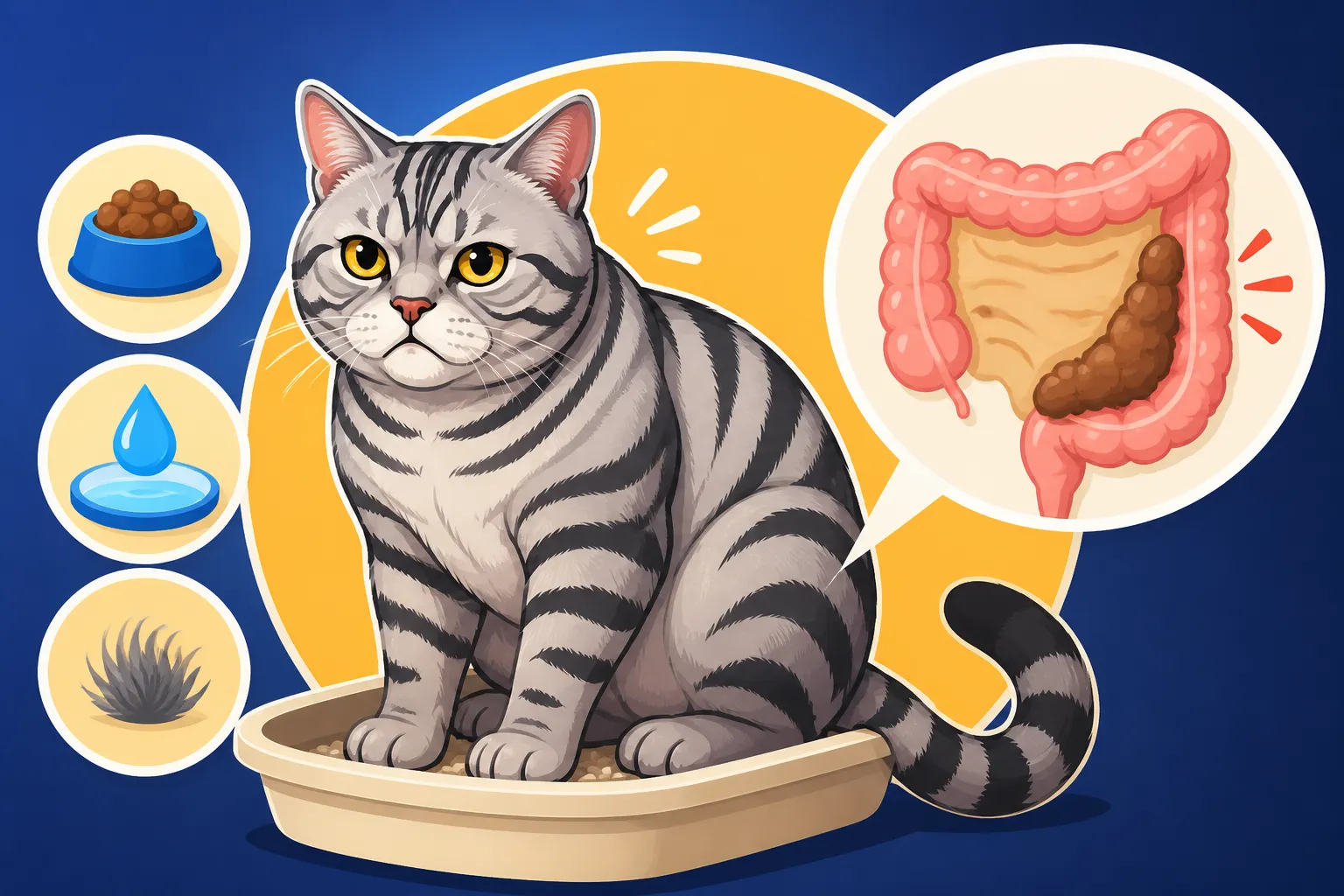
Hairballs are a common culprit in feline constipation. When a cat grooms, ingested hair usually passes through the digestive system without a hitch. However, if there’s an excessive amount, or if the cat is already prone to sluggish digestion, this fur can form an obstructive mass. For a less flexible American Shorthair, this risk increases. Owners might not even notice the problem until the cat starts showing signs of straining in the litter box or producing fewer, harder stools. Regular brushing, even for a short-haired breed, becomes an even more critical part of their care regimen to help compensate for any grooming deficiencies, effectively removing loose hair before it becomes an internal issue.
Hip and Spinal Considerations
The broad-chested, muscular build that defines the American Shorthair also means their skeletal structure is robust. However, this robustness, combined with age or certain conditions, can sometimes lead to orthopedic issues that indirectly contribute to constipation. If a cat experiences discomfort or pain in their hips, lower back, or spine, the act of posturing in the litter box can become painful.
Think about how a cat positions itself to defecate: it involves a squatting motion that puts pressure on the hips and lower back. If an American Shorthair has early signs of arthritis in these joints – which can happen as they age, especially with their sturdy frame – this natural posture might cause pain. A cat in pain will often try to avoid the painful movement, which could lead to holding in stool longer than is healthy. This delay allows more water to be absorbed from the feces, making them harder and more difficult to pass, thus exacerbating the constipation. It's a vicious cycle where discomfort leads to avoidance, which leads to worse constipation. Keeping an eye on Why an American Shorthair stops jumping to the counter can give you early clues about joint pain that might impact litter box habits. Regular vet check-ups are essential to catch these issues early and manage any discomfort, ensuring your feline friend remains comfortable and regular.
Dietary and Hydration Factors for a Robust American Shorthair
Even the most well-built American Shorthair relies heavily on what goes into their body to keep things moving smoothly. Diet and hydration are arguably the most significant factors in preventing and managing constipation in cats, and understanding their unique needs is crucial.
The Impact of a Low-Moisture Diet
The vast majority of domestic cats, including our beloved American Shorthairs, thrive best on a diet rich in moisture. This harks back to their desert-dwelling ancestors who got most of their hydration from their prey. However, many modern cats are fed primarily dry kibble, which, despite being nutritionally complete, is inherently low in moisture. A diet heavy in dry food means your cat needs to drink a lot of water separately to compensate, and many simply don't.
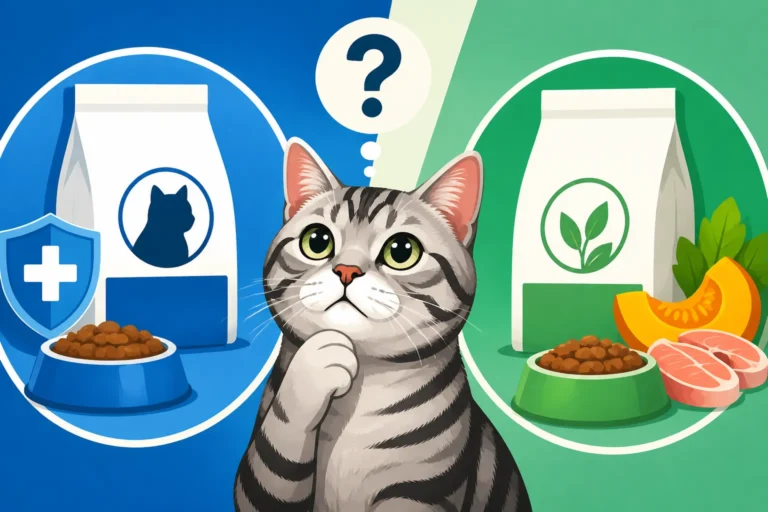
When there isn't enough moisture in the diet, the digestive system works overtime to absorb water from the ingesta, often leading to dry, hard stools that are difficult and painful to pass. Imagine trying to push a dense, dry pellet through a tube; it's going to be tough. Switching to a wet food diet, even partially, can make a monumental difference. Many owners report a significant improvement in their cat's stool consistency and regularity almost immediately after introducing canned food. It's not just about the fiber content, but the inherent hydration that wet food provides, mimicking a more natural diet for a feline carnivore. If your American Shorthair is exclusively on kibble, this is often the first place to look for a solution.
Insufficient Water Intake
Beyond the moisture content of their food, an American Shorthair's direct water intake is paramount. Cats can be notoriously picky drinkers. Some prefer running water, others still, and some have specific bowl preferences. An American Shorthair, with its practical, no-fuss nature, might not be as vocal about its water preferences as other breeds, leading owners to assume they're drinking enough when they're not.
Dehydration is a direct precursor to constipation. When the body is low on fluids, it pulls water from all available sources, including the colon, to maintain essential bodily functions. This leaves the stool dry, compacted, and very difficult to expel. It's a common oversight, but ensuring your cat has multiple water sources – ceramic or stainless steel bowls in various locations, perhaps a pet fountain, or even adding a little water to their wet food – can encourage them to drink more. Pay attention to how much water keeps an American Shorthair's bladder clear, as urinary health and hydration are often linked. Even if they appear to drink occasionally, it might not be enough to counter a dry food diet.
Fiber's Role in a Muscular Cat's Diet
Fiber is a bit of a double-edged sword when it comes to feline digestion. While some fiber is beneficial for adding bulk to stool and promoting gut motility, too much or the wrong kind can actually worsen constipation in some cats. For a muscular American Shorthair, striking the right balance is key. Natural sources of fiber in a cat's diet typically come from the indigestible parts of their prey, which is usually a modest amount.
In commercial cat foods, fiber often comes from plant-based sources like cellulose, beet pulp, or psyllium. Soluble fiber (like psyllium) can absorb water and help soften stools, while insoluble fiber (like cellulose) adds bulk. If your cat is constipated, increasing soluble fiber might help, but it must be accompanied by ample hydration. Without enough water, increasing fiber, especially insoluble fiber, can actually pack the stool more tightly and make it even harder to pass. It's often better to focus on moisture first, then consider a targeted fiber supplement under veterinary guidance. A veterinarian can help determine the right type and amount of fiber for your individual cat, as every American Shorthair is unique. This cautious approach is part of caring for an American Shorthair past twelve, when digestive sensitivities may increase.
Environmental and Behavioral Influences on Digestive Health
While genetics and diet play a huge role, an American Shorthair's environment and daily routine also significantly impact their digestive regularity. These are often subtle factors that owners might not immediately connect to litter box issues but can be major contributors to constipation.
Stress and Routine Disruption
Cats are creatures of habit, and American Shorthairs, despite their generally placid nature, are no exception. They thrive on predictable routines. Any disruption to their daily life – a new pet, a houseguest, moving furniture, changes in your work schedule, or even loud noises – can induce stress. When a cat is stressed, their body often goes into a "fight or flight" response, which can divert resources away from non-essential functions like digestion.
Stress can slow down gut motility, leading to food remaining in the colon longer and becoming drier. Additionally, a stressed cat might avoid the litter box if they feel insecure, leading to intentional holding of stool, which then becomes harder to pass. This is often an overlooked aspect of feline health. Creating a stable, predictable, and calm environment is paramount. Providing safe spaces, consistent feeding times, and regular play sessions can help mitigate stress. An American Shorthair usually copes with change reasonably well, but chronic low-grade stress can still manifest physically, including through digestive issues. If you notice a sudden change in your cat's litter box habits after an environmental shift, stress could very well be the culprit.
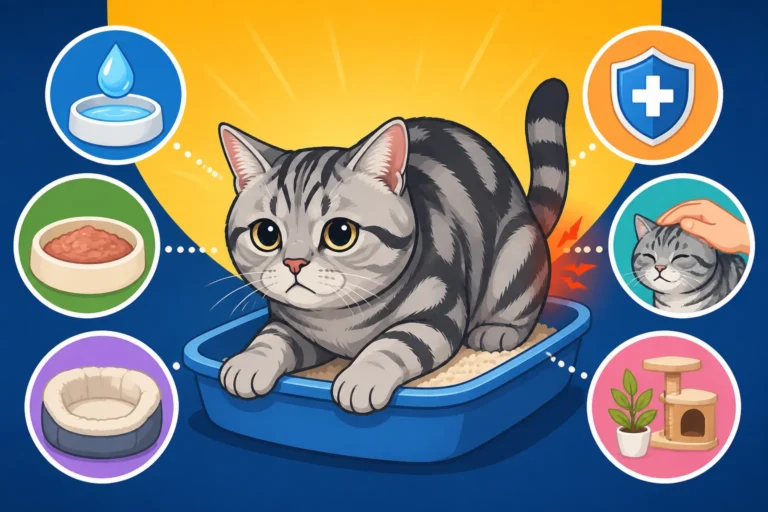
Inadequate Litter Box Setup
This might seem like a minor point, but for a sturdy, muscular cat like an American Shorthair, the litter box setup can significantly influence whether they use it comfortably and consistently. An American Shorthair needs ample space to maneuver, squat, and dig without feeling cramped. A small or covered litter box might feel restrictive, especially for a larger male American Shorthair.
If the box is too small, too dirty, or located in a high-traffic or noisy area, your cat might start to avoid it. Holding in stool, even for a short period, allows more moisture to be reabsorbed, making the stool harder. This leads to a painful experience, which can then create a negative association with the litter box, perpetuating the cycle of avoidance and constipation. It's recommended to have at least one litter box per cat, plus one extra, and ensure they are large, uncovered, and cleaned at least once daily. For an American Shorthair, consider an extra-large storage bin as a litter box to provide maximum comfort. Providing a litter box wide enough for an American Shorthair costs a bit more upfront but can save a lot of grief and vet bills down the line.
Lack of Activity and Enrichment
Even though American Shorthairs aren't typically considered hyperactive, they retain a strong instinct for hunting and patrolling their territory. Their muscular build suggests a need for regular, engaging activity. An indoor American Shorthair that doesn't get enough physical activity might experience a sluggish digestive system, as movement helps stimulate gut motility.
A sedentary lifestyle contributes to constipation in several ways. Firstly, less movement means less internal massage for the intestines. Secondly, inactivity can lead to weight gain, which can further impede comfortable defecation. If an American Shorthair becomes overweight, it might struggle to adopt the proper squatting posture, making straining more difficult and painful. Engaging your American Shorthair in regular play sessions, using interactive toys, wand toys that simulate prey, or even puzzle feeders can encourage physical activity and mental enrichment. Consider how much simulated hunting an American Shorthair needs to keep them physically and mentally stimulated. Even short bursts of play throughout the day can make a big difference in keeping their digestive system, and their overall health, in top shape.
When to Seek Veterinary Help and Prevention Strategies
Dealing with constipation in your American Shorthair can be distressing for both of you. Knowing when to act and how to prevent it in the first place is crucial for their long-term health and comfort.
Recognizing the Signs of Constipation
Cats, being masters of disguise when it comes to pain, can sometimes make it difficult to spot constipation until it's quite advanced. However, there are several key signs that you, as a vigilant owner, can look for. The most obvious is reduced frequency of defecation – if your American Shorthair isn't producing stools for more than 48-72 hours, it's a red flag. When they do go, the stools might be small, hard, and dry, often resembling pebbles.
You might also observe your cat straining excessively in the litter box, vocalizing uncomfortably, or even crying out. Sometimes, owners mistake straining for difficulty urinating, so it’s important to carefully observe the act. Other signs include lethargy, decreased appetite, vomiting, abdominal discomfort (your cat might resent being touched around their belly), or even avoiding the litter box altogether and having accidents elsewhere due to discomfort or associating the box with pain. Keep a close eye on their behavior, as a change in the normally unflappable American Shorthair can be a significant indicator. A good insurance plan, like one from Healthy Paws, can certainly ease the financial worry of diagnostics and treatments if these signs appear.
At-Home Remedies and Their Limits
If you suspect mild constipation, there are a few things you can try at home, but always consult your vet first, especially if your cat hasn't passed stool in over 48 hours or is in obvious distress.
Increased Hydration: This is almost always the first line of defense.
- Switch to Wet Food: If your cat is on dry kibble, gradually transitioning to wet food can significantly boost their moisture intake.
- Add Water to Food: Mix a tablespoon or two of warm water or unsalted chicken/beef broth into their wet food.
- Multiple Water Sources: Provide several bowls of fresh water around the house, and consider a pet fountain.
Dietary Fiber:
- Pumpkin Puree: A small amount of plain, canned pumpkin puree (not pie filling) can add natural fiber and moisture. Start with half a teaspoon once or twice a day and monitor.
- Psyllium Husk: Under vet guidance, a tiny pinch of psyllium husk mixed into wet food can help.
Laxatives/Supplements:
- Veterinary-Approved Laxatives: Never give human laxatives. Your vet might recommend specific cat-safe options like Lactulose or Miralax (polyethylene glycol 3350). These help draw water into the colon.
- Probiotics: Some feline-specific probiotics can support gut health.
Grooming:
- Regular Brushing: Brush your American Shorthair daily to minimize ingested hair.
Exercise:
- Encourage Play: Regular play sessions help stimulate gut motility.
Remember, if these remedies don't work within 24-48 hours, or if your cat's condition worsens, it's time for professional help. Don't let an American Shorthair's stoic nature fool you; a limp in a stoic American Shorthair is never minor, and neither is prolonged constipation.
Veterinary Diagnosis and Treatment
When at-home remedies aren't enough, or if your American Shorthair is clearly uncomfortable, a vet visit is essential. The veterinarian will typically start with a thorough physical examination, including palpating the abdomen to feel for impacted stool. They might ask detailed questions about your cat's diet, water intake, litter box habits, and any recent changes in their routine or health.
Diagnostic Tools:
- X-rays: Abdominal X-rays are crucial to confirm constipation, assess the amount and location of impacted fecal matter, and rule out other issues like foreign bodies or tumors.
- Bloodwork/Urinalysis: These tests help check for underlying health conditions such as kidney disease or hyperthyroidism, which can sometimes contribute to constipation.
Treatment Options:
- Enemas: If the impaction is severe, your vet may administer an enema. This is a delicate procedure and should only be performed by a veterinarian using cat-safe solutions, as many human enemas are toxic to cats.
- Manual Deobstipation: In very severe cases, under sedation or anesthesia, the vet might manually remove the hardened stool.
- Prescription Diets: Your vet might recommend a prescription diet specifically formulated for digestive health, often higher in specific types of fiber or easily digestible ingredients.
- Medications: Long-term management might involve daily use of specific laxatives or motility modifiers.
Managing constipation, especially if it becomes a recurring issue, can require ongoing veterinary care. This is where pet insurance, such as a plan from Healthy Paws, can really make a difference, helping to cover the costs of diagnostics, medications, and any necessary procedures. Understanding what an American Shorthair's bloodwork costs or what an American Shorthair's urinalysis costs can help you be prepared for potential vet bills. Early intervention is always best to prevent a mild issue from becoming a severe, painful, and potentially life-threatening condition for your beloved American Shorthair.
Here’s a quick overview of some common causes and solutions for constipation in American Shorthairs:
| Cause | Description | Common Signs | Prevention/Solution |
|---|---|---|---|
| Low Moisture Diet | Primarily dry kibble, insufficient water intake. | Hard, dry, small stools; straining. | Switch to wet food, add water to food, multiple water sources. |
| Ingested Hair | Inadequate grooming, especially with muscular build. | Hair in stools; increased straining; decreased appetite. | Regular brushing, hairball remedies (vet-approved). |
| Lack of Exercise | Sedentary lifestyle, especially for indoor cats. | Sluggishness; decreased stool frequency. | Daily play sessions, interactive toys, cat trees. |
| Pain/Discomfort | Arthritis (hips/spine), abdominal pain making squatting difficult. | Straining, vocalizing, reluctance to use litter box. | Vet assessment for pain management; comfortable litter box. |
| Stress/Routine Change | New environment, new pet, changes in household routine. | Avoiding litter box; changes in appetite; hiding. | Maintain routine, provide safe spaces, pheromone diffusers. |
| Inadequate Litter Box | Too small, dirty, or in a high-traffic area. | Accidents outside box; holding stool. | Large, clean, easily accessible boxes in quiet locations. |
Disclaimer
The information provided in this article is for educational purposes only and is not intended as a substitute for professional veterinary advice. Always consult with a qualified veterinarian for any health concerns or before making any decisions related to your pet's care.