Which Fight Wounds an Outdoor American Shorthair Comes Home With
It’s a tough reality for any cat parent who allows their beloved American Shorthair to explore the great outdoors: the world outside your door, while stimulating and enriching, also holds its fair share of dangers. Even the most confident and capable American Shorthair, with their rich history as skilled hunters, can find themselves in an unexpected brawl. Coming home to find your furry family member with a new scrape or puncture wound is never easy, and it instantly fills you with worry about their well-being. This guide is here to help you understand the common fight wounds an outdoor American Shorthair might encounter, how to spot them, and what you need to do to ensure your stoic companion gets the care they deserve.
Recognizing the Signs of a Scuffle
Your American Shorthair is a creature of routine and, generally, pretty unflappable. They’re not typically given to dramatic displays, which can make it tricky to tell when they’ve had a run-in with another animal. Often, you won’t witness the fight itself, and your cat, being the independent soul they are, might not immediately present with obvious distress. Instead, you might notice subtle shifts in behavior or physical cues that something isn't quite right.
Behavioral Clues That Signal Trouble
One of the first indicators that your American Shorthair has been in a fight might not be a visible wound at all, but a change in their usual demeanor. A cat that's normally quite social and enjoys a good head rub might suddenly become withdrawn, preferring to hide under the bed or in a quiet corner of the house. This isn't just a sign of pain, but also often a feline's instinct to protect themselves when they feel vulnerable. You might notice they're less interested in their usual playtime, or they might even hiss or growl when you try to pet them in a sensitive area.
They might also become unusually quiet, a particularly noticeable change if your American Shorthair is one of those who usually greets you with a soft chirp or a confident meow. Keep an eye out for any hesitation when they're jumping onto their favorite perch or climbing the cat tree. Pain, even from a small wound, can make these everyday movements uncomfortable. You might even observe changes in their eating or litter box habits. A cat in pain might eat less, or they might strain or avoid the litter box if moving into certain positions causes discomfort. If you notice your American Shorthair has gone too quiet, it's definitely time for a closer look.
Physical Indicators of a Recent Encounter
Once you suspect something's amiss, it's time for a gentle, thorough physical check. But remember, an American Shorthair is a master of stoicism, and they might not show obvious signs of injury until an infection has set in. Look for matted or ruffled fur, especially around the face, neck, and hindquarters—common areas where cats aim during a fight. You might find a small patch of fur that feels wet or sticky, indicating dried blood or discharge.
Beyond the fur, run your hands carefully over their entire body, paying close attention to any flinching, tensing, or vocalization. You're looking for swelling, warmth, or tenderness under the fur. Sometimes, a tiny puncture wound, barely visible through the thick American Shorthair coat, can be the entry point for a serious infection. Also, check their ears for nicks or tears, and their paws for any scrapes or limping. Remember, if your usually active American Shorthair stops jumping to the counter, it’s a big red flag that something is wrong with their mobility, potentially due to a paw or leg injury.
Common Battle Scars Your American Shorthair Might Bring Home
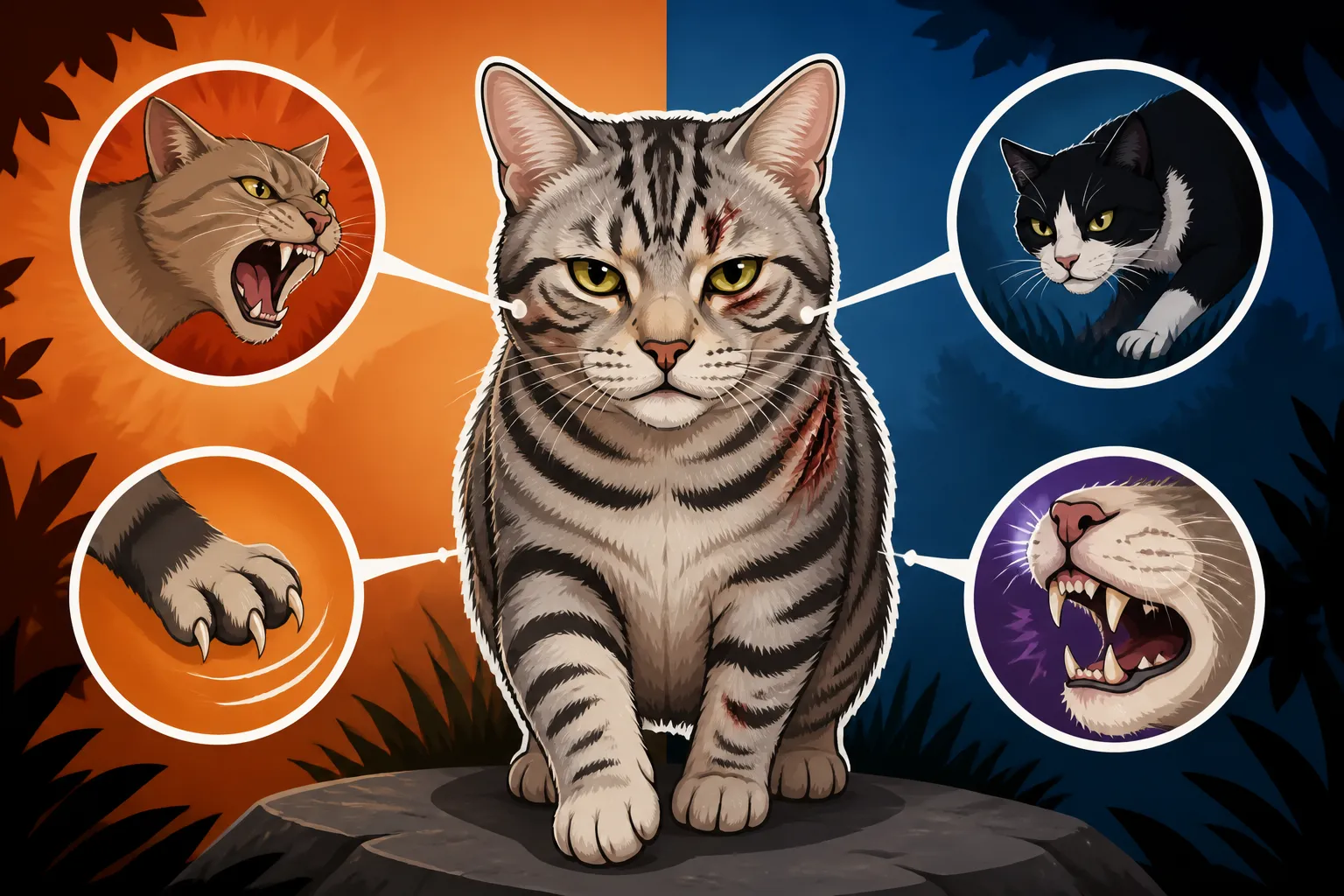
When cats fight, their primary weapons are their teeth and claws. The resulting injuries can vary widely, from superficial scratches to deep, insidious puncture wounds that carry a high risk of infection. Understanding what these wounds look like can help you assess the situation and decide on the best course of action.
Puncture Wounds: Small but Dangerous
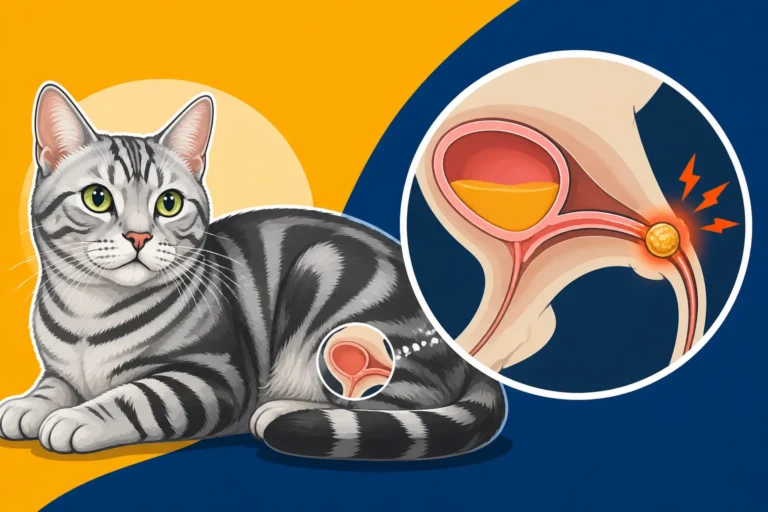
These are perhaps the most common, and often the most deceptive, fight wounds. A cat's canine teeth are sharp and long, designed to pierce. When another cat bites your American Shorthair, those teeth can create tiny, deep holes in the skin. The problem is, these holes often close up quickly on the surface, trapping bacteria beneath the skin. This creates a perfect, warm, moist environment for infection to brew, leading to an abscess.
You might only notice a small scab or a slight swelling a few days after the initial injury. However, beneath that unassuming exterior, pus can be accumulating, causing immense pain and discomfort for your cat. These types of wounds are incredibly common on the head, neck, and legs, as these are easy targets during a scuffle. Puncture wounds can also hide under thick fur, so a thorough tactile examination is crucial. Never underestimate a tiny wound; it could be a ticking time bomb for infection.
Scratches and Lacerations
While less dangerous than deep punctures, scratches and lacerations are still uncomfortable and require attention. These wounds occur when a cat's claws rake across the skin. Scratches tend to be superficial, appearing as thin lines of broken skin, sometimes with a little bleeding. Lacerations, on the other hand, are deeper, more open wounds, essentially cuts that penetrate further into the skin.
You'll typically find scratches and lacerations around the face, ears, and paws, as cats will swipe at each other during a confrontation. While they might bleed more visibly than a puncture wound, the open nature of these injuries often means they drain better, reducing the immediate risk of an abscess. However, they can still become infected if not cleaned properly. Imagine the pain of having an open wound on a sensitive ear or paw pad; it’s no wonder your American Shorthair might be more reluctant to let you handle them if they have these types of injuries.
Bruises and Blunt Force Trauma
Sometimes, a fight isn't just about teeth and claws. Cats can deliver powerful kicks with their hind legs, or they might crash into objects or each other during a chase. This can lead to bruises or even more serious blunt force trauma. Bruises might appear as tender, discolored areas on the skin, though you'll rarely see the discoloration through dense fur. Instead, you'll feel the swelling and tenderness.
More concerning is blunt force trauma, which could lead to internal injuries that are impossible to detect from the outside. If your American Shorthair seems generally stiff, is limping without an obvious external wound, or shows signs of pain when you gently press on their ribs or abdomen, they could have sustained internal bruising or even fractures. While less common from a direct cat-on-cat fight, these injuries can occur if a cat is thrown, falls, or is hit by something during an altercation. A limp in a stoic American Shorthair is never minor, especially if there's no visible external wound.
The Hidden Dangers: When a Small Wound Becomes a Big Problem
The immediate visible injury is often just the tip of the iceberg when it comes to cat fight wounds. The true danger lies in what you can't see: the bacteria and viruses that can enter the bloodstream through even the tiniest breach in the skin, turning a seemingly minor skirmish into a life-threatening situation.
Abscesses: The Most Common Complication
As mentioned, puncture wounds are notorious for leading to abscesses. When bacteria (often from the attacking cat's mouth, which harbors a multitude of pathogens) get trapped under the skin, the body walls off the infection, forming a pocket of pus. This pocket, an abscess, can grow rapidly, becoming incredibly painful and hot to the touch.
The pain from an abscess can be so severe that your American Shorthair may become lethargic, lose their appetite, and develop a fever. If left untreated, the abscess can rupture, draining foul-smelling pus and leaving a gaping wound that still requires diligent cleaning and care. In some cases, if the infection spreads unchecked, it can lead to more systemic issues, including sepsis. Recognizing how an abscess forms after an American Shorthair's cat fight is critical for early intervention.
Bacterial and Viral Infections
Beyond abscesses, any open wound is an invitation for various bacterial infections. Staphylococcal and streptococcal bacteria, commonly found on skin and in the environment, can colonize wounds, causing local infections, cellulitis (inflammation of the connective tissue), or even spreading throughout the body.
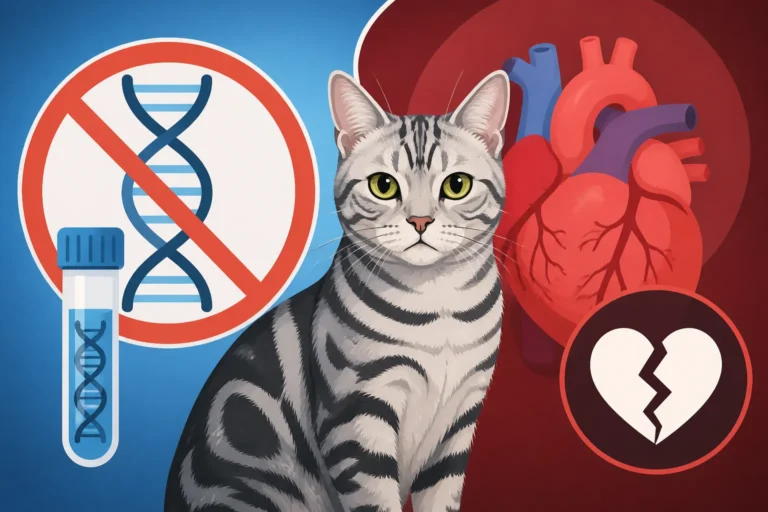
More gravely, fight wounds are the primary mode of transmission for several serious viral diseases, notably Feline Immunodeficiency Virus (FIV) and Feline Leukemia Virus (FeLV). FIV is often called "feline AIDS" because it compromises the cat's immune system, making them susceptible to secondary infections and a range of health problems. FeLV attacks white blood cells and can lead to anemia, cancer, and immunosuppression. If your outdoor American Shorthair hasn't been tested for these, or if their vaccination status is unknown, any bite wound warrants a serious conversation with your vet about testing. It's a sobering thought, but whether an outdoor American Shorthair should be FIV tested is a question every owner should ask. Many owners wisely choose to include these tests in their routine preventative care, and quality pet insurance providers like Healthy Paws can help cover the costs of diagnostics and long-term care for such conditions.
Systemic Illness and Long-Term Effects
In some severe cases, uncontrolled infection from a fight wound can lead to systemic illness. Fever, lethargy, dehydration, and a complete loss of appetite are all signs that the infection is affecting your cat's entire body. If bacteria enter the bloodstream, it can cause septicemia, a life-threatening condition requiring immediate veterinary intervention.
Long-term, even after a wound heals, repeated fights can cause chronic stress, leading to other health issues. Cats are territorial, and frequent conflicts can leave them feeling insecure and anxious in their own environment. This stress can manifest as urinary problems, digestive upsets, or behavioral changes like inappropriate urination. It's a domino effect, where one fight can lead to a cascade of problems for your otherwise healthy American Shorthair.
Immediate Action and Long-Term Care for Outdoor Cat Injuries
Finding your American Shorthair injured can be frightening, but knowing how to react calmly and effectively can make all the difference in their recovery. Prompt action, followed by consistent care, is key.
First Aid at Home
Your first priority is to get your cat indoors and secure them in a safe, quiet space. Even the most docile American Shorthair can lash out in pain or fear, so approach them gently. If the wound is actively bleeding, apply gentle, direct pressure with a clean cloth or gauze. For small, non-bleeding scrapes or punctures, you can try to gently clean the area with a mild antiseptic solution like dilute chlorhexidine or povidone-iodine (diluted until it looks like weak tea), or simply warm salty water. Avoid harsh antiseptics like rubbing alcohol or hydrogen peroxide, as these can damage delicate tissues and delay healing.
Do not try to pick at scabs or squeeze potential abscesses yourself; this can push infection deeper or cause unnecessary pain. Your goal here is to stabilize the situation and prevent further contamination until you can get professional help. Keep the wound clean and dry, and prevent your cat from licking or chewing at it by using an Elizabethan collar if necessary. This might seem like an overreaction for a small wound, but remember, a cat's mouth is full of bacteria, and self-grooming can introduce more pathogens.
When to Seek Veterinary Care
The truth is, any fight wound on an outdoor cat should ideally be examined by a veterinarian. As we've discussed, even a tiny puncture can hide a serious infection that's brewing beneath the surface. For deep wounds, heavy bleeding, limping, signs of pain, or any behavioral changes like lethargy or loss of appetite, an emergency visit is non-negotiable.
Your vet will thoroughly examine the wound, often shaving the fur around it to get a clear view. They might clean and flush the wound, and for abscesses, they will likely drain it, clean out the pus, and might even place a small drain to ensure continued drainage. Antibiotics are almost always prescribed to combat bacterial infections, and pain medication can help your cat feel more comfortable during recovery. They'll also discuss critical screenings, such as for FIV and FeLV, especially if your cat's status is unknown. This is where pet insurance, like a policy from Healthy Paws, can be incredibly helpful in managing the costs associated with diagnostics and ongoing treatment, saving you from financial stress during an already stressful time. Understanding how an American Shorthair's emergency visit costs can quickly add up helps owners prepare.
| Type of Wound | Typical Appearance | Initial At-Home Care | Veterinary Treatment Likely | Risks |
|---|---|---|---|---|
| Puncture Wounds | Small, deep hole, often with dried blood or scab. | Gentle cleaning with dilute antiseptic. | Cleaning, antibiotics, drainage (for abscess). | Abscess formation, deep infection, viral transmission (FIV/FeLV). |
| Scratches | Superficial lines, minor bleeding. | Gentle cleaning. | May require cleaning, minor antibiotics. | Local infection, discomfort. |
| Lacerations | Deeper cuts, more visible bleeding. | Gentle cleaning, direct pressure for bleeding. | Cleaning, debridement, sutures, antibiotics. | Infection, scarring, viral transmission. |
| Bruises/Trauma | Swelling, tenderness, no broken skin (often). | Rest, monitor for pain. | X-rays (if suspicion of fracture), pain relief. | Internal injury, fractures, unseen pain. |
Post-Vet Care and Preventative Measures
Once your American Shorthair returns home from the vet, your job isn't over. You'll need to administer any prescribed medications, keep the wound clean as instructed, and monitor for signs of healing or worsening infection. This might involve applying warm compresses, changing bandages, or simply keeping them calm and rested. An Elizabethan collar might be essential to prevent licking, which can reopen wounds or introduce new bacteria.
To minimize future risks, consider gradually transitioning your American Shorthair to an indoor-only lifestyle, especially if they are frequently getting into fights. If going fully indoors isn't an option, explore supervised outdoor time, catios, or secure outdoor enclosures. Ensure your cat is up-to-date on all vaccinations, including the FeLV vaccine if they are an outdoor cat and exposed to other felines. Regular flea and worm treatments are also important, as outdoor cats are more prone to parasites, which can further complicate their health. You might also want to consult your vet on whether an outdoor American Shorthair needs the FeLV vaccine, as it's a crucial preventative step for any cat spending time outside. Keeping your American Shorthair microchipped is also a wise precaution, as it aids in their safe return should they become lost or injured far from home. A microchip is a small cost for significant peace of mind.
Remember, the goal is always to provide a safe, healthy, and happy life for your American Shorthair. While their hunting instincts are strong, balancing their desire for exploration with their safety is paramount.
Disclaimer
This article is for general informational purposes only and does not constitute professional advice. Laws, prices and regulations vary by location and change over time. Consult a qualified professional for guidance on your specific situation.