Why a Neutered American Shorthair Puts On Weight Faster
It’s a scenario many American Shorthair owners know all too well: you bring your beloved cat home from the vet after their spay or neuter, feeling relieved the procedure is over, only to start noticing a subtle but undeniable change. Slowly, almost imperceptibly at first, that sleek, muscular physique that’s characteristic of the breed starts to soften, and before you know it, your once agile American Shorthair is carrying a few extra pounds. This weight gain isn't just frustrating; it's a common and significant concern that can impact their long-term health. This guide will walk you through exactly why neutered American Shorthairs tend to gain weight faster and what you can do to keep your furry friend healthy and happy.
The Hormonal Shift After Neutering
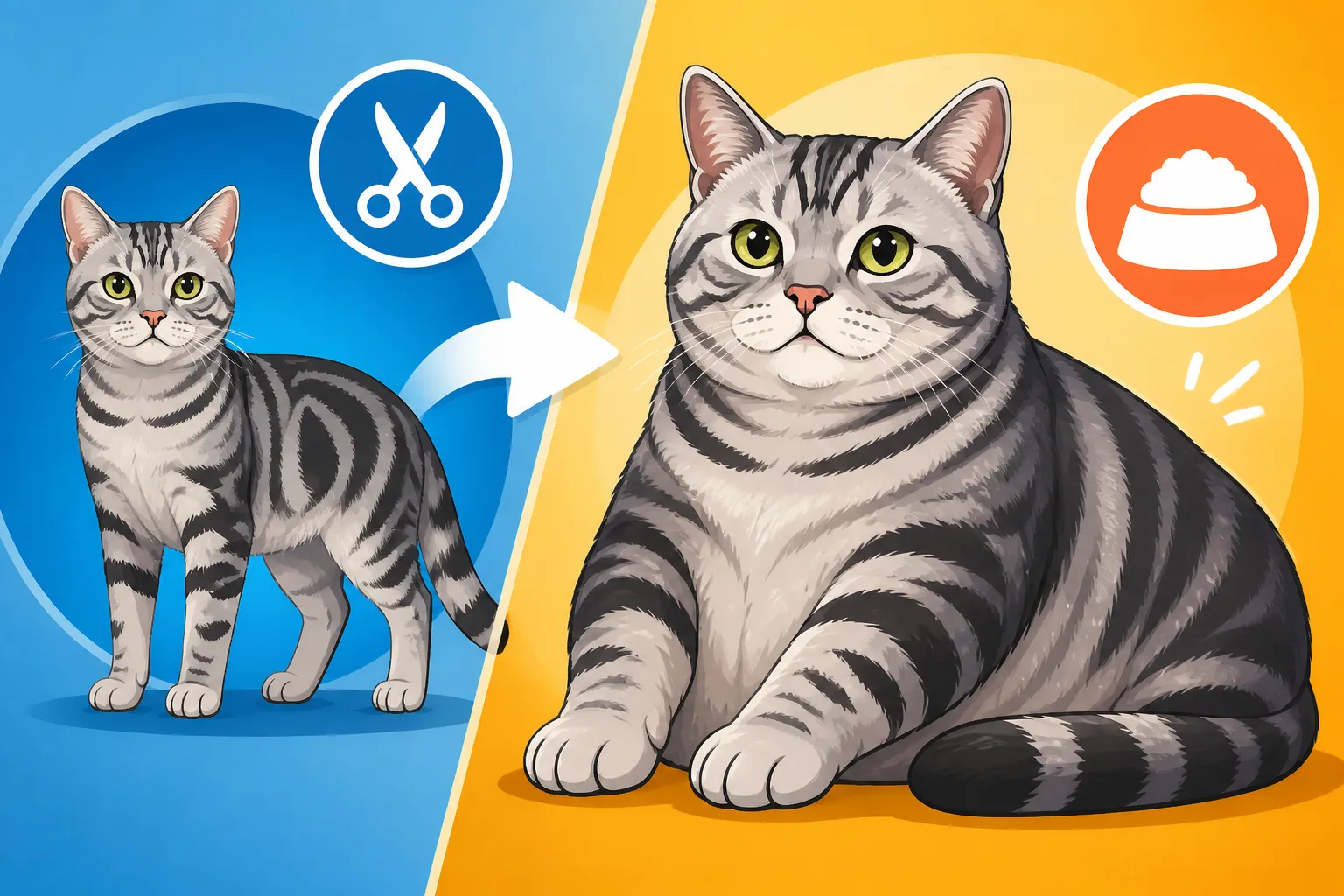
The moment your American Shorthair is neutered or spayed, a significant physiological change occurs. The removal of the testes in males or the ovaries in females halts the production of sex hormones like testosterone and estrogen. While this procedure is incredibly beneficial for preventing unwanted litters, reducing certain behavioral issues, and lowering the risk of specific cancers, it also triggers a cascade of internal adjustments that directly affect your cat’s metabolism and appetite. It’s not just a minor tweak; it’s a fundamental alteration to their internal chemistry.
Impact on Metabolism
Think of testosterone and estrogen as natural metabolic boosters for your American Shorthair. These hormones play a crucial role in regulating metabolism and maintaining muscle mass. Before neutering, your cat's body was constantly fueled by these hormones, leading to a higher resting metabolic rate. This means they burned more calories just going about their daily business, even when sleeping. After neutering, with the absence of these hormones, that metabolic engine slows down considerably. Their body simply doesn't need as much energy to function.
This slowdown can be quite dramatic, with studies showing that a cat's energy requirements can decrease by as much as 20-30% post-neutering. This isn't just about them being less active; it's a fundamental shift in how their body processes and utilizes calories. So, if you continue to feed your neutered American Shorthair the same amount of food they ate before the surgery, they are now receiving a significant calorie surplus every single day. Over time, these excess calories are stored as fat, leading to gradual but steady weight gain. It’s like trying to drive a car with a smaller engine using the same amount of gas – eventually, you'll have a spill, or in this case, a weight problem.
Changes in Appetite and Satiety
Compounding the metabolic slowdown is another frustrating side effect: an increase in appetite and a reduced feeling of fullness. Research indicates that the hormones involved in satiety (the feeling of being full and satisfied after eating) can be affected by neutering. For instance, leptin, a hormone that signals to the brain that the body has enough energy stores, might become less effective, or your cat might produce less of it. Conversely, hormones that stimulate appetite, such as ghrelin, might see increased activity.
What this means for your American Shorthair is that they may feel hungrier more often and not feel as satisfied even after eating a sufficient amount of food. They might start begging for food more persistently, waking you up at night for an extra meal, or appearing constantly ravenous. This isn't them being greedy; it's a genuine physiological response. As their owner, it’s incredibly hard to resist those pleading eyes and insistent meows, especially when you know they used to eat that much without an issue. However, giving in to these signals without adjusting their diet will almost certainly lead to weight gain. Understanding this hormonal push for more food is the first step in devising an effective weight management strategy.
Understanding the Calorie Conundrum
The combination of a slower metabolism and an increased appetite creates a perfect storm for weight gain in neutered American Shorthairs. It's not about them suddenly becoming lazy (though some do become less active); it's largely about the calories they consume versus the calories they expend. This energy balance is thrown off kilter, and as loving pet parents, we need to adjust our care to match their new needs.
Lowered Energy Needs
As we've touched upon, the biggest factor here is that your American Shorthair simply doesn't need as many calories after neutering. Their body operates on a reduced energy budget. Imagine if your personal daily calorie requirement dropped by 20-30% overnight, but you continued to eat the same way. You'd gain weight, and fast! The same principle applies directly to your cat.
A typical adult American Shorthair, known for its sturdy build and moderate activity levels, might have needed around 200-250 calories per day before being neutered. After the procedure, their needs could drop to as low as 150-200 calories. This might seem like a small difference, but over weeks and months, those extra 50-70 calories per day add up significantly. It's crucial to remember that calorie requirements vary based on age, activity level, and individual metabolism. A good starting point is to assume a decrease in calorie needs and work with your vet to determine the precise amount for your cat. This adjustment is not about depriving them; it's about providing the right amount of fuel for their new metabolic reality. For more detailed information, you can explore resources like "How Many Calories a Working Framed American Shorthair Needs a Day".
The Pitfalls of "Free Feeding"
One of the biggest culprits contributing to weight gain in neutered American Shorthairs is the practice of "free feeding," where a bowl of kibble is left out all day for the cat to graze on as they please. While convenient for owners, this method makes portion control impossible and is especially detrimental for a cat with a hormonally-driven increased appetite and a slower metabolism. If your American Shorthair is now always feeling a bit hungry, and there's an endless supply of food readily available, they will likely eat far more than their body requires.
Before neutering, their natural activity levels and higher metabolism might have allowed them to self-regulate reasonably well, burning off the extra calories. However, post-neutering, their body's signals are disrupted. They're telling themselves they're hungry even when they're not nutritionally deficient, and the free-feeding setup allows them to respond to every one of those signals. This quickly leads to a significant calorie surplus, and the weight piles on. Transitioning from free feeding to scheduled, portion-controlled meals is often one of the most impactful changes you can make to manage your neutered American Shorthair's weight.
Practical Steps to Manage Weight Gain
Recognizing why your neutered American Shorthair is gaining weight is the first step; the next is to take proactive measures. It requires a bit more intentionality than before, but the long-term health benefits for your cat are immeasurable. These steps involve a combination of dietary adjustments and activity encouragement.
Re-evaluating Diet and Portions
The most critical step in managing weight gain is to meticulously re-evaluate your American Shorthair's diet and portion sizes. This is where most owners struggle because it feels counterintuitive to feed less when your cat seems hungrier.
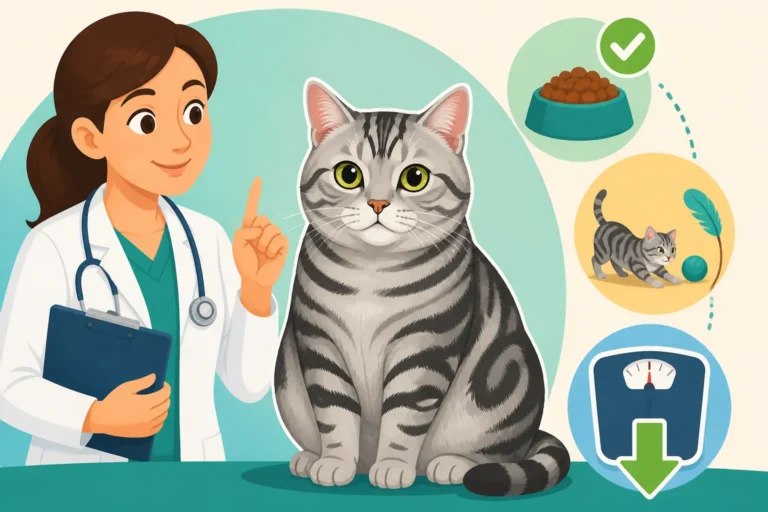
- Consult Your Vet: Always start with your veterinarian. They can help you calculate the precise daily calorie intake your neutered American Shorthair needs based on their ideal body weight (not their current weight), age, and activity level. They might recommend a specific "light" or "weight management" cat food, which typically has fewer calories and higher fiber to promote satiety.
- Measure Precisely: Invest in a digital kitchen scale. Eyeballing portions with a scoop is notoriously inaccurate and can lead to significant calorie overfeeding. Measure your cat's food in grams or ounces, every single time. Even a small difference daily adds up.
- Scheduled Meals: Ditch the free-feeding model. Feed your American Shorthair 2-3 portion-controlled meals per day. This not only allows you to monitor intake but also creates a routine that can help manage their increased appetite. They learn when to expect food, rather than always expecting it.
- High-Protein, High-Fiber: Consider a diet that is higher in protein and fiber. Protein helps maintain muscle mass, which is good for metabolism, and fiber helps cats feel fuller for longer. There are many excellent commercial cat foods designed specifically for weight management, sometimes even prescription diets that your vet can recommend. You might be surprised at "Which Prescription Diet an American Shorthair Ends Up On" if weight management becomes a serious issue.
- Treats in Moderation: Treats are often a hidden source of calories. If you use treats, factor them into their daily calorie allowance, or switch to low-calorie options like freeze-dried chicken or even small pieces of their regular kibble used as a reward.
Transitioning to a new feeding routine and reduced portions can be challenging initially, as your American Shorthair might vocalize their displeasure. Consistency is key, and they will adapt over time. Remember, this is for their health, not to punish them.
Encouraging Activity and Play
Alongside diet, increasing your American Shorthair's physical activity is vital. While their natural inclination to hunt and patrol might decrease slightly with age and neutering, they still retain a strong prey drive. Providing opportunities for structured play can help burn calories, build muscle, and prevent boredom.
- Interactive Play Sessions: Dedicate 10-15 minutes, two to three times a day, to active play. Use wand toys, feather teasers, or other toys that mimic prey movement. Engage them in chasing, pouncing, and "killing" the toy. Make sure they get to "catch" the prey at the end of each session to satisfy their hunting instinct. This is not only exercise but mental enrichment.
- Puzzle Feeders and Foraging: Instead of putting all their food in a bowl, make them work for some of it. Puzzle feeders require your American Shorthair to manipulate them to release kibble, slowing down eating and providing mental stimulation. You can also hide small portions of their measured kibble around the house, encouraging them to "forage" for their meals. This taps into their natural instincts and keeps them moving. Consider if "Whether a Puzzle Feeder Replaces an American Shorthair's Hunt" is a good fit for your cat.
- Vertical Space: American Shorthairs love to climb and observe their territory from high vantage points. Invest in tall cat trees, wall shelves, or window perches. These encourage jumping and climbing, adding valuable exercise.
- Supervised Outdoor Time (if appropriate): If your living situation allows and it's safe, consider a catio (enclosed outdoor space) or harness training for supervised walks. Even a short period of safe outdoor exploration can provide significant physical and mental stimulation. However, remember that "Which Injuries an Outdoor American Shorthair Comes Home With" and "Which Parasites an Outdoor American Shorthair Picks Up" are risks that need to be considered.
- Regular Exercise Routine: Consistency is crucial. Try to establish a regular playtime schedule so your cat knows when to expect their "hunt."
Combining dietary management with increased activity creates a holistic approach to weight control. It helps your American Shorthair maintain a healthy weight, which is essential for their overall well-being.
Long-Term Health Implications of Obesity
It's tempting to think a little extra fluff is harmless, especially on a cat as naturally sturdy as an American Shorthair. However, obesity in cats is a serious medical condition that significantly increases the risk of numerous health problems, potentially shortening their lifespan and diminishing their quality of life. Ignoring those extra pounds can lead to costly vet bills and, more importantly, a less comfortable life for your beloved companion. This is where pet insurance, like a plan from Healthy Paws, can be a real lifeline, helping to mitigate the financial stress associated with treating these preventable conditions.
Joint Stress and Mobility Issues
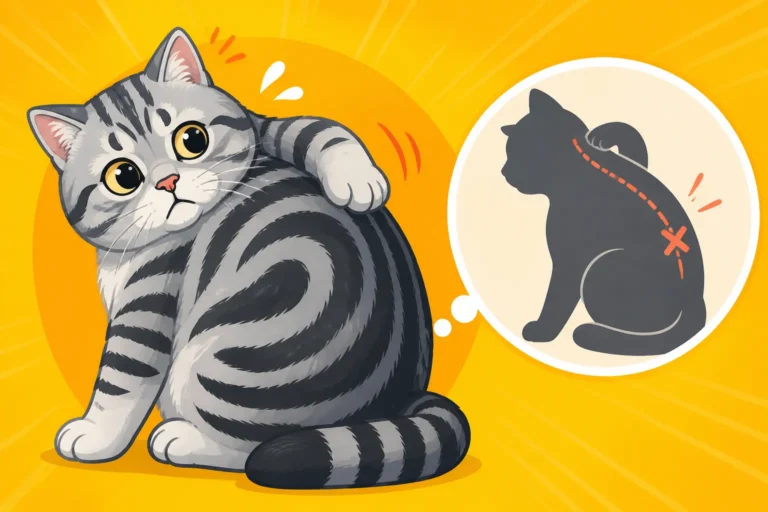
An American Shorthair's broad chest and well-muscled, sturdy frame were built for strength and agility, enabling them to be efficient hunters. When they carry excess weight, that frame becomes overburdened. The extra pounds put immense stress on their joints, particularly their hips, knees, and spine. Over time, this constant strain can lead to the premature development or worsening of conditions like arthritis (osteoarthritis).
You might notice your cat becoming less active, hesitating before jumping onto furniture, struggling to climb stairs, or even limping. They might show signs of discomfort, even if they are naturally stoic. Obesity makes it harder for them to move, which in turn leads to less activity, creating a vicious cycle of weight gain and decreased mobility. This impact on their working frame can be profound, and understanding "What Extra Weight Does to an American Shorthair's Working Frame" is crucial. Imagine living with constant joint pain; it's no different for our feline friends.
Increased Risk of Chronic Diseases
Obesity isn't just about joint pain; it's a gateway to a host of other serious chronic health issues.
- Diabetes Mellitus: One of the most common and devastating consequences of feline obesity is diabetes. Excess body fat can lead to insulin resistance, meaning the body's cells don't respond properly to insulin, resulting in high blood sugar levels. Managing feline diabetes often involves daily insulin injections and strict dietary control, which can be a significant commitment for owners. Learning "How Weight Turns Into Diabetes in an American Shorthair" highlights this severe risk.
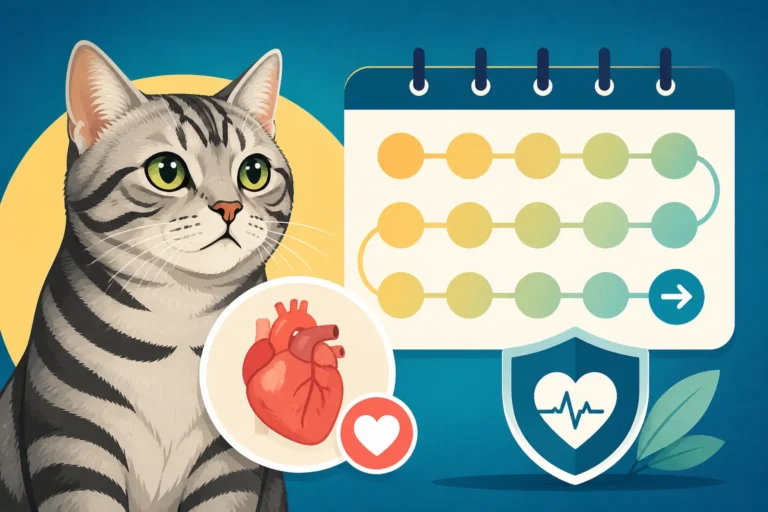
- Heart Disease: While the American Shorthair is generally a healthy breed, being overweight puts additional strain on the heart and circulatory system. It can contribute to high blood pressure and other cardiac issues, potentially exacerbating any underlying predispositions.
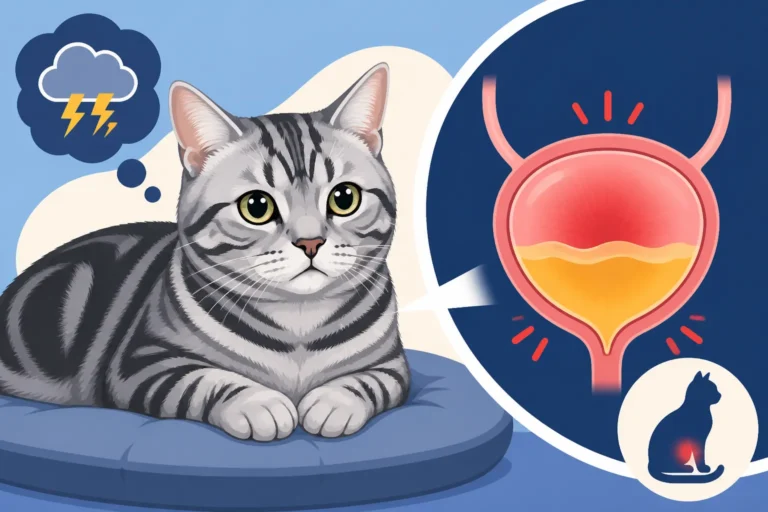
- Urinary Tract Issues: Obese cats are more prone to certain urinary tract problems, including bladder stones and blockages, particularly in male cats. Their sedentary lifestyle might mean less frequent urination, allowing crystals to accumulate.
- Liver Disease: Severely obese cats are at a higher risk of developing hepatic lipidosis (fatty liver disease), a life-threatening condition that can occur if they stop eating for even a short period.
- Reduced Immune Function: Obesity can also compromise the immune system, making cats more susceptible to infections and slower to heal.
- Anesthetic Risk: If your overweight American Shorthair ever needs surgery, their weight significantly increases the anesthetic risk.
Preventing obesity in your neutered American Shorthair is one of the most loving and impactful things you can do for their long-term health and happiness. It ensures they can enjoy their natural American Shorthair vitality for as many years as possible. You can monitor "How to Spot Weight Gain on a Square Built American Shorthair" to catch it early.
Signs Your American Shorthair Is Gaining Weight
It can be hard to notice gradual weight gain, especially in a compact, well-muscled breed like the American Shorthair. Their sturdy build can mask excess fat until it becomes quite significant. However, there are some key indicators you can look for that signal your cat is putting on too many pounds.
The Rib and Waistline Check
The easiest and most effective way to assess your American Shorthair's weight at home is by performing a simple physical check. You want to feel for their ribs and observe their waistline.
- Rib Check: Gently run your hands along your cat's sides. You should be able to feel their ribs without having to press hard, almost like feeling the back of your hand. If you have to dig your fingers in to locate the ribs, or if they feel covered by a thick layer of fat, your cat is likely overweight. If you can clearly see the ribs, they might be underweight. The goal is to feel them easily but not see them prominently. Learning "How to Find the Ribs on a Square Built American Shorthair" is a skill every American Shorthair owner should master.
- Waistline: When viewed from above, your American Shorthair should have a distinct "waist" indentation just behind their ribs, before their hips. If they look more like a straight line or even bulge out, they are carrying too much weight. From the side, their abdomen should tuck up slightly, not sag down.
- Abdominal Fat Pad: A common place for cats to store excess fat is in a primordial pouch (the flap of skin and fat that hangs from their belly). While a small one is normal, an overly large, swinging belly that feels very squishy or extends past their legs when they walk is a sign of obesity.
These checks are quick, non-invasive, and can give you a reliable indicator of whether it's time to adjust their diet and activity. Don't rely solely on weight numbers on a scale; a cat's ideal weight can vary significantly based on their individual frame.
Behavioral and Physical Changes
Beyond the physical checks, several behavioral and physical changes can hint at weight gain.
- Decreased Activity and Play: An overweight American Shorthair might be less enthusiastic about play, show reluctance to jump or climb, and generally seem more lethargic. They might spend more time sleeping or simply lying around. Their natural hunting instincts, which contribute to a healthy, active lifestyle, can become suppressed. You might notice they have less of "How Much of a Working Cat's Energy the American Shorthair Kept".
- Difficulty Grooming: Overweight cats often struggle to groom themselves thoroughly, especially in hard-to-reach areas like their back and hindquarters. You might notice a duller coat, mats forming, or dander in these areas. This is not only a cosmetic issue but can lead to skin problems.
- Breathing Difficulties: You might observe your cat panting after minimal exertion, or their breathing might sound heavier. This is because the extra weight puts strain on their respiratory system.
- Changes in Appetite: Ironically, despite eating more, an overweight cat might appear constantly hungry due to hormonal imbalances. They might beg more, steal food, or become obsessive around meal times. This is why understanding "Why a Neutered American Shorthair Needs Less Food" is so important.
If you observe any of these signs, coupled with difficulty feeling their ribs or a disappearing waistline, it's time to consult your veterinarian. They can provide an accurate body condition score and help you formulate a safe and effective weight loss plan. Rapid weight loss in cats can be dangerous and lead to fatty liver disease, so any weight management program should be gradual and supervised by a professional.
| Indicator | Healthy Weight American Shorthair | Overweight American Shorthair |
|---|---|---|
| Ribs | Easily felt with light touch, minimal fat covering. | Difficult to feel without firm pressure, covered by moderate to thick fat. |
| Waistline (from above) | Clearly defined indentation behind the ribs. | Little to no indentation, straight or bulging line. |
| Abdominal Tuck (from side) | Slight tuck up behind the rib cage. | Flat or sagging abdomen, prominent fat pad. |
| Activity Level | Energetic, enjoys jumping, running, active play. | Less active, reluctant to jump, slower movements. |
| Grooming | Reaches all areas, clean, well-maintained coat. | Struggles to reach back/hindquarters, matted or dull coat. |
| Appetite | Satisfied after meals, normal food seeking behavior. | Appears constantly hungry, begs persistently, obsessed with food. |
Disclaimer
This article is intended for informational purposes only and does not constitute professional veterinary advice. Always consult with a qualified veterinarian regarding your American Shorthair's specific health concerns, diet, and treatment options.