Whether Stress Cystitis Affects a Placid American Shorthair
It’s a common misconception that only highly anxious or visibly stressed cats develop health issues tied to their mental state. Many American Shorthair owners, myself included, often describe their cats as the epitome of calm and collected, perhaps even a bit aloof. So, when a placid American Shorthair suddenly starts having litter box accidents or showing discomfort around urination, it can feel incredibly confusing and out of character. This guide will walk you through why even the most serene American Shorthair can fall victim to stress cystitis and what you can do to help them.
Unpacking the Surprising Reality of Feline Stress Cystitis in Calm Cats
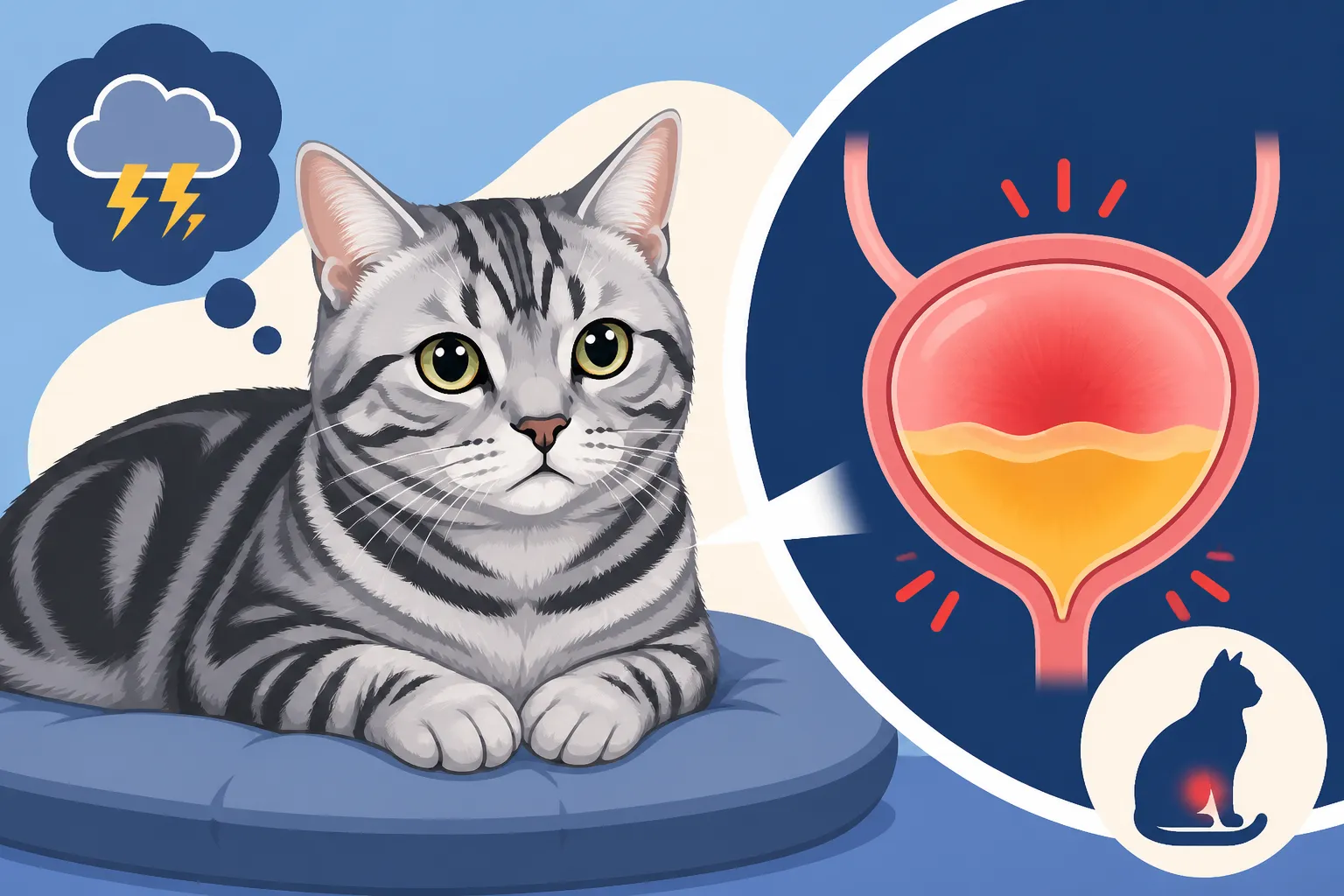
When we think of stress in cats, we often picture nervous, jumpy felines that hide under the bed at the slightest noise. But the truth is, stress manifests differently in every cat, and a stoic breed like the American Shorthair can be a master at internalizing it. Feline Idiopathic Cystitis (FIC), often referred to as stress cystitis, is a painful inflammation of the bladder that doesn't have an identifiable cause like bacteria or stones. Instead, it's frequently linked to stress and environmental factors, making it a frustrating puzzle for both owners and veterinarians.
The Hidden Link Between Emotional Well-being and Bladder Health
Our cats, American Shorthairs included, have a complex neuroendocrine system that reacts to stress just like ours. When a cat experiences stress, whether acute or chronic, its body releases hormones that can affect various organ systems, including the bladder. In the case of FIC, stress seems to disrupt the protective lining of the bladder (the glycosaminoglycan layer) and alter nerve function, leading to inflammation, pain, and spasms. This isn't just a mental issue; it's a very real, physical response to an emotional state. The pain can be excruciating, and it creates a vicious cycle where the bladder pain itself becomes a source of stress, making the problem worse.
This connection means that even if your American Shorthair seems perfectly happy on the outside, internal stressors could be silently wreaking havoc. It’s not about them choosing to be stressed, but their body's involuntary physiological response. Understanding this underlying mechanism is crucial because it shifts our focus from simply treating symptoms to addressing the root cause – the cat’s overall environment and emotional well-being.
Why a Placid Demeanor Can Mask Internal Strain in American Shorthairs
American Shorthairs are renowned for their adaptable, easygoing nature. They're often described as laid-back, intelligent, and generally unfazed by the hustle and bustle of a busy household. This very trait, however, can be a double-edged sword when it comes to recognizing subtle signs of distress. Unlike some more vocal or overtly anxious breeds, an American Shorthair might internalize its stress and show very few, if any, outward indications until a physical symptom, like cystitis, forces it into the open. Their evolutionary history as competent working cats means they are self-sufficient and often reserved, not quick to draw attention to their discomfort.
This stoicism means you might not see the typical "stressed cat" behaviors like excessive hiding, aggression, or constant vocalization. Instead, your American Shorthair might just become a little more withdrawn, perhaps spending more time sleeping, or subtly changing their routine. For a breed known for its quiet independence, these small shifts can be incredibly easy to miss, leading to a delayed diagnosis of conditions like stress cystitis. That's why being extra vigilant and knowing what to look for is paramount for these otherwise wonderfully undemanding companions.
Common Environmental and Routine Triggers for a Seemingly Calm Cat
You might be scratching your head, wondering what could possibly stress out your calm, cool, and collected American Shorthair. The truth is, cats are creatures of habit and even minor changes in their environment or routine can be a big deal for them. It’s not always about dramatic events; sometimes it’s the cumulative effect of small, seemingly insignificant shifts. For instance, a new piece of furniture, changing your work schedule, having guests over, or even a sudden shift in their food brand can be enough.
Consider the "What an American Shorthair Copes With Change" scenario. Even subtle alterations to their familiar territory can trigger anxiety. Imagine moving the litter box to a slightly different spot, or changing the type of litter you use – for us, it's trivial, but for a cat, it can disrupt their ingrained habits and sense of security. Construction noise outside, a neighbor's new dog barking, or even just a change in your own stress levels can silently impact your placid American Shorthair. Multi-cat households can also be a source of stress, even if there are no overt fights; subtle competition over resources like food bowls, water fountains, or prime sleeping spots can create chronic, low-grade stress that manifests as FIC.
Identifying the Subtle Red Flags Your American Shorthair Might Be Sending
Because American Shorthairs are so good at keeping a poker face, recognizing stress cystitis often requires owners to become detectives, looking for nuances in behavior and subtle physical cues. It’s not always obvious, especially since their natural inclination is to appear resilient. You might think, "My cat never complains!" but that's precisely why you need to know what to look for.
Beyond the Litter Box: Behavioral Cues of Discomfort
While litter box issues are the most common sign of stress cystitis, your American Shorthair might display other, less obvious behavioral changes. They might start avoiding interaction more than usual, even if they're typically affectionate. Perhaps they used to greet you at the door, but now they wait for you to come to them, or maybe they're spending more time in solitary spots around the house. You might notice a slight decrease in appetite, or an increase in obsessive grooming, particularly around their abdomen or hindquarters, almost as if they're trying to soothe themselves.
Some cats become a bit grumpier, hissing or swatting if you try to pick them up, especially if their bladder is painful. They might also show a reduced interest in play or exploring their territory. Remember, an American Shorthair asks you for almost nothing, so any shift in their routine is noteworthy. They're not prone to being overly vocal, so a sudden increase or decrease in their typically quiet meows could also be a subtle indicator. Even minor changes in their sleep patterns or patrol routes, as described in "How an American Shorthair Splits Its Day Between Patrol and Sleep", could be a signal.
Physical Manifestations and the Urgent Need for Veterinary Assessment
The clearest signs of stress cystitis often appear in or around the litter box. You might observe your American Shorthair straining to urinate (called stranguria), producing very little urine each time, or even crying out in pain while attempting to go. Blood in the urine (hematuria) is another common symptom, which can make the litter appear pinkish or reddish. They might start urinating outside the litter box, often on cool, smooth surfaces like tile floors, bathtubs, or even laundry piles. This isn't spite; it's often an attempt to find a less painful place to relieve themselves, or an association of the litter box with pain.
If you notice any of these signs, especially a cat straining and producing no urine, it's an emergency. "What a Straining American Shorthair Needs Within Hours" is immediate veterinary attention, as a complete urinary blockage, particularly in male cats, can be life-threatening. This condition can lead to kidney failure and death within a day if not addressed. Even if your cat is still passing some urine, a vet visit is crucial for diagnosis and pain management.
Differentiating Stress Cystitis from Other Urinary Tract Conditions
The symptoms of stress cystitis can unfortunately mimic other serious urinary tract issues, which is why a proper veterinary diagnosis is non-negotiable. Your vet will perform a thorough physical exam, analyze a urine sample (urinalysis), and possibly recommend blood tests or imaging like X-rays or ultrasound. These tests help rule out other causes of bladder inflammation and urinary problems, such as:
- Urinary Tract Infections (UTIs): While less common in cats than dogs, bacterial infections can cause similar symptoms. A urinalysis will detect bacteria and white blood cells.
- Urinary Stones or Crystals: These can irritate the bladder lining and even cause blockages. X-rays can reveal most types of stones, and a urinalysis can identify crystals. You might wonder "Which Bladder Stones an American Shorthair Forms," and common types include struvite and calcium oxalate.
- Bladder Tumors: Although rare, especially in younger cats, tumors can cause chronic urinary issues.
- Kidney Disease: This can lead to increased urination and thirst, which might be confused with bladder problems.
Only once these other conditions are ruled out can a diagnosis of Feline Idiopathic Cystitis (FIC) be made. It's truly a diagnosis of exclusion. This comprehensive approach is essential because treating an infection with stress management, or vice-versa, won't solve the underlying problem and could worsen your cat's condition. Getting a clear diagnosis also gives you peace of mind, and if your cat has pet insurance like that offered by Healthy Paws, these diagnostic tests and subsequent treatments are often covered, easing the financial burden during a stressful time.
Practical Strategies for Preventing and Managing Stress-Induced Bladder Issues
Once you and your veterinarian have confirmed that stress cystitis is the culprit, the focus shifts to creating an environment that minimizes stress and supports bladder health. This isn't a quick fix; it's a long-term commitment to understanding and meeting your American Shorthair's needs.
Crafting a Sanctuary: Environmental Enrichment and Stability
A stable, predictable, and enriching environment is the cornerstone of managing stress cystitis. Think about it from your cat's perspective: their world revolves around their territory. Providing ample resources and minimizing perceived threats can make a huge difference.
- Multiple Resources: Ensure you have enough food bowls, water bowls (or fountains), and litter boxes, especially in multi-cat households. The general rule is one per cat, plus one extra, spread throughout the home. Consider placing water bowls in various locations, as "How Much Water Keeps an American Shorthair's Bladder Clear" is a critical component of urinary health.
- Vertical Space: Cats feel safer when they can observe their surroundings from above. Provide cat trees, shelves, or even clear counter space (if you allow it) where your American Shorthair can perch. "How Much Vertical Space an American Shorthair Needs" is often underestimated, but it provides crucial security and enrichment.
- Safe Retreats: Offer cozy hiding spots like cardboard boxes, cat beds, or even open carriers where your cat can retreat if they feel overwhelmed.
- Consistent Routine: Cats thrive on predictability. Try to feed, play, and interact with your cat around the same times each day. This helps them feel secure and in control of their environment.
- Play and Mental Stimulation: Regular play sessions that mimic hunting can release pent-up energy and reduce stress. Use wand toys or puzzle feeders to engage their natural instincts. "Play That Finishes the Hunting Sequence for an American Shorthair" is particularly beneficial.
- Pheromone Diffusers: Products like Feliway can release synthetic feline facial pheromones that help create a calming atmosphere.
- Minimize Change: While some changes are unavoidable, try to introduce new things gradually. If you need to rearrange furniture or bring in a new pet, do so slowly and thoughtfully.
Nutritional Support and Hydration: Pillars of Urinary Tract Health
Diet and water intake play a significant role in managing feline urinary health. A well-hydrated cat produces more dilute urine, which can help prevent crystal formation and reduce irritation to the bladder lining.
- Increase Water Intake: This is paramount. If your American Shorthair primarily eats dry kibble, consider switching to wet food, which has a much higher moisture content. Offer multiple water stations, consider a pet water fountain (many cats prefer moving water), or even add a little water or broth (sodium-free) to their wet food.
- Specialized Diets: Your vet might recommend a prescription urinary diet. These foods are formulated to promote a healthy urinary pH, contain ingredients that support the bladder lining, and often have controlled mineral levels to prevent stone formation. "Whether a Urinary Diet Becomes Permanent" depends on your cat's individual needs and recurrence history. Brands like Royal Canin, Hill's, and Purina Pro Plan all offer excellent veterinary urinary diets.
- Portion Control: "Portioning for an American Shorthair That Once Worked for Meals" is important, as obesity can complicate urinary issues and overall health. Your vet can help you determine an appropriate feeding plan.
Collaborating with Your Vet for Long-Term Well-being
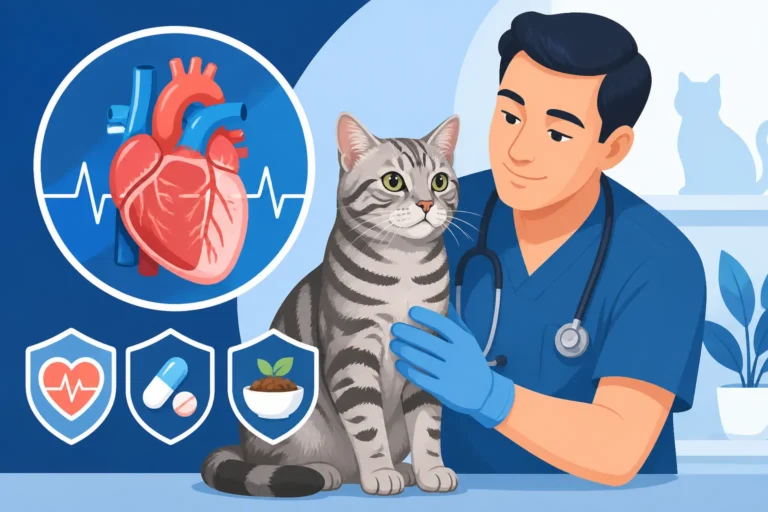
Managing stress cystitis is often a partnership between you and your veterinarian. Regular check-ups are important, especially if your cat has a history of FIC. Your vet can monitor their progress, adjust medication if needed, and offer ongoing advice.
- Medication: In acute episodes, your vet might prescribe pain relievers, anti-inflammatory drugs, or muscle relaxants to alleviate discomfort. For chronic cases, they might discuss anti-anxiety medications if environmental changes aren't enough.
- Supplements: Some vets recommend supplements that contain N-acetyl glucosamine, which is believed to help restore the bladder's protective lining.
- Stress Management Plan: Work with your vet to develop a comprehensive plan that addresses both the physical and emotional aspects of your American Shorthair's condition. This might involve referrals to a veterinary behaviorist for complex cases.
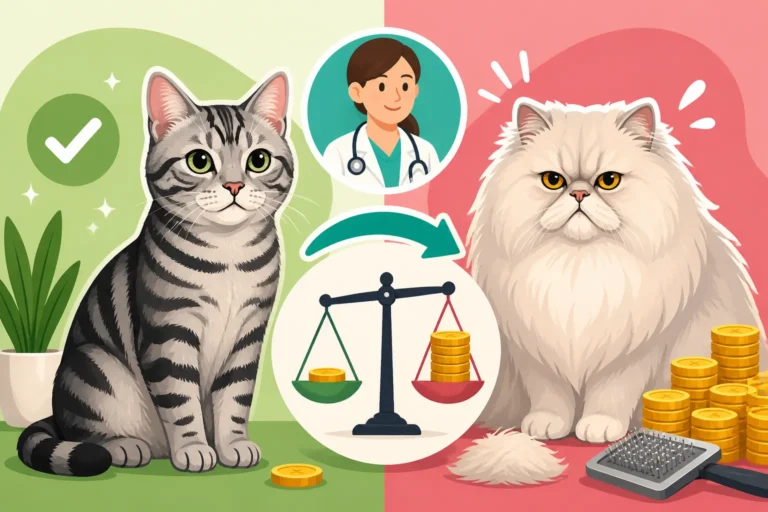
- Pet Insurance: Having pet insurance, such as a comprehensive plan from Healthy Paws, can be a lifesaver when dealing with a chronic condition like FIC. It can cover the costs of diagnostics, prescription diets, medications, and ongoing vet visits, allowing you to focus on your cat's health without the added financial stress. This means you can pursue the best possible care, whether it’s for initial diagnosis or long-term management of your beloved American Shorthair.
Even the most placid American Shorthair can be affected by stress cystitis, but with vigilance, proactive care, and a strong partnership with your vet, you can help them live a comfortable, healthy life.
Understanding Urinary Issues in American Shorthairs
| Symptom / Condition | What it Looks Like | Potential Cause | Urgency |
|---|---|---|---|
| Straining to Urinate | Repeatedly squatting, pushing, little or no urine | Cystitis, urinary stones, blockage, UTI | High |
| Frequent Urination | Many small puddles, frequent trips to litter box | Cystitis, UTI, diabetes, kidney disease | Medium |
| Blood in Urine (Hematuria) | Pinkish or reddish urine, pink litter | Cystitis, stones, UTI, trauma, tumor | High |
| Urination Outside Box | Accidents on cool surfaces, laundry, carpets | Cystitis, pain, litter aversion, stress, medical | Medium |
| Excessive Grooming | Licking genital area excessively | Pain/irritation from cystitis, behavioral stress | Medium |
| Increased Vocalization | Crying or howling, especially in the litter box | Pain, discomfort | High |
| Withdrawal/Hiding | Avoiding interaction, seeking solitude | Stress, pain, general illness | Medium |
| Complete Blockage | Straining with NO urine production, lethargy, vomiting | Severe obstruction (often male cats) | EMERGENCY! |
Disclaimer
The information provided in this article is for general informational purposes only and is not a substitute for professional veterinary advice. Always consult with a qualified veterinarian for any health concerns or before making any decisions related to your pet's health and treatment.