Why a Heavy American Shorthair Cannot Reach Its Own Back
It's heartbreaking to see your usually agile and independent American Shorthair struggle with something as basic as grooming themselves. We've all been there, watching our once sleek and flexible feline friends develop a plumpness that, while endearing in its own way, starts to cause real problems. This guide will delve deep into why excess weight makes it impossible for an American Shorthair to reach its own back, exploring the physical mechanics, the underlying health risks, and most importantly, what steps you can take to help your beloved companion regain their comfort and mobility.
Understanding the Physical Obstacle of Excess Weight
When an American Shorthair, or any cat for that matter, carries too much weight, it's not just about a little extra fluff. The body's natural contours and flexibility become compromised, making simple movements incredibly difficult. Imagine trying to tie your shoes if you suddenly gained fifty pounds – it’s a similar, though far more profound, challenge for a cat whose entire existence relies on being nimble and self-sufficient.
How a Cat's Anatomy Changes with Weight Gain
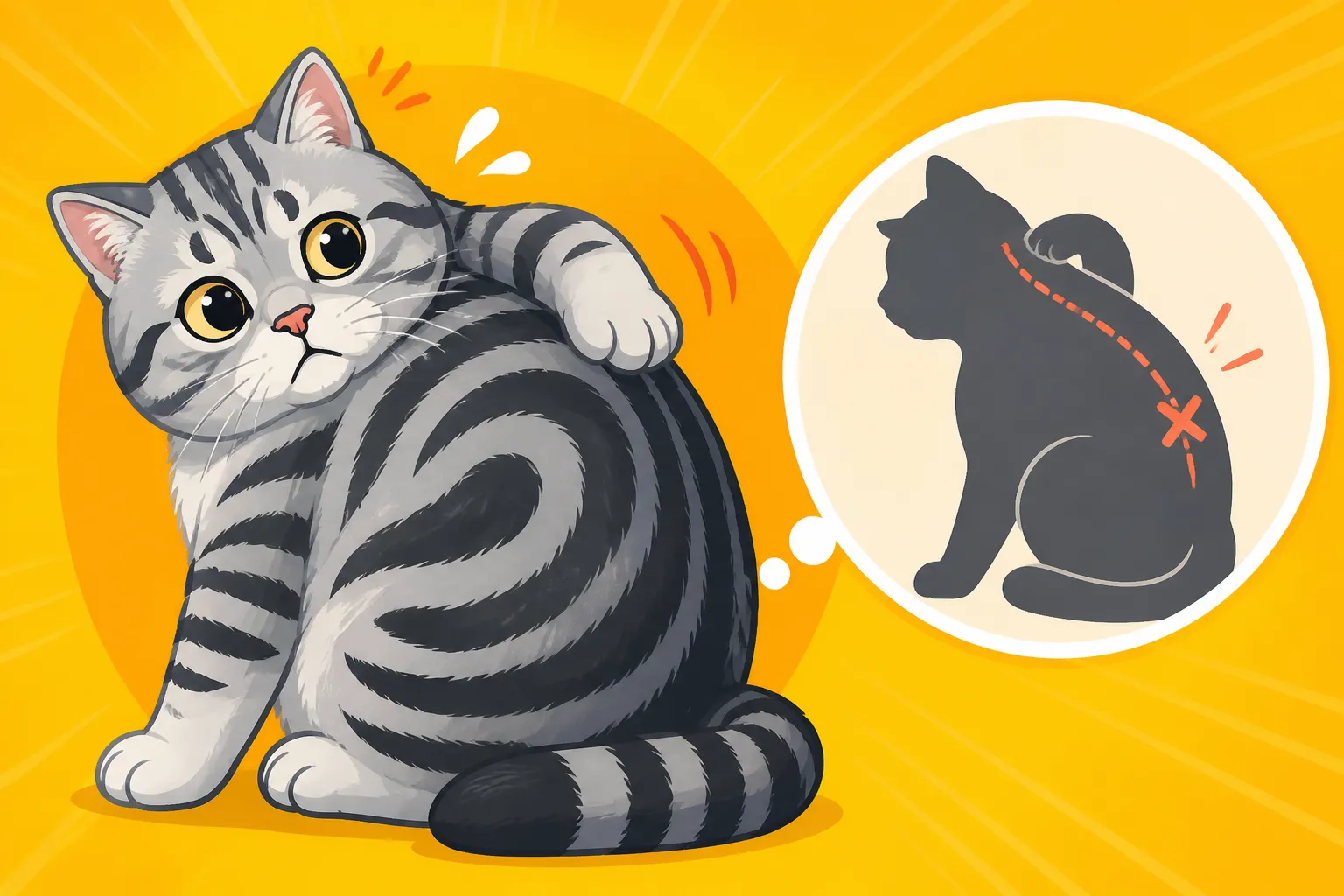
An American Shorthair is naturally a robust, well-muscled cat, known for its sturdy, square build. This breed was historically a working cat, built for hunting and agility. Their body is designed for fluid motion, stretching, and twisting to reach every inch of their coat. When fat accumulates, particularly around the abdomen and chest, it fundamentally alters this design. The broad chest and strong frame that once served them well become encumbered by adipose tissue. This extra bulk creates a physical barrier, making it difficult for them to bend and twist in the ways necessary to groom those hard-to-reach spots, like the base of their tail or their lower back. The spine, which should be easily flexible, becomes rigid and less accommodating to movement, restricted by the layers of fat pressing against it. It's a cruel irony that their sturdy build can make weight gain even more problematic once it starts.
The Loss of Flexibility and Reach
Cats are masters of contortion. They can bend, stretch, and lick almost every part of their body with remarkable ease. This flexibility is crucial for maintaining a clean and healthy coat. However, with added weight, the joints in their spine and hips have to work harder, and the abdominal fat simply gets in the way. It’s not just a matter of reduced desire; it’s a physical impossibility. The normal range of motion for an American Shorthair's spine, essential for those deep stretches and twists required for self-grooming, becomes severely limited. They can no longer comfortably tuck their head towards their flank or arch their back to lick their hindquarters. This physical restriction directly impacts their ability to keep their coat free of mats, dander, and loose fur, leading to a cascade of other issues. It's a sad sight to see them try, only to give up in frustration.
The Cascade of Health Problems Beyond Grooming Issues
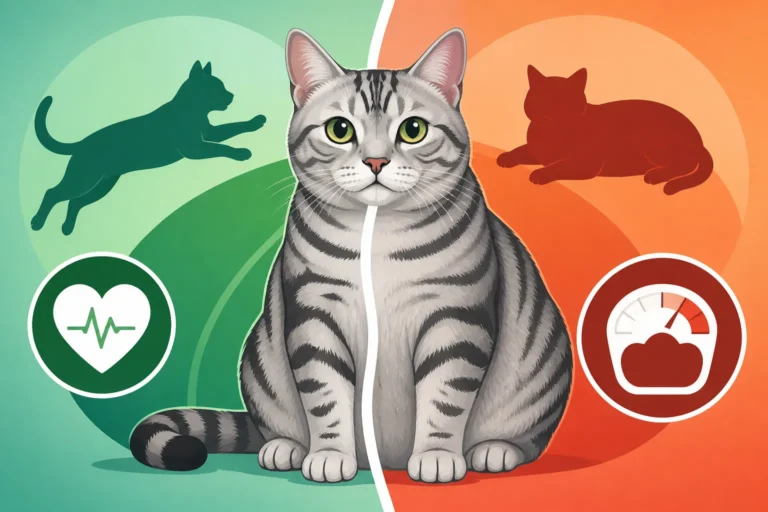
The inability to groom isn't just an aesthetic problem; it's a significant red flag pointing to a host of underlying health concerns. Obesity in cats is a serious condition that affects almost every bodily system, reducing their quality of life and potentially shortening their lifespan. When your American Shorthair can't reach its back, it's a visible symptom of a deeper, more systemic problem that needs immediate attention.
Skin and Coat Neglect
One of the most immediate and visible consequences of a heavy American Shorthair being unable to groom itself is the deterioration of its skin and coat. Neglected fur can quickly become matted, especially in areas like the lower back, flanks, and around the tail. These mats pull at the skin, causing pain and discomfort. Beneath the matted fur, the skin can become irritated, inflamed, and prone to infections, hot spots, or even parasite infestations, as fleas and other pests find undisturbed havens. The accumulation of dander and oil, which would normally be distributed or removed through grooming, can also lead to a greasy, unhealthy coat and skin conditions like feline acne. Regular grooming is essential for maintaining the skin's natural barrier and preventing these issues. Unfortunately, an overweight cat is trapped in a vicious cycle where discomfort from weight leads to poor grooming, which then exacerbates skin issues, making them even less likely to groom. For a stoic breed like the American Shorthair, these problems can go unnoticed for quite some time, as they often hide their discomfort.
Joint Pain and Arthritis
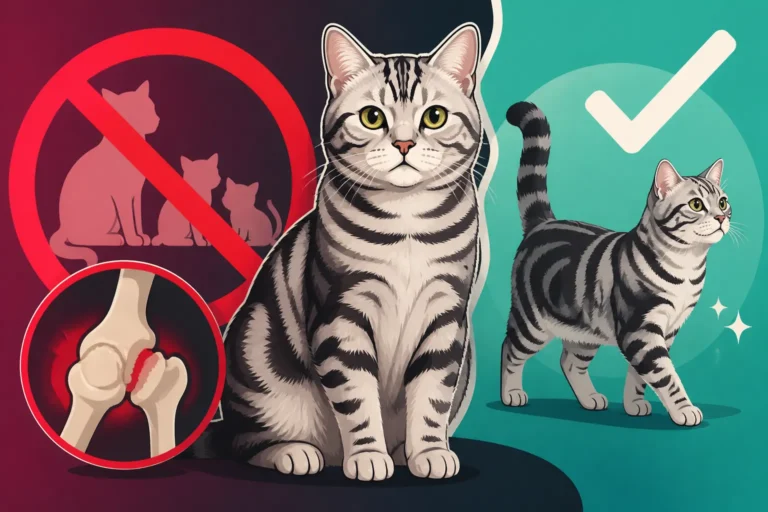
The square, muscular build of the American Shorthair is designed for efficiency and strength, but it's not immune to the stresses of carrying excess weight. Just like in humans, extra pounds put immense pressure on a cat's joints, particularly in their hips and knees. Over time, this constant strain can lead to inflammation, cartilage degradation, and ultimately, debilitating arthritis. You might notice your cat becoming less active, hesitating before jumping, or showing signs of discomfort when touched. This is often because their joints are aching. When a stiff American Shorthair needs joint support, it's often a direct result of the long-term strain of obesity. The pain from these joints further reduces their desire and ability to move, creating a self-perpetuating cycle of inactivity and weight gain. This significantly impacts their quality of life, turning once effortless movements into painful struggles.
Increased Risk of Other Chronic Diseases
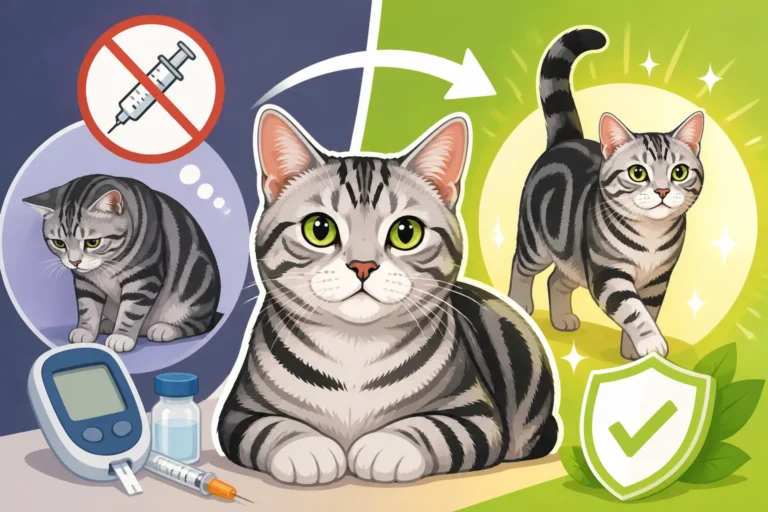
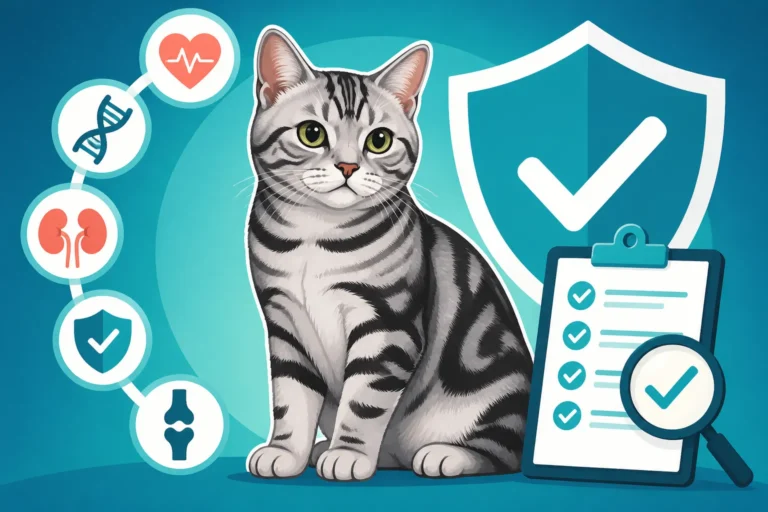
Beyond joint issues, obesity is a major contributing factor to several other serious chronic health problems in American Shorthairs. One of the most common and concerning is feline diabetes. The excess fat cells can lead to insulin resistance, where the body's cells don't respond properly to insulin, resulting in high blood sugar. This can be a challenging condition to manage, often requiring daily insulin injections. Furthermore, a heavy American Shorthair faces a higher risk of developing urinary tract diseases, including bladder stones and blockages, especially in males. The fat can also put stress on vital organs like the heart and liver, leading to conditions such as fatty liver disease (hepatic lipidosis), which can be life-threatening. When considering how weight turns into diabetes in an American Shorthair, it’s clear that proactive management is critical. The long-term implications of these conditions can drastically reduce their lifespan and require costly, ongoing veterinary care. Finding good pet insurance, like a plan from Healthy Paws, can certainly help with managing these unexpected vet bills if your cat develops such conditions.
Strategies for Weight Management and Improved Mobility
Watching your American Shorthair struggle is tough, but the good news is that weight management is often within your control. It takes dedication and patience, but the rewards—a healthier, happier, and more comfortable cat—are immeasurable. A multi-faceted approach addressing diet, exercise, and veterinary care is usually the most effective path.
Re-evaluating Your Cat's Diet
The cornerstone of any weight loss plan is diet. It's often said that a neutered American Shorthair puts on weight faster, and this is true for many cats due to hormonal changes and a slower metabolism post-surgery. Many American Shorthairs, especially those leading indoor lives, are simply consuming too many calories for their activity level. Remember, their ancestors were working cats, constantly on the move, hunting for their meals. Their metabolism hasn't entirely forgotten that history, even if their lifestyle has.
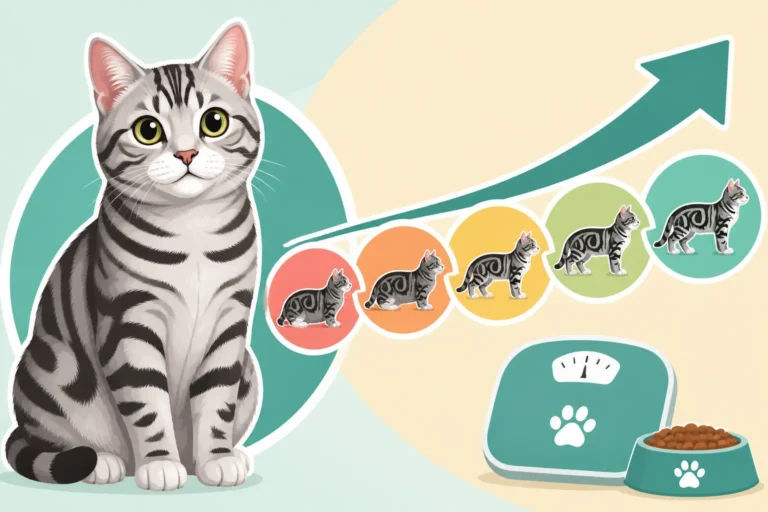
Start by accurately measuring their food portions. Free-feeding, where a bowl is left down ruins an American Shorthair's chances of maintaining a healthy weight. Instead, divide their daily caloric intake into two or three small meals. Consult your veterinarian for a precise calorie recommendation based on your cat's current weight, target weight, and activity level. They might recommend a prescription weight-loss diet, which is typically lower in calories but higher in fiber and protein to keep your cat feeling full and maintain muscle mass. Switching to wet food can also be beneficial, as its higher moisture content can promote satiety with fewer calories. Be diligent and consistent; even small deviations can hinder progress. Track their progress by regularly weighing them, ideally weekly, to ensure they're losing weight at a healthy, gradual pace. Too fast a weight loss can lead to fatty liver disease, which is dangerous.
Increasing Physical Activity and Enrichment
Diet alone isn't enough; your American Shorthair needs to move! Stimulating their natural hunting instincts through play is crucial for burning calories and improving overall mobility. Invest in interactive toys like wand toys, laser pointers (with a physical 'catch' at the end to prevent frustration), and puzzle feeders. Puzzle feeders are fantastic for making them "work" for their food, mimicking the natural hunting process and slowing down their eating. Schedule several short play sessions throughout the day, aiming for 10-15 minutes each. Encourage vertical movement with cat trees, shelves, and window perches, which allow them to climb and stretch.
Consider harnessing training for supervised outdoor excursions if your cat is receptive. Even short walks can provide mental stimulation and physical activity. For indoor cats, simply creating a more engaging environment can make a huge difference. Rotate toys, hide treats for them to "hunt," and ensure they have access to sunny spots for basking. The goal is to make movement fun and rewarding, tapping into their inherent athleticism to help them shed those extra pounds. Consistent, gentle encouragement is key, as is understanding that they might be less enthusiastic to start if they are already in pain due to their weight.
Regular Veterinary Check-ups and Support
Your veterinarian is your most important partner in helping your American Shorthair lose weight. They can accurately assess your cat's body condition – you can learn how to find the ribs on a square built American Shorthair at home, but a vet offers expert evaluation – rule out any underlying medical conditions contributing to weight gain (like hypothyroidism, though rare in cats), and help you formulate a safe and effective weight loss plan. They can tell you how a vet builds an American Shorthair's weight loss plan, which often includes regular weigh-ins and adjustments to food and exercise.
During these visits, discuss any difficulties your cat is having with grooming, mobility, or changes in behavior. Your vet might recommend joint supplements, pain management medications, or even physical therapy if arthritis is a significant issue. They can also advise on how many years extra weight takes off the American Shorthair's lifespan, which can be a powerful motivator. Don't be afraid to ask for guidance and support; this is a journey, and your vet is there to help every step of the way. Having a comprehensive pet insurance policy, like those offered by Healthy Paws, can certainly ease the financial burden of these regular check-ups, diagnostic tests, and potential medications associated with weight-related health issues.
Helping Your American Shorthair with Grooming and Comfort
While you're working on weight management, it's crucial to step in and help your American Shorthair maintain its hygiene. They can't do it themselves, and neglecting their coat will only lead to more discomfort and potential health issues. This is where you become their personal groomer, at least for a while.
Assisted Grooming Techniques
Since your heavy American Shorthair cannot reach its own back, you need to provide regular, gentle grooming. A soft slicker brush or a rubber curry comb can help remove loose fur and dander, preventing mats. Focus particularly on their back, flanks, and around the base of the tail, areas they struggle to reach. For stubborn mats, a fine-toothed comb or even blunt-tipped scissors may be necessary, but exercise extreme caution to avoid cutting their skin. If the mats are severe, a professional groomer or your vet might need to step in to safely shave them down.
Regular brushing sessions can also become a bonding experience. Keep them short and positive, offering treats and praise. This isn't just about hygiene; it’s about providing comfort and preventing skin irritation that could otherwise develop under neglected fur. Many American Shorthairs, despite their independent nature, will appreciate the relief from an itchy back they can no longer scratch themselves. This is particularly important for an aging cat, where why an old American Shorthair needs help grooming becomes an even more pressing concern.
Creating a More Accessible Environment
Think about how your home environment can be made more comfortable and accessible for a cat with limited mobility. Provide ramps or sturdy steps to help them reach favorite high spots like beds, windowsills, or cat trees, reducing strain on their joints. Ensure their litter box has low sides, making it easier for them to get in and out without discomfort. If they are struggling with joint pain, warm, soft bedding in accessible locations can provide much-needed relief.
Keep their food and water bowls easily reachable, without requiring them to jump or stretch excessively. If they have a hard time bending, elevated bowls can be beneficial. These small adjustments can significantly improve their daily comfort and reduce the physical effort required for basic activities, encouraging more movement rather than less.
Recognizing and Addressing Reluctance or Pain
Sometimes, a cat's reluctance to groom or move isn't just about the physical barrier of fat, but also about pain or discomfort that the weight exacerbates. American Shorthairs are notoriously stoic, often hiding signs of pain until they become quite severe. It's important to be observant and understand when to seek professional help.
Subtle Signs of Discomfort or Pain
Because American Shorthairs are so good at masking discomfort, you need to look for subtle cues. Beyond the obvious inability to reach their back for grooming, watch for changes in their usual routine. Are they sleeping more? Are they less interested in play? Do they hesitate before jumping onto furniture, or do they completely avoid it? A change in litter box habits, like urinating or defecating outside the box, can also be a sign of pain, as it might be too difficult or painful to get into a traditional box.
Look for changes in posture, stiffness when walking, or any sensitivity when you touch their back or hips. They might vocalize more (or less), become irritable, or withdraw from interaction. Even a slight limp or an unusual way of carrying themselves can be indicative of underlying joint pain or discomfort. Any new aggression, even mild, can also stem from pain, as they might be protecting a sore spot.
When to Consult Your Veterinarian
If you observe any of these signs, or if your American Shorthair's grooming issues persist despite your best efforts, it's time for a visit to the vet. Don't wait until the problem becomes severe. Early intervention for weight-related issues and pain management can make a world of difference in your cat's long-term health and comfort.
Your vet can perform a thorough physical examination, potentially order X-rays to check for arthritis, or conduct blood tests to rule out other medical conditions. They can then tailor a comprehensive plan that addresses both the weight issue and any accompanying pain. This might include anti-inflammatory medications, joint supplements, or specific exercise routines. They can also discuss prognosis and expectations, ensuring you have a realistic understanding of how to best support your feline companion. Investing in a reliable pet insurance plan, such as one from Healthy Paws, can make these crucial veterinary consultations and treatments more accessible, ensuring your cat gets the care they need without added financial stress.
Disclaimer
This article is intended for informational purposes only and does not constitute veterinary advice. Always consult with a qualified veterinarian for any health concerns or before making any decisions about your pet's health or treatment plan.