Where the American Shorthair Ranks in Registrations
Navigating the world of pedigreed cats can feel a bit like trying to understand an exclusive club, especially when you're curious about a breed's standing. Many prospective cat parents find themselves wondering if their chosen breed is widely recognized and what that recognition actually means. This comprehensive guide will demystify cat registries and shed light on where the American Shorthair truly ranks among its peers, giving you a clearer picture of its enduring popularity and status.
Understanding Cat Registries and Their Purpose
When you dive into the world of pedigreed cats, you quickly encounter terms like "registered" and "champion lines." These aren't just fancy words; they point to a very real system managed by cat registries. These organizations are the backbone of responsible breeding, maintaining records, and setting standards that help preserve the distinct characteristics and health of each breed. Without them, the carefully cultivated traits we admire in breeds like the American Shorthair would quickly become diluted.
What is a Cat Registry?
Think of a cat registry as the historical society and record-keeper for specific cat breeds. Organizations like the Cat Fanciers' Association (CFA) or The International Cat Association (TICA) are major players in North America, but there are many others worldwide. Their primary role is to register individual cats, litters, and catteries, tracking pedigrees back generations. This isn't just about giving a cat a fancy piece of paper; it's about verifying lineage, ensuring that a cat truly belongs to a specific breed, and helping breeders make informed decisions to maintain the breed's integrity. When you're looking for a purebred American Shorthair, a responsible breeder will always provide registration papers that trace your kitten's family tree.
These registries aren't just dusty archives, though. They are living, breathing communities that host cat shows, publish breed standards, and often promote education on cat care and welfare. They're the guardians of what makes an American Shorthair an American Shorthair, ensuring that key physical traits, temperament, and health profiles are maintained across generations.
Why Pedigree Matters for Registration
A cat's pedigree is essentially its family tree, documented and verified by a registry. For a cat to be "registered," its parents (and often several generations before them) must also be registered within the same association. This system provides a clear record of ancestry, helping breeders avoid inbreeding and trace genetic health issues. For example, if you're looking for an American Shorthair, the pedigree papers will confirm that both parents were indeed registered American Shorthairs, not just cats that "look like" the breed.
The depth of a pedigree can also offer insights into a cat's potential traits and health. A longer, well-documented pedigree from a reputable breeder, often listed on platforms like Chewy's breeder directory, suggests a greater commitment to the breed's health and standards. It means the breeder has invested time and resources in ensuring genetic diversity and screening for potential hereditary conditions. This is a huge comfort for prospective owners who want to ensure they're bringing home a healthy, true-to-type companion.
The Role of Registries in Breed Standards
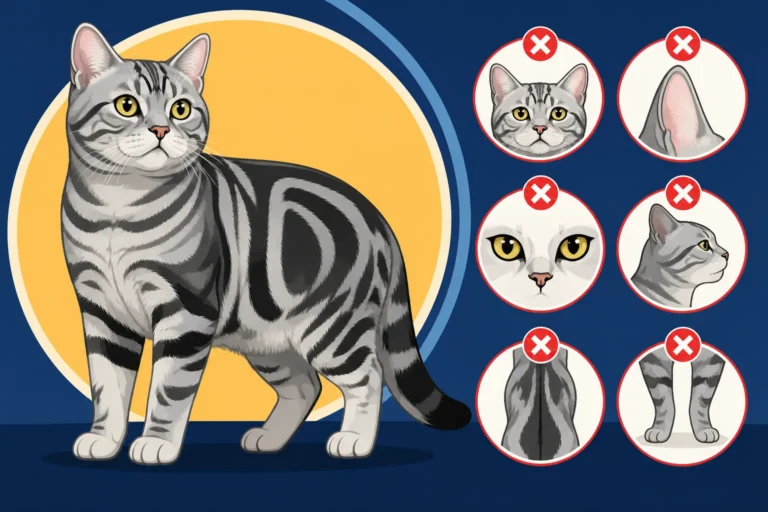
Beyond tracking lineage, registries are crucial for establishing and enforcing breed standards. A breed standard is a detailed written description of the ideal physical characteristics and temperament of a specific breed. For the American Shorthair, this standard outlines everything from the shape of its head and ears, the texture and pattern of its coat, to its sturdy build and amiable personality. What an American Shorthair Looks Like by the Standard provides an excellent overview of these specific characteristics.
Judges at cat shows use these standards to evaluate cats, ensuring that breeding efforts are directed towards maintaining or improving these ideals. This oversight is vital in preventing "designer defects" or extreme exaggerations that could compromise a cat's health or well-being. By adhering to these standards, breeders ensure that an American Shorthair born today still embodies the robust health and classic appearance that made the breed famous generations ago. It's a way of protecting the breed's heritage and ensuring its future.
The American Shorthair's Founding Role in Cat Fancier Associations
The American Shorthair isn't just another breed; it's a piece of American history, deeply woven into the fabric of cat fancy. Its journey from working cat to pedigreed darling is a testament to its enduring qualities and adaptability. The breed's foundational status in the earliest cat registries speaks volumes about its significance and the dedication of early fanciers.
Founding Breed Status
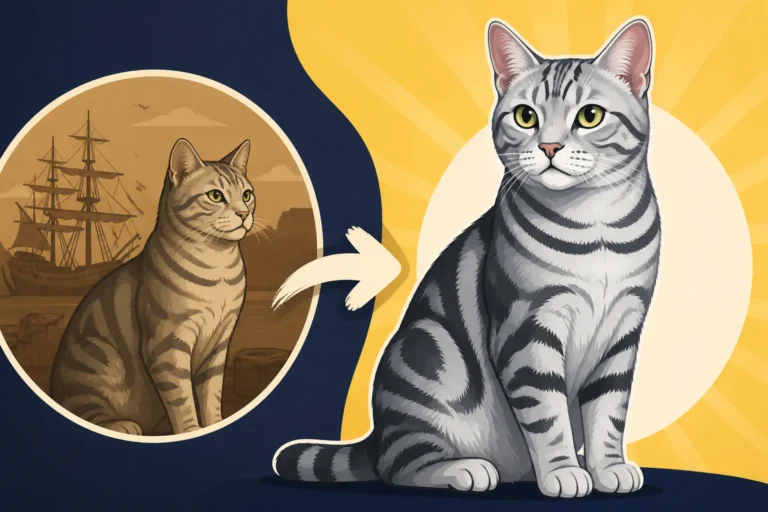
Imagine the turn of the 20th century, when the concept of "pedigreed" cats was just taking root in North America. While Europe had its own established breeds, American cat enthusiasts looked to the robust, native shorthaired cats that had traveled with early settlers and proved their worth as mousers and companions. These were the ancestors of today's American Shorthair. When the Cat Fanciers' Association (CFA) was founded in 1906, the American Shorthair (though then known by a different name) was one of the very first breeds to be recognized. Which Five Breeds Founded the CFA With the American Shorthair dives into this early recognition.
This wasn't an arbitrary decision. These cats were chosen because of their distinctive characteristics, hardiness, and prevalence. They represented the quintessential American cat – a survivor, a worker, and a beloved household member. Their inclusion as a founding breed cemented their place in feline history and set the stage for their development into the well-loved pedigree cat we know today. This early recognition gave them a head start in the world of formal cat breeding.
Early Popularity and Recognition
In those early days of cat fancy, the American Shorthair (or Domestic Shorthair, as it was then called) quickly garnered popularity. Its solid build, diverse coat patterns, and generally calm demeanor made it an appealing choice for those seeking a purebred pet without the more extreme features of some imported breeds. It was a familiar face, a cat that looked much like the capable barn cats and housecats people already knew and loved, but with the added prestige of a documented pedigree.
The appeal wasn't just in its looks; its reputation as a sturdy and low-maintenance companion was already well-established. This made it a favorite among those who appreciated a cat that was both beautiful and practical. Breeders worked diligently to refine its traits, focusing on health, conformation, and maintaining its characteristic amiable nature. Early cat shows often featured strong contingents of American Shorthairs, showcasing the breed's versatility and widespread appeal.
The Impact of the Name Change
For many years, the breed was known simply as the "Domestic Shorthair." While accurate, this name inadvertently created confusion with common, non-pedigreed housecats, often referred to as "domestic shorthairs." This linguistic overlap led to a perception issue: why pay for a pedigreed cat that sounded exactly like the cat you could find at any shelter or barn? This frustration was keenly felt by breeders and fanciers who understood the significant difference between a carefully bred, registered animal and a random-bred cat. Why the American Shorthair Was Called Domestic Shorthair Until 1966 elaborates on this very point.
To distinguish the pedigreed breed from its random-bred counterparts and to elevate its status, the CFA officially changed the breed's name to "American Shorthair" in 1966. This seemingly small change had a profound impact. It gave the breed a unique identity, emphasizing its American heritage and its distinct status within the world of cat breeds. This new name helped to solidify its position, making it clear that this was a specific, recognized, and highly valued pedigree cat, despite its familiar appearance. It was a marketing masterstroke that ultimately helped the breed gain the distinct recognition it deserved.
How Registry Rankings Are Determined and Why They Matter
When we talk about where a breed "ranks" in registrations, we're talking about more than just bragging rights. These rankings offer a snapshot of a breed's popularity, demand, and often, its accessibility. Understanding how these numbers are compiled and what they signify can give prospective owners valuable insights into the breed they are considering.
How Registration Numbers Are Tracked
Cat registries like the CFA meticulously track the number of new kittens and individual cats registered each year. Breeders submit applications for litter registrations, detailing the parents and the number of kittens born. Once these kittens are sold, individual owners can then register their specific cat, often with the help of their breeder. These figures are compiled annually, giving an overview of which breeds are currently experiencing high demand and which might be less common.
It’s important to remember that these numbers reflect registered purebred cats. They don't include the countless domestic shorthairs that might resemble an American Shorthair but lack documented ancestry. So, while you might see many tabby cats that look like an American Shorthair at the local animal shelter, only those with verified pedigrees contribute to the American Shorthair's official registration count. This distinction is key when discussing breed popularity in a formal sense.
Why Registry Rankings Matter
Registry rankings are more than just a list; they reflect a breed's current standing in the fancy world and can influence everything from breeder availability to insurance costs. A high ranking often indicates a strong breeding community, readily available kittens, and a generally robust health profile, as widespread popularity usually means a larger, more diverse gene pool. How Popular the American Shorthair Is provides broader context for these trends.
For prospective owners, knowing a breed's ranking can offer peace of mind. A consistently popular breed like the American Shorthair often means there are many reputable breeders to choose from, increasing your chances of finding a healthy, well-socialized kitten. It can also imply that the breed is generally well-understood and has fewer extreme health issues, contributing to its broad appeal. Conversely, a very low ranking might suggest a rare breed, which could mean longer waiting lists, higher prices, and potentially a narrower gene pool.
The Dynamics of Popularity Shifts
Cat breed popularity isn't static; it ebbs and flows with trends, media exposure, and evolving preferences. What might be the most popular breed one decade could slide down the rankings in the next. New breeds emerge, existing breeds gain attention through movies or social media, and sometimes, simply a shift in lifestyle preferences can impact a breed's demand. For instance, breeds that are highly adaptable to apartment living or low-shedding might see a surge in popularity.
The American Shorthair, despite its classic appeal, has seen its share of these dynamics. While it was once the most popular short-haired breed, the rise of "designer" breeds with more extreme features or unique coat types has shifted the landscape. However, its enduring qualities mean it consistently maintains a respectable, if not always top, position. This resilience speaks to the fundamental appeal and quality of the breed, a constant presence amidst the changing tides of feline fashion.
Current Standing: Where the American Shorthair Ranks Today
So, with all that history and explanation, where does the American Shorthair stand in the popularity contest today? It's a question many ask, especially when comparing it to breeds that might seem flashier or newer on the scene. The answer speaks volumes about its solid appeal rather than fleeting trends.
The American Shorthair's Position in Major Registries
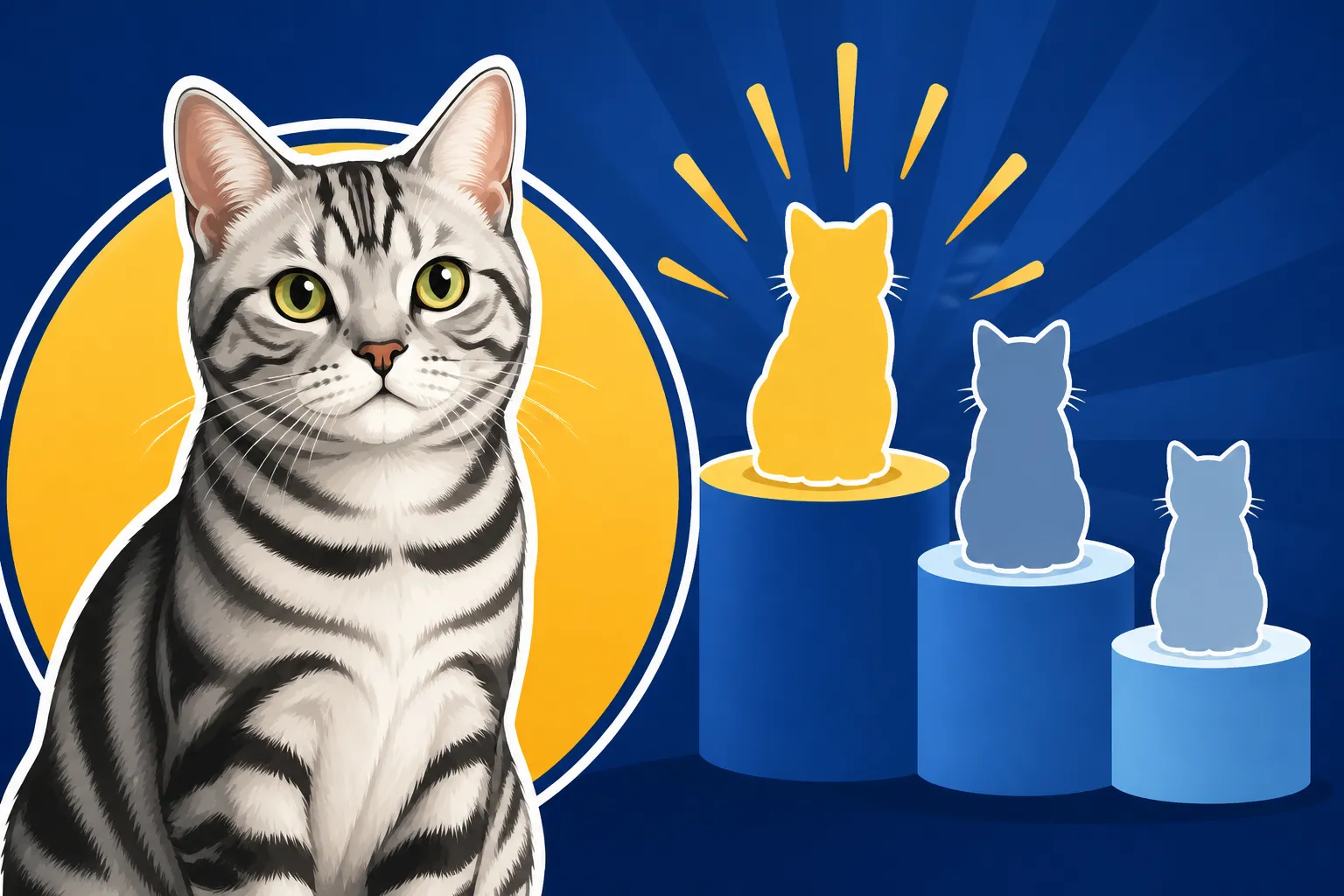
While specific numbers fluctuate year to year and vary slightly between registries, the American Shorthair consistently holds a respectable position within the top ten or fifteen most popular breeds in major North American registries like the CFA. It's rarely at the very top, where you might find breeds like the Maine Coon or Ragdoll dominating, but it's never far from the leading pack. This consistent presence is a testament to its enduring qualities and universal appeal. Where the American Shorthair Ranks Among Cat Breeds delves into specific placements.
It’s not about being the absolute number one, but about maintaining a steady, strong presence year after year. This steadiness reflects a breed that fulfills the desires of many cat owners: a healthy, adaptable, good-natured companion with a classic, attractive appearance. Its solid performance in registrations indicates a healthy breeding population and continued interest from prospective owners who appreciate substance over fleeting fads.
| Breed Rank Category | Examples of Breeds | American Shorthair Status | Key Characteristics |
|---|---|---|---|
| Top Tier | Maine Coon, Ragdoll, Persian | (Not typically here) | Very popular, often known for distinct looks/temperaments |
| High Tier | British Shorthair, Bengal, Sphynx | Consistently Here | Well-established, strong interest, classic appeal or unique traits |
| Mid Tier | Siamese, Abyssinian, Scottish Fold | (Can dip to here) | Solid fan base, moderate registrations, sometimes specialized appeal |
| Niche/Rare | LaPerm, Peterbald, Ocicat | (Never here) | Lower registration numbers, often unique features, less widespread breeding |
Note: Rankings fluctuate annually and vary by registry. This table provides a general idea of relative popularity.
Compared to Flashier, Newer Breeds
In an era where many new breeds are developed to highlight unique traits – be it extreme coat types, specific ear shapes, or novel color patterns – the American Shorthair stands out by not being extreme. It embodies the "classic cat" ideal, a medium-sized, well-proportioned feline with a short, dense coat and a pleasant disposition. This is a significant factor in its registration ranking. While breeds with "flashier" attributes might momentarily capture the spotlight and climb the charts rapidly, the American Shorthair's appeal is more subtle and long-lasting.
People are drawn to its robust health, minimal grooming needs (unlike some longer-haired breeds that require daily attention, you'll rarely need to consult Whether an American Shorthair Ever Needs a Groomer), and generally easy-going temperament. It doesn't rely on novelty to attract owners; it relies on reliability and charm. This often translates to consistent, rather than explosive, registration numbers, making it a dependable choice for breeders and owners alike.
The Enduring Appeal of the Classic Cat
The American Shorthair's continued strong showing in registration rankings boils down to its status as the quintessential "classic cat." It’s a cat that fits seamlessly into almost any home, adapting well to children, other pets, and various lifestyles. Its origins as a working cat mean it's self-sufficient and not overly demanding, yet still enjoys interaction and affection on its own terms. Why an American Shorthair Fits Any Household explains this adaptability perfectly.
This balanced combination of independence and affection, coupled with its generally robust health and attractive, no-fuss appearance, makes it a perennial favorite. It represents familiarity and comfort in a constantly changing world. While some might initially be drawn to a breed for its exotic looks, many eventually seek the reliable companionship that the American Shorthair consistently offers. This enduring appeal ensures its solid place in the registration rankings year after year.
Factors Influencing the American Shorthair's Popularity and Registration Numbers
A breed's popularity, as reflected in its registration numbers, isn't accidental. It's a complex interplay of various factors, from a cat's inherent qualities to practical considerations for owners and breeders. For the American Shorthair, its solid ranking is a direct result of several key attributes that consistently resonate with cat lovers.
Breed Temperament and Adaptability
One of the most significant drivers of the American Shorthair's consistent popularity is its remarkable temperament. These cats are known for being easygoing, affectionate without being overly clingy, and incredibly adaptable. They generally get along well with children, other cats, and even well-behaved dogs, making them an ideal choice for busy families or multi-pet households. An American Shorthair With Children, Dogs and Noise highlights their placid nature in various environments. This ability to integrate smoothly into diverse living situations is a huge plus for many prospective owners, who want a pet that enhances their home rather than adding stress.
Their inherent intelligence and playful nature, stemming from their mousing ancestors, also contribute to their appeal. They enjoy interactive play, puzzle toys, and will often "help" with household tasks by observing from a strategic perch. This combination of independence and engaging companionship makes them incredibly rewarding pets, and this positive experience naturally translates into continued demand and steady registration figures.
Health and Longevity Reputation
In an era where many pedigreed breeds face scrutiny for inherited health issues, the American Shorthair shines with its reputation for robust health and a long lifespan. Thanks to its origins as a natural breed and the careful breeding practices that followed, the American Shorthair is generally a very healthy cat, with fewer breed-specific genetic predispositions than many others. The Fifteen to Twenty Years the American Shorthair Was Given speaks to their impressive longevity. While they aren't entirely immune to all health concerns (like the universal risk of HCM, which HCM Is the One Inherited Disease the American Shorthair Kept covers), their overall health profile is excellent.
This reputation for health translates into fewer vet bills and less heartache for owners, making them a very practical and appealing choice. Who doesn't want a pet that is likely to live a long, healthy life with minimal medical interventions? This factor is a powerful influence on registration numbers, as breeders can confidently offer healthy kittens, and owners can invest in a pet with good prospects for a long companionship.
Distinctive Appearance vs. 'Common' Look
Here's an interesting paradox for the American Shorthair: its appearance is both its greatest strength and occasionally, its perceived weakness in terms of standing out. On one hand, it possesses a classic, handsome appearance – a sturdy build, round face, and short, dense coat that comes in an incredible array of colors and patterns. The Silver Tabby, with its striking markings, is particularly iconic and often what people picture when they think of the breed. The Silver Tabby Is the American Shorthair People Pay For describes its prominence. These are cats that are undeniably attractive and well-proportioned.
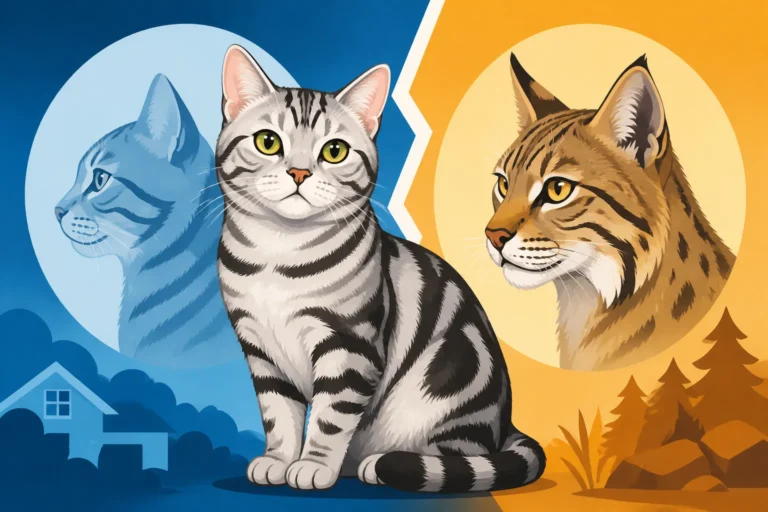
However, because their ancestors were the common housecats of early America, some people might initially mistake an American Shorthair for a "domestic shorthair" or a mixed-breed cat. This can sometimes lead to the question, "Why pay for a cat that looks like a shelter cat?" This perception can occasionally affect its perceived uniqueness compared to breeds with very exotic or exaggerated features. Yet, for true connoisseurs, the American Shorthair's distinct standard, from its powerful jaws to its broad chest, is what makes it special and truly unique from a random-bred cat. How to Tell a Pedigree American Shorthair From a Domestic Shorthair provides a detailed comparison. This balance ensures a steady stream of registrations from those who appreciate its specific, well-defined breed characteristics.
Breeder Availability and Cost
The widespread and long-standing popularity of the American Shorthair means there is a good network of reputable breeders across North America. This accessibility is a crucial factor in its consistent registration numbers. When a breed is well-established and has a healthy population, it's generally easier for prospective owners to find a kitten without excessively long waiting lists or having to travel great distances. This ease of access makes the breed more approachable than very rare or niche breeds.
In terms of cost, while a pedigreed American Shorthair kitten from a reputable breeder certainly commands a price, it's often considered a mid-range investment compared to some of the extremely rare or highly "fashionable" breeds that can come with a premium price tag. The relative affordability, combined with its renowned health and temperament, makes the American Shorthair an excellent value proposition for many cat lovers. This balance of availability and reasonable cost ensures a steady flow of registered kittens and sustained interest in the breed. If you're looking for quality cat food or supplies for your new American Shorthair, you'll find a wide selection on sites like Chewy, offering convenience for owners.
What Registration Numbers Mean for Owners and Breeders
Beyond simple popularity contests, registration numbers have tangible implications for both the dedicated breeders working to preserve the American Shorthair and the loving individuals looking to welcome one into their home. These statistics aren't just dry data; they reflect the vibrancy and future health of the breed.
Implications for Demand and Availability
For breeders, consistent registration numbers for the American Shorthair are a strong indicator of stable demand. This means they can plan their breeding programs with confidence, knowing there will likely be homes for their healthy, well-socialized kittens. It allows them to focus on health testing, temperament, and adherence to the breed standard rather than scrambling to find buyers for an unpopular breed. This stability is incredibly valuable for maintaining the integrity and quality of the American Shorthair breed.
For prospective owners, a breed with steady registration numbers usually translates to better availability. You won't face years-long waiting lists or the struggle of finding any breeder, let alone a reputable one. While you'll still need to do your research to find a good breeder and might have to wait for a specific color or gender, the overall process is generally smoother than for extremely rare breeds. This makes the journey to owning an American Shorthair a more accessible and less stressful experience, often aided by online resources and pet supply retailers like Chewy, where you can find everything from food to toys once you bring your kitten home.
Maintaining Breed Standards and Genetic Diversity
One of the vital roles of high and consistent registration numbers is the ability to maintain strong breed standards and genetic diversity. A larger pool of registered cats means more options for responsible breeders to select suitable mates, helping to prevent inbreeding and ensuring a wide genetic base. This is crucial for the long-term health and vitality of the American Shorthair, safeguarding it against the proliferation of genetic issues that can plague breeds with very small gene pools. How Wide the American Shorthair's Gene Pool Really Is provides more detail on this important topic.
Registries work with breeders to ensure that the unique characteristics of the American Shorthair are preserved without introducing extremes that could harm the cats. This includes everything from the breed's signature round head and powerful jaws to its amiable temperament. A robust registration base supports this ongoing effort, ensuring that each generation of American Shorthairs continues to embody the best traits of its ancestors.
The Pet vs. Show Market Dynamics
Registration numbers also highlight the balance between the "pet" market and the "show" market within the American Shorthair breed. While many registered American Shorthairs are destined for loving pet homes, the existence of a strong show community is vital. It's the show cats that help drive the standard, evaluate breeding stock, and ultimately, ensure that pet-quality kittens are also healthy and true to type.
A healthy number of registered show cats means there's a strong commitment to the breed's future, with breeders actively striving for excellence. This, in turn, benefits all American Shorthairs, as the qualities valued in the show ring (health, temperament, conformation) are also highly desirable in a family pet. Therefore, the overall registration numbers reflect not just how many people want an American Shorthair, but also the health of the entire breeding ecosystem that supports the breed.
Comparing American Shorthair Registrations to Other Popular Breeds
To truly appreciate the American Shorthair's standing, it helps to put its registration numbers into context by comparing them to other well-known breeds. This comparison reveals its unique niche and enduring appeal in the diverse world of pedigreed cats.
Versus Flashier, Newer Breeds
When you look at the top of many cat registry rankings, you'll often see breeds that have a strong "wow" factor. Think of the unique hairlessness of the Sphynx, the wild appearance of the Bengal, or the elegant, often striking long coats of breeds like the Ragdoll or Maine Coon. These breeds often see high registration numbers because their distinct looks or novelty capture public attention and trend on social media. They are often sought after for their specific, sometimes extreme, traits.
The American Shorthair, in contrast, doesn't rely on such flash. Its appeal is more subtle, rooted in its classic charm and robust nature. While it might not consistently outrank the "celebrity" breeds in sheer numbers, its consistent presence in the top tier speaks to a different kind of popularity – one built on reliability, health, and a universally appealing temperament. It's the dependable friend you can always count on, rather than the flashy acquaintance. This stable demand prevents the drastic fluctuations in registration numbers that some trend-driven breeds experience.
Versus Other Established Breeds like the Maine Coon and Persian
Comparing the American Shorthair to other long-established breeds like the Maine Coon and Persian reveals further nuances. The Maine Coon often holds the top spot in registrations, beloved for its large size, shaggy coat, and gentle giant personality. The Persian, while perhaps not as dominant as it once was, still commands significant registration numbers due to its iconic flat face and luxurious long coat. These breeds have highly recognizable, often exaggerated, features that differentiate them instantly from a domestic cat.
The American Shorthair, while equally established, offers a different proposition. It's a mid-sized, short-coated cat that embodies balance and moderation. It doesn't have the extreme coat length of a Persian, which requires significant grooming, nor the imposing size of a Maine Coon. It's a "just right" cat for many, offering manageability, health, and classic good looks. While the Maine Coon's numbers might be higher, the American Shorthair holds its own by appealing to a broad segment of the market that values its moderate traits. How the American Shorthair's Lifespan Compares to a Maine Coon's gives a glimpse into their differences.
The Enduring Appeal of the 'Classic' Cat
Ultimately, the American Shorthair's consistent, respectable ranking in cat registries across North America is a testament to the enduring appeal of the "classic cat." It's a breed that delivers on its promises: a healthy, good-tempered companion with minimal fuss. It’s the cat that looks like "a cat" – albeit a perfectly proportioned, beautiful, and pedigreed one. Its foundational history, robust health, and adaptable personality have cemented its place as a perennial favorite.
This enduring appeal means that while other breeds might rise and fall in popularity due to trends or novelty, the American Shorthair remains a steadfast choice. It continues to be registered in healthy numbers year after year, demonstrating that for many cat lovers, solid, reliable companionship and classic beauty will always be in vogue. This is a breed that truly defines consistency and quality, making it a wonderful addition to any home.
Disclaimer
This article is for general informational purposes only and does not constitute professional advice. Laws, prices and regulations vary by location and change over time. Consult a qualified professional for guidance on your specific situation.