How Popular the American Shorthair Is
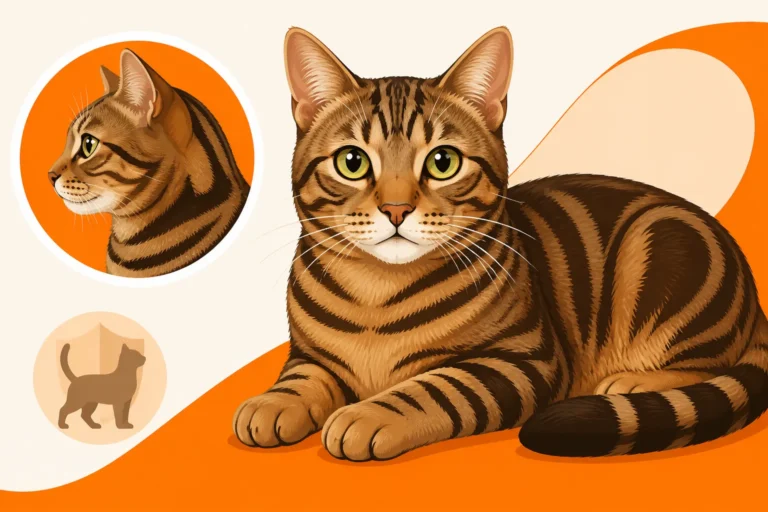
It's incredibly common to see a beautiful, well-built tabby cat and immediately think, "That's an American Shorthair!" This happens all the time, and it highlights a unique challenge for those of us who adore this breed: understanding its true popularity often gets tangled up with its resemblance to the beloved domestic short-haired cat. This guide will dive deep into what popularity truly means for a pedigree cat, exploring where the American Shorthair stands in the feline world.
Defining Popularity in the Feline World
When we talk about how "popular" a cat breed is, it’s not always as straightforward as it sounds. For a breed like the American Shorthair, this question comes with a lot of nuances, especially because their appearance so closely mirrors many non-pedigreed domestic cats. It’s easy to look at a sturdy, sweet-faced tabby and assume it's one, even if it doesn't have a pedigree. This perception can sometimes overshadow the actual, documented popularity within the cat fancy world.
The Two Sides of Feline Popularity
There are essentially two distinct ways to measure a cat's popularity. First, there's the widespread public recognition and affection for a type of cat – the kind you see on calendars, in advertisements, or just curled up on a neighbor's porch. This general appreciation often embraces characteristics that the American Shorthair embodies, such as its robust health, friendly demeanor, and classic tabby patterns. Everyone loves a good, solid, easy-going cat, and the American Shorthair fits that bill perfectly, even if people don't know the breed by name.
Then, there's the formal popularity measured by breed registries. This is where we count actual pedigreed cats registered by organizations like the Cat Fanciers' Association (CFA) or The International Cat Association (TICA). These numbers reflect breeders' dedication, owners' decisions to invest in a specific lineage, and the breed's standing in competitive shows. For the American Shorthair, these numbers tell a story of consistent, enduring appeal, even if they aren't always at the very top of the list, simply because it's a "classic" rather than a trendy, exotic breed.
Why Perception Can Be Misleading
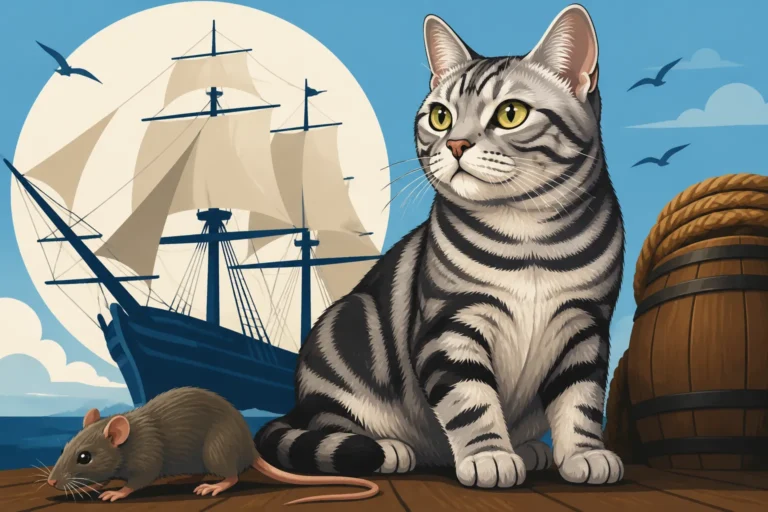
The American Shorthair's history as a working cat, evolving naturally alongside humans in North America, means its look is incredibly familiar. They were the original "barn cats" and "ships' cats," bred by nature for practicality, not aesthetics, which is a big part of Whether a Landrace Origin Explains the American Shorthair's Health. This natural selection created a well-balanced, sturdy feline that epitomizes the common cat. Because of this, many people mistake a lovely, well-marked domestic short-haired cat for an American Shorthair. It’s a compliment to the breed's ideal type, but it also means that its unique status as a pedigree can sometimes be overlooked. People might say, "Oh, I have an American Shorthair!" when their beloved pet is actually a fantastic domestic short-haired cat that looks like one. This widespread resemblance, while a testament to its foundational role, makes it harder to gauge its specific popularity among those seeking a purebred.
The American Shorthair's Standing in Major Registries
To truly understand how popular the American Shorthair is within the purebred cat community, we need to look at the numbers from prominent feline registries. These organizations track registrations, championship titles, and breeder activity, giving us a clear picture of a breed's standing. The American Shorthair holds a respected and consistent position, often ranking within the top tier of all breeds.
Consistently Among the Top Ten
The Cat Fanciers' Association (CFA), one of the largest pedigree cat registries, has historically seen the American Shorthair maintain a strong presence. While its exact ranking might fluctuate slightly from year to year, it very rarely falls out of the top ten or fifteen most popular breeds. This isn't just a fleeting trend; it speaks to a deep, enduring appreciation for the breed's stable temperament, robust health, and classic good looks. Owners and breeders consistently choose the American Shorthair because it delivers on its promise of being a wonderful companion cat. You can find more specific data on Where the American Shorthair Ranks Among Cat Breeds and How Many American Shorthairs Are Registered a Year.
Other registries, such as The International Cat Association (TICA), also recognize and register American Shorthairs, further solidifying their place in the purebred world. While TICA's methodology and focus can differ slightly from the CFA, the pattern remains consistent: the American Shorthair is a breed with a loyal following, chosen by those who value a cat that is both beautiful and inherently practical.
The Allure of a Balanced Breed
One of the reasons for its consistent popularity is that the American Shorthair embodies what many people envision when they think of "a cat." It’s not an extreme breed in any way; there are no exaggerated features or delicate health concerns that often accompany breeds pushed for novel appearances. Instead, you get a moderately sized, well-muscled cat with a broad chest and a round face, traits that are both appealing and functional. What an American Shorthair Looks Like by the Standard details these characteristics.
Breeders appreciate the American Shorthair for its generally good health and agreeable nature, making it a joy to raise and show. Owners are drawn to its reputation as a calm, adaptable, and affectionate family pet. This balance of attributes ensures that the breed never truly fades from favor. It’s the reliable, tried-and-true choice for those who want a cat with a predictable temperament and a long, healthy life, often living The Fifteen to Twenty Years the American Shorthair Was Given.
Why the American Shorthair Remains a Beloved Breed
Beyond the numbers and official rankings, there are very tangible reasons why the American Shorthair has secured such a special place in the hearts of cat lovers. It’s not just about what they look like, but fundamentally, it's about who they are as companions. These cats embody so many of the qualities we seek in a feline friend: dependability, affection without being clingy, and a genuinely easy-going nature.
Temperament: The Perfect Family Companion
One of the American Shorthair's most celebrated traits is its superb temperament. These cats are known for being incredibly adaptable and good-natured, making them an ideal fit for nearly any household, from bustling families with children and other pets to quieter homes with single owners. They are curious and playful, yet rarely destructive. They enjoy interaction but are perfectly content to entertain themselves or simply nap nearby. This balanced personality is a huge draw, and it's why many will tell you Why an American Shorthair Fits Any Household. They don't demand constant attention, but they certainly appreciate a good cuddle or a vigorous play session with a feather wand.
Their hunting instincts, a strong part of their heritage, translate into engaging playtime indoors, keeping them active and entertained. You can find a wide array of engaging toys on platforms like Chewy, perfect for satisfying their natural desire to stalk and pounce. They are sturdy enough to handle the playful antics of children and often get along remarkably well with dog-friendly canines, a testament to their tolerant and easygoing disposition.
Health and Longevity: A Robust Feline Friend
Another cornerstone of the American Shorthair's enduring appeal is its reputation for excellent health and a long lifespan. Developed through natural selection, these cats were literally bred for survival, leading to a robust genetic makeup. While no breed is entirely free from potential health issues, the American Shorthair is generally considered one of the healthier pedigree breeds. This translates to fewer vet visits for chronic conditions, which is not only a relief for the cat but also for the owner's wallet. It's why many find Why an American Shorthair Costs a Vet Less Than a Persian.
Their strong constitution means they are often less prone to the breed-specific ailments that can plague some other purebreds. They are built for longevity, often reaching their mid-to-late teens, and sometimes even their early twenties, with proper care. This promise of many happy, healthy years with a beloved pet is a significant factor in their sustained popularity. Knowing you're bringing home a cat with a good chance of a long, robust life is incredibly reassuring for prospective owners.
Aesthetics: The Timeless American Look
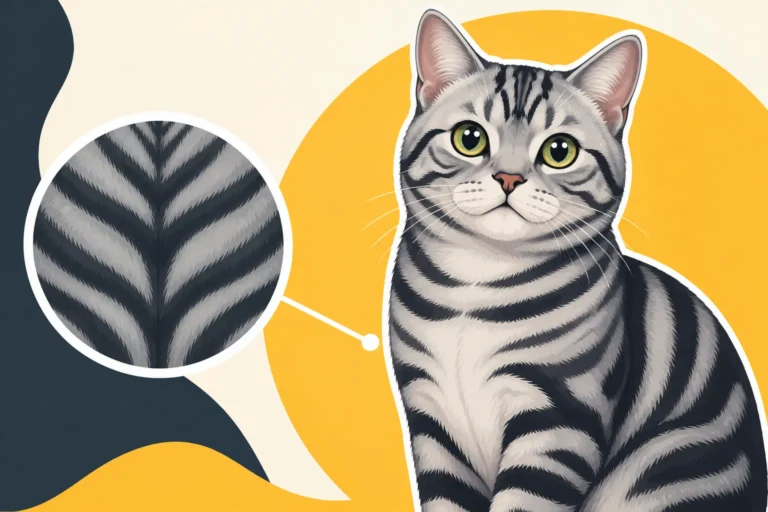
While temperament and health are paramount, the American Shorthair's classic good looks certainly contribute to its charm. They embody a timeless aesthetic: a powerfully built body, a full, round head, expressive eyes, and a short, dense coat that comes in an astounding array of colors and patterns. The classic silver tabby, with its distinctive swirled markings, is perhaps the most iconic and often the one that comes to mind when people think of the breed. This striking pattern is so well-loved that it has become synonymous with the breed, leading many to specifically seek out The Silver Tabby Is the American Shorthair People Pay For.
Even beyond the silver tabby, the breed offers a color and pattern for every taste, from solid blacks and whites to various tabbies, calicos, and bi-colors. Their low-maintenance coat also adds to their appeal; it's easy to care for, requiring minimal grooming, and An American Shorthair Sheds Twice a Year and Asks Nothing Else is a relief for busy owners. This combination of a beautiful, hardy, and easy-to-care-for coat makes them a visually appealing choice without demanding excessive grooming efforts.
Comparing Popularity: American Shorthair Versus Other Breeds
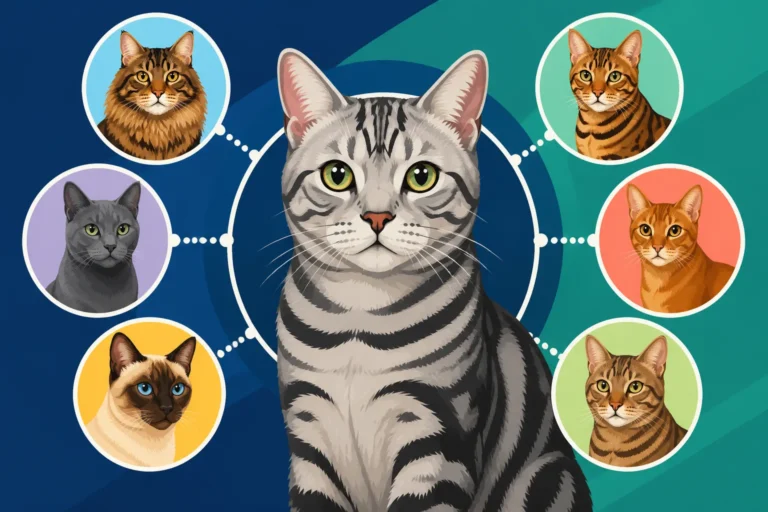
When we talk about the American Shorthair's popularity, it’s helpful to put it into context by comparing it to other well-known breeds. This isn't about declaring one breed "better" than another, but rather understanding where the American Shorthair sits in the diverse landscape of purebred cats. Its unique blend of qualities positions it differently from both the highly specialized and the widely available.
American Shorthair vs. Domestic Shorthair
This is perhaps the most crucial comparison, as it's the source of much confusion for potential owners. The "Domestic Shorthair" isn't a breed; it's a classification for any cat of mixed or unknown ancestry with short hair. These are the wonderful, common "alley cats" or "moggy cats" you find in shelters or as strays. They are incredibly popular in the sense that they are numerous and widely adopted, and rightfully so. However, the American Shorthair is a pedigreed breed with a specific standard, documented lineage, and predictable traits. While a Domestic Shorthair might look exactly like an American Shorthair, particularly a tabby, it lacks the verified ancestry and the guarantee of specific health and temperament traits that come with a purebred. This distinction is central to How an American Shorthair Differs From a Domestic Shorthair.
The popularity of the Domestic Shorthair stems from its sheer availability and often very low or no adoption cost. The American Shorthair's popularity, conversely, comes from deliberate breeding programs, show success, and a reputation built on consistent quality. When someone chooses an American Shorthair, they are buying into a known history and a set of characteristics that have been carefully preserved. This leads to the question of Whether an American Shorthair Is Worth Paying For, which, for many, the answer is a resounding yes due to these predictable traits.
American Shorthair vs. British Shorthair
Here's an interesting comparison between two "shorthair" breeds with distinct origins and popularity trajectories. The British Shorthair, particularly its blue variety, has seen a massive surge in popularity in recent years, often topping registration lists in many countries. Its plush, dense coat, round "teddy bear" face, and very placid demeanor have made it incredibly fashionable. How an American Shorthair Differs From a British Shorthair goes into more detail.
The American Shorthair, while also possessing a robust build and a round face, has a harder, denser coat and a slightly more athletic, less "cobby" body type. Its popularity is more stable and less subject to trends. While the British Shorthair might capture the zeitgeist, the American Shorthair consistently remains a strong, reliable choice. People who appreciate a no-fuss, traditional cat often gravitate towards the American Shorthair, valuing its history and practicality over current trends.
American Shorthair vs. Maine Coon
The Maine Coon is another hugely popular breed, often celebrated for its majestic size, shaggy coat, and gentle giant personality. Its popularity is often driven by its striking appearance and dog-like characteristics. Comparing it to the American Shorthair highlights the appeal of different types of "native" American breeds.
While the Maine Coon often ranks very high due to its impressive stature and distinctive look, the American Shorthair holds its own by appealing to those who prefer a more medium-sized, low-maintenance cat. Both breeds share a heritage as working cats in North America, but they evolved with different environmental pressures, leading to their distinct appearances and levels of grooming required. The Maine Coon's popularity comes from its unique grandeur, while the American Shorthair's popularity is rooted in its accessible, classic, and manageable nature. For those who want a long-lived companion, How Long the American Shorthair Lives Against Other Pedigrees offers a compelling case for both.
Perception vs. Reality: The "Common Cat" Misconception
It's a common story: you tell someone you have an American Shorthair, and they shrug and say, "Oh, so, a normal cat?" This reaction, while sometimes frustrating for devoted owners, really highlights the unique challenge and beauty of the American Shorthair's popularity. They are so perfectly quintessential "cat" that many people don't realize there's a pedigree behind that familiar, comforting image.
Embracing the "Normal" Label
The American Shorthair's greatest strength is arguably its lack of extremes. It's not bred for unusual features that might compromise health or temperament. Instead, it was developed from the hardy, adaptable cats that thrived in early America, earning their keep as mousers and companions. This history means that the breed embodies the very essence of a functional, healthy cat. So, when someone calls them "normal," it's not an insult; it's a testament to how well the breed fulfills the archetypal role of a feline companion. What People Get Wrong About the American Shorthair often boils down to this very point – mistaking familiarity for lack of distinction.
This perception can sometimes mean that they don't get the same "buzz" as a flashy, exotic, or newly recognized breed. You might not see them trending on social media in the same way, but their popularity is built on a far more solid foundation: consistent satisfaction and word-of-mouth recommendations from owners who wouldn't trade their sensible, loving American Shorthair for anything.
The Role of the Silver Tabby
If there’s one visual that consistently makes people reconsider their "just a normal cat" assumption, it’s the classic silver tabby American Shorthair. This striking pattern, with its bold black markings on a shimmering silver background, has been featured in countless advertisements, greeting cards, and even film. It's truly Why the Silver Tabby Became the American Shorthair's Face. This iconic look elevates the breed in the public consciousness, making it recognizable even if the full pedigree story isn't known.
The beauty of the silver tabby pattern often acts as an entry point, drawing people in to learn more about the breed as a whole. They might initially be attracted by the stunning visuals but then discover the equally appealing temperament and robust health. This combination helps to bridge the gap between the perception of a "common cat" and the reality of a distinctive, beloved pedigree. And it's so easily found, you can even spot stylish cat beds for a silver tabby (or any color!) on Chewy, showcasing the breed's wide appeal.
The Future of American Shorthair Popularity
What does the future hold for the American Shorthair? Based on its history and current standing, it seems poised for continued, stable popularity rather than dramatic fluctuations. In an increasingly complex world, the consistent, reliable nature of the American Shorthair is more appealing than ever.
Enduring Appeal in a Changing World
As new cat breeds emerge and trends come and go, the American Shorthair stands as a testament to enduring qualities. Owners today are often looking for pets that can integrate seamlessly into their lives, offering companionship without demanding excessive specialized care or posing significant health risks. The American Shorthair perfectly fits this modern demand. Its easygoing nature, adaptability to various living situations (whether a spacious house or a cozy apartment), and generally low maintenance make it a top contender for busy individuals and families.
In an era where discussions around breed health and welfare are becoming increasingly prominent, the American Shorthair's natural, healthy build is a huge advantage. There’s a growing appreciation for breeds that haven't been pushed to extremes, and the American Shorthair truly shines in this regard. This focus on natural health and a balanced disposition ensures that the breed will continue to attract responsible breeders and owners who prioritize well-being above all else.
The Power of Word-of-Mouth and Owner Satisfaction
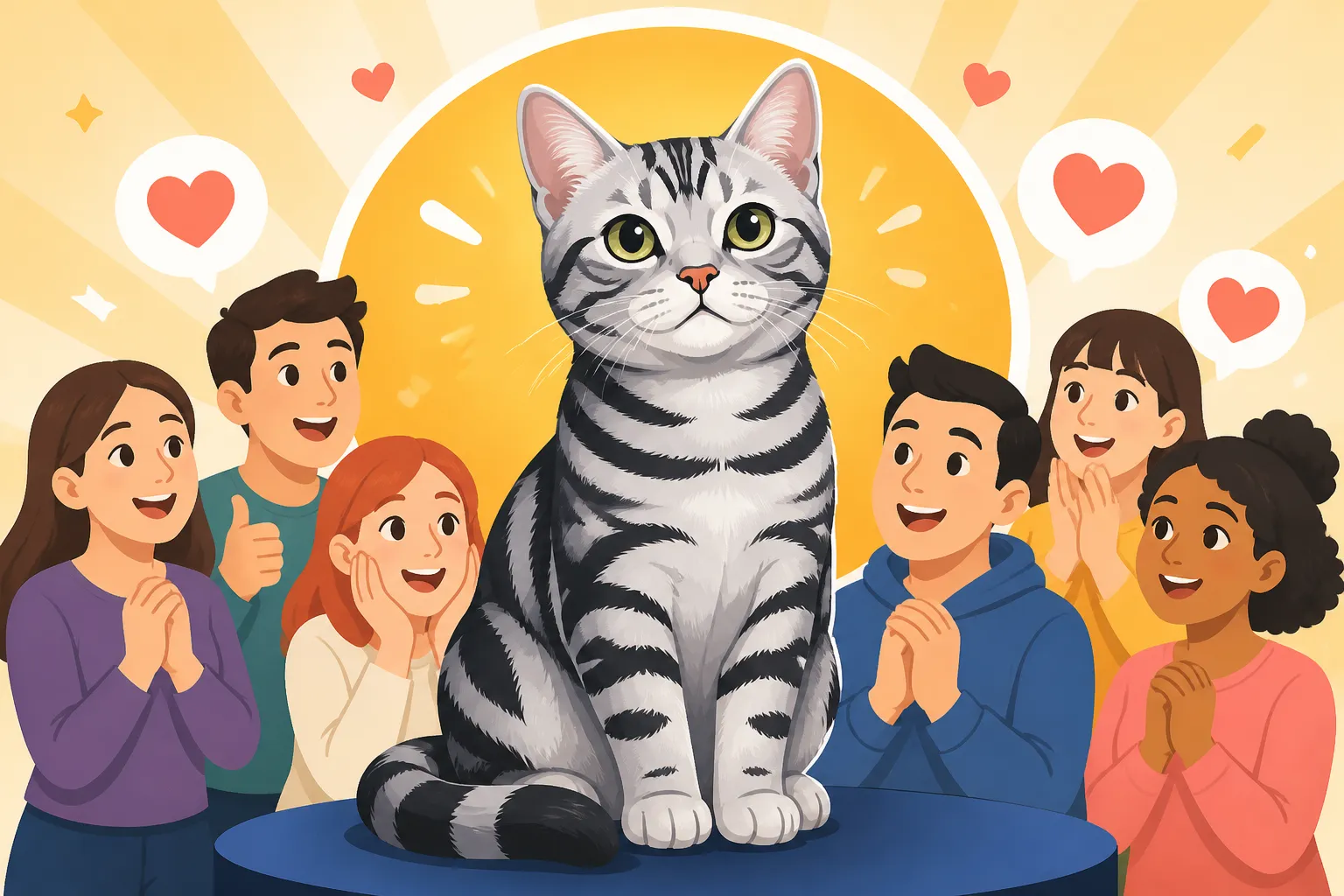
A significant driver of the American Shorthair’s continued popularity is the sheer satisfaction of its owners. People who live with American Shorthairs often become their biggest advocates, singing praises about their gentle disposition, intelligence, and unwavering loyalty. This positive word-of-mouth is incredibly powerful, influencing new owners more than any advertising campaign ever could. After all, who better to trust than someone who shares their home and heart with one of these wonderful cats?
Many current American Shorthair owners express that they would absolutely choose the breed again, a strong indicator of lasting satisfaction. They appreciate a cat that offers affection without being overly demanding, maintains its health with reasonable care, and provides a calm, comforting presence in the home. This deep-seated contentment among owners is a solid foundation for the breed's sustained popularity. Ultimately, Whether an American Shorthair Deserves More Attention is easily answered when you consider the quiet, consistent joy they bring into so many lives.
Beyond the Show Ring
While American Shorthairs excel in the show ring, their popularity isn't solely dependent on ribbons and titles. Their appeal extends far beyond the competitive circuit, reaching into everyday homes where they are cherished as family members. Organizations dedicated to rescue and rehoming, though less common for pedigreed American Shorthairs than for domestic cats, sometimes see them, particularly retired breeding animals or those needing new homes due to life changes. These cats quickly find new families who appreciate their known lineage and temperament.
The breed's versatility means it's not confined to a single role. Whether as a show cat, a beloved pet, or even a therapy animal due to its calm nature, the American Shorthair excels. This broad appeal ensures that it will remain a relevant and cherished breed for generations to come, embodying the ideal of a truly great cat.
Disclaimer
This article is for general informational purposes only and does not constitute professional advice. Laws, prices and regulations vary by location and change over time. Consult a qualified professional for guidance on your specific situation.