Whether an American Shorthair Ever Needs a Groomer
Many American Shorthair owners look at their self-sufficient, short-coated feline companions and think, "Surely my cat doesn't need a professional groomer, right?" It's a valid thought, as these wonderful cats are often lauded for their low-maintenance nature. However, while they are indeed masters of self-grooming, there are specific situations, health concerns, or life stages where professional intervention can become not just helpful, but truly necessary for their comfort and well-being. This guide aims to shed light on when an American Shorthair might benefit from a trip to the groomer, helping you navigate their care with confidence.
The American Shorthair's Natural Coat and Self-Grooming Prowess
Let's be honest, one of the biggest appeals of the American Shorthair, beyond their calm demeanor and sturdy build, is their famously easy-care coat. Unlike some long-haired breeds that require daily detangling and regular professional trims, the American Shorthair seems to handle things just fine on their own. This is no accident; it's a testament to their long history as working cats.
Why Their Coat is Designed for Low Maintenance
The American Shorthair's coat is a marvel of natural engineering. It's short, dense, and firm to the touch, often described as having a hard texture. This isn't a plush, soft coat like a British Shorthair's, nor is it silky like some other breeds. Instead, it’s a resilient, weather-resistant layer perfectly suited for its original job: keeping barn cats warm, dry, and protected from the elements. This type of coat naturally sheds dirt and loose hair with remarkable efficiency. There's a reason you don't typically see wild or feral cats with matted fur; nature designed their coats to be self-sufficient. The American Shorthair's Coat Was Built for Weather, Not a Judge delves deeper into this fascinating aspect of their heritage.
Because of this natural design, an American Shorthair spends a significant portion of its day grooming itself. Their rough tongues are incredibly effective at removing loose hairs, small bits of debris, and distributing natural oils that keep their skin healthy and coat shiny. For the vast majority of their lives, and in good health, their own meticulous self-care routines are more than sufficient. They are truly masters of personal hygiene, keeping themselves surprisingly clean and tidy without much human intervention. You'll find that for routine care, How Little Combing an American Shorthair Actually Needs is a great resource to understand just how minimal your input often needs to be.
When Routine Owner Care is Usually Enough
For a healthy, active American Shorthair, regular at-home care typically involves little more than a weekly or bi-weekly comb-through during shedding seasons. This helps remove excess loose hair, reduces the amount of fur they ingest (which can lead to hairballs), and provides a lovely bonding opportunity. A simple rubber curry brush or a fine-toothed comb is usually all you need. Beyond that, keeping an eye on their claws and ears, and perhaps trying to introduce toothbrushing from a young age, constitutes the bulk of proactive care for this breed.
Many owners find that their American Shorthair actively enjoys these short grooming sessions, especially if introduced gently and consistently from kittenhood. It’s less about intensive maintenance and more about supportive care. They're not prone to matting or tangles due to their short fur, meaning the big issues that often necessitate professional grooming for long-haired breeds simply aren't a concern here. Their natural habits and coat structure really make them one of the easiest feline companions to care for in terms of grooming.
When an American Shorthair Might Actually Need Professional Help
While the American Shorthair's self-grooming abilities are impressive, life happens. There are definite circumstances where a professional groomer isn't just a luxury, but a genuine necessity. Recognizing these signs is key to ensuring your beloved cat stays comfortable and healthy.
Medical Conditions and Mobility Issues
One of the most common reasons an American Shorthair might need professional grooming is due to underlying health problems. As cats age, or if they develop certain medical conditions, their ability to groom themselves effectively can decline significantly. Arthritis, for instance, can make it painful or impossible for them to reach certain areas of their body, especially their lower back or hindquarters. Obesity is another major culprit; an overweight American Shorthair simply cannot bend and twist to clean themselves properly. Why an Overweight American Shorthair Cannot Reach Its Back highlights this very common problem. This can lead to matted fur, skin irritation, and even infections in neglected areas.
Conditions like diabetes or kidney disease can also affect coat quality, making it greasy or dull, and sometimes even leading to a reluctance to groom due to general discomfort. A professional groomer, often in conjunction with veterinary advice, can provide a thorough, gentle cleaning that the cat is no longer capable of doing. This isn't just about aesthetics; it's about preventing painful matts, maintaining skin health, and ensuring overall hygiene. Some pet insurance providers, like Healthy Paws, might even cover grooming services if they are medically necessary and prescribed by a vet, which is worth checking if your cat develops such issues.
Senior Cats and Special Needs
Our senior American Shorthairs, much like older people, often need a little extra help with personal care. As they get older, their flexibility diminishes, their energy levels drop, and their coats might even change texture, sometimes becoming a bit coarser or thicker in certain spots. What Changes in an Aging American Shorthair's Coat explores these transformations. What was once an effortless self-grooming routine can become a struggle. You might notice greasy patches, matted fur around their tail or hind legs, or a general dullness to their coat.
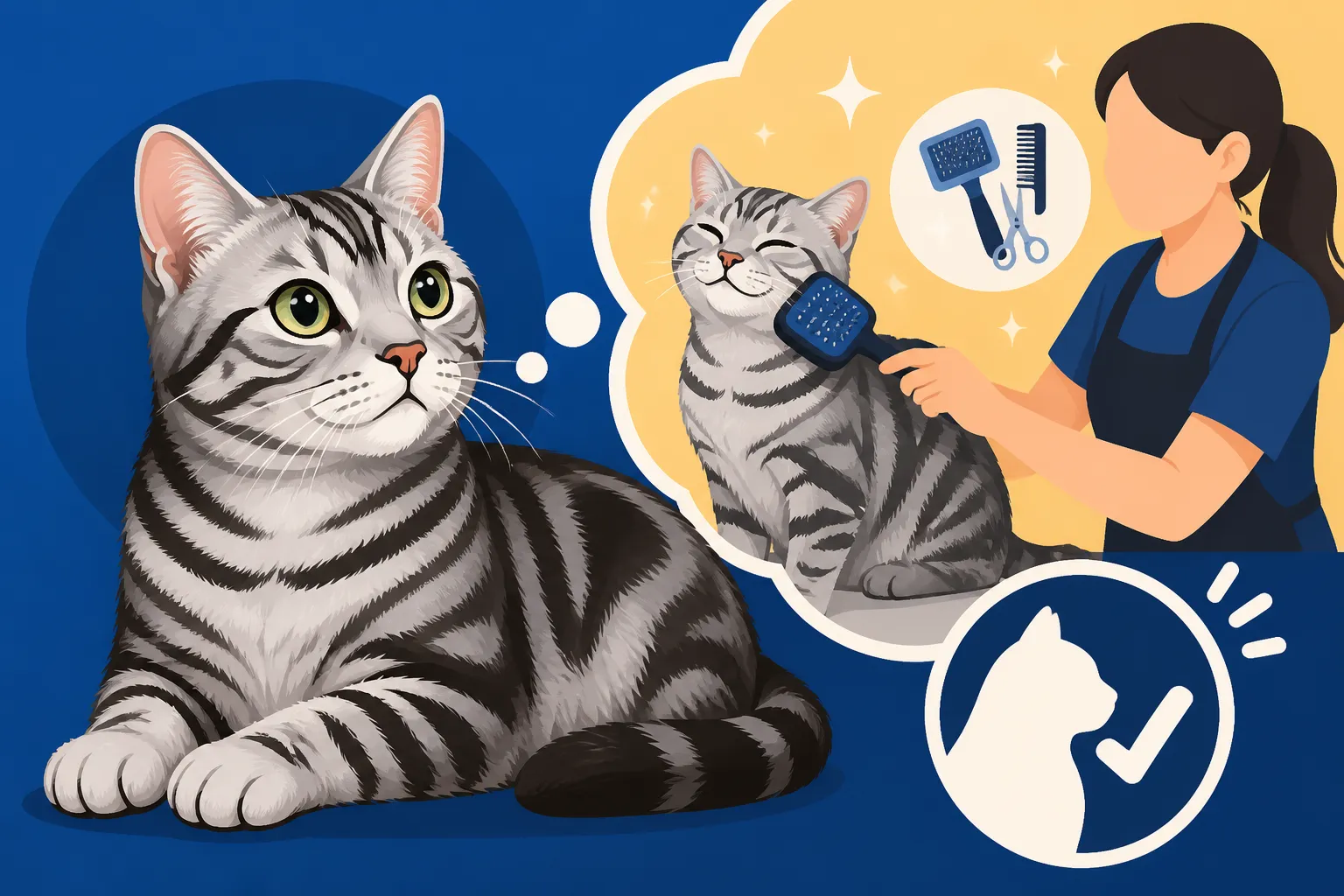
For cats with cognitive dysfunction, they might simply forget or neglect their grooming routine. In these cases, a professional groomer can offer a gentle bath, careful brushing, and even a "sanitary trim" around their hindquarters to prevent fecal matter from clinging to their fur. This not only improves their comfort but also helps prevent skin infections and keeps your home cleaner. A good groomer understands how to handle older, more fragile cats with patience and specialized techniques, making the experience less stressful for everyone involved.
Unexpected Accidents and Extreme Dirtiness
Sometimes, it’s not a chronic condition but a sudden, unfortunate event that necessitates a professional groomer. Perhaps your American Shorthair got into something particularly sticky, oily, or smelly—think motor oil, paint, or even skunk spray. While you might try a gentle spot clean at home, some substances are incredibly difficult, if not dangerous, to remove entirely without professional tools and expertise. Certain chemicals or strong odors require specific products and techniques to safely and thoroughly cleanse the coat without irritating the cat's skin or causing further harm.
Furthermore, if your cat has ever been a stray or neglected, they might arrive in your home with heavily matted fur, embedded debris, or significant skin issues that are simply beyond the scope of a home bath. In these situations, a professional groomer has the experience to safely and effectively address these extreme cases, often with less stress for the cat than an inexperienced owner attempting a drastic clean-up. They can carefully shave matted areas, treat skin conditions under vet guidance, and restore the coat to a healthy state.
DIY Grooming for American Shorthairs: What You Can Do At Home
For the vast majority of American Shorthairs, routine grooming is an at-home affair. Empowering yourself with the right tools and techniques can make a huge difference in keeping your cat comfortable and preventing minor issues from escalating.
Brushing and Deshedding Essentials
Regular brushing is the cornerstone of American Shorthair grooming, especially during their twice-yearly shedding cycles. While they don't mat easily, removing loose undercoat hair is beneficial for several reasons. Firstly, it reduces the amount of hair your cat ingests, which can mean fewer hairballs for you to clean up. Secondly, it keeps their coat looking sleek and healthy, and promotes good circulation to the skin. Thirdly, it significantly cuts down on the amount of cat hair floating around your home.
For an American Shorthair, a rubber curry brush or a good quality slicker brush can work wonders. Many owners find a simple bristle brush or a grooming mitt to be effective and gentle enough for their cat's short, dense coat. During heavier shedding times, a deshedding tool might be useful, but use it sparingly and carefully to avoid irritating their skin. Always brush gently, going with the direction of the fur, and pay attention to areas they might struggle to reach themselves, like their back or the base of their tail. Treats and praise can make these sessions a positive experience for both of you. You can find a wide array of brushes and deshedding tools on sites like Chewy, making it easy to experiment and find what your cat tolerates best.
Nail Trims and Ear Cleaning
Beyond the coat, maintaining your American Shorthair's nails and ears is also important. While outdoor cats might naturally wear down their claws more, indoor cats often need regular trims. Untrimmed claws can snag on carpets, get painfully long, or even grow into their paw pads, causing pain and infection. Aim for a trim every few weeks, just snipping the sharp tips, avoiding the quick (the pink part that contains blood vessels and nerves). If you’re unsure, ask your vet or a groomer to show you the correct technique. Getting your cat accustomed to nail trims from a young age will make the process much smoother.
Ear cleaning for an American Shorthair is usually minimal. Their ears are generally quite clean, thanks to their natural anatomy. However, it's good practice to peek into their ears weekly. Look for any redness, swelling, unusual discharge, or a foul odor, which could indicate an ear infection or mites. If you do notice a build-up of wax or dirt, you can gently wipe the outer ear flap with a damp cotton ball. Never insert anything into the ear canal, as this can cause serious damage. If you suspect an infection or see excessive dirt, it's always best to consult your veterinarian. How Rarely an American Shorthair Gets an Ear Infection highlights just how infrequent this typically is.
Dental Care at Home
Dental health is often overlooked but crucial for a cat's overall well-being. Gum disease and tooth resorption are common issues in cats, and an American Shorthair is no exception, especially as they age. While professional dental cleanings under anesthesia are sometimes necessary, you can do a lot to prevent problems at home. Regular toothbrushing is the gold standard. Use a cat-specific toothbrush and toothpaste (never human toothpaste!) and aim for a few times a week, if not daily. Starting this routine when your American Shorthair is a kitten will make it much more manageable.
If toothbrushing proves impossible, dental treats, water additives, or specialized dental diets can offer some benefit, though they are usually less effective than brushing. Websites like Chewy offer a variety of dental care products. Pay attention to your cat's breath—unusually foul breath can be a sign of dental disease. Why an American Shorthair Loses Teeth Nobody Noticed underscores the silent nature of many feline dental problems, making proactive care at home even more critical.
The Financial Side of Grooming an American Shorthair
Considering professional grooming for an American Shorthair brings up the practical question of cost. While generally less expensive to groom than long-haired breeds, there are still financial implications to consider, whether it's for routine maintenance or addressing unexpected issues.
Cost Comparison: DIY vs. Professional Grooming
When we look at the financial aspect, there's a clear difference between what you'll spend on at-home grooming versus professional services. For DIY grooming, your expenses are primarily one-off purchases of tools: a good brush, nail clippers, cat-specific toothpaste and brush, and perhaps some ear cleaner. These items are relatively inexpensive and last a long time. Over your American Shorthair's lifespan, your recurring costs for grooming supplies will be quite low.
Professional grooming, on the other hand, involves paying for a service each time. The cost for a short-haired cat might include a bath, blow-dry, brush-out, nail trim, and perhaps an ear cleaning. If your cat needs specialized services like dematting, sanitary trims, or sedative grooming (often done at a vet's office), the price will increase significantly. While an occasional professional groom might seem like a splurge, it can be a wise investment if it prevents more serious health issues down the line, especially for older or medically challenged cats. For many American Shorthair owners, it's about weighing the cost against the time saved, the expertise provided, and the reduction in stress for both cat and owner, particularly in difficult situations.
When to Budget for Professional Services
It's helpful to consider professional grooming as a potential, rather than regular, expense for your American Shorthair. Budgeting for it means acknowledging those specific scenarios where it becomes necessary. For instance, if you have a senior cat who is struggling to groom themselves, planning for a few professional grooming sessions per year could be a smart move. Similarly, if your cat has a chronic condition that affects their coat or mobility, these services might become a regular, albeit infrequent, part of their care.
You might also budget for it as an emergency fund item. If your cat has an unfortunate encounter with something sticky or toxic, the cost of professional cleaning is often less than a vet visit for skin irritation or poisoning from self-ingested substances. While American Shorthairs are generally considered "cheap to insure" due to their robust health, a policy from providers like Healthy Paws can be a lifesaver if medical grooming is required due to an accident or illness. It's about being prepared for the unexpected rather than assuming they'll never need outside help.
Supporting Coat Health Through Nutrition
It might seem indirect, but what you feed your American Shorthair plays a huge role in the health and manageability of their coat, which in turn affects their grooming needs. A high-quality diet rich in essential fatty acids (like omega-3s and omega-6s) supports healthy skin and a shiny, resilient coat. A well-nourished cat often has less dry, flaky skin and a stronger coat that sheds less excessively and is easier to maintain.
Conversely, a diet lacking in proper nutrients can lead to dull, brittle fur, excessive shedding, and dry skin, making even a short coat more prone to issues. Investing in premium cat food with fresh, whole ingredients can contribute significantly to overall coat health. While it won't eliminate the need for brushing, a healthy coat means your cat's natural grooming efforts are more effective, and you're less likely to encounter problems that would warrant professional intervention. It's a proactive step that can reduce future grooming headaches and associated costs.
Beyond the Bath: Other Grooming Considerations
Grooming isn't just about a pretty coat or clean ears; it encompasses several other aspects of your American Shorthair's well-being. Understanding these elements helps paint a complete picture of their care needs.
The Importance of Environmental Enrichment
Believe it or not, your cat's environment plays a role in their grooming habits and needs. An American Shorthair is a natural hunter, and while indoor life changes their hunting grounds, their instincts remain strong. Providing appropriate outlets for these instincts can actually reduce stress, which in turn can contribute to better self-grooming. A stressed cat might over-groom, leading to skin irritation and bald spots, or under-groom, causing matting and neglected areas.
Enrichment comes in many forms: interactive toys, puzzle feeders (which can also help manage weight, a major factor in grooming ability), scratching posts, and vertical climbing spaces. A cat tree, for example, allows your American Shorthair to climb and survey their territory, fulfilling a natural need. Which Post Lets an American Shorthair Condition Its Claws offers great ideas for encouraging healthy claw maintenance. A happy, stimulated cat is often a healthy, well-groomed cat. It's about creating an environment where they can thrive, physically and mentally, reducing the likelihood of stress-related grooming issues.
Recognizing Signs of Neglect or Over-Grooming
As an owner, you become attuned to your cat's habits. This attentiveness is crucial for spotting when their grooming routine is off. Signs that your American Shorthair might need help include:
- Matted fur: Even with short coats, matts can form, especially in older or overweight cats, or around scent glands near the tail. These can be painful and pull on the skin.
- Dull, greasy, or flaky coat: This can indicate dietary deficiencies, underlying skin conditions, or a lack of self-grooming.
- Excessive shedding beyond normal seasonal changes: While American Shorthairs shed, prolonged heavy shedding could signal a health issue.
- Bald patches or skin lesions: These are immediate red flags and should prompt a vet visit, as they could be due to allergies, parasites, stress-induced over-grooming, or fungal infections.
- Strong odor: A healthy cat should not have a strong, unpleasant smell. A persistent odor can indicate skin problems or an inability to clean themselves.
On the flip side, excessive grooming (over-grooming) can also be a sign of distress, allergies, or pain. If you notice your cat licking or chewing at a particular spot constantly, leading to hair loss or skin irritation, it's time to investigate with your vet. Early detection of these issues can prevent them from becoming more serious and costly to treat.
Summary of Grooming Needs
To sum things up, here's a quick overview of when an American Shorthair generally requires owner attention versus professional grooming.
| Grooming Task / Issue | Typical Owner Responsibility | When a Professional Groomer (or Vet) is Needed |
|---|---|---|
| Coat Maintenance | Weekly brushing (more during shedding), occasional spot cleaning. | Severe matting, deep cleaning of toxic/sticky substances, medical conditions preventing self-grooming (e.g., obesity, arthritis). |
| Nail Trimming | Regular clipping of nail tips (every 2-4 weeks). | When nails are severely overgrown, ingrown, or if the cat is too aggressive/fearful for owner to manage. |
| Ear Cleaning | Weekly visual check, gentle wipe of outer ear flap if needed. | Excessive wax build-up, suspected infection, foul odor, discharge, or mites. |
| Dental Care | Daily/weekly toothbrushing, dental treats/additives. | Professional dental cleaning for plaque/tartar buildup, extractions, or severe gum disease. |
| Bathing | Usually not needed; spot cleans for minor messes. | Extreme dirtiness, exposure to irritants/toxins, medicated baths for skin conditions (often vet-prescribed). |
| Sanitary Trim | Rarely needed for a healthy cat. | For senior, obese, or unwell cats struggling with hygiene in hindquarters. |
| Addressing Skin Issues | Observing for changes, maintaining good diet. | Diagnosis and treatment of allergies, infections, parasites, or lesions. |
Final Thoughts on American Shorthair Grooming
The American Shorthair, with its rugged good looks and famously easy-care coat, often lulls us into thinking that professional grooming is completely unnecessary. And for much of their lives, that's absolutely true! Their ancestors were hardy working cats, and that self-sufficiency is deeply ingrained. However, it’s not a hard-and-fast rule. There are genuine times when calling in a professional groomer, or even your veterinarian, becomes a crucial part of their care.
From the medical challenges that can prevent a senior cat from reaching their back to the unfortunate encounter with a sticky substance, recognizing these exceptions is key. A little proactive home care – regular brushing, nail trims, and keeping an eye on their dental health – goes a long way in preventing many issues. And don’t underestimate the power of a good diet to keep their coat in prime condition.
Ultimately, whether your American Shorthair needs a groomer boils down to observation and adaptation. Be attentive to your cat's changing needs, and don't hesitate to seek professional help when their natural self-grooming isn't enough. It's all part of being a responsible and loving cat parent, ensuring your American Shorthair lives a comfortable, healthy, and happy life, even if they occasionally need a helping hand (or professional clipper!).
Disclaimer
This article is for general informational purposes only and does not constitute professional advice. Laws, prices and regulations vary by location and change over time. Consult a qualified professional for guidance on your specific situation.