Which Year the CFA Recognized the American Shorthair
It can be surprisingly difficult to pinpoint the exact moment a beloved cat breed, especially one as historically significant as the American Shorthair, officially gained recognition. For many owners, and even some enthusiasts, the detailed history of their furry companions can feel a bit shrouded in time, leading to confusion about when these distinct qualities were first celebrated. This guide will clarify the pivotal year the American Shorthair was formally recognized by the Cat Fanciers' Association (CFA) and delve into the fascinating journey that led to its official status, exploring its roots and the impact of this crucial milestone.
The Dawn of American Cat Fancy and Early Breed Identification
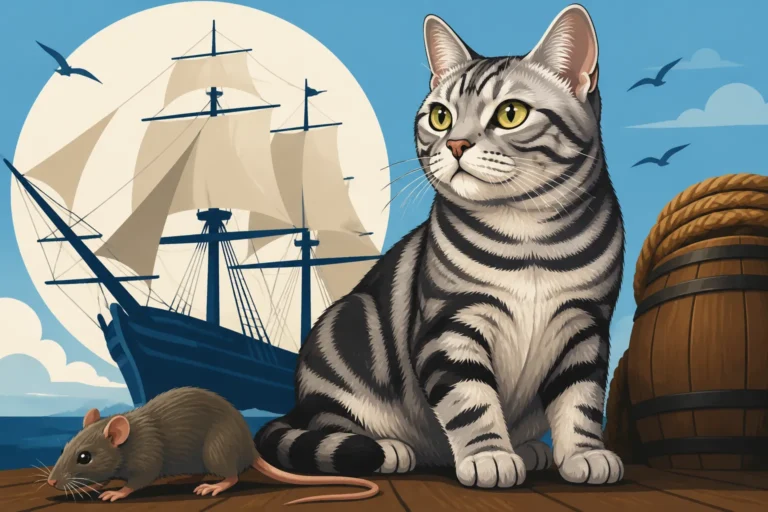
Before the structured world of pedigreed cats we know today, cats in America were primarily appreciated for their practical skills rather than their aesthetic qualities. These were working animals, essential companions in homes, barns, and on ships, valued for their prowess in keeping rodent populations in check. The idea of "breeds" was a distant concept, and most people simply knew a cat as a cat, perhaps distinguishing them by color or pattern, but certainly not by a formal registry.
The Informal Beginnings: Cats as Working Animals
For centuries, the ancestors of what we now call the American Shorthair arrived on North American shores aboard ships, serving as indispensable crew members. They were tough, adaptable, and incredibly skilled hunters, surviving harsh conditions and earning their keep by protecting valuable cargo and provisions from vermin. These were not pampered pets, but hardy, self-sufficient creatures whose worth was measured by their ability to control pests. Think of the common barn cat or ship's cat – that was the archetype. They interbred freely, their diverse gene pool ensuring robust health and resilience. Where the American Shorthair Comes From perfectly captures this origin story, emphasizing their utilitarian roots. Their physical traits, like a sturdy build and thick coat, were adaptations for survival, not for show rings.
In these early days, there was no concept of a "breed standard" or official recognition. A cat was simply a "domestic shorthair" – a descriptor of its common characteristics rather than a formal breed name. Their presence was so ubiquitous, and their utility so ingrained in daily life, that few saw a need to categorize them beyond their immediate purpose. They were simply part of the fabric of American life, reliable and understated.
The Emergence of Organized Cat Shows
As the late 19th century dawned, a shift began to occur. People started to appreciate cats not just for their working abilities, but also for their beauty and companionship. This growing admiration for felines as pets, rather than purely as pest control, mirrored similar trends in Europe, particularly England, where the first formal cat shows were already taking place. In America, this newfound appreciation led to the organization of local cat shows, initially more like community gatherings where proud owners would display their favorite felines.
These early shows were informal, often featuring a wide array of "household pets" alongside the occasional imported longhair, such as Persians or Angoras, which were considered exotic and highly prized. It was a time of burgeoning interest, where the elegance and distinct features of individual cats began to be noticed and celebrated. While the concept of a "pedigree" was still largely nascent for native American cats, these events laid the groundwork for future formalization, sparking conversations about what constituted a "good" or desirable cat.
Early Attempts at Breed Classification
With the rise of cat shows, judges and enthusiasts naturally started to look for ways to categorize and define the various types of cats presented. Initially, the focus was often on imported, established breeds. However, the robust, native shorthaired cats that populated American homes and farms couldn't be ignored. They were admired for their strength, intelligence, and a certain quintessential American charm. But how do you classify a cat that is, essentially, the common cat?
These early attempts at classification were rudimentary. Cats were often grouped by color or general type, such as "domestic shorthair," "common tabby," or "stray cat," which frankly, didn't do much justice to their distinct qualities. The challenge was to acknowledge their widespread presence and inherent value while also distinguishing them from the more "exotic" breeds being imported. It was a period of trial and error, as the fledgling cat fancy tried to impose order on a diverse population of felines. Breeders and fanciers recognized the potential in these native cats, believing they deserved a formal place in the emerging world of pedigreed felines, but the path to that recognition was still being paved.
The Cat Fanciers' Association's Formation and Its Pioneering Role
The informal gatherings and nascent attempts at classification eventually coalesced into a need for a more organized, standardized approach to cat breeding and showing. This led to the formation of dedicated organizations that would set standards, register cats, and promote the responsible development of breeds. The most prominent of these in North America would become the Cat Fanciers' Association.
Founding the CFA and Its Initial Vision
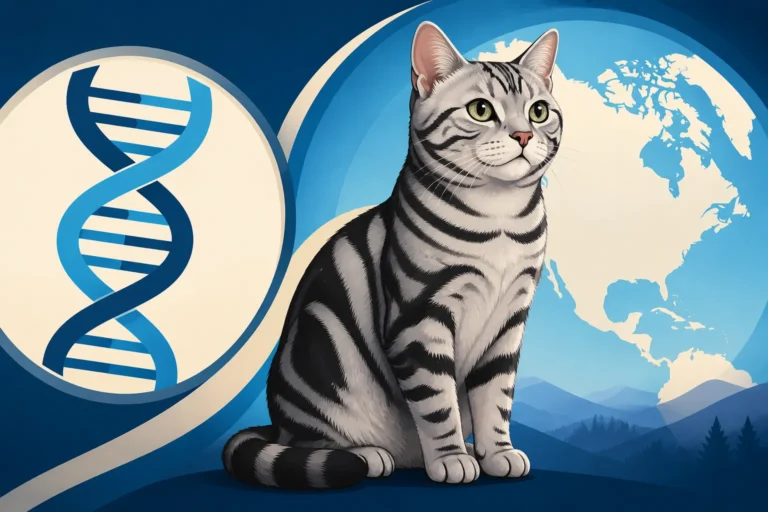
The Cat Fanciers' Association (CFA) was founded in 1906, an absolutely pivotal moment in the history of pedigreed cats in the United States. Its inception marked a turning point from informal exhibitions to a structured system of breed recognition and registration. The vision behind the CFA was ambitious: to establish clear standards for various cat breeds, ensure accurate pedigrees, and generally elevate the status of cats in American society. This wasn't just about showing pretty cats; it was about preserving distinct lines, promoting health, and educating the public.
When the CFA first opened its doors, it immediately began the process of identifying and cataloging the breeds it would officially recognize. This process was critical, as it lent credibility and legitimacy to certain types of cats, distinguishing them from the general population of "alley cats" or "domestic felines." For the American Shorthair's ancestors, this moment was significant, as it meant their inherent qualities would finally be acknowledged and protected under a formal system. Which Year the CFA That Registered the American Shorthair Began offers more detail on this foundational period.
The Initial Roster of Recognized Breeds
When the CFA was established in 1906, it didn't start with a blank slate. There were already some popular cat types, predominantly longhaired breeds imported from overseas, that had captured the attention of early fanciers. However, the CFA also recognized the importance of including America's native shorthaired cats right from the very beginning. This decision was a testament to their widespread appeal and the recognition of their distinct, if largely undefined, characteristics.
The CFA's initial registration list was relatively small, a carefully selected group that formed the bedrock of American cat fancy. The American Shorthair, then known simply as the "Domestic Shorthair," was indeed among these first few breeds. The American Shorthair Was One of the CFA's Five Founding Breeds provides the full context of which breeds were recognized alongside it, highlighting the significance of the American Shorthair's inclusion. This early recognition meant that breeders could officially register their cats, begin to track bloodlines, and work towards a unified vision for the breed's future, ensuring its heritage wouldn't be lost amidst the growing popularity of other, more "exotic" breeds.
Why the "Domestic Shorthair" Was Included
The inclusion of the "Domestic Shorthair" in the CFA's foundational lineup might seem obvious now, given its current status, but at the time, it was a deliberate and important choice. These cats were everywhere; they were the quintessential American cat, known for their robust health, friendly disposition, and incredible hunting abilities. They represented a true American heritage, having developed naturally over centuries, adapting to the diverse environments of the North American continent.
Fanciers saw in these cats a valuable genetic resource and a beloved companion animal that deserved formal preservation. They embodied the traits of a well-adjusted, hardy feline. The term "Domestic Shorthair" itself reflected this ubiquity – it was a functional descriptor for cats that were simply part of American homes, farms, and cities. Their recognition by the CFA was a statement that these ordinary, yet extraordinary, cats had a rightful place within the burgeoning world of pedigreed animals, and that their future would be safeguarded. This was about elevating the common cat to a position of respect and structured breeding.
The Moment of Formal Recognition: Pinpointing the Year
So, when exactly did the American Shorthair, in its earliest form, get this crucial stamp of approval? The answer is tied directly to the founding of the Cat Fanciers' Association itself. The CFA's establishment was not just the creation of an organization, but the formal declaration of breed standards and official registration for a select group of felines, including our resilient American Shorthair.
The Official Date of the American Shorthair's CFA Inclusion
The Cat Fanciers' Association (CFA) officially recognized the ancestors of today's American Shorthair in 1906, the very year the organization itself was founded. At this time, it was known by the simpler, more descriptive name: the "Domestic Shorthair." This was a seminal moment, marking the shift from an informal acknowledgment of a type of cat to a formal, recorded breed within a structured registry. It meant that these cats, previously known as common barn cats or housecats, now had a lineage that could be traced and documented.
For early breeders and fanciers, this was a cause for celebration. It allowed them to begin working systematically, striving to enhance the desirable traits that had made these cats so beloved. No longer would their ancestry be lost to time; instead, it would be carefully documented, paving the way for the consistent development and recognition of the breed we cherish today. This formal inclusion in 1906 set the stage for all future advancements and popularization of the American Shorthair.
What Recognition Meant for the Breed
Being officially recognized by the CFA in 1906 fundamentally changed the trajectory of the Domestic Shorthair. Before this, they were simply cats, albeit popular and effective ones. After recognition, they became a breed. This distinction brought several key benefits:
- Standardization: The CFA established a written breed standard, a blueprint detailing the ideal physical characteristics and temperament. This gave breeders a common goal, guiding their efforts to produce consistent, high-quality examples of the breed.
- Documentation: Owners could now register their cats and their offspring, creating official pedigrees. This allowed for the tracking of bloodlines, ensuring genetic diversity and helping to manage health traits.
- Promotion: Official recognition provided a platform for the breed to be promoted at shows, reaching a wider audience and increasing its profile among cat enthusiasts. It helped to solidify its place as a desirable companion.
- Protection: By defining the breed, it offered a measure of protection against indiscriminate breeding and ensured that the unique traits of these American native cats would be preserved for future generations.
In essence, recognition transformed the Domestic Shorthair from a generic cat into a pedigreed animal with a future rooted in careful cultivation and respect. Without this step, it's possible that the distinct qualities of the American Shorthair might have been diluted or even lost over time.
Distinguishing a Pedigree from a House Cat Post-Recognition
Once the "Domestic Shorthair" was recognized in 1906, a new distinction began to form in the minds of cat owners and the public: the difference between a pedigreed Domestic Shorthair and a regular house cat. Prior to this, virtually all shorthaired cats were seen as pretty much the same. Now, a cat with CFA papers, tracing its ancestry back through registered parents, grandparents, and so on, carried a different status.
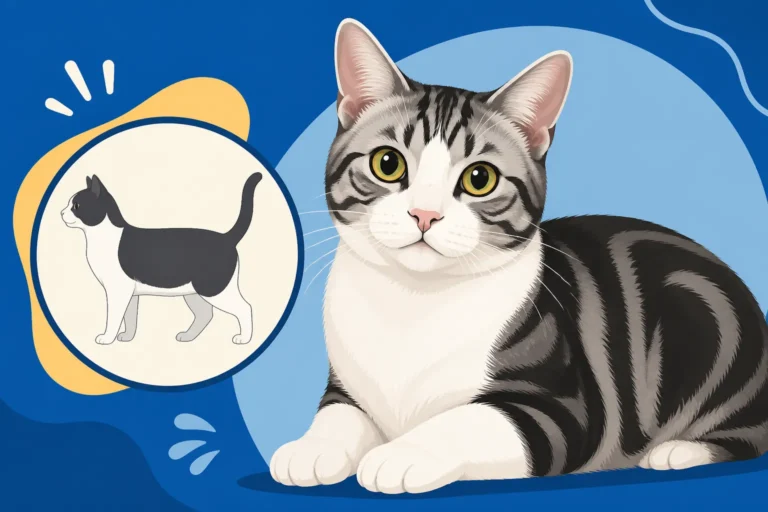
A true pedigreed American Shorthair (even under its earlier name) meant a cat bred intentionally to meet specific standards, with documented health and lineage. A regular house cat, or what we often call a "moggy" or "domestic shorthair" today, might look incredibly similar – after all, the American Shorthair was developed from these very cats! – but lacked that documented history and adherence to a written standard. How an American Shorthair Differs From a Domestic Shorthair dives deep into this very topic, explaining the nuances that separate the two. It wasn't about one being inherently "better" than the other, but about the specific aims of breeding and the assurances that come with a recognized pedigree. People began to understand that if they wanted a cat with certain predictable traits, a pedigreed American Shorthair was the way to go, and supplies for these specific breeds could be easily found online at places like Chewy.
Evolution of the Breed Standard and Name Change
The initial recognition was just the beginning. Over the subsequent decades, as the breed gained popularity and more breeders became involved, the standards were refined, and eventually, the very name of the breed underwent a significant change to better reflect its unique identity. This evolution was crucial in shaping the American Shorthair we know and love today.
Crafting the American Shorthair Standard
The breed standard, first established by the CFA, was a living document, evolving as fanciers gained a deeper understanding of the "ideal" Domestic Shorthair. It described everything from head shape and eye color to body type and coat texture. Initially, the goal was to capture the essence of the hardy, all-American working cat – a cat of substance, balance, and quiet confidence. Over time, these descriptors became more precise, guiding breeders to select for specific characteristics. For example, the standard called for a broad chest and a muscular build, reflecting its history as an active hunter.
Breeders carefully studied the standard, striving to produce cats that exemplified these traits. This continuous refinement helped to solidify the American Shorthair's distinctive appearance and temperament, ensuring that despite its common origins, it would maintain a consistent and recognizable form. The standard acted as a roadmap, ensuring that each generation moved closer to the established ideal, reinforcing the breed's unique place in the cat fancy world. What an American Shorthair Looks Like by the Standard provides a comprehensive breakdown of these specific physical attributes.
The Transition from Domestic Shorthair to American Shorthair
One of the most significant moments in the breed's history after its initial recognition was the change of its name. For decades, it was known as the "Domestic Shorthair," a perfectly accurate but perhaps generic label that often led to confusion. People struggled to differentiate a pedigreed "Domestic Shorthair" from any random mixed-breed short-haired cat found on the street or in a shelter. This generic name inadvertently diluted the breed's unique identity and accomplishments within the cat fancy.
In 1966, the CFA officially changed the breed's name from "Domestic Shorthair" to American Shorthair. This was a deliberate and strategic move. The addition of "American" proudly emphasized its unique heritage as a breed developed in North America, distinguishing it from its European counterparts like the British Shorthair, and crucially, from non-pedigreed cats. Why the American Shorthair Was Called Domestic Shorthair Until 1966 explains the historical context behind this decision, and The Rename That Separated the American Shorthair From the Alley Cat offers further insight into how this name change provided clarity and prestige, elevating the breed's status and giving it a proper, recognized identity.
Impact of the Name Change on Public Perception
The name change in 1966 had a profound impact on how the breed was perceived, both by the general public and within the cat fancy community. Suddenly, the "American Shorthair" carried a new air of distinction. No longer was it just "any old cat"; it was the American cat, a pedigree with a proud lineage. This subtle shift in nomenclature helped to clarify its identity and set it apart, making it easier for potential owners to understand they were acquiring a specific, recognized breed with predictable traits, rather than simply a mixed-breed animal.
This rebranding also helped boost the breed's popularity. People could now clearly differentiate a pedigreed American Shorthair kitten from a shelter tabby, even if they shared similar appearances. This newfound clarity encouraged more people to seek out registered breeders, further solidifying the breed's place in the hearts and homes of cat lovers. The name underscored its unique heritage and role, contributing significantly to its lasting appeal and recognition as a distinct and valuable breed. Even today, when people search for supplies on sites like Chewy for their "American Shorthair," they know they're looking for products suited to a specific breed.
The Enduring Legacy of CFA Recognition
The 1906 recognition by the CFA, and the subsequent name change, laid a strong foundation for the American Shorthair. Its legacy continues to shape the breed's trajectory, ensuring its health, popularity, and an important role in the broader world of cat breeding.
Stabilizing the Breed's Future
The official recognition by the CFA in 1906 was paramount in stabilizing the American Shorthair's future. Before this, the traits that made these cats so special – their hardy constitution, pleasant demeanor, and distinct physical characteristics – were simply a result of natural selection and chance breeding among barn and house cats. There was no concerted effort to preserve or enhance these qualities. With formal recognition, breeders committed to a specific standard, creating a more uniform and consistent type.
This commitment to a standard meant that careful breeding practices could be implemented. Breeders could prioritize health, temperament, and adherence to the breed's physical blueprint. This structured approach prevented the dilution of desirable traits and helped to mitigate potential genetic issues by allowing for careful selection. The CFA's role provided a framework that guided generations of breeders, ensuring that the essence of the American Shorthair would continue, thriving and evolving within defined parameters.
The American Shorthair's Role as a Benchmark Breed
Due to its robust health, stable temperament, and traditional conformation, the American Shorthair often serves as a benchmark or "control group" in the world of cat breeding. Its original purpose as a working cat meant that extreme features were never favored; functionality and health were paramount. This natural, moderate development has made it a symbol of what a healthy, well-balanced cat breed should be. Why the American Shorthair Is Used as a Health Benchmark discusses this in more detail.
In discussions about cat welfare and breeding practices, the American Shorthair is frequently cited as an example of a breed that has largely retained its natural vigor and avoided many of the conformational issues seen in some other pedigrees. Its physical standard prioritizes natural anatomy and good movement, rather than exaggerated traits that might compromise health. This position as a benchmark underscores the lasting value of the CFA's early decision to recognize and preserve this fundamentally sound feline. Its natural grace and athleticism can be supported by quality food and enrichment toys found on platforms like Chewy.
Modern Day Significance and Continued Popularity
Today, the American Shorthair remains one of the most popular and beloved cat breeds, consistently ranking high in registrations with the CFA and other cat registries. Its quiet, adaptable nature, combined with its striking appearance, makes it an ideal companion for a wide variety of households. From bustling families to serene single-person homes, the American Shorthair slots in seamlessly, embodying its heritage as a self-sufficient yet affectionate feline.
Its legacy is not just one of historical interest but of ongoing relevance. Breeders continue to work diligently to maintain the breed standard, focusing on health and temperament. The breed's ability to thrive in various indoor environments, coupled with its generally low-maintenance care requirements, contributes to its enduring appeal. The journey from humble ship's cat to formally recognized pedigree is a testament to its inherent qualities, and the 1906 CFA recognition was the critical step that ensured its place in feline history and modern homes.
Key Milestones in American Shorthair Recognition
To help consolidate the journey of the American Shorthair's recognition, here's a quick overview of the key dates and events.
| Year | Event | Significance |
|---|---|---|
| 1906 | Cat Fanciers' Association (CFA) founded | Birth of organized cat fancy in the US; framework for breed recognition. |
| 1906 | "Domestic Shorthair" (DSH) recognized by CFA | Official inclusion of America's native cats as a pedigreed breed. |
| 1966 | "Domestic Shorthair" renamed "American Shorthair" | Distinguishes the pedigreed breed from mixed-breed cats; emphasizes American heritage. |
This table clearly shows the foundational role of the CFA in establishing and preserving the American Shorthair's distinct identity within the world of pedigreed cats.
Disclaimer
This article is for general informational purposes only and does not constitute professional advice. Laws, prices and regulations vary by location and change over time. Consult a qualified professional for guidance on your specific situation.