Where the American Shorthair Ranks Among Cat Breeds
It can be really confusing trying to understand where a breed like the American Shorthair stands in the grand scheme of the feline world. You hear so much about popular "designer" breeds, or you might even wonder if your beloved American Shorthair, who looks a lot like a domestic tabby, is truly special in the eyes of the cat fancy. This guide is here to shed light on exactly that – the historical, practical, and show-ring factors that determine the American Shorthair's ranking among other cat breeds, giving you a clearer picture of its enduring legacy and appeal.
Understanding Breed Popularity: More Than Just a Pretty Face
When we talk about a cat breed's popularity, it's easy to assume it's simply about how many kittens are registered each year. While registration numbers are a big part of it, the true "ranking" of a breed is far more nuanced. It reflects a blend of historical significance, inherent traits like health and temperament, how widely available the breed is, and even societal trends. A breed's position isn't just a static number; it's a dynamic reflection of its impact and resonance within the cat-loving community.
It’s often a mistake to think of popularity as solely tied to exotic looks or flashy new traits. Sometimes, the most beloved breeds are those that have been around the longest, quietly proving their worth over generations. These breeds often have a solid foundation built on functionality and adaptability, qualities that shine through whether they're gracing a show bench or curled up on your sofa. Their ranking is less about fleeting fads and more about deep-seated appreciation.
The frustrations often arise when people compare a well-established, natural breed to newer, more specialized breeds. There's a feeling that older breeds might be overlooked because they don't have a "wow" factor, but in reality, their sustained popularity speaks volumes about their inherent qualities. The American Shorthair is a prime example of a breed whose consistent presence in the top ranks is a testament to its fundamental strengths rather than any temporary hype.
The Allure of the Familiar: Why Common Breeds Stay Popular
There’s a comfort in familiarity, and this holds true for cat breeds. Breeds like the American Shorthair have a classic look that resonates with many people, often reminding them of the cherished cats from their childhoods or the sturdy, capable felines that have populated homes and barns for centuries. This sense of familiarity isn't just about appearance; it extends to their generally predictable and agreeable temperaments, making them excellent companions for a wide range of households. When you know what to expect, it creates a sense of trust and ease.
This enduring appeal means that these breeds don't have to chase trends or rely on extreme features to maintain their standing. Their popularity is organic, built on a solid reputation for being healthy, adaptable, and genuinely good-natured pets. They are often less prone to the specialized health issues that can sometimes plague breeds developed for extreme aesthetics, which contributes greatly to their longevity and lower veterinary costs for owners. It’s a breed that, for many, simply feels right, a steadfast presence in a changing world. This solid foundation is why The American Shorthair Is the Control Group of Cat Breeding.
The "Designer" Breed Boom and Its Impact
In recent decades, there's been a noticeable rise in the popularity of "designer" or highly specialized breeds. These breeds are often developed for unique physical traits, specific coat patterns, or even particular temperaments through selective breeding programs. While these breeds certainly capture attention with their distinct appearances—think the plush coat of a British Shorthair or the impressive size of a Maine Coon—they sometimes come with their own set of considerations, including more intensive grooming needs, specific dietary requirements, or a predisposition to certain health conditions due to a narrower gene pool.
This boom can shift public perception, making it seem as though older, more "common" looking breeds are somehow less valuable or less interesting. However, a breed's ranking isn't solely about novelty. The American Shorthair, despite its humble origins and relatively "normal" appearance, consistently holds its own against these newer breeds by offering a package of health, temperament, and low-maintenance care that many families genuinely appreciate. It's a testament to the fact that practicality and robustness often win out over flash in the long run.
The American Shorthair's Historic Foundation and Early Recognition
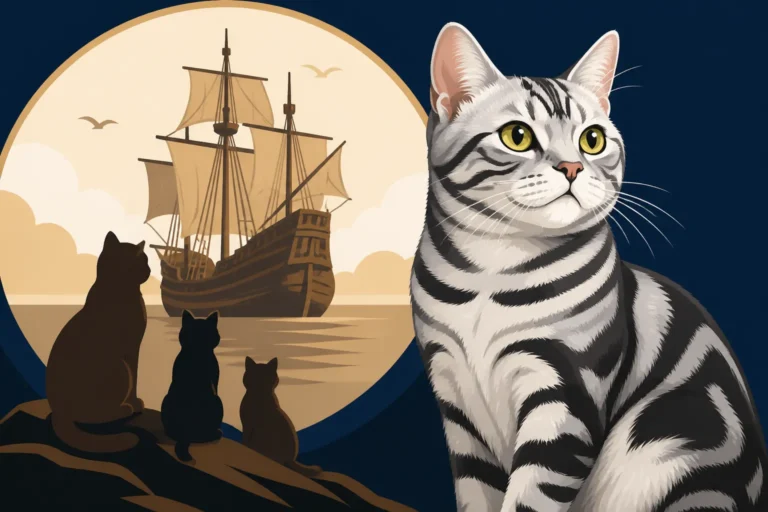
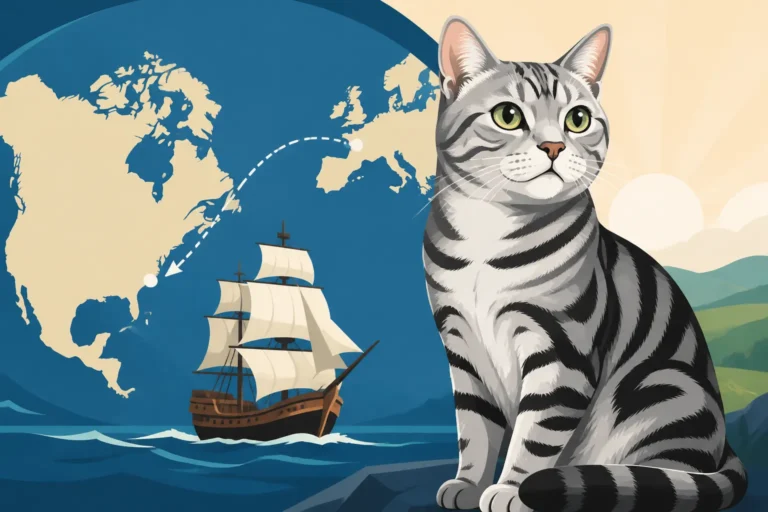
The American Shorthair's story isn't one of deliberate creation in a breeder's cattery but rather one of natural selection and hardy survival. These cats were the working-class heroes of early America, indispensable companions to settlers, farmers, and sailors alike. Their ability to thrive in diverse environments and perform a crucial job – pest control – forged a resilient and adaptable feline that would eventually catch the eye of early cat fanciers. This deep historical root gives the breed a gravitas that newer breeds simply cannot replicate, anchoring its place in the feline hierarchy.
Their origins as ship cats and barn cats mean they were valued for their intellect, agility, and robust health, not for any particular aesthetic. These were cats that earned their keep, and their physical form evolved to suit their demanding roles. This pragmatic beginning is precisely what makes the American Shorthair such a well-balanced and sound breed today. When you understand this background, its consistent high ranking makes perfect sense; it’s a breed built on utility and survival. The Mayflower Cats Behind the American Shorthair tells a fascinating part of this story.
From Ship's Cat to Pedigree: A Working Cat's Ascent
Imagine the vast, open ocean voyages, or the bustling, rodent-infested docks of colonial America. That's the world the American Shorthair's ancestors inhabited. These cats weren't pets in the modern sense; they were essential crew members and invaluable farmhands. Their job was to protect precious cargo and food stores from rats and mice, and they excelled at it. This constant demand for their skills meant that only the most intelligent, healthy, and adaptable cats survived and reproduced. They were truly the fittest of the feline world.
Over generations, this natural selection process refined a cat with a sturdy build, keen hunting instincts, and a calm, self-reliant demeanor. When cat fancy began to emerge in the late 19th and early 20th centuries, these "common" working cats were among the first to be recognized for their inherent qualities. Breeders and enthusiasts realized that these felines, so instrumental in American history, deserved to be preserved and celebrated as a distinct breed. It was a recognition of their intrinsic value, not just their looks.
The CFA's Founding Five: A Mark of Early Distinction
The Cat Fanciers' Association (CFA) is one of the most prestigious cat registries in the world, and its early history provides crucial insight into the American Shorthair's standing. When the CFA was established in the early 1900s, the American Shorthair (though known by a different name then, the Domestic Shorthair) was among the first five breeds to be officially recognized. This wasn't a minor detail; it was a foundational statement. To be a founding breed meant that these cats were already well-established, had a distinct and recognizable type, and were deemed worthy of preservation and promotion from the very outset of organized cat fancy.
This early recognition set the American Shorthair apart from the vast majority of domestic cats. It acknowledged their unique characteristics and the important role they had played. Being one of the "Founding Five" essentially granted them a permanent, revered position in the cat world, symbolizing their status as a benchmark breed. This heritage continues to influence its ranking, giving it a historical weight and prestige that many newer breeds simply don't possess. It speaks to a longevity and stability that is highly valued. Which Five Breeds Founded the CFA With the American Shorthair offers more context on this significant moment.
The Great Rename of 1966: Solidifying the American Shorthair's Identity
For many years, the breed we now know as the American Shorthair was simply called the "Domestic Shorthair." This caused a fair bit of confusion and frustration among breeders and fanciers. Imagine pouring your heart and soul into breeding a cat to a specific standard, only for it to be confused with any random alley cat. It undermined the immense effort put into selective breeding and health screening. The name "Domestic Shorthair" didn't convey the pedigree, the history, or the distinct characteristics that breeders had worked so hard to establish.
In 1966, a pivotal decision was made: the breed was officially renamed the American Shorthair. This change was more than just cosmetic; it was a strategic move to carve out a unique identity for the breed, distinguishing it clearly from the vast population of mixed-breed "domestic shorthair" cats. This renaming was crucial for elevating its status and ensuring it received the recognition it deserved as a distinct, pedigreed animal. It allowed the breed to stand tall as a symbol of American feline heritage, rather than being a generic descriptor.
Distinguishing a Pedigree from a Domestic Shorthair
One of the biggest challenges faced by breeders of the "Domestic Shorthair" was the constant need to differentiate their carefully bred animals from the everyday mixed-breed cats found in shelters or roaming neighborhoods. Both could have similar coats, colors, and even general body types. However, a pedigreed Domestic Shorthair (now American Shorthair) possessed a documented lineage, adherence to a breed standard, and the health guarantees that came with responsible breeding. These were not just "any" shorthaired cat.
The rename helped immensely in this regard. Now, when someone spoke of an "American Shorthair," there was no ambiguity. They were referring to a specific, recognized breed with a standard to uphold, distinct from a generic "domestic shorthair" cat. This clear distinction supported the breed's upward trajectory in popularity, as it solidified its identity and value in the eyes of the public and the cat fancy alike. Understanding this difference is key to appreciating the breed's ranking. How to Tell a Pedigree American Shorthair From a Domestic Shorthair goes into further detail.
The Power of a Name: Elevating the Breed's Status
The act of renaming the breed to "American Shorthair" was a powerful affirmation of its pedigree and national heritage. It gave the breed a distinct brand, making it easier for the public to understand that this was a specific, selectively bred animal, not just a common household cat. This new identity helped to cement its place in the structured world of cat shows and registries, allowing it to compete and be judged on its own merits as a purebred.
This elevation in status wasn't just about pride for breeders; it had practical implications. It encouraged more people to seek out reputable American Shorthair breeders, knowing they were acquiring a cat with predictable traits, a known health history, and a recognized lineage. The name change essentially gave the breed a clear identity and a badge of honor, ensuring it would continue to hold a respected position in the hierarchy of cat breeds. This strategic rebrand was a critical moment for its continued popularity and recognition.
Factors Contributing to the American Shorthair's Enduring Popularity
The American Shorthair hasn't maintained its impressive ranking purely by historical accident or clever renaming. Its sustained popularity is deeply rooted in a combination of tangible, desirable traits that appeal to a wide spectrum of cat owners. These are cats that consistently deliver on the promise of being wonderful companions: healthy, adaptable, and genuinely affectionate without being overly demanding. It’s a breed that, year after year, continues to prove its worth in the most important setting of all – the home.
When you bring an American Shorthair into your life, you're not just getting a pretty face; you're often getting a sturdy, low-maintenance friend who fits seamlessly into almost any family dynamic. They embody the best qualities of a classic housecat, enhanced by generations of careful, thoughtful breeding. This reliability and consistency are invaluable, particularly for first-time cat owners or busy households. Their enduring appeal is a testament to their balanced nature.
Health and Hardiness: A Legacy of Robustness
One of the most compelling reasons for the American Shorthair's high standing is its reputation for excellent health and hardiness. Descended from working cats that survived the rigors of ship life and farm living, these cats were naturally selected for their strong constitutions. Modern breeding programs have largely preserved this robust genetic heritage, meaning they are generally free from many of the inherited health issues that can affect some other purebreds. They are built to last, and this translates directly into fewer vet visits and a generally longer, healthier lifespan for their owners. The Fifteen to Twenty Years the American Shorthair Was Given is a great read on this topic.
Of course, no cat is entirely immune to illness, and responsible owners still prioritize regular veterinary check-ups and preventative care. However, the American Shorthair's baseline health is a huge advantage. This translates not only to peace of mind for owners but also to potentially lower long-term costs, making them an attractive option for those concerned about unexpected medical bills. It's a breed that offers a solid, dependable foundation of good health. You can find many essentials for their care, from high-quality food to interactive toys on sites like Chewy.
Temperament: The Easygoing Companion
Beyond their health, the American Shorthair's temperament is a major contributing factor to its consistent popularity. These cats are renowned for their easygoing, adaptable, and affectionate nature. They are not typically "velcro" cats that demand constant attention, but they are certainly not aloof. Instead, they strike a wonderful balance, enjoying interaction and playtime with their human families while also being perfectly content to entertain themselves or nap peacefully nearby. This makes them ideal for busy households, families with children, or even individuals who appreciate a companion that isn't overly needy.
Their calm disposition also means they tend to adapt well to various living situations, whether it's a bustling family home or a quieter apartment. They are generally tolerant of other pets, including dogs and other cats, making them excellent additions to multi-pet households. This adaptability, combined with their gentle nature, makes them a joy to live with and a source of quiet companionship. An American Shorthair With Children, Dogs and Noise explores how well they fit into various household dynamics.
Versatility in Appearance: Beyond the Silver Tabby
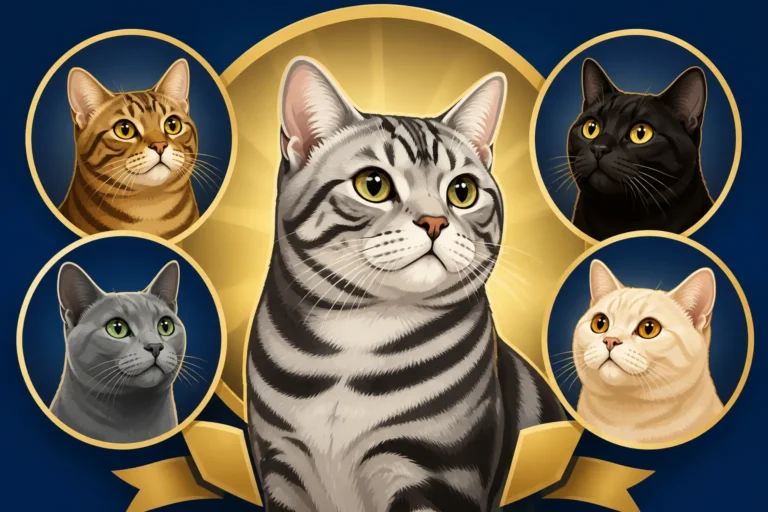
While the iconic silver tabby pattern often comes to mind when people think of the American Shorthair (thanks in part to famous advertising cats), the breed actually comes in a stunning array of colors and patterns. The CFA breed standard allows for over eighty different variations, including solid colors, bi-colors, calicos, tortoiseshells, and various tabby patterns like classic, mackerel, and patched. This incredible versatility means that while the core traits of the American Shorthair remain consistent, there's a unique aesthetic to suit almost any preference.
This wide range of appearances contributes to its broad appeal. Someone might fall in love with a striking blue solid, while another might be drawn to a classic brown tabby. This diversity prevents the breed from becoming stale or overly niche, ensuring it can always offer something new and exciting while maintaining its beloved core characteristics. It proves that you can have both a rich variety and dependable consistency within one excellent breed. You can explore different looks and related products on Chewy.
Navigating Breed Registries: How Rankings Are Measured
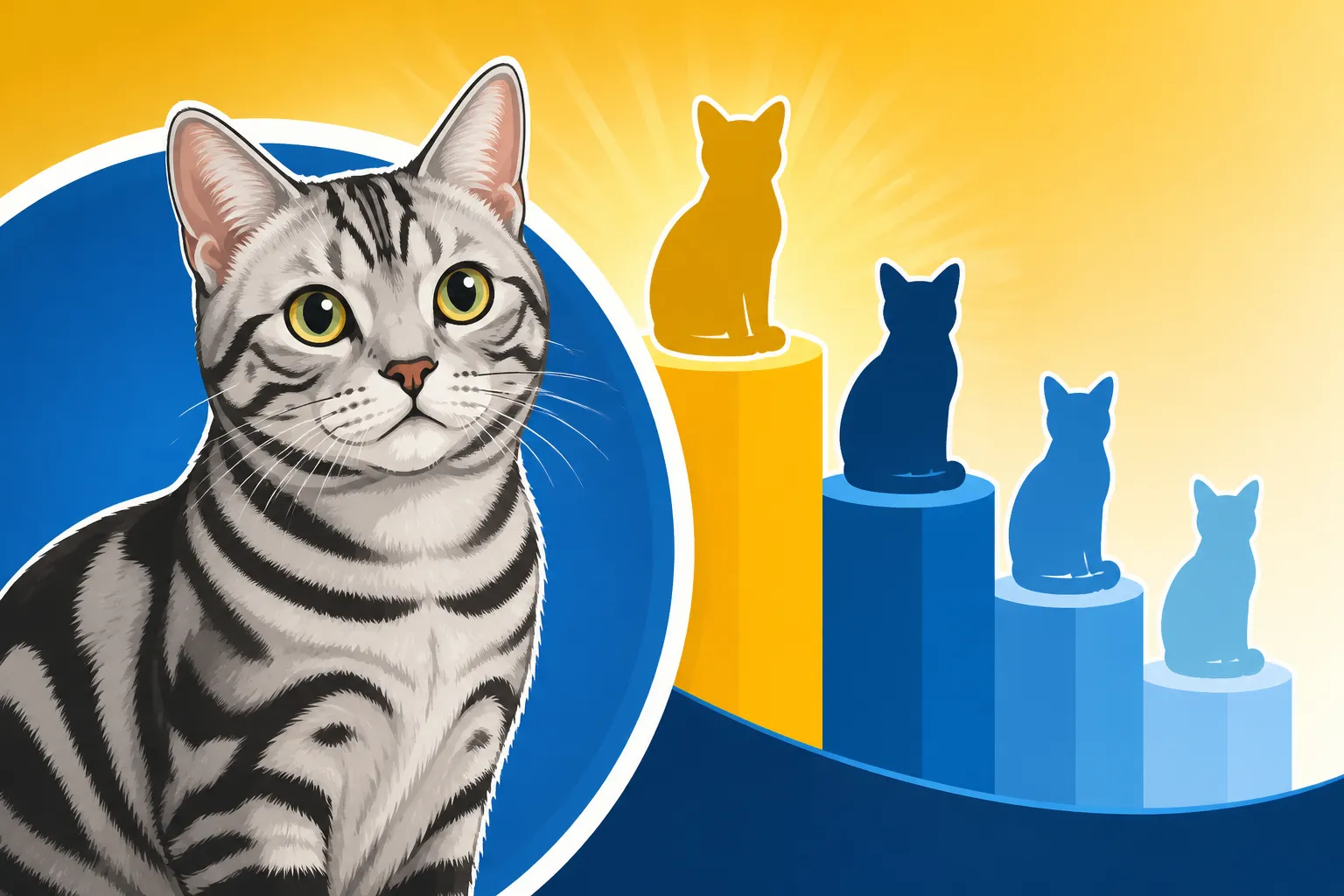
When you hear about a cat breed's ranking, it almost always refers to statistics compiled by major cat registries like the Cat Fanciers' Association (CFA) or The International Cat Association (TICA). These organizations are the backbone of the purebred cat world, maintaining meticulous records of pedigrees, titles, and, most importantly for popularity, registration numbers. Understanding how these registries operate and what their numbers actually represent is key to interpreting a breed's standing.
It's not just about who has the most cats; it's about which breeds are consistently being bred to standard, registered, and shown by dedicated fanciers. These rankings reflect the ongoing commitment of breeders and the sustained interest of the public in a particular breed. The American Shorthair's consistent presence in the upper echelons of these rankings speaks volumes about its enduring appeal and the dedication of its breed stewards.
Understanding Registration Numbers and What They Signify
Registration numbers are the primary metric used by cat registries to determine a breed's popularity. When a pedigreed kitten is born to registered parents and meets the breed standard, its breeder can register it with an organization like the CFA. Each registration counts towards the breed's total, and these totals are compiled annually to create a ranking. A high number of registrations typically indicates strong demand for the breed, active breeding programs, and a healthy population of well-loved pets.
For the American Shorthair, its consistent placement among the top breeds signifies that it is regularly being bred, valued, and sought after by individuals and families. This isn't just about show cats; it includes pet-quality kittens that go to loving homes. These numbers represent a vibrant, active presence within the cat fancy, demonstrating that the American Shorthair is far from being a niche or declining breed. It's a testament to its broad and sustained appeal across the spectrum of cat ownership.
The Limitations of Popularity Rankings
While registration numbers provide a useful snapshot of a breed's popularity, it's important to understand their limitations. These rankings only reflect cats that are registered with a particular association. They don't account for mixed-breed cats, nor do they capture purebred cats that, for various reasons, might not be registered by their breeders or owners. For instance, a breeder might choose not to register every pet-quality kitten, or an owner might adopt a purebred from a rescue without needing papers.
Furthermore, popularity can fluctuate. A new breed might experience a surge in interest, pushing it up the ranks temporarily, while a long-established breed might see slight dips or rises. However, the American Shorthair consistently demonstrates remarkable stability in its ranking. It rarely experiences dramatic swings, indicating a deep-rooted and steady appreciation rather than fleeting trends. This consistency is arguably more impressive than a sudden spike in popularity, speaking to its fundamental, unwavering appeal.
Comparing the American Shorthair to Other Popular Breeds
To truly appreciate where the American Shorthair ranks, it helps to compare it with other well-known and often highly-ranked breeds. Each breed has its unique history, physical characteristics, and temperament, which contribute to its individual appeal and, consequently, its place in the popularity charts. While some breeds might catch the eye with extreme features, the American Shorthair often shines through its balance and classic charm.
Understanding these comparisons can help prospective owners decide if the American Shorthair is the right fit for their lifestyle, and it highlights why this breed holds such an important and consistent position among its pedigreed peers. It’s not about being "better" than other breeds, but about offering a distinct set of qualities that many people find incredibly desirable.
American Shorthair vs. British Shorthair: A Tale of Two Cousins
The American Shorthair and the British Shorthair often get confused due to their similar names and "shorthair" designation, but they are quite distinct breeds with different appearances and even temperaments. The British Shorthair, with its dense, plush coat, round face, and stocky "cobby" body, gives off a teddy bear vibe. They tend to be quieter and more reserved, often described as dignified and somewhat independent. Their grooming needs can be a bit more involved due to their thick coat, particularly during shedding seasons.
The American Shorthair, by contrast, has a slightly leaner, more athletic build, reflecting its working heritage. Its coat is harder and coarser, designed for protection from the elements, and generally requires less intensive grooming. Their faces are less round, more oval, and they often have a more active, playful demeanor than their British cousins. While both are considered easygoing, the American Shorthair often displays a bit more curiosity and interactive energy. This distinctiveness helps the American Shorthair maintain its own unique market and therefore its ranking. How an American Shorthair Differs From a British Shorthair provides a deeper dive into these differences.
American Shorthair vs. Maine Coon: Gentle Giants and Sturdy Companions
Comparing the American Shorthair to the Maine Coon is like comparing a well-built sedan to a powerful, luxurious SUV. Both are fantastic, but they serve different needs and capture different imaginations. The Maine Coon is famous for its large size, long shaggy coat, tufted ears, and bushy tail. Often referred to as "gentle giants," they are known for their dog-like personalities, intelligence, and playful nature, but they require significant grooming due to their long coats and may have a higher caloric intake given their impressive stature.
The American Shorthair, while sturdy and muscular, is a medium-to-large cat, significantly smaller than the average Maine Coon. Its short coat is much easier to care for, and while equally intelligent and playful, it often possesses a more understated demeanor compared to the boisterous Maine Coon. Both breeds are beloved for their friendly dispositions, but the American Shorthair appeals to those who prefer a less demanding grooming routine and a more compact size while still enjoying a robust, affectionate companion. Products on Chewy cater to the specific needs of both large, long-haired breeds and sleek, short-haired cats.
Here's a quick comparison table:
| Trait | American Shorthair | British Shorthair | Maine Coon |
|---|---|---|---|
| Origin | North America (working cat) | Britain (street cat) | North America (farm/ship cat) |
| Body Type | Medium-large, sturdy, muscular | Cobby, round, dense | Large, muscular, long body |
| Coat Type | Short, hard, dense | Short, plush, dense | Long, shaggy, waterproof |
| Grooming Needs | Low (seasonal shedding) | Moderate (sheds, needs brushing) | High (prone to mats) |
| Temperament | Adaptable, active, amiable, quiet | Calm, dignified, reserved, independent | Gentle giant, playful, dog-like, vocal |
| Facial Features | Full-cheeked, expressive, oval eyes | Round face, large round eyes | Broad, square muzzle, expressive eyes |
| Health Profile | Generally robust, few inherited issues | Generally healthy, some genetic predispositions | Generally healthy, some genetic predispositions |
| Typical Size | 10-15 lbs | 9-17 lbs | 10-25 lbs (can be larger) |
The American Shorthair's Future in the Feline World
The American Shorthair has a remarkable past, a strong present, and every indication of a bright future in the cat fancy and in the hearts of cat lovers everywhere. Its consistent ranking among the top breeds isn't just a historical footnote; it's a living testament to its enduring qualities. As the world of cat breeding continues to evolve, with new breeds emerging and trends shifting, the American Shorthair stands as a steadfast beacon of what a well-balanced, natural breed can offer.
The dedication of breeders and owners to upholding the breed's standards, prioritizing health, and promoting its wonderful temperament ensures that this classic American cat will continue to be a cherished companion for generations to come. It’s a breed that proves that sometimes, the most extraordinary qualities are found in simplicity and reliability, rather than in the exotic or the extreme. Its future is built on the strong foundation of its past.
Maintaining Breed Integrity and Health
The continued high ranking and respect for the American Shorthair owe much to the ongoing commitment of ethical breeders. These individuals understand that preserving the breed's integrity means prioritizing health, temperament, and adherence to the established breed standard, rather than chasing fleeting fads or extreme traits. They carefully screen breeding cats for any potential health issues, ensuring that the robust genetic legacy of the American Shorthair is maintained. This responsible approach ensures that future generations of American Shorthairs continue to be as healthy and hardy as their ancestors.
Breed clubs and associations also play a crucial role, setting guidelines and promoting best practices. They educate prospective owners and support breeders in their efforts to produce sound, healthy kittens. This collective dedication to the breed's well-being is fundamental to its sustained popularity and excellent reputation. When you're looking for an American Shorthair, finding a breeder who prioritizes these aspects is crucial, ensuring you bring home a truly representative and healthy example of the breed. You can find essential supplies like health supplements and grooming tools on Chewy to support your cat's well-being.
Continued Appeal for Modern Families
In today's fast-paced world, many families and individuals are looking for a pet that can seamlessly integrate into their lives without excessive demands. The American Shorthair fits this need perfectly. Its adaptable nature, moderate energy levels, relatively low grooming requirements, and generally placid temperament make it an ideal companion for a wide variety of households. Whether you're a busy professional, a family with active children, or an empty-nester looking for a quiet friend, the American Shorthair has a way of finding its place and enriching your home.
This enduring suitability for modern lifestyles is a key factor in its consistent high ranking. People value a pet that brings joy without adding undue stress or demanding constant, specialized care. The American Shorthair offers that balance, providing affectionate companionship and a charming presence that consistently wins over new fans. It's a breed that, year after year, continues to prove that classic qualities never go out of style.
Disclaimer
This article is for general informational purposes only and does not constitute professional advice. Laws, prices and regulations vary by location and change over time. Consult a qualified professional for guidance on your specific situation.