What an American Shorthair Looks Like by the Standard
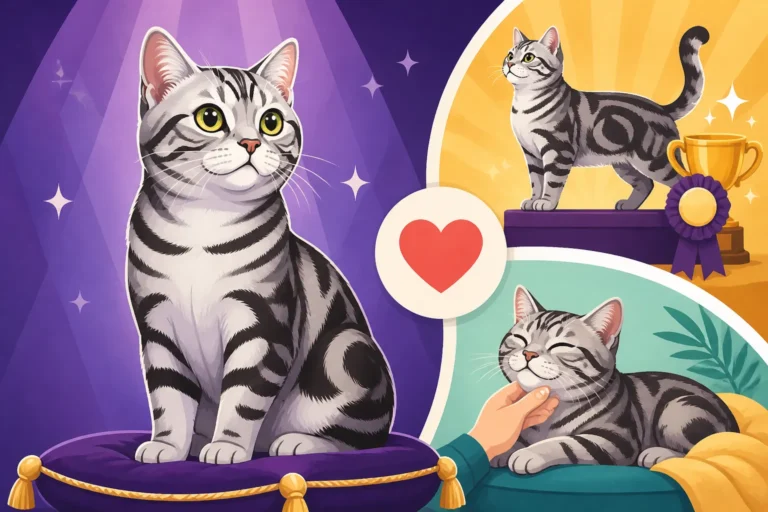
It's a common misconception, isn't it? You see a beautiful tabby cat, and your mind immediately goes to "American Shorthair." But while many American Shorthairs are tabbies, not every tabby you see is a pedigree American Shorthair. There's a whole world of specific traits and characteristics that define this wonderful breed, meticulously outlined in what's known as the breed standard. This guide is here to walk you through exactly what an American Shorthair should look like, from the tip of its intelligent ears to the end of its well-proportioned tail, according to the official standard. We'll explore the subtle nuances that distinguish this truly American breed from its domestic cousins and delve into the physical blueprint that breeders strive for, ensuring the health and integrity of these beloved felines.
A Legacy of Utility: The Foundation of the American Shorthair Standard
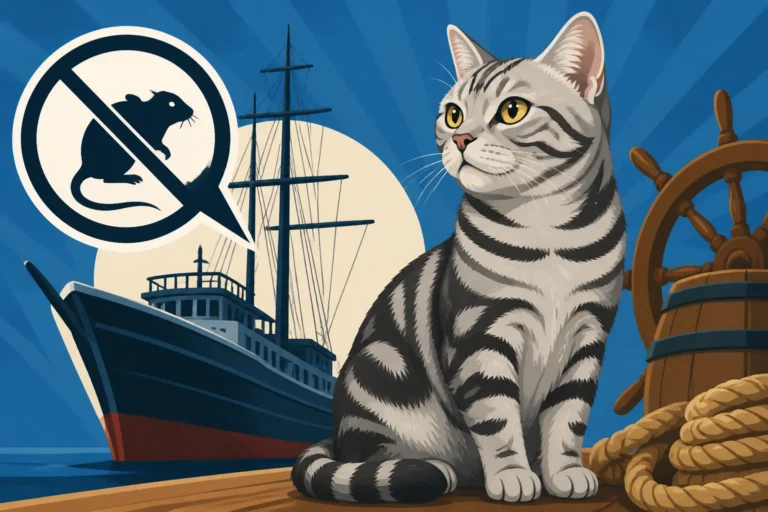
Before the American Shorthair was a show cat gracing the pages of cat fancy magazines, it was a working cat, plain and simple. Its ancestors weren't bred for fancy colors or extreme features; they were bred for function, for survival, and for keeping rodents at bay on farms, in homes, and on ships. This practical beginning is etched into every line of the breed standard, making it a testament to robust health and natural ability. When you look at an American Shorthair today, you're not just seeing a pretty face; you're seeing centuries of natural selection for resilience and capability.
The "Mayflower Cat" and its Purpose
Imagine the early days of America, when settlers arrived on these shores. They brought with them not just their belongings, but also their essential companions: cats. These cats weren't pampered pets; they were vital members of the crew and, later, the burgeoning communities. They were the original pest control, protecting precious food stores from rats and mice, both during the long sea voyages and once the ships docked. This is why the American Shorthair's ancestors are often affectionately referred to as "Mayflower Cats." The Mayflower Cats Behind the American Shorthair
These feline immigrants had to be tough, resourceful, and self-sufficient. They needed strong bodies to hunt, dense coats to withstand varied weather, and keen senses to track prey. The cats that thrived and reproduced were the ones best suited to this demanding environment. Their appearance, therefore, wasn't about human preference for aesthetics, but about practical functionality. Every physical trait, from their broad chest to their powerful jaws, had a direct purpose in their daily lives.
From Barn to Bench: The Evolution of the Standard
As the American cat population grew and diversified, some enthusiasts began to appreciate the common, hardy shorthaired cats for their inherent beauty and gentle dispositions. This led to the formal recognition of the breed, originally known as the Domestic Shorthair, and later renamed the American Shorthair in 1966 to distinguish it from the vast population of mixed-breed "domestic shorthairs." Why the American Shorthair Was Called Domestic Shorthair Until 1966
When breeders started to establish a standard, they didn't invent new traits; they codified the best of what nature had already selected. The standard essentially describes the ideal "working cat" – a cat built for health, strength, and agility, free from exaggerations that could hinder its natural abilities. This commitment to maintaining the breed's foundational strengths is why the American Shorthair is often used as a benchmark for health and moderation in the cat fancy. It's a celebration of the ordinary made extraordinary through careful preservation.
The Overall Impression: A Harmonious and Balanced Cat
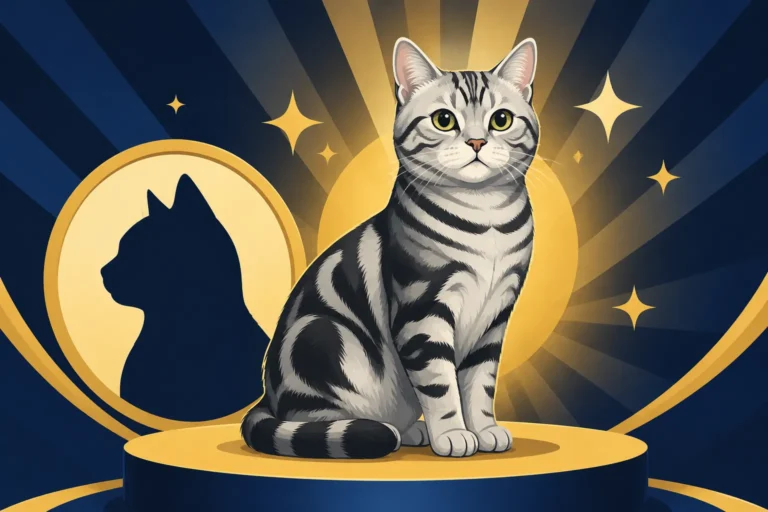
When a judge looks at an American Shorthair, or when you first lay eyes on a truly well-bred example, the overriding impression should be one of perfect balance and robust health. This isn't a cat of extremes; it's a cat of harmony, where every feature complements the next to create a picture of strength and elegance. There's an undeniable gravitas about them, a quiet confidence that speaks to their heritage. They look like they could easily patrol a barn or settle gracefully on your lap, and excel at both.
Medium to Large, Powerful, and Athletic
The American Shorthair is classified as a medium-to-large cat. This isn't a dainty breed, nor is it enormous. Males tend to be noticeably larger and more substantial than females, but both sexes should convey a sense of power and solid build. Think of a well-conditioned athlete – not overly bulky, but clearly strong and capable. Their weight should be proportionate to their frame, giving them a compact, powerful feel without being heavy or obese. You should be able to feel solid muscle beneath their firm coat.
This powerful build is a direct echo of their past. A cat needed to be strong enough to tackle persistent rodents, agile enough to chase them through tight spaces, and resilient enough to withstand the physical demands of an active, outdoor life. The standard ensures these qualities remain, even if most American Shorthairs today are pampered indoor companions. It's about preserving that functional ideal, even in a modern context. Their musculature should be well-developed, particularly across the shoulders and hindquarters, indicative of their innate athleticism.
The Essence of the Breed: Health and Vigor
Perhaps one of the most important, albeit intangible, aspects of the American Shorthair standard is the emphasis on health and vigor. A cat can have all the right physical traits, but if it doesn't exude vitality, it falls short of the ideal. This means a bright, alert demeanor, clear eyes, a clean coat, and an active, curious nature. The standard implicitly values a cat that looks and acts healthy, reflecting its heritage as a survivor. This isn't a breed known for delicate constitutions.
This focus on natural health and robust genetics is one of the American Shorthair's most celebrated qualities. Unlike some breeds developed for exaggerated features that can lead to health challenges, the American Shorthair's standard actively works against such tendencies. It's a breed where function truly dictates form, leading to a generally healthy and long-lived companion. When considering an American Shorthair, you're looking for a cat that embodies physical soundness and a lively spirit. The American Shorthair Is the Control Group of Cat Breeding
Head and Facial Features: The American Shorthair's Distinctive Look
The head of an American Shorthair is one of its most defining characteristics. It's not overly long, nor is it excessively round like some other shorthaired breeds. Instead, it strikes a balance that contributes to the breed's overall look of strength and amiability. Every feature—from the curve of its skull to the set of its eyes—works together to create that classic, trustworthy expression.
Broad, Round Head with a Square Muzzle
The standard calls for a head that is large, and in proportion to the rest of the body, with a full-cheeked, somewhat round appearance. However, it's crucial to note that this "roundness" shouldn't be confused with a cobby, truly spherical head. There should still be a gentle curve from the forehead over the top of the skull. The broadness between the ears is also a key feature, giving them a sturdy, solid look.
What truly sets the American Shorthair head apart is its distinctive muzzle. It should be of medium length and display a definite squareness to it, particularly when viewed from the front. This strong, square muzzle, with well-developed jaws and a firm chin, speaks volumes about its history as a mouser. It's a functional feature, designed for grasping and holding prey effectively. The transition from the muzzle to the cheeks should be smooth but perceptible, not abrupt or pinched. This strong jawline also hints at their ability to eat heartily, which, if not managed, can lead to weight issues later in life. Why an American Shorthair's Appetite Outlasted Its Job
Clear, Expressive Eyes and Medium Ears
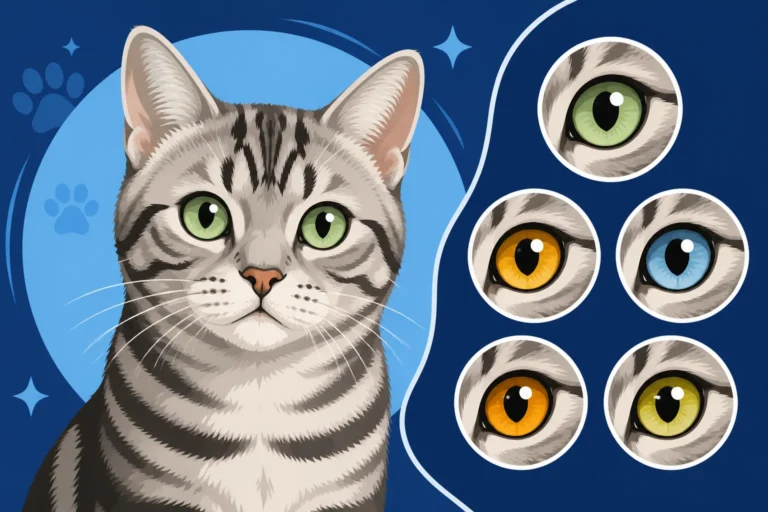
An American Shorthair's eyes are another striking feature. They should be wide-set and moderately large, with the upper lid having an almond shape and the lower lid appearing more rounded. This combination gives them an alert, intelligent, and often very sweet expression. The color of the eyes should be clear, brilliant, and in harmony with the coat color. For instance, the famous silver tabbies typically have brilliant green or hazel eyes, while other colors might feature gold, copper, or blue. The depth and clarity of the eye color are highly valued in the standard.
Their ears are of medium size, set well apart on the head, and moderately rounded at the tips. They shouldn't be overly large or small, nor should they be pointed or disproportionately high-set. The placement and shape of the ears further contribute to that broad-headed, balanced appearance. They are alert and expressive, often swiveling to catch every sound in their environment, another nod to their vigilant ancestry. When you look at an American Shorthair, their ears and eyes should complete the picture of a keen, aware, and friendly companion.
Body and Structure: Built for Work and Endurance
The American Shorthair's body is the engine of its working heritage. It's a testament to strength, agility, and endurance, built not for delicate display but for effective action. Every part of its physique, from its substantial chest to its sturdy paws, speaks to its historical role as a proficient hunter and robust survivor. This is a cat that looks like it could leap, pounce, and navigate challenging terrain with ease.
Broad Chest and Well-Muscled Body
The standard emphasizes a well-built, powerful body that is solid and muscular. The chest, in particular, should be broad and deep, giving the cat a strong, substantial front. This broad chest isn't just for show; it houses powerful lungs and a strong heart, essential for sustained activity and hunting. The back should be broad and level, tapering slightly to the hindquarters, which should also be well-muscled. There's no hint of delicacy or frailty in the American Shorthair's frame.
Their body should be medium in length, giving them a compact yet athletic appearance. This isn't a long, lithe cat, nor is it a short, cobby one. It's a balanced, powerful frame that allows for both strength and flexibility. When you lift an American Shorthair, you'll immediately notice their surprising weight and solidness, a direct result of their muscular development. This robust build is a cornerstone of the breed's health and vitality.
Sturdy Legs and Paws
Complementing their powerful body are their legs, which should be of medium length and bone, neither too short nor too long, and well-muscled. They should be straight and parallel when viewed from the front or rear, allowing for efficient movement. The paws are firm, full, and round, with well-knuckled toes. They should be proportional to the legs and body, contributing to the cat's overall stable and grounded appearance. The pads should be thick and resilient, designed to withstand the wear and tear of a working life.
The strength and structure of their legs and paws are vital for an active cat. Imagine a barn cat needing to climb, jump, and navigate uneven surfaces – weak legs or delicate paws simply wouldn't do. Even for an indoor cat, strong legs mean they can still enjoy climbing their cat tree or chasing a toy from Chewy with impressive agility. These features ensure they retain the athletic prowess of their ancestors, capable of graceful movement and powerful bursts of speed. Why a Broad Chested American Shorthair Puts Weight Through Its Hips
Coat and Color: More Than Just a Tabby
The American Shorthair's coat is a hallmark of the breed, a practical garment perfectly suited to its origins. While the public often associates the breed with the stunning silver tabby, the standard actually allows for a vast array of colors and patterns, each beautiful in its own right. What's consistent across all these variations is the quality of the coat itself: a dense, protective layer.
Short, Dense, and Resilient Coat
The ideal American Shorthair coat is short, thick, and uniformly dense. It should be hard in texture, meaning it feels quite firm to the touch, rather than soft and plush like a British Shorthair's coat. This "hard" quality is a practical one; it helps repel water and provides insulation against various weather conditions, much like the coat of its working ancestors. What Makes an American Shorthair's Coat Hard Rather Than Soft
The density of the coat provides excellent protection. It should lie smooth and close to the body, without being fluffy or open. In colder climates or during winter, the coat might become noticeably thicker and more luxurious, developing a fuller undercoat, which is perfectly acceptable within the standard. This seasonal change further highlights the coat's functional design. Despite its density, the coat is surprisingly low-maintenance, requiring minimal grooming from its human companions as the cat is typically very adept at grooming itself. An American Shorthair Sheds Twice a Year and Asks Nothing Else
The Kaleidoscope of Colors and Patterns
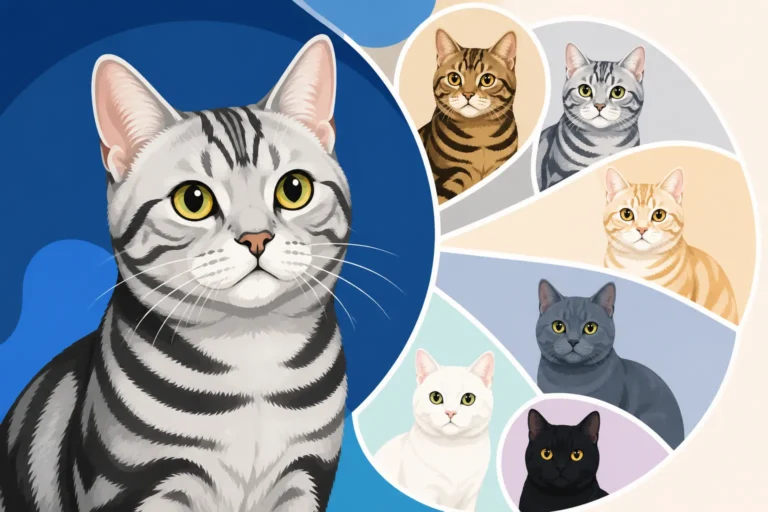
While the Silver Tabby is undeniably the most iconic and recognizable pattern for the American Shorthair, the breed standard recognizes over eighty different colors and patterns! This incredible diversity is a testament to the breed's broad genetic base and natural development. Each color and pattern has its own specific criteria for clarity, richness, and distribution.
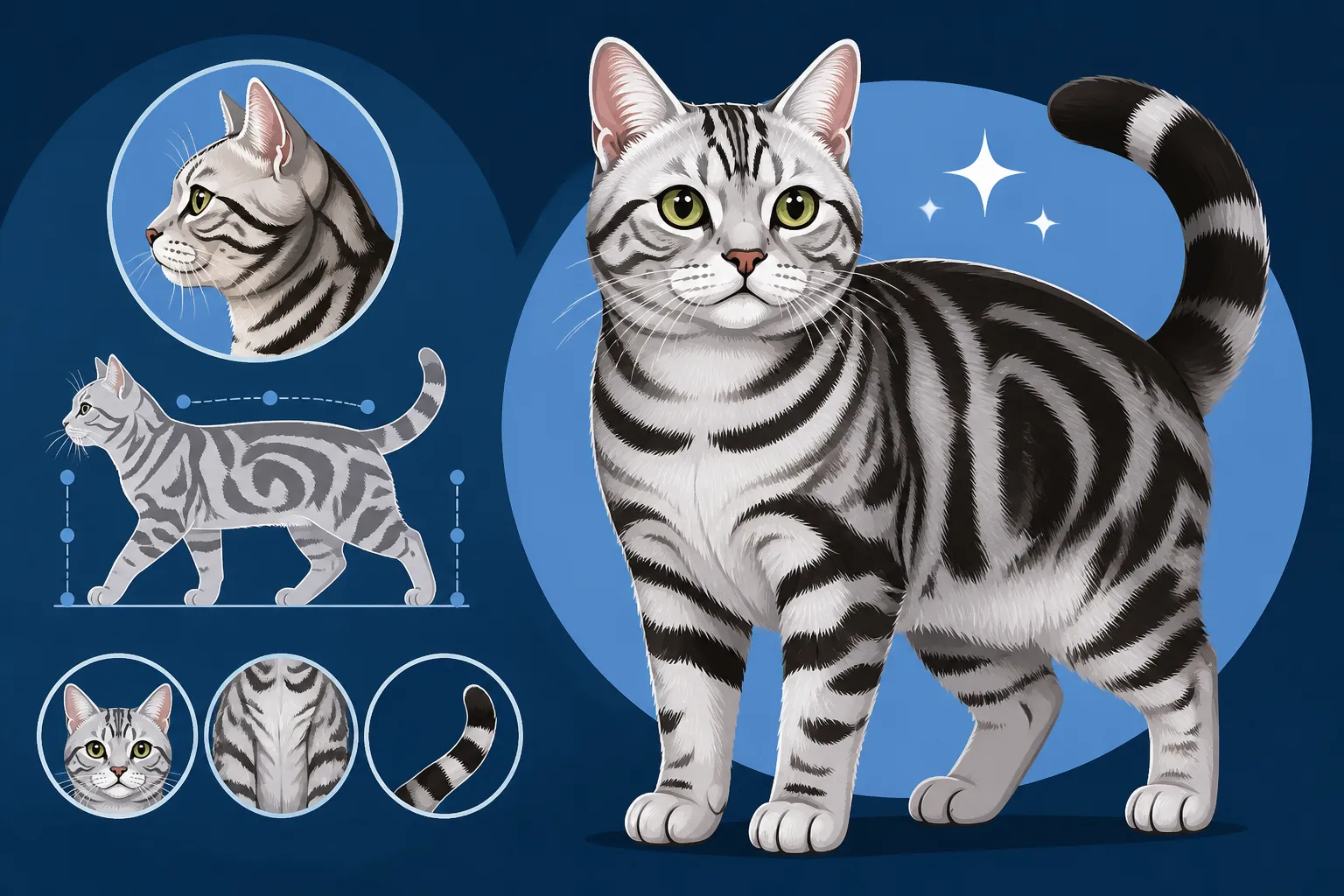
The tabby patterns, in particular, are celebrated. The classic tabby, with its distinctive "bullseye" or "butterfly" pattern on the sides, swirls on the cheeks, and striped legs and tail, is incredibly popular. The mackerel tabby features narrow, parallel stripes running down the sides of the body, reminiscent of a fish skeleton. Patched tabbies (often called tortie tabbies or torbies) combine tabby patterns with patches of red or cream. Each pattern should be clear and well-defined, not blurry or faded. The silver tabbies, with their crisp black markings on a clear, silvery background, are especially striking, often having vibrant green eyes that complement their cool tones beautifully. The Silver Tabby Is the American Shorthair People Pay For
Beyond the Tabby: Solid, Bicolor, and Shaded Varieties
Beyond the various tabby patterns, American Shorthairs come in a stunning array of solid colors, including classic black, white, blue, red, and cream. For solid colors, the pigment should be consistent from root to tip, without any ghost markings or faint tabby stripes showing through, especially in adults. A truly solid black American Shorthair, for example, is a magnificent sight, its dense, hard coat gleaming with a rich, uniform color.
Bicolor American Shorthairs feature patches of white combined with any recognized solid color or tabby pattern. The distribution of the white can vary from small patches to a larger "van" pattern. The standard usually requires specific amounts and placements of white for show purposes, ensuring a balanced and pleasing aesthetic. Shaded and smoke patterns are also recognized, where the color is most intense on the tips of the fur, creating a shimmering or smoky effect as the cat moves. These varieties, while perhaps less common than the silver tabby, are equally beautiful and adhere to the same high standards of coat quality and body type.
Tail and Proportion: The Finishing Touches
Every aspect of the American Shorthair contributes to its balanced and robust appearance, and the tail is no exception. It's not just an afterthought; it's an integral part of the cat's overall symmetry and flow, completing the picture of a naturally athletic and well-proportioned animal.
Medium-Length, Tapering Tail
The standard dictates a tail that is medium in length, in proportion to the cat's body. It should not be overly long and whip-like, nor should it be stubby or unusually short. The tail should be thick at the base, gradually tapering to a rounded tip. It should be carried gracefully, neither excessively erect nor permanently tucked. A healthy, well-muscled tail is often a good indicator of the cat's overall physical condition and balance.
The natural taper and rounded tip are characteristic features, avoiding any abrupt changes in thickness or pointed ends. The tail's fur should match the density and quality of the body coat, lying smoothly along its length. It acts as a counterbalance when the cat is moving, jumping, or navigating, another subtle nod to its agile, working past. It's these kinds of details that ensure the American Shorthair maintains its harmonious silhouette.
Overall Balance and Symmetry
Ultimately, the American Shorthair standard is all about overall balance and symmetry. No single feature should be exaggerated or disproportionate to the others. The head, body, legs, and tail should all flow together seamlessly, creating a strong, compact, and harmoniously built animal. When all these elements come together, you have a cat that is not only beautiful but also supremely functional and healthy.
Imagine watching an American Shorthair move. Its steps should be purposeful, its jumps fluid, and its posture alert. This grace and efficiency in movement are a direct result of its balanced proportions. The standard ensures that the breed remains true to its origins as a capable, agile hunter, even as it transitions into a cherished family pet. This enduring focus on balance is a key reason why the American Shorthair continues to be a favorite among those who appreciate classic feline form and function. This well-thought-out design ensures a quality animal that could easily find its new favorite nap spot on a comfy cat bed from Chewy.
Temperament as Part of the Standard: A Nod to Behavior
While the breed standard primarily focuses on physical attributes, the inherent temperament of a breed is often an unspoken, yet crucial, component. For the American Shorthair, its historical role has indelibly shaped its personality, making its disposition as distinctive as its physical appearance. A cat could meet every physical criterion, but if its temperament deviates wildly from the breed's character, it wouldn't be considered a true representative.
The Calm, Even-Tempered Companion
The American Shorthair is renowned for its calm, easygoing, and even-tempered nature. This isn't a high-strung, overly demanding, or hyperactive breed. Instead, they exhibit a quiet confidence and a relaxed demeanor. They are generally tolerant and adaptable, qualities that served them well as working cats living alongside humans, other animals, and the unpredictable nature of farm life. This unflappable disposition makes them excellent family pets, capable of handling the hustle and bustle of a busy household without becoming stressed or agitated. An American Shorthair With Children, Dogs and Noise
They are affectionate without being clingy, preferring to be near their people rather than constantly in their lap. They often express their affection through quiet companionship, following you from room to room or settling down beside you for a peaceful nap. This independent streak, combined with their loving nature, creates a perfect balance for many owners who appreciate a cat that is present but not overwhelming. They don't typically demand constant attention but are always happy to receive it when offered. How Undemanding an American Shorthair Really Is
Intelligence and Adaptability
Their working heritage also instilled in the American Shorthair a keen intelligence and remarkable adaptability. These cats had to be smart to survive, learning quickly and making good decisions in diverse environments. This intelligence manifests today as a curious nature, a problem-solving ability (especially when food or toys are involved!), and an uncanny knack for understanding household routines. They are often quite trainable, capable of learning tricks or even walking on a harness, though they work for prey and reward rather than pure praise. Which Tricks a Prey Driven American Shorthair Learns Fastest
Their adaptability means they generally cope well with changes in their environment, whether it's a new baby, a new pet, or a change in routine. While any cat appreciates stability, the American Shorthair's resilient nature helps them adjust more smoothly than some more sensitive breeds. This combination of a calm temperament and practical intelligence makes them incredibly easy to live with, a truly low-stress companion that seamlessly integrates into almost any home. They are keen observers, often assessing a new situation before committing, a trait carried over from their hunting days. Why an American Shorthair Assesses Before It Approaches
Faults and Disqualifications: What the Standard Aims to Avoid
Just as the standard describes the ideal American Shorthair, it also outlines specific faults and disqualifications. These are deviations that detract from the breed's ideal form and function, sometimes to the point of being considered unacceptable in the show ring or even indicative of underlying health concerns. Understanding these helps appreciate the precision and care that goes into maintaining the breed's integrity.
Physical Deviations from the Ideal
A range of physical traits can be considered faults, depending on their severity. For instance, a head that is too narrow or too long, or a muzzle that is pointed or excessively cobby (round), would be considered a fault. Eyes that are too small, too close-set, or have an incorrect shape can also be penalized. The overall balance is key; if one feature is disproportionate, it breaks the harmonious look.
Coat texture and quality are also important. A coat that is too soft, too long, sparse, or fluffy would be considered incorrect for the breed. Similarly, a poorly defined tabby pattern, or ghost markings on a solid-colored cat, can be faults. While these might not affect the cat's health, they indicate a deviation from the desired breed type. An American Shorthair's tail that is kinked, too short, or lacks its characteristic taper would also be noted. These are not just aesthetic preferences; they are indicators of how closely an individual cat adheres to the historical, functional blueprint of the breed.
Health Implications and Breeding Concerns
Some disqualifying faults are more serious, often pointing to potential health issues or structural problems that could impact the cat's welfare. For example, any evidence of an obvious illness, lameness, extreme shyness, or aggression would lead to disqualification. Spinal deformities, polydactyly (extra toes), or a visibly crooked tail (beyond a simple kink at the tip) are also disqualifying traits. These types of faults are not merely cosmetic; they can affect the cat's mobility, comfort, or overall quality of life.
The standard also often implicitly or explicitly disqualifies features that are characteristic of other breeds, reinforcing the unique identity of the American Shorthair. For breeders, understanding these faults and disqualifications is critical. It guides their breeding programs, ensuring they select cats that not only meet the physical standard but also contribute to the ongoing health and genetic soundness of the breed. The goal is always to produce cats that are robust, beautiful, and free from debilitating inherited conditions, thereby preserving the breed's reputation for natural vigor and longevity. What an American Shorthair Breeder Should Have Screened
| Feature | Ideal Standard Description | Common Faults |
|---|---|---|
| Overall Build | Medium to large, well-muscled, powerful, and balanced. | Frail or cobby build, disproportionate body parts, obesity (though common) |
| Head | Large, roundish with full cheeks, definite square muzzle, firm chin. | Narrow, long, or pointed head; pinched or excessively round muzzle. |
| Eyes | Wide-set, moderately large, almond-shaped upper lid, rounded lower lid, clear color. | Small, close-set, round, or squinting eyes; dull or inappropriate eye color. |
| Ears | Medium size, set well apart, moderately rounded tips. | Too large or small, pointed, set too high or low. |
| Body | Broad chest, muscular, medium length, level back. | Narrow chest, thin body, humped or dipped back. |
| Legs & Paws | Medium length, sturdy, well-muscled; firm, full, round paws. | Delicate, too short or long legs; splayed or overly small/large paws. |
| Tail | Medium length, thick at base, tapering to a rounded tip. | Too long or short, kinky, abruptly tapering, pointed tip. |
| Coat | Short, dense, hard texture, lies close to body. | Too soft, long, sparse, fluffy; open or coarse texture. |
| Color/Pattern | Clear, rich color; well-defined patterns (e.g., classic or mackerel tabby). | Faded colors, ghost markings on solids, blurry patterns. |
| Temperament | Calm, even-tempered, intelligent, adaptable, affectionate but not clingy. | Extreme shyness, aggression, hyper-activity, overly vocal, timid. |
Disclaimer
This article is for general informational purposes only and does not constitute professional advice. Laws, prices and regulations vary by location and change over time. Consult a qualified professional for guidance on your specific situation.