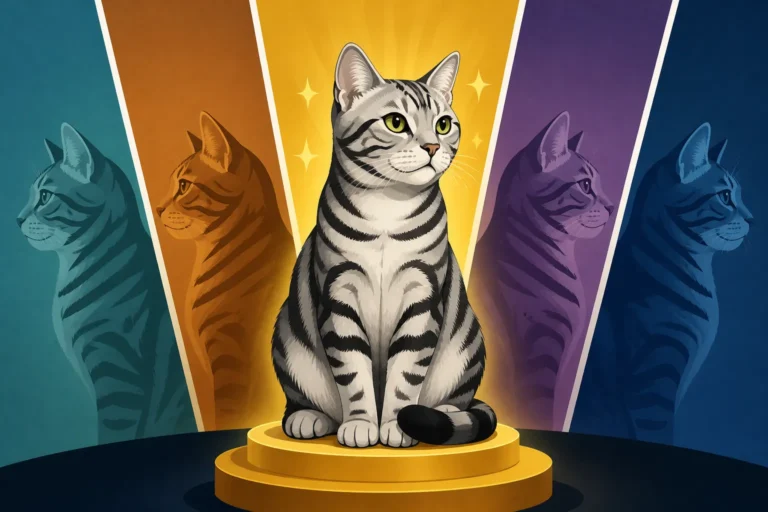
Why a Ship Could Not Sail Without an American Shorthair Type Cat
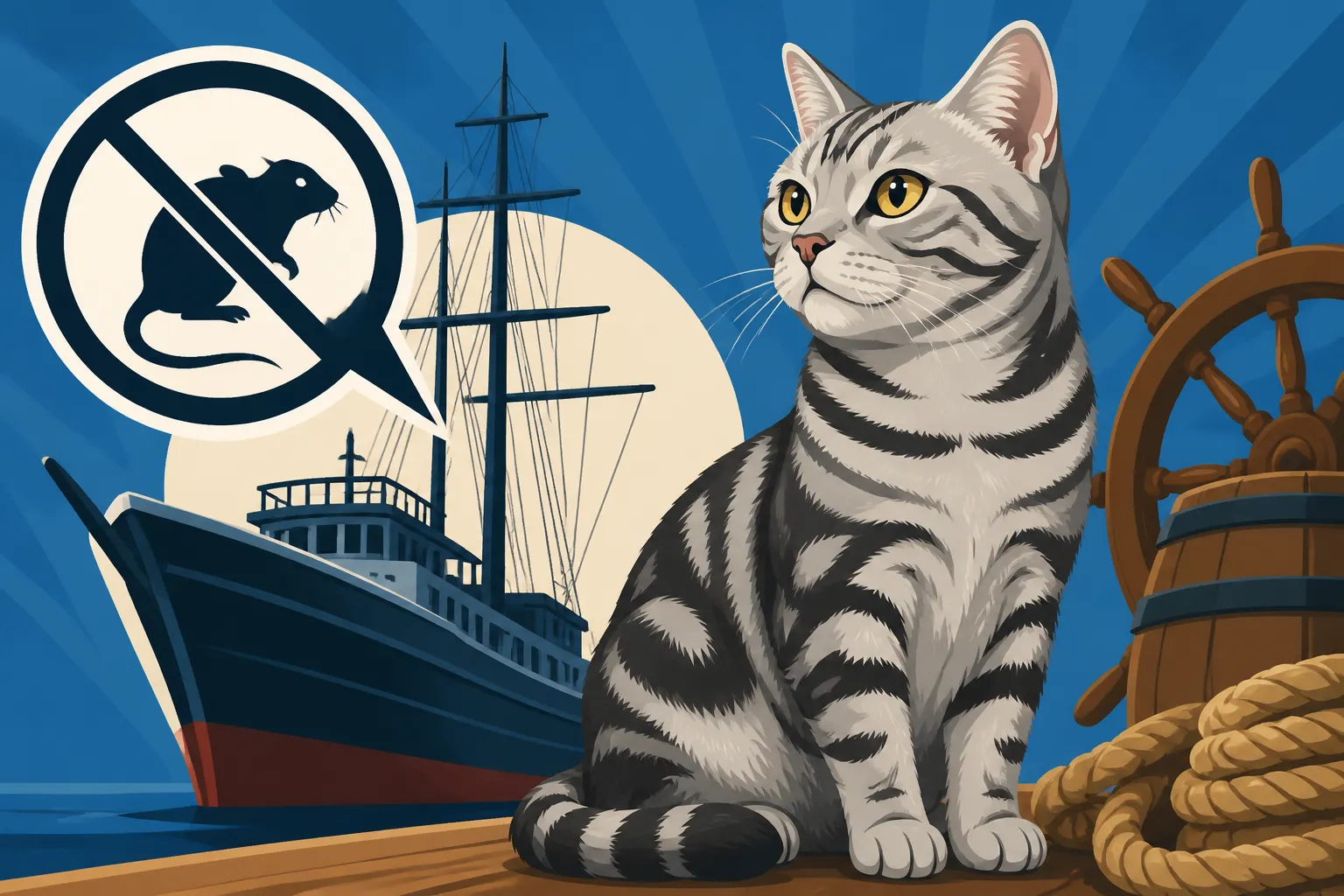
Imagine setting sail across the vast, unforgiving ocean centuries ago, with weeks or months stretching ahead before solid ground. One of the most insidious threats to any voyage wasn't just storms or pirates, but a silent, gnawing menace that could spoil provisions, damage the vessel, and spread disease: rodents. For generations, the only reliable defense against this relentless foe was the humble ship's cat, the true unsung hero of maritime history, whose descendants we know today as the sturdy, intelligent American Shorthair. This guide will delve into why these remarkable felines were not just companions, but absolutely indispensable for any ship hoping to complete its journey.
The Scourge of Pests at Sea: Why Cats Were Non-Negotiable
Before modern sanitation and pest control, sailing vessels were, unfortunately, havens for rats and mice. These weren't just a minor annoyance; they posed an existential threat to the success and safety of any voyage. The sheer numbers of rodents could be astounding, multiplying rapidly in the dark, undisturbed corners of a ship's hold. Without an effective countermeasure, a vessel could quickly become overrun, leading to dire consequences for both the crew and the mission.
The presence of these pests meant constant vigilance was necessary, but human efforts alone were often insufficient. Traps might catch a few, poison could be risky on a ship where food was stored, and the vast, shifting nature of a wooden vessel offered endless hiding spots. This is where the American Shorthair's ancestors, the original ship's cats, truly shone. They were a living, breathing, self-sustaining pest control system, silently patrolling the decks and holds, performing a vital service that no human could replicate with the same efficiency or dedication.
Protecting Vital Provisions and Water
One of the most immediate and devastating impacts of a rodent infestation on a ship was the destruction of provisions. Imagine trying to make a transatlantic journey with all your food and water stored below deck, only to discover it's been contaminated or consumed by rats. Grain sacks would be chewed through, barrels of salted meat gnawed open, and fresh water supplies fouled. In an era where scurvy and starvation were very real threats on long voyages, preserving every last bit of food and potable water was absolutely critical for survival.
A competent ship's cat, like the robust predecessors of the modern American Shorthair, was an active and tireless guardian of these precious resources. They would hunt relentlessly, targeting the rodents that sought to infiltrate the food stores. Their presence alone was often enough to deter new infestations, creating a hostile environment for pests. This protection extended beyond just food; rats could also chew through sails, ropes, and cargo, leading to costly damage or even rendering a ship unseaworthy. The early American Shorthair types were literal lifesavers, ensuring that the crew had enough to eat and drink to reach their destination. What the American Shorthair's Ancestors Did on a Crossing was far more than simply existing; it was a job of paramount importance.
Preventing Structural Damage and Disease
Beyond food, rodents posed a significant threat to the integrity of the ship itself. They would gnaw through wooden beams, ropes, and even electrical wiring (in later eras), compromising the vessel's structure and operational capabilities. A weakened mast, a frayed rope, or a compromised hull could mean disaster in a storm. These were not minor nuisances; they were potential catastrophic failures just waiting to happen, all instigated by tiny, multiplying creatures seeking shelter and food.
Furthermore, rats and mice were notorious carriers of diseases. Historically, outbreaks of plague, typhus, and other devastating illnesses often followed the trade routes, carried by the very vermin that infested ships. A disease outbreak on a cramped vessel, far from any medical aid, could decimate a crew, leaving the ship adrift or unable to function. The early American Shorthair types, through their vigilant pest control, played a crucial role in maintaining basic hygiene and preventing the spread of these deadly pathogens. They were an indispensable line of defense against both the seen and unseen dangers lurking in the dark corners of a ship. Ships Carried the American Shorthair's Ancestors as Ratters because their lives literally depended on it.
The Innate Hunting Prowess of the American Shorthair Ancestor
The characteristics that make the American Shorthair such a well-adjusted and healthy breed today are precisely what made their ancestors such exceptional ship's cats. They weren't bred for fancy looks or exotic traits; they were selected, generation after generation, for their practical skills, their intelligence, and their sheer tenacity. These were cats that earned their keep, often in the harshest environments imaginable.
Think about the conditions: a constantly moving platform, often damp and cold, with unpredictable seas and confined spaces. A cat needed to be robust, agile, and supremely focused on its task. The traits that were naturally selected for in these shipboard environments ultimately solidified the foundation for the American Shorthair breed, emphasizing health, hardiness, and an unwavering hunting instinct. It wasn't just any cat that could thrive in such a demanding role; it took a special kind of feline to be a truly effective ship's cat.
Natural Instincts Suited for Shipboard Life
The American Shorthair's ancestors possessed an incredibly strong prey drive, honed over centuries of living alongside humans as working cats, both on farms and, of course, on ships. This wasn't just a hobby for them; it was their purpose. They instinctively understood the movements and habits of their prey, making them incredibly effective hunters. They didn't need training; they simply were hunters. Why Centuries of Ratting Left the American Shorthair Its Drive is deeply ingrained in the breed's very essence.
This natural aptitude translated perfectly to the ship environment. Their keen senses, stealthy movements, and explosive pounces were ideally suited for rooting out rats and mice from tight compartments, cargo holds, and beneath floorboards. Unlike humans, they could navigate the ship's labyrinthine passages with ease, access tiny spaces, and hunt through the night. A single ship's cat could keep an entire vessel remarkably clear of rodents, allowing the crew to focus on sailing and navigation, free from the constant worry of pest damage and disease.
Adaptability to a Confined, Moving Environment
Life at sea is far from stable. Ships pitch and roll, constantly shifting beneath your feet. For many animals, this would be disorienting and stressful. However, the American Shorthair's ancestors demonstrated a remarkable adaptability to this challenging environment. Their muscular, well-balanced build, which we still see in the breed today, provided them with excellent stability even on a turbulent deck. They were built for agility and sure-footedness, traits essential for navigating a moving vessel.
Moreover, these cats were highly independent. They weren't delicate creatures that needed constant pampering. They were self-sufficient, finding their own perches, hunting their own food (the vermin, of course!), and generally taking care of themselves. This independence, coupled with their calm demeanor, made them ideal shipmates. They weren't prone to panic, and they understood their place in the ship's ecosystem. Their ability to remain unfazed by the constant motion and confined quarters meant they could consistently perform their duties, regardless of the conditions. How Many Rats an American Shorthair Ancestor Killed at Sea is a testament to their dedication.
More Than Just Pest Control: Companionship and Morale
While their primary role was undeniably pest control, the ship's cat offered something equally, if less tangibly, vital: companionship and a boost to morale. Life at sea could be incredibly lonely, harsh, and monotonous. Weeks and months could pass without seeing land or another soul. The psychological toll on sailors was immense, and anything that offered comfort or a connection to home was deeply cherished.
The quiet, comforting presence of a cat could make all the difference. They were a familiar, friendly face in an alien and often dangerous world. Sailors would often form deep bonds with their ship's cats, seeing them as part of the crew, sometimes even considering them good luck charms. This emotional support, though rarely explicitly documented in ships' logs, was undoubtedly a critical factor in maintaining the well-being of the men far from home. Today, your American Shorthair still offers that quiet, reassuring presence, even if it's just curled up on a comfy bed you picked up from a place like Chewy.
A Touch of Home on Long Voyages
For sailors, a ship was both their workplace and their temporary home. But it was often a harsh, impersonal place. A cat, with its domesticity and warmth, brought a much-needed touch of home to the stark realities of maritime life. Just seeing a cat curl up for a nap or stretch out in a sunbeam on deck could evoke powerful feelings of comfort and nostalgia for home and hearth. They were a living, breathing connection to the world ashore.
These cats became symbols of continuity and normalcy. They were a steady presence amid the unpredictable nature of the sea, a small, furry anchor in a world of constant motion and change. Sailors would share their meager rations with them, talk to them, and offer them affection, finding solace in the reciprocal bond. The Mayflower Cats Behind the American Shorthair certainly offered this quiet comfort to the early voyagers, just as much as they kept the ships free of vermin. This wasn't just about utility; it was about humanity in a setting that often stripped it away.
Stress Reduction for Sailors
Life on a sailing ship was fraught with stress. The dangers of storms, the threat of attack, the constant physical labor, and the ever-present risk of illness or injury created a high-tension environment. Having a calm, affectionate animal around could significantly reduce this stress. The simple act of petting a cat has been shown to lower blood pressure and release feel-good hormones, and this would have been just as true for weary sailors centuries ago.
The cats served as a quiet, non-judgmental confidante, a source of gentle amusement, and a distraction from the harsh realities of their existence. When storms raged or morale dipped, a cat's purr or gentle head-butt could offer a moment of peace and a reminder of life's simpler joys. This emotional support, though hard to quantify, was invaluable for maintaining the mental resilience of the crew. It transformed a purely functional vessel into something a little more akin to a home, and the American Shorthair ancestors were at the heart of that transformation. Whether the American Shorthair's Ancestors Were Bought or Kept Free might not seem relevant to morale, but the affection given to a 'free' working cat often forged even stronger bonds.
Historical Roles of Ship's Cats: A Summary
The American Shorthair's ancestors played an undeniable and multifaceted role in maritime history, demonstrating a combination of practical utility and emotional support that few other animals could provide. Their contributions were literally vital for exploration, trade, and even warfare.
| Aspect of Ship Life | Problem Presented by Rodents | Solution Provided by Ship's Cat |
|---|---|---|
| Provisions | Contamination, consumption, spoilage of food and water | Active hunting, deterring infestations, protecting supplies |
| Structural Integrity | Gnawing on ropes, wood, sails, causing damage and weakening ship | Eliminating gnawing pests, preserving ship's structure |
| Health & Safety | Spreading disease (e.g., plague, typhus), risk of bites | Reducing disease vectors, promoting basic hygiene |
| Crew Morale | Loneliness, stress, monotony, lack of comfort | Providing companionship, comfort, and a 'touch of home' |
| Navigation | Distraction, potential damage to maps/instruments | Maintaining a clean, focused environment for critical tasks |
From the earliest voyages of exploration to the naval battles of more recent centuries, these resilient felines were silently working alongside their human counterparts. It's a rich history that continues to define the breed today. Where the First American Shorthairs Came Ashore marks the start of their journey from ship's cat to beloved household pet and official breed.
The Legacy of the Ship's Cat in the Modern American Shorthair
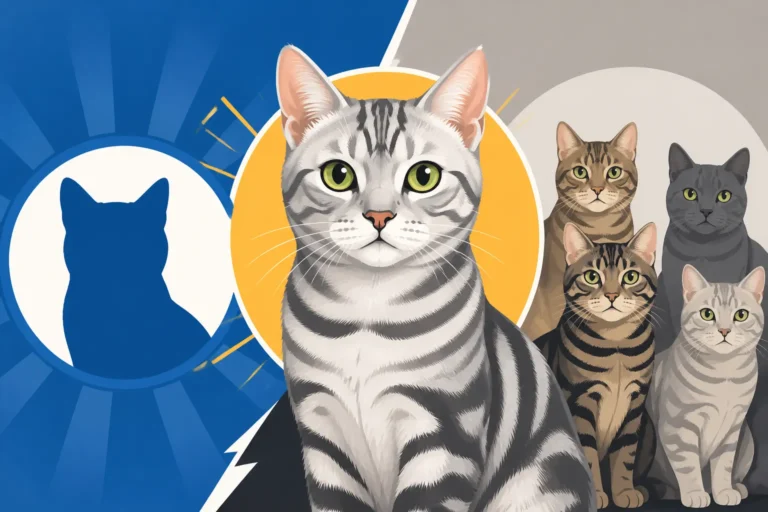
The incredible journey from a working ship's cat to the pedigreed American Shorthair we know today is a testament to their enduring qualities. These aren't just pretty cats; they carry the legacy of resilience, intelligence, and adaptability in their very genes. When you see an American Shorthair calmly observing its surroundings or stalking a toy, you're witnessing the echoes of generations of skilled hunters who were indispensable to human endeavor.
Their ancestors were pragmatic survivors, and those traits are still evident. Today's American Shorthair is known for its robust health, easy-going temperament, and natural hunting instincts. They are often described as "low maintenance" and "good with families," traits that likely stem from their ability to adapt and thrive in diverse, often challenging environments. They learned to be independent yet sociable enough to coexist peacefully with humans, a perfect combination for a loyal companion. Why Early Settlers Wanted an American Shorthair's Ancestors for similar practical reasons to the sailors.
Enduring Traits: Hardiness and Adaptability
The environment of a ship selected for hardiness. Only the strong, healthy, and adaptable cats survived and reproduced. This natural selection gifted the American Shorthair breed with a generally robust constitution and few inherent health problems, making them one of the healthier pedigreed cat breeds today. They can handle changes in environment and routine with a surprising degree of calm, a direct inheritance from ancestors who lived on a constantly moving, ever-changing stage.
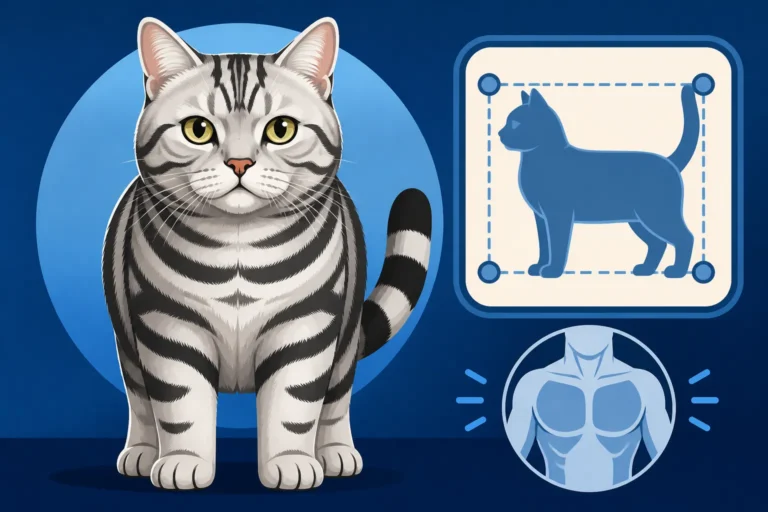
This hardiness also extends to their physical form. The American Shorthair is a medium-to-large cat with a muscular, powerful build. This isn't just for show; it's a functional physique, perfect for an active hunting life. Their dense, protective coat, which provided insulation against the elements at sea, is still a hallmark of the breed. It sheds seasonally but generally requires minimal grooming, again reflecting a self-sufficient ancestry that didn't have humans constantly brushing them. How Strong an American Shorthair's Hunting Drive Is remains a key characteristic, even if their prey is now a feather wand instead of a rat.
A Natural Hunter Even Indoors
Even though most modern American Shorthairs live comfortable indoor lives, their inherent hunting drive remains incredibly strong. This is a crucial aspect of their care that owners need to acknowledge and cater to. A well-adjusted American Shorthair needs opportunities to "hunt" and express those deeply ingrained instincts, even if it's just chasing a laser pointer or pouncing on a crinkly toy. How an American Shorthair Hunts is a natural process that still needs an outlet.
Providing appropriate enrichment, such as interactive toys, puzzle feeders, and regular play sessions, is essential for their mental and physical well-being. Without these outlets, they might resort to "hunting" household items or even your ankles, simply because their instincts demand satisfaction. It's a beautiful connection to their past, a living reminder of their vital role on those ancient ships. They may no longer be saving cargo from rodents, but they are still carrying on a noble tradition in a new, softer form.
Disclaimer
This article is for general informational purposes only and does not constitute professional advice. Laws, prices and regulations vary by location and change over time. Consult a qualified professional for guidance on your specific situation.