Which Colors an American Shorthair Comes In
It's easy to look at an American Shorthair and think of one specific look – that iconic silver tabby with its bold markings. You might even assume that's the only color this wonderful breed comes in. But oh, my friend, you'd be missing out on a whole spectrum of beauty! The truth is, these robust, adaptable cats boast an incredible array of coats, patterns, and eye colors, each one as unique and captivating as the last. This guide is going to take you on a journey through the stunning diversity of American Shorthair colors, helping you appreciate every shade and stripe this historic breed has to offer.
The American Shorthair's Rainbow of Colors
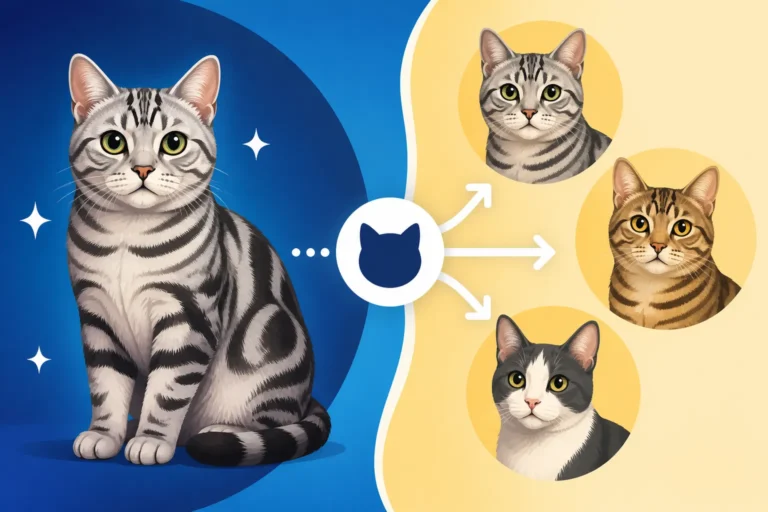
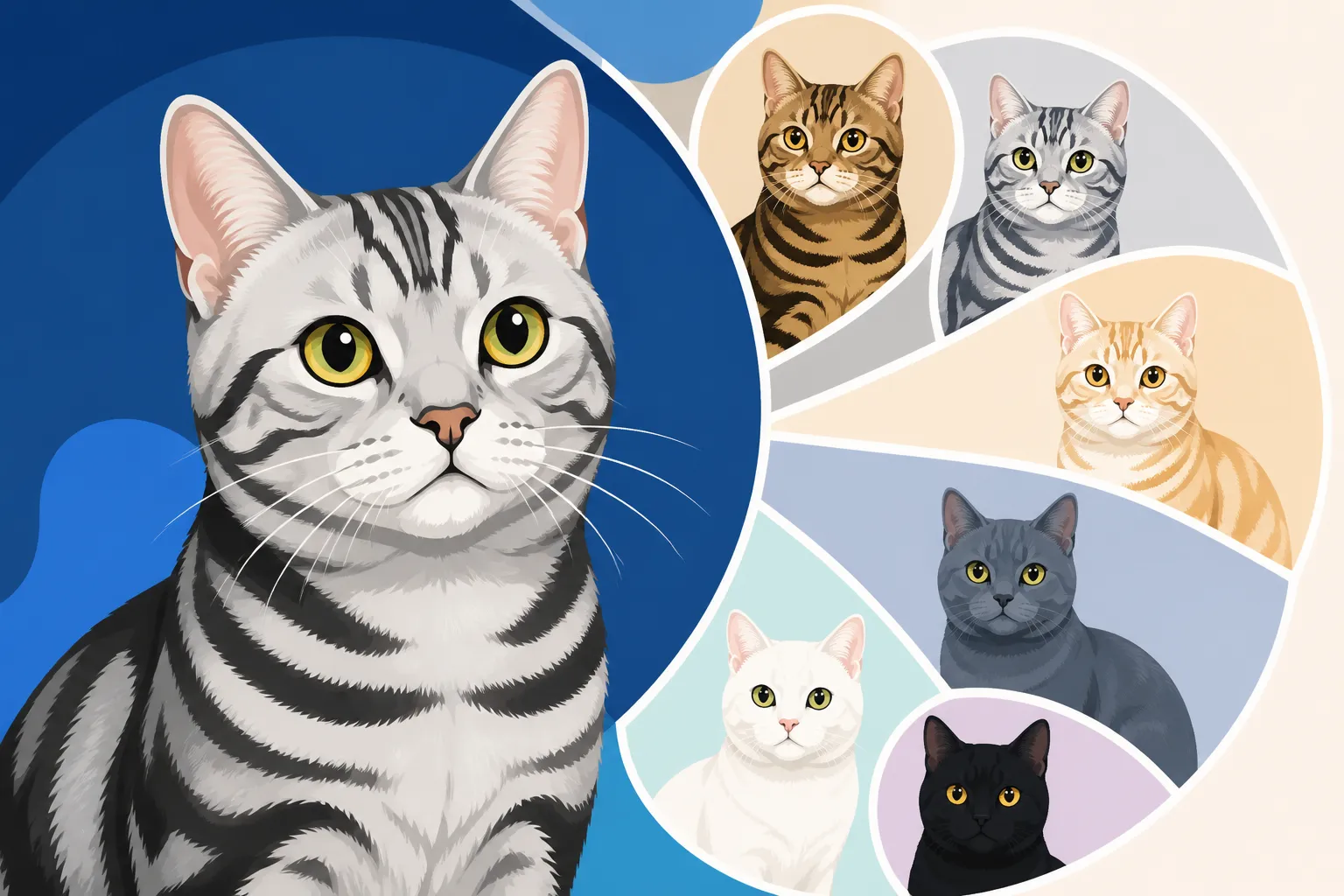
When you think "American Shorthair," the image of a striking silver tabby with emerald green eyes often springs to mind. And for good reason! That particular look is incredibly famous and has truly become the face of the breed. However, to truly appreciate these magnificent felines, we need to broaden our horizons and understand that the American Shorthair is a canvas for an almost endless variety of colors and patterns. They are truly one of the most genetically diverse pedigreed cats out there.
Beyond the Famous Silver Tabby
Let's face it, the silver tabby American Shorthair is a star. It's the cover model, the "it" cat that often appears in advertising and breed guides, making it instantly recognizable. You can see why Why the Silver Tabby Became the American Shorthair's Face is such a compelling topic for many enthusiasts. That crisp silver coat contrasting with dense black markings is truly a sight to behold, and it definitely sets a high bar for feline aesthetics.
But here’s the wonderful secret: while the silver tabby is gorgeous, it's just one chapter in the American Shorthair's colorful story. This breed was developed from working cats across North America, and their genetic heritage is rich with all sorts of natural variations. So, while you might walk into a room expecting to see that signature silver, you could just as easily be greeted by a cat of solid cream, a deep brown tabby, or even a calico that looks like a patchwork quilt. Each color and pattern tells a story of the breed’s deep and varied roots.
Why So Many Variations Exist
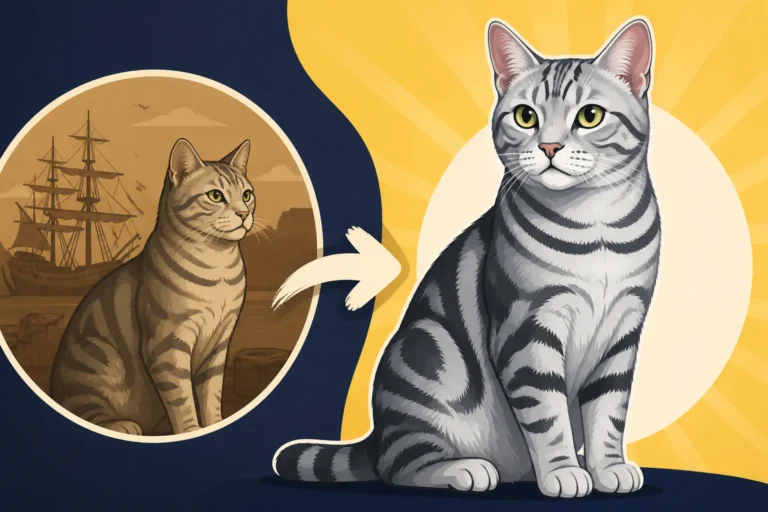
The incredible array of colors we see in the American Shorthair today isn't some accident or recent breeding trend; it's deeply rooted in the breed's history. These cats originated from domestic shorthairs brought over by early settlers, valued primarily for their mousing skills, not their fancy coats. They were essentially landrace cats, developing naturally over centuries across the continent, adapting to different environments and interbreeding with local cat populations. This free-ranging, working-class ancestry meant a huge, open gene pool.
Unlike some breeds that were developed through very selective breeding programs focusing on a narrow set of traits, the American Shorthair's genetic diversity remained largely intact. When they finally began to be formally recognized and bred to a standard, the breeders wisely chose to celebrate this natural variety rather than restrict it. This is why the breed standard today embraces such a wide range of colors and patterns. You might wonder How Wide the American Shorthair's Gene Pool Really Is and it's this breadth that allows for such a dazzling display of feline fashion.
Classic Tabby Patterns and Their Hues
The tabby pattern is probably the most common and recognizable in the cat world, and the American Shorthair showcases it beautifully in several distinct styles. Each tabby pattern has its own charm and way of displaying the underlying colors. It’s not just about the stripes; it’s about how those stripes flow and interact with the cat's sturdy, muscular body. Understanding these patterns is key to truly appreciating the breed's coat complexity.
The Striking Classic Tabby
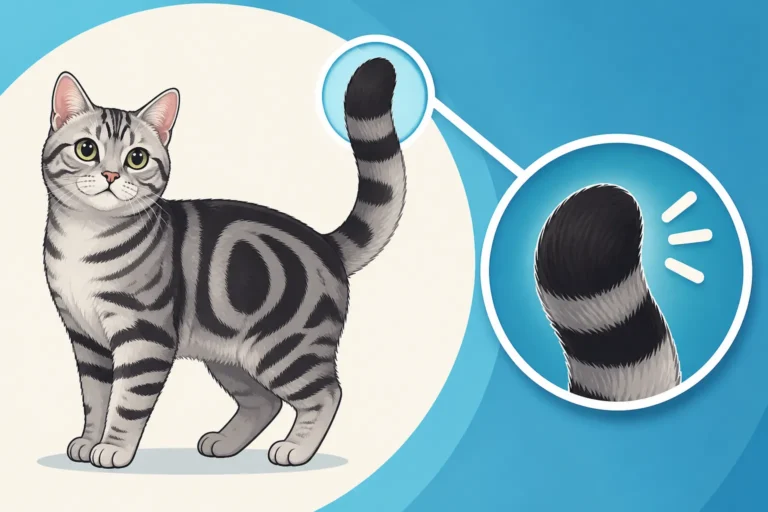
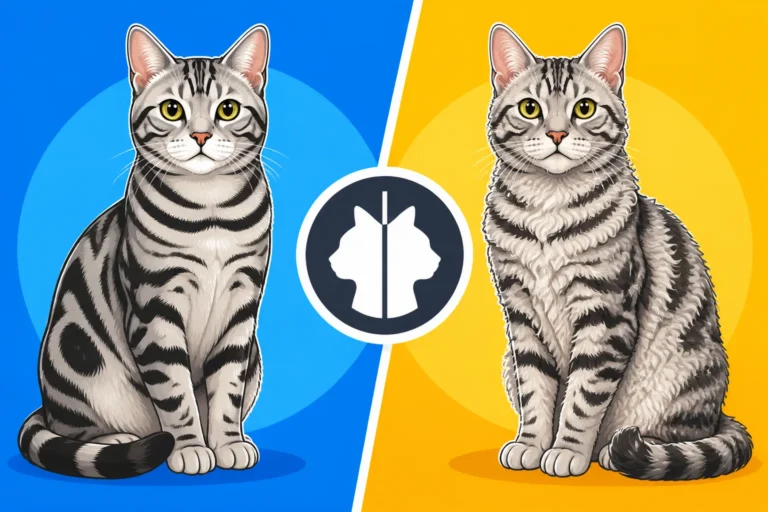
Also affectionately known as the "blotched" or "marbled" tabby, the classic tabby pattern is a true showstopper. Instead of thin stripes, you'll see broad, swirling patterns on the cat's sides, often resembling a bullseye or an oyster shell. On the shoulders, it usually forms a distinct "butterfly" pattern. This is often the pattern people think of when picturing a substantial, traditional tabby.
Beyond the pattern itself, the classic tabby comes in numerous color combinations. The most famous is, of course, the silver classic tabby, with its stark black markings on a bright, shimmering silver background. But you'll also find brown classic tabbies, featuring rich black patterns on a coppery or brownish-gold ground, or red classic tabbies, showcasing deeper red patterns on a lighter red or cream base. There are also blue classic tabbies (grey patterns on a lighter grey) and cream classic tabbies (cream patterns on an even lighter cream), each with its own soft, appealing aesthetic. If you’re ever curious, What a Classic Tabby American Shorthair Is goes into even more detail about this specific pattern.
The Elegant Mackerel Tabby
If the classic tabby is the swirls and blotches, the mackerel tabby is all about the stripes! This pattern is characterized by narrow, unbroken parallel stripes running vertically down the sides of the cat, much like the skeleton of a fish (hence "mackerel"). These stripes extend from a distinctive "necklace" of lines on the chest, often wrapping around the body in a clean, elegant fashion. On the forehead, you'll always find that characteristic "M" shape, a universal hallmark of all tabby cats.
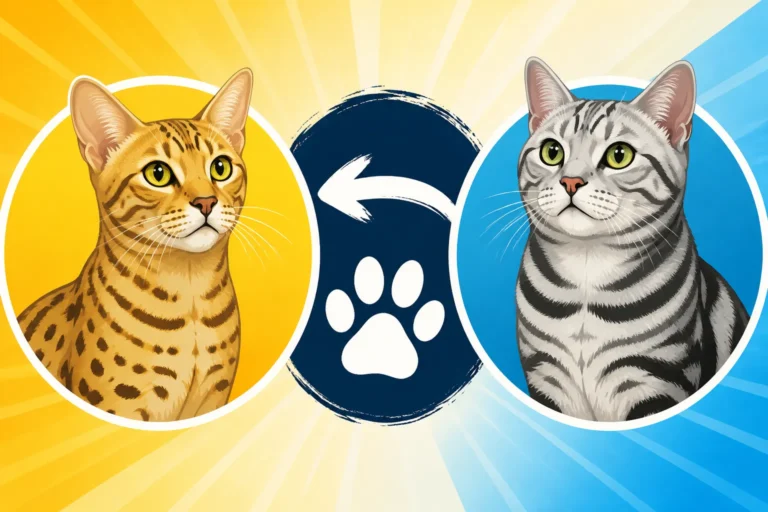
Mackerel tabbies, too, come in a stunning array of colors. The brown mackerel tabby is a very common and beloved sight, with its dark, almost black stripes on a warm brown or tawny background. Silver mackerel tabbies offer a crisper, more defined look with black stripes on a silver ground. You can also find red mackerel tabbies, blue mackerel tabbies, and even cream mackerel tabbies. Each variation accentuates the sleek lines of the pattern in its own beautiful way, making for a truly dynamic and attractive coat. For more insight into this specific pattern, you can explore What a Mackerel Tabby American Shorthair Is.
The Understated Ticked Tabby
The ticked tabby is a bit of a chameleon in the tabby world because it doesn't have the obvious stripes or blotches that the classic or mackerel patterns do. Instead, the individual hairs on the cat's body are "ticked" with bands of different colors, usually light and dark, giving the coat a shimmering, almost iridescent effect. Think of a wild rabbit or an Abyssinian cat – that's the ticked pattern at its finest. While the body may appear solid or minimally patterned, you'll still typically find residual tabby markings on the face, legs, and tail, along with the signature "M" on the forehead.
This pattern creates a wonderful depth to the American Shorthair's coat, making it look incredibly rich and textured. Ticked tabbies come in all the familiar color varieties: silver, brown, red, blue, and cream. A brown ticked tabby, for example, will have a warm, earthy look, while a silver ticked tabby will shimmer with shades of grey and black. It's a subtle but sophisticated pattern that truly highlights the natural beauty of the American Shorthair's fur.
The Patchwork of the Patched Tabby
The patched tabby combines the beauty of any of the tabby patterns (classic, mackerel, or ticked) with distinct patches of red or cream. This genetic phenomenon is almost exclusively seen in female cats because the genes for red/cream and black/dilute colors are carried on the X chromosome. This means male patched tabbies are incredibly rare and often come with unique genetic considerations.
The "patches" can be quite dramatic and clearly defined, or they can be more intermingled, creating a "tortie-tabby" or "torbie" appearance. For example, you might see a silver mackerel tabby with bold orange or cream patches splashed across her side. Or perhaps a brown classic tabby with distinct areas of red fur. This combination creates a truly unique and vibrant coat, making each patched tabby a one-of-a-kind work of art. These cats often have dynamic personalities to match their striking appearance!
Solid Colors and Their Unique Charm
While American Shorthairs are famous for their tabby patterns, they also come in a lovely selection of solid colors. These coats are just as beautiful and showcase the breed's sturdy build in a different light, emphasizing the depth and richness of a single hue. A solid-colored American Shorthair often has a sleek, polished look that is distinct from their patterned cousins.
The Depth of Black, Blue, and Red Solids
Solid colored American Shorthairs can be incredibly striking. A true solid black American Shorthair is a magnificent creature, with fur that is deep, dense, and uniformly black from root to tip. In some lights, you might even see a faint underlying tabby pattern, often called "ghost striping," especially in kittens or cats with thinner coats, which hints at their tabby ancestry. These cats often have eyes that gleam like copper pennies, creating a dramatic contrast.
The solid blue American Shorthair is equally captivating. "Blue" in the cat world refers to a beautiful shade of grey, ranging from a light slate to a deep, dark charcoal. This is a dilute version of black, giving the coat a soft, velvety appearance. Blue cats also tend to have captivating gold or copper eyes. Then there's the solid red, often called "ginger" or "orange." These cats are a vibrant spectacle, with fur that can range from a light marmalade to a deep, rich rust. Their coats should ideally be free of tabby markings, though sometimes faint ghost striping can be seen, much like in solid blacks. It's a lively color that perfectly complements the American Shorthair's friendly disposition.
The Purity of White
A solid white American Shorthair is a vision of pristine elegance. Their coat should be pure white, without any shading or tabby markings, truly standing out in any crowd. The genetics behind white coats can be fascinating. Some white cats are genetically red, black, or tabby underneath, but a dominant white gene completely covers up all other colors.
It's widely known that white cats, especially those with blue eyes, can sometimes be associated with deafness. However, not all white American Shorthairs are deaf, and not all blue-eyed white cats are deaf. The association is primarily with the dominant white gene and its interaction with the development of the inner ear. Many white American Shorthairs have gold, copper, or odd eyes (one blue, one gold/copper), and generally, only blue-eyed white cats are at a higher risk. This is definitely something a responsible breeder would screen for, as discussed in What an American Shorthair Breeder Should Have Screened. Nevertheless, a pure white American Shorthair is a stunning example of the breed's diversity.
Cream and Other Dilutes
Beyond the main solid colors, American Shorthairs also come in a range of beautiful dilutes. Cream is the dilute version of red, resulting in a soft, pastel orange or peach hue. It's a lovely, gentle color that perfectly matches the breed's calm temperament. A solid cream American Shorthair has a wonderfully warm and inviting appearance, often with lighter gold eyes.
Other dilute colors exist, though they are less common than black, blue, red, and cream. These might include various shades of chocolate or lavender, or their dilute forms, though these are more frequently seen in breeds that have been specifically developed for such exotic colorations. The genetic blueprint of the American Shorthair primarily favors the more traditional, robust color palette derived from its working cat ancestors. Nonetheless, the subtle beauty of a cream American Shorthair is undeniable and a testament to the breed's rich genetic tapestry.
Shaded and Smoke Varieties: A Touch of Mystery
If you're looking for a coat that offers more than just a single color or a bold pattern, the shaded and smoke varieties of the American Shorthair are truly captivating. These coats play with light and depth, creating an illusion of movement and mystery that is absolutely breathtaking. They are often less common but incredibly striking when you encounter one.
The Shimmer of Shaded Silvers and Goldens
Shaded American Shorthairs are all about tipping. This means that only the very ends of the individual hairs are colored, while the undercoat remains a lighter, often pristine white or cream. The result is a stunning, shimmering effect that shifts as the cat moves, making the coat appear to sparkle. The depth of color can vary, from very light tipping to a more distinct "mantle" of color over the back.
The most famous of these is the shaded silver, where the ends of the hairs are black or blue, giving the cat a magnificent silvery sheen that can look almost ethereal. Imagine a cat that seems to glow with moonlight! Then there are shaded goldens, which have a similar tipping effect but with a warm, golden undercoat and black or brown tipping. This gives them a rich, luxurious appearance, as if bathed in perpetual sunset. Both shaded varieties are true masterpieces of feline genetics, and they truly stand out in any gathering. They almost feel like they belong on a special display, perhaps something you'd see proudly featured on a Chewy brand pet portrait.
The Intrigue of Smoke
Smoke American Shorthairs are a study in contrasts and an absolute delight for those who appreciate a subtle surprise. At first glance, a smoke cat appears to be a solid color – usually solid black, solid blue, or even solid red/cream. Their guard hairs are uniformly colored, giving the impression of a dense, single-colored coat. However, the magic happens when the cat moves, or when you part their fur.
Underneath that solid-colored exterior lies a striking white or very pale silver undercoat! When the cat walks, stretches, or is simply stroked, flashes of this lighter undercoat peek through, creating a dramatic, smoke-like effect. A black smoke, for instance, looks like a solid black cat until you see the snowy white roots, making it seem as if the cat is constantly enveloped in a wisp of smoke. Blue smokes have a lighter grey surface that reveals white, and red smokes have a red surface with a cream undercoat. It’s a truly intriguing and beautiful variation that highlights the depth and complexity of the American Shorthair's coat.
Parti-Colors and Bi-Colors: A Canvas of Combinations
For those who love a splash of multiple colors on their feline companions, the American Shorthair delivers with its beautiful parti-color and bi-color patterns. These combinations create some of the most visually diverse and often charming cats in the breed, celebrating the random artistry of genetics.
The Classic Calico and Tortoiseshell
When you see a cat with patches of black, red (or orange), and white, you’re almost certainly looking at a Calico. The American Shorthair's version of the calico is as stunning as any, with clear, distinct patches of these three colors. The patches can vary greatly in size and placement, making each calico truly unique. If the white is absent, and you have a mix of black and red/orange, then you're looking at a Tortoiseshell, often abbreviated to "tortie." Torties can have either distinct patches or a more "brindled" or intermingled effect of colors.
Genetically, both calico and tortoiseshell cats are almost exclusively female. This is because the genes for black and red fur color are carried on the X chromosome. For a cat to display both black and red, it needs two X chromosomes (XX), which makes it female. Male calico or tortie cats are extremely rare and usually have a genetic abnormality (XXY). The American Shorthair displays these vibrant combinations beautifully, often with gold or copper eyes that complement their rich coats. They are known for having big personalities to match their bold colors!
The Balanced Bi-Color
Bi-color American Shorthairs are characterized by patches of white combined with one other solid color or a tabby pattern. This creates a beautifully balanced and often very pleasing aesthetic. The amount of white can vary wildly, from a cat that is mostly colored with just a small white locket and paws (often called "mitted") to a cat that is predominantly white with only small patches of another color.
Common bi-color combinations include black and white ("tuxedo" cats if the white is limited to paws, chest, and face markings), blue and white, red and white, and cream and white. You can also find tabby and white bi-colors, which combine any of the tabby patterns (classic, mackerel, or ticked) with white patches. For example, a striking silver tabby and white American Shorthair would have the classic silver tabby pattern alongside clear white areas. The standard often looks for a certain distribution of white, but regardless of the exact pattern, a well-marked bi-color American Shorthair is always a handsome sight. It's truly amazing to consider How Many Colors the American Shorthair Standard Allows when you see all these variations.
Understanding Eye Color and Its Relation to Coat
While the American Shorthair's coat color is a primary feature, the eyes are often the windows to their soul, adding another layer of beauty and character. The eye color typically complements the coat, enhancing the overall appearance and giving each cat a unique expression.
Golden, Green, and Copper Eyes
For most American Shorthairs, regardless of their coat color or pattern, you'll find their eyes falling into a beautiful spectrum of gold, green, or copper.
Golden eyes are perhaps the most common, ranging from a pale yellow-gold to a deep, rich amber. These eyes pair wonderfully with almost any coat color, adding warmth and brightness. They look particularly striking against brown tabbies, black solids, and red coats.
Green eyes can range from a vibrant emerald to a softer chartreuse. They are famously associated with silver tabby American Shorthairs, creating that iconic, breathtaking contrast. The crisp black markings against the silver fur, coupled with those piercing green eyes, truly create a memorable look.
Copper eyes are a deeper, more intense version of gold, often with an almost reddish hue. These deep, rich eyes are incredibly captivating and tend to be seen in cats with darker coats, such as solid blacks or deep brown tabbies, where they provide a warm, glowing contrast. It’s always fascinating to understand Which Eye Color Goes With Each American Shorthair Color.
The Rare Blue Eyes
While gold, green, and copper are the standard, blue eyes do appear in American Shorthairs, though they are considered rare and are almost exclusively seen in solid white cats or sometimes in certain colorpoint patterns (though true colorpoints are not part of the traditional American Shorthair standard). The gene that causes a cat to be entirely white can also sometimes affect eye color, leading to stunning blue eyes.
As mentioned earlier, there's a known association between solid white coats, blue eyes, and deafness. However, it's not a guarantee. Some blue-eyed white American Shorthairs will have perfect hearing, while others might be deaf in one or both ears. Odd-eyed white American Shorthairs, with one blue eye and one gold/copper eye, are also a beautiful possibility, and often, the ear on the blue-eyed side is the one more prone to deafness. These cats are truly unique and command attention, but potential owners should be aware of the health considerations. It’s a topic that delves into the intricacies of genetics and what What an American Shorthair Looks Like by the Standard allows.
Disclaimer
This article is for general informational purposes only and does not constitute professional advice. Laws, prices and regulations vary by location and change over time. Consult a qualified professional for guidance on your specific situation.