Which Eye Colors an American Shorthair Has
It's so easy to look at a beautiful American Shorthair and assume all their eyes are just "cat eyes," especially when they share so many characteristics with our beloved domestic tabbies. But if you've ever spent a moment truly gazing into their eyes, you’ll notice a captivating depth and a surprising array of colors that go far beyond a simple gold or green. This guide is dedicated to exploring the stunning spectrum of eye colors you can find in American Shorthairs, helping you understand what makes each shade unique and how they fit into the breed's distinctive charm.
The Classic American Shorthair Eye Color Spectrum
When you think about the typical American Shorthair, what eye color first springs to mind? For many, it's often a warm, inviting shade that perfectly complements their rugged, wholesome appearance. These cats, after all, were bred for function, not just flashy looks, and their eye colors reflect that natural, hardy heritage. They’re not prone to the extreme eye colors you might see in some designer breeds; instead, their gaze offers a palette of earthy and jewel tones that speak to their history as resilient working companions.
Golden to Green: The Most Common Hues
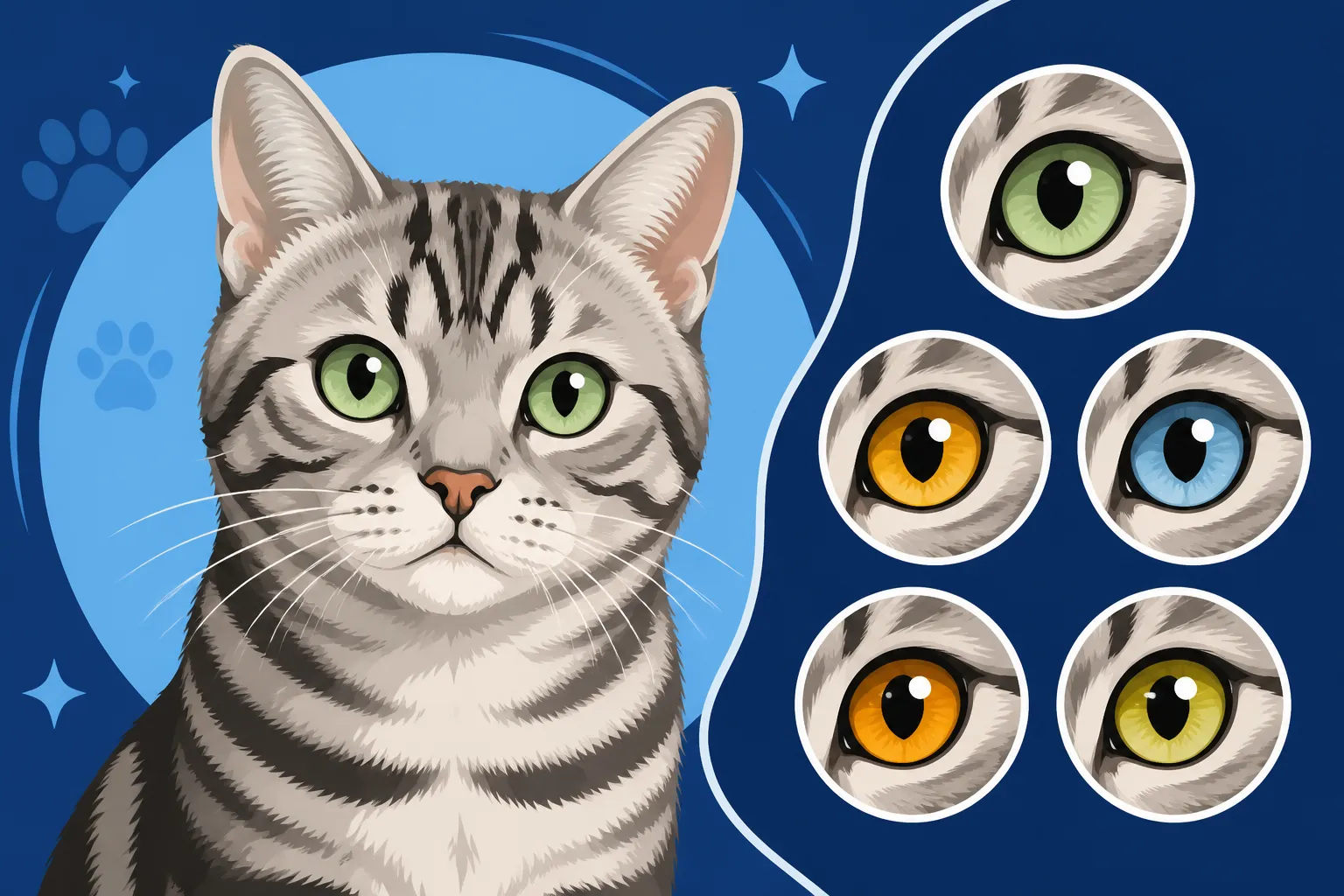
The most frequently seen and widely celebrated eye colors in the American Shorthair breed range from a brilliant gold to a striking emerald green. Imagine a sturdy silver tabby with eyes like polished jade, or a classic brown tabby whose gaze holds the warmth of liquid gold. These aren't just random occurrences; these colors are deeply rooted in the breed's genetic makeup and are often highly prized. The prevalence of these hues speaks to their natural origins and the fact that these were the sturdy, healthy colors that naturally occurred and were selected for utility rather than exoticism.
Within this spectrum, you'll find an incredible depth of variation. A golden eye might be a bright, sunny yellow, or it could deepen into a rich, burnished copper. Similarly, green eyes can range from a pale, almost chartreuse shade, all the way to a deep, mossy forest green that almost borders on emerald. These variations add to the individual character of each cat, making every glance a unique experience. It’s this natural range that makes the American Shorthair so universally appealing, and why their eyes truly are a window into their enduring, adaptable spirit.
Copper and Brass: Warmth in Their Gaze
Beyond the more general "gold," many American Shorthairs exhibit truly breathtaking copper and brass-colored eyes. These aren't just a shade of brown; they are rich, intense, and often sparkle with an inner fire that perfectly matches the breed's sturdy, no-nonsense demeanor. These deep, warm tones are particularly stunning when paired with certain coat colors, creating a harmonious and aesthetically pleasing overall appearance. Think of the warm, inviting glow of an old penny or the solid gleam of polished brass—that’s the kind of depth these eyes can possess.
This spectrum often carries a slight reddish-brown undertone, distinguishing it from a bright yellow gold. It brings a certain gravitas and maturity to their expression, making them seem wise and observant. You'll frequently see these rich, deep copper or brass eyes in American Shorthairs with warmer coat tones, such as red tabbies, brown tabbies, or even some patched tabbies. The way these eye colors absorb and reflect light can change throughout the day, offering new glimpses of their inherent beauty. They are a testament to the natural, earthy tones that define so much of the American Shorthair’s appeal.
The Striking Green: A Nod to Nature
Then there's the green eye, which, especially when paired with a silver tabby coat, has become one of the most iconic and desired looks for the American Shorthair. These eyes can range from a delicate lime green to an intense, vibrant emerald, often captivating anyone who looks their way. There's something undeniably magnetic about a silver American Shorthair with piercing green eyes, almost as if they hold a tiny piece of the forest in their gaze. This specific combination is often highlighted in breed standards and show rings, making it a hallmark of the breed's beauty.
The contrast between the cool, silvery tones of the fur and the warm, lively green of the eyes is simply breathtaking. It’s a natural masterpiece, reflecting the harmonious balance that breeders strive for. While green eyes are most famously associated with the silver tabby, you can also find them in other coat patterns and colors, though perhaps less frequently or with a different intensity. The green can appear clearer and brighter in some cats, while in others, it might have more of a yellow or golden undertone, leading to a hazel green. It truly shows the natural diversity within what seems like a single category of eye color.
When Coat Color Influences Eye Color
It's fascinating how a cat's fur color can so often hint at the color of their eyes. In the world of American Shorthairs, this connection is particularly strong, with certain coat patterns being almost synonymous with specific eye hues. It’s not just a coincidence; it's often a genetic dance that results in these beautiful, complementary pairings. Understanding these relationships can help you appreciate the thought and care that goes into breeding these magnificent animals, and why certain combinations are so highly prized.
Silver Tabbies and Their Emerald Gaze
If you've ever seen an American Shorthair gracing the cover of a calendar or featured in a breed book, chances are it was a silver tabby with luminous green eyes. This combination is perhaps the most famous and highly sought-after pairing within the breed. The crisp, clean silver of their coat, often accented with bold black tabby markings, creates the perfect canvas for those vivid green eyes to truly pop. It’s a classic look that defines the elegance and traditional beauty of the American Shorthair. Many enthusiasts consider this the quintessential American Shorthair appearance. This striking contrast is why The Silver Tabby That Made the American Shorthair Famous often had those mesmerizing green eyes.
The genetic link between the silver gene in the coat and green eye color is quite strong, though not absolute. While most silver tabbies will indeed develop beautiful green eyes, you might occasionally encounter one with eyes that lean more towards a golden or hazel tone. However, for show purposes and for those aiming for the classic look, a brilliant green is definitely the ideal. Breeders meticulously work to produce this combination, understanding its appeal and its place within the breed's established aesthetic.
Brown Tabbies and the Golden-Green Spectrum
Moving from the cool silvers, we find the warm and inviting brown tabbies, whose eye colors tend to lean towards the warmer end of the spectrum. Gold, copper, and hazel eyes are the most common companions to a brown tabby coat, creating a rich, earthy harmony. Imagine the deep, dark brown markings against a warm coppery background, all complemented by eyes that glow like amber or a clear autumn leaf. This aesthetic is as classic and comforting as the breed itself, embodying the American Shorthair's robust and friendly nature.
While golden and copper tones are predominant, it's not unusual to see a brown tabby with lovely green eyes, or even a hazel that carries significant green flecks. The hazel can be particularly intriguing, shifting between green, gold, and light brown depending on the light and the cat's mood. This versatility in eye color ensures that each brown tabby, while adhering to the breed's general look, still has its own unique visual signature. For many, the warm tones of a brown tabby with their complementary eye colors are simply irresistible.
Solid and Dilute Colors: Expecting Gold or Copper
When we venture beyond the tabby patterns into the solid and dilute colors of the American Shorthair, the eye color expectations often shift predominantly towards gold or copper. Cats with solid coats—like black, white, blue, or cream—and those with dilute patterns tend to showcase these warm eye tones, rather than the striking greens so often associated with the silver tabby. Think of a sleek, solid black American Shorthair with eyes like molten gold, or a soft, blue cream with gentle copper eyes. These combinations are equally stunning and are recognized as part of the breed’s diverse palette.
The genetic pathways that determine eye color in solid and dilute cats are different from those in tabbies. Green eyes are much less common in these solid and dilute variations and are generally not considered ideal for show according to breed standards. Instead, the focus is on a rich, clear gold or a deep, luminous copper that enhances the depth of their monochrome or muted coats. Of course, individual cats may present with variations, and a pet American Shorthair’s beauty is certainly not diminished by a less common eye color. However, when you're looking at a show-quality cat or a specific breeder’s line, these established pairings are often what breeders aim to achieve.
The Breed Standard and Eye Color Expectations
For anyone interested in the pedigree aspects of the American Shorthair, understanding the breed standard is key. This isn't just about what looks pretty; it’s a detailed blueprint that guides breeders and judges, ensuring the integrity and consistent characteristics of the breed. Eye color plays a significant role in this standard, dictating not only what colors are acceptable but also the quality and intensity of those colors. It’s about more than just a passing glance; it’s about a precise vision for the breed. If you're wondering What an American Shorthair Looks Like by the Standard, eye color is definitely a key component.
What the Major Registries Look For
Major cat registries, like the Cat Fanciers' Association (CFA), have very specific guidelines regarding the acceptable eye colors for American Shorthairs. These standards outline which eye colors are permitted with various coat colors and patterns, and what qualities those eyes should possess. For instance, the legendary silver tabby is almost exclusively expected to have green eyes – a rich, clear green that complements the silver and black markings. Deviations, such as golden eyes on a silver tabby, might be considered a fault in the show ring, even if still beautiful to a pet owner.
For other colors, such as brown tabbies, red tabbies, and solid-colored American Shorthairs (like black, white, or blue), the standard generally calls for gold or copper eyes. The emphasis is often on the clarity, brilliance, and depth of the color. Eyes should be round, open, and alert, reflecting the breed's intelligence and inquisitive nature. These standards aren't arbitrary; they've been developed over generations to preserve the distinctive appearance and heritage of the American Shorthair, ensuring that what breeders produce aligns with the established ideal.
Why Eye Color Matters in Show Cats
In the competitive world of cat shows, every detail matters, and eye color is certainly no exception. For an American Shorthair to achieve championship status, its eyes must not only be the correct color for its coat but also possess a specific intensity and clarity. Dullness, streaks of other colors, or eyes that are too pale can be considered faults by judges, impacting a cat's overall score. It's about presenting a perfectly balanced and quintessential example of the breed. Breeders understand that these subtle details are crucial, and they work hard to ensure their breeding lines consistently produce cats that meet these high aesthetic benchmarks. If you're diving deeper into this, you might be interested in What the American Shorthair Standard Asks For.
Beyond mere color, the expression conveyed by the eyes is also important. Judges look for eyes that are bright, alert, and convey the calm, intelligent temperament for which American Shorthairs are known. The placement and shape of the eyes are also considered, contributing to the overall facial symmetry and expression. For pet owners, these show-ring nuances might not be a primary concern, and truly, any healthy American Shorthair is a joy. However, for those dedicated to preserving and celebrating the breed's ideal form, eye color is a foundational aspect that reflects careful breeding and adherence to tradition.
Rare and Unusual Eye Color Occurrences
While the American Shorthair breed standard focuses on specific, well-defined eye colors, nature, as always, can throw us a few delightful curveballs. Sometimes, an American Shorthair might display an eye color that falls outside the typical gold, copper, or green spectrum. These instances are often tied to specific genetic factors or, occasionally, hint at an intriguing lineage that might include a touch of "outside" influence. It's always a good idea to consider the whole picture when you see an unusual trait, as sometimes it can point to a mixed heritage rather than a purebred variation. Understanding these less common occurrences adds another layer to our appreciation of this wonderful breed.
Blue Eyes: A Genetic Rarity (or a Mix)
The question of blue eyes in an American Shorthair often comes up, and it's an important one to clarify. Generally speaking, true blue eyes are not part of the recognized breed standard for American Shorthairs, with one notable exception: white American Shorthairs. For cats with pigmented coats (meaning anything other than pure white), blue eyes are typically a strong indicator that the cat is either a mix with another breed known for blue eyes (like a Siamese or Ragdoll ancestry somewhere down the line) or, less commonly, has a very diluted color gene that isn't characteristic of the breed. If you see a tabby American Shorthair with striking blue eyes, it’s beautiful, but it's not what the breed standard calls for.
In purebred American Shorthairs, blue eyes are almost exclusively associated with the dominant white gene, which produces completely white cats. Even then, white American Shorthairs can have gold, green, or even odd eyes, not just blue. The gene responsible for blue eyes in colorpoint cats (like Siamese) is a different genetic mechanism entirely, and not something found in the traditional American Shorthair gene pool. So, if you're specifically seeking an American Shorthair with blue eyes and a classic tabby pattern, you might be looking for a hybrid or a cat that doesn't fully conform to the breed's genetic blueprint. This is why Whether a DNA Test Confirms an American Shorthair can be quite useful for discerning lineage.
Odd Eyes: When One Eye Differs
Imagine a cat with one stunning blue eye and one brilliant gold or green eye – this captivating phenomenon is known as heterochromia, or "odd eyes." While incredibly striking and beautiful, like blue eyes, odd eyes are not a standard trait for the vast majority of American Shorthairs with colored coats. Instead, they are almost exclusively linked to the presence of the dominant white gene, meaning they are primarily seen in white or predominantly white American Shorthairs. The white gene can sometimes interfere with pigment development in one eye, leading to the blue coloration while the other eye develops its typical hue.
For a white American Shorthair, having one blue and one gold or green eye is a recognized possibility, though still less common than having two eyes of the same color. It's a genetic quirk that often adds to the cat's unique allure. However, it's worth noting that white cats, especially those with blue eyes, can sometimes be prone to deafness, though this isn't always the case for odd-eyed cats. This connection between the dominant white gene, blue eyes, and hearing can be a concern for breeders and owners. Learning about these genetic links can be fascinating, and you might find more in Why a White American Shorthair Goes Deaf. While an odd-eyed American Shorthair is a magnificent sight, it’s important to understand the specific genetic background that creates this rare beauty, rather than expecting it in a typical non-white American Shorthair.
Caring for Those Beautiful Eyes
Regardless of their specific color, an American Shorthair's eyes are not just beautiful, they're vital for their health and well-being. Keeping their eyes bright, clear, and free from irritation is an essential part of responsible cat ownership. American Shorthairs are generally a robust and healthy breed, and this extends to their eye health, but that doesn't mean we can neglect regular checks and preventative care. A keen eye from you can spot potential issues early, ensuring your feline friend enjoys perfect vision throughout their long life.
Keeping Them Bright and Healthy
Regular, simple checks of your American Shorthair's eyes are a great habit to get into. Take a moment each day, or at least a few times a week, to just look closely at their eyes. You want to see eyes that are clear, bright, and free of excessive tearing or discharge. A little bit of sleep crust in the corner of their eyes is normal, just like in humans, and can be gently wiped away with a soft, damp cloth. However, persistent discharge, especially if it's thick, colored, or accompanied by redness, could be a sign of something more.
Good general health practices, like a balanced diet and a clean living environment, also contribute to overall eye health. Ensuring your American Shorthair receives appropriate nutrition, perhaps from trusted brands like Chewy that offer a wide range of quality cat foods, can support their immune system and reduce the likelihood of secondary infections affecting their eyes. Don't forget their annual vet check-ups are critical, as your veterinarian can spot subtle changes that you might miss and ensure their eyes are developing and aging gracefully. Caring for an American Shorthair Past Twelve is especially important, as older cats can develop age-related eye conditions.
When to Consult a Vet About Eye Changes
While American Shorthairs are generally healthy, any sudden or persistent change in their eyes should prompt a call to your veterinarian. Cats are remarkably stoic creatures, and they often hide discomfort until a condition is quite advanced. Excessive tearing, squinting, redness around the eye, cloudiness in the pupil or cornea, or any noticeable change in the size or shape of the pupil are all red flags. If your cat seems to be pawing at their eye, is reluctant to open it fully, or shows any signs of pain, don't wait to see if it improves.
These symptoms could indicate a variety of issues, from simple allergies or conjunctivitis to more serious conditions like corneal ulcers, glaucoma, or even an underlying systemic illness. Early diagnosis and treatment are crucial for preserving your cat's vision and comfort. Your vet might perform a thorough eye exam, including checking for foreign bodies, assessing tear production, or even performing more specialized tests. It's always better to be safe than sorry when it comes to your beloved American Shorthair's vision. Even if it's just a tiny irritation, having it checked out by a professional means you're doing your best for your furry family member.
| Coat Color Group | Common Eye Colors | Notes on Eye Color | Show Standard Preference |
|---|---|---|---|
| Silver Tabbies | Green (Emerald, Lime) | Clear, vibrant green is highly prized. | Strong preference for green. |
| Brown Tabbies | Gold, Copper, Hazel | Warm tones complement earthy coats. Can have green. | Gold/Copper are ideal, deep green acceptable. |
| Red & Cream Tabbies | Gold, Copper | Warm, rich tones enhance red/cream fur. | Gold/Copper preferred. |
| Solid Colors | Gold, Copper | Classic and complementary to monochrome coats. | Clear gold or copper. |
| (Black, White, Blue, Cream) | |||
| Dilute Colors | Gold, Copper | Soft, warm tones suit muted coat colors. | Gold/Copper preferred. |
| (Blue, Cream, Blue Cream) | |||
| White (Dominant White) | Gold, Blue, Odd-Eyed | Variability due to dominant white gene. | Gold, Blue, or Odd-Eyed (one blue, one gold). |
Disclaimer
This article is for general informational purposes only and does not constitute professional advice. Laws, prices and regulations vary by location and change over time. Consult a qualified professional for guidance on your specific situation.